News

Featured Products

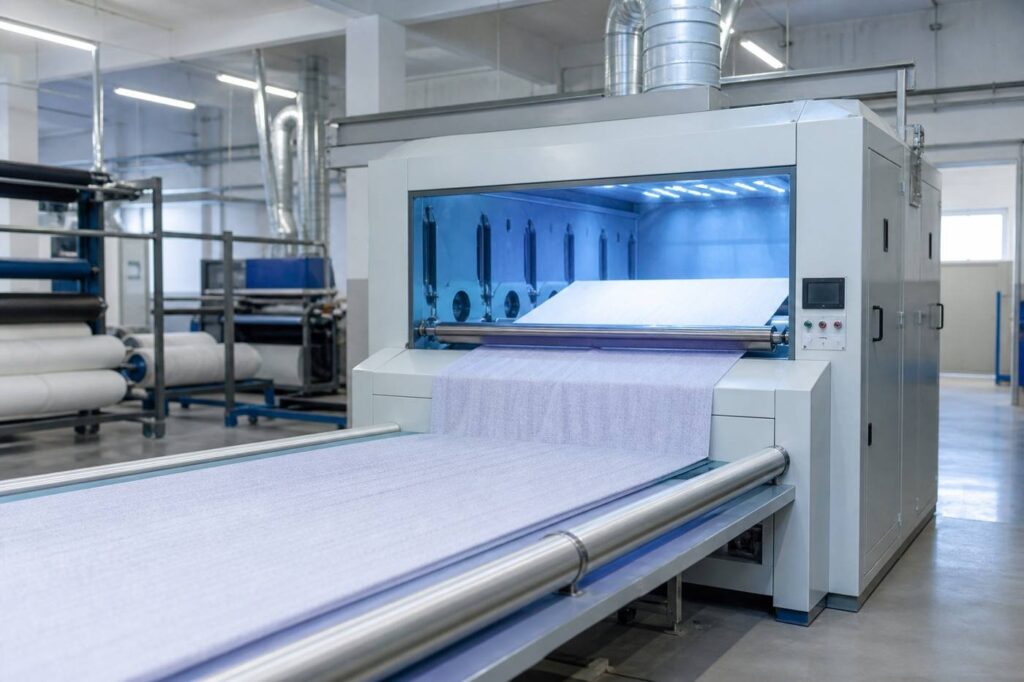
Air softening uses controlled fabric movement and air circulation to develop a softer hand.
A textile softening machine improves how fabric feels in the hand. It can increase softness, pliability, drape, and surface comfort after dyeing, drying, coating, or other finishing steps.
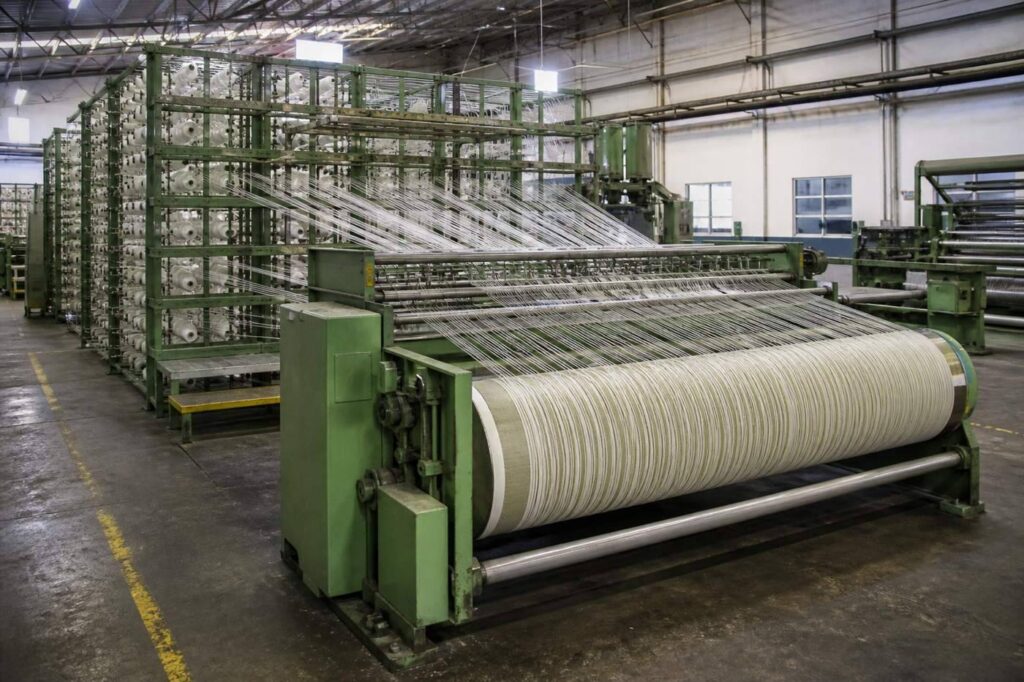
Beam warping arranges many yarn ends in parallel before sizing and weaving.
A warping machine prepares the longitudinal yarn system for weaving by arranging a specified number of yarn ends in parallel, at controlled tension and length, on a beam or drum. This step is called textile warping. It creates the organized warp that will later be sized, drawn-in, and loaded on a loom, or used in an appropriate warp-knitting preparation route.
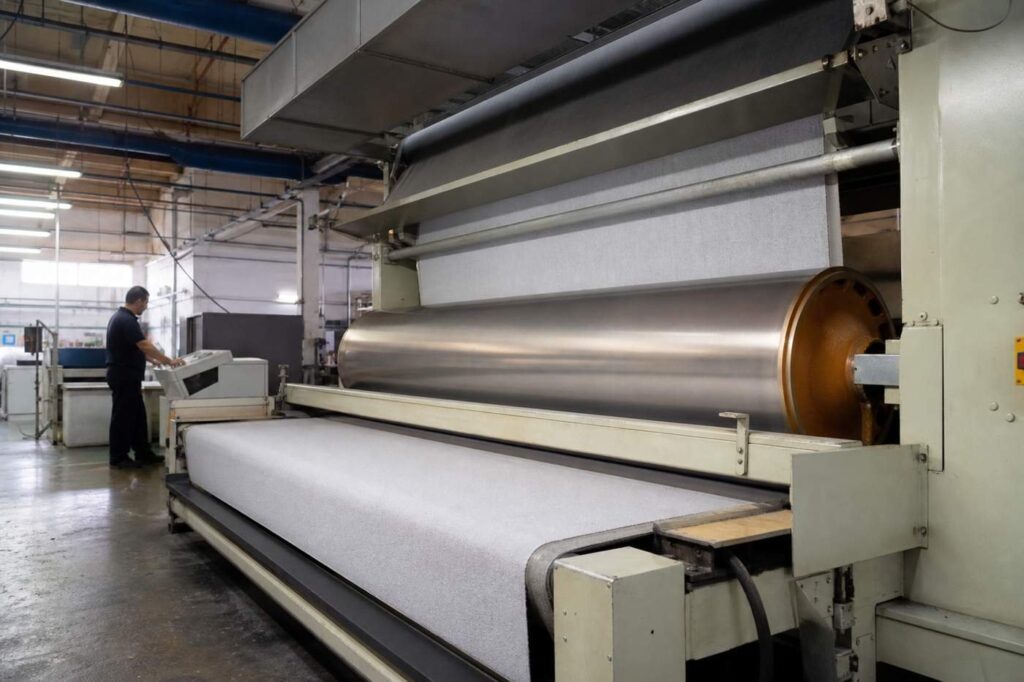
Compacting controls relaxation before knit fabric becomes a garment.
A compacting machine is a textile finishing system that applies controlled mechanical relaxation to fabric before it becomes a garment. It is especially important for cotton and cotton-rich knit fabrics, where loops and yarns can relax after washing. The compactor shortens the fabric in a controlled way, helping reduce later residual shrinkage. It can also influence GSM, width, thickness, hand, and surface appearance.
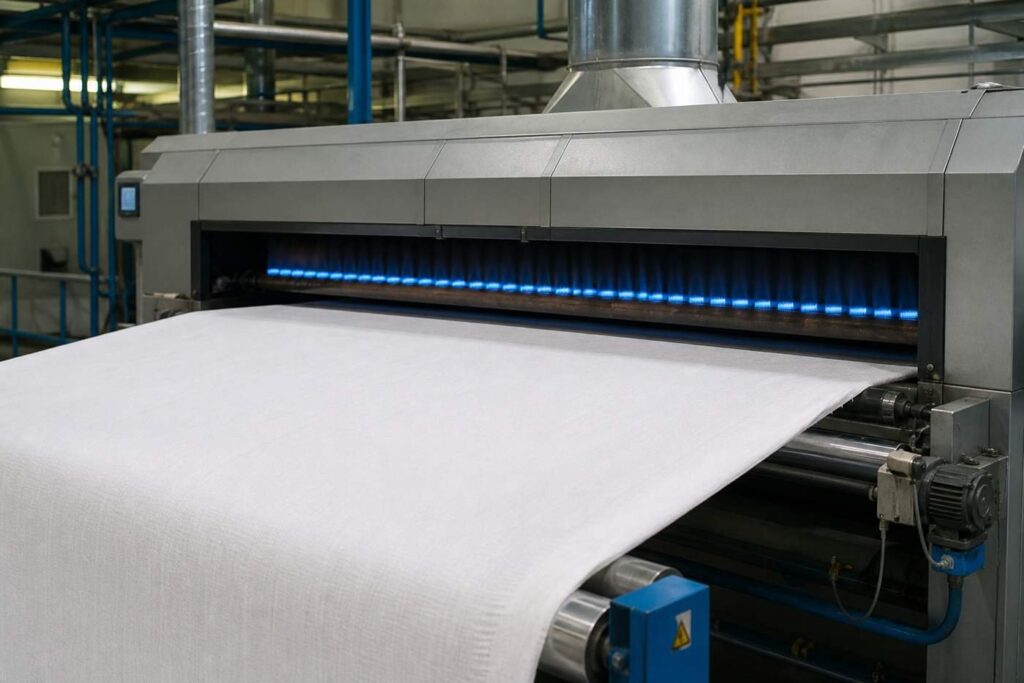
Controlled singeing removes surface fuzz before downstream wet processing.
A singeing machine removes loose, projecting fibers from the surface of yarn or fabric. It exposes the surface to a carefully controlled heat source for a very short time, burning the fuzz while preserving the main fabric. The result is a cleaner, smoother surface that can improve luster and help later dyeing, printing, coating, and finishing look more even.
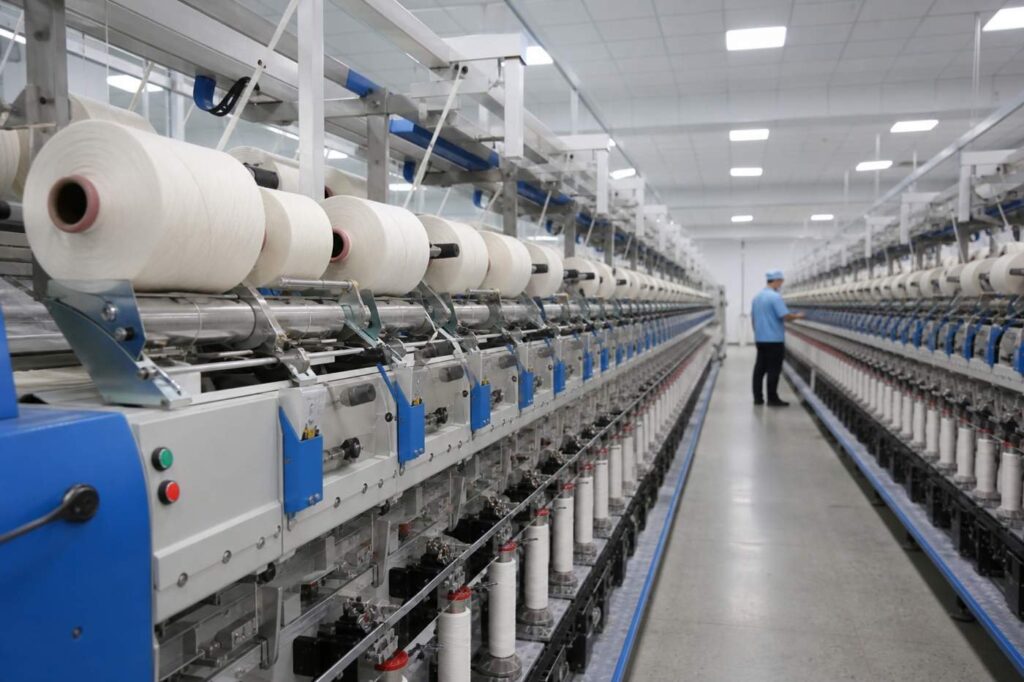
A TFO line combines controlled feed, twisting, and take-up into a compact yarn-processing operation.
A two for one twister is a yarn twisting machine that inserts two turns of twist into the delivered yarn for each revolution of its spindle. Yarn from a stationary feed package passes through a hollow rotating spindle, forms a controlled balloon, then winds onto a take-up package. This clever yarn twist principle gives TFO equipment its name and makes it a widely used route for ply twisting spun yarns and twisting many filament yarns.
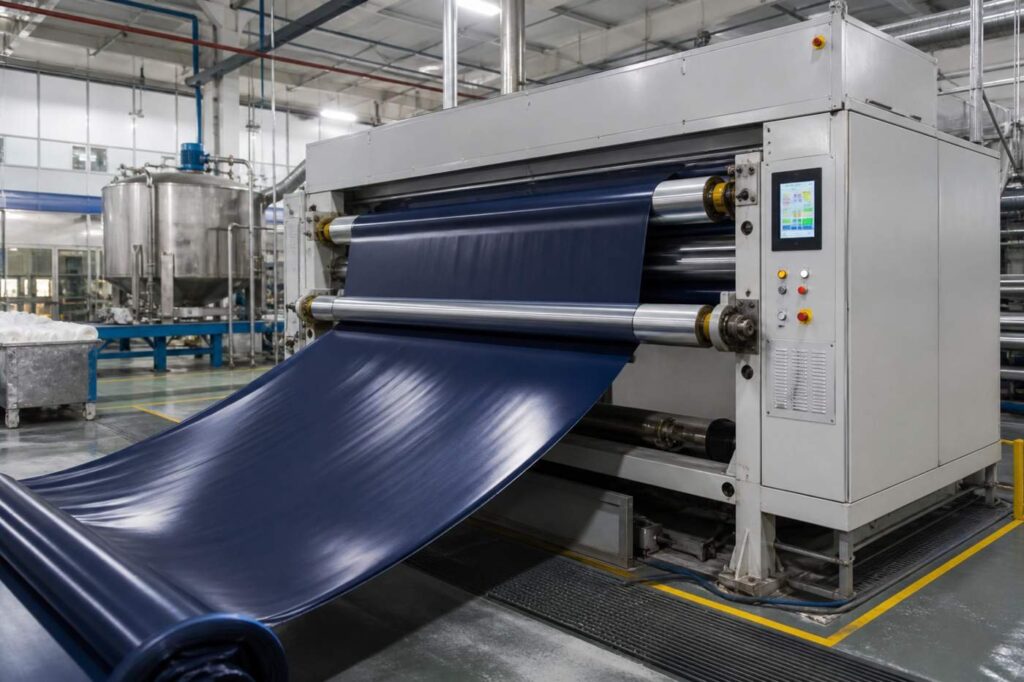
Roller pressure, heat, and fabric path create the final calendered surface.
A calendering machine changes fabric surface and handle by passing fabric through one or more pressure nips. Heat, pressure, roll material, moisture, and relative roll speed determine whether the result is smoother, flatter, glossier, denser, softer, or patterned. A 2-roller calender is a direct choice for simple smoothing or luster. A 3-roller calender gives more process flexibility and can support friction or multi-nip effects. An embossing machine is chosen when a visible surface pattern is the goal.
ZDHC Compliance in Textile Finishing: A Supplier’s Guide

Heat Recovery in Textile Finishing: Stenter and Dryer Guide

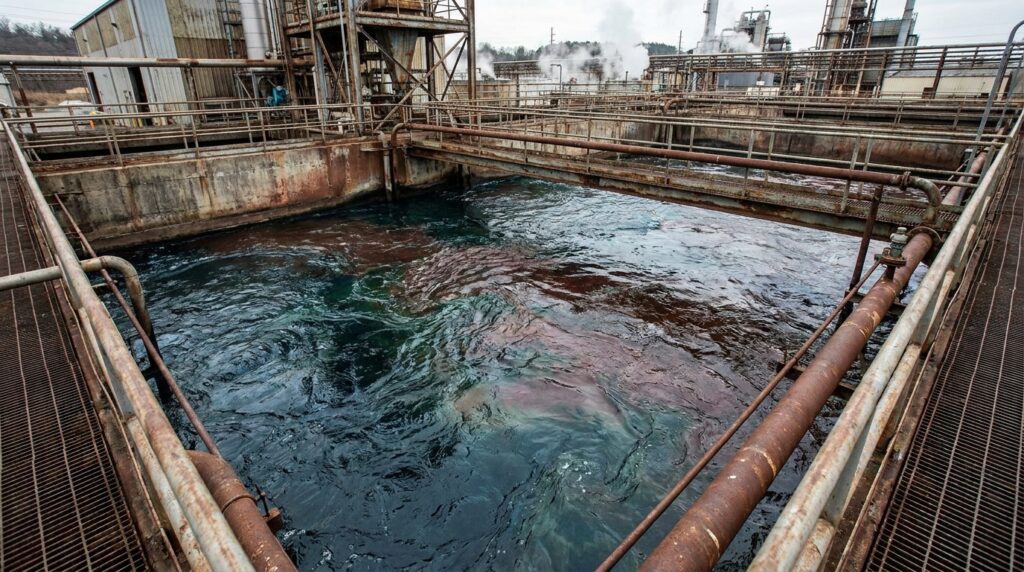
Textile Wastewater Treatment: A Guide for Dyeing Mills

OEKO-TEX Certification: What Dyeing Machine Buyers Must Know

GRS Certification for Textile Mills: The Equipment Checklist

Warp Knitting Machine Specifications: 8 Parameters to Check