News

Featured Products

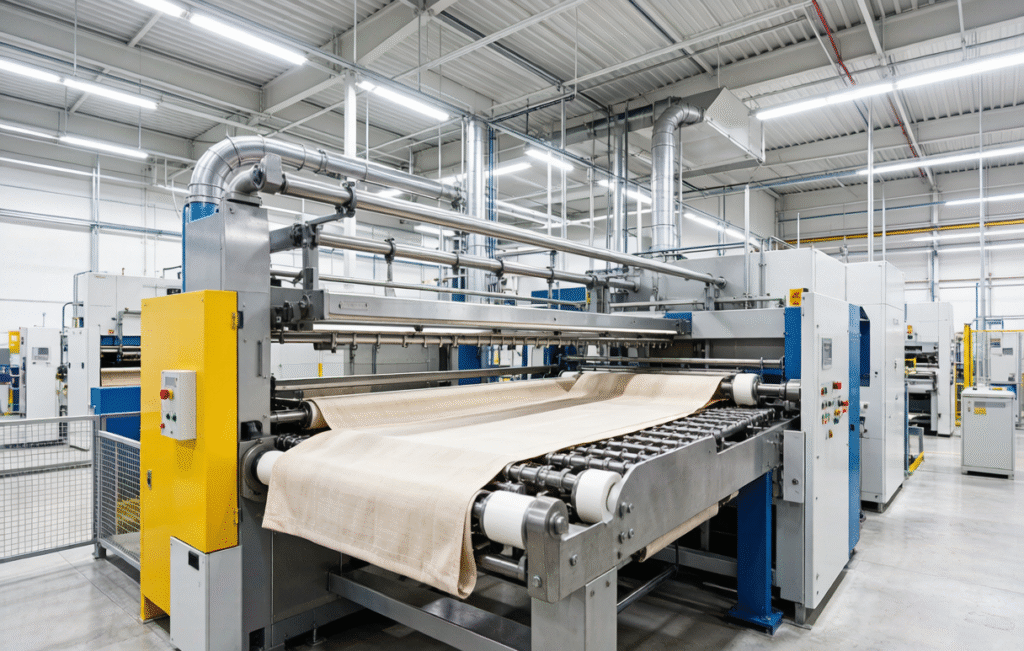
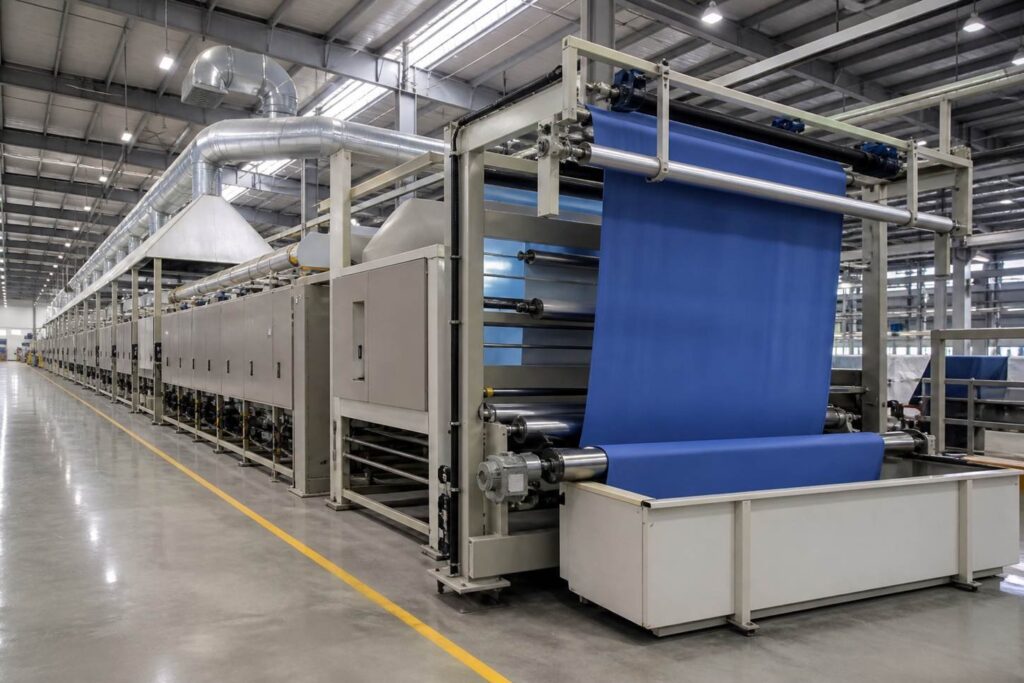
A stenter line controls fabric width and thermal exposure as the fabric moves continuously through heated chambers.
A stenter machine carries fabric in open width through controlled heating while its edges are held on two moving chains. It can dry fabric, set a target width, correct bow and skew, apply finishing chemicals, and stabilize selected synthetic or blended fabrics through fabric heat setting. The machine does not improve every property by itself. It creates a controlled zone where width, tension, airflow, moisture, temperature, and dwell time can be managed together.
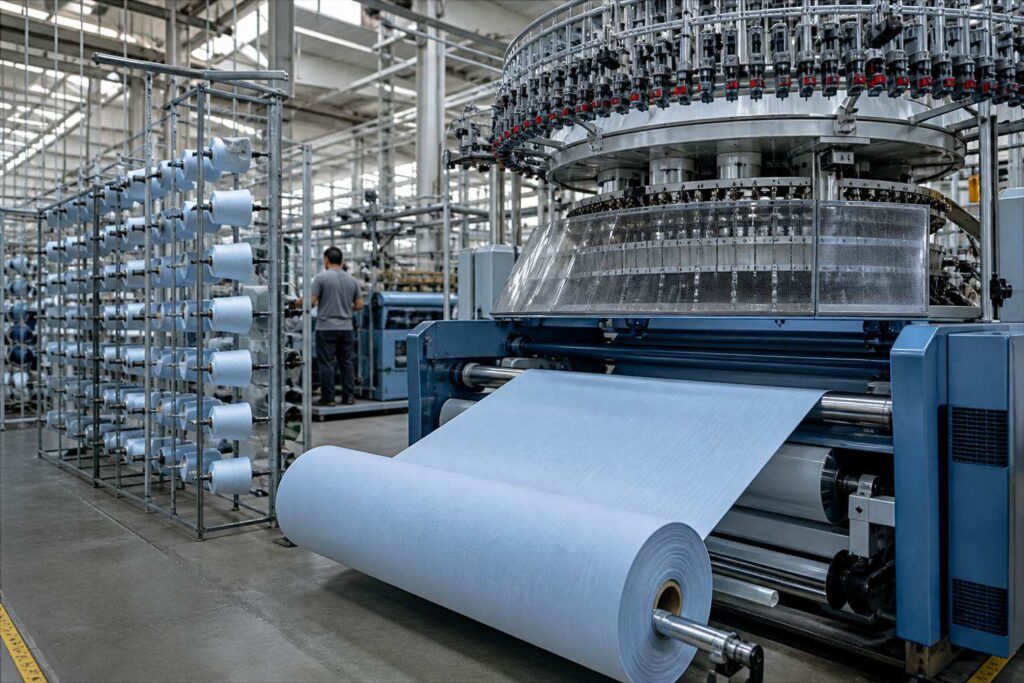
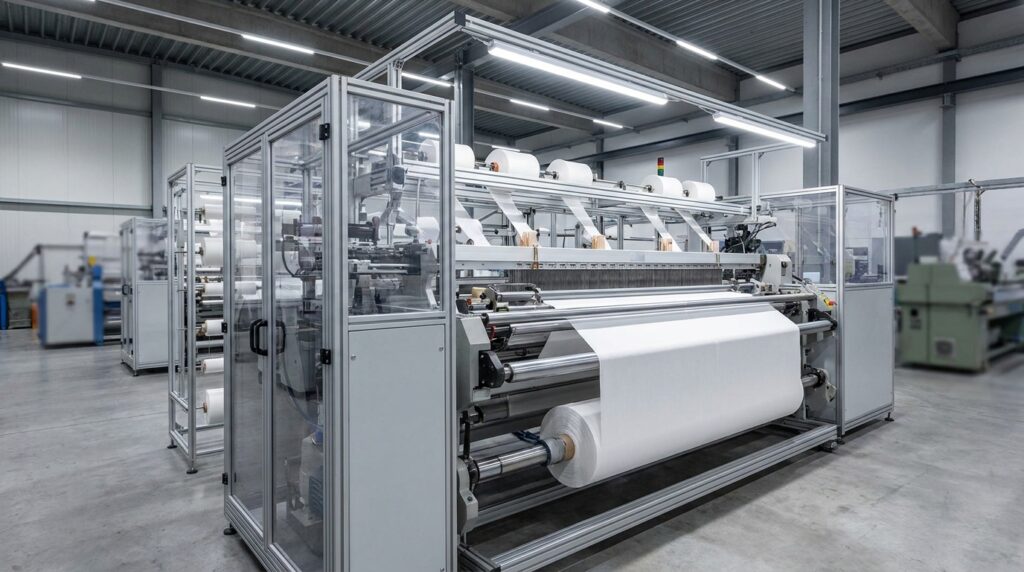
A tricot-oriented production line is designed around consistent yarn feeding, loop formation, and fabric take-down.
Choose the machine from the fabric you need to make, not from the machine name alone. A tricot knitting machine is usually the best route for smooth, stable, lightweight fabrics. A raschel machine is better when open structures, texture, heavier constructions, or many pattern options matter. Double needle bar warp knitting is the specialist choice for spacer fabrics and other structures that need two connected fabric faces.
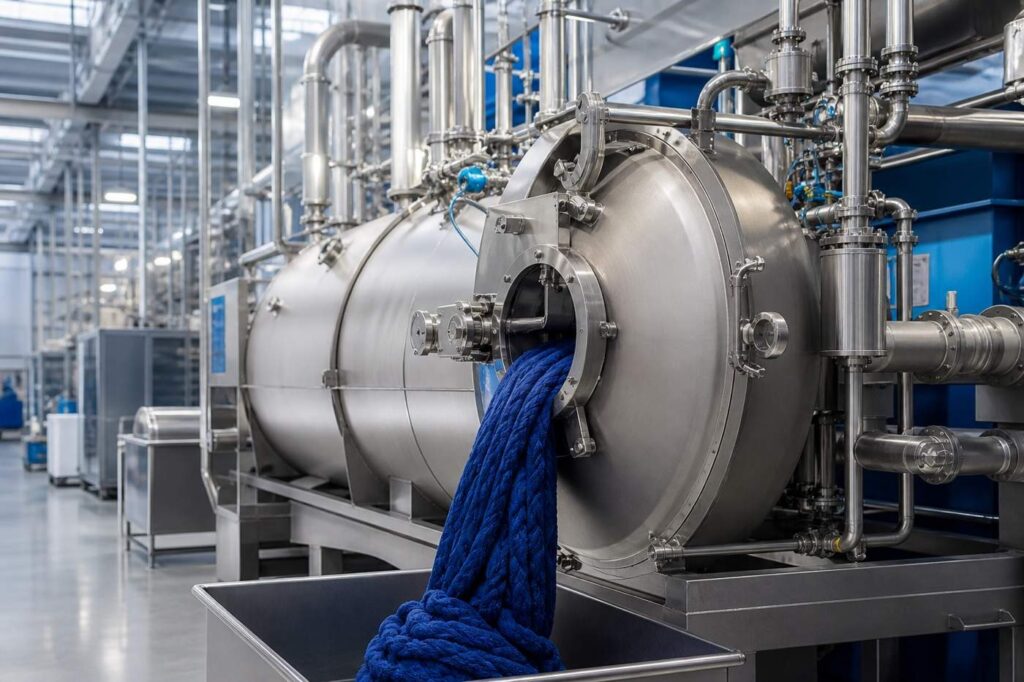
Jet dyeing machines circulate both fabric and liquor in a closed rope-dyeing system.
A textile dyeing machine is not chosen only by capacity. The textile form, fiber chemistry, fabric construction, desired shade, batch size, water use, and handling sensitivity all shape the correct decision. A machine that produces level polyester knit may be the wrong choice for a delicate voile, a yarn package, or a garment wash effect.
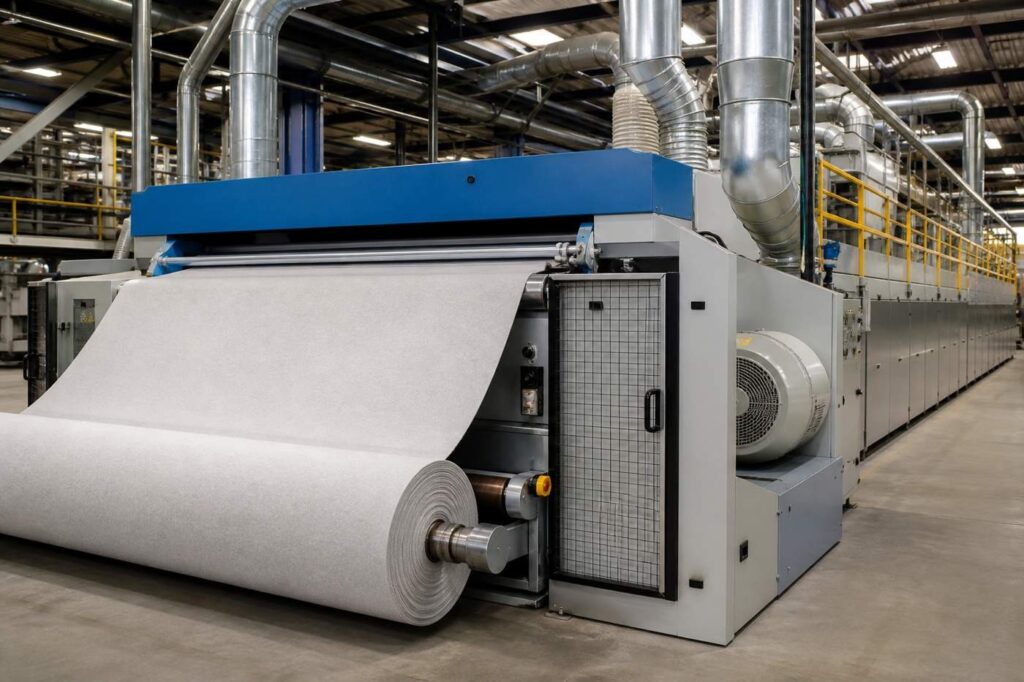
A sueding machine uses controlled abrasive contact to transform a smooth textile surface.
A sueding machine is a mechanical textile finishing machine that creates a very short, fine surface nap by controlled abrasion. It is used when a mill wants a smooth woven or knitted fabric to feel softer, warmer, less shiny, and more luxurious. The familiar result is often called a peach-skin or suede finish fabric.
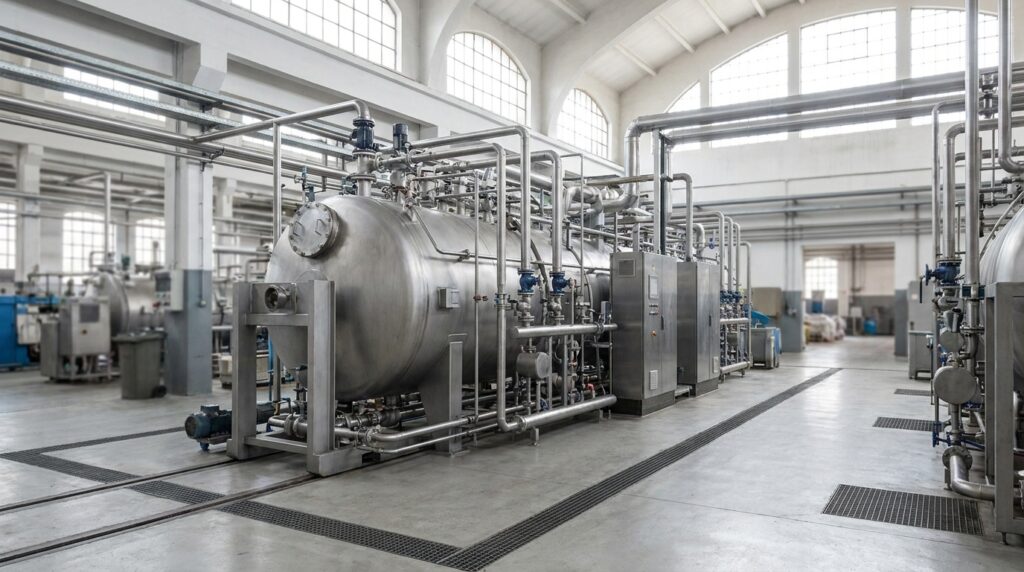
Modern textile finishing facto 2026 08 03T03 06 39 clean
Learn how to choose a stenter machine: types, working principle, key selection criteria, and common defects to avoid in textile finishing.
Two-for-One Twister Machine
Selecting the right equipment is the foundation of success for any modern textile operation. A high-quality twister machine serves as the backbone for consistent yarn production and overall factory efficiency. When you invest in the correct technology, you ensure that your output meets strict industry standards. This choice directly impacts your bottom line and long-term growth.

ZDHC Compliance in Textile Finishing: A Supplier’s Guide

Heat Recovery in Textile Finishing: Stenter and Dryer Guide

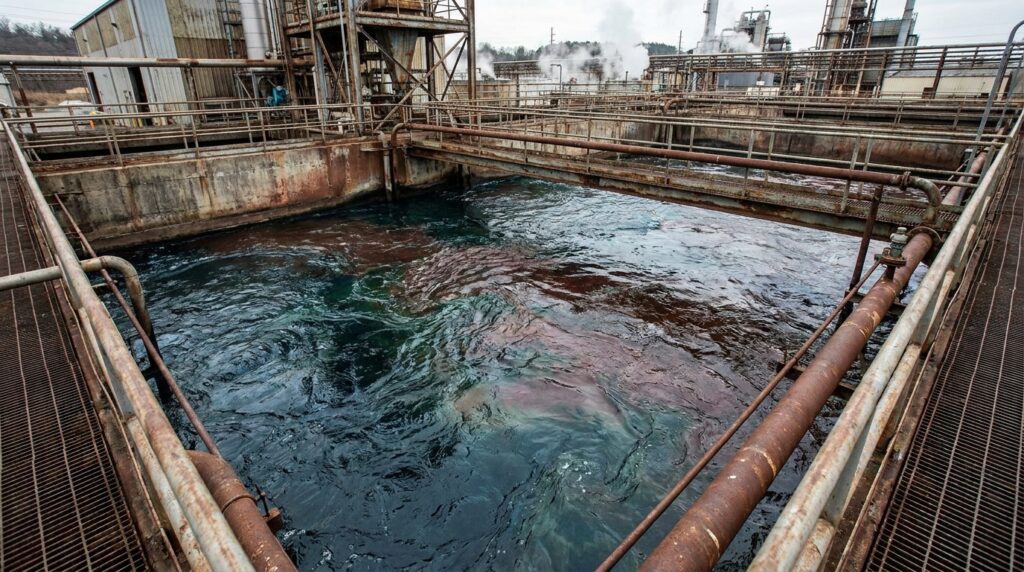
Textile Wastewater Treatment: A Guide for Dyeing Mills

OEKO-TEX Certification: What Dyeing Machine Buyers Must Know

GRS Certification for Textile Mills: The Equipment Checklist

Warp Knitting Machine Specifications: 8 Parameters to Check