News

Featured Products

SutexMach Custom Solution for Two For One Machine
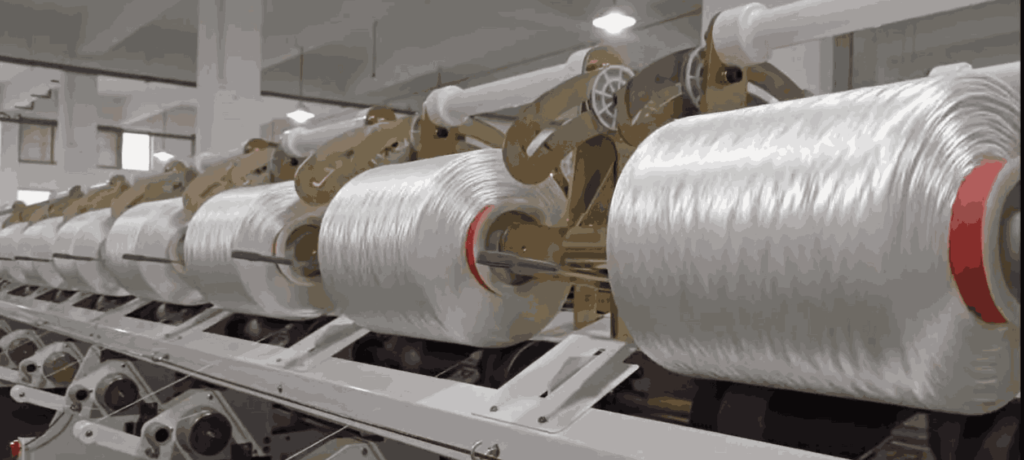
The global textile manufacturing sector relies heavily on mechanical engineering. When global sourcing managers, production engineers, and factory owners ask, "Which is the machine used in the textile industry?" they are rarely looking for a single piece of equipment. Instead, they are exploring a vast, interconnected network of specialized Textile Machinery designed to transform raw material into engineered fabrics.
Drying Machine
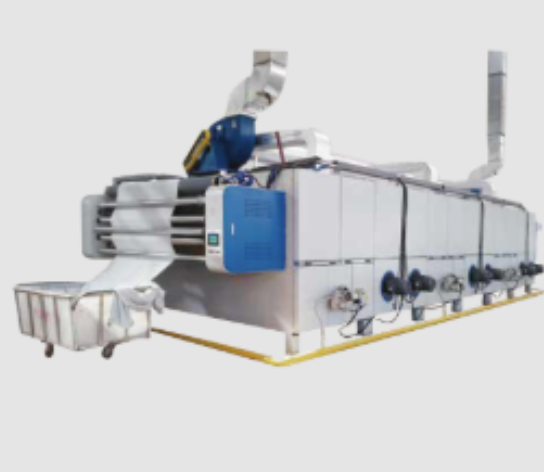
In large-scale manufacturing, moisture is often the final obstacle between a raw material and a market-ready product. Whether you are finishing high-grade technical textiles, processing bulk chemicals, or manufacturing pharmaceuticals, removing residual liquids efficiently is critical to product quality, shelf life, and structural integrity.
Drying Machine
Conventional hot-air drying in the textile industry presents a persistent and unavoidable trade-off. Facility operators constantly balance extended drying times against the severe risk of fiber degradation. Pushing hot air through dense yarn packages or thick layers of loose stock dries the outside long before the inside. This structural limitation causes surface overbaking, localized overdrying, and unwanted dye migration.
Double-Sided Sueding Machine Case
In the highly specialized sector of textile post-treatment, achieving the exact hand-feel demanded by international fashion houses requires a shift from chemical softening to physical micro-engineering. The premier technology driving this transformation is the textile sueding machine (frequently referred to in European mills as an emerizing machine). By physically abrading the fabric face, this equipment produces the uniform micro-pile known globally as the "peach skin" or "velvet touch" finish.
sizing machine drying chamber1
In the industrial ecosystem of modern textile manufacturing, transitioning raw yarn into flawless woven fabric requires a series of meticulous preparatory steps. While spinning dictates the yarn’s structural core and dyeing determines its aesthetic appeal, the efficiency of the weaving loom depends almost entirely on a process called slashing or sizing. At the center of this crucial phase is the sizing machine.As a premier provider of intelligent textile machinery and a trusted global textile mill supplier, SutexMach engineers state-of-the-art weaving preparation equipment. This comprehensive guide provides an in-depth technical examination of what a sizing machine is, its operating principles, its critical parameters, and how advanced sizing technology shields modern textile operations from costly downtime.
calendering machine
The surface texture (smoothness), thickness (thickness), and density (weight) of a manufactured product all contribute to its success on the shelf or out in the marketplace. Therefore, whether you are manufacturing high-tech textiles, engineering fabrics, rubber sheets, or plastic parts, the end finish of the product has the biggest impact on its value as either a retail or industrial purchase. A calendering machine is used to provide this finish and is considered an essential component of industrial machines. A calendering machine is actually the heavy-duty mechanical finishing machine. The calendering machine applies precise combinations of heat, speed, and tremendous pressure to continuously coated roll (web) materials.
Which Is the Machine Used in the Textile Industry?

What is a drying machine and what is the drying process?

How does the textile radio frequency dryer work

How Does the Textile Sueding Machine Work?

What is a Sizing Machine?

What is a Calendering Machine?