


 English
 Hungarian
 Indonesian
 Bulgarian
 Turkish
 Polish
 Russian
 Spanish
 Portuguese
 Korean
 French


Understanding Dyeing Effluent Characteristics and Challenges
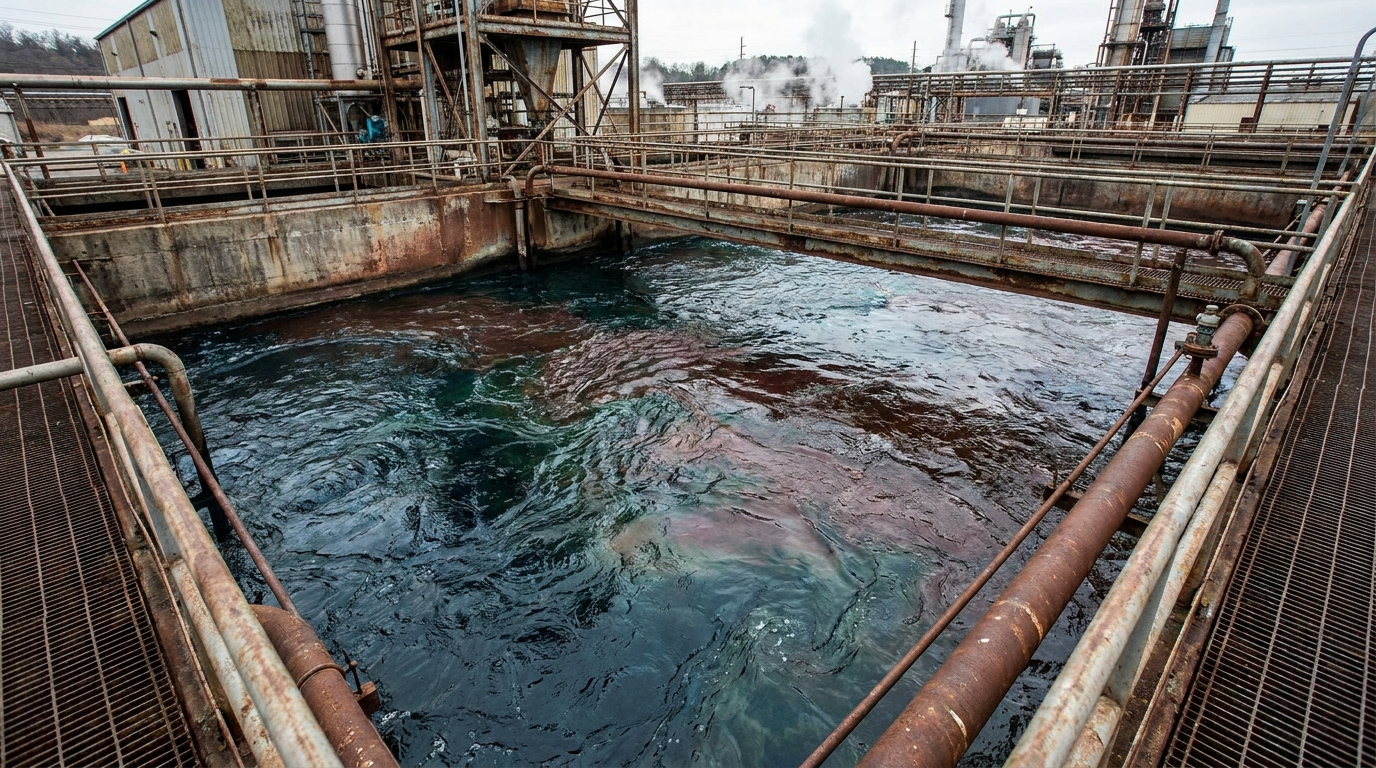
Textile printing and dyeing wastewater contains high concentrations of refractory organics. The baseline parameters for untreated dyeing effluent show why it requires robust treatment.
Typical Influent Parameters
Untreated textile effluent presents extreme chemical and physical challenges. The following table outlines standard baseline measurements for dyeing wastewater.
| Parameter | Typical Range |
|---|---|
| Chemical Oxygen Demand (COD) | 800–3,000 mg/L |
| Biological Oxygen Demand (BOD) | 200–800 mg/L |
| Color | 500–5,000 Pt-Co (Hazen) |
| Total Suspended Solids (TSS) | 200–700 mg/L |
| Total Dissolved Solids (TDS) | 5,000–15,000 mg/L |
| pH Level | 8–11 |
| Temperature | 30–60°C |
| Salinity | 1.5–6% |
Batch-to-Batch Fluctuations
Effluent composition in a textile mill rarely stays constant. Mills frequently switch between reactive, disperse, and vat dyes during daily operations. Each dye class requires different chemicals, salts, and fixation temperatures, creating extreme hourly variations in the wastewater stream. Chemical Oxygen Demand (COD) and color levels can spike by two to four times within a single shift. Equalization basins with an 8 to 12-hour hydraulic retention time (HRT) are necessary to blend these chemical swings before the water reaches downstream treatment stages.
The Salinity Threat
High salt content is a major vulnerability for biological treatment systems. Dyeing processes often push wastewater salinity between 1.5% and 6%. When salinity levels rise above 2%, biological treatment systems often fail. Nitrification processes collapse completely at this specific threshold, and heterotrophic bacteria removal rates are cut in half. This makes it impossible to reduce BOD and COD effectively without specialized salt-tolerant bacteria or careful dilution.
Impact of Upstream Machinery
The sheer volume of wastewater complicates these chemical challenges further. Older equipment often has high dyeing machine water consumption, generating massive volumes of diluted but highly toxic effluent. Upgrading to modern machinery from manufacturers like SutexMach reduces total water usage. Lowering the influent volume concentrates the pollutants slightly, which improves the efficiency of downstream chemical dosing and biological treatment stages.
The Four-Stage Dyeing Effluent Treatment Plant Architecture
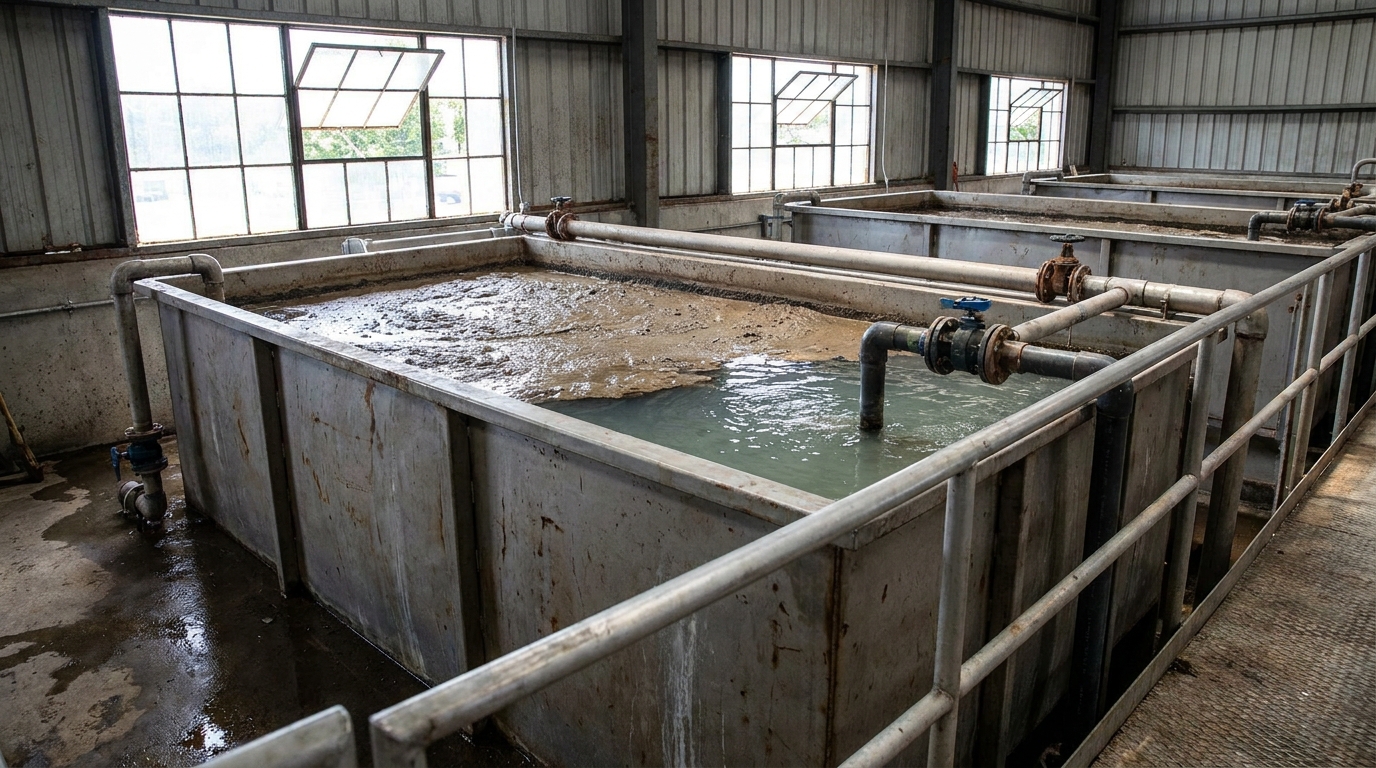
A reliable dyeing effluent treatment plant relies on a sequential architecture to systematically break down complex pollutants. The standard process requires four distinct operational stages:
- Pretreatment for physical screening and chemical equalization.
- Primary treatment for physicochemical separation.
- Secondary treatment for biological breakdown.
- Tertiary treatment for final chemical polishing.
Pretreatment: Screening and Equalization
Initial screening removes large physical debris. Using a rotary bar screen with an aperture of 5 mm or larger prevents loose fabric fibers from clogging downstream pumps. Next, the wastewater enters the equalization basin. As mentioned, the 8 to 12-hour HRT safely absorbs hourly variations in COD and color. Operators should also target a pH correction of 6.5 to 7.5 during this stage.
Primary Treatment: Physicochemical Separation
The primary stage focuses on removing suspended solids and initial color. Dissolved Air Flotation (DAF) is highly effective here. The system is typically dosed with 50 to 150 mg/L of polyaluminum chloride (PAC) and an anionic flocculant. This chemical combination forces particles to float for easy mechanical removal. A properly tuned DAF unit removes 60 to 80% of Total Suspended Solids (TSS) and significantly drops initial COD and color levels. This physicochemical step protects downstream bacteria and keeps future filtration membranes clean.
Secondary Treatment: Biological Breakdown
The clarified water then moves to biological treatment. Anaerobic systems like Upflow Anaerobic Sludge Blanket (UASB) or Internal Circulation (IC) reactors are standard, requiring a 24 to 48-hour HRT. Anaerobic bacteria slowly break down complex dye molecules into simpler compounds. However, standalone biological treatment consistently fails to meet strict color ceilings, such as a 400 Hazen limit. Complex synthetic dyes—including common azo, anthraquinone, and phthalocyanine dyes—strongly resist aerobic biodegradation. Biological systems alone cannot achieve full regulatory compliance.
Tertiary Treatment: Advanced Polishing
Tertiary polishing eliminates the stubborn organics that survive biological breakdown. Advanced Oxidation Processes (AOP) are the most reliable solution for this stage. Common methods include Fenton oxidation or ozone combined with hydrogen peroxide (O₃/H₂O₂). These intense chemical reactions shatter the remaining refractory organics, achieving the ultimate color removal required for safe discharge or further recycling.
Achieving Zero Liquid Discharge Textile Systems and Water Reuse
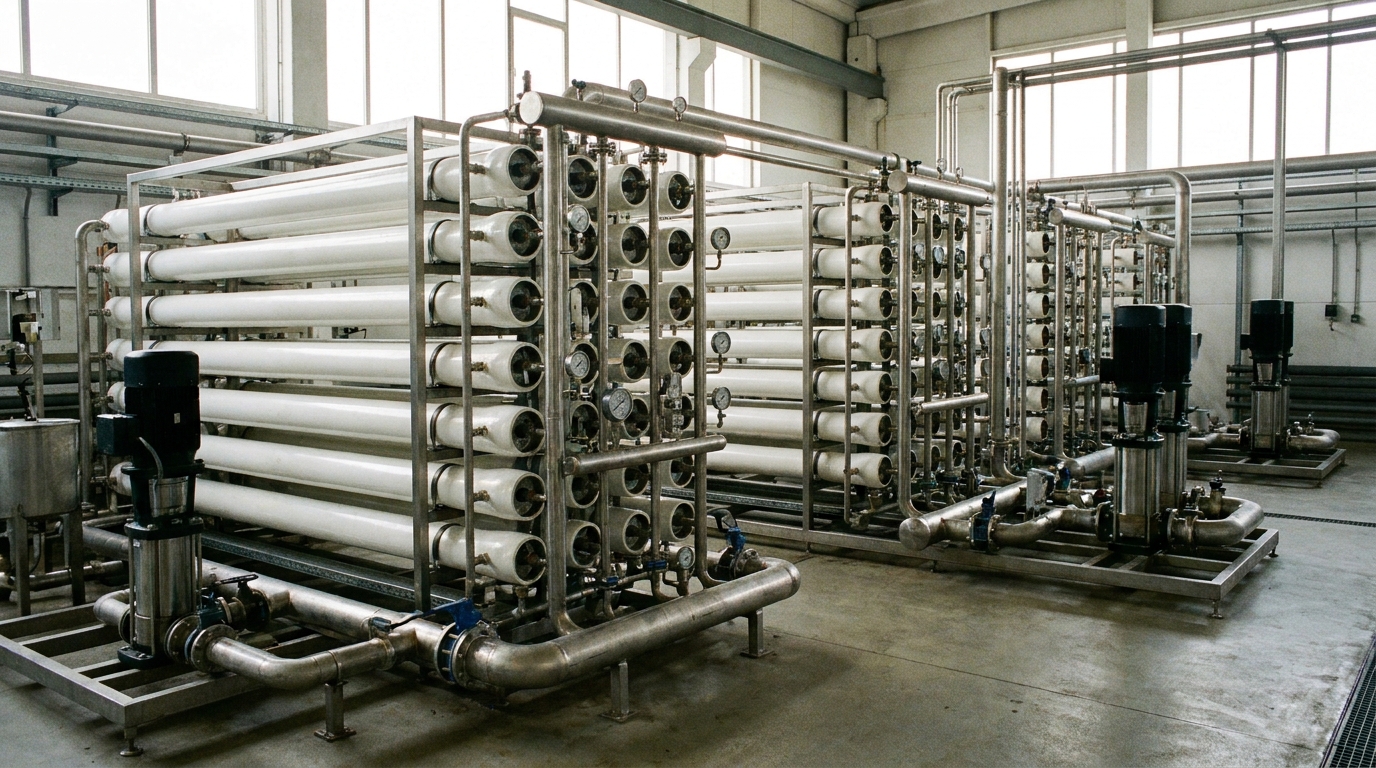
Fashion brands now strictly enforce environmental mandates for their suppliers. At the same time, municipal freshwater costs and discharge fees continue to rise. This combined financial and regulatory pressure pushes mills toward closed-loop water recycling.
Comparing Water Recovery Technologies
Traditional biological treatment alone cannot support high-volume water reuse, typically yielding just 30 to 50% water recovery. Upgrading to advanced membrane filtration significantly changes this outcome. Facilities utilizing textile water recycling MBR and RO configurations can achieve 70 to 90% water recovery. Pairing a Membrane Bioreactor (MBR) with Reverse Osmosis (RO) provides superior purification for the mill.
RO Polishing Capabilities
RO systems in textile applications generally operate at 65 to 75% recovery. These membranes effectively strip out the heavy dissolved salts left over from dyeing. The influent Total Dissolved Solids (TDS) often ranges from 5,000 to 15,000 mg/L. RO polishing reduces this extreme TDS concentration down to less than 500 mg/L. The resulting purified water is perfectly suitable for direct reuse in sensitive dyeing baths.
Managing Salt Buildup Risks
Closed-loop systems face a severe risk of internal salt accumulation. Any zero liquid discharge textile setup must actively manage this chemical threat by implementing a 10 to 20% RO concentrate bleed stream. Failing to bleed this concentrate causes rapid system failure. Feed conductivity will quickly spike past 8,000 µS/cm within weeks. This extreme salinity causes RO recovery rates to collapse and permanently damages the membranes. Properly managing the resulting concentrated sludge requires efficient mechanical separation. Utilizing a reliable textile dewatering machine helps prepare this final waste for safe disposal.
Integrating Treatment with High-Efficiency Textile Machinery
Source Reduction on the Production Floor
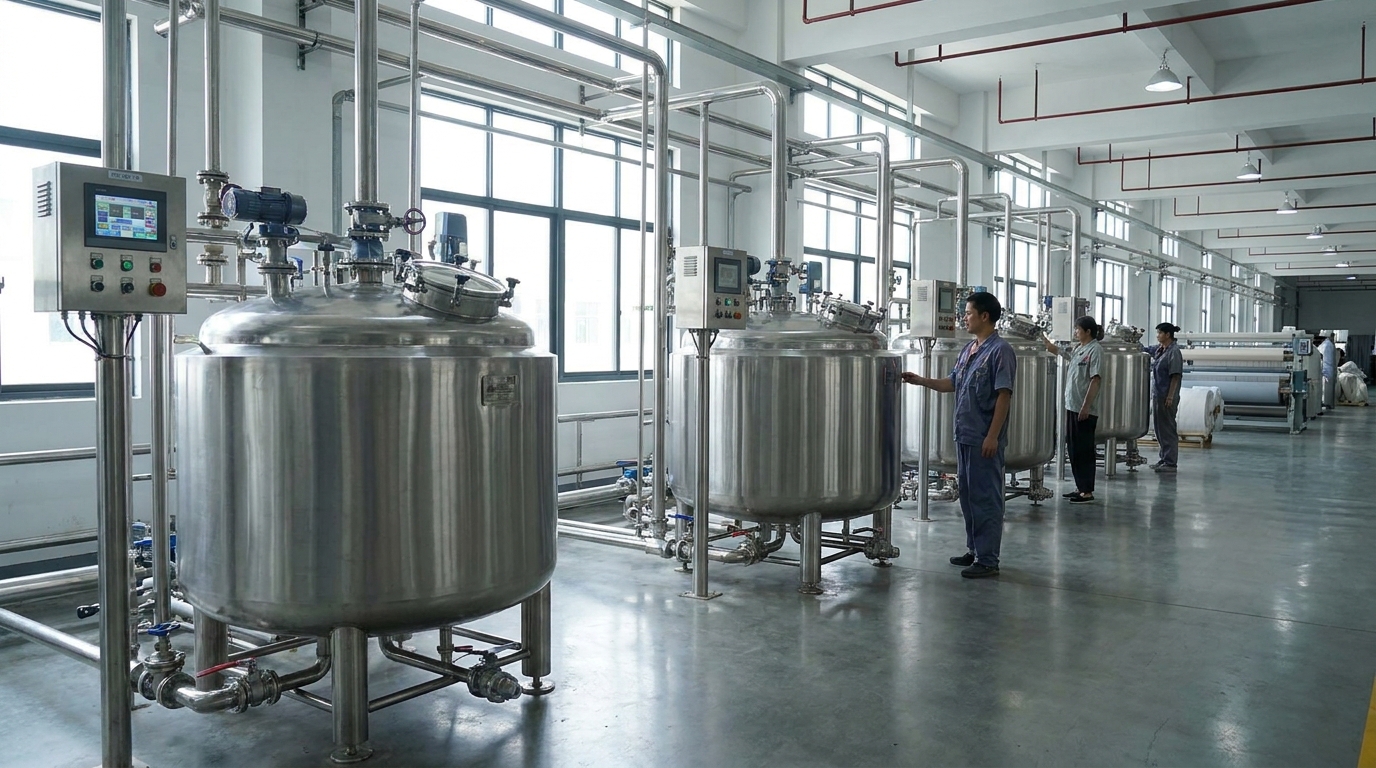
Effective wastewater management starts before the effluent reaches the treatment plant. Source reduction minimizes the initial volume of water and chemicals used, directly lowering the burden on downstream equalization basins and biological reactors. Mills should target source reduction as a primary strategy before expanding chemical treatment capacity.
Optimizing Dyeing and Dewatering Equipment
Upgrading outdated production equipment is a practical step for modern mills. SutexMach brings over 30 years of experience to this challenge. Founded in 1985 and affiliated with Jiangsu SoHo Honry Import & Export Co., Ltd., we manufacture intelligent textile machinery designed to optimize resource use.
Modern dyeing machines utilize ultra-low liquor ratios, drastically cutting initial freshwater intake and reducing the total volume of chemical discharge. Following the dyeing process, highly efficient dewatering equipment extracts maximum moisture from the fabric. Removing more water mechanically prevents heavy chemical carryover into subsequent finishing stages.
Achieving Holistic Plant Efficiency
Lowering effluent volume is just one part of holistic plant efficiency. Optimizing downstream finishing processes works hand-in-hand with your wastewater strategy. Upgrading machinery like sueding, calendering, and stenter machines ensures smoother production flows. Efficient mechanical moisture extraction also reduces the thermal load required later. Facility managers looking to optimize these finishing stages should explore how to reduce energy costs in textile drying. Combining intelligent machinery with robust wastewater treatment lowers overall operational expenses and helps facilities consistently meet strict global environmental mandates.
Frequently Asked Questions About Textile Wastewater Treatment
Why do biological treatment systems fail in dyeing mills?
Biological systems often fail due to high salt levels. Dyeing processes can push wastewater salinity between 1.5% and 6%. When salinity exceeds 2%, the biological treatment process breaks down, causing helpful bacteria to die off and nitrification processes to collapse. Mills must carefully manage salt levels through dilution or use specialized salt-tolerant bacteria to prevent this failure.
What happens if I don’t use a bleed stream in a closed-loop recycling system?
Failing to use a 10 to 20% concentrate bleed stream causes heavy dissolved salts to build up inside the closed loop. Feed conductivity can quickly spike past 8,000 µS/cm in just a few weeks. This extreme salt concentration causes Reverse Osmosis (RO) recovery rates to collapse and permanently damages filtration membranes. Bleeding off this concentrate and managing the resulting sludge is essential.
Can biological treatment alone remove all the color from textile effluent?
No, standalone biological treatment cannot meet strict color discharge limits. Complex synthetic dyes, such as azo, anthraquinone, and phthalocyanine dyes, strongly resist breakdown by bacteria. While biological reactors reduce some pollutants, they consistently fail to reach strict color ceilings like a 400 Hazen limit. Facilities must add a tertiary polishing step, such as Advanced Oxidation Processes (AOP), to destroy the remaining stubborn color molecules.
How much chemical dosing does a Dissolved Air Flotation (DAF) unit need?
A properly tuned DAF unit in a textile mill is typically dosed with 50 to 150 mg/L of polyaluminum chloride (PAC) along with an anionic flocculant. This chemical combination forces suspended solids and initial color particles to clump together and float to the surface. This primary treatment step removes 60 to 80% of Total Suspended Solids (TSS).
How does upgrading textile machinery help with wastewater management?
Upgrading to modern equipment reduces the total volume of wastewater generated on the production floor. Intelligent dyeing machines use ultra-low liquor ratios, which drastically cuts initial freshwater intake and chemical discharge. Highly efficient dewatering equipment also extracts more moisture from fabrics, preventing heavy chemical carryover. Shrinking the overall effluent volume lowers the burden on the treatment plant and makes downstream chemical dosing more efficient.
Conclusion
A robust four-stage treatment architecture is vital for managing salinity and stubborn organics in dyeing effluent. Upgrading to advanced recycling like MBR and RO ensures environmental compliance and helps secure contracts with eco-conscious fashion brands. Effective wastewater management starts at the source.
- Audit your current equalization and biological treatment stages.
- Evaluate MBR and RO systems for closed-loop water reuse.
- Upgrade to a modern SutexMach dyeing machine to reduce initial water consumption.