


 English
 Hungarian
 Indonesian
 Bulgarian
 Turkish
 Polish
 Russian
 Spanish
 Portuguese
 Korean
 French


Core Applications in Technical Textiles
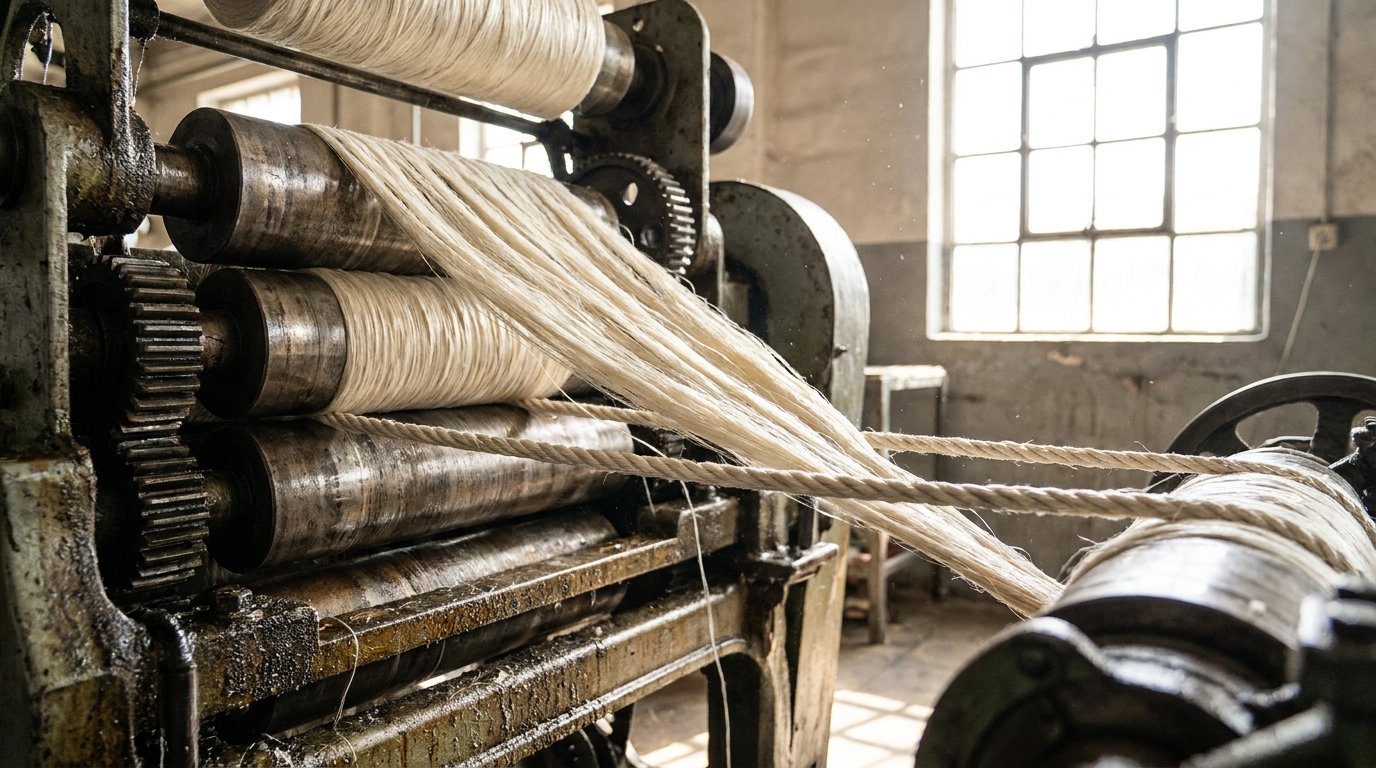
Two-for-One (TFO) twisting machinery adapts to various heavy-duty manufacturing needs. The consistent tension and double-twist mechanism support the production of highly durable textiles.
Tire Manufacturing
Automotive safety relies on structural integrity. Manufacturers use a TFO twister tire cord yarn setup to create this foundation. The twisting process improves tensile strength and fatigue resistance, ensuring finished tires withstand high speeds, heavy loads, and constant friction.
Floor Coverings
High-traffic carpets require highly resilient fibers. A carpet yarn twisting machine TFO efficiently processes these heavy denier materials. It handles Bulk Continuous Filament (BCF) and multi-ply yarns with ease. The resulting twist locks fibers tightly together, preventing unraveling and extending the lifespan of commercial floor coverings.
Industrial Ropes and Twines
Heavy-duty lifting applications demand specialized cordage. A TFO twister polyester filament machine produces robust synthetic ropes, twines, and high-strength industrial sewing threads. The uniform twist guarantees consistent breaking strength across the entire finished spool.
Technical Fabrics
Technical fabrics operate in extreme physical environments and rely on high-tenacity yarns for structural stability. TFO twisters process these yarns for geotextiles, heavy conveyor belts, and durable protective clothing.
Essential Industrial Yarn Twisting Setup Steps
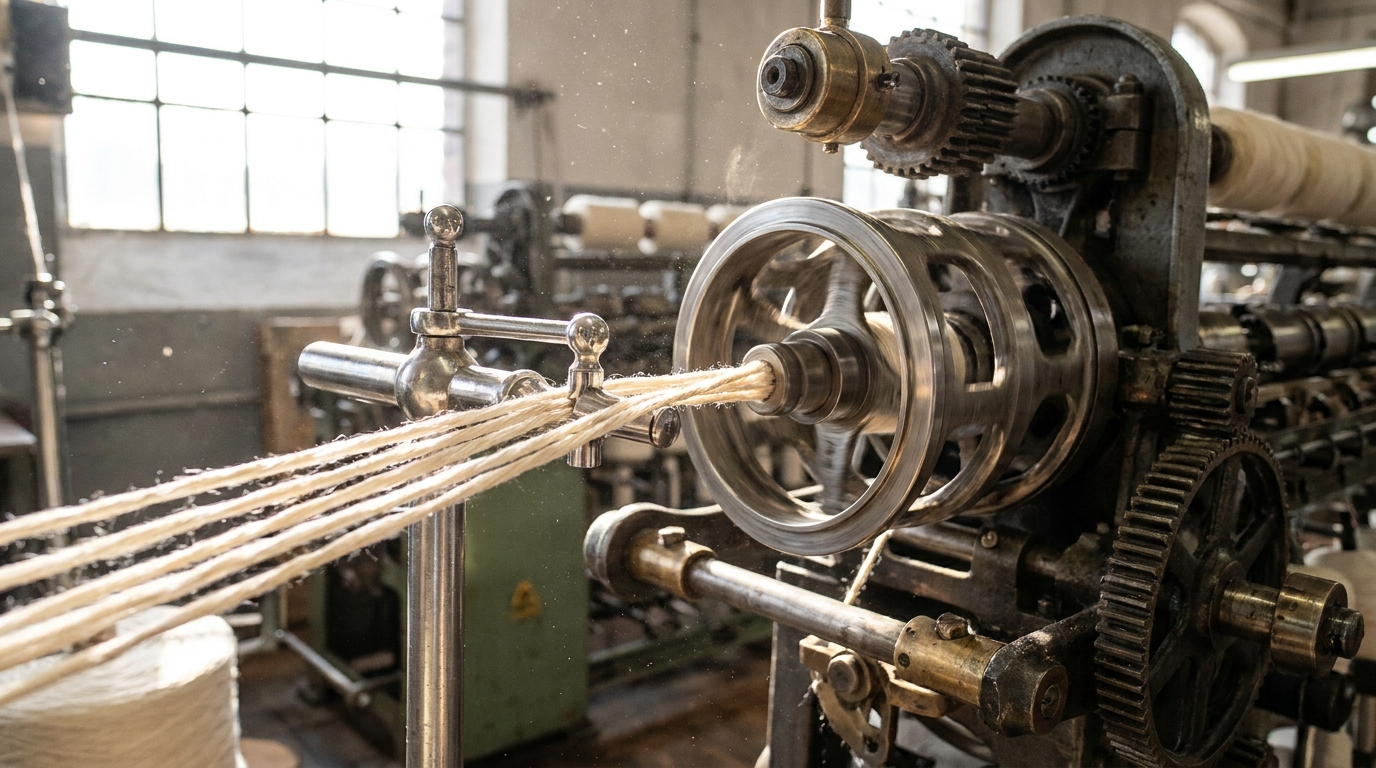
Proper preparation prevents yarn breakage and machine downtime. Inspect all feed packages for uniform winding and visible defects. Clear the machine environment of dust and lint, as airborne particles can interfere with spindles and compromise yarn quality.
Threading the Machine
Threading requires careful attention to the yarn path. Guide the yarn from the feed package directly into the tension capsule, pass it down through the hollow spindle, and route it out through the flyer up to the take-up roller. Incorrect threading causes uneven twist insertion and immediate yarn breaks.
Tension and Balloon Setting
The yarn balloon must remain stable during high-speed operation. Adjust the tension capsule settings to match the specific denier of your material. Heavier technical textiles require higher tension to prevent balloon collapse, while lighter filaments need lower tension to avoid stretching or snapping.
Parameter Configuration
The final step involves dialing in mechanical parameters. A proper industrial yarn twisting setup requires precise Spindle Speed (RPM) and Twist Per Meter (TPM) inputs. Set the TPM according to the desired fabric strength or rope flexibility, and adjust the RPM to maximize production without exceeding the yarn’s tensile limits.
Common Mistakes and Operational Risks
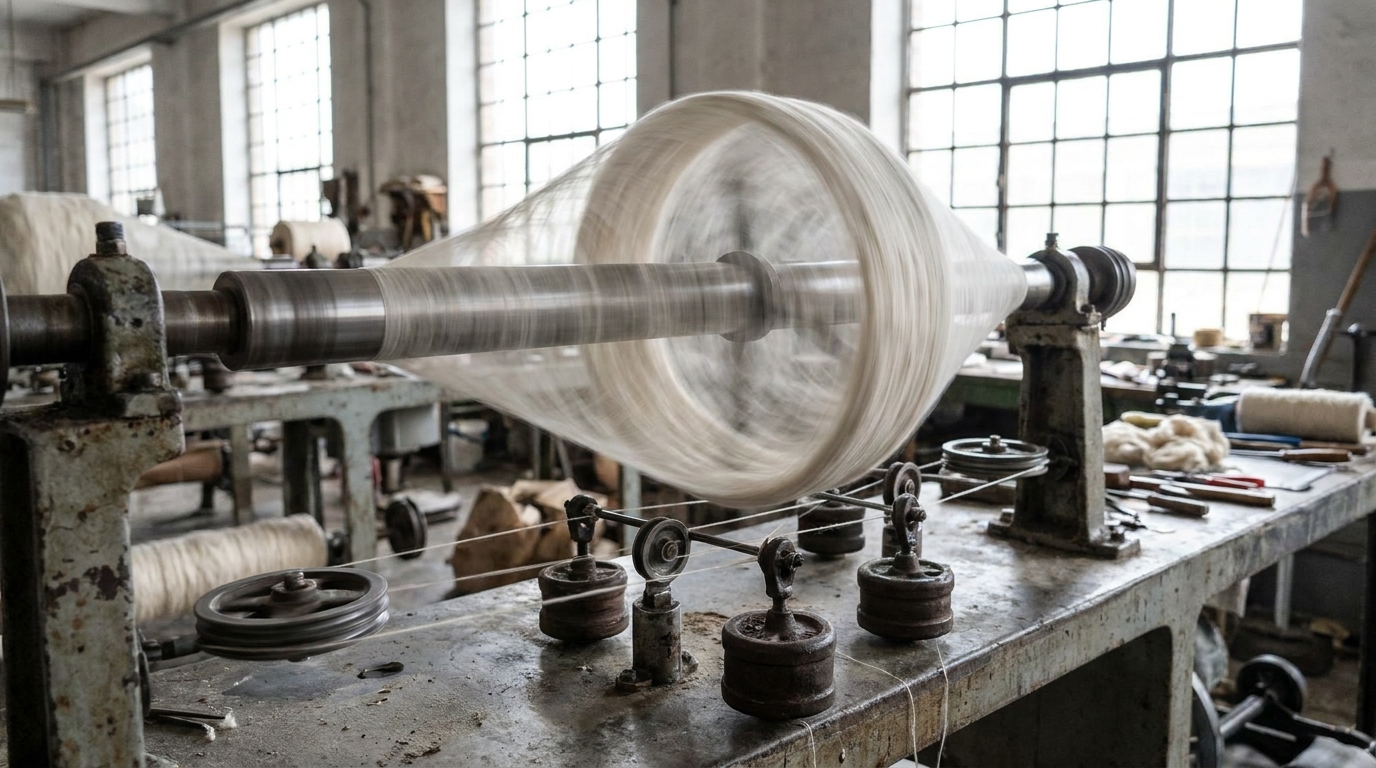
Even with a precise configuration, operators can make errors that disrupt production. Running a TFO twister industrial yarn system requires ongoing vigilance to avoid costly material waste.
Incorrect Tension Capsule Selection
Choosing the wrong tension weight immediately impacts production quality. If the capsule is too light, the yarn balloon expands excessively, causing the yarn to whip against machine separators. Conversely, an overly heavy capsule strains fibers, leading to frequent breaks and inconsistent twists. Operators must match the capsule weight precisely to the yarn denier.
Misaligned Balloon Settings
Balloon stability is critical. A misaligned balloon creates excessive friction against machine components, generating unwanted heat along the yarn path. High temperatures can melt or weaken a TFO twister polyester filament during processing. Always calibrate the balloon size to accommodate the specific thickness of the industrial yarn.
Ignoring Twist Direction (S or Z)
Industrial textiles require specific twist directions for structural integrity. Applying an “S” twist when a “Z” twist is required prevents plied yarns from locking together correctly during subsequent manufacturing stages. Always verify the required twist direction before starting a new production run, as incorrect twists severely compromise the final product’s load-bearing capacity.
Neglecting Routine Maintenance
High-speed twisting generates significant amounts of dust and lint. Skipping regular spindle cleaning allows debris to accumulate quickly, forcing the machine to work harder and increasing energy consumption. Failing to lubricate moving parts also accelerates mechanical wear. Routine maintenance protects your investment and ensures SutexMach equipment delivers reliable performance.
Comparing Twisting Technologies and Decision Factors
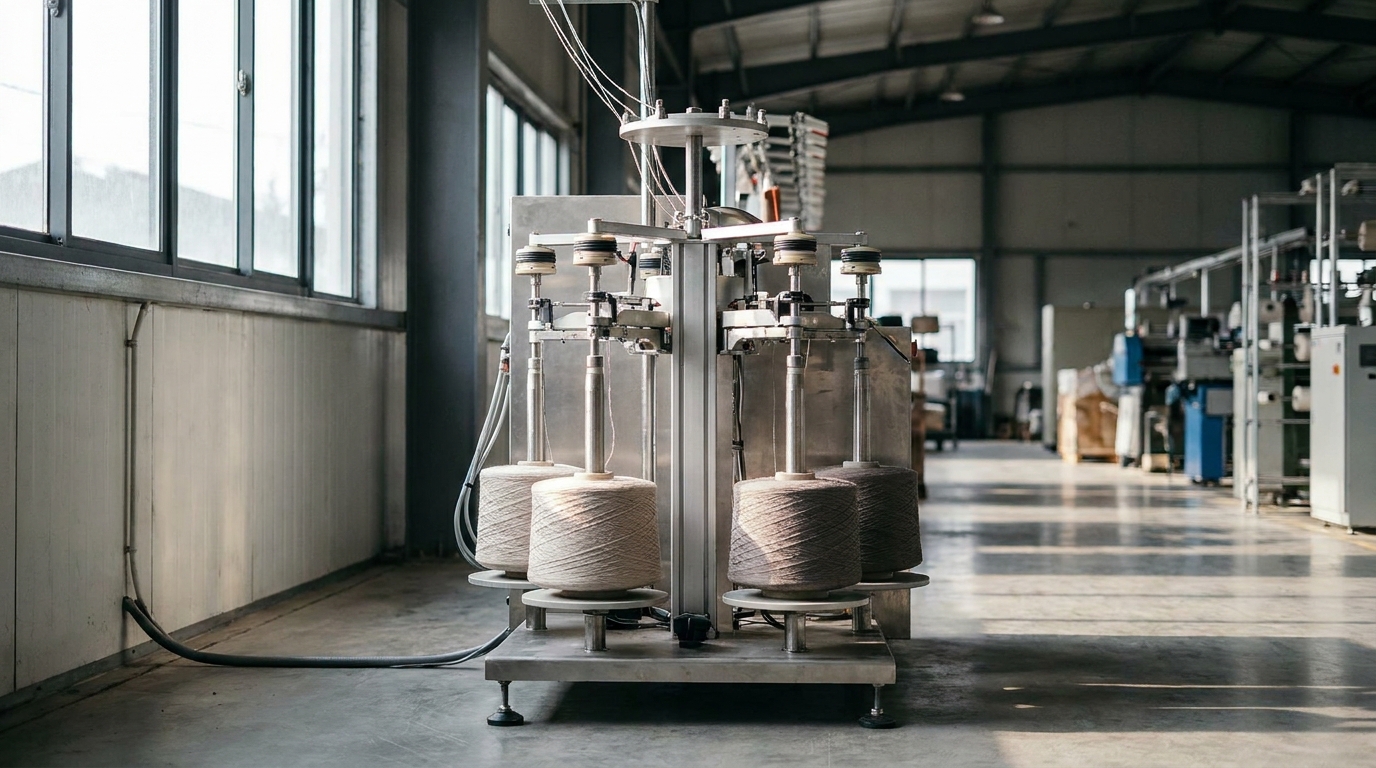
When upgrading machinery, manufacturers often compare TFO twisters against traditional ring twisting machines. A TFO twister industrial yarn machine inserts two twists per spindle revolution, effectively doubling production speed compared to a ring twister. TFO machines also accommodate much larger take-up packages, meaning fewer knotting requirements and smoother downstream processing. However, ring twisters sometimes handle extremely thick or highly abrasive yarns better. Evaluate specific material requirements before deciding.
| Feature | TFO Twister | Ring Twister |
|---|---|---|
| Production Speed | High (two twists per revolution) | Moderate (one twist per revolution) |
| Package Size | Large, knot-free packages | Smaller packages, frequent doffing |
| Energy Efficiency | Higher output per kilowatt | Lower output per kilowatt |
| Best For | Continuous filament, standard industrial yarns | Extremely heavy or abrasive materials |
Space and Automation
Modern facilities must maximize available floor space. TFO machines feature a compact vertical design that saves significant room on the factory floor and integrates seamlessly with intelligent textile machinery networks. SutexMach designs equipment that supports automated monitoring, allowing operators to track spindle speeds and detect yarn breaks from a centralized control panel. This automation reduces manual labor and minimizes production downtime.
Sourcing Reliable Equipment
Finding the right machinery requires careful sourcing. Buyers often use international B2B platforms to locate verified suppliers. To avoid inactive listings or broken links, submit a direct sourcing request to the platform or manufacturer. This approach allows you to receive and compare multiple quotes from active suppliers. Always check the manufacturer’s production history. Partnering with established companies like SutexMach ensures reliable post-purchase support and authentic equipment.
Requesting Samples
Never finalize a heavy machinery purchase without physical proof of performance. Request twisted yarn samples produced on the exact machine model you intend to buy. Examine these samples for uniform twist insertion and stable tensile strength. If processing a TFO twister polyester filament, check the sample for heat damage or fraying. Testing confirms the machine can handle specific industrial yarn requirements before commitment.
Frequently Asked Questions About Industrial Yarn TFO Twisters
Why choose a Two-for-One (TFO) twister over a ring twister?
A TFO twister inserts two twists per spindle revolution, doubling production speed compared to a standard ring twister. It produces larger, knot-free packages for smoother downstream processing, though ring twisters may still be preferable for extremely heavy or abrasive materials.
What types of products are made using industrial yarn twisters?
These machines manufacture heavy-duty technical textiles, including tire cord yarn, Bulk Continuous Filament (BCF) for commercial carpets, and high-strength synthetic ropes. They also create durable technical fabrics like geotextiles, conveyor belts, and protective clothing.
How do you set the correct tension during machine setup?
Adjust the tension capsule to match the yarn’s specific denier. Heavier textiles need higher tension to prevent the yarn balloon from collapsing, while lighter filaments require lower tension to avoid stretching. Incorrect tension can cause yarn breakage or machine damage.
What happens if the twist direction is set incorrectly?
Applying the wrong twist direction (S or Z) prevents plied yarns from locking together correctly during subsequent manufacturing stages. This severely reduces the final product’s strength and load-bearing capacity, leading to material waste.
Why is routine maintenance critical for twisting machinery?
High-speed twisting creates dust and lint buildup that forces the machine to work harder and wastes energy. Regular cleaning and lubrication prevent accelerated mechanical wear, protecting the equipment and preventing unexpected breakdowns.
How can buyers safely source reliable textile machinery?
Submit direct sourcing requests on B2B platforms to compare quotes from verified suppliers. Check the manufacturer’s history, look for established companies like SutexMach, and request twisted yarn samples from the exact machine model to verify performance before purchasing.
Conclusion
Proper setup and tension control are vital for maximizing industrial yarn quality. From heavy tire cords to durable carpet yarns, TFO machines offer great versatility. Investing in reliable equipment keeps your textile facility competitive.
- Review your current yarn tension settings.
- Request twisted yarn samples before purchasing machinery.
- Explore SutexMach’s intelligent textile machinery backed by over 30 years of experience.