


 English
  Hungarian
  Indonesian
  Bulgarian
  Turkish
  Polish
  Russian
  Spanish
  Portuguese
  Korean
  French


In modern textile production, ensuring the best fabric quality starts long before weaving. A key step is warp preparation, where the warp yarns are arranged correctly and wound onto a beam for the weaving process. The SutexMach team, a reputed textile‑machinery manufacturer and supplier with over 30 years’ experience, explains how the sectional warping machine plays its role.
In this article, we will explore:
What a sectional warping machine is
Why sectional warping is important in textile production
How a sectional warping machine operates
If you’d like to compare with other pieces of textile equipment, you may wish to see our related articles: “High‑Speed Sectional Warping Machine: Engineered for Excellence” and “What is a Warping Machine: Types, Process and Price”.
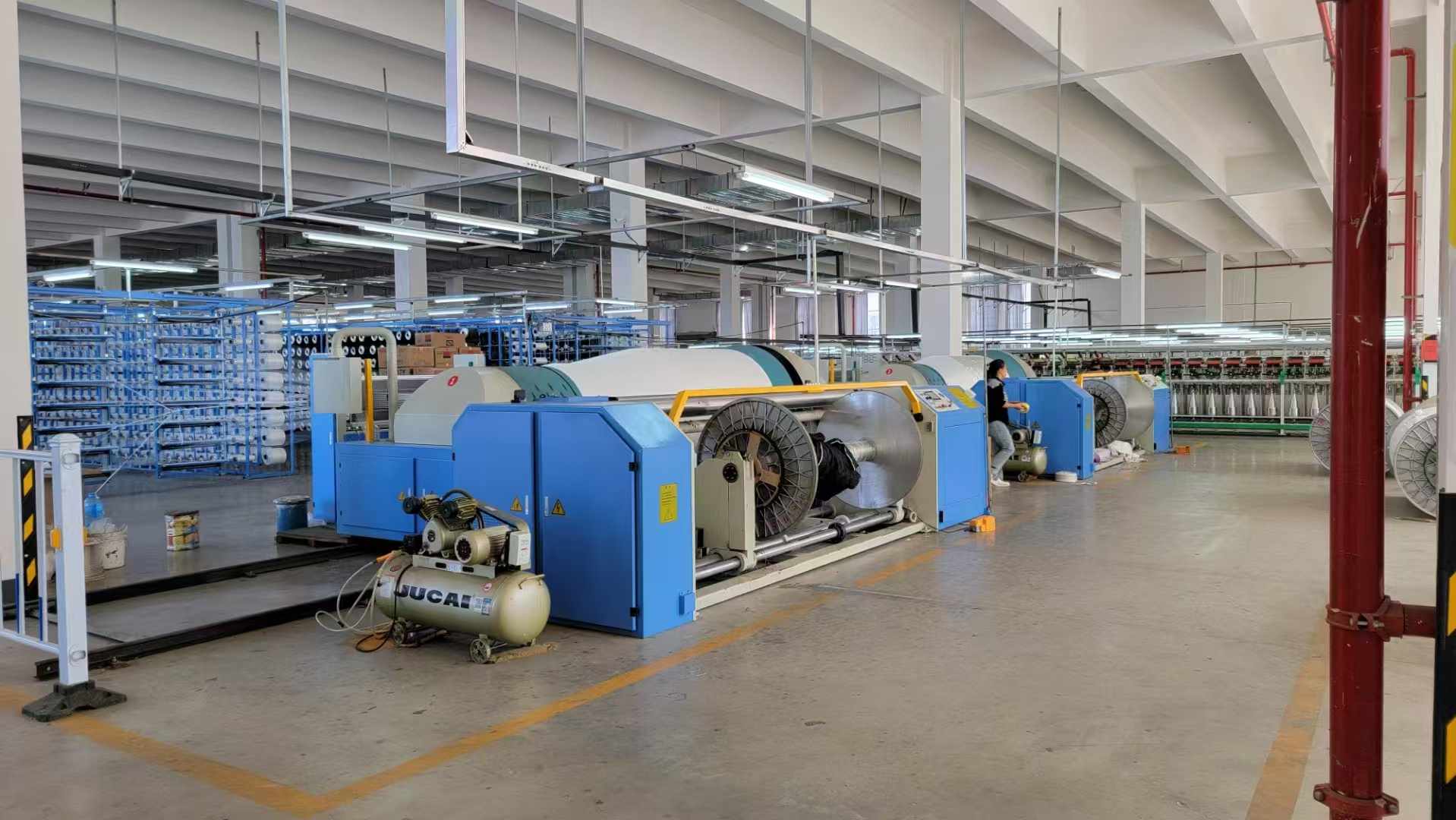
What is a Sectional Warping Machine?
A sectional warping machine is a type of textile equipment used to prepare warp yarns by winding them onto a warping beam in controlled sections. Unlike simpler warping processes that bundle all yarns together, sectional warping divides them into manageable groups or sections. This helps control yarn tension and alignment, which are critical for the weaving process.
Here’s what defines it:
The yarns from cones or packages are placed on a creel, drawn into the machine, guided, sectioned and then wound onto the beam.
The “sectional” part means that the yarns are grouped and wound section by section. This improves uniformity of yarn distribution and aids the weaving process.
The machine is often used when producing larger width fabrics, complex yarns, or fabrics that demand strict control — for example fabrics made on looms with jacquard systems where warp yarn quality matters a lot.
In short: the sectional warping machine is a key machine in the chain of textile production, specifically for warp preparation, influencing how well the weaving process will go.
Why is Sectional Warping Important in Textile Production?
Sectional warping is not just a technical step; its impact goes through the weaving process and ultimately affects fabric quality, machine efficiency, and production cost. Here are several reasons:
1. Better control of yarn tension
In weaving, warp yarns must be under even tension. Uneven tension may lead to fabric defects, broken yarns, or variation in density. Sectional warping machines allow more controlled tension across the yarns by winding them section by section. This supports consistent fabric output.
2. Improves fabric quality
When warp yarns are aligned and wound properly, the weaving process becomes smoother. Whether the fabric is plain, twill or a complex jacquard fabric, the starting beam matters. Fabrics such as jacquard fabrics demand precise warp yarn preparation. Use of a high‑quality sectional warping machine helps here.
3. Speeds up the weaving process
When the warping beam is well prepared, the loom setup time is reduced. Yarn breakages and stops during weaving are fewer, downtime is reduced, and overall production is more efficient. The warp beam done by a sectional warping machine is easier to mount on the loom, thus aiding the weaving process.
4. Versatility for different yarn types and widths
With the diversity of textile production today (synthetic filaments, worsted yarns, blends), a sectional warping machine from a trusted manufacturer like SutexMach offers adaptability. Their machines handle various yarns, and handle large widths which may require many sections.
Table: Comparison of Conventional Warping vs Sectional Warping
| Feature | Conventional Warping | Sectional Warping |
|---|---|---|
| Yarn grouping | All yarns wound together | Yarn divided into sections |
| Tension control | Less precise | More uniform across sections |
| Best for fabric types | Simple fabrics, narrow widths | Wide fabrics, complex patterns (e.g. jacquard fabrics) |
| Machine complexity | Lower | Higher – more guides, drum, sectioning equipment |
| Impact on weaving preparation | Moderate | Better beam quality → smoother weaving |
Given this, investing in the right sectional warping machine can make a real difference in textile production.
How A Sectional Warping Machine Operates
Understanding the workflow helps you select the right machine, monitor performance, and maintain it properly. Below is a typical operational workflow of a sectional warping machine.
Step‑1: Setting up the yarns
Yarns intended for the warp are placed on the creel— usually many cones or packages. The machine might handle worsted yarns, chemical fibre filaments, silk, cotton blends. The yarns are pulled through tensioners and guides.
At this stage, the manufacturer or supplier (like SutexMach) often provides recommended settings for yarn count, tension value, and winding speed.
Step‑2: Sectional division
Once the yarns are drawn, the machine groups them into sections. A drum or cylinder rotates and each section is wound in sequence. Yarn tension sensors or mechanical systems monitor the tension in each section to keep it consistent.
For example, in the KGA163C model by SutexMach, the sectional warping mechanism is described: “suitable for sectional warping all type of yarns… supplies rapier, projectile…”
Step‑3: Winding on the warping beam
After sectioning, the yarns are wound onto a warping beam at the required width and density. The winding speed, tension and beam speed are balanced.
Warping beam output is critical: if too tight or too loose, weaving problems may arise. The machine operator monitors unwinding and rewinding and ensures the beam is correctly labelled and ready for the weaving loom.
Step‑4: Finishing and transfer to weaving
Once winding is completed, the warp beam is removed from the machine. It may go through sizing or finishing before being mounted on the loom. Proper beam handling ensures minimal deformation.
SutexMach’s overview of their warping machine category mentions that their machines “ensure precise yarn winding onto warp beams with consistent tension and alignment, enhancing production speed and fabric quality”.
Maintenance and best practice
To keep the sectional warping machine running well:
Regularly inspect guides, bearings and tensioners.
Keep spare parts on hand (belts, sensors, yarn guides) and work with a supplier who offers quality spare parts.
Clean the machine to remove lint or dust, especially when working with synthetic yarns.
Monitor yarn tension and machine logs if available. Many modern machines from leading manufacturers include sensors and digital monitoring systems.
Train operators so they understand how to set up the machine, adjust sections and troubleshoot basic issues.
Conclusion
The sectional warping machine is a key type of textile equipment in warp preparation and an important link in the chain from yarn to fabric. By dividing warp yarns into sections, controlling tension, and winding accurately onto a warping beam, this machine sets the stage for successful weaving and high‑quality fabric output.
If you are considering such a machine for your textile line, it’s worth exploring the options from SutexMach detailed on their website: you can review their full warping machine category here and specifically their “KGA163C Smart High‑Speed Sectional Warping Machine” here. For further discussion, you can contact them here.
Also, if you have interest in other related machines or want to learn more about the types and process of warping, I’ve written further articles: “High‑Speed Sectional Warping Machine: Engineered for Excellence” and “What is a Warping Machine: Types, Process and Price”. These can help you compare machines and manufacturers.
In summary: choose a machine from a reputable manufacturer, ensure your warp yarns are well prepared, and you’ll positively impact the weaving process and fabric quality.