

 English
  Hungarian
  Indonesian
  Bulgarian
  Turkish
  Polish
  Russian
  Spanish
  Portuguese
  Korean
  French


Abstract:
Selecting the most appropriate dryer machine for industrial production, material processing, and manufacturing efficiency is critical. Unlike consumer dryers, industrial dryers have a variety of different structures, heating mechanisms, airflow designs, and integration processes.
As a result, the excellent dryer isn’t universally applicable, but instead is dependent on the material’s properties, the moisture that needs to be removed, the target of throughput, and the goal of energy efficiency.
This article describes the various types of dryers used in modern manufacturing, including hot air dryers, vacuum dryers, fluidized bed dryers, rotary dryers, and hybrid systems.
Based on authoritative sources like the Chemical Engineers’ Handbook, the Drying Technologies in Process Industries, and technical rules from ISO and the American Institute of Chemical Engineers (AIChE), the article describes how different dryer machines function and how to choose the most effective solution for specific practical applications in the chemical industry.
By combining principles of engineering with practical criteria that occur in the real world, this guide attempts to assist decision makers in choosing dryer machines that have a long lifespan, lower costs of operation, and stability over time.
Introduction: Why “Excellent” Depends on Application?
The query “Which type of dryer machine is most effective?” is frequently asked in manufacturing, but it’s also commonly misunderstood. In practice, there is only one dryer machine that is effective in all industries and materials.
A dryer that is effective for the following reasons:
Polymer Pellets
may fail to perform as expected:
- Pharmaceutical pellets
- Food products themselves are the subject of various regulations in various countries.
- Chemicals in powder form.
Understanding the selection of dryers requires understanding the behavior of materials, the heat transfer mechanisms, the airflow dynamics, and the integration of processes, rather than simply relying on common rankings or popularity.
What Is a Dryer Machine? (Industrial Definition)
A dryer machine for industry is a mechanical apparatus that is designed to Remove Moisture or Solvents from Solid, semi-solid, or Liquid materials by controlled temperature and mass transfer.
Dryer machines are commonly utilized in:
- Plastics handling
- Chemical creation
- Pharmaceuticals
- Agriculture and food
- Minerals and building components
The method of drying directly affects both of:
- Product quality
- Energy expenditure
- Productivity speed
- Safety of the process
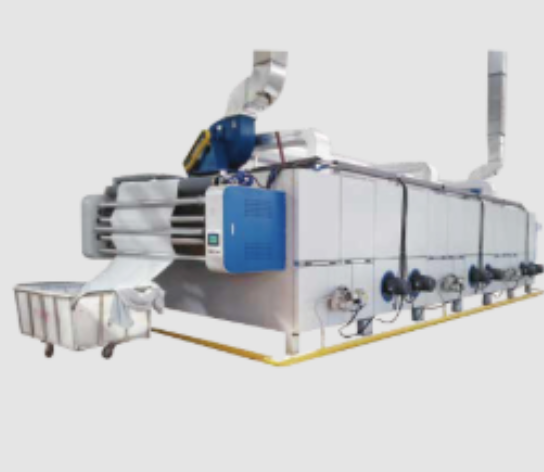
Key Factors That Determine the Excellent Dryer Machine
Before evaluating different dryer types, it’s important to understand the criteria that are most important to an industrial setting.
- Substance properties
The most important properties of this material are:
- The initial moisture content
- The size and shape of the particles
- Heat sensitivity
- Flowability
Heat-sensitive materials often need to be low-tempered or lack the necessary support to be dried out, while other materials can withstand high temperatures and require no further treatment.
- Moisture removal requirements
Different procedures require different levels of moisture in the final product:
- Polymers: little to no moisture remaining after cleaning
- Food: regulated humidity in order to have a smooth texture.
- Chemicals: removal of solvent
The necessary degree of dryness directly affects the selection of dryers.
- Capacity and Throughput Production
Large volume production benefits:
- Constant dryers
- Low- volume or specialized production may have benefited from:
- Continuous dryers
- Energy Efficiency and Operating Expenses
Drying is one of the most expensive operations in the industry. The most effective dryer machine has a balanced composition:
- Energy efficiency
- The potential for energy to be recouped
- Maintenance fee
Main Types of Dryer Machines and How They Work
- Hot Air Dryer Device
Hot air dryers utilize heated air to remove moisture from substances.
Advantages:
- Complexity
- Low cost of startup
- Large application volume
Limitations:
- Lower energy effectiveness
- The potential for the materials to overheat.
Hot air dryers are typically used in conjunction with other machines that produce heat.
- Plastic bottle drying
- Dehydration of food
- All-inclusive industrial drying
- Vacuum Dryer Machine
Vacuum dryers facilitate the removal of water’s moisture at a lower pressure, which lowers the temperature of the water.
Advantages:
- Low-temperature drying
- Adept at temperatures that are sensitive to heat
- Decreased oxidation
Limitations:
- Higher initial cost of equipment
- Lower productivity
Vacuum dryers are commonly utilized in:
- Pharmaceuticals
- Small chemicals
- Unique polymers
- Bed dryer with fluidized soil
In fluidized bed dryers, hot air is suspended in the air, which creates good heat and mass transfer.
Advantages:
- Constant drying
- High productivity
- Brief drying time
Limitations:
- Requirements for identical particle size distribution
- Higher system difficulty
These dryer machines are beneficial for:
- Granules
- Powders
Chemical and pharmaceutical ingredients
- Rotary Dryer Machine
Rotary dryers have a rotating drum that moves materials while the hot gases pass through.
Advantages:
- High capacity
- Robust design
Adept at handling large amounts of material
Limitations:
- Large footprint
- Less exact humidity control
Rotary dryers are common in:
- Mining
- Cement
- Fertilizer creation
- Desiccant Dryer Machine (Plastic Industry)
Desiccant dryers utilize materials that imbibe moisture to provide extremely dry air.
Advantages:
- Extremely low dew point
- Constant quality of drying
- Essential to hydroscopic polymers
Limitations:
- Higher cost of operation
- Constantly necessary maintenance
Desiccant dryers are commonly utilized for:
- PET
- Nylon
- The creation of plastics
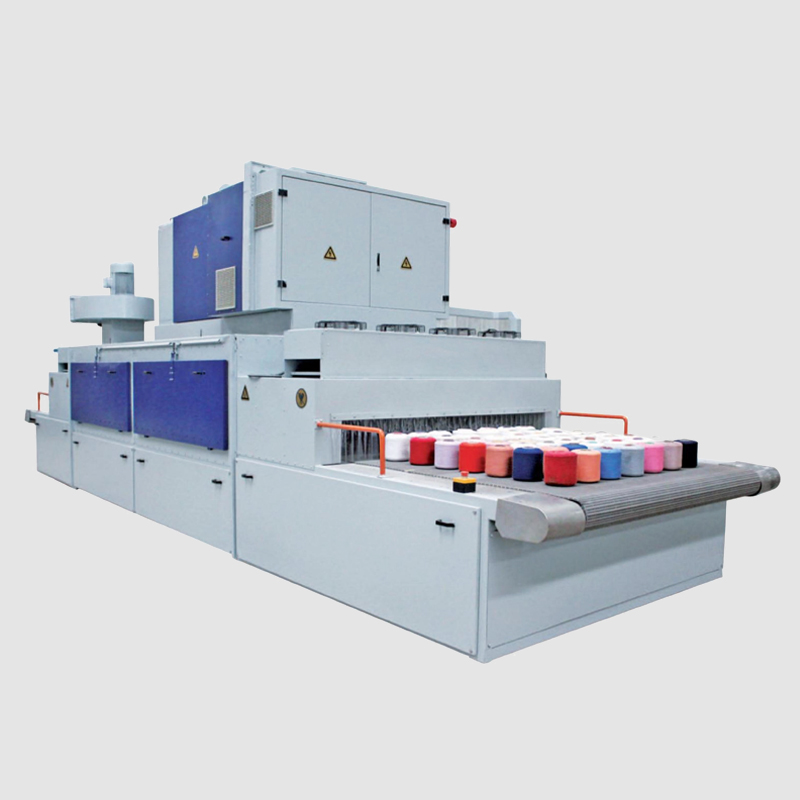
Comparison Table: Common Dryer Machine Types
| Dryer Machine Type | Drying Method | Excellent For | Energy Efficiency | Typical Industries |
| Hot air dryer | Convective heating | General materials | Medium | Plastics, food |
| Vacuum dryer | Low-pressure evaporation | Heat-sensitive products | High | Pharma, chemicals |
| Fluidized bed dryer | Suspended particle drying | Granules, powders | Very high | Chemicals, pharma |
| Rotary dryer | Tumbling + hot gas | Bulk solids | Medium | Minerals, fertilizer |
| Desiccant dryer | Dry air circulation | Hygroscopic plastics | High | Plastics processing |
Which Dryer Machine Is Excellent for Different Industries?
- Plastics Handling
For hygroscopic plastics, the excellent way to dry them is typically:
A dryer with a desiccant, because of the stringent moisture requirements.
- Pharmaceutical Industry
Vacuum dryers and fluidized bed dryers are the most popular due to their advantages:
- Precise oversight
- Adherence to regulations
- Food Industry
Hot air and ventilated bed dryers are most effective in:
- The texture of the product is important
- Considerations regarding cost
- Chemical Industry
The most effective dryer machine is dependent on
- Solvent type
- Explosion potential
- Constant operation versus batching
How to Select the Excellent Dryer Machine?
A structured approach to selection that involves:
- Identifying the necessary materials and water amounts.
- Examining the heat sensitivity of a person
- Identifying the excellent method of operation between batch and continuous
- Contrasting the amount of energy consumed
- Evaluating the cost of maintenance and the lifespan of a product
The most effective dryer machine is the one that meets the most stringent requirements in a given process with the lowest total cost of ownership, not necessarily the most advanced or expensive machine.
- Plastics Handling
For hygroscopic plastics, the excellent way to dry them is typically:
A dryer with a desiccant, because of the stringent moisture requirements.
- Pharmaceutical Industry
Vacuum dryers and fluidized bed dryers are the most popular due to their advantages:
- Precise oversight
- Adherence to regulations
- Food Industry
Hot air and ventilated bed dryers are most effective in:
- The texture of the product is important
- Considerations regarding cost
- Chemical Industry
The most effective dryer machine is dependent on
- solvent type
- Explosion potential
- Constant operation versus batching
How to Select the Excellent Dryer Machine?
Selecting the appropriate dryer machine is a critical decision that has an effect on quality, efficiency, costs, and reliability over the long term. Dryers are commonly utilized in industries like chemicals, plastics, pharmaceuticals, food processing, textiles, and materials engineering. The most effective dryer is not singular: it is dependent on the material’s properties, the goal of the production process, and the requirements of compliance.
- Understanding your material properties is
The first and most important step is understanding what you need to dry.
Important key factors include:
- Initial and intended moisture content
- The particle size and shape (powder, granule, flakes, slurry)
- Heat sensitivity
- Hygroscopic behavior
- The risk of oxidation, degradation, or contamination
For instance, hygroscopic polymers have a specific temperature and dew point that must be controlled precisely, while heat-sensitive materials may need to be dried at a low temperature or in vacuo.
- Combine the type of dryer with the appropriate application
Different methods of dryers are intended for different purposes.
Common types of dryers include:
- Hot air dryers that heat up to 200 °C – Good for general industrial drying and large batch operations
- Vacuum dryers – These are ideal for heat-resistant or oxygen-resistant materials.
- Fluidized bed dryers – Effective for substances with a high degree of porosity and a high heat and mass transfer capacity.
- Desiccant dryers – Frequent in the processing of plastics, where the low moisture content is of paramount importance
- Spray dryers – These devices are used to convert liquids intopowder.
Selecting the proper dryer type is important in order to have effective moisture removal while preserving the material.
- Assess the capacity for drying and the throughput of the system
The amount of dryer space must correspond to your manufacturing volume.
Consider:
- Mandated hourly or batch production
- Constant operation versus batching.
- Association with upstream and downstream devices
- Future growth requirements
Oversized dryers have a tendency to waste energy, while undersized machines have a tendency to create issues and inconsistent drying results.
- Energy Efficiency and Operating Expenses
The expenditure of energy is one of the highest long-term costs.
Main aspects to consider:
- The efficiency of the heat source (electric, steam, gas)
- The insulation quality
- Heat recovery devices
- Intelligent control of temperature and airflow
Energy-efficient dryers lower the cost of operation and promote sustainability, especially in large-volume production scenarios.
- Control of the process and automation of the level
Today, modern dryer machines have increasingly complex control systems.
Look for:
- Control interfaces that use the plugged-in method or a touch screen, respectively
- Temperature regulation, air flow, and humidity control are all precise
- Alarm and detection of errors functions
- Data recording for quality oversight
Higher automation increases consistency, decreases dependence on the operator, and supports the implementation of quality management systems.
- Hygiene, Safety, and Commitment Necessities
In industries that are regulated, compliance is mandatory.
Advantages include:
- Food- or pharmaceutical-grade substances
- GMP, FDA, or CE standards of practice
- Dust-proof or explosion-resistant designs
- Safe access to both cleaning and maintenance
The dryer must follow the regulations of the local government and the standards of the industry in order to be safe and effective.
- Maintenance, Service Life, and Robustness
A proper dryer design will minimize the amount of downtime and repair costs.
Evaluate:
- Easy cleaning and monitoring
- Access to spare parts
- Components that are resistant to wear
- The manufacturer’s ability to provide service and support
Robust machines consistently provide a high level of performance that will keep your investment protected.
- Total Cost of Ownership (TCO)
The cost of the purchase is not necessarily the same as the true cost.
A comprehensive analysis should include:
- The cost of the initial equipment
- Installation and startup
- Energy expenditure
- Maintenance and supplementary
- Predicted service life
The most effective dryer machine is one that has the lowest total cost of ownership while still providing a high degree of performance.
Energy Efficiency and Sustainability Trends
Modern dryer machines increasingly incorporate:
- Heat recovery systems
- Intelligent control algorithms
- Hybrid drying technologies
These features reduce energy consumption and support sustainability goals.
Common Mistakes When Choosing a Dryer Machine?
Frequent errors include:
- Oversizing equipment
- Ignoring material heat sensitivity
- Focusing only on the purchase price
Such mistakes can lead to long-term inefficiency and quality issues.
FAQ: Dryer Machine Selection
- What is a dryer machine used for?
A dryer machine is used to remove moisture or solvents from materials in industrial production processes.
- Which dryer machine is the most energy-efficient?
Fluidized bed and desiccant dryer machines are among the most energy-efficient, depending on the application.
- Is a vacuum dryer better than a hot air dryer?
Vacuum dryers are better for heat-sensitive materials, while hot air dryers are suitable for general applications.
- What dryer machine is excellent for plastics?
Desiccant dryer machines are typically excellent for hygroscopic plastics such as PET and nylon.
- How do I choose the right dryer machine capacity?
Capacity should match production throughput with a safety margin to avoid bottlenecks.
- Are continuous dryers better than batch dryers?
Continuous dryers are better for high-volume production, while batch dryers offer more flexibility.
- What factors affect dryer machine performance most?
Material properties, airflow design, temperature control, and residence time are critical factors.
Conclusion
No single machine is excellent for all uses. The most effective choice is based on the material’s properties, the moisture content, the production volume, and the goal of energy efficiency.
By understanding the different types of dryers, their operating principles, and how they fit into specific industrial goals, manufacturers can choose dryers that increase the quality of the product, reduce costs, and have a long term stability. Today, the most advanced dryer machine is not the most intricate, but it is still effective.