

 English
 Hungarian
 Indonesian
 Bulgarian
 Turkish
 Polish
 Russian
 Spanish
 Portuguese
 Korean
 French


Did you know untreated raw fabric is basically unwearable? Finishing machines transform rough textiles into comfortable, market-ready products. Picking the right equipment for your factory can be confusing. In this post, you’ll learn about essential finishing machine types and how to choose them.
What is a Textile Finishing Machine?

As mentioned earlier, raw fabric straight off a loom is far from ready for consumers. It feels stiff, shrinks easily, and looks dull. A textile finishing machine solves these exact problems.
These machines sit at the final stage of the textile manufacturing supply chain. They bridge the gap between raw fabric formation and final garment production. Their main job is to process untreated material into a stable, attractive, and functional product.
The Transition Process
How do they actually work? Finishing equipment applies precise amounts of heat, pressure, moisture, or chemicals. This transition completely alters the physical and chemical properties of the yarn.
During this phase, operators control critical factors like dimensional stability and hand-feel. For instance, natural fibers need a residual moisture level of 6% to 8%. Hitting this target prevents the material from becoming brittle. Machines also manage fabric tension and weight to meet strict quality standards.
Since 1985, SutexMach has developed intelligent equipment to handle this exact transition. Our patented R&D designs ensure continuous, energy-saving performance for textile factories worldwide.
Wet Finishing vs. Dry Finishing
You can divide textile finishing into two main categories. Understanding this difference helps you select the right equipment for your production line.
Wet finishing relies on liquids. It includes chemical treatments, dyeing, and washing. Factories use these processes to add color, soften materials, or apply functional coatings like water repellents.
Dry finishing is entirely mechanical. It uses physical force, heat, and friction to modify the surface. For example, a fabric calendering machine applies up to 100 tons of pressure. This smooths the surface and creates a high-lustre shine. Other dry methods include stretching, sueding, and compacting.
Here is a quick breakdown of how they compare:
| Feature | Wet Finishing (Chemical) | Dry Finishing (Mechanical) |
|---|---|---|
| Primary Method | Chemical baths, padding, and dyeing | Heat, pressure, blades, and friction |
| Common Processes | Bleaching, dyeing, softening, coating | Calendering, sueding, raising, stretching |
| Main Purpose | Alters color and adds functional properties | Improves texture, stability, and lustre |
| Durability | Effects may wash out over time | Changes are generally permanent |
Essential Types of Fabric Finishing Machines
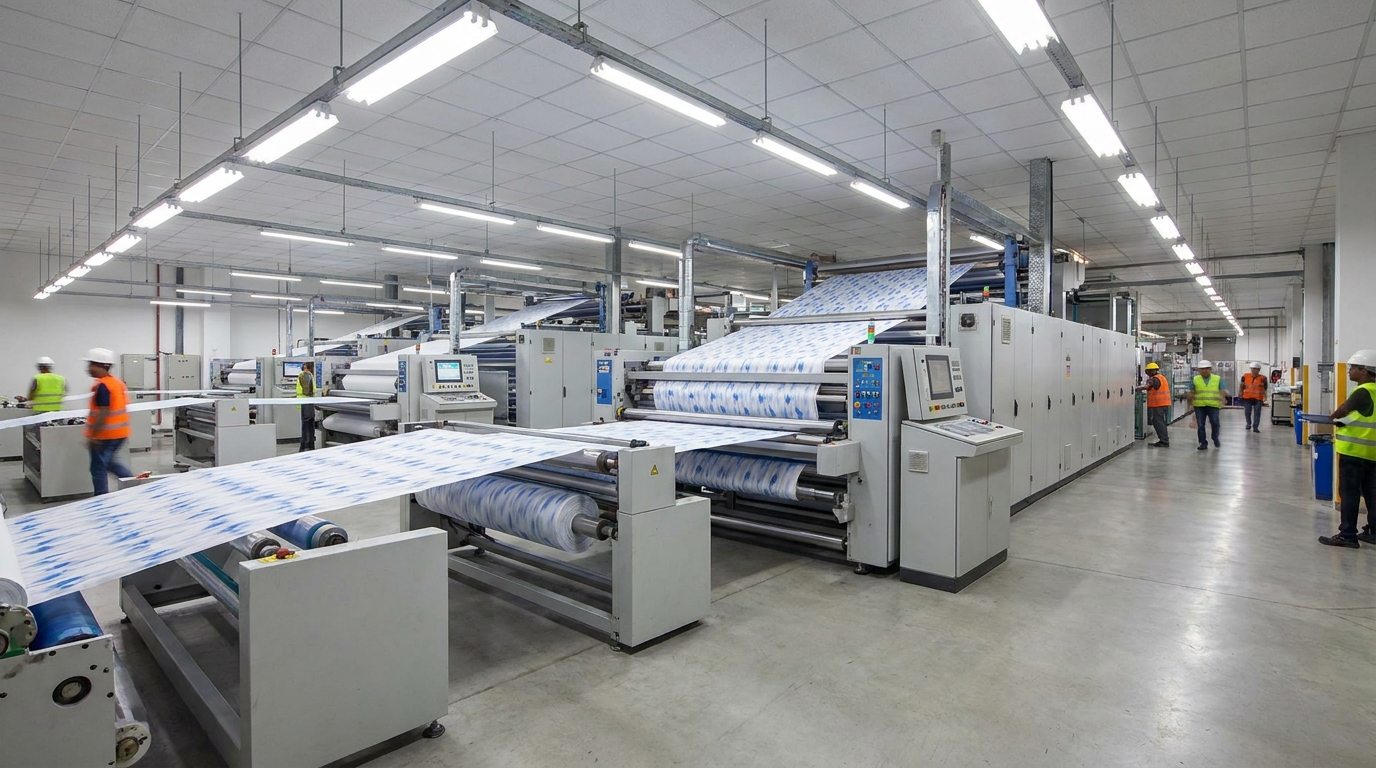
Now that you know the difference between wet and dry processes, let’s look at the equipment itself. As you read through this fabric finishing machine guide: types and how to choose, you will see how factories combine these technologies. Here are the most critical machines used in modern production lines.
Stenter Machine
The stenter machine is the absolute backbone of most finishing plants. It handles stretching, heat-setting, and drying. This equipment holds the fabric edges using pins or clips. It then pulls the material to maintain a consistent width.
Operators use overfeed ratios (often up to 30%) to control tension and weight. Temperature settings strictly depend on the fiber type.
- Polyester: Requires intense heat between 180°C and 210°C for proper heat-setting.
- Cotton: Dries safely at a lower temperature of 100°C to 120°C.
Modern industrial stenters usually feature 6 to 12 heating chambers. Always ensure a cooling zone exists at the exit. This step “locks” the fabric’s dimensions before winding. These units consume up to 50% of a plant’s energy. Choosing energy-saving models is highly critical for long-term operation.
Fabric Calendering Machine
As we covered earlier, a fabric calendering machine falls under dry finishing. It applies intense heat and massive mechanical pressure. Heavy rollers apply 50 to 100 tons of nip pressure directly to the material.
This action flattens the yarns and smooths the surface. The result is a glossy, ironed finish. For example, using a Schreiner calender with fine engraved lines simulates a silk-like lustre on cotton. SutexMach has spent decades perfecting these high-pressure systems to guarantee uniform, reliable finishes.
Knit Fabric Compactor
Knitted materials stretch easily and shrink drastically if left untreated. A knit fabric compactor completely solves this problem. It mechanically forces the yarns closer together. This process controls residual shrinkage and stabilizes the entire structure.
You can choose between open-width and tubular compactors. Open-width processing provides better dimensional control. It also prevents unwanted center creases. Felt compactors are widely preferred for delicate knits. Unlike heavy rubber belts used for denim, felt prevents surface damage while improving the hand-feel.
Textile Softening Machine
Consumers always expect premium comfort from their garments. A textile softening machine delivers exactly that. Factories use these units to improve the drape, flexibility, and overall softness.
This improvement can happen mechanically through gentle tumbling and airflow. It can also happen chemically. Operators use padding mangles to apply liquid softeners evenly. This treatment drastically enhances the hand-feel. It makes the final garments much more appealing to everyday buyers.
Sueding Machine
Sueding is a highly specialized mechanical finishing process. The machine uses abrasive rollers to gently raise the fabric surface. This action cuts tiny fibers. It creates a luxurious, peach-skin effect.
The process makes the material feel incredibly soft and warm. SutexMach holds numerous invention and utility model patents for advanced sueding technology. Our intelligent machines deliver consistent, high-quality textures. They achieve this without damaging the underlying yarn structure.
Dyeing Machine
Dyeing happens right before the final dry finishing stages. Dyeing machines ensure uniform color application across the entire batch. They also handle chemical impregnation for various functional treatments.
Achieving an even dye job is critical. High-temperature heat setting can sometimes cause yellowing if chemicals are applied incorrectly. We provide reliable, customized dyeing equipment to factories in Turkey, Indonesia, and Pakistan. Our systems ensure vibrant, consistent colors every single time.
Key Factors to Consider When Choosing a Fabric Finishing Machine

Getting the dyeing process right and selecting the best dry finishing equipment is just the start. How do you actually pick the exact model for your factory? Every single production line is different. You need to match the equipment to your specific goals. Here is exactly what you need to evaluate before making a purchase.
Identify Fabric Types and Composition
Your raw material dictates your equipment needs. Knits and wovens behave very differently under tension. As we covered earlier, knitted materials stretch easily. They require a compactor to control shrinkage and maintain dimensional stability. Heavy wovens like denim rely more heavily on calendering or sanforizing processes.
Fiber composition matters too. Synthetics like polyester need intense heat between 180°C and 210°C for proper stabilization. Cotton dries safely at lower temperatures. Always match the machine’s capabilities directly to your primary fabric type.
Production Capacity and Speed
Speed directly impacts your bottom line. You must align the machine’s throughput capabilities with your daily output goals. Modern stenters typically operate between 10 and 100 meters per minute. Singeing machines run even faster, reaching up to 120 meters per minute.
If you buy a unit running too slowly, it creates massive bottlenecks. This slows down your entire continuous processing line. Calculate your target volume first. Then, select equipment handling that capacity comfortably.
Energy-Saving Performance
Textile finishing consumes massive amounts of power. Stenters alone can account for up to 50% of a plant’s total energy use. Evaluating power and steam consumption is critical for long-term success. Lower energy use reduces your daily operational costs. It also helps you meet strict environmental sustainability standards.
SutexMach prioritizes energy-saving performance across our entire equipment range. Our R&D team continuously innovates to lower fuel and electricity demands. This ensures your factory stays profitable and green.
Footprint and Plant Layout
Space constraints often dictate your final choice. Industrial finishing lines require significant floor space. A standard stenter might feature 6 to 12 heating chambers depending on production volume. You also need room for cooling cylinders at the exit.
Measure your available footprint carefully. The new equipment must integrate seamlessly into your existing setup. An awkward plant layout increases material handling time. As a one-stop provider, we deliver integrated solutions helping factories optimize their physical space.
Budget and Long-Term Reliability
Finally, look closely at your budget. Upfront investment is only one part of the equation. You must balance the initial price tag with long-term reliability. Cheap machines often break down early. This costs you heavily in downtime and repairs.
Check the availability of spare parts before you buy. Routine maintenance should be straightforward. For example, preventing oil spots from chains onto the fabric requires well-engineered components. SutexMach offers a strict quality guarantee. We deliver customized, reliable machinery protecting your investment for decades.
Use this quick evaluation matrix when comparing different models:
| Evaluation Factor | What to Check | Why It Matters |
|---|---|---|
| Fabric Type | Knit vs. Woven, Synthetic vs. Natural | Prevents shrinkage failures and heat damage. |
| Speed & Capacity | Meters per minute (e.g., 10-100 m/min) | Prevents production bottlenecks. |
| Energy Efficiency | Steam and electricity consumption | Reduces daily operational utility costs. |
| Plant Footprint | Chamber count and cooling zone length | Ensures seamless line integration. |
| Maintenance | Spare parts availability and build quality | Minimizes machine downtime and repairs. |
The Role of Intelligent Automation in Textile Finishing
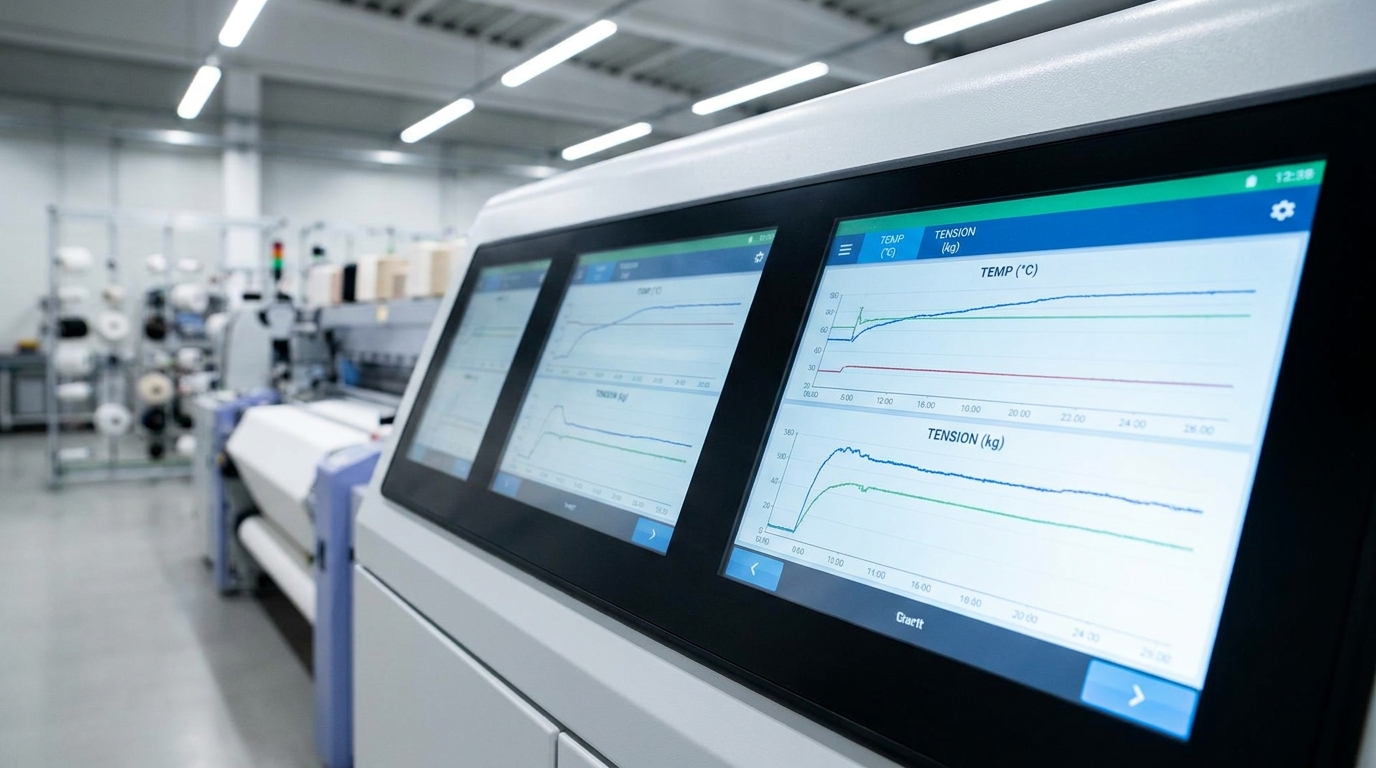
You just evaluated the physical requirements and budget for your equipment. But hardware is only half the story. Today, intelligent automation sets the best production lines apart from the rest. Modern plants rely on smart technology to manage the complex variables we discussed earlier.
Precision Control with Smart Sensors
Remember the strict temperature rules for heat setting? Polyester needs exactly 180°C to 210°C. If the heat fluctuates, the fabric yellows or fails to stabilize. Integrated sensors completely solve this problem. They monitor chamber temperatures in real-time. PLC systems instantly adjust burners or steam valves to maintain perfect conditions.
Sensors also manage fabric tension and processing speed. They track the overfeed ratio continuously. This ensures you hit the exact GSM (Grams per Square Meter) target. The system automatically speeds up or slows down the drive motors. It keeps tension perfectly balanced from the start to the end of the roll.
Benefits of a One-Stop Integrated System
Piecing together machines from different brands causes massive headaches. Software rarely communicates well across different platforms. Utilizing a one-stop intelligent textile machinery system streamlines your entire continuous operation.
SutexMach operates as a full-process equipment provider. We design and manufacture everything from dyeing units to sueding machines. This integration means your main heating frames talk seamlessly with the compacting units down the line. Data flows freely across the plant. Operators can monitor the entire production line from a single central interface.
Minimizing Human Error and Material Waste
Manual adjustments often lead to costly mistakes. An operator might miscalculate the residual moisture target for cotton. If it drops below 6%, the fabric becomes brittle and ruins the batch. Automated tracking eliminates this dangerous guesswork.
Smart machines store specific fabric recipes. You simply select the fabric composition on the touchscreen. The system automatically adjusts the overfeed, temperature, and chemical padding pressure. This guarantees consistent quality across different shifts. It also drastically reduces material waste during batch changes.
Our R&D team continuously innovates to improve these automated features. With over 30 years of experience, SutexMach holds numerous patents for intelligent control designs. These upgrades ensure your factory maximizes output while minimizing costly errors. If you want to upgrade your facility, you can contact us for customized solutions.
Here is a quick look at how automation changes daily operations:
| Operational Area | Manual Processing | Intelligent Automation |
|---|---|---|
| Temperature Control | Requires constant manual checks and valve turns. | PLC sensors auto-adjust instantly for precise heat. |
| Tension & GSM | High risk of uneven width and stretching. | Auto-adjusts overfeed to maintain exact dimensions. |
| Batch Changes | Slow setup times with high material waste. | Instant recipe loading via touchscreen interface. |
| Moisture Management | Fabric often overdries and becomes brittle. | Sensors lock residual moisture at safe target levels. |
Why Choose SutexMach for Your Textile Finishing Solutions?
Transitioning to smart automation requires a reliable partner. You need a manufacturer understanding both mechanical demands and the software integration we just discussed. This is exactly where SutexMach steps in.
As you apply the lessons from this fabric finishing machine guide on types and how to choose, selecting your equipment provider is your final critical step. We deliver the exact solutions you need to build a profitable, modern factory.
Over 30 Years of Industry Expertise
Founded in 1985, we are proudly affiliated with Jiangsu Soho Honry Import & Export Co., Ltd. We bring over three decades of proven experience directly to your factory floor. We have watched textile technology evolve firsthand. Our engineers know exactly what works and what fails in high-volume production. This deep industry knowledge helps us design equipment solving actual manufacturing problems.
Comprehensive Equipment Range
You already know the headaches of mixing different machine brands. As a one-stop provider, we design and manufacture full-process equipment. Our catalog covers everything from warp knitting machines to advanced dyeing units. We also build the dry finishing equipment we covered earlier, like sueding and calendering units. This comprehensive range means your entire continuous processing line works seamlessly together.
Innovative & Patented Technology
Keeping your production line ahead of the curve requires constant innovation. Our dedicated R&D team actively develops new ways to improve efficiency. They hold numerous invention and utility model patents. These patented technologies directly power the smart sensors and PLC systems we discussed in the last section. They ensure your equipment runs with absolute precision every single day.
Global Reliability and Trust
A great machine on paper means nothing if it fails under real factory conditions. Textile manufacturers around the world trust our customized, reliable machinery. We successfully deliver and install equipment in major international markets, including Turkey, Indonesia, and Pakistan. Our global clients rely on us to keep their operations running smoothly.
Integrated Solutions & Quality Guarantee
We focus heavily on energy-saving performance across our entire product line. Every machine we build forms part of an end-to-end intelligent solution. We back this up with a strict quality guarantee. We ensure your factory meets environmental standards while maximizing daily output.
| SutexMach Advantage | What It Means for You |
|---|---|
| 30+ Years Experience | Proven reliability from a company founded in 1985. |
| One-Stop Provider | Seamless integration across all wet and dry finishing stages. |
| Patented R&D | Access to the latest intelligent automation and sensor technology. |
| Global Reach | Trusted by major textile hubs in Turkey, Indonesia, and Pakistan. |
| Energy-Saving Focus | Lower daily utility consumption to keep operations green and profitable. |
Conclusion
Understanding this fabric finishing machine guide ensures smart investment choices.
Always prioritize fabric compatibility, energy efficiency, and a trusted manufacturer.
Contact SutexMach for reliable, customized textile finishing solutions.
- Review your current daily factory output requirements.
- Measure your available plant floor space carefully.
- Request a customized equipment quote from SutexMach.
Frequently Asked Questions About Fabric Finishing Machines
Why does white fabric turn yellow during heat setting?
High temperatures can cause white fabrics to turn yellow. This often happens because of antioxidant gas fading. Excessive heat during the setting process is another common cause. You must monitor the machine carefully to avoid this issue. A reliable machine helps maintain exact temperature control. SutexMach provides intelligent textile machinery to prevent such damage. Our equipment ensures safe and consistent heat application.
How can I reduce energy costs with finishing machines?
Stenters use nearly half of the energy in finishing plants. Recovering heat from the exhaust greatly reduces your fuel consumption. You should choose energy-saving equipment to lower your daily costs. SutexMach focuses on energy-saving performance in all our designs. We have over 30 years of experience building efficient machinery. Our patented technology helps you save money while protecting the environment.
Should I choose a felt compactor or a rubber belt?
The choice depends entirely on your specific fabric type. Heavy woven fabrics like denim require a strong rubber belt. Sanforizing with rubber belts controls shrinkage very effectively. Delicate knitwear needs a soft felt compactor instead. Felt prevents unwanted surface damage on your sensitive materials. Always match the machine type to your fabric weight. SutexMach delivers customized machinery to meet these exact needs.
Why does fabric still shrink after using a compactor?
Shrinkage failures happen when moisture and heat are unbalanced. Sanforizing machines aim for a residual shrinkage of under one percent. If the fabric lacks proper cooling, it will shrink again. You must use cooling cylinders at the stenter exit. This vital step locks the fabric dimensions before winding. Proper tension control also keeps the size perfectly stable.
Why is open-width finishing better than tubular processing?
Open-width finishing offers much better dimensional control for fabrics. It easily prevents ugly center creases from forming during production. Tubular processing can sometimes stress the fabric edges too much. Open-width machines keep the tension even across the entire roll. This results in a higher quality finish for your textiles. SutexMach designs excellent open-width equipment for global textile manufacturers.
- Assess your daily production volume to determine required machine speeds.
- Test your fabric samples on different calender machines before buying.
- Contact the SutexMach team to discuss your specific factory layout.
- Review your current energy bills to plan for heat recovery.