


 English
  Hungarian
  Indonesian
  Bulgarian
  Turkish
  Polish
  Russian
  Spanish
  Portuguese
  Korean
  French


Sueding machines are a type of mechanical equipment commonly used in the textile manufacturing industry. They are powerful and versatile, resulting in fabrics with a smooth, glossy finish. Sueding machines are an essential piece of equipment.
What is a Sueding Machine?
Sueding machines, also known as suede equipment, are essential machines used in the textile industry for fabric surface treatment. They physically sand the fabric surface, raising the fibers, resulting in a soft, plush, and pleasant-to-the-hand fabric. Sueding machines are widely used in the processing of various textiles, including knitted and woven fabrics, flannel, woolen cloth, and home textiles.
In textile processing, suede machines not only improve the tactile feel of fabrics but also enhance their appearance, texture, and warmth. For example, the softness and plush feel of high-end fabrics like flannel and terry rely heavily on the precision processing of suede machines. With the increasing automation in the textile industry, modern suede machines have significantly improved production efficiency, processing precision, and intelligent control, becoming an indispensable core piece of equipment in textile processing.
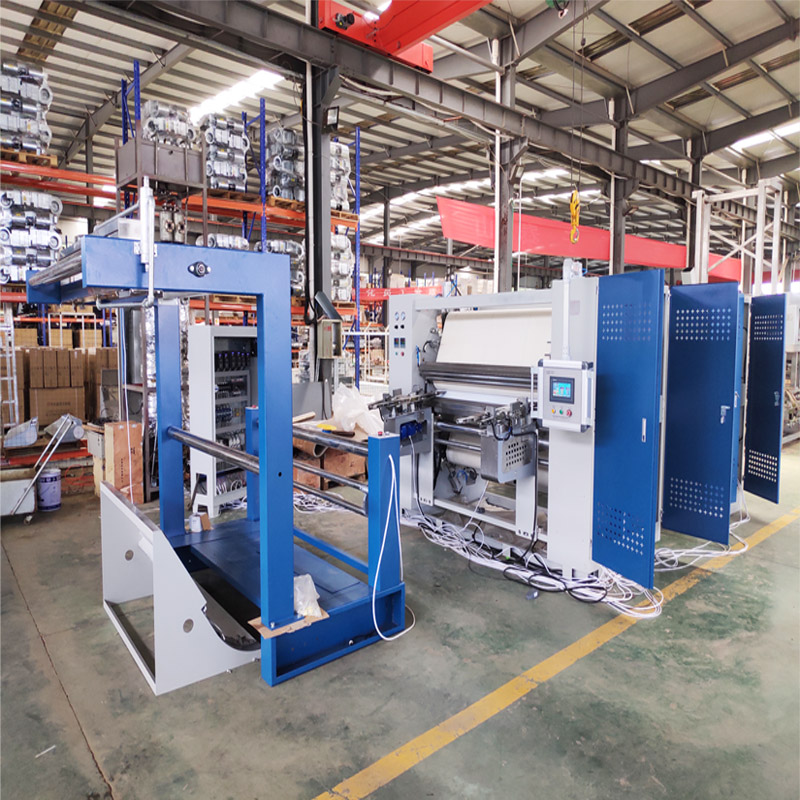
The Functions of Sueding Machines
Sueding machines are primarily used in the following ways:
- Improving Fabric Handfeel
Sueding machines loosen and raise fibers on the fabric surface through physical friction, creating a soft and comfortable feel. Suitable for clothing, home textiles, and other applications where a high level of handfeel is crucial.
- Enhancing Warmth
The raised fibers create an air layer on the fabric surface, increasing warmth. This is particularly suitable for autumn and winter clothing, blankets, and bedding.
- Improving Appearance
Sueded fabrics have a rich velvety feel and a soft sheen, creating a more premium look and enhancing the quality of the product.
- Improving Dyeing
Sueding loosens the fibers on the fabric surface, facilitating even dye absorption and resulting in more vibrant and long-lasting dyeing.
- Meeting Functional Needs
For some functional fabrics (such as those for cold protection or anti-static applications), the sueding machine can achieve specific surface properties by adjusting the processing technique.
Process Route Of Compactor
Constant tension fabrics feed—overfeeding and expanding—steaming and moistening—preshrinking—cooling –precise folding

Types of Sueding Machines
Sueding machines can be divided into the following categories based on their processing method and structure:
- Needle Punch Sueding Machines
Use high-density steel needles to rub the fabric surface, causing the fibers to stand upright. Needle Punch Sueding Machines are suitable for heavy fabrics such as wool and woven fabrics, creating a noticeable velvety feel.
- Sanding Roller Sueding Machines
Use sandpaper rollers to rub the fabric surface, suitable for light to medium-thick fabrics such as cotton and polyester, achieving uniform and fast processing.
- Brush Sueding Machines
Equipped with nylon or wool brushes, the bristles rub the fabric surface, creating a soft nap. Suitable for home textiles and knitted fabrics.
- Airflow Sueding Machines
Use high-speed airflow to lift the fibers upright. Suitable for fine textiles or high-end fabrics, they offer low noise and high efficiency.
- Composite Sueding Machines
Combining multiple processing methods, including needle punching, sanding rollers, and brushes, they meet the diverse needs of different fabrics and are commonly used in modern textile factories.
Parameter table of sanding machine
| Working width | 1500mm |
| Mechanical speed | 3-30m/min. |
| Process speed | 15-20m/min.(depending on requirement) |
| Cylinder temperature | ≤190ºC |
| Temperature control accuracy | +1ºC |
Functions of Sueding Machines
The core functions of a suede sanding machine include:
- Fabric Softening
The suede sanding process makes the fabric soft and comfortable to the touch, enhancing the wearing experience.
- Napping
The fibers are raised evenly, creating a suede surface that enhances visual quality and warmth retention.
- Surface Impurities Removal
The friction process removes loose fibers and dust from the fabric surface, improving the cleanliness of the fabric.
- Adjusting Fabric Thickness and Uniformity
Some suede sanding machines can fine-tune the roller pressure to achieve a more uniform fabric thickness.
- Adaptability to a Variety of Fabric Processing
Suitable for a variety of fabric types, including knitted, woven, flannel, woolen, and home textile fabrics, offering a wide range of functions.
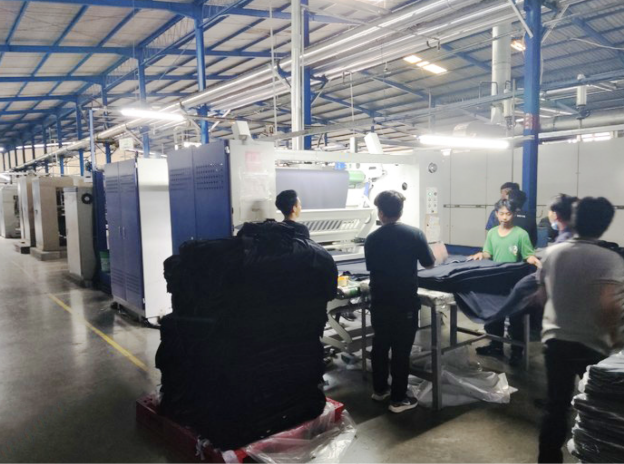
Features of Sueding Machines
Sueding machines offer the following advantages in the industry:
- Efficient Production
Automated suede sanding machines enable continuous processing, improving fabric production efficiency.
- Adjustable Process Precision
Parameters such as pressure, speed, and bristle density can be freely adjusted to ensure consistent results for different fabrics.
- Intelligent Control
Equipped with a PLC control system and touchscreen operation, these machines enable one-touch adjustment and real-time monitoring.
- Multifunctional Combination
Some sanding machines combine multiple functions, such as brushing, sanding rollers, and needle punching, allowing for multiple uses in one machine, saving equipment investment.
- Low Maintenance Costs
Modern sanding machines feature optimized structures, easy replacement of wearing parts, and low maintenance costs.
Main Applications of Sueding Machines
Sueding machines are widely used in various fields of the textile industry, including:
- Apparel Fabric Processing
Softening various apparel fabrics and enhancing the tactile feel of cotton, wool, and polyester fabrics through a process that maintains their softness and comfort.
- Home Textile Processing
Sueding is performed on various fabrics, such as blankets, sheets, and flannel covers, to achieve a delicate feel and color.
- High-end Fabric Processing
Detailed sueding is performed on various high-end fabrics to enhance the overall quality of the product.
- Industrial Textiles
Sueding is performed on some industrial blankets and cleaning cloths to enhance their overall performance and texture.
- Export Fabric Processing
Sueding is performed on export products to ensure they meet international market standards.
Comparison and Analysis of Sueding Machines vs. Other Sueding Machines
When selecting a sueding machine, it’s important to consider fabric type, production volume, and investment costs.
| Type | Advantages | Disadvantages | Applicable fabrics | Production efficiency | Investment costs |
| Acupuncture | obvious velvet feel | Easy to damage thin fabrics | Woolen, thick fabrics | medium | medium |
| Sand roller type | Uniform processing and fast speed | Delicate fabrics are easily damaged | Cotton, polyester | high | medium |
| Brush type | Velvety soft | Generally effective on thick fabrics | Home textiles, knitted fabrics | medium | medium |
| Airflow | Fine processing, low noise | High investment | high-end fabrics | high | high |
| Composite | Multifunctional, one machine for multiple uses | Complex structure | A variety of fabrics | high | high |
Sueding Machine Operation and Maintenance Guide
Operation Guide
- Pre-Startup Inspection
Confirm that the power supply, air supply, and lubrication system are functioning properly, and check the condition of the bristles and needles.
- Fabric Adjustment
Adjust the speed, pressure, and bristle density according to the fabric type to ensure uniform sanding.
- In-Process Monitoring
Regularly check the fabric nap quality, shaping mechanism, and winding status to avoid fabric damage.
- Shutdown Operation
Clean residual fibers before shutting down the machine to prevent clogging or wear of the friction mechanism.
Maintenance Guide
- Regular Replacement of Wear Parts
Bristles, needles, sanding rollers, and other wear parts must be replaced regularly to ensure processing quality.
- Lubrication and Maintenance
Regularly lubricate moving parts such as bearings and gears to extend the life of the equipment.
- Cleaning and Maintenance
Use compressed air or a brush to clean fiber residue from the surface of the equipment to prevent clogging.
- Technology Upgrade
Regularly inspect the PLC, sensors, and control system, and upgrade the software as necessary to enhance intelligence. 5. Operation Training
Operators should be trained to master equipment adjustment and troubleshooting methods to improve production efficiency and safety.
Conclusion
Sueding machines, as a crucial piece of equipment in the textile industry for enhancing the feel and velvet of fabrics, offer multifunctionality, high efficiency, and intelligent functionality. Sueding machines are essential for the processing of apparel, home textiles, and high-end fabrics. By selecting the right type of sueding machine, adjusting processing parameters, and ensuring standardized operation and maintenance, high-quality fabric production can be achieved, enhancing product competitiveness.