


 Korean
 English
 Hungarian
 Indonesian
 Bulgarian
 Turkish
 Polish
 Russian
 Spanish
 Portuguese
 French


한 개의 고장 난 부품이 전체 섬유 공장을 멈출 수 있나요? 지속적인 운영은 성공에 매우 중요합니다. 예상치 못한 기계 고장은 막대한 병목 현상과 매출 손실을 야기합니다. 잘못된 재고 계획은 이러한 상황을 더욱 악화시킵니다. 이 가이드에서는 스마트한 재고 관리 전략을 배우게 됩니다. 저희가 귀하의 생산 효율성을 최고 수준으로 유지하도록 도와드립니다.
Why Proactive Stocking of Textile Machinery Spare Parts Matters
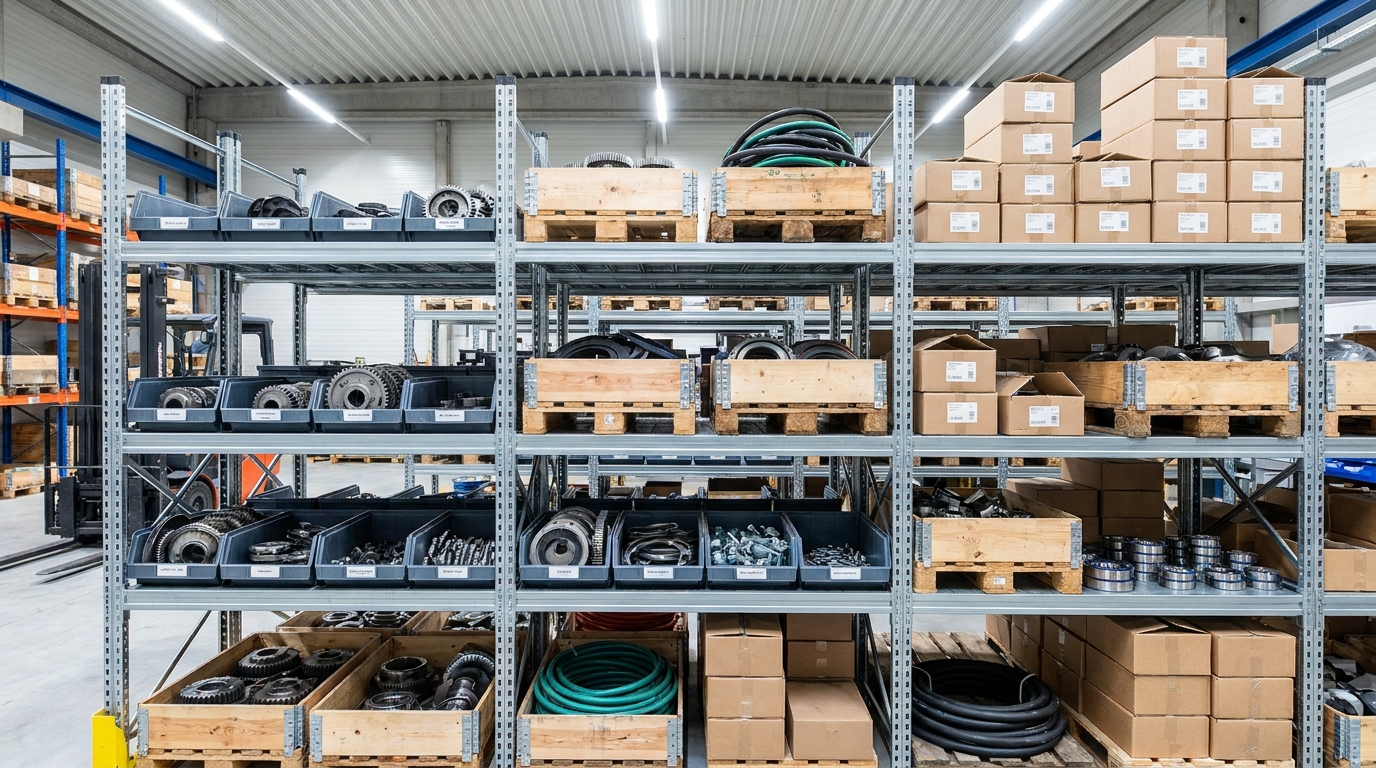
When a critical component fails, your entire production line stops. Waiting weeks for replacements drains your revenue. Proactive stocking solves this problem immediately. Having the right 섬유 기계 예비 부품 on your shelves keeps operations moving. High-stress mechanical components take a beating every single day. For example, lacking 스텐터 체인 예비 부품 can halt your finishing process completely. You avoid emergency shipping fees and lost orders when you plan ahead.
Maintaining Fabric Quality
Worn-out components do more than slow you down. They directly damage your finished textiles. A degraded stenter clip and pin plate might snag delicate fabrics. This leads to rejected batches and unhappy clients. High-friction consumables like brush wheels wear down gradually. If you ignore them, fabric tension control suffers. Fresh spares ensure consistent and flawless fabric finishes.
Extending Machinery Lifespan
Expensive equipment needs regular care to survive. Timely replacement of degraded parts protects your core mechanisms. A worn link segment puts extra strain on guide rails. This ripple effect damages the whole machine. Since 1985, SutexMach has manufactured intelligent textile machinery. We see firsthand how proactive maintenance extends equipment life. Replacing small parts early prevents catastrophic failures in major systems.
Predictable Maintenance Budgets
Emergency repairs wreck your financial planning quickly. Rush orders for specialized components cost significantly more than standard orders. Proactive stocking shifts your strategy from reactive panic to planned management. You can categorize your inventory by machine brand easily. This makes your monthly budgeting highly predictable.
| Maintenance Strategy | Financial Impact | Production Status |
|---|---|---|
| Reactive Emergency Buying | High rush-shipping costs | Halted for days or weeks |
| Proactive Stocking | Stable and predictable | Continuous smooth operation |
Core Categories: Spare Parts for Textile Machinery You Must Stock
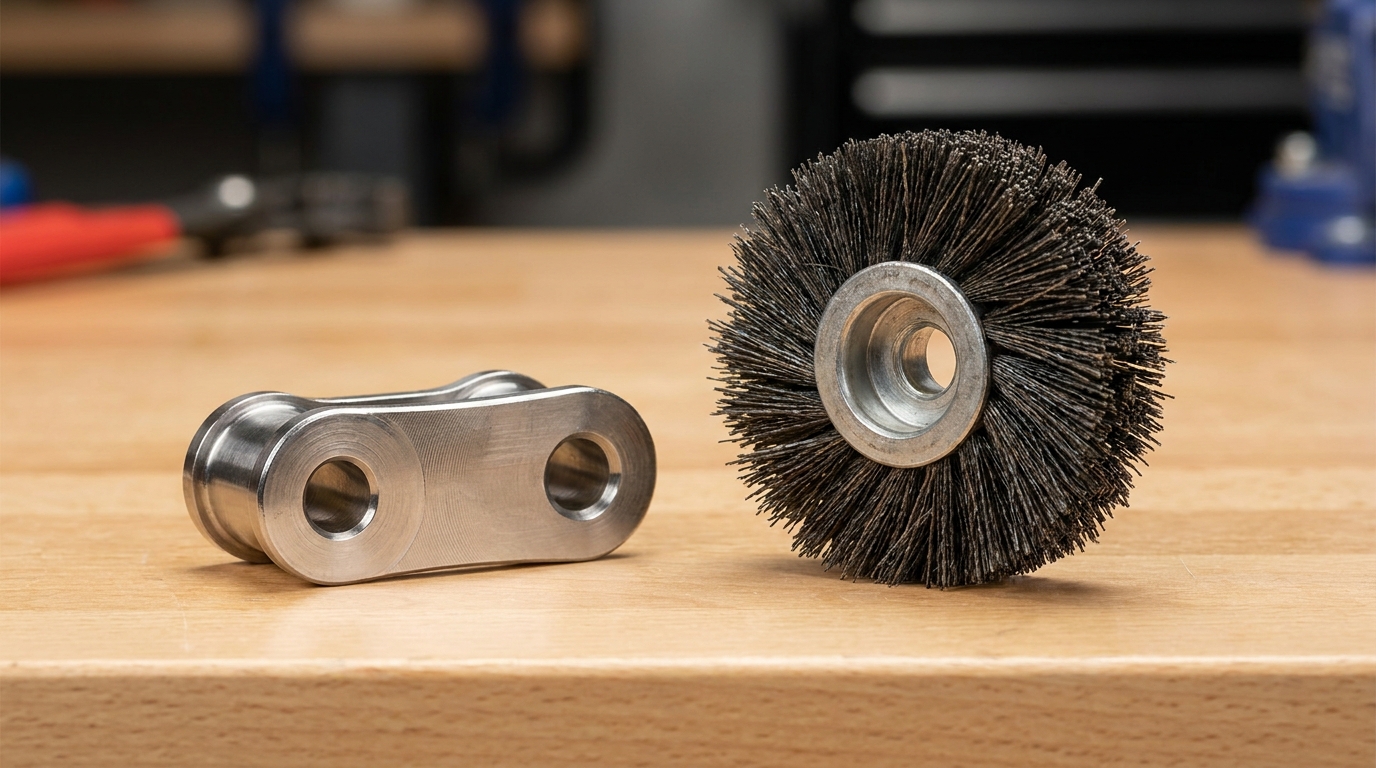
You now know how proactive stocking stabilizes your budget. The next step involves knowing exactly what to keep on your shelves. Smart inventory management separates vital components from rare replacements. You need a clear strategy to categorize these items effectively. Let’s break down the essential spare parts for textile machinery you should always have ready.
Consumables and High-Wear Items
Some components degrade quickly during normal operations. You must replace them regularly to maintain peak performance. High-friction items like brush wheels demand constant attention. Drive belts, specialized seals, and high-speed bearings also wear out fast. Proper lubrication keeps these moving parts safe. Always maintain a high safety stock of these consumables. Running out of a simple seal can halt your entire mercerizing machine.
Stenter Machine Essentials
Your finishing line relies heavily on continuous movement. Stenter chain spare parts take massive mechanical stress daily. Chain links and link segments require careful monitoring. A broken chain stops fabric stretching, drying, and heat-setting instantly. Keep matching chains in stock whether you run European brands like Monforts or Asian machinery. This prevents long lead times for heavy mechanical segments.
Fabric Guiding Components
Precise fabric tension dictates your final product quality. You need reliable guiding components to prevent edge damage. Always keep a backup stenter clip and pin plate in your inventory. These parts grip the fabric tightly during processing. Worn clips cause snags and uneven stretching. Visual identification helps you match pin configurations before ordering. Choosing a reliable 섬유 기계 부품 공급업체 ensures you get exact OEM specifications.
Electrical and Automation Parts
Modern production lines depend heavily on smart technology. Intelligent equipment requires specific electrical backups to function properly. You must stock critical sensors, inverters, and control boards. Pneumatic valves also play a huge role in automated adjustments. SutexMach specializes in intelligent textile machinery featuring high automation. We know a single failed sensor can disrupt complex drying or sueding processes. Having these digital components on hand minimizes diagnostic downtime.
Dyeing and Finishing Specifics
Wet processing environments expose equipment to harsh chemicals. Dyeing and finishing machines need specialized care. You should stock chemical-resistant pumps and precision spray nozzles. Heating elements also burn out over time and need swift replacement. Categorize these wet processing spares separately from dry finishing parts. This simple organization helps your maintenance team find items quickly during breakdowns.
| Part Category | Critical Components | Stocking Priority |
|---|---|---|
| Consumables | Brush wheels, drive belts, seals | High (Keep large safety stock) |
| Stenter Essentials | Chain links, link segments | High (Match OEM specs exactly) |
| Fabric Guiding | Clips, pin plates, edge sensors | Medium (Keep immediate backups) |
| Electrical | Inverters, control boards, valves | Medium (Critical for automation) |
| Wet Processing | Pumps, nozzles, heating elements | Medium (Monitor chemical wear) |
How to Evaluate and Select a Reliable Textile Machine Parts Supplier

You now know exactly which components belong on your shelves. Organizing wet processing spares and stenter essentials keeps your team ready. However, knowing what to stock is only half the battle. You must source these items reliably. Choosing the right partner prevents mismatched parts and delayed shipments. Let us explore how to evaluate and select a reliable partner for your inventory needs.
Industry Experience and Reputation
A supplier’s history tells you a lot about their reliability. You want a partner holding deep roots in textile manufacturing. Companies surviving decades in this industry understand your daily struggles. For example, SutexMach has manufactured intelligent textile machinery since 1985. We know what it takes to keep a production line running smoothly. Look for suppliers offering comprehensive one-stop solutions. They should handle everything from machine selection to dedicated after-sales service. A strong reputation means they deliver on their promises consistently.
Quality Assurance: OEM vs. Aftermarket
Your machines undergo immense stress during every shift. Installing cheap replacements often leads to bigger mechanical failures later. You must understand the difference between OEM and aftermarket options. Original Equipment Manufacturer parts match your machine’s exact original specifications. They guarantee proper fit and highly durable performance. Standard aftermarket alternatives might cost less upfront. However, they often wear out faster and risk damaging your equipment. Always ask your supplier about their strict quality assurance testing. Reliable partners stand behind the durability of their components.
Technical Expertise and Cross-Brand Knowledge
Textile mills rarely use just one brand of machinery. Your floor might feature European models alongside Asian equipment. Your supplier must understand the technical nuances of these different systems. They need expertise in specific identifiers, like stenter machine chain model 5870024. A knowledgeable partner knows which spare parts for textile machinery work across different series. They can identify compatibility between brands like Monforts, Brueckner, or ILSung. They know exactly which stenter clip and pin plate fits your specific setup. This technical expertise prevents you from ordering the wrong link segments. It saves you time and frustration during critical breakdowns.
Logistics and Lead Times
Heavy mechanical segments often require long shipping durations. You cannot afford to wait weeks when a core machine stops. Evaluate how a supplier manages their own inventory and logistics. Do they keep high-wear items like brush wheels readily available? Ask about their average lead times for complex components. A great supplier ships critical parts swiftly to minimize your facility downtime. They help you plan your stocking strategy effectively. This proactive approach helps you avoid emergency shipping fees entirely.
| Evaluation Criteria | Ideal Supplier Trait | Impact on Your Mill |
|---|---|---|
| Industry Experience | Decades of proven manufacturing history | Ensures deep understanding of your operational needs |
| Quality Assurance | Provides OEM-spec parts undergoing strict testing | Prevents secondary damage and frequent replacements |
| Technical Expertise | Knows cross-brand compatibility (e.g., Monforts, Brueckner) | Eliminates ordering errors for complex mechanical segments |
| Logistics Speed | Maintains ready stock of high-wear consumables | Minimizes production downtime and rush-shipping fees |
Best Practices for Inventory Management of Spare Parts
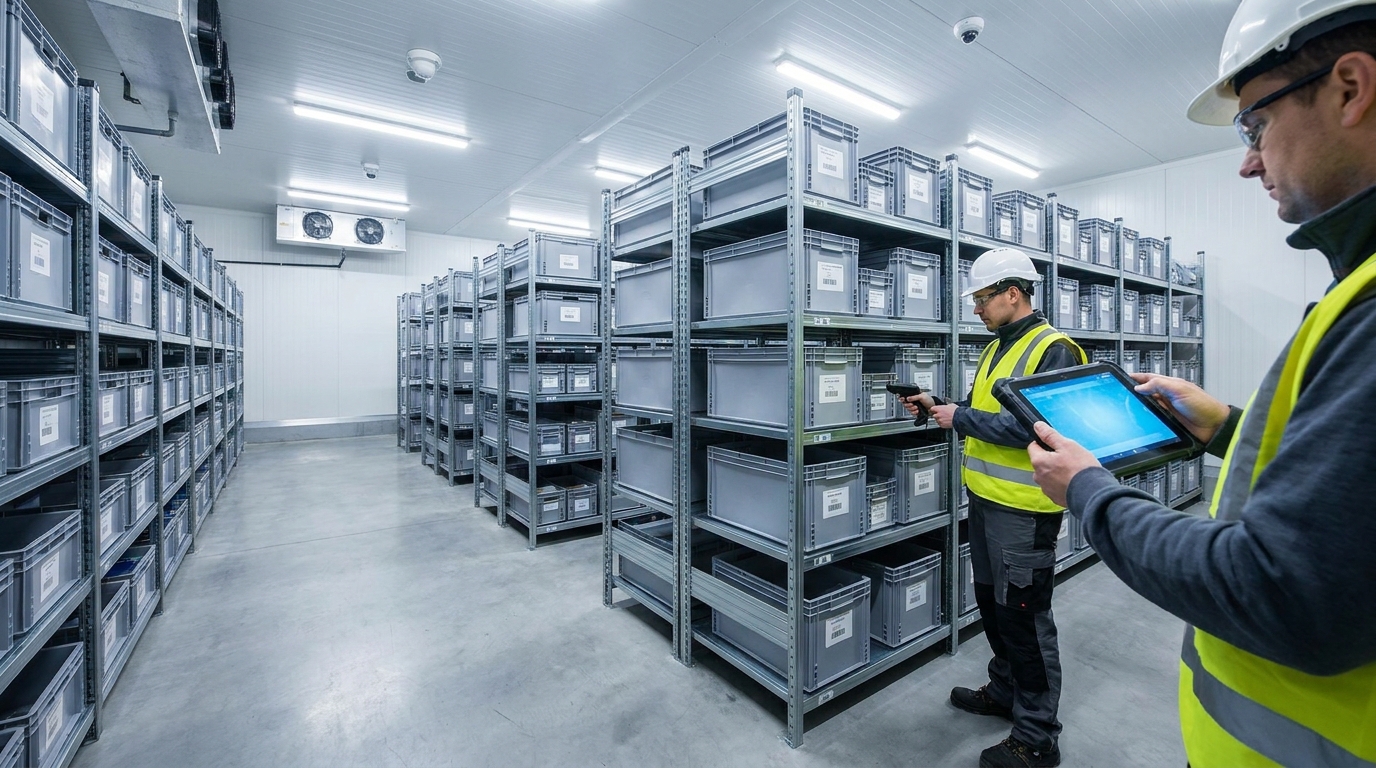
You found a trustworthy supplier for your components. They understand cross-brand compatibility and ship quickly. Now, you must manage these items efficiently inside your own facility. Poor organization ruins the best purchasing strategies. Stacking boxes randomly leads to lost items and ruined components. Let us explore the best practices for inventory management of spare parts. These strategies keep your textile mill running at peak efficiency.
The ABC Classification System
Not all components hold the same value. The ABC classification system helps you prioritize. Category A includes critical, high-value items. Think of essential spare parts for textile machinery like specialized inverters or main drive motors. Category B covers medium-cost items having steady turnover. A stenter clip and pin plate falls here. You replace them regularly, but they do not break the bank. Category C contains low-cost, high-volume consumables. Brush wheels and standard seals fit this group perfectly. This system directs your focus and budget where they matter most.
| Category | Item Characteristics | Examples | Management Focus |
|---|---|---|---|
| A | High cost, critical for operation | Inverters, main drive motors | Strict control, precise tracking |
| B | Medium cost, steady turnover | Clips, pin plates, link segments | Moderate control, regular reviews |
| C | Low cost, high volume | Brush wheels, seals, belts | Bulk ordering, automated reordering |
Establishing Automated Reorder Points
Manual tracking often fails during busy production weeks. You forget to reorder parts until a machine breaks down. Automated reorder points eliminate this human error completely. Inventory management software tracks your usage rates in real time. It triggers alerts before essential components run out. Modern textile mills rely heavily on this digital integration. SutexMach builds intelligent textile machinery prioritizing high automation. We see how automated inventory tracking complements automated production lines perfectly. Set your software to alert your purchasing team early.
Proper Storage Conditions
Buying quality components means nothing if you store them poorly. Sensitive mechanical and electronic parts degrade quickly in bad environments. Textile mills often have high humidity and airborne lint. You must protect your inventory from these hazards. Keep heavy mechanical segments off the bare floor. This prevents rust and physical damage. Store electronic control boards in climate-controlled, anti-static cabinets. High-friction consumables need dry, dark storage. This stops rubber or bristle degradation. Proper storage conditions ensure parts work perfectly upon installation.
Regular Auditing
Software tracking is great, but physical checks remain necessary. Regular auditing catches discrepancies between digital records and actual shelves. Schedule routine checks for your spare parts inventory every quarter. Look for obsolete items tied to retired machines. You might still hold parts for older models you no longer use. Clear these out to free up valuable shelf space. Physical audits also identify damaged components early. You catch problems before needing the item urgently.
- Conduct physical counts quarterly to verify software records.
- Identify and remove obsolete parts belonging to retired machinery.
- Inspect stored components for rust, moisture damage, or degradation.
- Update your ABC classification based on changing production needs.
SutexMach: Your One-Stop Solution for Textile Machinery and Components
You just learned how to audit your shelves and store components safely. Proper inventory management protects your daily operations. However, you still need a trusted partner to supply those critical items. We understand the complex lifecycle of your production line. SutexMach provides everything you need to succeed.
Decades of Industry Leadership
Finding a reliable supplier takes time. You need a team holding proven historical success. Our company, SutexMach, was founded in 1985. We are proudly affiliated to Jiangsu SoHo Honry Import & Export Co., Ltd. Our team brings over 30 years of professional manufacturing experience directly to your facility. We watched the textile industry evolve. We understand the specific challenges you face daily. This deep knowledge helps us guide your stocking strategy effectively.
Comprehensive Equipment Range
We do more than just supply individual components. We manufacture complete intelligent textile machinery. Our expertise covers a massive range of production equipment. We build sueding, calendering, drying, and stenter machines. We also specialize in dyeing, warp knitting, dewatering, and air-softening machines. Building these complex systems gives us unique insights. We know exactly how a single faulty part impacts the whole line. This is why we stock the exact spare parts for textile machinery you require.
Uncompromising Quality
Your production floor demands heavy-duty reliability. We deliver equipment and components known globally for stable performance. Modern textile mills require high automation to stay competitive. Our parts support these advanced digital integrations perfectly. We also prioritize energy efficiency and environmental friendliness. You get components built to last through intense daily shifts. A durable stenter clip and pin plate prevents fabric damage. We ensure every part meets strict quality standards before shipping.
Complete Lifecycle Support
You deserve more than a simple transaction. We offer genuine one-stop solutions for your mill. Our support begins during initial machine selection. We help you plan custom line configurations and handle precise installation. Once your line runs, we provide a highly reliable spare parts supply. Our dedicated after-sales service keeps your equipment in peak condition. You never have to guess which components fit your specific setup. We handle the technical details so you can focus on production.
| Support Stage | Our Service Offering | Benefit to Your Mill |
|---|---|---|
| Initial Setup | Machine selection and custom configuration | Ensures equipment matches your exact production needs |
| Deployment | Precise machinery installation services | Guarantees safe and correct initial operation |
| 유지 관리 | Reliable component and hardware supply | Prevents long downtimes and production halts |
| Long-Term | Dedicated after-sales support | Keeps machinery running efficiently for years |
결론
A proactive stocking strategy keeps your textile operation profitable. Balancing inventory costs with downtime risks is vital. Partner with SutexMach for reliable one-stop manufacturing solutions. Take these steps to secure your production line:
- Audit your current spare parts inventory today.
- Calculate the cost of potential machine downtime.
- Contact SutexMach to refine your stocking strategy.
Frequently Asked Questions About Textile Machinery Spare Parts
How can I ensure spare parts fit my machine?
Matching OEM specifications is crucial for textile machines. Check your exact part numbers, like stenter chain 5870024. Many aftermarket parts fit major brands like Monforts. Always verify link segment shapes before ordering parts. SutexMach offers solutions to help select the right parts.
Which textile machine parts should I stock first?
Prioritize high-wear consumables to avoid costly downtime. Brush wheels and endrings wear out rather quickly. You must also keep stock of high-stress components. These include stenter chain links and pin bars. Categorize your inventory by machine brand for quick retrieval.
What if my textile machine is an older model?
Finding spares for discontinued brands takes some effort. Many parts are interchangeable between related legacy brands. Some modern manufacturers produce compatible components for older equipment. SutexMach has over thirty years of industry experience. We can help source parts or upgrade your machines.
Should I buy OEM parts or aftermarket spares?
Balancing price and durability is a common buyer challenge. Original parts offer compatibility but often cost much more. High-quality aftermarket spares provide stable performance at lower prices. Ensure your supplier understands specific machine series like Babcock. A reliable partner ensures your production line stays efficient.
How do I manage long shipping times for parts?
Long lead times for heavy segments can hurt profits. The best defense is a proactive stocking strategy. Order critical mechanical parts well before they fail completely. Keep spare link segments on hand for local repairs. Working with SutexMach ensures faster and more reliable delivery.
Take charge of your inventory to prevent costly halts.
- Audit your current stock of brush wheels and chains.
- Identify your exact machine models and part numbers easily.
- Contact SutexMach for a customized spare parts stocking plan.
- Set up automatic reorders for high-wear textile machine consumables.