

 Korean
 English
 Hungarian
 Indonesian
 Bulgarian
 Turkish
 Polish
 Russian
 Spanish
 Portuguese
 French


건조 과정에서 섬유 마감 에너지의 70%가 소모된다는 사실을 알고 계셨나요? 잘못된 장비를 선택하면 원단 품질이 떨어지고 수축률이 악화됩니다. 이러한 실수는 일일 생산 비용을 급격히 증가시킵니다. 이번 게시물에서는 다양한 건조기 종류를 소개합니다. 효율적인 생산라인을 구축하는 데 도움을 드리겠습니다.
Understanding the Industrial Textile Dryer
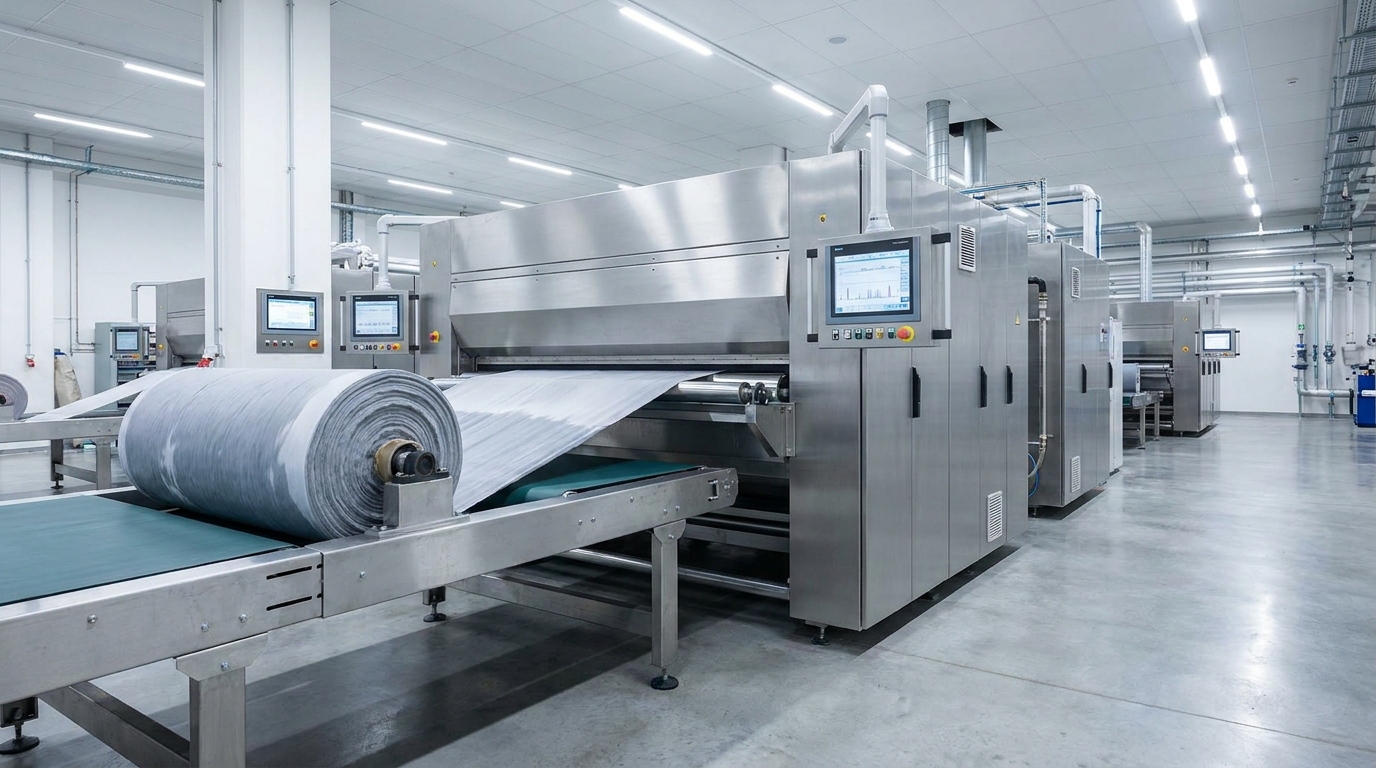
You already know drying consumes massive energy. But what exactly happens inside an 산업용 섬유 건조기? At its core, this equipment applies heat and airflow to wet fabrics. After padding, fabrics hold 60% to 80% moisture. The dryer evaporates this water efficiently. It brings residual moisture down to a target of 2% to 8%. The exact target depends on the fiber type.
This process requires serious thermal power. It takes roughly 1,000 to 1,500 kcal to evaporate one kilogram of water. A reliable 섬유 건조기 balances temperature, airflow, and tension. It operates between 100°C and 130°C for standard drying. Heat-setting synthetic fibers requires temperatures from 180°C to 220°C.
The Shift to Intelligent Automation
Older machines relied on manual adjustments. They wasted massive amounts of heat. Today, the industry demands intelligent textile machinery. Modern systems feature high automation and smart controls. They use PLC units and real-time exhaust air humidity sensors. We have driven this evolution firsthand. Founded in 1985, SutexMach builds highly automated textile equipment. We have over 30 years of manufacturing experience. Our machines deliver stable performance and environmental friendliness. We offer one-stop solutions from machine selection to installation. Smart exhaust controls prevent over-drying and save valuable energy.
Core Objectives of the Drying Process
Drying goes beyond simply removing water. It directly impacts final fabric quality. You must achieve three main goals during this stage.
- Uniform Moisture Removal: Moisture must evaporate evenly across the entire width. Center-to-selvedge variations cause uneven dyeing and poor finishing results.
- 차원 안정성: Wet fabrics naturally want to shrink. The dryer controls both width and length. It locks the dimensions to prevent future shrinkage.
- Enhanced Hand-feel: Proper airflow preserves fabric loft. It creates a soft and bulky texture. This remains especially important for delicate knits.
Here are standard parameters for common fabric types:
| 패브릭 유형 | Initial Moisture | Target Moisture | Typical Process Temperature |
|---|---|---|---|
| 100% Cotton | 60% – 80% | ~8% | 100°C – 130°C (Drying) |
| Polyester / Synthetics | 60% – 80% | ~2% | 180°C – 220°C (Heat-setting) |
Comprehensive Guide to Fabric Drying Machine Types
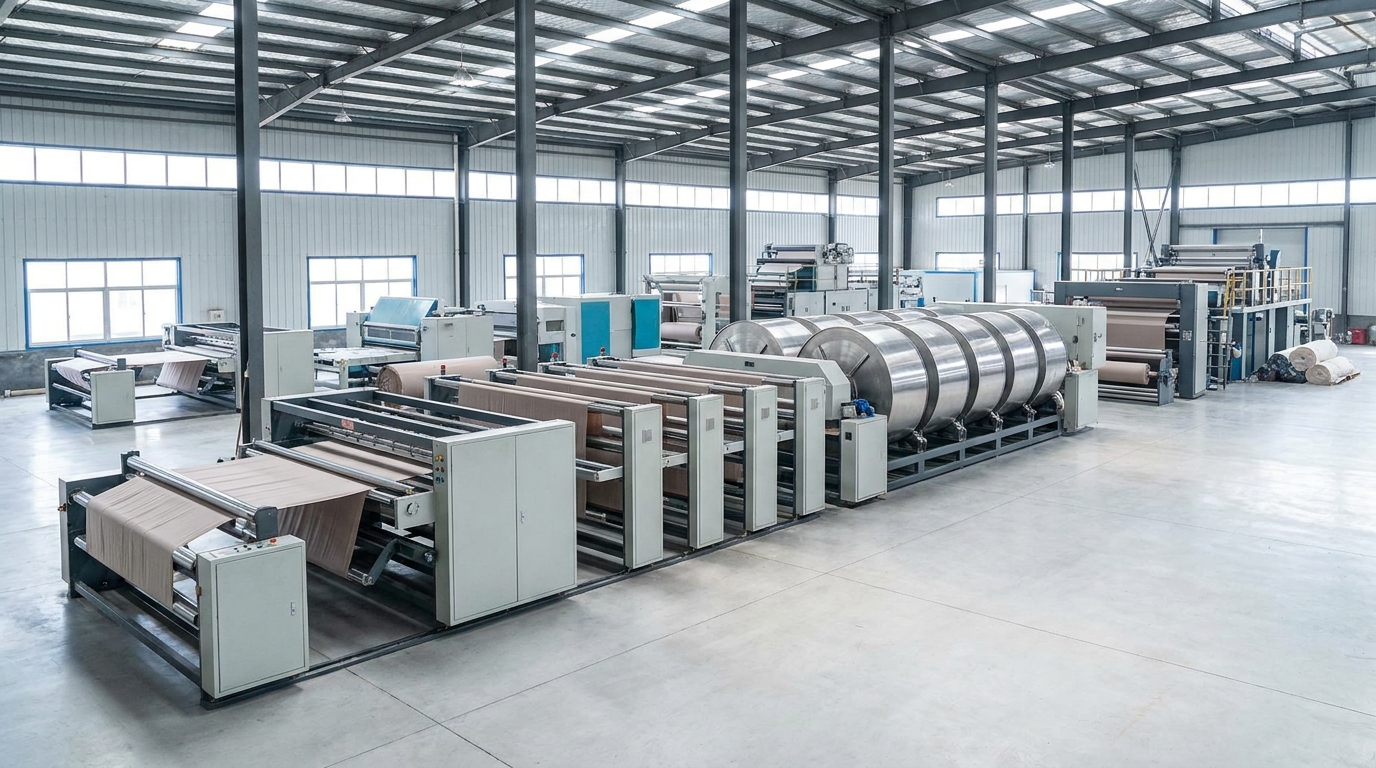
As we covered earlier, achieving dimensional stability and a soft hand-feel is crucial. You cannot meet these goals using a one-size-fits-all approach. Different fabric types demand distinct handling. Let us explore the main fabric drying machine types available today. This guide helps you match the right technology to your production line.
Stenter Machines (Tenter Frames)
Stenter machines dominate many textile finishing mills. They utilize sturdy pins or clips. These components grip the fabric edges securely. The machine holds material under precise tension. It pulls the fabric through multi-chamber heated zones. Standard working widths range from 1.8 to 3.2 meters. Most setups feature 6 to 12 heating chambers.
They work perfectly for woven fabrics. You also need them for heat-setting synthetic blends. They offer unmatched width and density control. Modern stenter systems feature high levels of automation. We build our stenters with advanced energy recovery systems. This technology ensures a highly eco-friendly daily operation. It reduces your daily gas consumption quite significantly. Always include a cooling zone at the exit. This locks the fabric dimensions before winding.
Tensionless (Relaxation) Dryers
Knitted fabrics easily lose shape under tension. They require a much gentler drying approach. A tensionless dryer solves this exact problem. This makes it an ideal 니트 원단용 건조기. The mechanism relies heavily on mechanical overfeeding. Operators overfeed the fabric onto a vibrating conveyor belt. The overfeed ratio can reach up to 40%.
The wet material dries completely naturally. It experiences zero longitudinal or latitudinal tension. This specific method minimizes unwanted residual shrinkage. It preserves the natural loop structure beautifully. You might often compare a 스텐터 건조기 대 플랫베드 건조기. Remember their distinct purposes. Stenter machines control the fabric width perfectly. Flatbed tensionless systems maximize natural fabric shrinkage.
Cylinder / Can Dryers
Cylinder dryers offer a fast and economical solution. The fabric passes over rotating metal cylinders. Steam heats these large cylinders internally. They work best for intermediate drying tasks. Mills often use them for woven fabrics and warp yarns. They operate at very high production speeds.
However, you must use them carefully. The direct metal contact flattens the fabric surface. They do not preserve fabric loft like air-flow systems. You should avoid them for delicate knits.
Air-Softening and Tumbling Dryers
Sometimes, softness matters more than anything else. Air-softening and tumbling dryers deliver exceptional texture. These machines utilize extremely high-velocity airflow. This powerful air simultaneously dries the material. It also mechanically beats the fabric against internal baffles.
This physical action dramatically enhances fabric bulkiness. It improves the overall softness and hand-feel. We highly recommend this equipment for terry towels. It safely handles delicate materials like fine fleece. At SutexMach, our air-softening machines deliver stable performance. They help you achieve premium finishing effects easily.
| 머신 유형 | Primary Mechanism | Best Fabric Suitability | Key Advantage |
|---|---|---|---|
| 스텐터기 | Pin/clip tension & heated chambers | Wovens & Synthetics | Strict width control & heat-setting |
| Tensionless Dryer | Vibrating conveyor & overfeed | Knits (100% Cotton) | Zero tension & maximum shrinkage control |
| Cylinder Dryer | Steam-heated rotating metal cans | Wovens & Warp Yarns | High speed & economical intermediate drying |
| Air-Softening Dryer | High-velocity air & mechanical beating | Terry, Fleece, Delicates | Ultimate softness & enhanced bulkiness |
Stenter Dryer vs Flatbed Dryer: Which is Right for You?
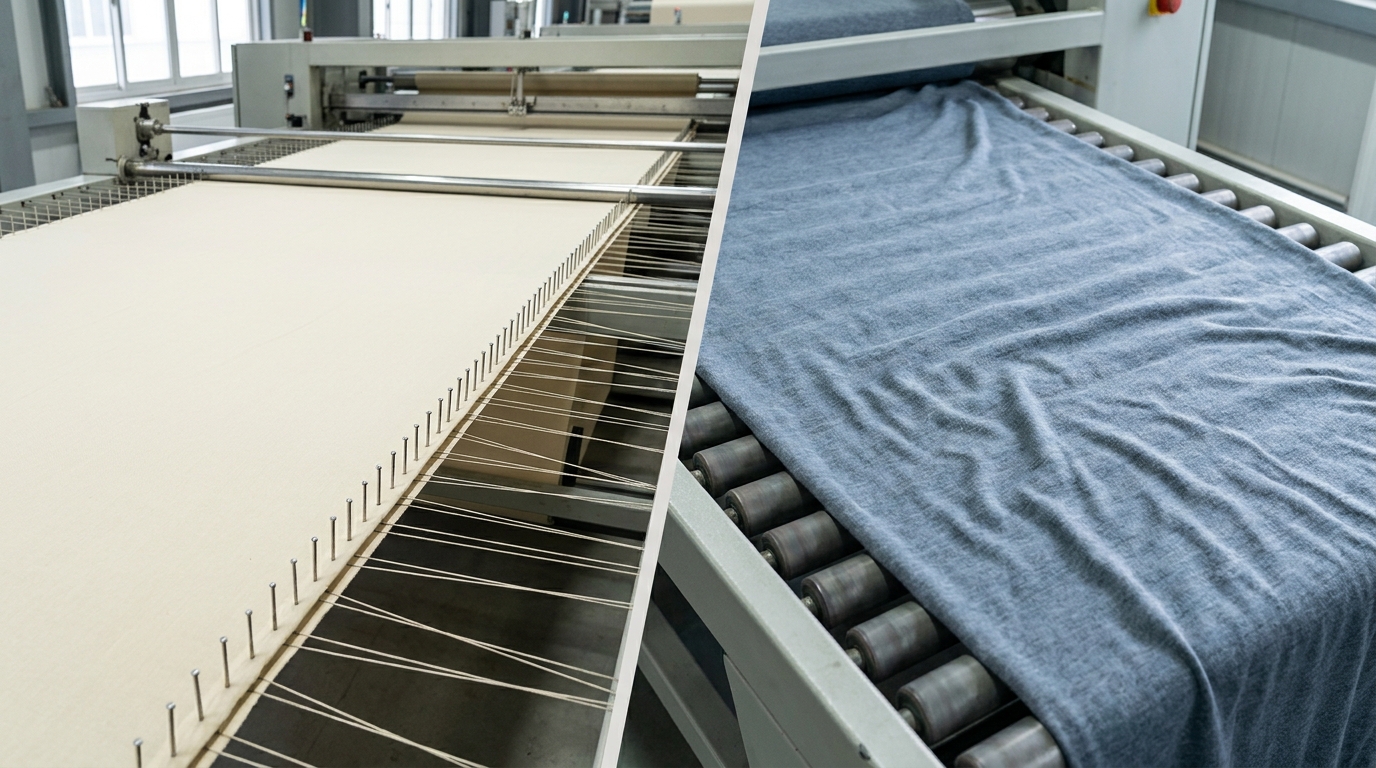
We explored various fabric drying machine types earlier. You likely noticed two specific systems stand out. Mill owners frequently debate between a stenter and a flatbed system. Both machines remove moisture efficiently from wet textiles. However, they handle wet fabrics in completely different ways. Let us break down their operational differences. This comparison helps you make the right equipment choice.
Core Operational Differences
A stenter machine operates strictly on high tension. It uses sturdy pin or clip chains. These components grab the fabric selvedges securely. They pull the material taut across multiple heating chambers. You control the exact width mechanically. This process guarantees strict dimensional stability.
Conversely, a flatbed dryer operates completely tension-free. Operators often call it a relax dryer. It relies on mechanical overfeeding instead of pins. The fabric rests loosely on a vibrating conveyor belt. It passes through the heating zones naturally. It experiences zero pulling forces during evaporation.
Matching Equipment to Fabric Suitability
Your fabric type dictates your final machine choice. You must prioritize structural stability for woven fabrics. Synthetic blends also require high-temperature heat-setting. A stenter handles both tasks perfectly. It locks synthetic fibers at 180°C to 220°C. It prevents unwanted edge curling effectively.
Knitted fabrics behave quite differently during production. They shrink easily and lose their original shape. A flatbed dryer manages this shrinkage perfectly. It allows cotton knits to contract naturally. This creates a bulky and soft hand-feel. You avoid the flattened appearance caused by high tension.
Comparing Efficiency, Space, and Capacity
Production capacity and factory footprint matter greatly. Stenter machines require significant factory floor space. A standard 8-chamber stenter stretches quite long. It processes lightweight wovens at speeds up to 100 meters per minute. It consumes substantial thermal energy during daily operations. However, modern systems recover heat exceptionally well. At SutexMach, we build highly automated stenters. Our intelligent heat recovery units reduce daily gas consumption by up to 30%.
Flatbed dryers feature a more compact footprint. They run slower than continuous stenter frames. Speeds range from 5 to 20 meters per minute. The exact speed depends heavily on fabric thickness. They focus primarily on gentle moisture evaporation. They do not perform high-heat fixing. This makes them highly energy efficient for delicate materials.
| Comparison Factor | 스텐터기 | Flatbed (Relax) Dryer |
|---|---|---|
| Drying Mechanism | High tension via pins or clips | Tension-free via vibrating conveyor |
| Fabric Suitability | Wovens and synthetic blends | 100% Cotton knits and delicates |
| Primary Purpose | Width control and heat-setting | Maximum shrinkage and soft hand-feel |
| 생산 속도 | Up to 100 m/min | 5 to 20 m/min |
| Space Requirement | Large footprint (multi-chamber) | Compact footprint |
Choosing the Best Drying Machine for Knit Fabric
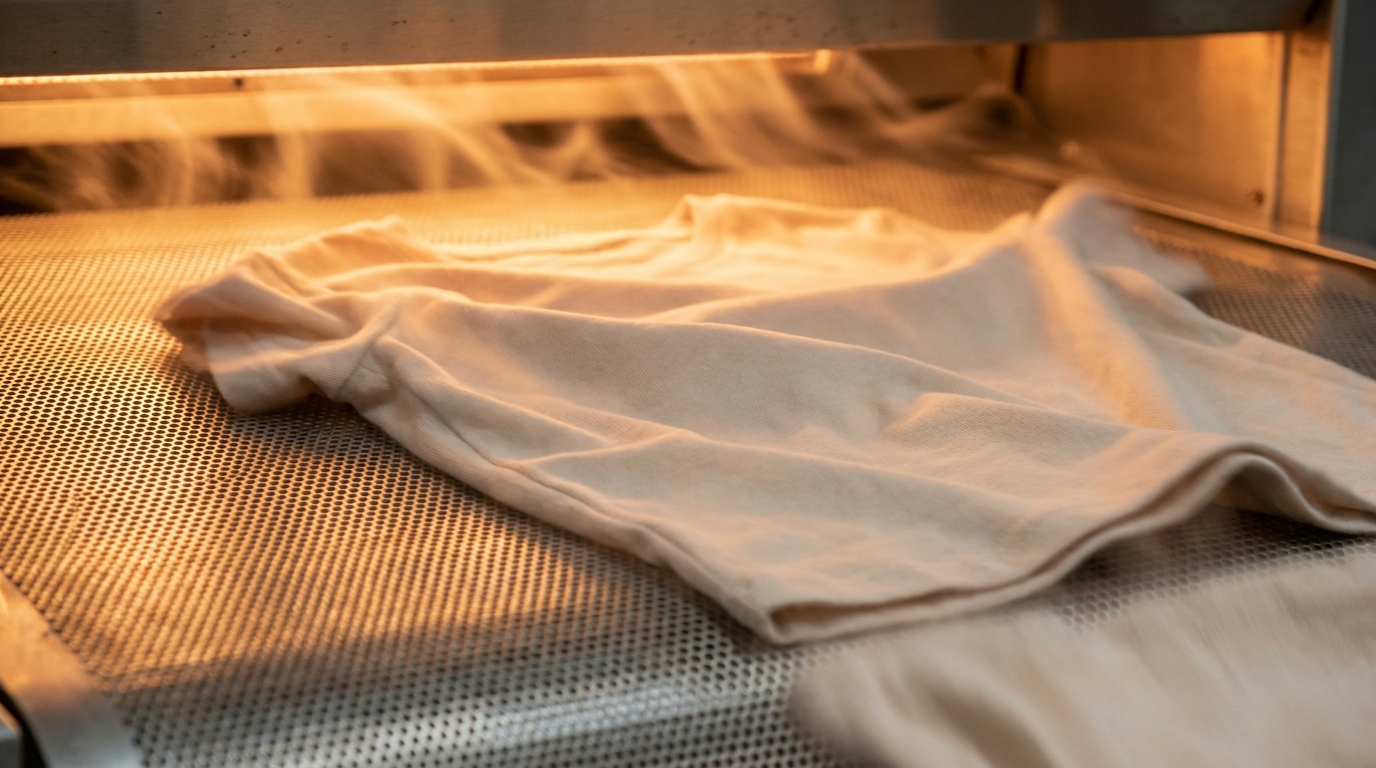
As we covered earlier, flatbed systems perform beautifully for 100% cotton knits. You saw how they prevent the flattening effect caused by high tension. Let us dive deeper into why knits require such specialized handling. Choosing the right equipment prevents costly defects and ruined batches.
The Unique Challenges of Knitted Fabrics
Knitted fabrics present unique challenges on the production floor. Their interlocking loop structure makes them highly stretchable. This flexibility creates comfortable clothing. However, it causes headaches during finishing operations. Wet knits easily lose their original shape under stress.
They suffer from severe curling edges when pulled. High tension causes permanent loop distortion. You simply cannot treat them like stable woven materials. If you apply too much force, the fabric elongates. It will shrink drastically later when the consumer washes it.
Why Tensionless and Air-Softening Systems Win
You must eliminate pulling forces completely during evaporation. This requirement makes a tensionless relax system the ideal drying machine for knit fabric. The fabric travels loosely on a vibrating conveyor belt. It shrinks naturally without any mechanical stress.
Air-softening machines take this gentle approach a step further. They use high-velocity airflow to beat the fabric gently. This mechanical action restores the natural loop structure perfectly. It delivers unmatched bulkiness and a premium soft hand-feel. At SutexMach, our air-softening equipment provides highly stable performance. We help you achieve these high-end finishing effects consistently.
The Crucial Role of Gentle Dewatering
Drying actually begins long before the heating chamber. You must remove excess water immediately after dyeing. Standard padding mangles squeeze wet fabrics very hard. This heavy pressure crushes delicate knit loops instantly.
Instead, you need gentle dewatering processes before thermal drying. Specialized dewatering machines extract moisture efficiently without flattening the structure. We manufacture these precise dewatering systems at SutexMach. We provide one-stop solutions from initial dewatering to final air-softening. Proper moisture extraction reduces the thermal load on your dryer. It protects the fabric and lowers your daily energy bills.
Here is a quick breakdown of common knit processing challenges and their equipment solutions:
| Knit Fabric Challenge | Negative Outcome | Ideal Machine Solution |
|---|---|---|
| High Stretchability | Permanent elongation and severe shrinkage | Tensionless relax dryer with mechanical overfeed |
| Crushed Loops | Flat appearance and harsh hand-feel | Gentle dewatering machines prior to heating |
| Curling Edges | Uneven drying and finishing defects | Vibrating conveyor belts to relax edges |
| Lack of Bulkiness | Poor texture and low market value | Air-softening machines with high-velocity airflow |
Key Factors to Consider When Buying a Textile Drying Machine
As we covered earlier, delicate knits demand specialized gentle handling. You explored various fabric drying machine types in previous sections. You now understand how different mechanisms affect your final product. However, selecting the right equipment goes beyond avoiding crushed loops. You must evaluate several operational details before making a purchase. This section breaks down the essential criteria for your factory.
Fabric Type and Production Volume
Your daily output targets dictate your equipment size directly. High-speed continuous lines process lightweight wovens very rapidly. A stenter frame handles up to 100 meters per minute. Knitted fabrics require slower processing speeds. You must calculate your required daily yardage carefully. Match the number of heating chambers to your desired line speed. Adding one extra chamber often proves highly efficient. It works much better than pushing fewer chambers to extreme temperatures.
Energy Efficiency and Environmental Impact
Drying accounts for roughly 70% of textile finishing energy. You simply cannot afford inefficient heat management today. Look for machines featuring thick insulation panels. These panels keep the valuable heat inside the chambers. Modern sustainable finishing systems utilize advanced heat recovery units. These units capture exhaust heat and recycle it effectively. This technology reduces daily gas consumption by up to 30%. At SutexMach, we prioritize environmental friendliness across our operations. Our equipment features eco-friendly designs to minimize your utility bills.
Intelligent Automation
Manual adjustments belong in the past for modern mills. Today, an intelligent industrial textile dryer guarantees stable performance. You need automated PLC systems to manage the process. Real-time moisture sensors prevent dangerous over-drying constantly. They monitor the wet fabric continuously during operation. Exhaust air humidity controllers adjust fan speeds automatically. They maintain optimal moisture levels inside the heating chamber. This precise control protects delicate fibers from severe scorching.
Footprint and System Integration
Factory floor space often limits your installation options. You must map your available space very accurately. You might recall the stenter dryer vs flatbed dryer comparison. Stenter machines require a long physical footprint. Flatbed systems offer a much more compact layout. This makes them a great drying machine for knit fabric. The equipment must connect smoothly with your existing padding mangles. SutexMach offers complete one-stop solutions for textile manufacturers. We handle everything from machine selection to professional installation. Our team ensures flawless integration into your production line. We also provide reliable after-sales service globally.
Here is a quick checklist to guide your final purchasing decision:
| Evaluation Factor | Key Question | Ideal Solution |
|---|---|---|
| Production Volume | How many meters per minute do you need? | Match chamber count to target line speed. |
| 에너지 효율성 | How will you reduce massive gas consumption? | Install automated heat recovery units. |
| Automation Needs | How do you prevent fabric over-drying? | Utilize exhaust air humidity controllers. |
| Factory Footprint | How much floor space exists currently? | Select compact flatbed designs for tight spaces. |
SutexMach: Your Trusted Partner for Intelligent Drying Solutions
You just learned how to evaluate production volume, energy efficiency, and factory footprint. Choosing the right equipment requires careful planning. You need a reliable manufacturer to guide this crucial investment.
A Legacy of Manufacturing Excellence
We understand the complex demands of modern textile finishing. Founded in 1985, SutexMach brings over 30 years of professional manufacturing experience. We operate as an affiliated company to Jiangsu SoHo Honry Import & Export Co., Ltd. This strong foundation allows us to serve textile mills globally. We build intelligent machinery designed for real-world factory conditions.
Our Comprehensive Equipment Range
You saw earlier how different fabrics require specific handling methods. We manufacture a complete lineup of intelligent textile machinery to meet these diverse needs. Our core expertise includes high-quality stenter frames and advanced drying machines. We also build specialized dewatering and air-softening equipment. This diverse range ensures you find the exact technology for your specific fabric types.
Advanced Technology for Modern Mills
Old equipment wastes valuable heat and ruins delicate materials. We engineer our machines to solve these exact problems. Textile manufacturers globally trust our equipment for highly stable performance. We integrate high automation into every system we build. This smart technology guarantees exceptional energy efficiency and environmental friendliness. It helps you maintain strict quality control while lowering daily utility bills.
End-to-End Support and One-Stop Solutions
Buying industrial machinery involves much more than simply placing an order. You need a partner capable of supporting your entire production line setup. We provide complete one-stop solutions for textile manufacturers. Our team helps you navigate expert machine selection and detailed customization. We handle professional installation directly at your facility. Finally, we provide reliable after-sales service to keep your line running smoothly.
| SutexMach Service Pillar | What We Provide | Direct Benefit to You |
|---|---|---|
| Expert Consultation | Machine selection and customization | Equipment perfectly matched to your fabric types. |
| Advanced Manufacturing | High automation and eco-friendly designs | Stable performance and lower energy bills. |
| Professional Installation | On-site setup and system integration | Smooth integration into your existing footprint. |
| Global Support | Reliable after-sales service | Minimal downtime and continuous production. |
결론
Selecting the right textile drying machine boosts your factory efficiency. Stenters and tensionless dryers handle specific fabrics perfectly. Upgrading to intelligent, energy-efficient equipment keeps your textile business highly competitive. SutexMach delivers reliable one-stop solutions for your mill.
- Review your daily fabric production volume today.
- Calculate your current machine energy costs immediately.
- Call SutexMach to schedule a personalized machine consultation.
Frequently Asked Questions About Textile Drying Machine Types
Which textile drying machine is best for 100% cotton knits?
A relax dryer or tensionless dryer is the best choice. These machines give cotton knits a bulky hand-feel. They also provide maximum shrinkage control. Stenters can work too, but relax dryers prevent unwanted stretching. Delicate knits need careful handling to avoid curling. SutexMach offers advanced drying machines tailored for knits. Our equipment ensures your fabric stays soft and perfectly sized.
How can I reduce high energy costs during textile drying?
Drying and heat-setting use about 70% of textile finishing energy. You can lower bills by using modern heat recovery units. These systems capture exhaust heat and reuse it efficiently. Automating exhaust fans with humidity sensors saves 10-15% more energy. SutexMach builds highly automated machines focused on energy efficiency. Our eco-friendly designs help you cut gas consumption by up to 30%.
What is the difference between a stenter and a relax dryer?
A stenter frame is mainly used for width control. It is perfect for heat-setting synthetic fabrics like polyester. A relax dryer is better for achieving maximum fabric shrinkage. It gives knitted fabrics a softer and bulkier feel. Stenters use pins or clips to hold the fabric tight. Relax dryers let the fabric move freely without tension. SutexMach provides both options to suit your specific production line.
How do I prevent fabric shrinkage and yellowing during drying?
You must control the temperature and tension carefully. Overfeeding the fabric up to 40% helps control future shrinkage. To prevent yellowing, avoid exposing white fabrics to extreme heat. Keep drying temperatures strictly between 100°C and 130°C. Always use a cooling zone at the machine exit. This step locks the fabric dimensions before winding begins. SutexMach equipment features smart sensors to prevent accidental over-drying.
Why should I choose SutexMach for my textile drying needs?
SutexMach has over 30 years of professional manufacturing experience. We specialize in intelligent and energy-efficient textile machinery. Our global clients trust us for stable and reliable performance. We offer complete one-stop solutions for your textile mill. Our team handles machine selection, customization, installation, and after-sales service. We help you build a highly automated and eco-friendly production line.
Choosing the right textile dryer improves fabric quality and saves money. You must match the machine type to your specific materials. Stenters work great for wovens, while relax dryers suit knits. Modern options from SutexMach provide excellent heat recovery and automation. Upgrading your equipment will boost your overall factory efficiency today.
- Evaluate your daily production volume to determine required machine speeds.
- Contact the SutexMach team to request a customized equipment quote.
- Audit your current energy bills to identify potential heat recovery savings.
- Test fabric samples in different drying chambers to verify shrinkage rates.