

 Korean
 English
 Hungarian
 Indonesian
 Bulgarian
 Turkish
 Polish
 Russian
 Spanish
 Portuguese
 French


니트웨어는 방글라데시 전체 의류 수출량의 거의 절반을 차지합니다. 그럼에도 불구하고 전기료 상승과 엄격한 환경 규제로 인해 수익성이 위협받고 있습니다. 오늘날 경쟁력을 유지하려면 방직업체들은 매우 효율적인 염색기를 갖추어야 합니다. 이 가이드에서는 공장에 적합한 제트 염색 장비를 어떻게 선택할 수 있는지 알아보겠습니다.
Understanding the Unique Demands of Bangladesh Knit Mills

As we noted earlier, strict environmental rules and rising utility costs are reshaping factory operations. To stay competitive, you must first understand your local production environment. Bangladesh knit mills face very specific challenges. They require equipment tailored to massive volumes, delicate fabrics, and tight resource limits. Let us explore these unique demands in detail.
High-Volume Production and Continuous Stability
Factories here process massive export orders. Knitwear accounts for roughly 45% of total garment exports from Bangladesh. You need machines built for heavy, continuous operation. Stable performance is absolutely non-negotiable. Single-tube machines handling 250kg might work well for sampling. However, bulk production relies on multi-tube setups holding 1000kg to over 2000kg per batch. When evaluating an HTHP jet dyeing machine supplier, check their track record for heavy-duty reliability. Equipment must withstand constant 24/7 use without frequent mechanical breakdowns.
Handling Delicate Knit Fabrics Safely
Knit structures like Single Jersey, Interlock, and Fleece are highly sensitive. Improper handling causes stretching, pilling, or permanent crease marks. A reliable 니트 원단용 제트 염색기 must prevent these physical defects. You need precise control over fabric speed. Speeds usually range between 150 and 600 meters per minute. This fast circulation prevents rope marks. Interchangeable nozzles are also essential. Sizes from 60mm to 140mm accommodate different fabric weights. You use wider nozzles for heavy fleece and narrower ones for lightweight jersey. This maintains proper tension and protects the fabric surface.
Energy Efficiency and Water Conservation
Local groundwater levels are dropping rapidly. Effluent Treatment Plant (ETP) capacities are often stretched thin. Factories must prioritize water conservation to survive. Modern machines utilize low liquor ratios. They target 1:5 to 1:8 for cotton and 1:4 to 1:6 for synthetic blends. This directly reduces your ETP load and chemical waste. Energy efficiency is equally critical today. You want machines pulling less electricity for main pumps. Ideal power consumption ranges from 15kW to 45kW per tube. Steam consumption should stay between 0.5 and 1.2 kg per kg of fabric. Meeting ZDHC and OEKO-TEX standards depends heavily on these specific utility metrics. Furthermore, groundwater quality varies across industrial zones like Gazipur and Narayanganj. Equipment must perform consistently even when processing high TDS (Total Dissolved Solids) water.
The Shift Towards Intelligent Textile Machinery
Manual labor errors often lead to shade variations. They also cause “ending” problems, where color differs between the start and end of a fabric rope. To eliminate these issues, mills are shifting toward intelligent textile machinery. Programmable Logic Controllers (PLCs) automate chemical dosing and temperature curves. This guarantees strict batch-to-batch consistency. At SutexMach, we build intelligent textile equipment based on over 30 years of manufacturing experience. Our automated systems remove guesswork from the dyeing cycle. We deliver high automation and eco-friendly solutions for global textile mills. This smart approach reduces manual errors and improves overall fabric quality.
| Mill Challenge | 장비 요구 사항 | Target Metric |
|---|---|---|
| High Production Volumes | Multi-tube configurations | 1000kg to 2000kg+ capacity |
| Crease Marks on Knits | Variable fabric speed control | 150 to 600 meters per minute |
| Fabric Stretching/Pilling | Interchangeable nozzles | 60mm to 140mm (based on GSM) |
| High ETP Load | Low liquor ratio technology | 1:4 to 1:8 depending on fabric |
| Shade Variation | PLC automation systems | Consistent automated dosing |
Key Features to Look for in a Jet Dyeing Machine for Knit Fabric
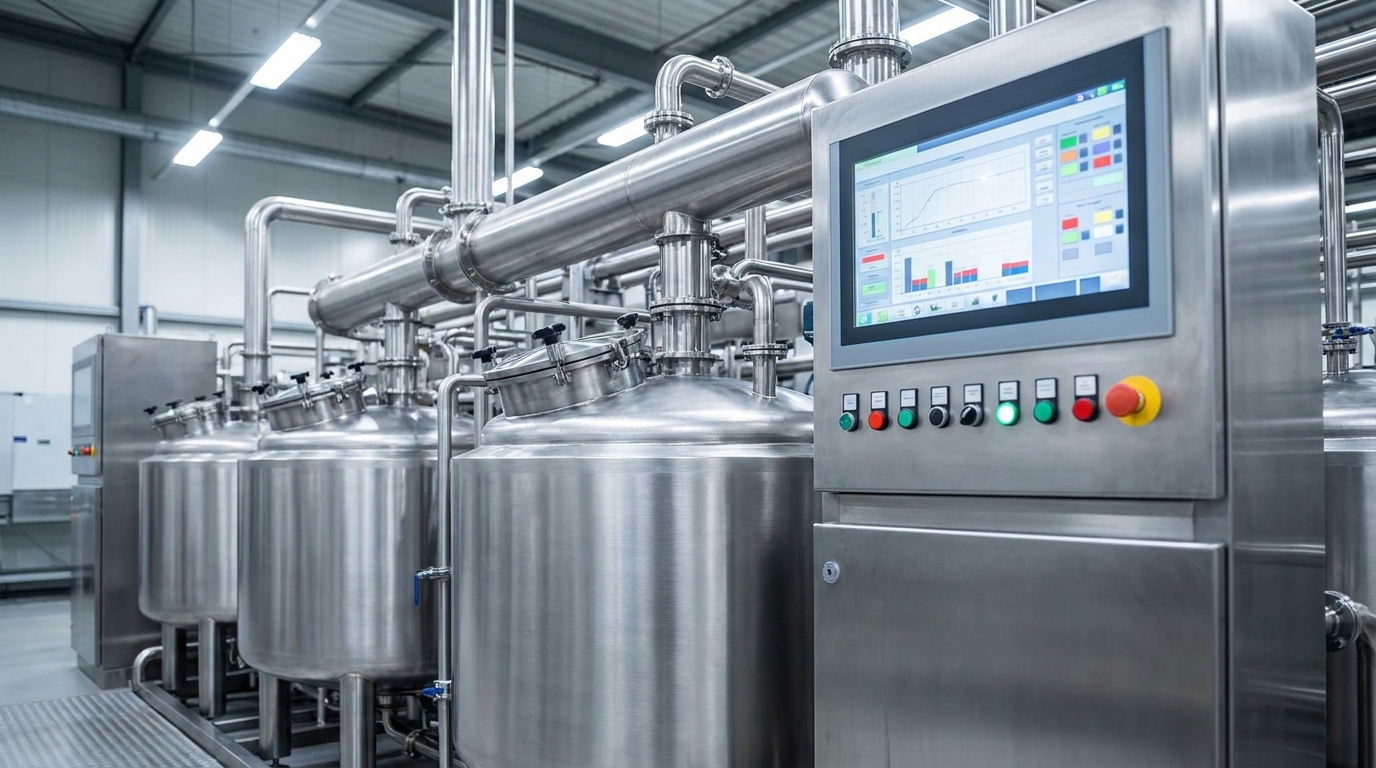
As we covered earlier, shifting toward intelligent equipment is the only way to meet strict export standards. Now that you know the unique demands of your factory, you must evaluate specific machine capabilities. Choosing the right equipment goes beyond just looking at the jet dyeing machine price. You need hardware that actively protects your fabric while cutting daily running costs. Let us look at the core features you should demand from any 방글라데시의 염색기 공급업체.
Ultra-Low Liquor Ratio Technology
We already discussed how a low liquor ratio eases your ETP load. However, the financial benefits go much further. When you use less water in the dye bath, you heat less water. This directly slashes your gas consumption for steam generation. Remember our target of 0.5 to 1.2 kg of steam per kg of fabric? Ultra-low liquor ratio technology makes hitting that target easy. It also means you need fewer chemicals and salts to achieve the right dye concentration. This combination drastically lowers your daily utility costs.
Advanced Nozzle and Fabric Delivery Systems
Your machine must handle delicate structures without causing pilling or surface abrasion. This requires a highly advanced fabric delivery system. A quality venturi nozzle creates a smooth, high-velocity jet of dye liquor. It penetrates the fabric evenly without pulling it too hard. To keep circulation flawless, look for these specific components:
- Interchangeable Nozzle Sizes: As noted before, swapping between 60mm and 140mm protects different GSM weights.
- Variable Speed Control: This maintains fabric speeds between 150 and 600 meters per minute to prevent crease marks.
- Self-Cleaning Filters: Lint buildup is a major cause of pump failure in knit processing. Auto-cleaning filters prevent unexpected maintenance downtime.
High Automation and Intelligent Controls
Manual errors destroy profit margins and ruin fabric batches. You need high automation to guarantee shade consistency across massive export orders. We mentioned PLCs earlier in this guide. These controllers act as the brain of your machine. They manage strict temperature curves flawlessly. For example, they ensure the bath reaches exactly 135°C to 140°C for polyester dyeing and holds it there. They also control semi-automatic or fully automatic chemical dosing. At SutexMach, we integrate these intelligent controls into all our textile machinery. Our systems monitor the entire dyeing cycle time, from heating to rinsing. This prevents “ending” defects and ensures repeatable quality every single shift.
Eco-Friendly and Energy-Saving Technologies
Global buyers demand compliance with ZDHC and OEKO-TEX standards. Your equipment must support these eco-friendly goals from day one. Look for machines built with premium SS 316L stainless steel. This material resists corrosion from reactive dyes and harsh salts. It extends the machine’s life significantly. Energy-saving centrifugal pumps are another crucial feature. They keep electricity consumption near that 15kW to 45kW range per tube. By combining these smart designs, you protect the local environment and your bottom line. Since 1985, SutexMach has focused on manufacturing equipment that balances high performance with environmental friendliness. We provide one-stop solutions, from machine selection to installation, helping mills build truly sustainable production lines.
Evaluating the Jet Dyeing Machine Price vs. Long-Term ROI
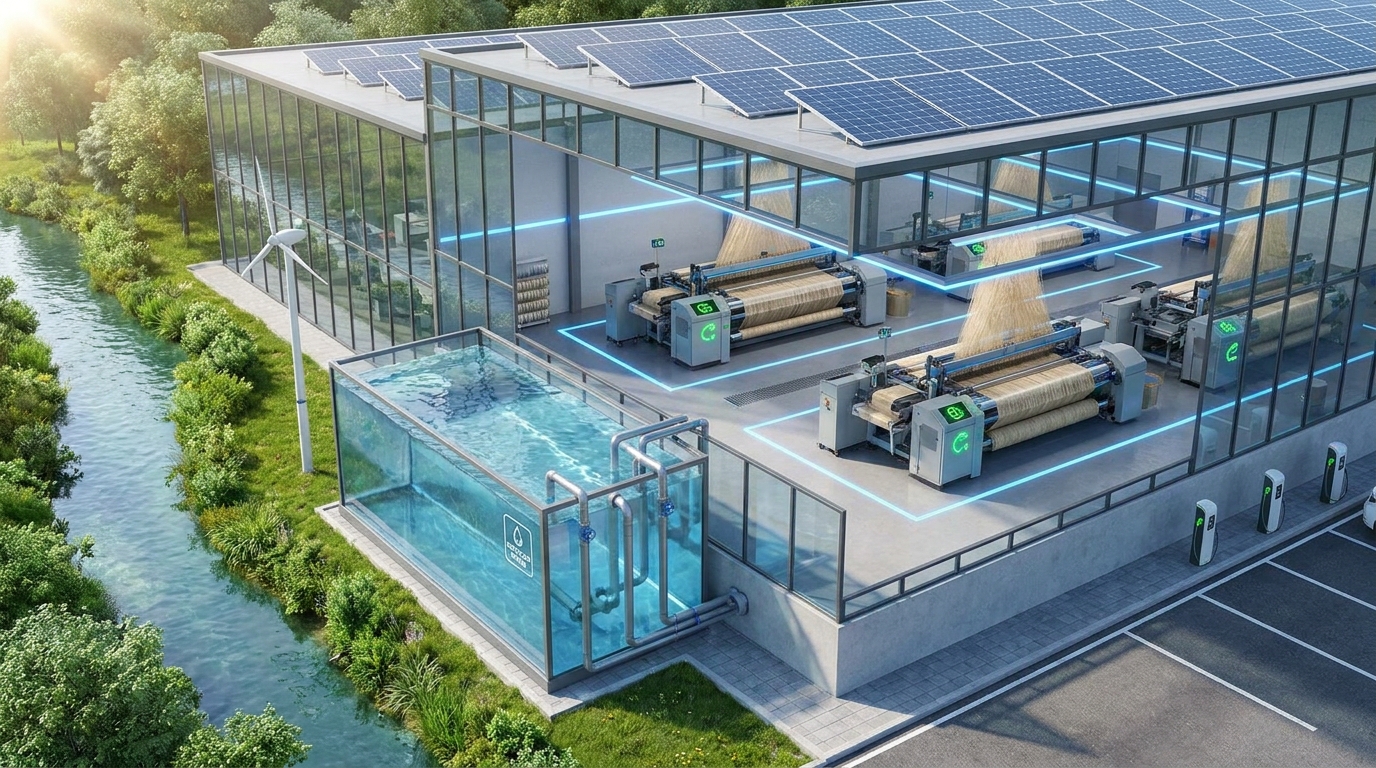
We just explored how eco-friendly technologies protect both the environment and your profits. Building a sustainable production line requires looking beyond the initial purchase. You must evaluate how the equipment impacts your daily budget over time. Factory owners often focus heavily on the initial capital investment. However, evaluating the actual return on investment (ROI) is much more crucial for your factory’s survival.
Breaking Down the Initial Capital Investment
Modern dyeing equipment requires a significant upfront financial commitment. This initial cost covers the core machinery and advanced components. It includes premium SS 316L stainless steel bodies and intelligent PLC automation systems. You are also paying for specialized venturi nozzles and variable speed controls. High-quality materials naturally increase the initial price. Yet, they form the crucial foundation for stable performance and high automation.
The Hidden Risks of a Cheap Machine
Chasing the lowest jet dyeing machine price often backfires. Cheap equipment usually relies on outdated designs. Older models might operate at a liquor ratio of 1:10 or even 1:15. They consume massive amounts of groundwater. They also demand extra gas to generate steam for heating that excess water. Furthermore, budget machines often lack local technical support. A machine that is 10% cheaper loses its value quickly. Waiting two weeks for an international technician to fix a broken seal ruins your production schedule.
Calculating ROI Through Daily Savings
You recover your investment through daily utility and chemical savings. As we covered earlier, modern units achieve liquor ratios of 1:4 to 1:8. This massive reduction in water directly slashes your steam consumption. You easily hit the target of 0.5 to 1.2 kg of steam per kg of fabric. Less water also means you need fewer reactive dyes and salts.
Let us look at how these daily savings add up:
- Water Savings: Lower liquor ratios mean less groundwater extraction every single batch.
- Energy Reduction: Efficient centrifugal pumps keep power usage between 15kW and 45kW per tube.
- Chemical Optimization: Automated dosing ensures you never waste expensive dyes.
- ETP Relief: Sending less wastewater to your ETP drastically lowers daily treatment expenses.
Factoring in Durability and Maintenance
Machine lifespan heavily influences your final ROI. Harsh salts and reactive dyes destroy weak metals quickly. Equipment built from premium SS 316L resists this corrosion. It extends the working life of your investment by years. You must also consider routine maintenance costs. Features like self-cleaning filters prevent lint buildup. This stops unexpected pump failures and expensive downtime.
Reliable after-sales service is just as important as the hardware itself. At SutexMach, we provide one-stop solutions for our global clients. We handle everything from machine selection and customization to professional installation. We also deliver comprehensive after-sales service. Our intelligent textile machinery guarantees stable performance over decades of heavy use. This dedicated support ensures your factory maintains peak efficiency year after year.
Why You Need a Reliable HTHP Jet Dyeing Machine Supplier
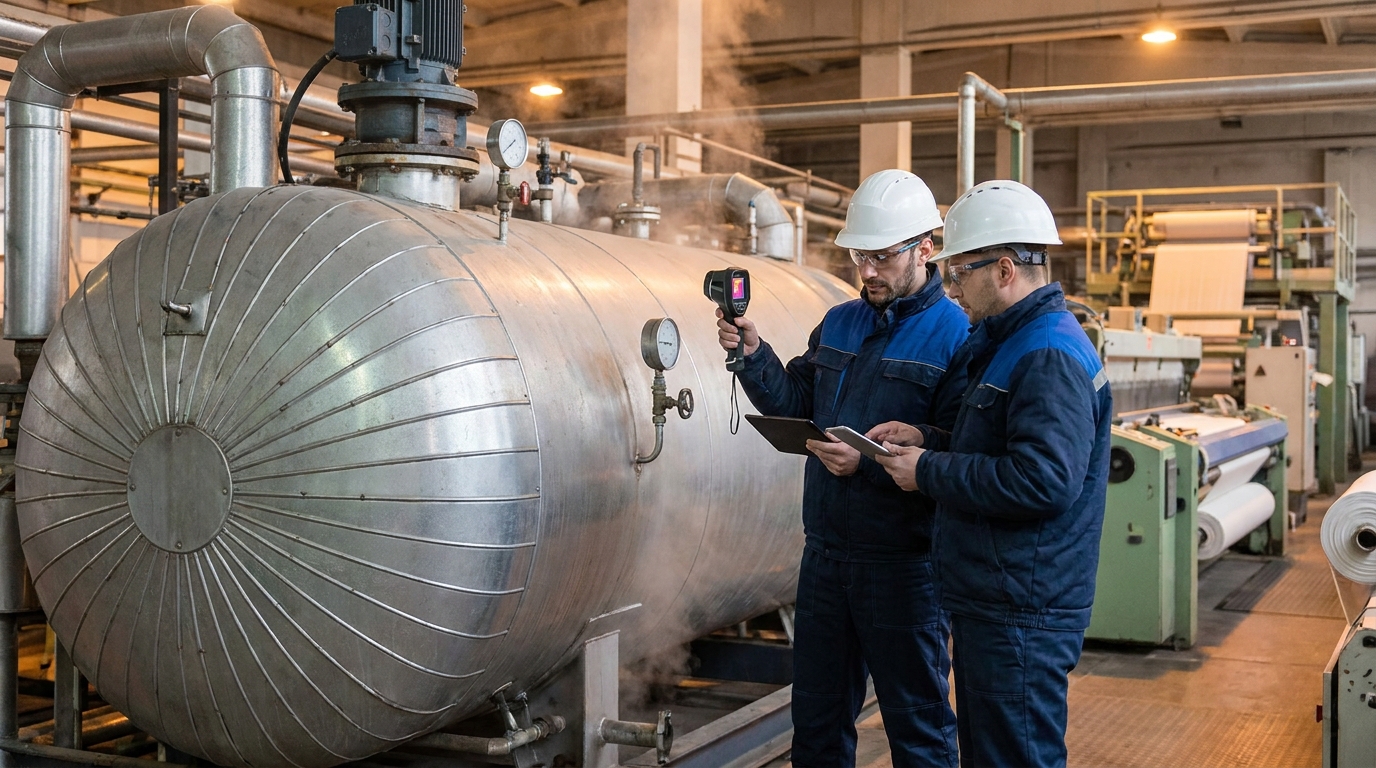
As we covered earlier, durable materials and dedicated after-sales service dictate your actual return on investment. You cannot secure these long-term benefits alone. Processing modern fabrics safely demands highly specialized equipment and expert guidance. This is exactly why choosing a reliable HTHP jet dyeing machine supplier matters so much. You need a partner who understands the extreme conditions of industrial fabric processing. Let us look at why this relationship is critical for your factory.
The Necessity of HTHP for Synthetic Blends
Bangladesh knit mills process a massive variety of materials today. You likely handle large volumes of polyester and synthetic blends. These specific fibers require High-Temperature High-Pressure (HTHP) capabilities. To force dye into synthetic fibers, the bath must reach 135°C to 140°C. Gravity or soft flow machines simply cannot hit these high marks. An HTHP unit maintains a standard working pressure of 3.0 to 3.5 bar. This intense environment guarantees deep, even color penetration. Without true HTHP capabilities, you will face severe shade variations and rejected export orders.
Safety and Pressure Vessel Compliance
Operating at 140°C and 3.5 bar creates significant safety risks. Your equipment functions as a massive pressure vessel on the factory floor. A professional supplier guarantees absolute safety and structural integrity. They use premium SS 316L stainless steel to build the main vessel. This prevents weak spots caused by harsh chemical corrosion over time. Reliable manufacturers also ensure their machines meet strict international pressure vessel certifications. They install fail-safe valves and automatic pressure release systems. You cannot compromise on these safety features when protecting your workers.
High Automation for Seamless Transitions
Mills rarely run the same fabric weight all week. You might process 120 GSM single jersey on Monday and 300 GSM fleece on Tuesday. Switching between different fabric types requires high automation. A top-tier supplier integrates advanced Programmable Logic Controllers (PLCs) into their equipment. These intelligent systems streamline the entire transition process. The PLC automatically adjusts the variable fabric speed and dosing curves for the new dye lot. This eliminates manual guesswork during changeovers. It keeps your production schedule moving fast while maintaining strict color consistency.
The Value of One-Stop Solutions
Buying a machine is only the first step. Integrating it into your existing factory layout is much harder. This is why mills benefit heavily from one-stop solutions. A professional supplier helps you navigate machine selection based on your specific GSM range and ETP limits. They customize multi-tube configurations to maximize your available floor space. At SutexMach, we have provided these comprehensive services since 1985. We guide global textile mills through customization, professional installation, and layout planning. Our team ensures your new intelligent textile machinery fits perfectly into your production line.
| Evaluation Criteria | Standard Supplier | Reliable HTHP Partner |
|---|---|---|
| Temperature Capability | Struggles to maintain 135°C consistently | Holds 135°C–140°C flawlessly for polyester |
| Safety Compliance | Basic valves, unknown vessel certifications | Certified pressure vessels, automatic fail-safes |
| Changeover Speed | Manual speed and temperature adjustments | Automated PLC transitions between dye lots |
| Service Scope | Equipment delivery only | One-stop selection, layout, and installation |
Tips for Choosing the Right Dyeing Machine Supplier in Bangladesh
We just saw how one-stop solutions and automated changeovers keep your factory running smoothly. Finding a partner who delivers these benefits requires careful evaluation. You need more than just a vendor selling a machine. You need a trusted partner to support your entire production line. Here are practical tips to help you choose the best supplier for your knit mill.
Demand Decades of Industry Experience
Textile processing is highly complex. A new company might offer a lower jet dyeing machine price upfront. However, they often lack the engineering background to solve real-world factory problems. Look for a professional manufacturer boasting decades of expertise. For example, SutexMach has operated since 1985. We bring over 30 years of experience to every project. This deep industry knowledge ensures your equipment easily handles the harsh water conditions and delicate knit fabrics we discussed earlier.
Look for Comprehensive Production Line Solutions
Fabric processing never ends when dyeing finishes. Your knitwear must go through several finishing steps. Choosing a vendor who only sells one type of machine complicates your procurement process. Instead, ensure the supplier provides complete production line solutions. You want a partner manufacturing intelligent textile machinery for every stage. Look for suppliers offering dewatering, drying, stenter, and calendering machines alongside their jet dyeing units. At SutexMach, we specialize in these exact systems. We also provide sueding and air-softening machines. This comprehensive range guarantees all your equipment communicates perfectly across the factory floor.
Prioritize Robust Installation and After-Sales Support
Even the best hardware fails without proper setup and routine maintenance. Do not buy from a company simply dropping off a shipping container. You must choose a partner offering robust installation guidance. They should send technical service engineers directly to your mill. These experts must provide hands-on operator training. Your staff needs to learn how to manage the PLC automation and variable speed controls properly. Responsive after-sales service is equally critical. You need fast access to spare parts like mechanical seals and self-cleaning filters. Quick local support prevents expensive production downtime.
Verify Global Trust and Export Reliability
International shipping logistics can delay your factory expansion for months. You must select a manufacturer boasting a proven track record of reliable exports. Check their corporate background carefully. Are they affiliated with reputable import and export groups? For instance, SutexMach is affiliated to Jiangsu SoHo Honry Import & Export Co., Ltd. This strong backing ensures smooth international shipping and strict quality assurance. Global textile mills trust our stable performance and environmental friendliness. A reliable corporate structure guarantees your equipment arrives on time and performs exactly as promised.
| Evaluation Area | Why It Matters | The SutexMach Advantage |
|---|---|---|
| Industry Experience | Prevents costly engineering mistakes. | Founded in 1985; over 30 years of expertise. |
| Product Range | Simplifies factory procurement and setup. | Complete lines including stenter and drying machines. |
| 판매 후 지원 | Keeps machines running without long delays. | Full installation, training, and fast spare parts. |
| Export Reliability | Guarantees safe shipping and quality control. | Backed by Jiangsu SoHo Honry Import & Export Co., Ltd. |
결론
Choosing the right jet dyeing machine requires balancing initial costs with long-term efficiency.
Prioritize automation and eco-friendly features for your mill.
Partner with SutexMach for complete production line solutions and reliable end-to-end support.
- Calculate your daily water consumption to set a baseline.
- Request a customized ROI analysis from SutexMach today.
- Evaluate your floor plan for new equipment installation.
Frequently Asked Questions About Jet Dyeing Machines for Bangladesh Knit Mills
Can I dye cotton and polyester blends in one machine?
Yes, you can dye both fabrics in the same machine. However, polyester needs High Temperature High Pressure machines reaching 140°C. Cotton can process safely at much lower temperatures. SutexMach offers versatile dyeing machines handling various knit structures easily. Simply swap the interchangeable nozzles to match your fabric weight. This keeps fabric tension perfect and prevents surface damage.
What is the ideal liquor ratio for reactive dyeing?
The best liquor ratio depends on your exact fabric type. For cotton knits, modern machines target a 1:5 ratio. Synthetic blends often use a lower 1:4 to 1:6 ratio. Lower ratios save massive amounts of water and steam. This directly reduces the load on your Effluent Treatment Plant. SutexMach focuses on energy-efficient designs to lower utility costs effectively.
How can I prevent rope marks on delicate knits?
Rope marks happen when fabric circulation is poor during dyeing. To stop this, keep your fabric speed highly variable. Speeds between 150 and 600 meters per minute work well. Choosing the right nozzle size for your fabric is critical. A wider nozzle works best for heavy fleece materials. SutexMach provides intelligent machinery ensuring smooth flow and stable performance.
Why is local service important when buying dyeing equipment?
Buying a cheaper machine without local support is very risky. Waiting weeks for an international technician causes expensive factory downtime. You need fast access to spare parts and skilled engineers. SutexMach has over 30 years of global textile machinery experience. We provide complete solutions from custom selection to after-sales service. This keeps your production running smoothly without costly delays.
Ready to upgrade your knit mill’s production line today? Choosing the right equipment boosts efficiency and saves factory money. Follow these simple steps to move forward right now:
- Measure your daily fabric production volume carefully.
- Test your local groundwater for high dissolved solids.
- Contact SutexMach for a personalized equipment consultation.
- Request a detailed quote covering complete installation services.