


 French
  English
  Hungarian
  Indonesian
  Bulgarian
  Turkish
  Polish
  Russian
  Spanish
  Portuguese
  Korean


Article Summary:
Selecting the appropriate machine à tricoter en chaîne for domestic textile production is complicated by the need to understand both its capabilities and practical limitations.
According to Knitting Technology by David J. Spencer and the Handbook of Technical Textiles ( edited by A. R. Horrocks and S. C. Anand), machines that use the warp as their primary fabric type are distinguished from machines that use the weft as their primary fabric type by their capacity to produce sturdy, fast, and dimensional fabrics that are suitable for both fashion and technical purposes.
Introduction: Why Choosing the Right Warp Knitting Machine for Home Use Matters
With the increasing popularity of small-batch production, custom textile goods, and at-home creative manufacturing, a growing number of textile entrepreneurs are asking, “Which is the superior warp knitting machine for home use?” A machine that forms fabric by interlocking yarns in a lateral motion across the width of the fabric is called a warp knitting machine.
Unlike the weft knitting machine, this machine forms fabric by using the entire fabric as its material. This produces fabrics that are dimensionally consistent, tear-resistant, and appropriate for technical endeavors.
While industrial-grade warp knitting machines are intended for high productivity in factories, homeowners, whether hobbyists or micro entrepreneurs, need machines that balance efficiency with a manageable size, ease of use, and lower cost. Unfortunately, many search results are of limited value and lack the necessary details or functionality.
This comprehensive article not only describes the different types of warp knitting machines but also discusses how to assess them for home use, including the size of the machine, the power required, the compatibility of the yarn, the fabric styles, and the long lifespan of the machine.
Understanding Warp Knitting: A Technical Foundation
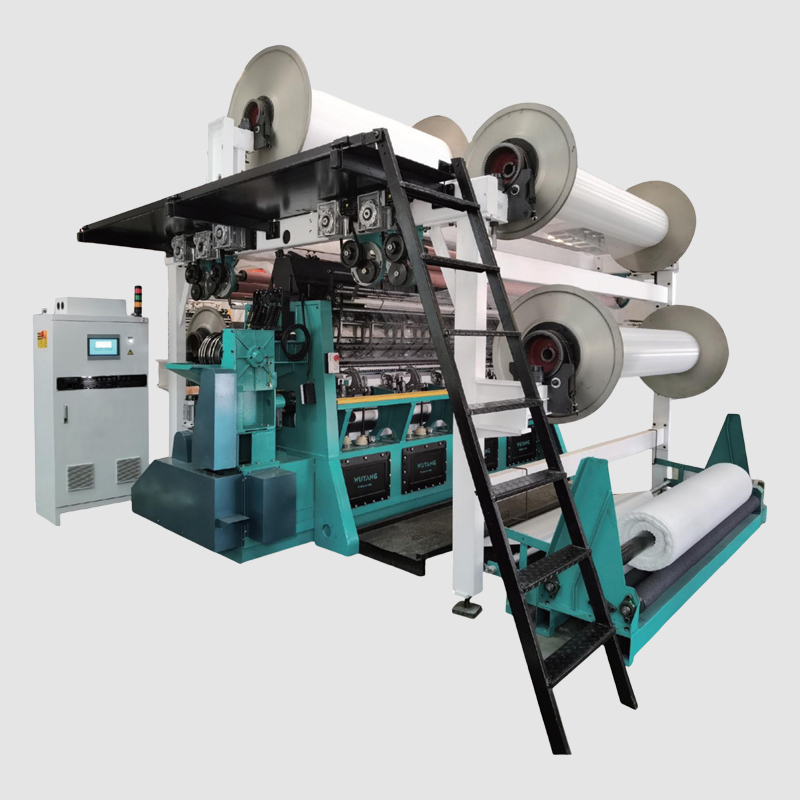
The technique of warp knitting is different from the method of weft knitting primarily in the direction of yarn feeding and the movement of the needle. In the practice of warp knitting, the yarns are fed in a vertical direction with multiple guide bars and needles. This results in the creation of complex, stable patterns. This procedure produces superior fabric:
- Stabilité en termes de dimensions
- Tear and abrasion resistance
- Constant loop creation
- High production volume
Spencer (Knitting Technology) describes the popular method of manufacturing a variety of fabric types, including lingerie, sportswear, and automotive textiles, as well as technical composites. The choice of the warp knitting machine has a significant impact on the fabric production possibilities at home.
Criteria for Evaluating Warp Knitting Machines for Home Use
Before investigating specific machines, it’s important to define the criteria that are relevant to domestic use.
- Footprint and Workspace Adversity: Home environments have a limited space compared to industrial facilities.
- Power Consumption and Electrical Necessities: Machines should be safe and functional on standard residential power.
- Complexity of the machine and its accessibility: Homeowners may not have access to specialized technicians.
- fabric versatility: the capacity to create a variety of fabric types, including lace, interlock, and tricot.
- Speed versus Control: balancing the rate of production with safety and control.
- Maintenance and Spare Parts Availability: Accessibility for maintenance and consumables.
These guidelines help to provide a more effective evaluation than simply price.
Types of Warp Knitting Machines and Their Home Suitability
Different designs of warp knitting machines have different capabilities. Below are the primary classes of products associated with home use or small-scale production.
- Hand-operated or manual machines that use a loom to create fabric
Mechanically simple, hand-operated machines that use the warp mechanism are small and allow hobbyists to create basic fabric types, such as mesh, lace, or tricot. Ideal for those who are new to the hobby, they provide:
Low price
Low power consumption
Easy to maintain
However, they are constrained by the complexity and length of their fabric creation. For those interested in fabric design or experimental textiles, they can be a useful beginning point.
- Warp knitting machines that are partially automatic
Semi-automatic machines serve as a transition between manual and industrial processes. They typically have:
Mechanized feeder with a motor
Tension control that can be adjusted.
Base pattern creation
These machines are appropriate for small businesses and micro organizations. They facilitate the production of larger fabric dimensions and various loop configurations without necessitating extensive training.
- Fully automatic single-needle and dual-needle rashel machines
Fully automated Raschel machines are more advanced and capable of producing a variety of pre-woven fabric types, including lace, nets, and technical textiles. While derived from industrial design, some compact models have been modified to be compatible with both studios and workshops.
Their advantages include:
- Automated control of patterns
- Increased production rates
- Constant quality of fabric
Adversities are higher-priced, more complex, and require service.
- Machines à tricoter chaîne et trame
Tricot machines specialize in fabric with a loop that follows the direction of the machine. They create fabric that is both soft and smooth, which is ideal for home sewers who specialize in apparel, lingerie, and fine fabrics.
Compared to traditional machines that use rakes, tricot machines are typically simpler in design, which can be beneficial to home use.
Engineering and Operational Considerations for Home Warp Knitting Machines
When considering a home-use warp knitting machine, several technical and operational attributes must be considered.
- The footprint and accessibility of the machine
Home environments necessitate machines that are appropriate for the dedicated workspace without negatively affecting safety or ergonomics. Tall industrial frames or large wheels may not be practical. Compact frames that can be folded or moved have a greater degree of flexibility.
- Power and Controls
Unlike machines that require 3-phase power, home-grade knitting machines should operate on single-phase power that is common in standard residential circuits. Integrated digital control panels with intuitive interfaces diminish the need for external technicians.
- Tension Control and Yarn Management
Constant loop formation is facilitated by the precise regulation of the tension of the yarns. Machines that have adjustable tensioners for the yarn and a high-quality guide for the yarn reduce the likelihood of breakage and improve the uniformity of fabric.
- Sound and Vibration
For personal use, the noise and vibrations associated with the machine are significant concerns. Vibration-dampening devices, quiet motors, and enclosed systems that are designed for the home all have better space-saving properties.
Performance and Fabric Output: What You Can Produce at Home
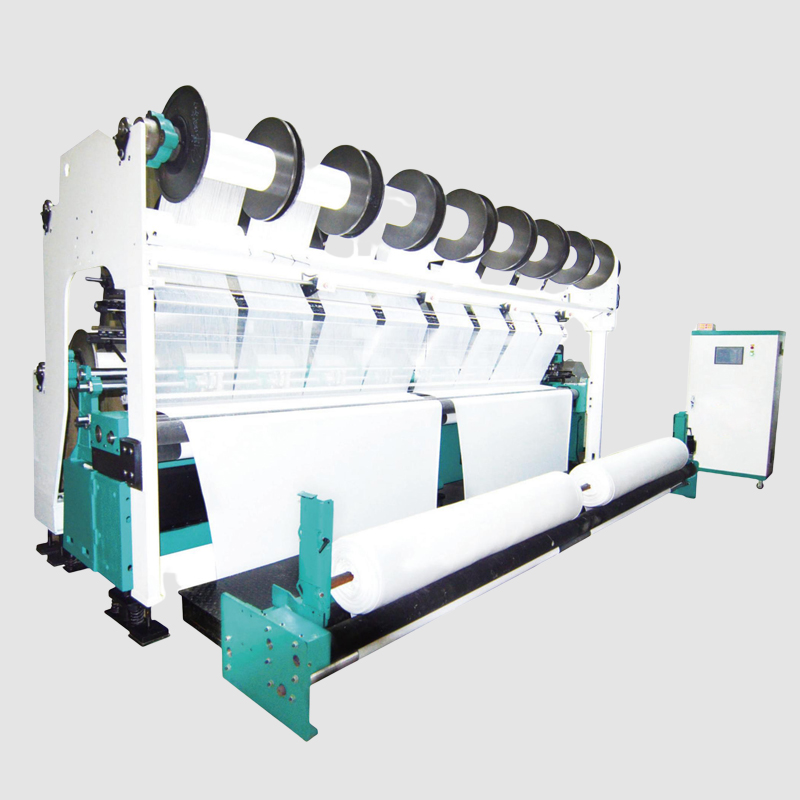
A proper choice of a warp knitting machine can produce a variety of fabric types, including:
Mesh and net materials (sportswear, bags)
Laced and ornamental textiles (laced panels, trimmed)
Tricot fabric (such as towels or bed sheets) that is stretchy and has a high degree of porosity.
Technical fabrications that enhance stretchiness (elastic additions, fasteners)
Key metrics that are performance-based include:
The maximum width of fabric that can be used.
The maximum speed of production.
The complexity of the pattern
Yarn’s compatibility with other fibers (textured, elastic, or flocked)
These should correspond with the intended business model or personal project budget.
Cost vs Value: Price Considerations in Warp Knitting Machines
| Type de machine | Approx. Cost Range | Production Capability | Ideal Use Case |
| Manual Warp Knitters | $300–$1,200 | Narrow, basic fabrics | Hobbyist/entry-level |
| Semi-Automatic Machines | $1,500–$6,000 | Mid-range widths and patterns | Small workshops |
| Compact Fully Automatic Machines | $6,000–$25,000+ | Industrial-grade output | Home-based micro-enterprises |
| Tricot Warp Knitters | $8,000–$30,000+ | Fine apparel fabrics | Advanced home studios |
Cost is only one dimension of value. Long-term operating costs, spare parts availability, and after-sales support must also be factored into the ROI calculation.
Choosing the Superior Warp Knitting Machine for Different Home Use Scenarios
Scenario 1: Hobbyists and Enthusiasts in crafts
Those experimenting with warp-knitted fibers have the lowest barrier to entry if they use a manual or automatic machine, respectively. They provide:
Low initial cost
Easy learning slope
The capacity to create experimental samples.
Scenario 2: Small Business and Micro-Production
Small-scale producers should focus on machines that are:
Automated tension management
Changing patterns is possible
Low production speed (20-80 m/min)
Single-phase power harmonics
These attributes facilitate consistent quality and extensible output.
Scenario 3: Elaborate Product Development
Home studios that want to produce high-end laces, technical seams, or stretch clothing should consider purchasing a compact machine that is fully automatic or tricot. These have a broader pattern of capability and more detailed control over the loop.
Maintenance, Troubleshooting, and Longevity
A loom that can be used at home must have a Maintainable technical staff requirement of part-time. Users should seek out:
Maintenance manuals that are lucid
Practical spare parts
Self-lubricating assemblies
Modular components
Common tasks that are maintained include:
Tensing the fabric’s fibers
Cleaning the wool and plastic fibers that make up needles and guides.
Examining the underside of the sinker and the cam
Constantly renewing the oil and grease of the mechanisms.
Failure to maintain machines that keep track of how many yards of fabric you’ve produced leads to:
Frequent irregular formation of loops
Increased fractionation
Defects in fabric
Trends and Innovation in Home-Compatible Warp Knitting Machines
Recent advances in warp knitting technology include:
Digital pattern control (integrated touch-screen interfaces)
Low-vibration motors (AC servo drives)
Smart diagnostics (error detection and maintenance alerts)
Space-saving frame designs
These innovations make advanced warp knitting technology more accessible to home-based users than ever before.
FAQ: Warp Knitting Machines for Home Use
What makes a loom machine with a warp design ideal for personal use?
A home-appropriate machine for crafting should have a diminutive footprint, operate on single-phase power, have user-friendly controls, and have accessible maintenance support.
Can a domestic-style loom machine produce superior-quality fabrics?
Yes. With the appropriate machine (particularly compact automatic or tricot models), home fabricators can produce top-notch, consistent fabric that is used in apparel and specialized markets.
Are machines that use warp as their designation expensive to maintain?
The costs of maintenance differ by the complexity of the model, but machines intended for home use often prioritize modular components and the ease of repair in order to minimize the ongoing costs.
Can people who are new to the craft learn how to utilize warp knitting machines?
With formal training or instructional manuals, beginners can become proficient, especially on models that are semi-automatic and have digital controls.
How is it possible to choose between a Raschel and a tricot machine for personal use?
Select a Raschel machine for mesh, nets, and heavier fabric; choose a tricot machine for fine, soft, and malleable fabric like lingerie or stretch wear.
Conclusion: Which Warp Knitting Machine Is Superior for Home Use?
No one has a single-size-fits-all solution. The most effective machine for home use about warps is dependent on the user’s preferences:
Hobbyists have the greatest benefit from machines that are manual or automatic in nature.
Micro-enterprises should focus on automatic systems that have tension and pattern control.
Advanced studios that specialize in apparel and technical fabric may utilize tricot or rapid-ripening machines.
By analyzing machines based on their production requirements, their environmental operating conditions, their maintenance abilities, and their long-term value, home users can conduct informed evaluations that promote both creativity and commercial viability.