

 English
 Hungarian
 Indonesian
 Bulgarian
 Turkish
 Polish
 Russian
 Spanish
 Portuguese
 Korean
 French


Understanding the Stenter Heat Recovery System
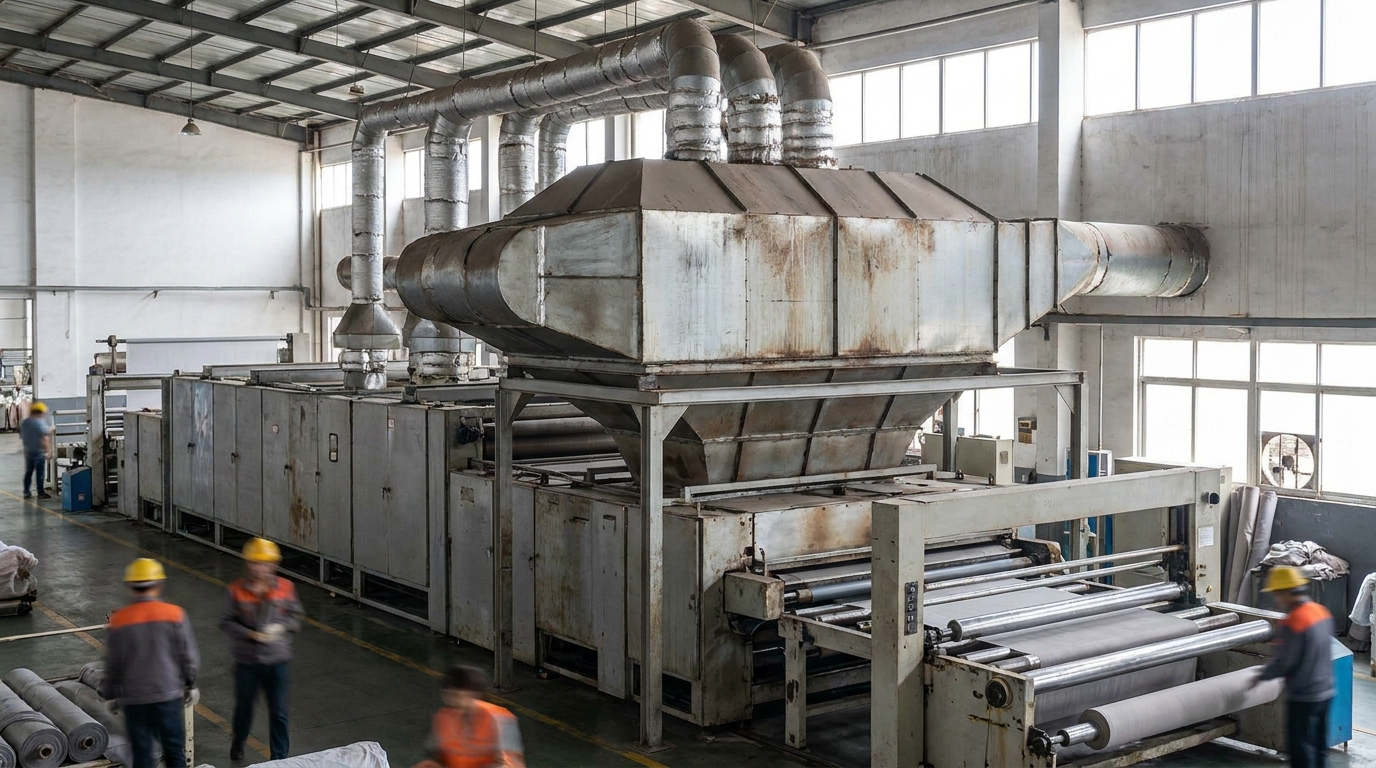
During heat-setting, a standard stenter machine heats fabric to temperatures often exceeding 180°C. To maintain this environment, the machine constantly pulls in fresh air, heats it, and exhausts moisture-laden air. This exhaust gas carries away a massive amount of thermal energy. Without recovery technology, much of this energy escapes directly into the atmosphere through exhaust stacks.
This is where a stenter heat recovery system becomes essential. Instead of letting valuable heat vanish, the equipment intercepts the hot exhaust. The primary component is the stenter exhaust heat exchanger. It captures thermal energy from outgoing dirty air and transfers it to incoming cold air, drastically reducing the energy required by the main burners.
The Heat Recovery Process
Capturing and reusing this thermal energy relies on a continuous, controlled cycle. The standard operation involves four main steps:
- Extraction: Exhaust fans pull the hot, moisture-heavy gases out of the stenter heating chambers.
- Filtration: Textile exhaust contains lint, spinning oils, and wax. The gas passes through specialized filters to remove these impurities. Proper filtration prevents the heat exchanger from clogging and maintains thermal efficiency.
- Heat Exchange: The cleaned hot air flows through the heat exchanger. Simultaneously, fresh cold air flows through separate channels within the same unit. Heat moves from the exhaust to the fresh air without the two air streams ever mixing.
- Recirculation: The newly pre-heated fresh air is fed back into the stenter machine. Because this incoming air is already warm, the machine uses significantly less fuel to reach target drying temperatures.
Robust exchanger design is vital. Reliable filtration and efficient air-to-air heat exchange ensure these systems perform consistently, even in demanding high-volume fabric mills.
Comparing Heat Exchanger Technologies

Approaches to waste heat recovery textile finishing vary significantly between facilities. While the basic extraction process remains similar, mills must decide how to use the captured energy. The choice usually comes down to heating fresh air or heating water.
Air-to-Air Systems
An air-to-air heat exchanger stenter configuration is the most common choice for direct efficiency. As outlined previously, this setup captures exhaust heat and transfers it to incoming cold air. This pre-heated air is then routed directly back into the stenter drying chambers.
This creates an immediate reduction in the fuel needed by the primary burners. If your mill struggles with high natural gas or thermal oil costs, this method is highly effective. It requires minimal external piping since the energy is reused exactly where it is generated.
Air-to-Water Systems
Alternatively, air-to-water systems repurpose exhaust heat to generate hot water. The hot exhaust gas flows over a network of water-filled tubes inside the exchanger. This process can reliably heat water to temperatures between 60°C and 85°C.
This setup is ideal for cross-process energy savings. The generated hot water is pumped away from the stenter to supply washing ranges or dyeing departments. At SutexMach, we manufacture both stenters and dyeing machines, and we frequently see how supplying pre-heated water to dyehouses drastically reduces boiler steam consumption.
Key Decision Factors for Mill Managers
Selecting the right technology requires looking beyond the stenter itself. Facility managers must evaluate their entire production line to find the best fit. The following comparison highlights the primary operational factors to consider.
| Decision Factor | Air-to-Air Systems | Air-to-Water Systems |
|---|---|---|
| Primary Energy Bottleneck | High gas or thermal oil usage directly at the stenter machine. | High steam demand in the dyehouse or washing ranges. |
| Existing Infrastructure | Requires minimal external piping or facility modifications. | Needs insulated piping to transport hot water to other departments. |
| Space Limitations | Exchanger units mount directly on or immediately above the stenter. | Requires extra floor space for water storage tanks and pumping stations. |
| Finishing Requirements | Best for continuous, high-temperature fabric drying and heat-setting. | Best for mills running simultaneous wet processing and drying operations. |
Calculating the Heat Recovery Payback Period
Upgrading your stenter requires an upfront investment. However, the energy savings quickly offset this cost. The time it takes to recoup your initial expense is known as the heat recovery payback period. For most fabric mills, this timeframe is surprisingly short.
Several operational factors determine exactly how fast a system pays for itself:
- Local energy costs: Higher prices for natural gas or thermal oil lead to faster returns. When fuel is expensive, every unit of recovered heat holds more financial value.
- Daily operating hours: Mills running continuously generate non-stop savings. A machine operating three shifts daily will recover costs much faster than one running a single shift.
- Machine capacity: High-capacity stenters exhaust more hot air. Larger volumes of exhaust mean more thermal energy is available for capture and reuse.
Once the equipment pays for itself, the financial benefits become pure profit. By reusing captured heat, mills drastically reduce their reliance on primary fuels. You will buy less natural gas or thermal oil to maintain targeted drying temperatures. Over a long equipment lifespan, these compounding savings protect your facility against unpredictable energy market fluctuations.
Beyond financial gains, capturing waste heat offers major environmental advantages. Burning less fuel directly translates to significant reductions in greenhouse gas emissions. As global clothing brands demand greener supply chains, improving your mill’s sustainability metrics is vital. Efficient heat recovery helps meet strict environmental compliance standards while keeping production costs low.
Common Mistakes and Implementation Risks
Even with a fast heat recovery payback period, poor implementation can ruin efficiency. A major mistake is inadequate exhaust filtration. Textile drying releases lint, spinning oils, and knitting waxes into the air. Without proper filters, these sticky particles enter the stenter exhaust heat exchanger. They quickly coat the internal tubes or plates. This thick buildup acts as insulation and blocks thermal transfer. Over time, it also creates a severe fire hazard inside the ductwork.
The Dangers of Improper Sizing
Another frequent error is installing an improperly sized recovery unit. If the heat exchanger is too small, it restricts exhaust airflow. This restriction creates dangerous back-pressure inside the stenter chambers. High back-pressure traps moisture inside the machine, severely reducing fabric drying quality. It also forces the exhaust fans to work harder, wasting electricity. Conversely, an oversized unit will not capture heat efficiently. Sizing must perfectly match your machine’s specific exhaust volume.
Routine Maintenance for Thermal Efficiency
To prevent these operational risks, mills must implement strict maintenance routines. Regular cleaning cycles are the only way to maintain optimal thermal transfer efficiency. Facility managers should follow these practical steps:
- Daily filter checks: Inspect exhaust screens daily and remove accumulated lint to keep airflow steady.
- Weekly visual inspections: Check the heat exchanger core for early signs of oil or wax buildup.
- Scheduled deep cleaning: Use high-pressure water or steam to wash the exchanger during planned machine downtime.
- Monitor fan performance: Track exhaust fan motor loads, as sudden power spikes often indicate hidden duct blockages.
Integrating Heat Recovery with Intelligent Textile Machinery
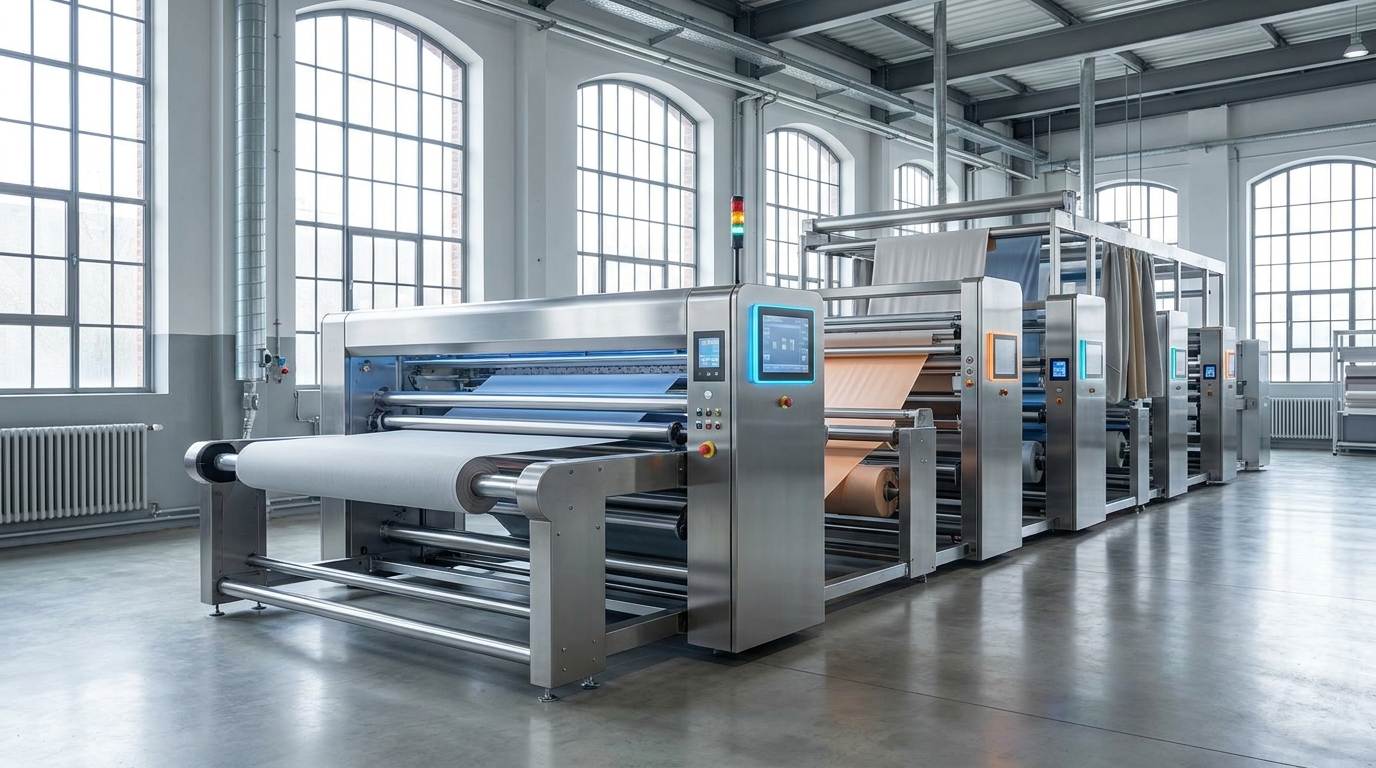
Retrofitting older equipment with new recovery units can be challenging. Existing ductwork might not align properly, and older exhaust fan capacities frequently fall short. Because of these physical limitations, modernizing your equipment is often the most effective path to maximum energy efficiency.
At SutexMach, we understand the complex thermal demands of textile finishing. With decades of experience, we manufacture intelligent textile machinery tailored specifically for global fabric mills. Our production expertise covers sueding, calendering, dyeing, and advanced stenter machines.
When you invest in modern equipment, heat recovery integration becomes seamless. Our drying and stenter machines are engineered to accommodate thermal capture technology natively. This built-in approach guarantees high performance and offers several clear operational advantages:
- Optimized airflow: Integrated exhaust pathways prevent dangerous back-pressure. This internal consistency ensures high fabric drying quality across all production batches.
- Component compatibility: Factory-matched exhaust fans easily handle the required static pressure. They work perfectly with an air-to-air heat exchanger stenter setup without straining the motors.
- Automated monitoring: Intelligent sensors track thermal transfer rates continuously. These smart systems alert your operators exactly when filters require routine cleaning.
By building these capabilities directly into the machinery, we eliminate common retrofitting guesswork. Fabric mills can achieve a shorter heat recovery payback period through reliable, uninterrupted performance. Our integrated designs keep your energy consumption low while maintaining exceptional production standards.
Frequently Asked Questions About Stenter Heat Recovery Systems
What is the main purpose of a stenter heat recovery system?
A stenter heat recovery system captures valuable thermal energy from the machine’s hot exhaust gas before it escapes into the atmosphere. Instead of wasting this heat, the equipment uses a heat exchanger to warm up incoming fresh air or water. This process drastically reduces the amount of natural gas, thermal oil, or steam your mill needs to purchase, which saves money and lowers greenhouse gas emissions.
Should my mill choose an air-to-air or air-to-water heat exchanger?
The best choice depends on your facility’s specific energy bottlenecks. If you want to cut fuel costs directly at the stenter machine, an air-to-air system is ideal because it pre-heats the air going back into the drying chambers. If your mill runs simultaneous wet processing and drying operations, an air-to-water system is often better. It uses exhaust heat to create hot water for your washing ranges or dyeing departments.
How quickly will a heat recovery system pay for itself?
The payback period is usually very short, but the exact timeframe depends on three main factors: your local energy costs, daily operating hours, and machine capacity. Mills that run large stenters continuously across three shifts will recover their initial equipment costs much faster. High local prices for natural gas or thermal oil also speed up your financial return.
What happens if the heat exchanger is the wrong size?
An improperly sized unit will hurt your machine’s performance. If the heat exchanger is too small, it restricts exhaust airflow and creates dangerous back-pressure. This traps moisture inside the stenter, ruins fabric drying quality, and wastes electricity. Conversely, an oversized unit will not capture heat efficiently. Investing in intelligent textile machinery from experienced manufacturers like SutexMach ensures your recovery system is natively integrated and perfectly sized.
How often should we clean our heat recovery equipment?
Routine maintenance is essential to prevent fire hazards and keep the system running efficiently. You should check the exhaust screens daily to remove lint and ensure steady airflow. Once a week, visually inspect the heat exchanger core for early signs of oil or wax buildup. Finally, perform a deep cleaning with high-pressure water or steam during planned machine downtime to maintain optimal thermal transfer.
Conclusion
Heat recovery systems are essential for energy-efficient textile finishing. Investing in a quality heat exchanger delivers a strong return on investment while boosting your mill’s sustainability. Fabric mill operators should evaluate their current equipment and consult with experienced manufacturers like SutexMach to explore upgrades.
- Assess your current stenter and dryer energy usage.
- Compare air-to-air and air-to-water heat exchanger options.
- Contact SutexMach to discuss intelligent machinery upgrades.