

 English
 Hungarian
 Indonesian
 Bulgarian
 Turkish
 Polish
 Russian
 Spanish
 Portuguese
 Korean
 French


Is inefficient drying ruining your fabric? Wrong settings waste energy and hurt your profits. Exact fabric drying machine specifications prevent costly textile damage. In this post, you will discover crucial buying parameters. SutexMach shares 30 years of intelligent textile machinery expertise.
Understanding Textile Drying Machine Technical Parameters

As we noted, exact fabric drying machine specifications prevent costly fabric damage. To achieve this, reviewing textile drying machine technical parameters is your most critical step before purchasing. Skipping this review leads to mismatched equipment. Mismatched machines waste energy and ruin production runs.
Your specific fabric type dictates the ideal machine setup. Woven fabrics handle tension well during processing. They often run smoothly through standard horizontal drying ranges. Knitted fabrics behave quite differently. They stretch easily and demand tensionless drying systems. Heavy materials need intense heat and longer dwell times inside the chamber. Lightweight fabrics require lower temperatures to avoid scorching. At SutexMach, we use our 30 years of experience to build intelligent textile machinery. We engineer systems specifically tailored for diverse fabric weights and structures.
These technical parameters directly impact your daily factory operations. They control energy consumption and overall daily output. An undersized dryer slows down your entire line. It forces upstream padding and washing units to wait. This bottleneck drastically reduces your daily yield. Conversely, pushing a weak machine too hard wastes steam and electricity. Precise specifications keep your utility bills low while maximizing hourly production.
You must evaluate four core specifications when comparing equipment. Here is a quick breakdown of what to look for:
| Core Specification | Why It Matters | Key Consideration |
|---|---|---|
| Working Width | Determines maximum fabric size. | Your cylinder drying machine working width should exceed your widest fabric by 10% to 15% to prevent edge curling. |
| Production Capacity | Dictates factory throughput. | Always match the drying machine capacity kg per hour to the output of your upstream wet processing equipment. |
| Heating Method | Controls evaporation rate and energy use. | Check the available steam pressure drying range. Proper pressure ensures consistent moisture removal across the entire fabric web. |
| Operational Speed | Syncs the production line. | Adjustable speeds allow the dryer to interface seamlessly alongside chemical handling and washing systems. |
These four elements form the foundation of your equipment choice. Getting them right ensures smooth integration into your existing processing line.
Core Fabric Drying Machine Specifications to Evaluate
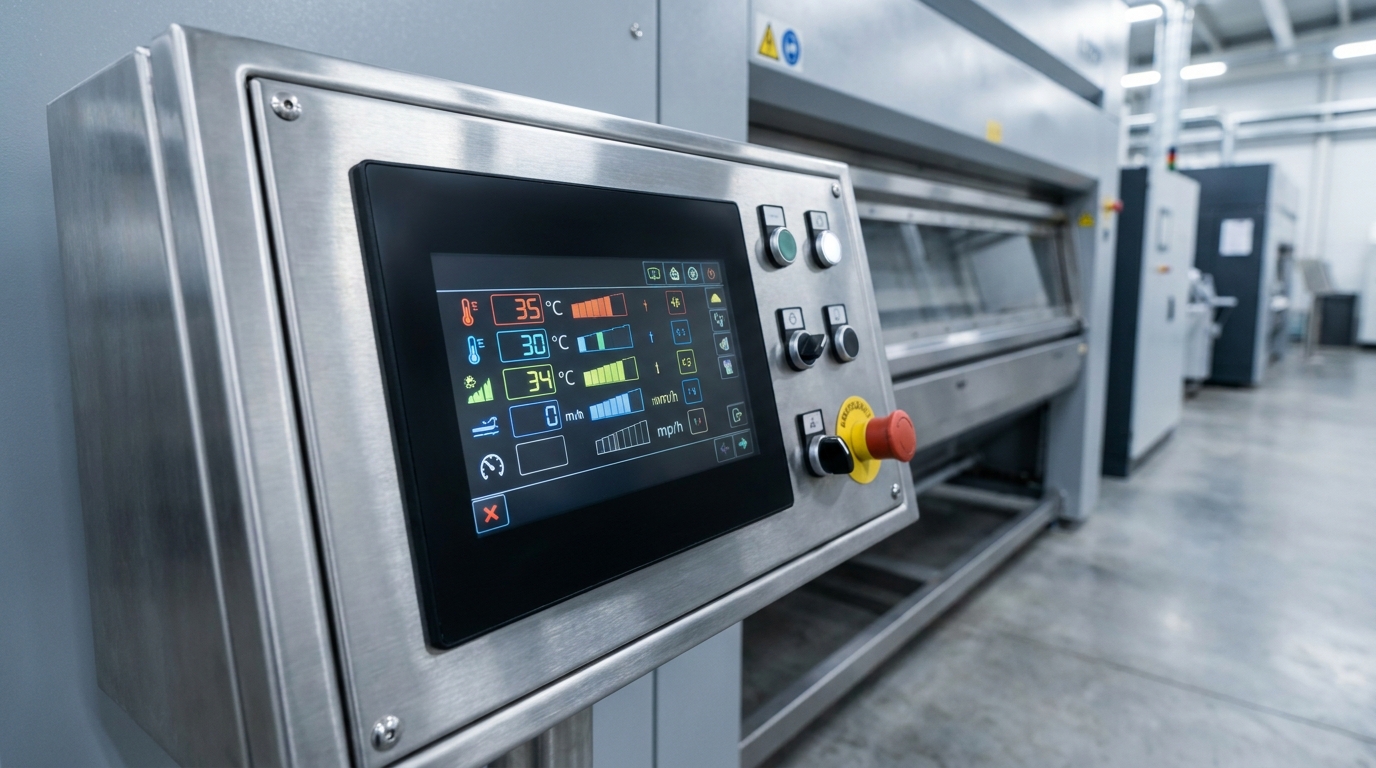
We just outlined the foundational elements. Now, let us explore these core fabric drying machine specifications in detail. Understanding these specs guarantees you buy the exact machinery your mill needs.
Cylinder Drying Machine Working Width
Your fabric dimensions dictate the machine size. The working width is the maximum fabric span the machine processes effectively. You must align this measurement perfectly. If you process 180cm fabric, a 200cm cylinder drying machine working width is ideal. This 10% to 15% buffer prevents edge curling. It ensures even heat distribution across the entire web. Standard textiles require widths between 180cm and 240cm. Oversized home textiles demand wider configurations up to 320cm. This specification directly impacts your factory layout. Wider machines require a larger physical footprint. You must measure your available floor space carefully before ordering.
Drying Machine Capacity Kg Per Hour
Next, calculate your required drying machine capacity kg per hour. Start by reviewing your daily production targets. Processing 5,000 kg per 10-hour shift requires a minimum 500 kg per hour capacity. You must balance high-capacity output against energy efficiency. Oversized machines waste power when running half-empty. Fabric weight heavily influences this metric. Heavy GSM fabrics hold more water. They slow down the throughput significantly. High moisture retention requires longer dwell times inside the drying chamber. Always test your specific fabric types. This determines your actual hourly yields accurately.
Steam Pressure Drying Range and Heating Systems
Heating systems drive the evaporation process. You must evaluate the available steam pressure drying range carefully. Proper steam pressure removes moisture consistently. It prevents scorching on delicate fabrics. Mills choose between several heating sources depending on available utilities.
| Heating Source | Pros | Best For |
|---|---|---|
| Steam | Uniform heat transfer, widely available. | Standard woven and knitted fabrics. |
| Thermal Oil | High temperatures, excellent stability. | Heavy GSM materials requiring intense heat. |
| Natural Gas | Rapid heating, highly efficient. | Facilities lacking boiler infrastructure. |
| Electricity | Clean operation, precise control. | Small batch processing or specialized textiles. |
Since 1985, SutexMach has engineered intelligent textile machinery for global fabric mills. Our systems feature advanced temperature controls. These smart sensors maintain the optimal steam pressure drying range automatically. They protect delicate materials while maximizing evaporation rates.
Operating Speed and Drive Systems
Finally, consider how fast the machine moves. Variable frequency drives (VFD) play a crucial role here. They offer several operational advantages:
- Precise fabric tension control across the entire line.
- Instant adjustments for different fabric weights.
- Seamless integration into continuous wet processing systems.
Standard machine speeds usually range from 10 to 100 meters per minute. This speed correlates directly to your drying capacity. Faster speeds work well for lightweight materials. Heavier fabrics require slower speeds for complete drying. Modern machines feature advanced synchronization capabilities. These drives connect the dryer directly to your padding and washing units. This synchronization keeps your entire production line running smoothly.
Types of Fabric Drying Machines and Their Specific Parameters
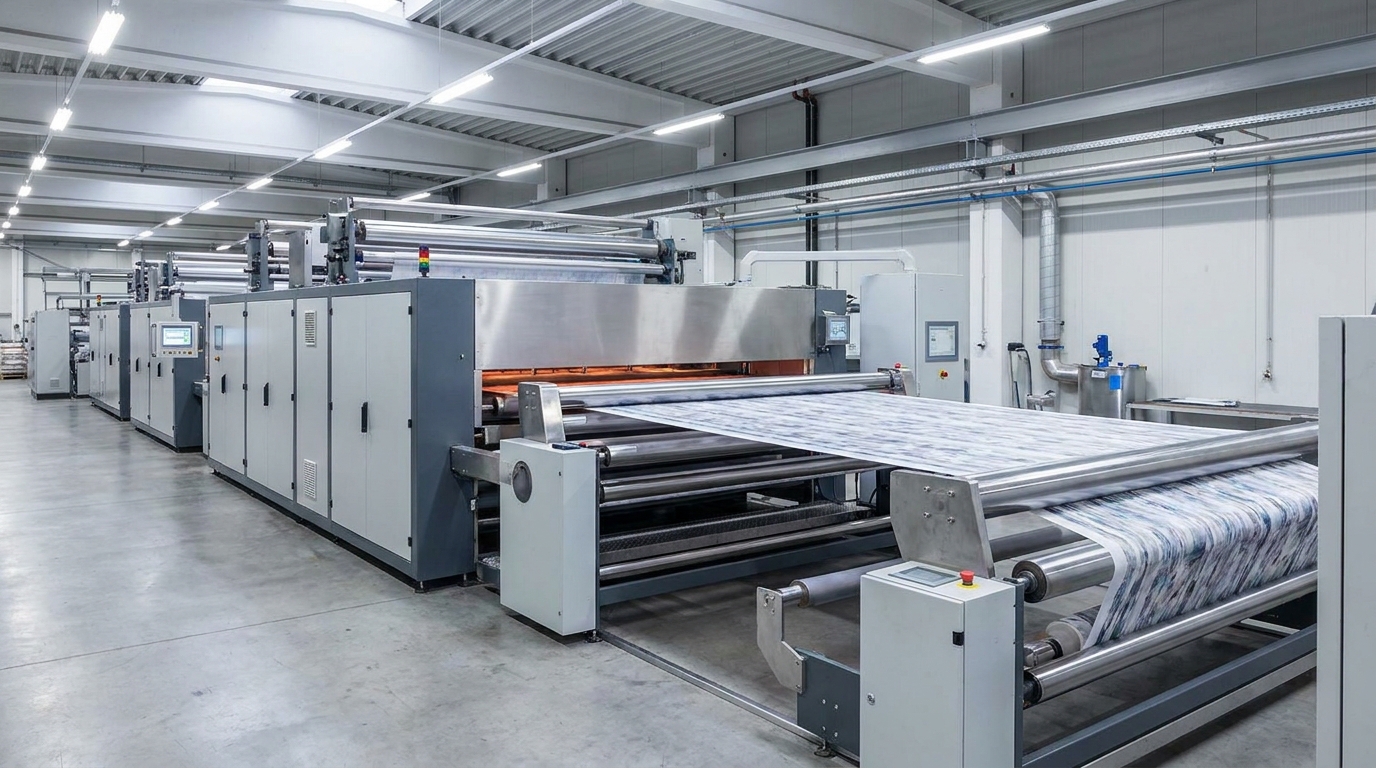
Earlier, we saw how drive systems synchronize your entire line. However, these speeds change based on the equipment type. You must match specific fabric drying machine specifications to the right machine architecture. Let us explore the four main categories. These machines handle distinct wet processing stages.
Stenter Machines
Stenters do more than just remove moisture. They stretch fabrics and heat-set synthetic blends. They also control final material shrinkage. You pin the fabric edges onto moving chains. These chains pull the material through heated chambers. Key parameters include chamber length and overfeed ratios. Longer chambers allow faster overall line speeds. Precise overfeed controls prevent unwanted lengthways tension. SutexMach manufactures advanced stenter machines for global mills. Our intelligent textile machinery ensures exact width dimensions across every batch.
Cylinder and Can Dryers
Continuous processing requires high-contact heat transfer. Cylinder dryers deliver exactly this kind of heating. We also call them drum dryers or can dryers. They excel at processing standard woven textiles. The fabric wraps tightly around heated metal cylinders. You must check the total number of cylinders. You also need to verify the steam pressure drying range. High pressure inside the cans accelerates water evaporation. This setup maximizes your drying machine capacity kg per hour. It integrates perfectly alongside padding and washing units.
Tensionless Dryers
Woven fabrics handle pulling forces very well. Knitted materials behave quite differently under stress. Knits require dedicated tensionless drying systems. These machines transport wet fabric on relaxed conveyor belts. High-velocity nozzles blow hot air onto the material. This targeted action creates a gentle bouncing effect. The bouncing helps the textile fibers relax completely. It guarantees maximum natural shrinkage during the process. It also produces a very soft hand feel. You must evaluate the total airflow volume. You should also check the belt speed controls.
Air-Softening Machines
Sometimes you need superior fabric bulkiness. Standard drying ranges cannot achieve this unique texture. Air-softening machines solve this specific production problem. They use aerodynamic tumbling to treat the material. High-speed air forces the fabric through special tubes. This mechanical action breaks down rigid fabric stiffness. It dramatically improves the final textile drape. Key technical parameters include the blower motor power. You also need to look at tube diameters. SutexMach specializes in these intelligent air-softening machines. They add premium value to your finished textiles.
| Machine Type | Best Fabric Match | Primary Function | Critical Specification |
|---|---|---|---|
| Stenter Machine | Synthetics, Blends | Heat-setting and width control | Chamber length, overfeed ratio |
| Cylinder Dryer | Woven Textiles | High-speed continuous drying | Cylinder count, steam pressure |
| Tensionless Dryer | Knitted Fabrics | Shrinkage control, soft feel | Airflow volume, belt speed |
| Air-Softening Machine | Premium Apparel | Improving texture and bulkiness | Blower power, tube diameter |
How to Match Specifications with Your Mill’s Requirements
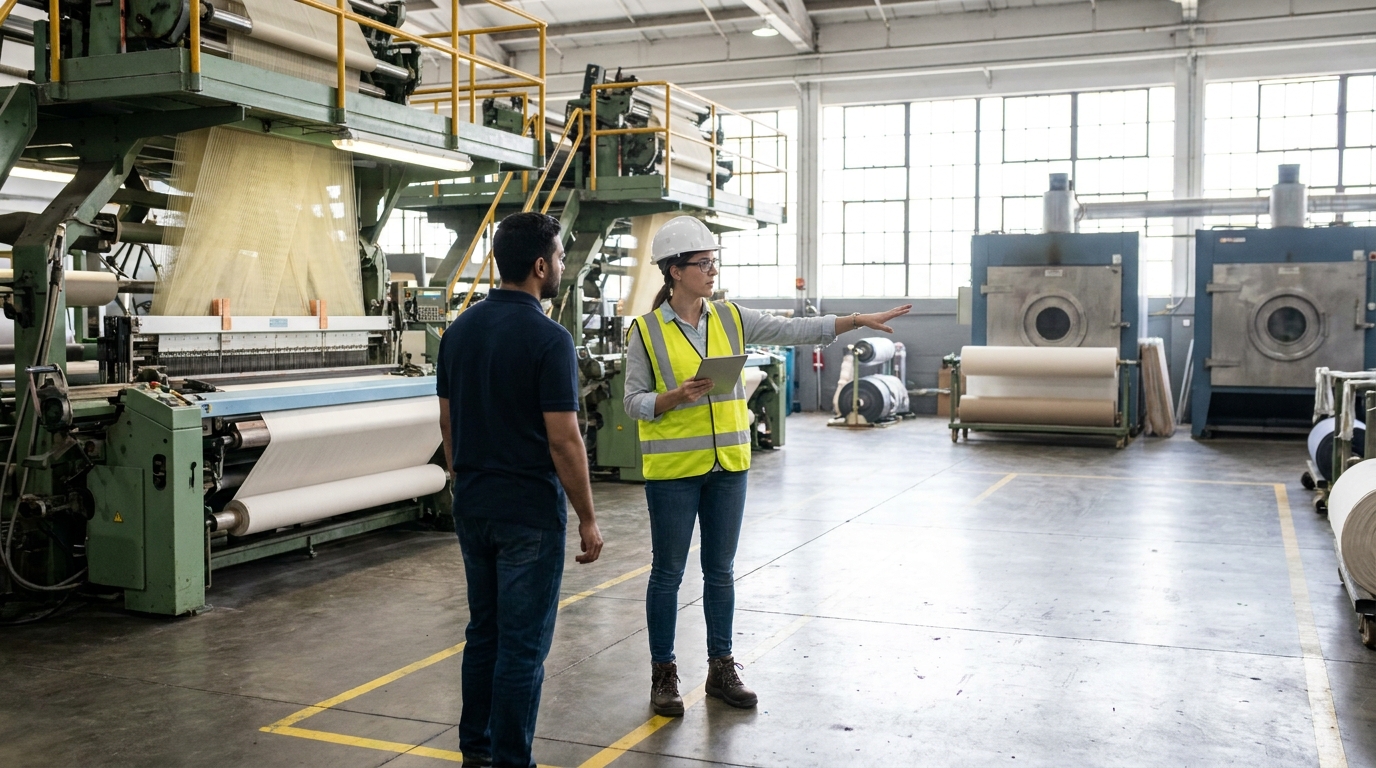
You just saw how different machine architectures cater to specific fabrics. Now, you must align these fabric drying machine specifications with your actual factory setup. A perfect machine on paper fails if it does not fit your production line. Let us look at how to audit your facility and choose the right parameters.
Audit Your Wet Processing and Dewatering Stages
Start by auditing your existing wet processing stages. Your new dryer must sync perfectly alongside padding and washing units. Evaluate your current dewatering machines first. If your dewatering equipment leaves excessive moisture, your drying unit works much harder. This extra work demands a wider steam pressure drying range to compensate. You need to balance these upstream processes carefully.
At SutexMach, we build intelligent textile machinery to handle these exact variations. Our dewatering and drying systems integrate smoothly into your existing chemical handling setups. Consider these key audit points before ordering:
- Measure the exact moisture retention after your current washing stage.
- Calculate the hourly output of your upstream padding equipment.
- Identify any bottlenecks in your current fabric handling systems.
Measure Your Available Floor Space
Next, grab a tape measure. Factory floor space often dictates your final equipment choice. A high cylinder drying machine working width naturally increases the physical footprint. You cannot just measure the machine itself. You must account for safe maintenance walkways around the unit. Also, consider the fabric loading and unloading zones carefully.
Measure your ceiling heights too. Multi-pass horizontal drying ranges require significant vertical clearance. Mismatched dimensions cause massive installation delays. They also disrupt your daily factory logistics.
Upgrade to Intelligent Control Systems
Modern mills rely heavily on automation. Upgrading to intelligent control panels eliminates costly human errors. PLC systems monitor and adjust textile drying machine technical parameters in real time. They track moisture levels continuously. They also adjust drive speeds instantly. This automation guarantees consistent fabric quality across every single batch.
We have integrated these smart controls into our machines since 1985. Our PLC systems manage complex padding, washing, and drying processes seamlessly. They give operators complete control over the entire production cycle.
Budget for Daily Operational Costs
Finally, look closely at your utility bills. Energy consumption directly impacts your long-term return on investment. You must balance the drying machine capacity kg per hour against hourly power usage. A cheaper machine might consume excessive steam or electricity. This wastes money during every single shift.
Review the thermal insulation specs carefully. Good insulation keeps heat trapped inside the chamber. It lowers your daily operational costs significantly. Use this simple matrix to evaluate your potential ROI based on energy specs:
| Specification Factor | Impact on Operations | ROI Consideration |
|---|---|---|
| High-Efficiency Insulation | Reduces heat loss into the factory. | Lowers daily steam and gas consumption. |
| Inverter-Driven Motors | Adjusts power based on fabric weight. | Cuts electricity waste during lighter loads. |
| Automated Exhaust Controls | Vents air only when humidity peaks. | Retains thermal energy longer inside the chamber. |
SutexMach: Your Partner in Intelligent Textile Machinery
We just explored how smart utility management and proper insulation protect your daily budget. Finding a manufacturer who understands these exact operational balances is your next crucial step.
SutexMach was founded in 1985. We are proudly affiliated with Jiangsu SoHo Honry Import & Export Co., Ltd. For over 30 years, we have built a strong reputation as a professional manufacturer of intelligent textile machinery. We dedicate our manufacturing expertise directly to global fabric mills.
You need reliable equipment across your entire production line. We specialize in a comprehensive range of customizable machinery. Our product lineup includes advanced drying, stenter, sueding, and calendering machines. We also manufacture high-quality dyeing, warp knitting, dewatering, and air-softening equipment. This broad expertise ensures every wet processing stage in your factory integrates perfectly.
Buying off-the-shelf equipment often leads to poor performance. Your factory requires customized solutions built for precision. Our dedicated engineering team works closely with you before you order. We help you perfectly match specific fabric drying machine specifications to your unique production demands.
We evaluate your current padding, washing, and chemical handling setups first. Then, we design a drying system tailored to your exact floor footprint and fabric requirements. Here is how our custom engineering approach solves common buyer challenges:
| Buyer Challenge | SutexMach Solution | Operational Benefit |
|---|---|---|
| Mismatched Widths | Custom engineered working dimensions. | Prevents fabric edge curling and uneven drying. |
| Energy Waste | Automated PLC heat and exhaust controls. | Optimizes daily steam and gas consumption. |
| Line Bottlenecks | Synchronized variable frequency drive systems. | Matches upstream padding and washing speeds seamlessly. |
Conclusion
Understanding fabric drying machine specifications guarantees better mill efficiency. You must prioritize intelligent features and energy-saving technical parameters to achieve long-term manufacturing success. Let SutexMach guide your next textile machinery investment today.
- Audit your current wet processing capabilities to identify equipment gaps.
- Measure available factory floor space before selecting your machine width.
- Contact SutexMach for a customized intelligent textile machinery consultation.
Frequently Asked Questions About Fabric Drying Machine Specifications
What is the difference between horizontal and drum drying machines?
Horizontal drying ranges are often used for tensionless fabric paths. They allow delicate fabrics to dry evenly. Drum dryers use heated cylinders for direct contact. This method provides high-contact heat transfer for faster drying. SutexMach offers advanced drying machines for global fabric mills. You should choose the type based on your specific fabric requirements.
Can fabric drying machines be customized for specific factory needs?
Yes, modern textile machines are built for precision and customization. Mills often need bespoke adjustments for different fabric weights. SutexMach has manufactured intelligent textile machinery since 1985. Our engineers can modify equipment to fit your factory footprint. We ensure your drying system meets exact production demands. Custom engineering helps maintain high quality across all operations.
How do drying systems connect with washing and dyeing equipment?
Drying units must integrate smoothly with wet processing stages. This includes padding, washing, and dyeing machinery. SutexMach provides full-cycle solutions with over 30 years of experience. Auxiliary equipment helps move fabric safely through the entire range. Chemical handling systems also work alongside these drying units. Proper integration prevents fabric damage during the transition.
What utility requirements should buyers check before purchasing?
Buyers must review the main technical brochures carefully. You need to verify specific mechanical tolerances for your facility. Always check the steam, electric, or gas consumption rates. These utility specifications directly impact your daily operating costs. Ask your manufacturer for detailed PDF guides before buying. This step ensures the machine matches your power supply.
Why is precise moisture removal important for fabric mills?
Consistent moisture removal guarantees high-quality fabric finishing. Uneven drying can ruin the textile during later processing steps. Machines must handle different grams per square meter accurately. Intelligent drying machines from SutexMach deliver exact moisture control. Tight tolerance specifications keep the fabric safe and uniform. Precision prevents costly material waste in global fabric mills.
Selecting the right fabric drying machine requires careful research. You must evaluate utility consumption and system integration. SutexMach offers intelligent textile machinery backed by decades of expertise. Finding a precision-built system will improve your wet processing efficiency. Always prioritize custom engineering to meet your exact fabric needs.
- Download technical brochures to compare steam and electric consumption rates.
- Contact SutexMach directly to discuss custom dimensions for your factory.
- Request an energy efficiency audit for your current wet processing line.
- List your required fabric weights to ensure proper machine compatibility.