


 English
 Hungarian
 Indonesian
 Bulgarian
 Turkish
 Polish
 Russian
 Spanish
 Portuguese
 Korean
 French


A practical guide to fabric singeing, gas flame process control, quality, and equipment selection.
Quick answer: what does a singeing machine do?
A singeing machine removes loose, projecting fibers from the surface of yarn or fabric. It exposes the surface to a carefully controlled heat source for a very short time, burning the fuzz while preserving the main fabric. The result is a cleaner, smoother surface that can improve luster and help later dyeing, printing, coating, and finishing look more even.
Textile singeing is not designed for napped, brushed, or deliberately hairy articles. It is used when surface cleanliness is valuable. The correct level of treatment depends on the fiber, fabric construction, moisture condition, target appearance, and next process. Too little singeing leaves fuzz. Too much can create harsh handle, strength loss, scorching, or molten beads on synthetic components.
Why fabric singeing matters before dyeing and printing
Staple-fiber yarns naturally have fiber ends that project from the yarn body. Weaving and other handling can create additional hairiness. These ends scatter light, make fabric look dull, and may interfere with a crisp print or uniform color appearance. Fabric singeing reduces the surface fuzz so reflected light is more even and subsequent processes meet a more consistent surface.
It is best viewed as a preparation step, not a decorative flame treatment. A properly controlled singeing process textile route can improve visual cleanliness and reduce the tendency for surface pills caused by loose fibers. It can also support more accurate inspection because a clean fabric surface reveals weave faults, stains, or print issues more clearly. The improvement must be balanced against the risk of thermal damage.
Singeing machine working principle
The singeing machine working principle is straightforward. Fabric is presented in open width under stable tension. Pre-brushing raises loose fiber ends. The web then passes a heat source at a selected distance, angle, and speed. Only the exposed fibers should receive enough heat to burn. Guide rollers carry the fabric into cooling, quenching, washing, or the next preparation stage, depending on the process route.
A modern gas singeing machine uses burners supplied by a controlled fuel and air mixture. Flame shape, intensity, burner width, fabric speed, and flame position determine treatment severity. Water-cooled guides and immediate quenching arrangements help protect the cloth. The engineering challenge is to keep these variables even across the full width and stable from the first meter to the last.
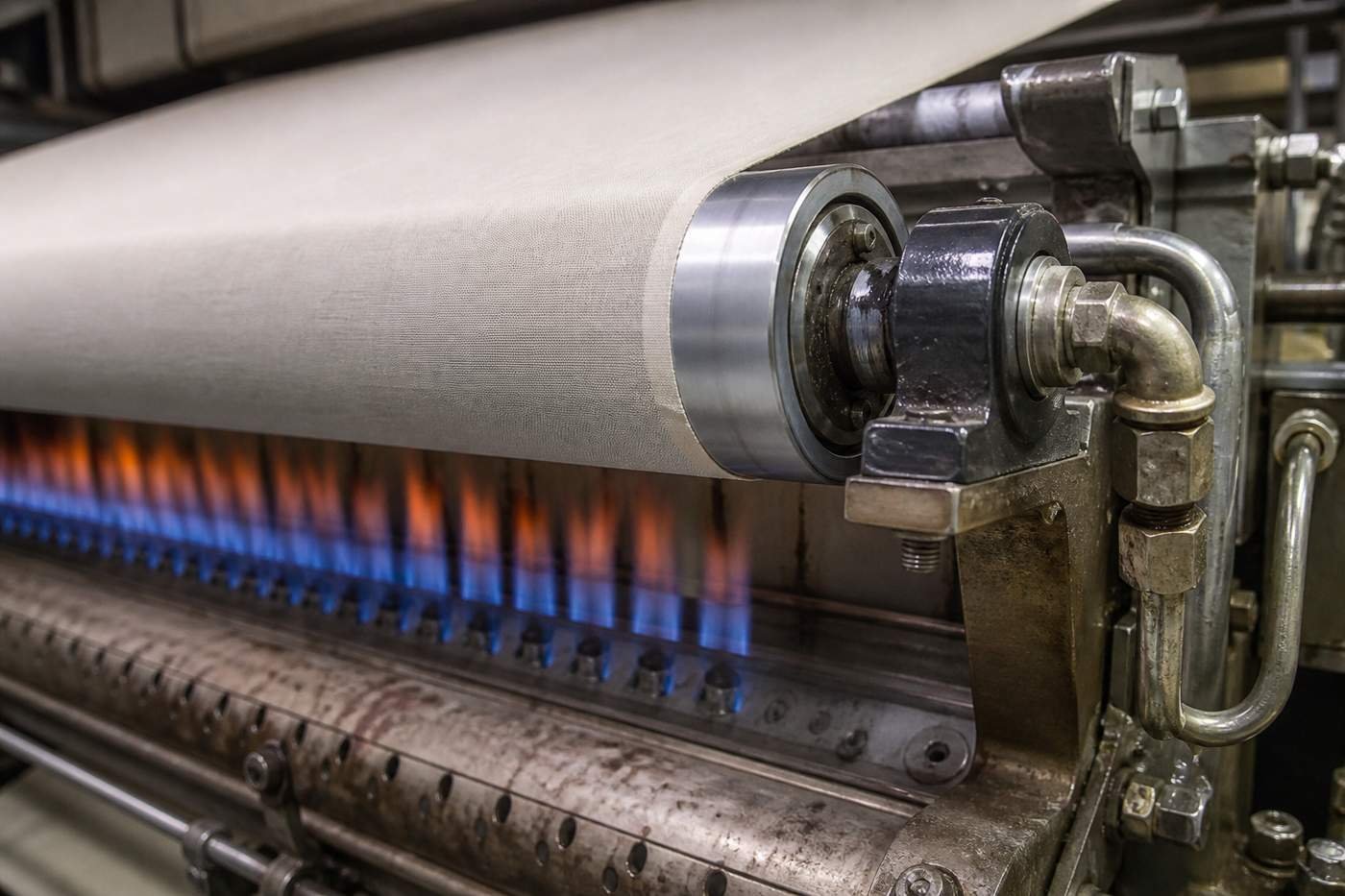
Figure 2. Burner position, speed, and fabric path set treatment intensity.
Typical singeing process textile sequence
The sequence often begins with batch preparation and dry fabric entry. Pre-brushing opens up the protruding fibers. The fabric then passes a J-scray or tension-control area before the singeing zone. After the burner, post-brushing, washing, padding, squeezing, or batching may follow according to the mill route. The exact sequence can change for grey goods, dyed fabric, blends, or integrated desizing and scouring operations.
Good entry conditions matter. Creases, variable moisture, poor width control, or uneven tension can produce uneven exposure. The process team should define which face or faces require treatment and whether the fabric should meet the flame tangentially, at an angle, or in a different guided position. These settings are part of the fabric recipe, not machine defaults.
Gas singeing machine: the common industrial choice
A gas singeing machine directs a controlled flame at the fabric surface. It is widely used because it can treat fabric rapidly and can access projecting fibers on exposed surfaces, including fibers between yarn intersections more effectively than simple contact systems. With suitable layout, it can treat one or both sides and provides flexible control through burner settings, speed, fabric path, and flame angle.
Its strength is controllability, not unlimited heat. The machine requires stable gas quality, correct air mixture, clean burner slits, reliable ignition and shutoff systems, adequate extraction, cooling, and trained operators. Fire safety is a core process requirement. A safe gas singeing machine uses interlocks, flame monitoring, emergency stops, and site procedures; it is never operated by visual judgment alone.
Plate and roller singeing types
Hot plate singeing passes fabric over heated plates. Roller singeing brings fabric into contact with a heated rotating cylinder. Both methods can be useful for selected materials and traditional process routes, particularly where a controlled contact treatment is desired. They may be considered for pile or special constructions, depending on the mill objective and the fabric surface.
Compared with gas flame singeing, contact methods can be less effective at reaching all projecting fibers in fabric interstices and can introduce a contact-related surface effect. Temperature uniformity, contact pressure, and fabric path need close monitoring. They are not automatically unsuitable; they should be chosen when their effect and limitations match the product rather than when a gas machine would better suit the specification.
Compare singeing machine types
Use machine type as a decision guide, not a guarantee of fabric quality. Trials with the actual fabric are essential.
| Machine type | Main treatment | Strength | Main caution |
| Gas singeing machine | Controlled flame exposure | Flexible, rapid, broad surface access | Requires strict flame and fire-safety control |
| Hot plate machine | Contact with heated plate | Useful for selected contact processes | One-sided access and temperature uniformity |
| Roller machine | Contact with heated cylinder | Controlled rotating hot surface | Fabric contact and limited access to interstices |
The key controls in a gas singeing process
Flame intensity controls the available heat, but it must be considered with fabric speed and distance. Fabric speed determines exposure time. Burner angle and position decide which fibers are presented to the flame. Flame width and pressure distribution influence across-width uniformity. Pre-brushing affects how well loose ends are exposed. Moisture and fabric temperature also matter because they change the response to heat.
Change one major parameter at a time during development. If intensity, speed, and angle are changed together, the cause of a defect becomes unclear. Record the fabric style, fiber content, weight, width, moisture condition, burner position, gas and air settings, speed, and final inspection result. An approved recipe should give operators an operating range and a stop-and-escalate limit, not only a nominal setting.
Singeing different fiber types and blends
Cotton, viscose, linen, and other cellulosic fabrics are commonly singed in preparation routes where subsequent washing and bleaching can remove residue. Synthetic fibers and blends require special care. A flame can melt a synthetic component and form beads, which may take dye differently or create a harsh surface. The preferred position in the route may therefore differ between a grey fabric and a dyed synthetic blend.
Do not copy one material recipe to another. Fiber blend, yarn twist, fabric construction, color, finish, and target end use all affect the safe process window. High-value or sensitive products should receive laboratory and production-scale trials, including inspection after dyeing or printing. The right result is a clean surface with no visible thermal damage, not the most aggressive removal of fiber ends.
Quality inspection and common defects
Evaluate singeing under standard lighting and use magnification where the fabric quality requires it. Compare untreated and treated samples for surface fuzz, luster, hand, shade, and visible damage. Pilling tests, print trials, or dyeing trials may be appropriate when the fabric will make a performance claim. The next process often provides the best evidence of whether the singeing level was correct.
Common faults include incomplete singeing, uneven treatment across width or length, stripes, over-singeing, scorch marks, molten beads, hard handle, and edge damage. Incomplete treatment can result from weak flame, high speed, poor brushing, or incorrect fabric position. Over-singeing can result from excessive intensity, slow speed, poor cooling, or an unsuitable fiber recipe. Trace the defect through the actual process before changing all settings.
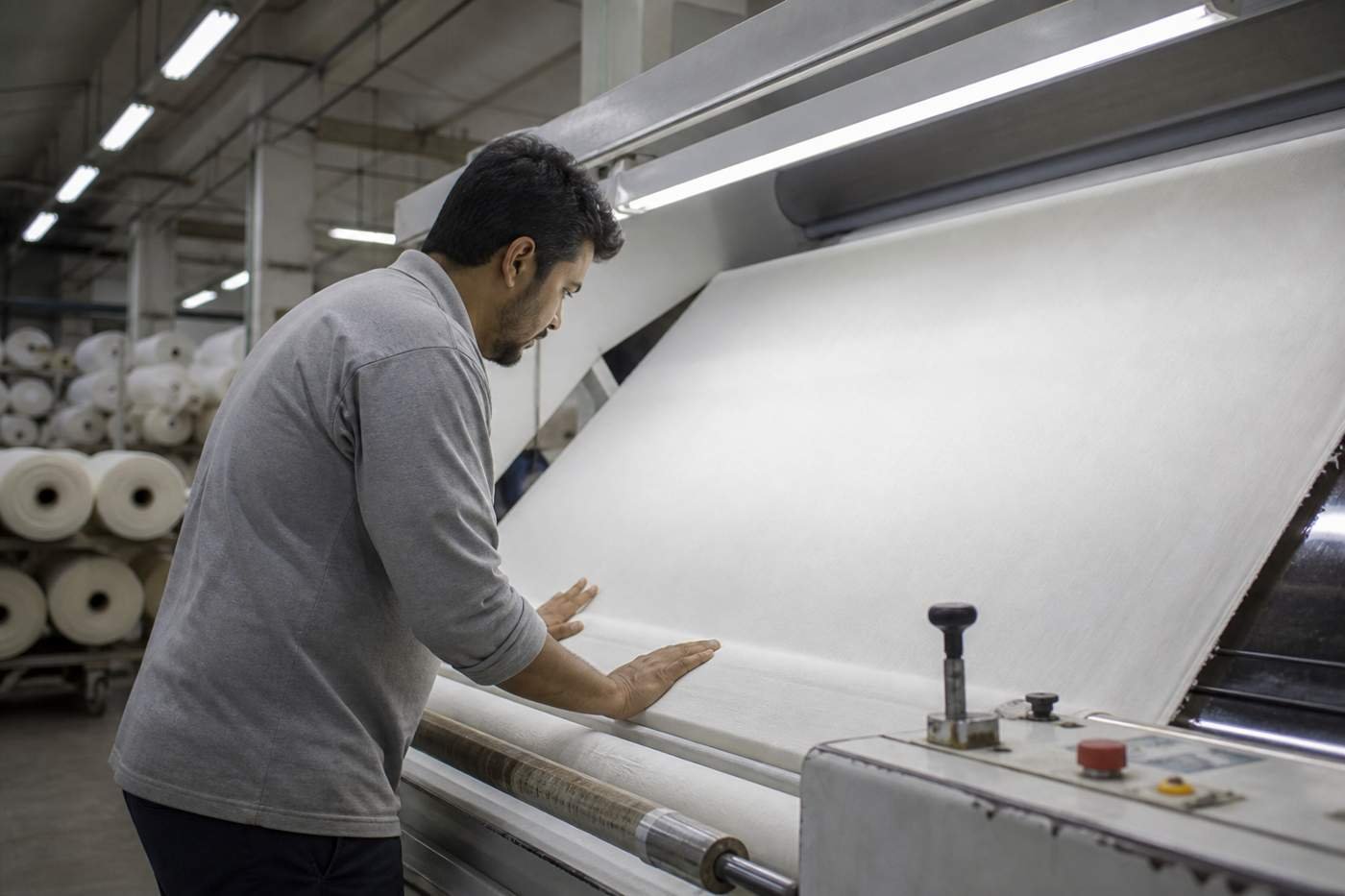
Figure 3. Inspection confirms clean surface without thermal damage.
How to select a singeing machine
Select equipment from fabric range and process route. Define working width, fabric types, fiber blends, target speed, required sides of treatment, brushing, cooling, quenching, integrated washing, extraction, safety systems, utilities, and automation needs. If the mill processes a wide mix of materials, control flexibility and recipe repeatability may be more valuable than a maximum speed claim.
Ask how the gas singeing machine maintains uniform flame across the width, how burners are cleaned, what interlocks protect against flame failure, how cooling water and exhaust are managed, and what commissioning support is included. Consider consumables, spare parts, maintenance access, training, energy, gas supply, environmental controls, and quality losses as part of the total cost.
Maintenance and safety for textile singeing
Daily attention to burner cleanliness, brushing equipment, extraction, guide rollers, cooling, gas supply, and flame monitoring protects both fabric quality and people. Dust and lint must be controlled because singeing generates combustible residue. Follow the manufacturer schedule for burners, pneumatic systems, sensors, ignition, shutoff valves, water-cooled parts, and emergency equipment.
The singeing zone is a fire and hot-surface area. Operators need documented training for threading, start-up, flame observation, emergency stop, fire response, cleaning, and lockout. Keep appropriate firefighting equipment available and maintain it. Never bypass safety interlocks to avoid a production stop. Safe operation is inseparable from consistent singeing quality.
Commissioning and recipe development
Commission a new line with representative fabrics, not only easy demonstration material. Measure surface appearance, hand, width, strength where relevant, pilling tendency, dyeing behavior, and print result. Run enough length to see whether temperature, burner condition, or entry tension changes the result over time. Create approved master samples and a written recipe for each commercial article.
For a technical project, provide fabric samples, expected throughput, fiber blend, process route, utilities, and desired quality outcome to Sutexmach
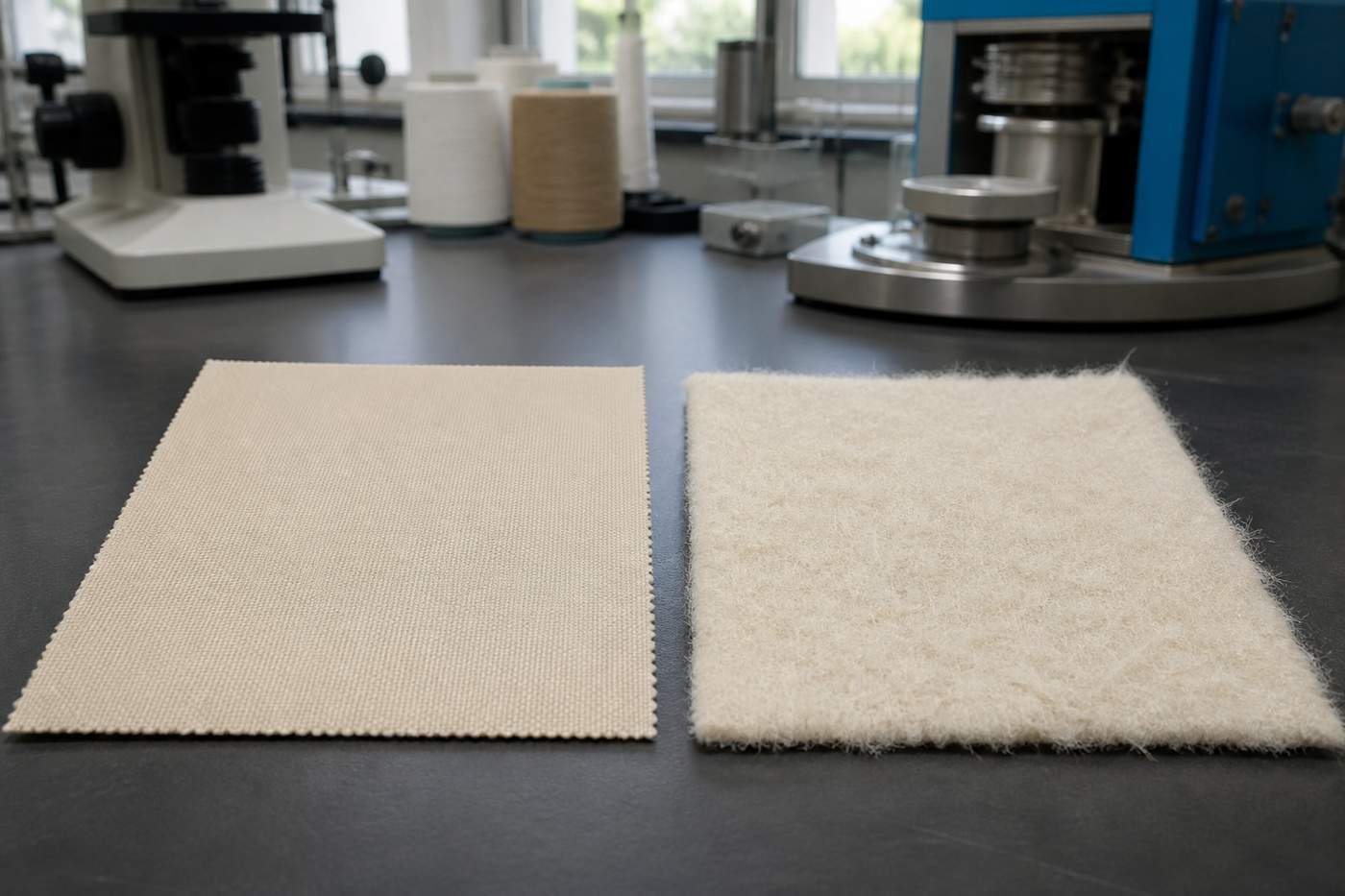
Figure 4. A successful textile singeing process leaves a cleaner fabric surface.
The Sutexmach textile machinery team can review the process brief and help identify a practical singeing-machine configuration.
How to control singeing intensity without damaging fabric
Intensity is the combined effect of flame energy, time near the flame, and the way the fabric is presented. A powerful flame can be appropriate when fabric speed and distance limit exposure. A lower flame can still over-treat a fabric if the line is slow or the web stays in a direct position too long. The development team should think in terms of total thermal exposure, not one isolated gauge reading.
Start with a conservative process window. Inspect treated material after cooling, then run it through the next wet or finishing process. Increase severity only when surface fuzz remains and the material shows no negative change. This method is slower than guessing, but it protects expensive fabric and gives a documented route for repeat production. It is particularly important for blends, deep shades, elastic fabrics, and materials with a coating or special finish.
Entry preparation, brushing, and fabric path
Brushing is not a minor accessory. It lifts loose fiber ends so the burner can remove them cleanly. Weak brushing can leave fuzz in the interstices, while excessive mechanical action can disturb sensitive surfaces. Keep brushes clean and aligned, and inspect how the fabric behaves at full production width. A narrow trial can hide edge and tension issues that emerge later on the production machine.
Entry tension also matters. A web that flutters, wrinkles, or changes width can receive uneven flame exposure. Use guide rollers, spreaders, centering, and suitable tension control to present a flat, stable fabric. Check both sides of the cloth when they have different constructions or finishes. The production route should state whether one side, both sides, or a specific face is the priority.
Troubleshooting common singeing problems
| Symptom | Likely area to inspect | Practical response |
| Fuzz remains after treatment | Brush condition, flame intensity, speed, fabric path | Check pre-brushing and make a controlled trial change |
| Across-width stripes | Burner cleanliness, air-gas distribution, web path | Clean and inspect burner slots; verify widthwise flame |
| Over-singeing or scorch | Exposure, speed, distance, cooling | Reduce severity and confirm fiber compatibility |
| Synthetic beads | Blend response and process stage | Review recipe and consider route before dyeing or finishing |
| Uneven handle or surface | Tension, moisture, brushing, heat balance | Inspect incoming fabric and record process variation |
Do not correct a quality problem by changing every parameter together. First confirm whether the defect repeats at a position, a width zone, a fabric lot, or a point in the run. A repeated widthwise stripe may be linked to a burner area. A defect that begins after a batch change may come from fabric moisture or construction. This fact-based approach protects good settings and shortens troubleshooting time.
Integrating singeing with desizing, scouring, and dyeing
Singeing normally belongs to a wider pretreatment route. The sequence affects how residue, ash, sizing, oils, and thermal effects are removed before dyeing. Many cellulosic fabrics are singed in the grey state, then proceed to desizing, scouring, bleaching, mercerization, or dyeing as appropriate. The following stages should be designed to remove singeing residue and prepare an even absorbent surface.
Synthetic fabrics may require a different route because thermal effects can alter their surface or dye uptake. When a blended fabric is involved, review the behavior of every component. Coordinate the singeing recipe with the dyeing and finishing teams. A clean visual surface is useful, but the final article must also meet shade, strength, stretch, and hand standards after the complete route.
Productivity, energy, and total cost
The fastest line speed is not necessarily the most profitable setting. Saleable output depends on fabric speed, break and stop rates, burner preparation, cleaning, changeovers, inspection, rework, and the capacity of the next process. Track good fabric meters, gas use, labor, waste, and quality claims. This shows whether a recipe is genuinely efficient or simply transferring a problem downstream.
Fuel quality, air balance, extraction, and burner cleanliness affect energy use and process stability. Lint removal and regular maintenance may seem routine, yet they help prevent incomplete singeing, inconsistent flames, and unplanned downtime. Consider the complete operating system when comparing machinery: gas infrastructure, cooling water, ventilation, safety equipment, preventive maintenance, spare parts, and training are part of the cost of ownership.
Commissioning checklist for a new gas singeing machine
- Confirm gas supply, air supply, extraction, cooling water, electrical installation, guarding, and emergency systems before trials.
- Inspect burner alignment, ignition, flame monitoring, shutoff functions, rollers, brushes, tension controls, and fabric path.
- Run actual fabrics at target width and test both surface appearance and downstream dyeing or printing performance.
- Define approved ranges for speed, burner position, flame setting, and acceptable fabric condition at entry.
- Train operators on threading, burner cleaning, emergency response, inspections, routine records, and lockout procedures.
- Keep an approved sample, recipe sheet, fault log, and preventive-maintenance schedule for each commercial style.
A successful commissioning program makes the equipment repeatable for the mill team. It should end with agreed quality standards, trained operators, and a clear response method for flame faults or fabric damage. This is the best way to turn a singeing line into a dependable part of the textile preparation process.
Batch management and acceptance standards
Use an agreed acceptance standard before production begins. It should define the acceptable level of surface fuzz, appearance under the relevant light source, acceptable edge condition, strength or stretch limit where needed, and any downstream result such as print sharpness or dyeing evenness. A clear standard prevents a team from treating every visual difference as a process failure. It also gives operators a useful target during startup and style changes.
Retain an approved untreated sample and an approved singed sample for each major fabric family. Compare samples at the beginning, middle, and end of the batch. If the fabric style, yarn supplier, dye route, finish chemistry, or humidity condition changes, carry out a focused confirmation trial. The aim is not to make records for their own sake. It is to understand which changes affect the thermal response of the surface.
Quality teams should communicate results quickly to production. A report that simply states “uneven singeing” is less useful than one that states where it appeared, whether it was on one face or both, whether it followed a stripe or batch change, and whether it survived downstream washing. These details help the mill correct the real cause rather than add unnecessary flame intensity.
Environmental and housekeeping considerations
Singeing removes fibers by burning them, so extraction and lint handling are important for both quality and workplace conditions. Keep ducts, filters, dust collection, and surrounding machine areas clean according to the site plan. Check that exhaust does not disturb the flame pattern or draw fabric toward the wrong path. Good housekeeping also makes it easier to spot a gas leak, roller buildup, or early mechanical wear before it becomes a fabric defect.
When the mill reviews environmental performance, measure waste and energy alongside finished quality. Reducing repeat passes, minimizing rejected fabric, and keeping burners efficient can lower material and fuel loss without reducing the desired surface result. Any change to extraction, burner settings, or cleaning practice must still follow equipment instructions and local safety requirements.
Frequently asked questions
What is a singeing machine used for?
It removes loose fibers from a fabric surface through controlled heat, producing a cleaner finish that can support dyeing, printing, and other finishing processes.
What is the difference between gas and roller singeing?
Gas singeing uses a flame without direct metal contact. Roller singeing uses a heated cylinder. Their yarn access, surface effect, control needs, and suitable fabrics differ.
Can polyester fabric be singed?
It can be processed only with a carefully developed route. Synthetic components can melt and form beads, so fiber composition, dyeing stage, and trials are critical.
What causes uneven singeing?
Uneven flame, dirty burners, poor brushing, variable fabric moisture, tension changes, incorrect fabric path, or inconsistent speed can all cause uneven treatment.
Final takeaway
A singeing machine is a controlled preparation tool for creating a clean fabric surface. Gas flame singeing offers flexibility and broad use when its safety and process controls are strong. Select the machine and recipe from the fabric, fiber blend, downstream route, and quality target, then validate the result with real production trials.