


 English
  Hungarian
  Indonesian
  Bulgarian
  Turkish
  Polish
  Russian
  Spanish
  Portuguese
  Korean
  French


In industrial manufacturing, textile, plastic, rubber, or composite material finishing, it is usually the equipment is usually as not always known by several nomenclatures. Calendar machines play a decisive role in the quality, precision, and efficiency of material finishing. A heavy set of rollers used by these machines to press or smooth coat material into a uniform thickness or surface texture.
What is a calendaring machine? How does it operate? Why has it found such great use in modern production lines? This guide will expound on everything about calendar machines. Parts and types of calendar machines, working principles, areas of application, maintenance of the calendar machines, and including what tangible benefits manufacturers can get from them.
What Is a Calendaring Machine?
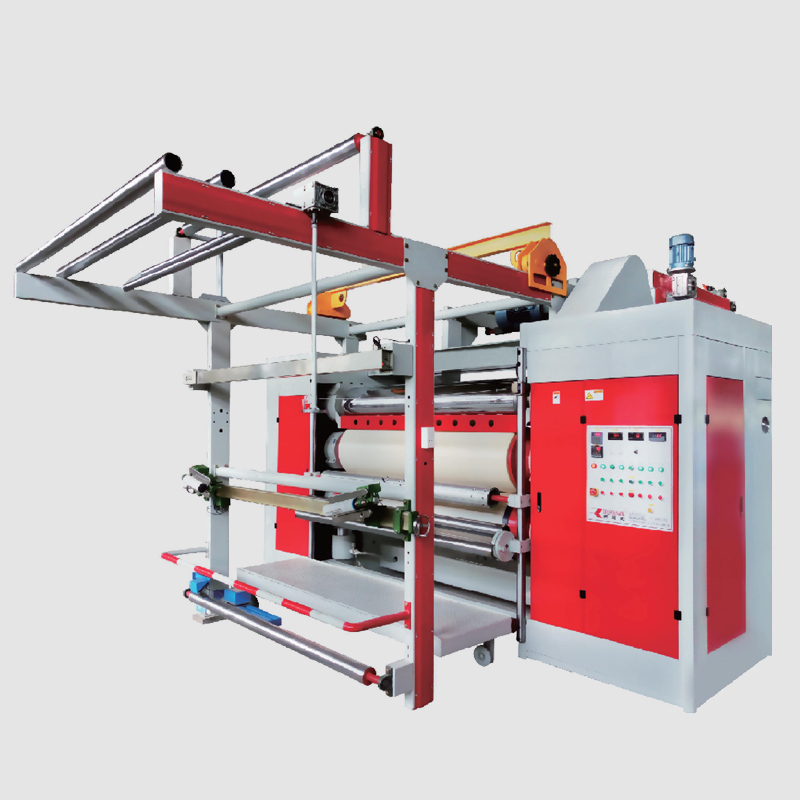
A calendaring machine is an industrial machine with two or more rolls between which a material-rubber, plastic, paper, or fabric-passes under pressure and at a certain temperature. It may primarily serve to adjust surface characteristics, thickness, or luster and bind more than one layer together.
A calendar machine does the pressing and finishing in layman’s terms. Through the adjustment of roller configuration, pressure, and temperature, films and sheets can be made; coated textiles produced; embossed surfaces created; and a laminated product manufactured having high dimensional stability as well as smoothness.
What Is the Calendering Process?
The calendering process involves feeding a material—such as a polymer compound, textile web, or rubber sheet—between multiple heated or cooled rollers. Each roller applies pressure and temperature control to achieve specific effects such as:
- Smoothing the surface
- Reducing or controlling thickness
- Embossing textures or patterns
- Laminating films or layers
- Enhancing gloss or transparency
The process generally follows these steps:
- Material Preparation: The compound or substrate is preheated and blended.
- Feeding: The material is introduced between the rollers.
- Rolling/Pressing: The rollers compress the material to the desired thickness.
- Cooling and Winding: The sheet exits the rollers and cools down before being rolled for further processing.
What Is a Calendaring Machine in Textiles?
In textile finishing, a calendering machine smooths, polishes, or glazes the fabric to achieve particular hand-feel characteristics or looks. A glossy or silky finish may be added to cotton, polyester, or blended fabrics by calendering them.
Textile calenders can also be used for:
- Applying resin or coating finishes
- Bonding multi-layered fabrics
- Creating embossed or moiré effects
The final texture and shine depend on the roller material (steel, cotton, or rubber), temperature, and speed.
Calendering Machine Process Flow
The general process flow for a calender machine includes:
- Feeding Zone: Material is aligned and tension-adjusted.
- Preheating Zone: Temperature conditioning ensures even processing.
- Rolling Zone: The main compression and finishing take place.
- Cooling Zone: Stabilizes the sheet to prevent distortion.
- Winding or Cutting: Sheets are either coiled or cut into desired sizes.
Types of Calendering Machines and Roller Configurations
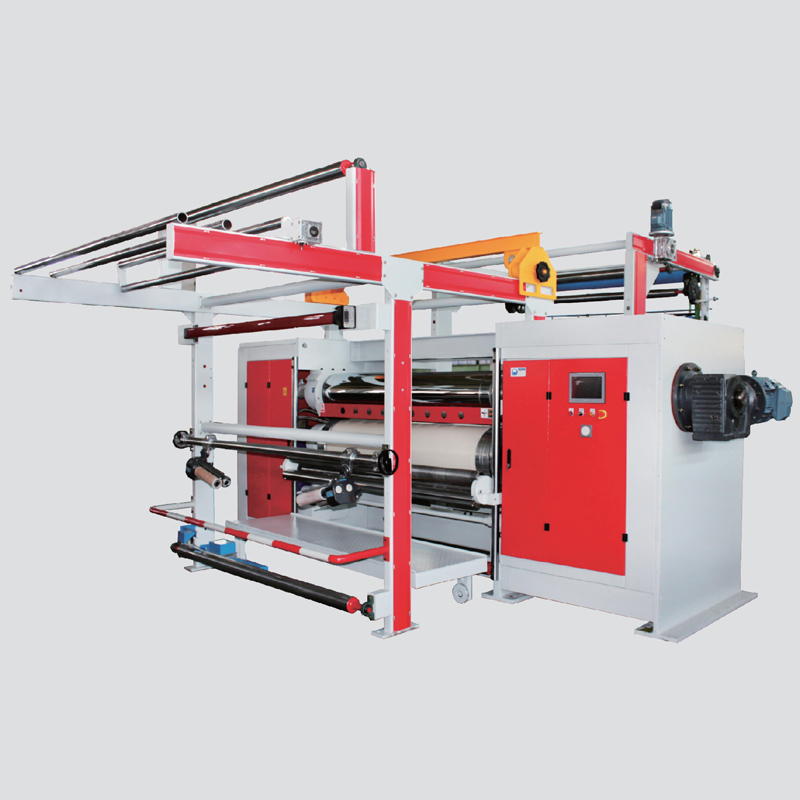
Calendar machines are categorized by the number and function of rollers. Common types include:
| Type | Description | Applications |
| Two-Roll Calender | Simplest form, used for basic thickness control and surface smoothing. | Rubber, plastic sheeting |
| Three-Roll Calender | Offers better control of thickness and surface finish. | PVC film, coated textiles |
| Four-Roll Calender | Allows multi-layer processing and lamination. | Synthetic leather, multilayer films |
| Multi-Roll Calender | Custom configuration for high-volume or complex operations. | Composite materials, specialty films |
Rollers can be categorized as:
- Hard Roll: Made of steel, used for precise compression.
- Soft Roll: Covered with cotton, paper, or rubber, for fabric finishing.
- Embossing Roll: Imprints patterns or designs.
- Heated/Cooled Roll: Controls temperature uniformity and gloss.
Key Performance Parameters of a Calendaring Machine
The efficiency and output quality of a calendar machine depend on several performance metrics:
| Parameter | Definition | Typical Range |
| Maximum Width | Effective working width | 1000–4000 mm |
| Roll Diameter | Roller size | 200–800 mm |
| Roll Gap Adjustment | Distance control | 0.01–5 mm |
| Nip Pressure | Compression force | 20–1000 kN |
| Temperature Control | Heating/cooling precision | ±1°C |
| Speed/Capacity | Material feed speed | 5–200 m/min |
| Surface Finish Tolerance | Smoothness accuracy | ±0.01 mm |
Modern systems also integrate servo drives, PLC control, tension systems, and thermal regulation units for precision and automation.
How to Choose the Right Calendaring Machine?
Selecting the correct calendar machine depends on multiple factors:
- Material Type: Rubber, PVC, leather, textile, or film
- Product Thickness & Width: Determines roller diameter and configuration
- Functional Needs: Lamination, embossing, coating, or smoothing
- Temperature Control: Hot or cold calendering requirements
- Automation & Control: PLC, servo, or fully automated systems
- Durability & Maintenance: Quality of rollers and bearings; frame rigidity
How to Maintain a Calendaring Machine?
Routine maintenance ensures long service life and consistent product quality.
Key maintenance tasks include:
- Regular roller polishing and cleaning to prevent surface defects.
- Monitoring and maintaining temperature systems (oil, water, or thermal fluid).
- Checking bearings, gears, and drive belts for wear.
- Calibrating thickness control systems regularly.
- Ensuring tension and alignment systems are accurate.
- A preventive maintenance schedule helps reduce downtime and production loss.
Benefits of Using a Calendaring Machine
- Enhanced Product Quality
The quality of the product is very much improved. Highly regularized sheets or fabrics with minimum deviation in thickness variation and better surface smoothness can be achieved.
- High Production Efficiency
This is a high-production process. The speeds of the machine are adjustable, automated, and can attain hundreds of meters per minute with precision.
- Versatility
Applicable to many different items, such as rubber, plastic, leather, paper, and textiles, in many varied fields.
- Energy Efficiency
Advanced thermal systems and servo control reduce energy consumption while optimizing roller heating.
- Customization
Modern machines offer modular setups, allowing easy addition of units such as embossing tools, laminators, or coating parts.
- Improved Surface Properties
Advanced thermal and servo systems lower energy use while maintaining the best heat for the rollers.
Common Problems and Risks in Calendar Operation
Even with automation, calendering can encounter several challenges:
Uneven Thickness or Waviness due to poor pressure control
Surface Scratches or Creases from roller contamination
Temperature Imbalance leading to thermal distortion
Roll Deformation or misalignment issues
Tension Inconsistency causing stretching or shrinkage
Film Delamination or Adhesive Failure in lamination applications
Preventive maintenance, proper temperature calibration, and consistent roller cleaning can mitigate most of these risks.
Conclusion
Calendaring machines are the heart of precision material manufacturing. They govern surface quality, texture, and dimensional accuracy in not one but many diversified sectors like textiles, plastics, synthetic leather, and rubber products. The type, process parameters, and maintenance requirements of calender machines that come under keen insight make production efficiency, energy saving, and product consistency achievable.
It is by intelligent automation that the future of calendering will be shaped;, an amalgamation of monitoring based on IoT, predictive maintenance, and process optimization driven by AI. It will make sure that the calendar machines keep delivering what modern industry desires, from technical excellence to economic advantage.