


 Portuguese
 English
 Hungarian
 Indonesian
 Bulgarian
 Turkish
 Polish
 Russian
 Spanish
 Korean
 French


A practical guide to TFO twisting, yarn quality, production planning, and machine selection.
Quick answer: what is a two for one twister?
Uma torcedora dois em um é uma máquina de torção de fios que insere duas voltas de torção no fio entregue a cada rotação do seu eixo. O fio proveniente de um pacote de alimentação estacionário passa por um eixo rotativo oco, forma um balão controlado e, em seguida, é enrolado em um pacote de recolhimento. Esse engenhoso princípio de torção de fios dá nome ao equipamento TFO e o torna uma via amplamente utilizada para a torção de fios fiados em múltiplos e para a torção de muitos fios de filamentos.
The machine is not a shortcut around process control. Its useful output depends on yarn preparation, package build, tension, spindle condition, twist level, balloon control, and winding quality. When these work together, a TFO twister can produce balanced, consistent yarn for weaving, knitting, sewing thread, home textiles, and selected technical applications.
| Need | TFO response | What to define |
| Ply two or more yarn ends | Doubled feed yarn is twisted into one delivery package | Yarn count, number of plies, S or Z direction |
| Improve coherence and handling | Twist binds fibers or filaments into a more unified yarn | Target twist, strength, elongation, handle |
| Efficient repeat production | Two twists are inserted per spindle revolution | Quality standard, winding package, usable output |
Why yarn twisting matters
Twist changes the way fibers and filaments work together. It can improve cohesion, abrasion resistance, yarn integrity, and handling in later weaving or knitting. It also changes feel, bulk, stretch, surface appearance, and balance. More twist is not automatically better. Excess twist can make a yarn hard, lively, or less suitable for its intended fabric. Too little twist can leave insufficient cohesion or unstable ply behavior.
A two for one twister is commonly used for doubling or ply twisting, where two or more single yarns are assembled and then twisted together. The ply twist is often selected in the opposite direction to the single-yarn twist to create a balanced structure, although special constructions may require another approach. The correct target should come from fabric trials, end use, and the mill’s quality specification.
Two for one twister working principle
1. Feed package and yarn preparation
The feed package sits stationary within a protection pot or related arrangement. In ply twisting, the ends are usually assembled before they enter the twist zone. Package quality matters: a poorly built package can create tension variation, snarls, stops, and quality faults. The protection pot supports the package, helps separate the balloon from the feed yarn, and reduces unwanted abrasion or contamination.
2. Hollow spindle and balloon formation
The yarn travels through the hollow spindle. As the spindle rotates, the yarn path creates a balloon outside the spindle area. The balloon is a normal part of the twisting action, but it must be controlled. Its size and stability are influenced by spindle speed, yarn type, tension, balloon limiter settings, package condition, and air movement around the machine.
3. The double twisting action
The rotating spindle inserts one twist in the yarn section associated with the feed side and another in the section leading to take-up. In practical terms, the delivery yarn receives two twists for each spindle revolution. This is the central advantage of the double twisting machine. It allows high twisting efficiency without requiring the feed package itself to rotate.
4. Tension, winding, and package build
After twist insertion, the yarn passes through controls and winds onto a delivery package. Take-up must create a stable package for the next process. Tension that is too high can reduce yarn quality or create breaks; low or unstable tension can cause soft packages, uneven density, and later unwinding problems. Winding settings therefore belong in the twist recipe.
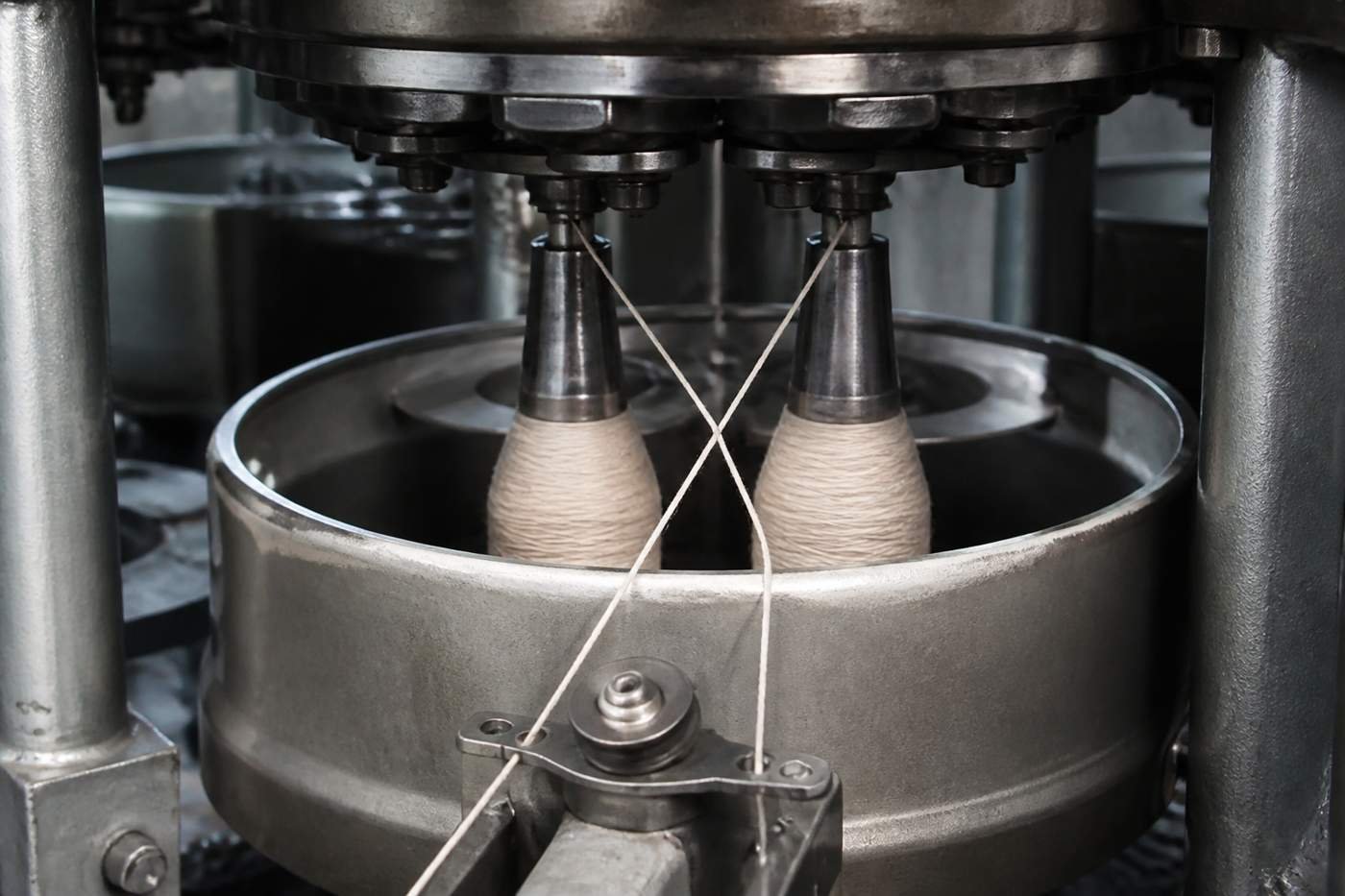
Figure 2. The stationary feed package, hollow spindle, controlled balloon, and take-up system are the essential TFO elements.
Key benefits of a TFO twister
The main benefit is productive twist insertion. Since the delivered yarn receives two twists for each spindle rotation, a TFO machine can be more efficient than older single-twist routes for suitable applications. It can also make long delivery packages, which can reduce interruptions in later processes. The value is greatest when the mill can maintain stable packages, good yarn clearing, correct twist, and disciplined maintenance.
| Benefit | Why it matters | Important limit |
| Efficient twist insertion | Supports productive ply and filament twisting | Actual output depends on yarn, break rate, changeovers, and quality |
| Consistent yarn structure | A controlled recipe supports repeatable yarn behavior | Spindle and tension variation still create faults |
| Flexible applications | Can suit spun, filament, blended, and specialty programs | Machine configuration must match material and package |
| Good package continuity | Long packages can improve downstream efficiency | Package density and unwinding must be verified |
Spun yarn, filament yarn, and special programs
A TFO twister can be configured for different yarn families, but the process conditions are not interchangeable. Spun yarn may need attention to hairiness, fiber migration, clearing, and twist balance. Filament yarn can be sensitive to friction, tension, balloon behavior, and surface damage. Blends add another consideration because components may react differently to tension and heat during later processing.
Before selecting a twister machine, list the yarn material, count, number of plies, feed package, delivery package, twist range, direction, target production, and end use. Add any special demand such as dye-package winding, sewing-thread quality, high-tenacity processing, cabling, or electronic quality monitoring. A supplier can only recommend a practical configuration when the product brief is specific.
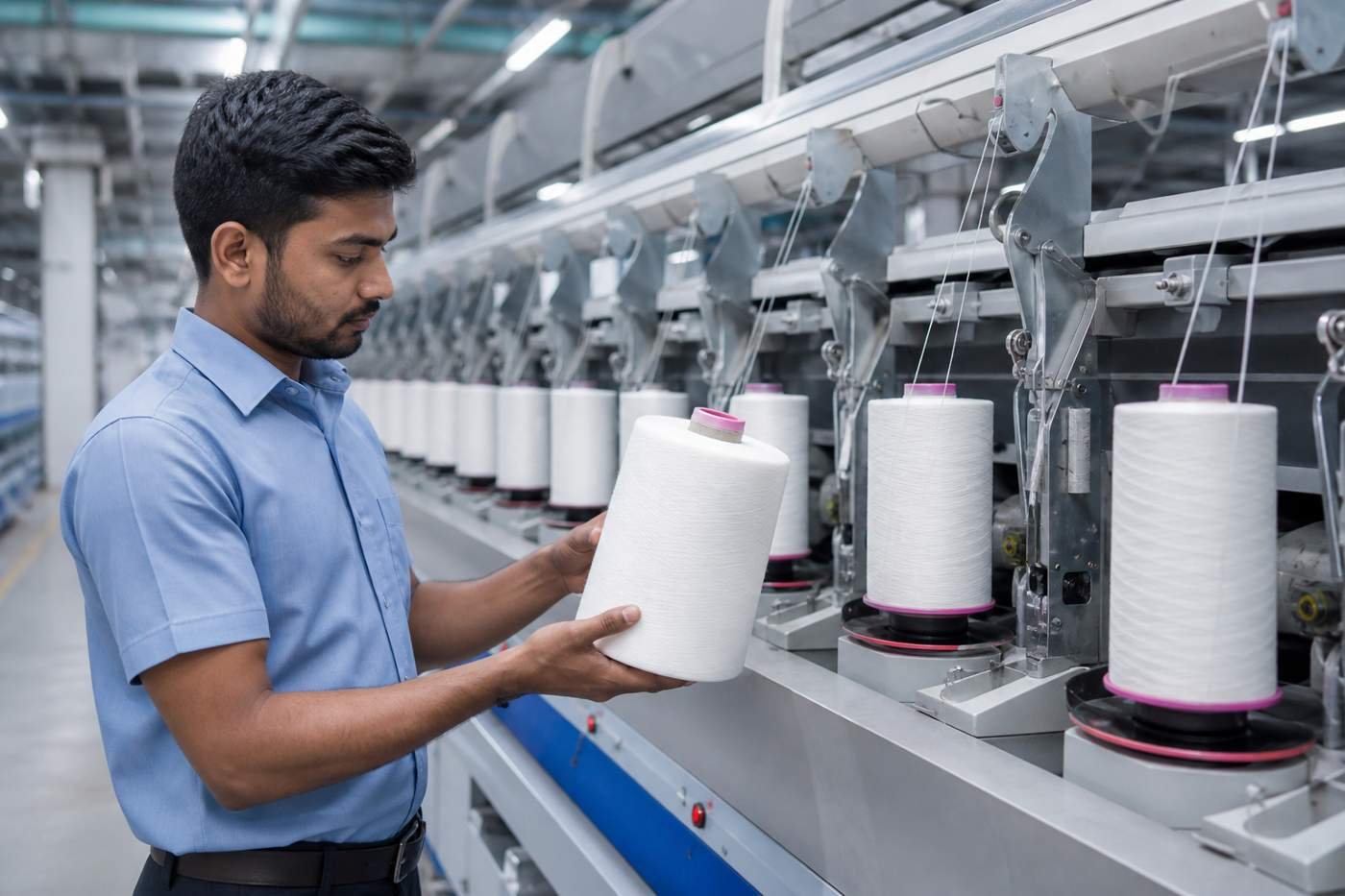
Figure 3. Operators should monitor yarn path, balloon stability, package build, and twist quality during production.
Applications for twisted yarn
Twisted yarn is used where a fabric or product needs controlled strength, appearance, handling, or durability. Apparel and knitwear may use plied yarns for a clean, stable effect. Woven fabrics can benefit from yarns matched to warp or weft performance. Home textiles, sewing threads, industrial fabrics, cords, and certain technical textiles also depend on twist selection. The right application is defined by the whole yarn construction, not by twist alone.
| Aplicação | Useful yarn characteristic | TFO development question |
| Woven fabrics | Strength, abrasion resistance, stable handling | What balance and package is needed for warping or weaving? |
| Knitting and hosiery | Evenness, handle, controlled liveliness | Will the twist change loop appearance or fabric hand? |
| Sewing thread | Strength, smooth running, package quality | Are splice, lubrication, and downstream winding requirements met? |
| Home and industrial textiles | Durability and construction-specific performance | Does the yarn pass end-use abrasion and processing trials? |
How to choose a yarn twisting machine
Do not choose from spindle speed alone. Start with the yarn and the commercial use. A machine for coarse spun plies may not be the right solution for delicate filament yarn. Ask about spindle type, pot dimensions, yarn path, tension system, balloon control, drive system, take-up packages, automation options, energy requirements, safety, operator access, and the included service scope.
Questions that affect twister machine cost
- Which yarn counts, materials, and ply constructions must the machine run reliably?
- How many spindles, what package dimensions, and what delivery package weight fit the production plan?
- Which monitoring, doffing, waxing, winding, or data features are necessary for the real quality target?
- What is included for installation, commissioning, operator training, critical spare parts, and service?
- What usable output is expected after breaks, package changes, quality grading, and planned maintenance?
Compare the complete operating model rather than only the initial twister machine price. Energy, labor, package preparation, maintenance, air conditioning, waste, and rework affect cost per kilogram. A trial using the actual yarn is more valuable than a high output figure created from an easier yarn or ideal conditions.
Quality controls for double twisting
A stable TFO process starts before the spindle. Check feed-package build, yarn joining quality, and yarn cleanliness. During twisting, observe balloon shape, tension, breaks, spindle noise, and package formation. After twisting, test the yarn for count, twist, strength when relevant, evenness, appearance, residual liveliness, package density, and unwinding behavior. The test plan should match what the next process needs.
Twist direction and balance deserve special attention. For many plied yarns, the ply direction is opposite to the single-yarn direction, helping the yarn remain balanced. Yet the best relation varies by material, single yarn twist, count, and end use. Establish a documented recipe and confirm balance through actual winding, weaving, knitting, or sewing trials.
Common problems and how to prevent them
| Problem | Likely cause | First check |
| Frequent yarn breaks | Tension spikes, damaged yarn path, poor feed package | Tension setting, guides, package build, yarn defects |
| Unstable balloon | Speed, airflow, limiter, yarn friction | Balloon control, spindle condition, surrounding air |
| Soft or hard packages | Incorrect winding setting or tension | Take-up setting and package density |
| Lively or unbalanced yarn | Unsuitable twist level or direction | Single twist, ply twist, and trial result |
| Surface damage or hairiness | Friction, dirty guides, unsuitable path | Cleanliness, guide wear, and material compatibility |
Maintenance and safe operation
A twister machine has many high-speed rotating positions. Preventive maintenance should cover spindle condition, belts or drive components, guides, tension devices, balloon limiters, winding assemblies, electronic controls, and cleaning. Keep a simple record of recurring faults by spindle position. It helps maintenance teams distinguish a yarn issue from a repeat mechanical issue.
Follow the machine manual and site safety procedures. Operators need clear training for threading, doffing, broken ends, guarded rotating areas, lockout, cleaning, and emergency stops. Loose clothing, unsecured hair, or rushed manual intervention near moving parts can create serious risk. Production targets should never bypass machine guarding or approved safe work methods.
From trial to stable production
Run a trial with the actual yarn, target twist, feed package, and delivery package. Record speed, tension, balloon setting, winding conditions, break rate, and quality results. Then validate the yarn in its next process. A package that looks correct at the TFO may still show trouble during dyeing, warping, weaving, knitting, or sewing. This closed-loop trial gives the purchasing team better evidence than a generic specification sheet.
For practical machine selection and project discussion, share your yarn brief with Sutexmach
O Sutexmach textile machinery team can review yarn type, package conditions, desired twist, capacity, and downstream requirements before a configuration is proposed.
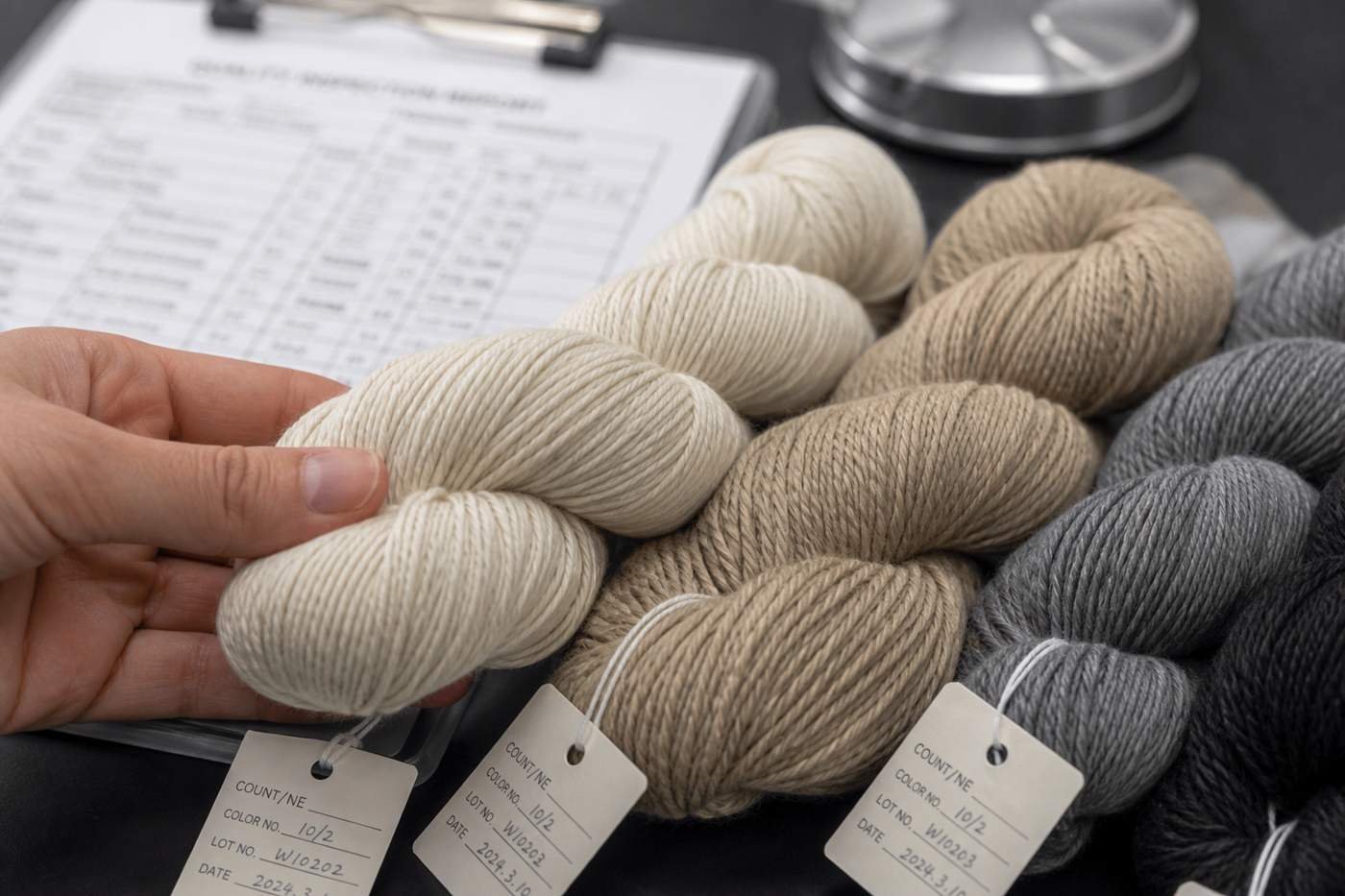
Figure 4. Finished package quality matters because it affects every downstream yarn process.
Plan TFO capacity around good packages, not spindle speed
A high spindle speed is useful only when it produces acceptable packages and yarn quality. Real capacity also includes the number of working spindles, yarn count, target twist, machine efficiency, doffing time, package changes, break frequency, and quality losses. A spinning mill should therefore calculate output from saleable kilograms or saleable packages, rather than quoting a theoretical value based on every spindle running continuously.
Start with a clear product plan. Define the planned spindle population, shift hours, yarn count, number of plies, twist level, delivery package weight, and expected efficiency. Then compare that estimate with the capacity of upstream winding and downstream weaving, knitting, dyeing, or thread-making. TFO output can become a bottleneck if feed packages are unavailable or downstream processes cannot consume the delivery package efficiently.
Key production variables for a TFO twister
Spindle speed affects productive potential, but it also affects balloon behavior, friction, and break rate. Twist level is linked to spindle speed and delivery speed. Tension settings influence both the yarn path and package build. Each variable must be selected as part of a recipe, because adjusting one setting can change the effect of another. For example, raising speed without checking balloon control may create more breaks and reduce usable output.
| Variable | What it influences | How to manage it |
| Velocidade do fuso | Twist insertion and balloon behavior | Increase only after confirming break rate, temperature, and yarn quality |
| Delivery speed | Twist per length and output | Set from target twist and spindle performance |
| Tension | Yarn stability, strength retention, package build | Use consistent settings and inspect guides regularly |
| Feed package | Unwinding stability and end breaks | Use suitable package geometry and good assembly winding |
| Take-up package | Downstream unwinding and process efficiency | Confirm density, traverse, hardness, and package condition |
The yarn twist principle is simple in theory, but the operating window can be narrow for demanding materials. Fine yarns, high-tenacity filament, elastic components, coarse plies, and specialty finishes may need different speeds, tension zones, pot sizes, or winding systems. Use trials to establish an approved range rather than one single number. That gives operators a way to respond when raw material or ambient conditions vary.
Yarn quality tests that support the next process
Testing should start from the final use. For weaving, assess package unwinding, yarn hairiness where relevant, strength, elongation, twist, and behavior in warping. For knitting, inspect loop appearance, fabric hand, barre risk, and twist liveliness. For sewing thread, test seam performance, abrasion, lubrication, and high-speed running. A TFO package is an intermediate product, so the strongest proof of success is good performance after it leaves the twisting department.
A useful routine includes package appearance checks at the machine, laboratory tests at defined intervals, and sample trials after a material or recipe change. Keep a reference package and approved yarn sample for each major style. This makes visual differences easier to recognize. It also helps operators see whether a variation is caused by yarn supply, spindle condition, winding settings, or an intentional product change.
Twist balance and direction in practical terms
A plied yarn contains the twist already present in the single yarn and the new twist applied during doubling. These two twist systems interact. Opposite-direction ply twist is common because it can counter the tendency of single yarns to torque. Some specialty products use same-direction twist or other constructions for a specific effect. The correct approach should be determined by the fabric, yarn count, fiber composition, and customer requirement, not by a universal rule.
Measure twist and evaluate balance after the yarn has been allowed to relax. If yarn is too lively, it may snarl during unwinding or create unwanted fabric effects. If it is too hard, it may reduce softness or make later processing difficult. Changes to single-yarn supplier, twist, finishing oil, or blend ratio may change the preferred ply recipe. Revalidate the target when any important input changes.
Practical troubleshooting sequence
When a TFO twister produces frequent breaks, begin with the exact spindle positions and yarn lots involved. A fault that repeats at one position suggests a mechanical path, spindle, tension, or winding issue. A fault spread across many positions may point to the feed package, yarn lot, humidity, settings, or a common drive condition. This simple distinction prevents operators from making broad adjustments before evidence is available.
For a package-build problem, check traverse, take-up tension, winding angle, and yarn path cleanliness. For unusual noise or vibration, stop and inspect the spindle according to the maintenance procedure. For balloon contact or instability, review the limiter, package size, speed, and nearby airflow. Record the corrective action and result. Repeating a fix that has already failed wastes both yarn and machine time.
Implementation checklist for a new twister machine
- Confirm the yarn range, feed and delivery package dimensions, twist direction, and target twist before equipment layout is frozen.
- Plan material flow for assembly winding, feed-package transport, doffing, quality inspection, and delivery-package storage.
- Verify power, compressed air where relevant, lighting, dust control, humidity conditions, safety clearance, and maintenance access.
- Run acceptance trials with the intended yarn, not only a supplier demonstration material.
- Agree on operator training for threading, doffing, setting control, fault response, safe cleaning, and routine maintenance.
- Stock critical spares and establish a service contact before the machine becomes production-critical.
Commissioning is complete when the mill can reproduce an approved yarn without relying on a visiting technician. Keep a clear recipe sheet, startup checklist, quality limits, and escalation process. This converts a new twister machine from a capital purchase into a stable yarn-production capability.
Managing cost without sacrificing yarn quality
The lowest operating cost is not always created by running every spindle at the highest setting. Breaks, rework, rejected packages, and poor downstream performance can quickly remove a speed advantage. Track energy per kilogram, labor per package, waste, maintenance stops, and first-pass quality alongside production. Use this information to decide whether a process change is genuinely improving the result.
Good housekeeping has a direct commercial effect. Keep yarn paths clean, separate approved from suspect packages, label yarn lots, maintain correct humidity for the material, and replace worn guides before they damage yarn. Small process disciplines reduce variation. They also make it easier to introduce new yarn styles because the normal production baseline is understood.
When demand changes, review the whole route before purchasing extra spindles. More twisting capacity may require additional assembly winding, package handling, laboratory checks, floor space, and trained operators. A balanced line usually delivers more saleable yarn than an isolated high-speed department.
Frequently asked questions
Why is it called a two for one twister?
It is called two-for-one because the delivered yarn receives two twists for each spindle revolution. The feed package remains stationary while yarn moves through the hollow spindle and take-up path.
What is the difference between a TFO twister and a yarn twisting machine?
Yarn twisting machine is a broad term. A TFO twister is a specific double twisting machine that uses the two-for-one twist principle. Other twisting systems may use different yarn paths and mechanisms.
Can a TFO twister process both spun and filament yarn?
Many TFO platforms are designed for spun or filament applications, but configuration matters. Confirm material compatibility, yarn path, spindle, tension, package, and quality requirements with the supplier.
What determines the right twist level?
Material, count, number of plies, single-yarn twist, intended fabric, and required handle all matter. Establish the final setting through yarn and fabric trials, not by copying a setting from a different construction.
Final takeaway
A two for one twister combines a stationary feed package, hollow spindle, controlled balloon, and take-up system to insert two twists per spindle revolution. Its value lies in controlled, repeatable yarn production. Select the TFO twister from your yarn construction and next process, then prove the recipe through measured trials and a quality plan.