


 Portuguese
 English
 Hungarian
 Indonesian
 Bulgarian
 Turkish
 Polish
 Russian
 Spanish
 Korean
 French


Alcançar um acabamento premium tipo pele de pêssego exige um processo de sueding impecável. O tempo de inatividade dos equipamentos e o desperdício de tecido prejudicam os lucros. A SutexMach fabrica máquinas têxteis inteligentes em todo o mundo desde 1985. Nesta publicação, você aprenderá a corrigir rapidamente defeitos comuns e problemas mecânicos. Também compartilharemos dicas proativas de manutenção.
Understanding Sueding Machine Mechanics Before Troubleshooting
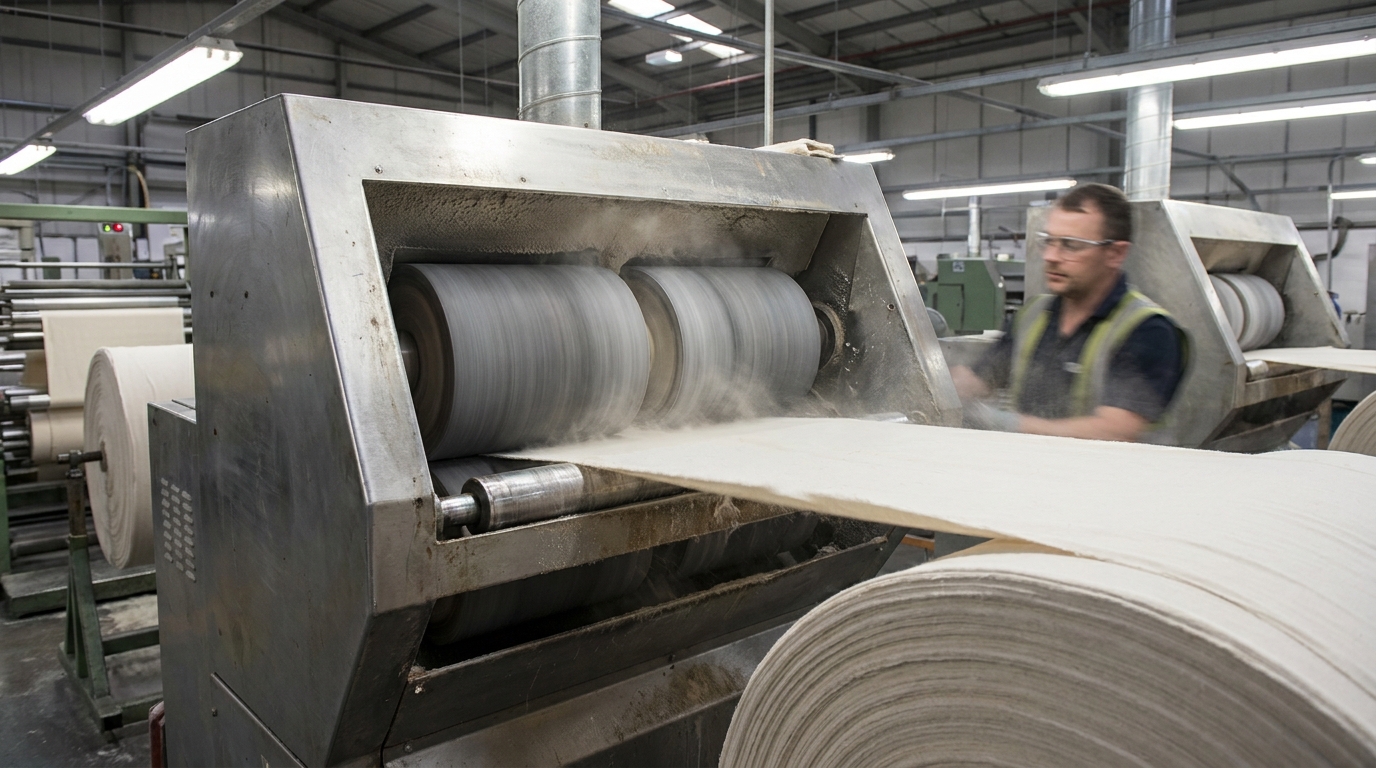
Before you can fix an relevo irregular na máquina de escovamento, you need to know how the equipment actually works. Sueding creates a soft peach-skin finish by physically abrading the fabric surface. High-speed rollers wrapped in abrasives gently scratch the fibers. This action pulls out tiny micro-piles to create the desired texture.
How Abrasive Rollers Interact with Fabric
The core of the process relies on the abrasive material. Mills use different roller surfaces to achieve specific finishes. You will typically see three main types of abrasives in production:
- Emery Paper: Traditional and cost-effective for short runs. Grit sizes range from P120 for heavy fabrics to P600 for delicate finishes.
- Carbon Fiber Brushes: These permanent brushes offer a longer life. They create a softer, mossy hand-feel without degrading quickly.
- Diamond Grit or Ceramic: Highly durable coatings used for consistent, heavy-duty abrasion on synthetic microfibers.
The Balance of Tension, Speed, and Angle
The final sueded finish depends on a delicate balance of machine settings. Roller speed, fabric tension, and contact angle must work together perfectly. If one parameter shifts, the fabric quality drops.
Sueding rollers usually spin between 500 and 2,000 RPM. Meanwhile, the fabric moves through the machine at 10 to 40 meters per minute. The wrap angle determines how much the fabric hugs the roller. This dictates the overall abrasion intensity. Even a tiny 5-degree change in this contact angle can cause visible shading differences.
Tension control is equally critical. Knitted fabrics like jersey require much lower tension than wovens. Too much pull causes permanent stretching or curled edges.
| Machine Parameter | Standard Range | Impact on Fabric Finish |
|---|---|---|
| Roller Speed (RPM) | 500 – 2,000 RPM | Higher speeds increase pile density but generate more heat. |
| Fabric Throughput | 10 – 40 meters/min | Slower speeds increase abrasion time, risking fiber damage. |
| Abrasive Grit Size | P120 (Coarse) – P600 (Fine) | Lower numbers cut deeper; higher numbers create a delicate peachskin. |
Why Proactive Parameter Management Wins
Global fabric mills lose money every time a machine stops. Reactive repairs waste time and ruin expensive fabric. Proactive solução de problemas da máquina de escovamento rotativa saves your profit margins. When you understand these mechanical relationships, you catch problems early.
At SutexMach, we have built intelligent textile machinery since 1985. Our 30 years of experience serving global fabric mills show a clear trend. Operators who master machine parameters reduce fabric waste dramatically. You can adjust a tension setting or clean a dust hood before a small defect becomes a rejected roll.
Common Fabric Surface Defects and Fixes
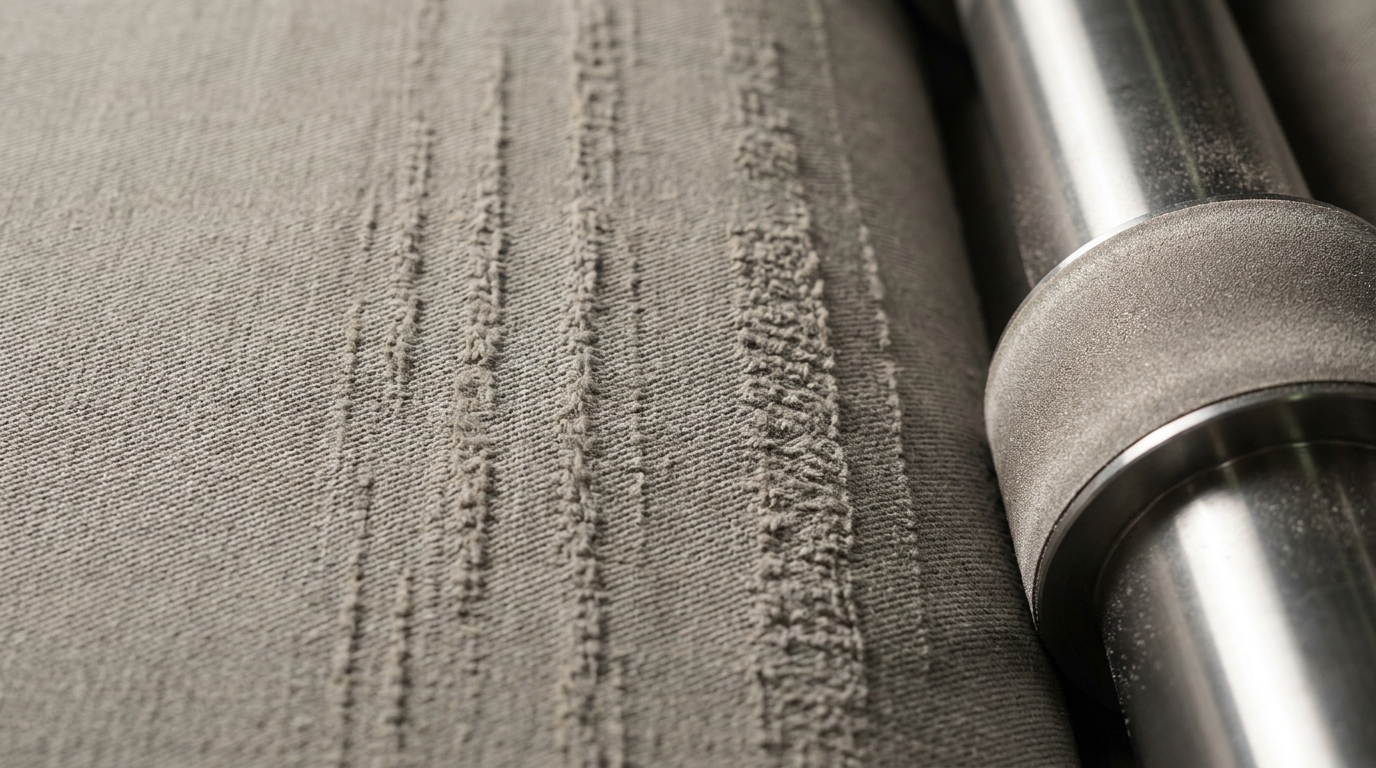
As we covered earlier, mastering machine parameters prevents many issues. However, mechanical wear still triggers surface defects. This section of our Sueding Machine Problems and Fixes: A Troubleshooting Guide covers frequent problems. We will show you how to resolve them quickly.
Sueding Machine Streaks Causes and Solutions
You might notice continuous or vertical lines running down your finished fabric. These streaks ruin the premium peach-skin look. What triggers these lines? Understanding causas das estrias na máquina de costura is your first step.
Usually, this defect comes down to abrasive wear or contamination. Worn-out emery paper creates uneven friction across the fabric. Accumulated fabric dust acts as a lubricant. It dulls the abrasive action and clogs the grit. Uneven pneumatic pressure across the roller can also force localized scratching.
You can fix these streaks by following a strict inspection routine:
- Inspect abrasive surfaces: Replace torn sandpaper immediately. If you use carbon brushes, check for broken bristles.
- Clean dust extraction systems: High-velocity suction must remove over 95% of micro-fibers. Use compressed air and high-power vacuums daily to clear clogged hoods.
- Recalibrate roller pressure: Perform a simple carbon paper test across the roller width. This verifies even contact pressure before you start a new production run.
Uneven Nap on Sueding Machine
Sometimes the peach-skin effect looks inconsistent. You might see patchy softness or side-to-center shading. Varying pile heights across the fabric width also occur. If the pile is too loose and uneven, you risk o tecido de camurça apresenta pilling após o uso.
An uneven nap on sueding machine setups usually points to alignment issues. Misaligned sueding rollers cause one side to press harder. Uneven fabric tension from the feeding unit pulls the fabric askew. Worn-out bearings cause roller deflection. This means the roller bends slightly in the middle. As noted earlier, even a 5-degree deviation in the contact angle creates visible shading.
You must mechanically balance the sueding rollers to fix this. Dynamic balancing keeps vibration near zero. This prevents chatter marks and uneven wear. Check your bearings and replace them if you detect any play. Next, adjust the fabric contact angle. Ensure it wraps evenly across the entire roller.
Finally, verify your fabric centering device functions perfectly. At SutexMach, our intelligent textile machinery features precision tension control systems. These built-in systems prevent feeding issues and maintain dimensional stability.
| Visual Defect | Primary Cause | Immediate Fix |
|---|---|---|
| Vertical Streaks | Clogged abrasives or lint buildup | Vacuum dust hoods and clean roller surfaces. |
| Side-to-Center Shading | Roller deflection or worn bearings | Replace bearings and run a carbon paper test. |
| Patchy Nap | Uneven fabric tension or misaligned feed | Recalibrate the fabric centering device. |
Mechanical and Operational Troubleshooting
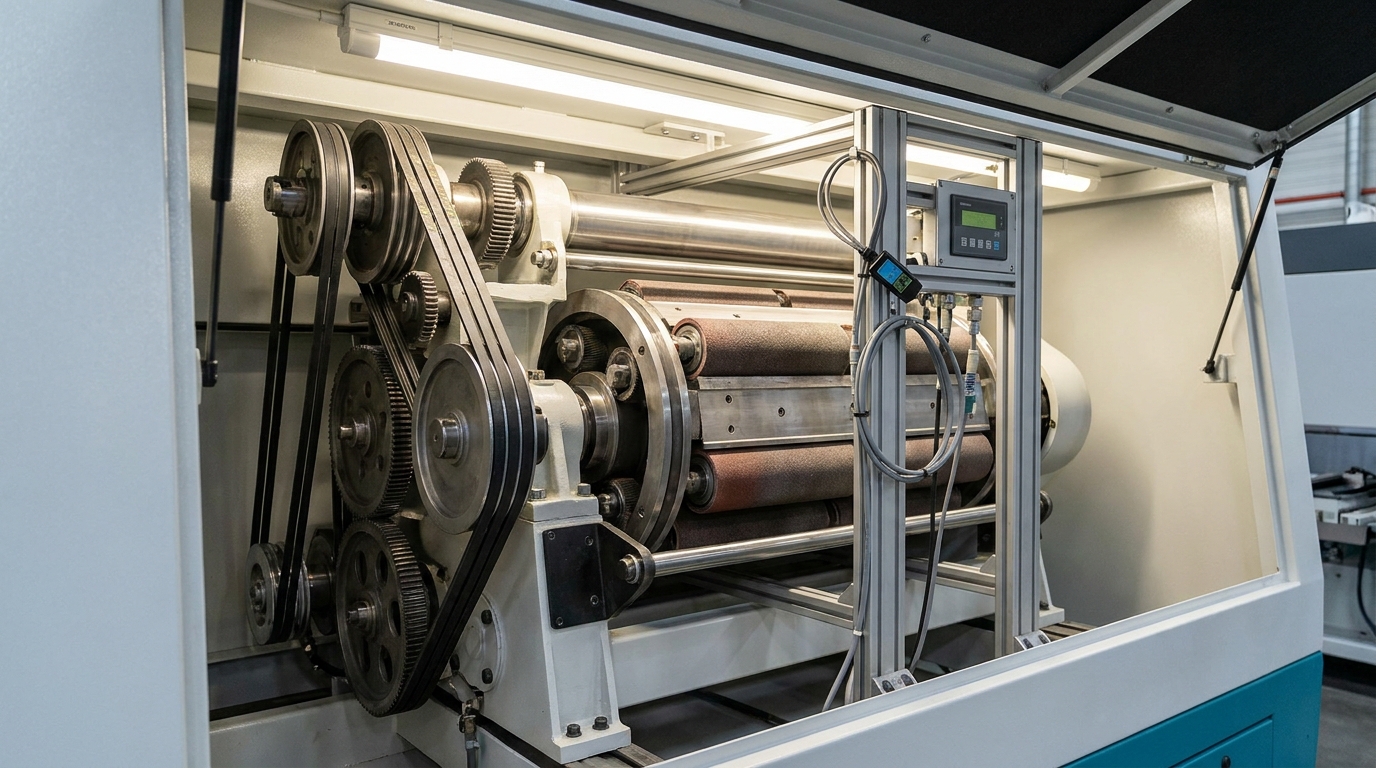
We just covered how roller alignment and abrasive wear cause surface defects. However, surface problems often stem from deeper mechanical failures. You must look inside the equipment to fix these root causes. This section of our Sueding Machine Problems and Fixes: A Troubleshooting Guide focuses on operational hardware.
Rotary Sueding Machine Troubleshooting
Rotary sueding machines use a complex planetary drum system. Multiple small abrasive rollers spin while a main drum rotates. You know you have a problem when you hear excessive noise. Abnormal vibrations shake the machine frame. Sometimes, you might notice irregular planetary roller rotation during operation. These symptoms mean your transmission system is failing.
Start your rotary sueding machine troubleshooting by inspecting the drive belts. Look for fraying, stretching, or missing teeth. Next, check the motor synchronization. Frequency inverters control the speed of both the main drum and individual rollers. If they fall out of sync, the rollers drag against the fabric. Finally, verify your bearing lubrication. Dry bearings overheat and seize quickly. This causes intense vibrations and ruins the peach-skin finish.
Fix these issues immediately to prevent catastrophic equipment damage. Replace worn transmission components like damaged pulleys or dry bearings. Tighten loose belts to restore proper tension. You must also realign the rotary drum to ensure smooth operation. At SutexMach, our intelligent textile machinery uses advanced synchronized frequency inverters. We have refined these systems over 30 years to keep dynamic vibration levels near zero.
Fabric Wrinkling and Creasing Issues
Fabric wrinkling ruins production runs instantly. The material folds over itself as it enters the sueding zone. The abrasive rollers then grind these folds into permanent, un-sueded crease marks. You cannot fix these deep creases later in the finishing process.
Several mechanical failures cause these frustrating wrinkles. Improper tension control usually takes the blame. As discussed earlier, delicate knitted fabrics require much lower tension settings than wovens. Malfunctioning expander rollers also let the fabric sag in the middle. Sometimes, an incorrect feeding angle pushes the fabric out of alignment before it touches the abrasive.
You must restore perfect flatness across the entire fabric width. First, adjust the tension load cells. Ensure they apply constant, even pull from edge to edge. Next, check your scroll rollers. Operators also call these expander rollers. Position them correctly to pull the fabric outward. Maintain proper width tension to keep the material completely flat.
| Mechanical Symptom | Likely Cause | Corrective Action |
|---|---|---|
| Abnormal Vibrations | Dry bearings or loose drive belts | Lubricate bearings and tighten transmission belts. |
| Irregular Roller Rotation | Inverter synchronization failure | Recalibrate frequency inverters and motor speeds. |
| Permanent Crease Marks | Improper tension or faulty expander rollers | Adjust load cells and realign scroll rollers. |
We just resolved mechanical faults that cause wrinkles inside the machine. But what happens after the fabric leaves the equipment? Sometimes, surface defects only appear later in the supply chain. This section of our Sueding Machine Problems and Fixes: A Troubleshooting Guide covers post-processing quality issues. We will show you how to protect the final garment.
Post-Processing Quality Issues
Sueded Fabric Pilling After Use
You successfully clear the fabric from the machine without a single wrinkle. It looks great on the inspection table. However, quality control or end-users later complain about fuzzballs. This sueded fabric pilling after use ruins garment longevity. It usually happens after a few washes or minimal wear.
What causes this delayed defect? It almost always points to over-sueding. You might be using a grit size that is too coarse for the specific fabric blend. For example, hitting a delicate cotton blend with P120 emery paper severely damages the base yarn structure. The fibers break completely instead of forming a soft micro-pile.
You can fix this by optimizing your roller RPM and penetration depth. You must balance softness with fiber integrity. Start with a finer grit and increase speed before dropping to a coarser abrasive. Post-sueding treatments also help immensely. Apply appropriate chemical softeners during the final finishing stages. These chemicals bind loose fibers together and prevent future pilling.
Loss of Fabric Tensile Strength
Another major post-processing issue is weakened material. The fabric tears easily or feels overly thin. It might even fail standard burst strength tests in the lab. When the fabric loses structural integrity, garment manufacturers will reject the entire roll.
This problem stems from excessive friction during the abrasion process. A roller speed that is too high generates intense heat. This heat and friction cut into the core of the yarn. An aggressive contact angle also forces the abrasive too deep into the fabric structure.
You must adjust the machine parameters immediately to stop this damage. First, reduce the wrap angle between the fabric and the sueding roller. As we covered earlier, even a tiny 5-degree adjustment makes a massive difference. Next, lower the overall fabric tension. Finally, select a finer grit abrasive suited for delicate fabrics.
At SutexMach, our intelligent textile machinery features precision control interfaces. These allow operators to fine-tune wrap angles and tension instantly. We have designed these systems over the last 30 years to protect fabric integrity. You keep the tensile strength while achieving that perfect peach-skin feel.
| Post-Processing Issue | Root Cause | Corrective Action |
|---|---|---|
| Pilling After Washing | Over-sueding or coarse grit damaging the base yarn. | Optimize RPM, use finer grit, and apply chemical softeners. |
| Fails Burst Strength Test | Aggressive contact angle or excessive roller speed. | Reduce the wrap angle and lower fabric tension. |
| Fabric Tears Easily | Abrasive cutting into the core yarn structure. | Switch to a less aggressive abrasive for delicate blends. |
Best Practices for Sueding Machine Maintenance
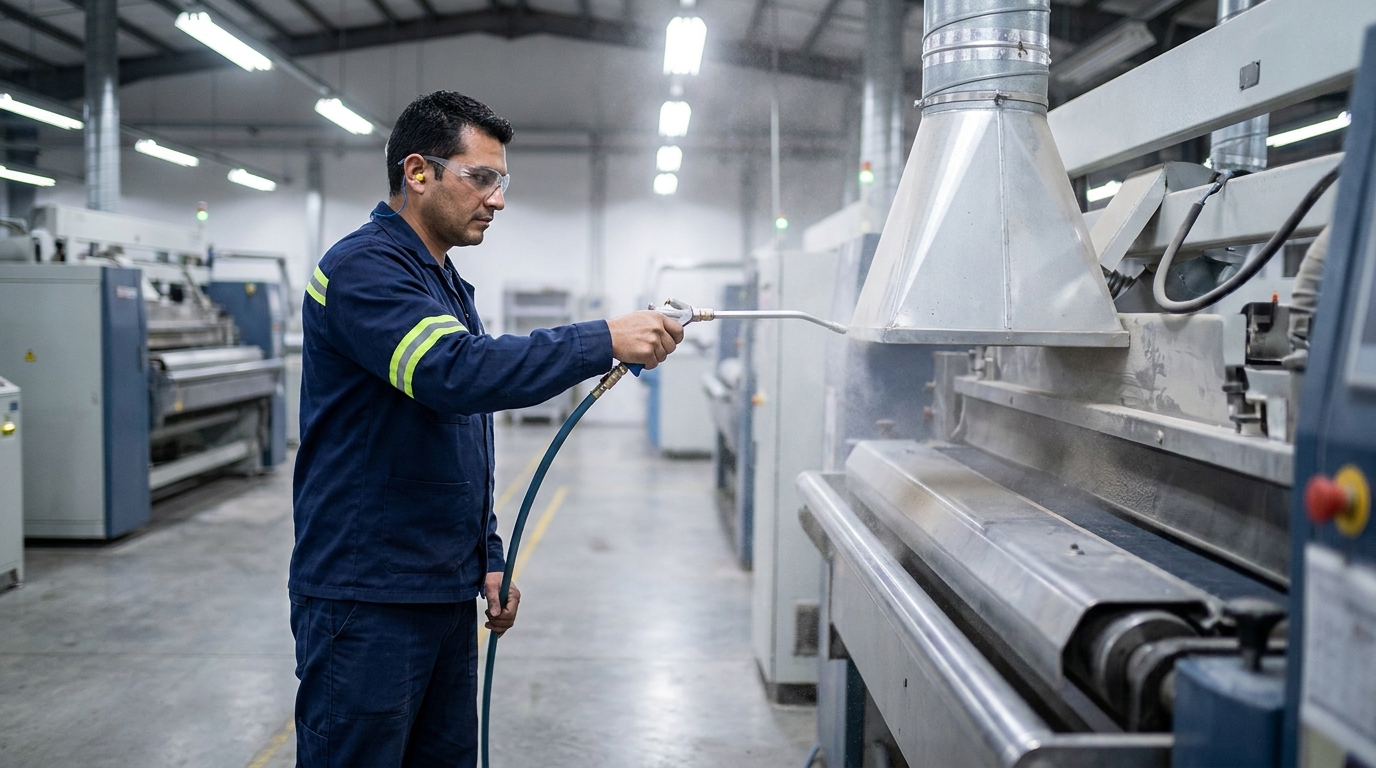
We just explored how excessive friction causes pilling and strength loss after the fabric leaves your facility. You can prevent these post-processing defects by keeping your equipment in top shape. The core of any reliable Sueding Machine Problems and Fixes: A Troubleshooting Guide is proactive care. Regular maintenance stops mechanical failures before they ruin a production run.
Your Daily Maintenance Checklist
Fabric dust is your biggest enemy. As we covered earlier, accumulated lint acts as a lubricant and dulls the abrasive rollers. You must clean the machine interior daily to maintain consistent friction.
Start by inspecting your exhaust and suction fans. High-velocity suction needs to remove over 95% of micro-fibers. Use compressed air to blow out any trapped lint. Next, check your basic tension settings. Ensure the load cells register correctly before feeding the first roll of the day. A quick visual check of the fabric path prevents sudden wrinkling issues.
- Blow out the machine interior using compressed air.
- Vacuum dust extraction hoods to clear micro-fiber clogs.
- Verify tension load cells read zero when empty.
Weekly and Monthly Action Items
Daily cleaning handles the surface dust. However, you need deeper inspections weekly and monthly to protect moving parts. Mechanical wear happens slowly. You might not notice it until a bearing seizes or a belt slips.
Lubricate all roller bearings every week. Dry bearings overheat and cause the abnormal vibrations we discussed earlier. Check the drive belt tension across the planetary drum system. Tighten any loose belts to keep the motor synchronization perfectly aligned.
Inspect the condition of your abrasive rollers monthly. Look for torn emery paper or missing bristles on carbon fiber brushes. Replace worn abrasives immediately. Running damaged rollers guarantees horizontal streaks and uneven shading on your finished fabric.
| Maintenance Task | Frequency | Prevents This Problem |
|---|---|---|
| Clean dust extraction hoods | Daily | Clogged abrasives and vertical streaks |
| Verify tension settings | Daily | Fabric wrinkling and permanent creases |
| Lubricate roller bearings | Weekly | Abnormal vibrations and chatter marks |
| Inspect abrasive condition | Monthly | Side-to-center shading and uneven nap |
The Impact of Intelligent Upgrades
Even the best maintenance routine cannot fix human error. Manual adjustments often lead to inconsistent tension or incorrect wrap angles. Upgrading to automated control systems removes this guesswork completely.
At SutexMach, we have manufactured intelligent textile machinery since 1985. We are proudly affiliated with Jiangsu SoHo Honry Import & Export Co., Ltd. Our automated systems monitor fabric tension and roller speeds in real time. If a parameter drifts, the machine corrects it instantly. This intelligent technology drastically reduces common sueding machine problems. You rely less on manual calibration and get consistent peach-skin finishes every time.
Why OEM Spare Parts Matter
You might feel tempted to buy cheap aftermarket parts to save money. This choice always backfires. Generic abrasives wear out unevenly. Cheap bearings fail under high-speed rotation. You end up spending more time on repairs than production.
Always utilize OEM spare parts for your equipment. Original parts guarantee longevity and consistent finishing performance. They fit perfectly and match the exact specifications of your machine. This rule applies across your entire finishing floor. Whether you run sueding, calendering, drying, or stenter machines, OEM parts keep your operation profitable. They protect your initial investment and ensure your fabric quality never drops.
Conclusão
Mastering sueding machine fixes ensures high fabric quality. It heavily reduces waste and minimizes machine downtime. Pair skilled operators with proactive maintenance routines. This guarantees a consistent peach-skin finish every time. Trust SutexMach for your intelligent textile machinery needs. We offer 30 years of global industry expertise.
- Schedule a proactive machine maintenance check today.
- Train operators on optimal fabric tension settings.
- Contact SutexMach for intelligent sueding and dewatering systems.
Frequently Asked Questions About Sueding Machine Problems and Fixes
Why does the fabric have vertical streaks after sueding?
Vertical streaks often happen when abrasive rollers get clogged. Accumulated dust and lint act like a slippery lubricant. This reduces the friction needed for a smooth finish. Damaged rollers can also cause these ugly vertical lines. You must use high-velocity suction to remove micro-fibers. Daily cleaning with compressed air stops this annoying problem.
How can I prevent holes in lightweight knitted fabrics?
Knitted fabrics require much lower tension settings than woven materials. High tension causes the fabric edges to curl and tear. You must adjust your tension rollers carefully before starting. Using a finer grit like P600 helps protect delicate fibers. Always ensure your dynamic roller balance stays near zero. This prevents vibrations that punch holes in thin materials. SutexMach machines offer precise tension control for delicate knits.
Why does the peachskin effect vary across the fabric roll?
Inconsistent textures usually stem from incorrect roller speeds or tension. The wrap angle around the sueding roller is highly critical. Even a tiny five-degree deviation causes visible texture differences. You should verify even pressure distribution before every production run. Try doing a carbon paper test across the roller width. Consistent fabric throughput speeds of 10 to 40 meters help.
When should I replace the sandpaper on sueding rollers?
Sandpaper is very cost-effective but wears out during long runs. You should replace it when the friction drops noticeably. A worn abrasive will not create a good peachskin finish. Carbon fiber brushes offer a much longer life than sandpaper. They also provide a softer and more pleasant mossy hand-feel. Switch to permanent ceramic or diamond rollers for heavy production.
Why does the fabric show shading issues in the center?
Side-to-center shading happens when the roller pressure is not even. The center of the roller might be bowing under pressure. This creates a darker look in the middle of fabrics. Proper roller alignment and dynamic balancing are critical for success. Checking your machine calibration regularly prevents these uneven shading defects. With over 30 years of experience, SutexMach ensures perfect alignment.
- Inspect your dust extraction hoods daily to maintain high suction.
- Calibrate the tension rollers before processing any lightweight knitted fabrics.
- Test the roller pressure distribution using a simple carbon paper.
- Upgrade to carbon fiber brushes for a longer lasting abrasive.
Proper maintenance of your sueding machine guarantees a flawless finish. You must balance the rollers and control fabric tension carefully. Removing dust prevents streaks and protects delicate textile fibers. SutexMach provides intelligent textile machinery for global fabric mills. These advanced machines deliver consistent peachskin textures on every run. Follow these troubleshooting tips to improve your daily fabric production.