

 Portuguese
 English
 Hungarian
 Indonesian
 Bulgarian
 Turkish
 Polish
 Russian
 Spanish
 Korean
 French


Understanding the Textile Sizing Machine Price Range
Textile mills face a wide spectrum of costs when upgrading their sizing departments. The textile sizing machine price range varies drastically across the market. You will see a massive difference between entry-level manual setups and fully automated industrial lines. Simple machines often suit smaller operations running basic cotton yarns. Conversely, high-speed slasher sizing machines command premium prices due to their advanced capabilities.
SutexMach knows these systems are rarely bought off-the-shelf. Manufacturers engineer sizing machines to match specific mill requirements. The final price fluctuates based on your unique production goals and target materials. Processing delicate synthetic filaments requires highly precise tension controls. Heavy denim warps need robust squeezing rollers and extra drying capacity. Each custom modification adjusts the baseline cost.
Standard vs. Custom Configurations
Your specific production needs dictate the machine’s final design. Here is how requirements shift from basic to advanced setups.
| Machine Component | Basic Configuration | Advanced Configuration |
|---|---|---|
| Size Box | Single size box | Double size box |
| Controlo da tensão | Manual or semi-automatic | Fully automated PLC systems |
| Drying Section | Fewer standard steel cylinders | Multiple Teflon-coated cylinders |
| Velocidade de produção | Low to medium speed | High-speed continuous operation |
Buyers must clearly define their yarn types before requesting quotes. Over-specifying a machine wastes valuable capital upfront. Under-specifying leads to bottlenecked production and poor warp quality later.
Factor 1: Machine Type and Architecture
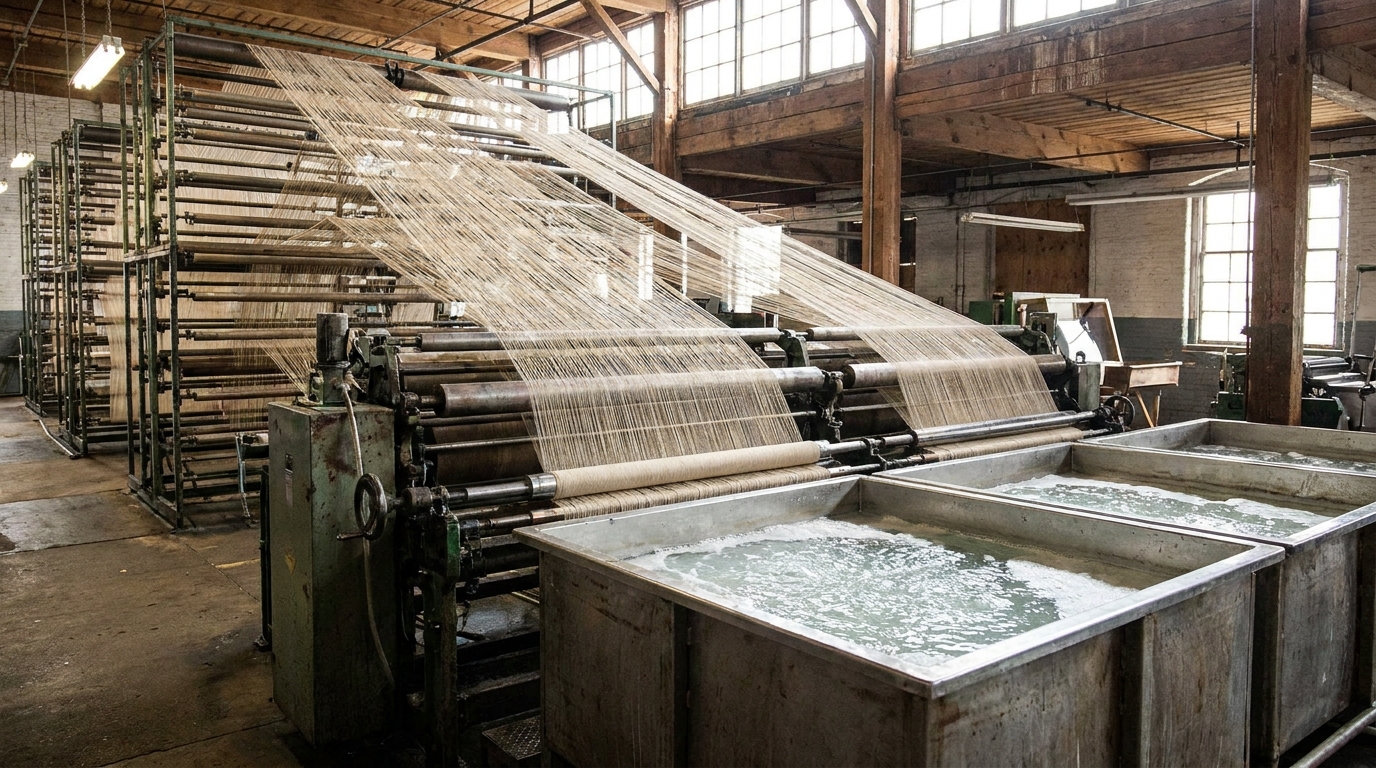
The fundamental architecture of your equipment sets the baseline cost. Textile mills must choose between slasher, sectional, and single-end sizing methods. Each machine type serves a distinct production scale. The slasher sizing machine cost typically represents a larger initial investment. These complex systems process thousands of warp yarns simultaneously.
Slasher machines are engineered for high-volume, continuous warp preparation. They feature massive creels, heavy-duty size boxes, and extensive drying sections. This massive scale requires more raw materials and heavier structural steel frames, making their price point significantly higher than a compact sectional sizing machine.
Sectional units handle shorter production runs and smaller batches. They require less floor space and fewer drying cylinders. This reduced footprint keeps their initial purchase price much lower. However, they cannot match the daily output of a dedicated slasher line.
Integration With Preparation Workflows
Your chosen sizing architecture must seamlessly integrate with existing preparation steps. A high-speed slasher requires perfectly wound beams to operate efficiently. If your current warping capacity cannot feed the sizing machine, the investment stalls. Upgrading to a continuous slasher often forces mills to re-evaluate their entire warp preparation workflow.
SutexMach designs intelligent textile machinery to prevent these production bottlenecks by ensuring the sizing architecture matches your upstream output. Proper alignment between warping and sizing maximizes loom efficiency, whereas buying a mismatched machine type leads to idle equipment and wasted capital.
Factor 2: Working Width and Production Speed
The physical dimensions of the equipment heavily influence the final sizing machine price. Textile mills producing wide-width fabrics require machines with extended working widths. A wider machine demands larger drying cylinders and heavier squeeze rollers. These oversized components require more raw steel and specialized manufacturing processes.
Additionally, the structural frame must be heavily reinforced. A wider span increases the risk of vibration and roller deflection. Preventing these mechanical issues requires thicker steel supports and robust bearings. This added material and precise engineering directly increase the initial purchase cost.
The Cost of High-Speed Capabilities
Production speed is another critical factor driving the equipment cost. Running a machine at high velocities requires sophisticated drive systems. As operational speed increases, the challenge of maintaining precise yarn tension multiplies.
Standard units often use conventional motors suitable for moderate speeds. Conversely, high-speed models rely on advanced servo motors and synchronized programmable logic controllers. These premium electrical components react instantly to sudden tension fluctuations, ensuring smooth operation at high speeds but adding significant expense.
Aligning Specifications With Weaving Demands
Mill owners must carefully evaluate their actual weaving demands before buying. SutexMach advises buyers to strictly match equipment capacity to loom output. Buying a high-speed, extra-wide machine for a mid-capacity weaving shed wastes valuable capital on unused potential.
Consider these practical steps when determining your machine specifications:
- Calculate your maximum daily warp yarn consumption.
- Identify the widest beam required by your current looms.
- Factor in a modest growth margin without overextending the budget.
By properly aligning these parameters, you avoid paying for unnecessary capabilities. This targeted approach keeps your investment efficient and protects your operational budget.
Factor 3: Degree of Automation and Intelligent Controls
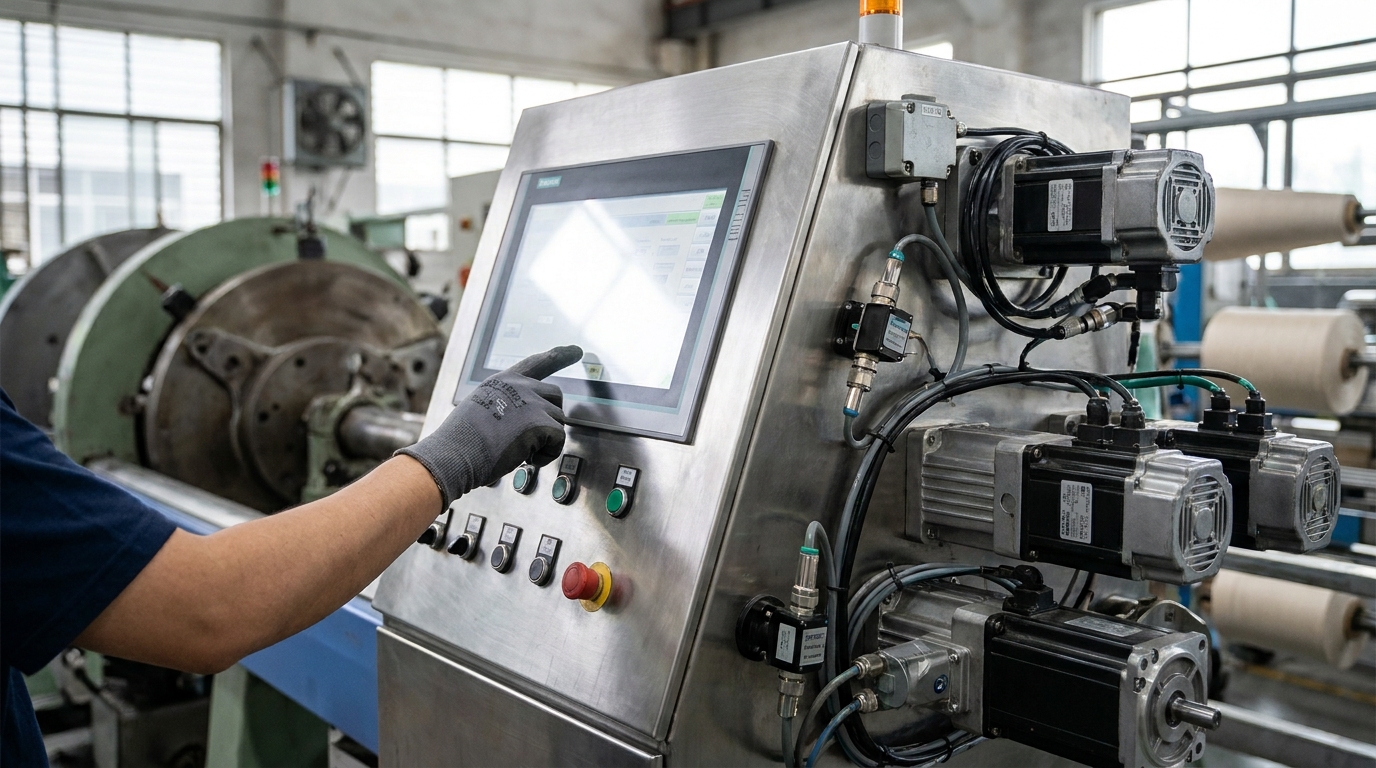
Modern textile mills increasingly rely on smart technology. Basic sizing machines use manual valves and simple mechanical gauges, keeping the initial purchase cost low. However, upgrading to intelligent textile machinery changes the pricing structure. Advanced programmable logic controllers (PLCs), digital touchscreens, sophisticated sensors, and rapid-response servo systems directly increase the upfront equipment cost.
While automation raises the initial price, it solves major production challenges. Manual sizing relies heavily on operator skill and constant supervision. Human error often leads to uneven size pickup or broken warp yarns. Automated systems eliminate this unpredictability. They continuously monitor and adjust critical parameters without human intervention. This precision minimizes costly yarn waste and reduces the need for large operating crews.
Balancing Upfront Costs with Production Consistency
SutexMach specializes in intelligent systems that provide a strong return on investment through precise moisture and stretch monitoring. These sensors instantly detect variations in the warp sheet, allowing the machine to automatically adjust squeeze roller pressure or drying temperatures. This level of control ensures every yarn batch receives a highly consistent size coating.
When evaluating different sizing machine price factors, buyers must weigh these technology upgrades carefully. A fully automated system demands a higher initial investment. However, high-volume mills often require these features to maintain strict quality standards across multiple shifts.
Consider these automation features when reviewing machine specifications:
- Automated size preparation and dosing systems.
- Real-time moisture control in the drying section.
- Digital tension synchronization between the creel and headstock.
- Touchscreen interfaces with recipe memory for quick batch changes.
Factor 4: Energy Efficiency and Drying Cylinder Technology
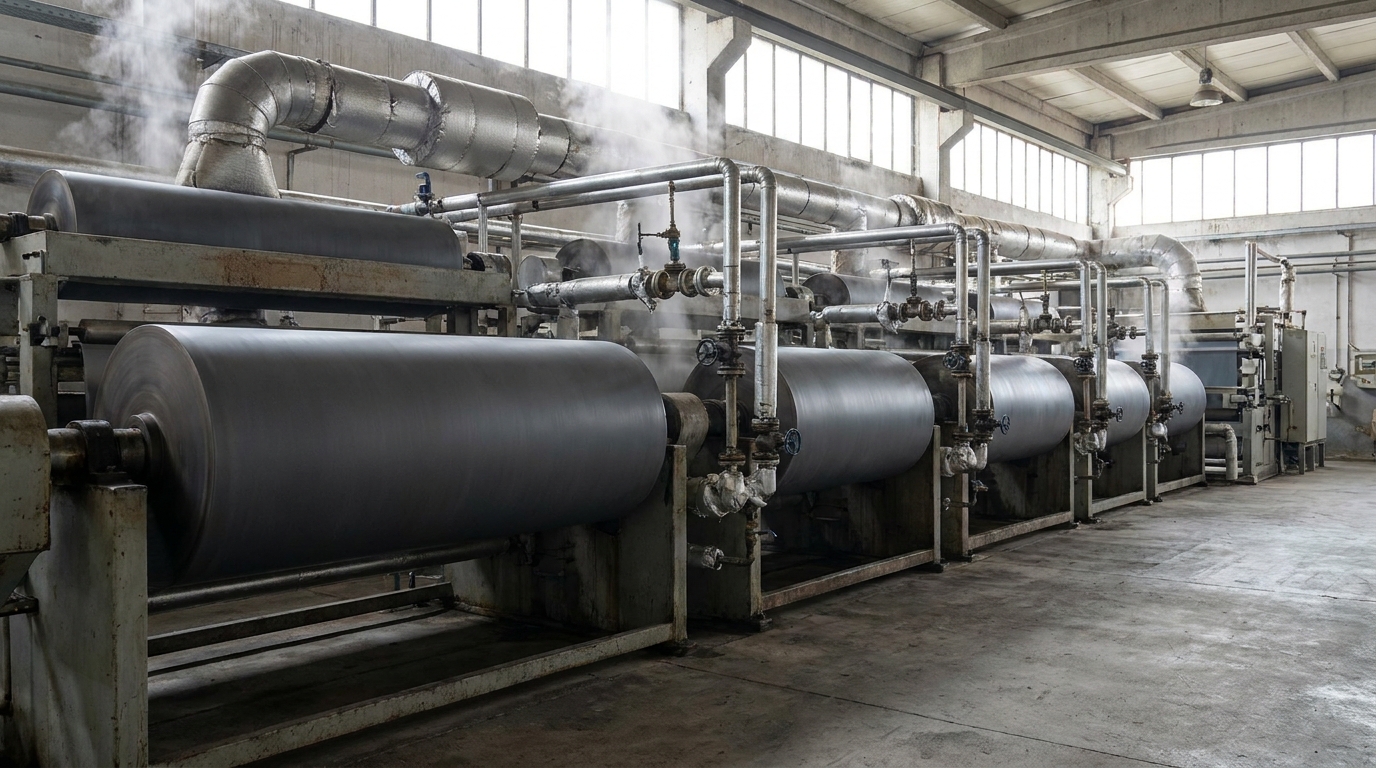
The drying section is the most energy-intensive part of the sizing process. Wet warp yarns must be dried quickly and evenly before winding. This continuous thermal process demands massive amounts of steam and electrical power. Consequently, the technology used here heavily influences the sizing machine price.
Modern equipment utilizes advanced heating components to reduce daily energy consumption. These specialized parts require higher initial investments but improve overall performance. SutexMach leverages extensive experience in textile drying machinery to optimize these thermal systems.
Premium Drying Features
Machines equipped with premium drying technology carry a higher price tag. This extra cost stems from complex manufacturing and high-grade materials. Key thermal upgrades include:
- Teflon-coated cylinders: These non-stick surfaces prevent wet size from adhering to the metal. They protect yarn quality and reduce cleaning downtime.
- Heat recovery systems: These units capture hot exhaust air and recycle it. Building this closed-loop system requires extra heat exchangers and specialized piping.
- Advanced steam controls: Digital proportional valves regulate steam flow with extreme precision. They eliminate temperature spikes and prevent energy waste.
The Risk of Cheap Heating Systems
Buyers are often tempted to cut costs in the drying section. Basic machines use standard steel cylinders and manual steam traps. While these older designs lower the initial purchase price, they suffer from poor thermal insulation.
Standard cylinders lose heat rapidly to the surrounding environment. Without heat recovery, expensive thermal energy simply vents out of the factory. We strongly caution buyers against this approach. Opting for cheaper, less efficient heating systems will lead to drastically higher utility bills over the machine’s lifespan. Investing in advanced drying technology keeps your daily energy consumption strictly controlled.
Factor 5: Component Quality and Material Durability
The physical construction of the equipment directly dictates its lifespan. The sizing process exposes machinery to extreme moisture and harsh chemical mixtures. Because of this environment, material selection heavily impacts the initial sizing machine price.
Standard steel parts degrade quickly in a wet sizing environment. To prevent rust, manufacturers must use high-grade, corrosion-resistant stainless steel. This premium metal is strictly required for size boxes and guide rollers. While stainless steel significantly raises manufacturing costs, it prevents rust contamination that ruins yarn batches.
Internal Drive and Control Components
Beyond the metal frame, internal parts drive the final cost up or down. High-quality machines utilize internationally recognized brands for their core mechanical and electrical parts. Sourcing premium motors, pneumatic cylinders, and electronic inverters requires a larger upfront investment.
These premium parts communicate seamlessly with the automation systems discussed earlier. They provide the exact mechanical force needed for consistent yarn tension. Cheaper, unbranded components lack this precision and wear out much faster under continuous heavy loads.
The Hidden Risks of Cheap Materials
Buyers often make a critical error when comparing initial equipment quotes. They sacrifice component quality to secure a cheaper machine. This short-term saving usually causes severe operational problems on the factory floor.
SutexMach prioritizes durable materials because weak guide rollers and unreliable motors vibrate during production. This vibration leads to frequent yarn breakage and unexpected machine stops. When a sizing machine stops mid-batch, the size mixture hardens on the warp sheet, creating massive material waste. Ultimately, cheap components lead to excessive downtime and expensive emergency repairs.
Factor 6: Manufacturer Location and Expertise
The physical location of the factory plays a major role in determining the final sizing machine price. Different global regions have vastly different labor rates and industrial infrastructures. Manufacturing hubs with dense supply chains can source raw materials and electrical components much faster.
This local efficiency significantly reduces overall production costs. It allows the builder to offer a competitive price without sacrificing the durable materials discussed earlier. Factories isolated from these industrial hubs often pass higher freight and sourcing costs directly to the buyer.
The Value of Manufacturing Experience
Beyond geography, a company’s manufacturing history heavily influences equipment value. Established builders invest continuously in research and development. They refine their mechanical designs over decades to eliminate structural flaws and improve reliability.
Founded in 1985 and affiliated with Jiangsu SoHo Honry Import & Export Co., Ltd., SutexMach applies decades of experience to every machine build. As a professional manufacturer of intelligent textile machinery, we understand the harsh realities of wet sizing environments. Newer factories might offer cheaper initial quotes, but they often lack the deep engineering background needed to guarantee long-term machine stability.
Direct Purchasing vs. Third-Party Distributors
How you procure the equipment also changes the final cost. Purchasing directly from the manufacturer removes expensive middleman markups. Third-party distributors and trading companies often add substantial fees to the baseline equipment price.
Buying direct provides better financial value and opens up flexible customization options. You can communicate straight with the factory engineers. This allows you to easily adjust working widths or upgrade thermal systems. Direct collaboration ensures you only pay for the specific production features your textile mill actually needs.
Factor 7: Logistics, Installation, and Import Duties
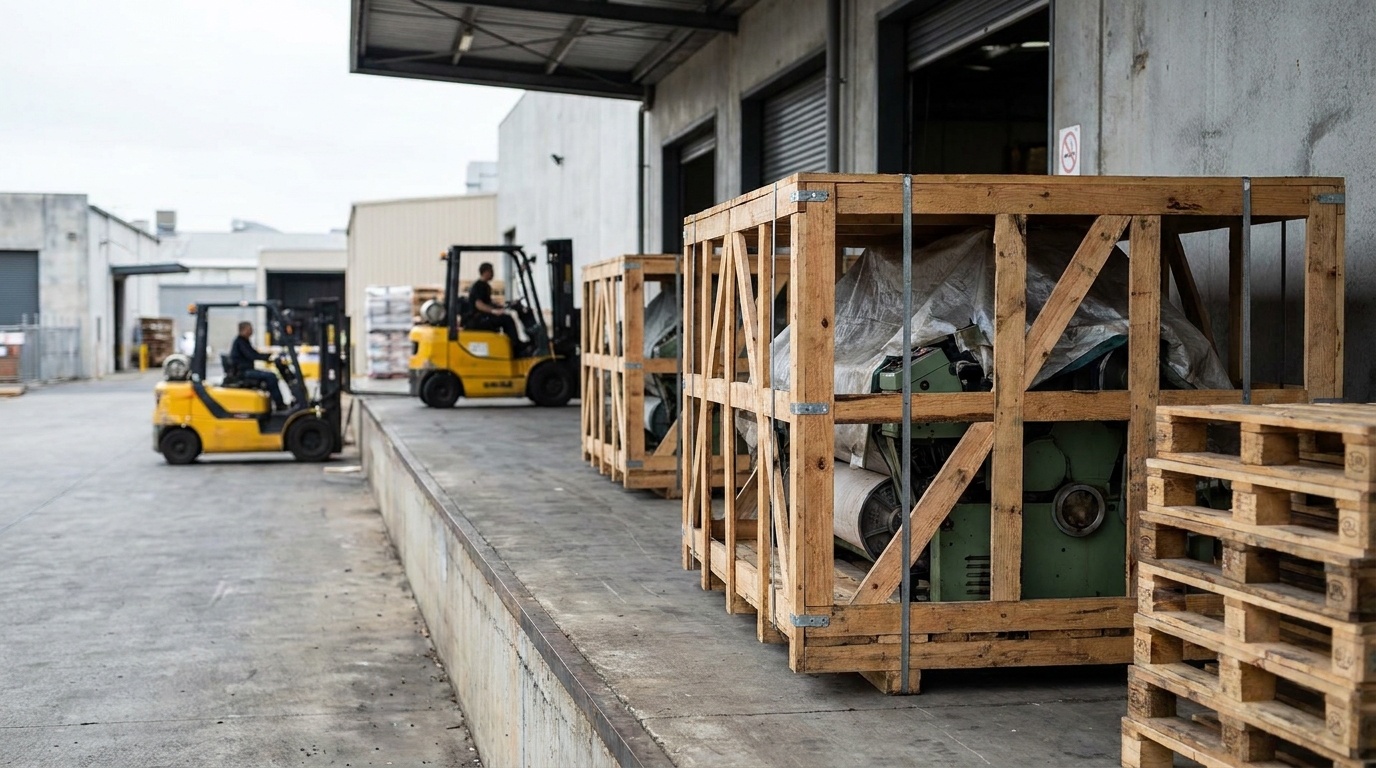
The factory quote is rarely the final amount you pay. Moving massive textile equipment across the globe requires careful logistical planning. A complete sizing machine price must include heavy-duty export crating. These wooden crates protect sensitive electronics and stainless steel rollers from salt air. Ocean freight charges fluctuate based on container availability and shipping routes. You must also purchase comprehensive marine insurance. This policy protects your capital investment if containers shift or sustain damage at sea.
Customs Clearances and Import Taxes
Once the equipment reaches your local port, new expenses arise. Import duties vary dramatically depending on your country’s trade agreements. Textile machinery often falls under specific industrial tariff codes. You must calculate these percentages early to avoid budget shortages. Value-added tax and local port handling fees also add to the final amount. Delays in customs clearance can trigger expensive daily storage fees at the port. Proper documentation helps you navigate the importing process smoothly.
On-Site Commissioning and Operator Training
Physical delivery does not mean the machine is ready for production. Professional installation is mandatory for complex wet sizing equipment. As a manufacturer of intelligent textile machinery, SutexMach dispatches specialized engineers directly to your mill. Buyers are typically responsible for travel, accommodation, and daily service fees.
These technicians assemble the heavy frames and calibrate the intelligent control systems discussed earlier. They also train your local operators on safe machine handling and daily maintenance routines. Skipping this professional commissioning risks severe operational errors and often voids equipment warranties.
New vs. Used Sizing Machine Price: Making the Right Choice
Textile mills often look at a used sizing machine price to reduce initial capital expenses. Second-hand equipment appears highly attractive on paper. However, buyers must weigh this immediate discount against long-term operational reliability. Brand-new models come with comprehensive manufacturer warranties and guaranteed performance metrics. They also feature the modern energy-efficient drying cylinders discussed earlier.
Hidden Risks of Second-Hand Equipment
Purchasing used machinery introduces several severe production risks. Older machines frequently rely on obsolete electronic components and outdated software. If a legacy circuit board fails, finding compatible replacement parts becomes nearly impossible. You also inherit invisible mechanical wear on heavy-duty components.
Stainless steel rollers might suffer from microscopic surface damage that ruins yarn quality. Furthermore, used equipment rarely includes dedicated after-sales support or installation assistance. Without factory technicians to troubleshoot unexpected breakdowns, your entire weaving department could face massive delays.
Matching the Machine to Your Production Needs
The choice between new and used depends entirely on your specific manufacturing goals. Small pilot plants or low-volume regional weaving operations might tolerate older, slower equipment. These facilities do not usually require maximum daily output or perfect efficiency.
Conversely, competitive global fabric mills face strict production deadlines. High-speed manufacturing requires the unmatched stability of brand-new, intelligent textile machinery. SutexMach supports global fabric mills by designing modern equipment built for continuous, heavy-duty operation. Investing in a new machine ensures consistent yarn quality and prevents catastrophic production halts.
| Caraterística | New Sizing Machine | Used Sizing Machine |
|---|---|---|
| Initial Purchase Cost | Higher upfront capital investment | Lower immediate purchase cost |
| Component Reliability | Factory-tested with zero wear | Unknown mechanical and electrical fatigue |
| Technology Level | Modern intelligent controls and automation | Often relies on obsolete electronic parts |
| Apoio pós-venda | Full warranty and factory commissioning | Rarely includes warranties or technical help |
Frequently Asked Questions About Textile Sizing Machine Prices
Why shouldn’t I just buy the cheapest sizing machine available?
Buying the cheapest machine often leads to severe operational problems. Low-cost equipment usually relies on standard steel parts that rust quickly in wet sizing environments. Cheaper models also use unbranded motors and weak guide rollers that vibrate during production. This vibration causes frequent yarn breakage and unexpected machine stops, ruining expensive materials. Investing in quality components prevents excessive downtime and costly emergency repairs.
How do I determine the right machine specifications for my textile mill?
To avoid overspending or bottlenecking your production, you must match your machine’s capacity directly to your weaving output. Start by calculating your maximum daily warp yarn consumption. Next, identify the widest beam required by your current looms. Finally, factor in a modest growth margin. This targeted approach ensures you only pay for the capabilities you actually need to keep your investment efficient.
How does the drying section affect long-term operational costs?
The drying section is the most energy-intensive part of the sizing process. Basic machines use standard steel cylinders without proper insulation or heat recovery, causing expensive thermal energy to escape into the factory. This leads to drastically higher utility bills over time. Investing in premium technology, like Teflon-coated cylinders and heat recovery systems, requires a higher initial price but keeps your daily energy consumption strictly controlled.
What hidden fees should I budget for beyond the factory quote?
The initial factory quote rarely covers the total cost of getting the machine running. You must budget for heavy-duty export crating, ocean freight, and marine insurance. Once the equipment arrives, you will face import duties, taxes, and port handling fees. Finally, you must pay for on-site commissioning. Professional manufacturers like SutexMach dispatch specialized engineers to assemble the frames, calibrate controls, and train your operators. Buyers typically cover their travel and daily service fees.
What are the risks of buying used sizing equipment?
While second-hand machines offer a lower immediate purchase cost, they carry significant production risks. Older machines often rely on outdated software and obsolete electronic parts that are nearly impossible to replace if they fail. You also inherit invisible mechanical wear, such as microscopic surface damage on stainless steel rollers, which can ruin yarn quality. Furthermore, used equipment rarely includes factory warranties or professional installation support.
Conclusão
Understanding the seven factors behind sizing machine prices helps you make a smart investment. Balancing your upfront costs with long-term energy savings and machine durability is key to a successful purchase.
- Define your required working width and production speed.
- Calculate long-term energy and maintenance expenses.
- Contact SutexMach for a customized equipment quotation.