

 Portuguese
 English
 Hungarian
 Indonesian
 Bulgarian
 Turkish
 Polish
 Russian
 Spanish
 Korean
 French


As modernas fábricas têxteis exigem equipamentos altamente automatizados e energeticamente eficientes. A China lidera o mundo na fabricação dessas máquinas industriais. No entanto, importar equipamentos pesados envolve logística complexa e custos ocultos. Nesta publicação, você aprenderá como adquirir, transportar e instalar com segurança máquinas têxteis.
Why Choose China for Your Textile Equipment Needs in 2026?
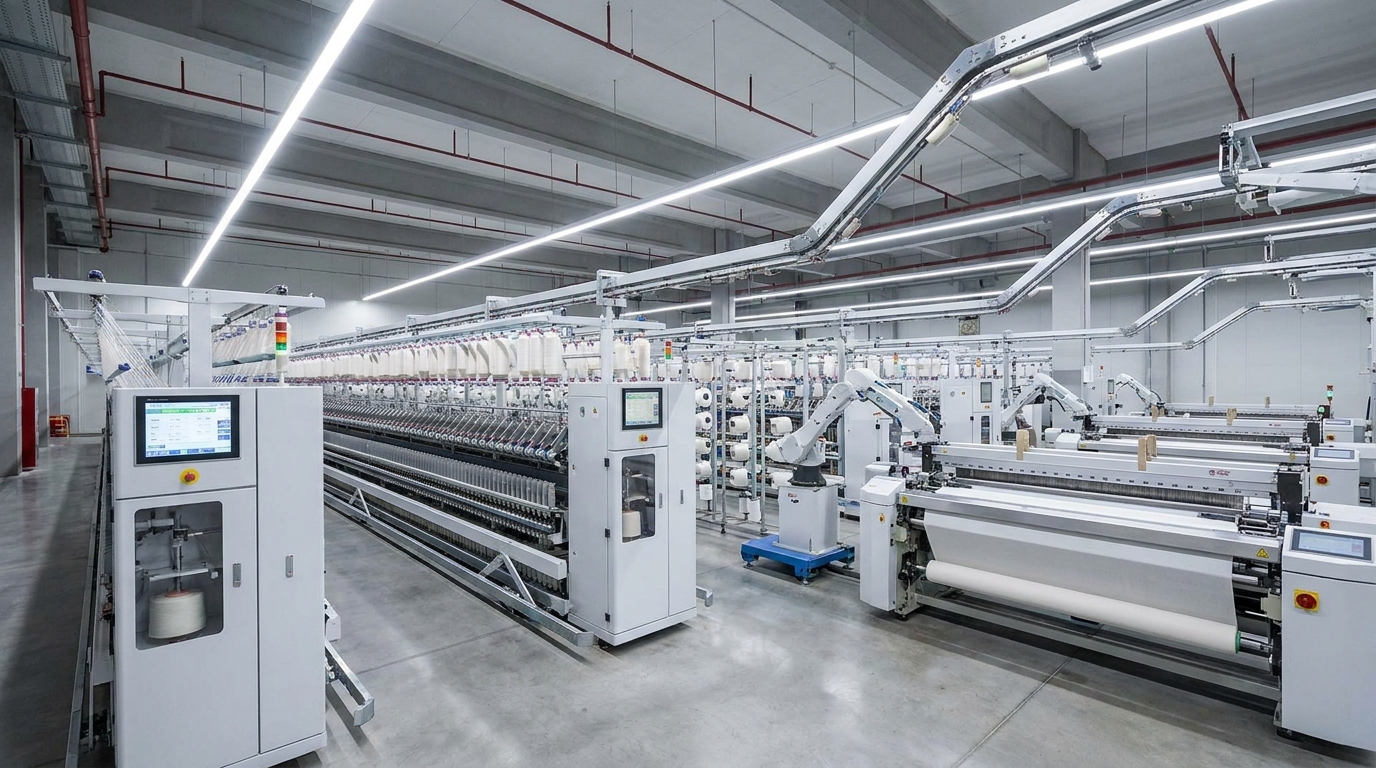
You already know China dominates global manufacturing. You also know importing heavy equipment involves complex logistics. Why should you still look to Chinese suppliers for your textile mill this year?
The answer goes far beyond basic cost savings. The industry has shifted significantly in recent years. Today, Chinese factories deliver cutting-edge technology. They build intelligent machines matching strict European standards.
Technological Advancements and Stability
Chinese manufacturers now produce highly automated intelligent textile machinery. You get stable performance without the massive price tag. We have seen this evolution firsthand at SutexMach. Founded in 1985, we bring over 30 years of experience to your projects.
We manufacture advanced equipment like sueding, calendering, stenter, and warp knitting machines. These units feature high automation. They reduce your reliance on manual labor. They ensure consistent fabric quality across long production runs.
Meeting Global Eco-Standards
Modern textile mills face strict environmental regulations. Older machines consume too much power and water. Chinese engineers redesigned modern equipment to solve this exact problem.
Our dyeing, drying, and dewatering machines prioritize energy efficiency. They are environmentally friendly. They help your mill meet global eco-standards while lowering your monthly utility bills.
Unbeatable Cost-Effectiveness
European and Japanese brands make great machines. However, their brand-new models require huge capital investments. Some buyers consider refurbished European models to save money initially.
Buying brand-new Chinese equipment offers a much better return on investment. You get modern features, reliable warranties, and readily available spare parts. You avoid the hidden wear-and-tear issues of used machinery.
Complete Supply Chain Capabilities
China offers a massive, integrated supply chain. You can source a single machine or build an entire factory. You never have to piece together equipment from dozens of different countries.
We provide complete one-stop solutions for textile mills. Our team handles machine selection, customization, and installation. We also provide dedicated after-sales service. This comprehensive approach helps you build complete production lines quickly.
Working with an experienced partner simplifies the import process. It makes handling desembaraço aduaneiro para máquinas têxteis much smoother. You get your equipment running faster and avoid port delays.
Comparing Your Options
Here is a quick look at how modern Chinese machinery stacks up against the alternatives.
| Caraterística | New Chinese Machinery (e.g., SutexMach) | Refurbished European/Japanese Models |
|---|---|---|
| Nível de automatização | High (Intelligent controls, modern interfaces) | Medium (Older technology) |
| Eficiência energética | High (Designed for current eco-standards) | Low to Medium |
| Initial Investment | Highly competitive | Moderate (carries maintenance risks) |
| Apoio pós-venda | Comprehensive (Installation, training, parts) | Limited (Parts often obsolete) |
Step 1: Finding and Verifying Reliable Textile Machinery Manufacturers
As we covered earlier, buying new Chinese equipment beats risking capital on outdated refurbished models. But how do you find the right factory? When learning how to import textile machinery from China in 2026, finding a reliable supplier is your first major hurdle.
Spotting Direct Manufacturers vs. Trading Companies
You will find thousands of suppliers on platforms like Alibaba. Many are simply trading companies acting as middlemen. They add hidden markups to your final invoice. They often lack deep technical knowledge about the complex machines they sell.
Direct manufacturers actually build the equipment. They control the entire quality process. They provide accurate technical support. They also offer reliable after-sales service. You always want to partner directly with a true manufacturer.
Essential Verification Steps
How do you separate a high-end manufacturer from a low-quality assembly workshop? You must verify their credentials before sending any money. A legitimate factory will happily share their official documentation.
Follow this quick verification checklist:
- ISO Certifications: Ask for their ISO 9001 certificates to ensure strict quality management.
- Export Licenses: Verify they have legal permission to ship heavy machinery globally.
- Factory History: Check their exact establishment date. Older companies offer much more stability.
- Client Testimonials: Request references from previous international buyers.
Financial security is also crucial during this phase. A reputable manufacturer will accept secure banking terms. Many buyers prefer using an Pagamento LC para importação de maquinaria to protect large deposits.
The Importance of Industry Experience
Experience matters immensely in this industry. New workshops often struggle to provide long-term support. They might disappear when you need critical spare parts later.
You need an established partner. SutexMach has operated since 1985. We are affiliated to Jiangsu SoHo Honry Import & Export Co., Ltd. We bring over 30 years of manufacturing experience to your project.
We specialize in intelligent textile machinery. Our equipment includes sueding, calendering, drying, stenter, dyeing, warp knitting, dewatering, and air-softening machines. This deep expertise guarantees stable performance. We provide complete one-stop solutions. We handle everything from machine customization to final installation.
Requesting Proof of Capability
Never base your decision on photos alone. You need hard proof of the machine’s capabilities. Ask the supplier for real-time machine demonstration videos. Watch the equipment run under normal factory conditions.
You should also request a live factory tour. Schedule a video call during their normal working hours. Ask them to show you the active assembly line. Look closely at their machining centers and testing areas.
Finally, demand detailed technical specifications. You must match the machine gauge, cylinder diameter, and number of feeders to your specific fabric needs. A professional manufacturer will help you choose the exact right configuration.
Step 2: Selecting the Right Equipment for Your Production Line
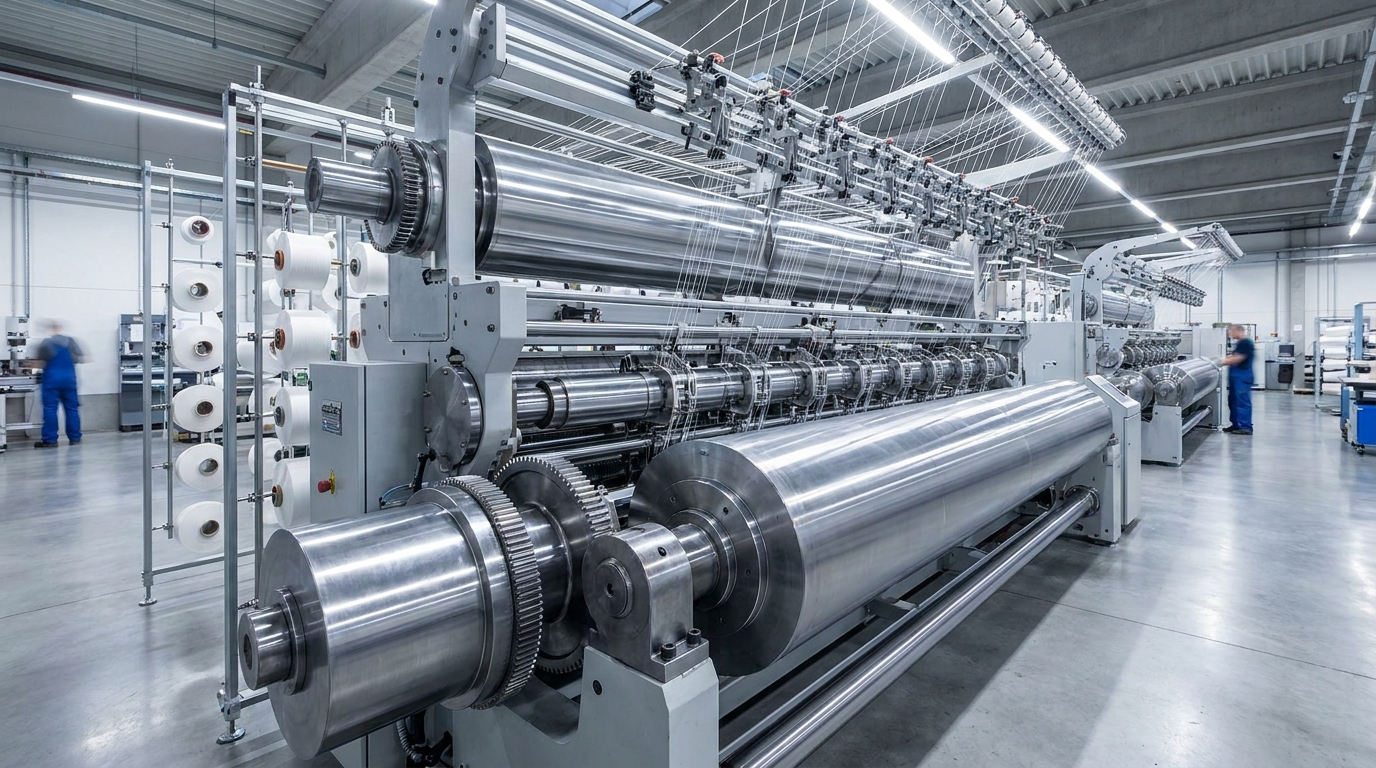
As we covered earlier, demanding detailed technical specifications from your verified supplier is crucial. Once you confirm they can produce the right gauge and cylinder diameter, you must evaluate your own factory floor.
Assessing Capacity, Fabric, and Layout
You cannot buy a machine just because it looks advanced. You must assess your specific production capacity first. What fabric types do you process daily? Heavy denims require entirely different setups than delicate silks.
Next, measure your factory layout carefully. Oversized equipment might not fit through your current loading doors. The physical dimensions of your chosen equipment also dictate container sizes. Large machines often require 40HQ containers for safe transport.
When selecting equipment, you should also plan for long-term maintenance. A smart approach is reviewing a textile machinery spare parts a buyer guide to stocking to understand which components need frequent replacement. This helps you order the right amount of needles and sinkers upfront.
Core Machinery Categories Available for Import
Learning how to import textile machinery from China in 2026 involves knowing exactly what categories suit your mill. At SutexMach, we build intelligent equipment designed for modern production lines. We divide our core machinery into three main phases.
| Machinery Category | SutexMach Equipment Types | Primary Mill Function |
|---|---|---|
| Finishing Equipment | Sueding, calendering, and stenter machines | Sets final fabric texture, width, and structural stability. |
| Processing Equipment | Dyeing, drying, dewatering, and air-softening machines | Handles wet treatments and moisture removal efficiently. |
| Knitting Equipment | Warp knitting machines | Delivers high-speed, stable fabric production. |
Our processing equipment prioritizes energy efficiency. It helps your mill meet strict global environmental regulations. Our finishing machines feature high automation. They ensure consistent fabric tension across massive production runs.
Customizing Parameters for Your Mill
Standard models rarely fit every production line perfectly. Professional manufacturers tailor equipment parameters to meet your exact needs. We offer complete one-stop solutions starting right from machine selection.
Tell us your target fabric width, weight, and daily output. Our engineers will customize the motor capacities and heating zones. We adjust the inverter settings for your specific local power supply. Importers in 60Hz regions must specify motor customizations early to avoid installation delays.
We ensure the new equipment integrates seamlessly into your existing setup. You should always request a “golden sample” run. We can process a sample of your specific yarn on the customized machine. We then mail the finished textile to you for final approval before shipping.
Step 3: Securing Your Investment: LC Payment for Machinery Import
You just approved the golden sample from your customized machine. The equipment is now ready for final packing. Now you must finalize the payment before the factory ships your order. Moving large sums of money internationally carries inherent risks. You must protect your capital while ensuring the supplier delivers exactly what they promised.
Learning how to import textile machinery from China in 2026 requires smart financial planning. You need secure banking methods. Let us look at the best ways to structure your machinery payments safely.
Standard Payment Terms in International Machinery Trade
Most Chinese manufacturers use Telegraphic Transfer (T/T) for standard orders. The industry rule of thumb is a 30% advance deposit. This initial payment allows the factory to buy raw materials and start production.
You pay the remaining 70% balance later. This happens after a successful Factory Acceptance Test (FAT). You only send the final wire after verifying the machine works perfectly. However, the supplier requires this balance before loading the equipment onto the ship.
This T/T structure works perfectly for standard orders. It is fast and carries low bank fees. We use this method frequently at SutexMach for our intelligent finishing and processing equipment.
Minimizing Risk with Letters of Credit
What if you are buying an entire production line? A 30% deposit on a massive order ties up significant capital. This is where an LC payment for machinery import becomes essential.
A Letter of Credit (LC) involves your bank and the supplier’s bank. Your bank guarantees the funds. However, they only release the money when the supplier provides specific shipping documents. These documents usually include the Bill of Lading and Commercial Invoice.
This method protects both sides. You know the factory shipped the goods. The factory knows they will get paid. Because SutexMach is affiliated to Jiangsu SoHo Honry Import & Export Co., Ltd., we regularly handle complex LC transactions. Our strong financial backing ensures smooth processing for large-scale mill setups.
Comparing Different Types of Letters of Credit
Banks offer several LC variations. You must choose the right one for your specific cash flow needs. Here is a breakdown of the most common types used in heavy machinery trade.
| Type of Letter of Credit | How It Works | Best Use Case |
|---|---|---|
| Irrevocable LC | Cannot be canceled or modified unless all parties agree. | Mandatory for machinery. Suppliers will not accept revocable terms. |
| At-Sight LC | Payment triggers immediately once correct documents are presented. | Standard high-value orders where you have funds ready. |
| Usance LC (Deferred) | Allows a credit period (e.g., 60 days) after document presentation. | Large projects requiring delayed cash outflows. |
Negotiating Favorable Payment and Warranty Terms
You should negotiate terms protecting your long-term operations. Never focus solely on the base machine price. Tie your final payment directly to the FAT results. If the machine fails the noise level or precision tests, hold the funds until they fix it.
Consider your external costs during these negotiations. The shipping cost textile machinery from China fluctuates based on 20GP or 40HQ container availability. Destination fees also add up quickly. For instance, the textile machinery import duty Pakistan levies can impact your upfront budget. A deferred Usance LC might help you manage these overlapping expenses better.
Finally, secure strong warranty terms in writing before opening the LC. Demand a minimum 12-month warranty on critical spare parts like needles, sinkers, and inverters. You should also negotiate engineer fly-in services for local installation. Getting these commitments upfront ensures your new equipment runs profitably for years.
Step 4: Logistics and Estimating the Shipping Cost Textile Machinery from China
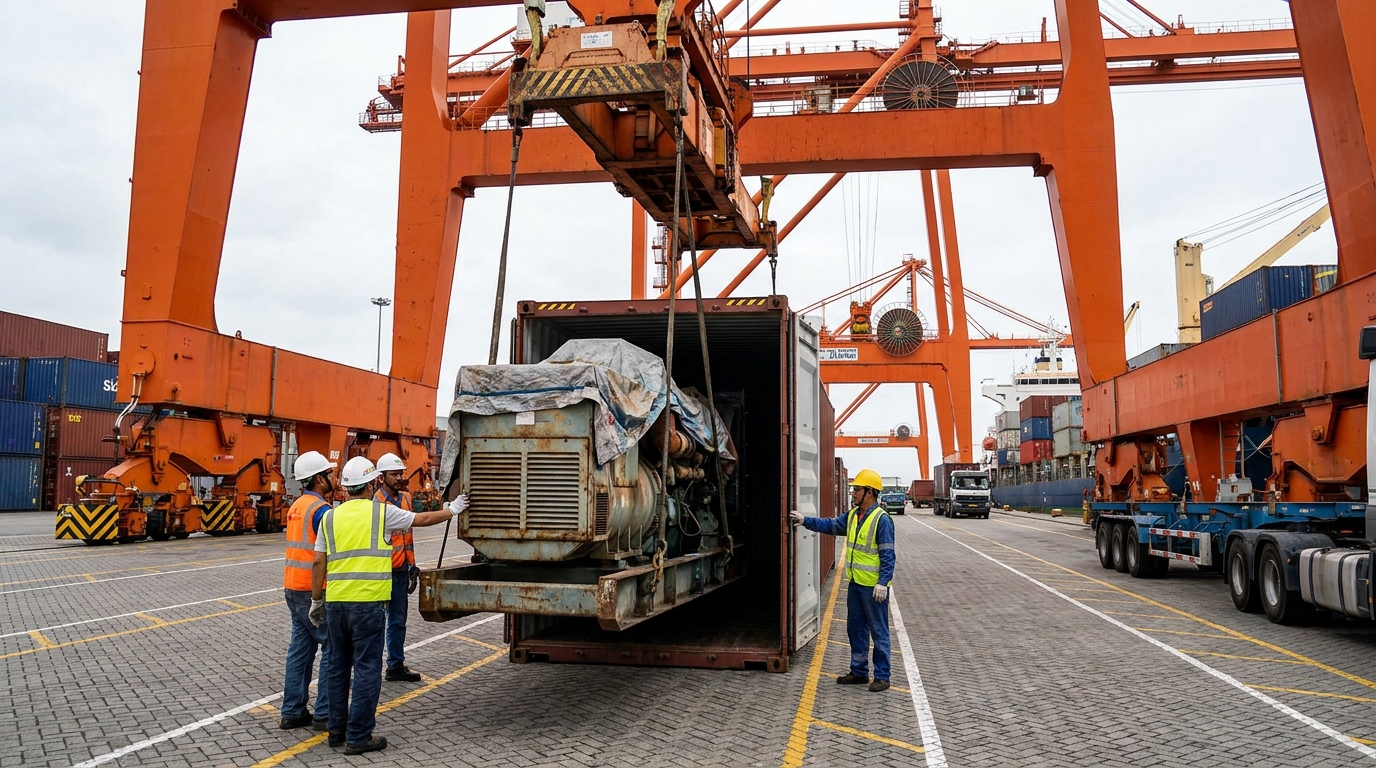
You just secured your investment using a Letter of Credit. Your customized machine passed its Factory Acceptance Test. Now you face the physical challenge of moving heavy equipment across the ocean. Navigating international logistics requires careful planning. You must protect the machinery from damage while keeping your budget intact. Let us explore container options, special handling requirements, and how to calculate your freight bills accurately.
Choosing Between FCL and LCL
Freight forwarders offer two main shipping methods. You can choose Full Container Load (FCL) or Less than Container Load (LCL). LCL groups your cargo alongside goods from other buyers. It works well for small spare parts orders. However, you should never use LCL for primary machinery.
Textile equipment is heavy and highly sensitive. A standard circular knitting machine weighs up to 4,500kg. FCL gives you exclusive use of a 20GP or 40HQ container. It minimizes handling risks significantly. The factory loads the machine directly. Nobody opens the doors until they reach your mill. This dedicated space protects your investment from accidental transit damage.
Handling Oversized Equipment
Some production lines exceed standard container dimensions. At SutexMach, we manufacture large-scale finishing equipment. Our stenter machines and continuous dyeing ranges require special logistics. Standard enclosed containers simply cannot fit them.
You will need Open Top or Flat Rack containers for these massive units. Cranes load the machinery from above. This process requires precise weight distribution and heavy-duty lashing.
Sea air creates another major threat. Saltwater corrosion destroys polished metal surfaces rapidly. You must insist on proper moisture-proof vacuum packaging. We apply anti-rust oil to all cylinders and needles. We then seal the entire machine inside thick plastic vacuum wrapping. This crucial step prevents rust during the 20 to 45 days spent at sea.
Breaking Down Your Freight Bill
Budgeting for logistics involves more than just a basic quote. Estimating the total shipping cost textile machinery from China requires looking at several overlapping fees. You must account for each element to avoid budget overruns at your destination port.
Here is a breakdown of typical shipping expenses:
| Expense Category | Descrição | Budget Impact |
|---|---|---|
| Ocean Freight Rate | The base price for moving the container across the sea. | High (Fluctuates based on season and container availability) |
| Terminal Handling Charges (THC) | Fees for crane lifting, loading, and unloading at both ports. | Medium (Fixed per container size) |
| Fuel Surcharges (BAF) | Variable costs adjusting for global oil price changes. | Low to Medium |
| Marine Insurance | Coverage against loss, sinking, or major transit damage. | Low (Usually a fraction of a percent of cargo value) |
Selecting a Reliable Freight Forwarder
You need a logistics partner who understands industrial equipment thoroughly. Do not hire a forwarder who only ships consumer electronics. Heavy machinery requires specialized port handling and specific inland transport permits.
Consider your shipping terms carefully. Many buyers prefer FOB (Free On Board) over CIF (Cost, Insurance, and Freight). Under FOB terms, the Chinese factory pays to load the machine onto the vessel. You then control the ocean freight. You choose your own forwarder. This prevents hidden destination fees often buried inside CIF quotes.
Ask potential forwarders about their experience moving oversized cargo. Verify their network in your specific destination country. A strong local agent helps navigate port congestion smoothly. They ensure your heavy equipment moves from the dock directly to your factory floor without unnecessary delays.
Step 5: Managing Tariffs and Textile Machinery Import Duty Pakistan, India, and Beyond
Your forwarder safely navigated the ocean freight. The container carrying your new equipment just arrived at the destination port. Before moving it inland, you face one final hurdle. You must clear customs and pay the required tariffs.
Learning how to import textile machinery from China in 2026 means mastering customs compliance. You cannot afford surprises at the border. Let us explore how to classify your equipment and minimize your tax burden.
Understanding HS Codes for Textile Machinery
Customs officials calculate taxes based on Harmonized System (HS) codes. You must classify your equipment correctly. Textile machinery generally falls under Chapter 84 of the global HS code system.
Using the wrong code causes severe port delays. It might also trigger higher tax brackets unnecessarily. Here are the primary classifications you should know:
- HS Code 8446: Covers weaving machines and traditional looms.
- HS Code 8447: Applies to knitting, stitch-bonding, and warp knitting machines.
- HS Code 8448: Used for auxiliary machinery and essential spare parts.
- HS Code 8451: Covers finishing equipment like sueding, calendering, and drying machines.
Our engineers at SutexMach always provide the exact HS codes for your specific order. This ensures your customs broker files the correct paperwork immediately.
Regional Breakdown: Duties and Requirements
Import duties vary wildly depending on your region. Governments often adjust these rates to encourage technological upgrades. You must research your local laws carefully.
For example, the textile machinery import duty Pakistan applies can fluctuate based on government export incentives. They sometimes offer duty exemptions for industrial machinery. India also updates its capital goods import schemes frequently. Bangladesh generally offers favorable tax rates for export-oriented garment factories.
African markets introduce different compliance rules. If you import into Nigeria, you need a “Form M” first. You also need specific SONCAP certification before the machinery leaves China.
| Region / Country | Typical Customs Focus | Special Requirements |
|---|---|---|
| Pakistan & India | Protecting local manufacturing vs. upgrading mill technology. | Look for specific duty exemption schemes for capital goods. |
| Bangladesh | Supporting the massive garment export sector. | Often features reduced tariffs for 100% export-oriented units. |
| Nigeria (Africa) | Strict quality and safety verification. | Requires SONCAP certification and Form M approval. |
Leveraging Free Trade Agreements (FTAs)
You do not always have to pay the standard tax rate. Many countries maintain active Free Trade Agreements with China. These agreements can reduce or completely eliminate your import taxes.
You must research the specific trade deals active between China and your home country. Claiming these benefits requires precise documentation. Customs officials will reject your claim if a single detail looks wrong.
Formatting Your Customs Documentation
Your Chinese manufacturer plays a crucial role during clearance. The factory must prepare exact customs documents for global buyers. You need a properly formatted Commercial Invoice. It must list the exact HS codes and machine values clearly.
You also need a Certificate of Origin. This official document proves the factory built the equipment in China. It is mandatory for claiming any FTA tax benefits.
We handle these complex export procedures daily at SutexMach. Our team ensures your Commercial Invoice, Packing List, and Certificate of Origin match your Bill of Lading perfectly. Inconsistencies between these papers will stall your clearance. Accurate paperwork keeps your project moving smoothly toward your factory floor.
Step 6: Ensuring Smooth Customs Clearance for Textile Machinery
As we covered earlier, your Chinese manufacturer must prepare exact documents before the ship sails. Now, your container has finally arrived at the destination port. You must move it from the dock to your factory floor quickly. Mastering how to import textile machinery from China in 2026 requires flawless execution at the border. Navigating customs clearance for textile machinery smoothly prevents expensive port delays. Let us look at the exact workflow and documents you need right now.
Essential Documentation Required
You cannot clear heavy equipment without a perfect paper trail. Customs officials will scrutinize every single detail. You need the following core documents ready upon arrival:
- Bill of Lading (B/L): The official receipt from your freight forwarder proving cargo ownership.
- Commercial Invoice: Shows the exact transaction value. It must match your bank transfer records perfectly.
- Packing List: Details the weight, dimensions, and contents of every crate inside the container.
- Certificate of Origin: Usually a Form E or similar official document. It proves the factory built the machine in China. You need this to claim FTA tax benefits.
- Technical Manuals: Officials often request these to verify the machine’s function matches the declared HS code. At SutexMach, we always include detailed English manuals alongside our intelligent finishing and processing equipment.
Step-by-Step Workflow at the Destination Port
What actually happens when your new stenter or warp knitting machine reaches the port? The clearance process follows a strict sequence. Understanding these steps helps you anticipate requests from the port authority.
- Arrival Notice: Your freight forwarder notifies you the vessel has docked safely.
- Document Submission: You submit the B/L, Commercial Invoice, and Packing List to the local customs authority.
- Duty Assessment: Officials calculate your taxes based on the HS codes we discussed in Step 5.
- Payment: You pay the required import duties and local VAT directly to the customs authority.
- Physical Inspection: Customs may open the container. They verify the physical machinery matches your paperwork.
- Release Order: The port authority issues a final release. Your logistics team can now load the equipment onto inland trucks.
Common Pitfalls That Cause Customs Delays
Mistakes during clearance cost real money. Ports charge heavy demurrage fees if your container sits on the dock too long. You must avoid these common errors proactively.
| Common Pitfall | Consequence at the Border | How to Avoid It |
|---|---|---|
| Undervalued Invoices | Equipment seizure and massive financial penalties. | Always declare the exact transaction amount. Never ask suppliers to lower the stated value. |
| Mismatched HS Codes | Incorrect tax assessment and weeks of port delays. | Ensure the code on your Commercial Invoice matches your local broker’s filing exactly. |
| Non-Compliant Packaging | Port rejection due to strict agricultural pest laws. | Insist on ISPM 15 certified wood or non-solid wood pallets. |
We take packaging compliance very seriously. We use compliant export packaging for our drying, dyeing, and dewatering machines. This prevents agricultural inspection delays entirely.
The Role of a Licensed Local Customs Broker
You should never attempt to clear industrial machinery yourself. Import regulations change too frequently. You need a licensed local customs broker on your side.
A broker acts as your legal representative at the port. They understand local tax laws intimately. They submit your paperwork electronically before the ship even arrives. This pre-clearance strategy expedites the entire process.
Brokers also handle unexpected physical inspections. They answer technical questions from customs officers on your behalf. Paying a broker a small fee saves you thousands in potential demurrage charges. They ensure your new textile production line reaches your facility on schedule.
Step 7: One-Stop Solutions: Installation, Commissioning, and After-Sales Service
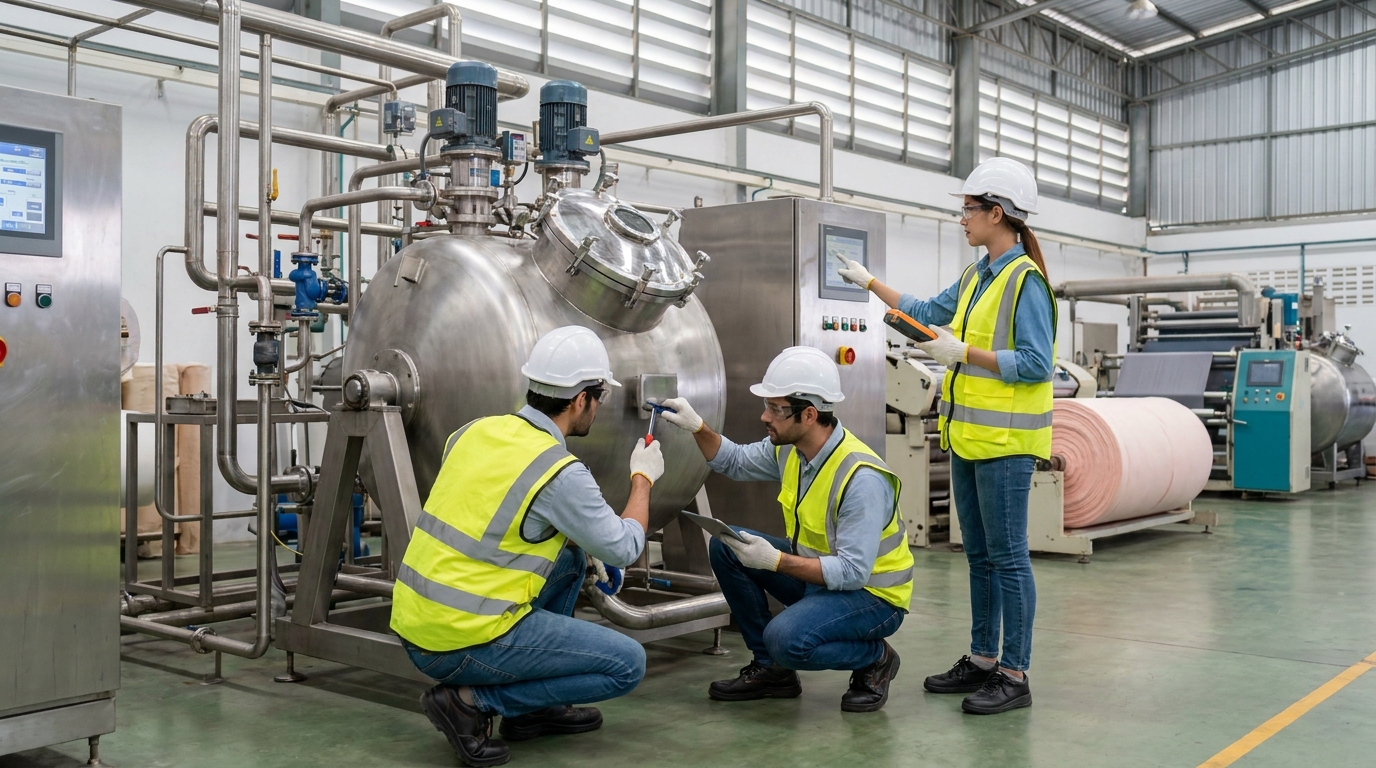
Your licensed broker cleared customs successfully. The inland truck finally delivered the heavy container to your factory floor. You might think the hard part is over. However, learning how to import textile machinery from China in 2026 requires looking past the delivery date. The importing process does not end at the port. An uninstalled machine sitting in crates produces zero fabric. Proper machine setup is critical for your immediate production goals.
The Critical Need for Professional Installation
You should never let an untrained local team install intelligent textile machinery. Complex equipment requires precise leveling. It needs accurate electrical calibration and software setup. Incorrect installation causes severe operational damage.
Always ensure your supplier provides comprehensive overseas installation. Reputable manufacturers send their own specialized engineers directly to your facility. They handle the physical commissioning safely. They test the voltage and align every component perfectly.
These visiting engineers also provide on-site operator training. Your local workers must learn how to run the new digital interface safely. They need hands-on practice using the automated features. Proper training prevents user error and extends the lifespan of your equipment.
The Advantage of a One-Stop Solution Provider
Piecing together installation services from third parties creates massive headaches. This highlights the exact advantage of working with a one-stop solution provider. At SutexMach, we do not just ship a machine and disappear. We help textile mills build complete production lines.
We offer continuous support from your initial machine selection to final after-sales service. Whether you ordered our sueding, calendering, drying, or stenter machines, our engineers oversee the entire setup. We ensure the equipment delivers the stable performance and energy efficiency we promised.
We tailor this comprehensive approach to your specific factory layout. Our team integrates the new dyeing or warp knitting machines seamlessly into your existing workflow. This minimizes costly downtime during the transition phase.
Securing Long-Term Parts and Remote Support
Even the best machines experience normal wear and tear. You must establish a reliable channel for long-term spare parts procurement. As we covered earlier, you should order critical components upfront. But what happens two or three years later?
A true manufacturing partner keeps exact records of your customized machine. They can ship compatible needles, sinkers, and inverters immediately. You never have to guess which parts fit your specific model.
You also need fast remote technical troubleshooting. Modern Chinese machinery features intelligent controls. Our engineers can often diagnose software or sensor issues via video calls. This instant support keeps your dewatering and air-softening machines running at peak capacity.
Comparing After-Sales Support Models
Here is a quick look at how a true manufacturer supports your mill long after the container arrives.
| Support Phase | Standard Trading Company | One-Stop Manufacturer (e.g., SutexMach) |
|---|---|---|
| Installation | Leaves you to hire local third-party technicians. | Dispatches factory engineers for on-site setup and calibration. |
| Formação de operadores | Provides basic translated manuals only. | Conducts hands-on training for your local factory workers. |
| Spare Parts | Often struggles to source exact matches years later. | Maintains detailed records to ship exact replacement parts quickly. |
| Troubleshooting | Slow email responses acting as a middleman. | Offers direct video support with the original machine designers. |
Conclusão
Importing industrial textile machinery requires careful planning. Always verify shipping, customs, and safe payment terms. Partnering with SutexMach guarantees a seamless import experience. We build energy efficient equipment with highly stable performance. Follow these actionable steps to start your project:
- Define your exact factory production requirements today.
- Check local customs rules for your specific country.
- Contact our team for a custom machinery quote.
Frequently Asked Questions About Importing Textile Machinery
How do I ensure the machinery matches my local power supply?
Standard Chinese industrial power is 380V at 50Hz. Importers in 60Hz regions must request specific motor customizations. You can also use special step-up transformers. Discuss this with SutexMach before placing your final order. This prevents costly electrical failures during installation.
What is the best way to ship large textile machines?
Large equipment like stenters or dyeing machines requires 20GP or 40HQ containers. Always insist on moisture-proof vacuum packaging. Suppliers should apply anti-rust oil to all polished metal surfaces. This protects the machinery from salt-air corrosion during long sea transit. Sea freight usually adds 20 to 45 days.
How can I secure spare parts for future maintenance?
A good rule is ordering extra critical spare parts upfront. Dedicate about five to ten percent of the machine value for this. Get extra needles, sinkers, or inverters right away. SutexMach offers comprehensive after-sales service to support textile mills globally. This simple step helps you avoid unexpected production downtime later.
What are the standard payment terms for Chinese manufacturers?
Most reputable suppliers require a thirty percent deposit via T/T. You pay the remaining seventy percent balance before final shipment. Always request a Factory Acceptance Test before paying this balance. SutexMach provides one-stop solutions to ensure your equipment works perfectly. Never send large deposits to unverified trading companies.
Will the machine interface be available in English?
Yes, most modern textile machinery features multilingual control panels. You must clearly request an English software interface during negotiations. SutexMach designs intelligent textile machinery with global users in mind. This ensures your local team can operate the equipment easily. We also provide necessary training to help your staff.
Actionable Next Steps
- Verify your local import regulations and specific HS codes beforehand.
- Request a detailed quote including specific machine dimensions and weights.
- Ask SutexMach to run a sample using your specific yarn.
- Hire a third-party inspector for equipment exceeding fifty thousand dollars.
Importing textile machinery from China requires careful planning and research. Working with experienced manufacturers like SutexMach ensures high-quality results. Always double-check your local electrical standards before placing an order. Secure extra spare parts to keep your production lines running. Proper vacuum packaging will protect your investment during ocean transit. Follow these steps to build a reliable and efficient factory.