


 Portuguese
 English
 Hungarian
 Indonesian
 Bulgarian
 Turkish
 Polish
 Russian
 Spanish
 Korean
 French


Um único defeito no rolo pode arruinar quilômetros de tecido delicado. Falhas na máquina de calandragem causam desperdício de material e paradas onerosas. Neste post, você aprenderá sete defeitos comuns e soluções rápidas. Com 30 anos de experiência, a SutexMach ajuda as fábricas a minimizar esses erros de acabamento.
Understanding Calendering Machine Faults
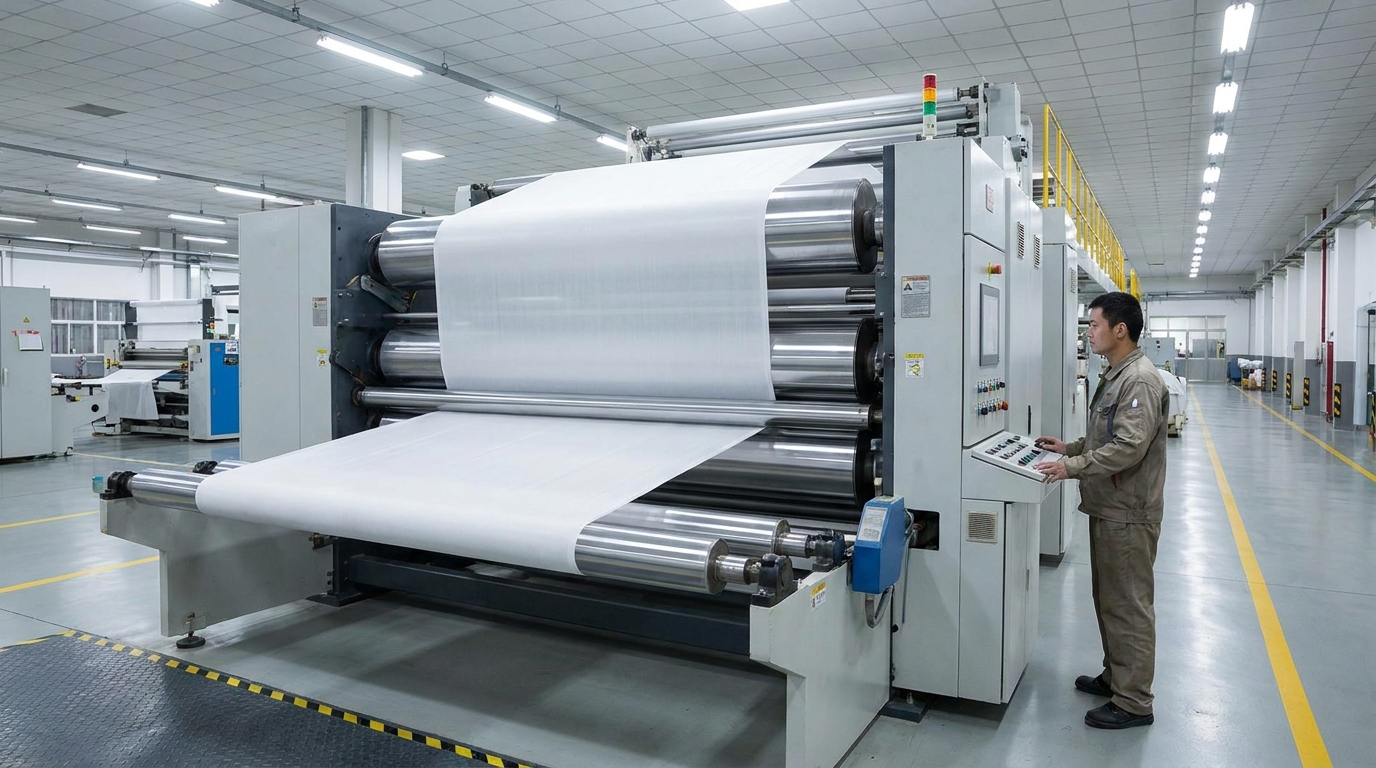
To stop finishing errors, you must first understand how they develop. The calendering process relies on three main forces. It uses heat, heavy pressure, and friction. You feed textiles or plastics through massive rollers. This action smooths, coats, or thins the material to exact specifications.
Machine faults occur when this delicate balance breaks down. The process demands a complex interplay of several factors. Roller pressure, temperature control, fabric tension, and mechanical wear all matter. If tension drops, the web bunches up. This often leads to marcas de vincagem no processo de calandragem.
Different materials require specific roller types. You might use chrome-coated, polyurethane, or rubber-coated rollers. Each coating responds differently to heat and friction. When a rubber roller degrades, it leaves marcas de rolo de calandra no tecido. Since 1985, our engineers at SutexMach have seen how poor maintenance accelerates this wear.
Ignoring these early warning signs causes massive operational headaches. A seized expander roller creates friction burns. Internal scaling inside a chill roller creates hot spots. These small defects quickly ruin miles of delicate textiles. You face immediate material waste and unexpected downtime.
The Impact of Unchecked Defects
Catching faults early saves your production run. Below is a breakdown of common operational imbalances and their immediate impacts.
| Operational Factor | Early Warning Sign | Resulting Defect |
|---|---|---|
| Roller Pressure | Vibrations or unusual noise | Uneven thickness across the web |
| Controlo da temperatura | Fluctuating heat gauge readings | Inconsistent finish or hot spots |
| Web Tension | Fabric sagging at the entry point | Wrinkling and material bunching |
| Mechanical Wear | Visible surface irregularities on rollers | Snagged or torn delicate fabrics |
Fault 1: Calendering Machine Chatter Marks
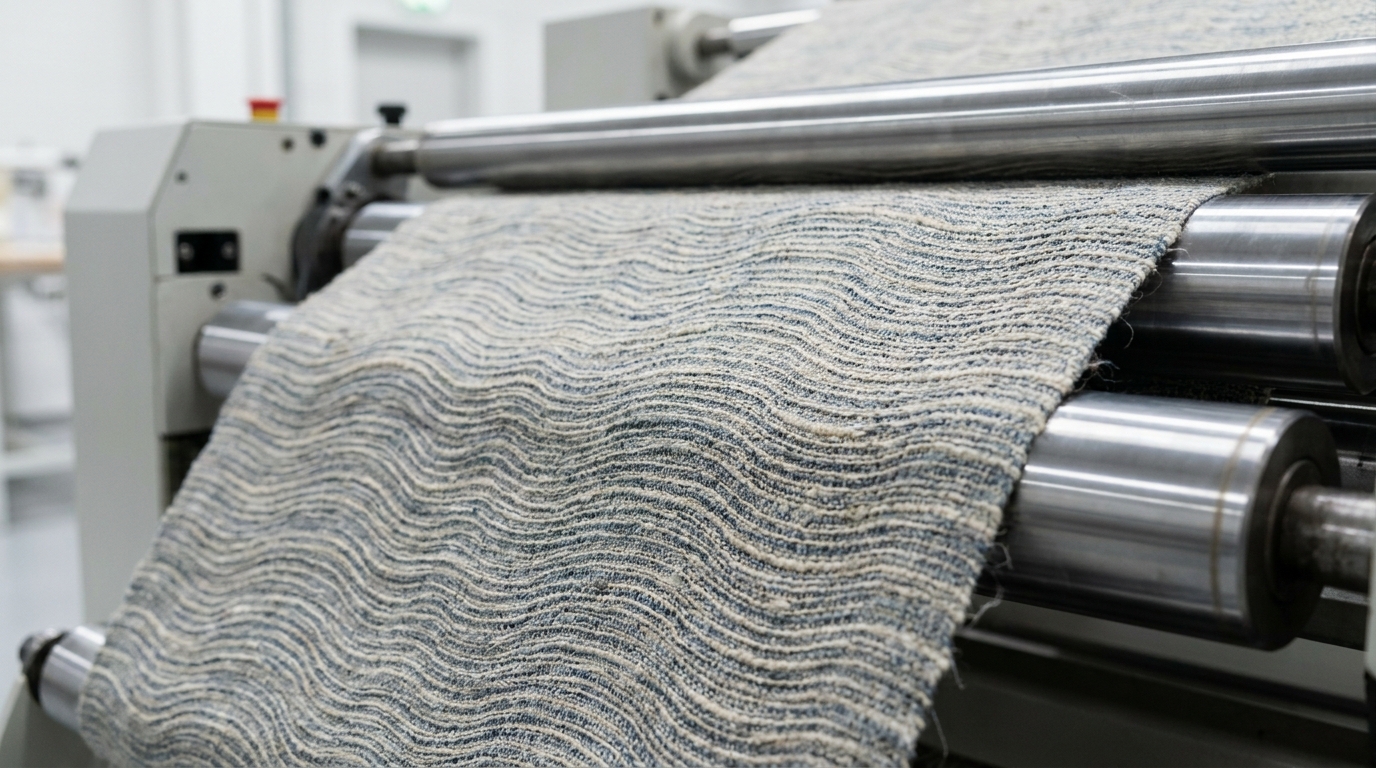
As we covered earlier, unusual vibrations serve as a major early warning sign. When you ignore this shaking, it directly causes our first major defect.
You can easily spot marcas de vibração na máquina de calandragem during visual inspection. They appear as horizontal banding across the fabric surface. You might also notice distinct wave patterns or a ribbed effect. This defect ruins the smooth finish you need for high-quality textiles. It often leads to brilho irregular após a calandragem.
What Causes Chatter Marks?
Several mechanical failures trigger these frustrating wave patterns.
- Worn-Out Bearings: Your roller bearings endure massive pressure. Over time, they degrade and fail. This excessive wear creates heavy mechanical vibration. It transfers directly onto the moving fabric.
- Misaligned Drive Gears: Your motor transmission must deliver smooth power. If gears fall out of alignment, they rotate unevenly. This stuttering motion stamps horizontal bands into the web.
- Frame Resonance: Sometimes the machine frame itself vibrates at a specific frequency. This resonance amplifies minor shaking into major surface defects.
Quick Fixes for Mechanical Vibration
You must address these mechanical faults immediately. At SutexMach, we design intelligent textile machinery to prevent these exact stability issues. If you face chatter marks on older equipment, follow these actionable steps.
You should inspect your roller bearings daily. Swap out worn components before they cause visible shaking. Check your drive gear trains carefully. Realign them and apply proper lubrication. This restores smooth and consistent motor transmission.
You can utilize digital vibration analysis tools. They help you pinpoint the exact source of the shaking. Once identified, you can stabilize the heavy machine frame.
| Defect Source | Diagnosis Method | Immediate Fix |
|---|---|---|
| Worn Bearings | Listen for grinding noises near the rollers | Replace bearings immediately |
| Misaligned Gears | Check gear teeth for uneven wear patterns | Realign and lubricate gear trains |
| Frame Resonance | Run digital vibration analysis tools | Stabilize frame or adjust running speed |
Fault 2: Uneven Gloss After Calendering
While fixing mechanical vibrations stops chatter marks, another issue often ruins your fabric’s final look. You might resolve the heavy shaking but still face uneven gloss after calendering. This remains one of the most stubborn calendering machine faults.
You can easily identify this defect during a visual quality check. The finished textile shows an inconsistent shine. You might spot dull patches scattered across the surface. Sometimes, the fabric takes on a mottled appearance instead of a uniform sheen. This drastically lowers the material’s market value.
What Causes Inconsistent Shine?
Three main operational imbalances cause this frustrating finishing error.
- Temperature Fluctuations: Heat transfer rollers require precise thermal control. If thermal fluid circulation slows down, cold spots develop. The roller fails to apply consistent heat across the entire web.
- Uneven Nip Pressure: Your hydraulic or pneumatic systems push the rollers together. If a minor leak occurs, pressure drops on one side. This uneven force leaves dull patches on the fabric edges.
- Inconsistent Moisture: Fabric moisture plays a hidden role. If textiles enter the machine with uneven dampness, they react poorly. Wet spots absorb heat differently than dry areas.
Quick Fixes for Dull Patches
You need actionable steps to restore a perfect shine. At SutexMach, we build intelligent textile machinery with precise thermal controls to prevent these issues. If you face this defect on your current setup, try these immediate solutions.
Calibrate your heating elements first. Check the thermal fluid circulation inside your heat transfer rollers. If you find internal scaling, you must flush the system. This eliminates cold spots and restores consistent heat transfer.
Next, inspect your hydraulic and pneumatic lines. Look closely for minor fluid leaks. You must balance the nip pressure evenly across the entire roller width. As we covered earlier, checking your anti-deflection roller settings helps compensate for uneven pressure.
Finally, optimize your pre-treatment process. Ensure uniform fabric conditioning. Use reliable drying machines before the material reaches the calender stack. Consistent pre-drying guarantees an even reaction to high heat and heavy pressure.
| Root Cause | Inspection Target | Recommended Action |
|---|---|---|
| Cold Spots | Heat transfer roller surface | Flush thermal fluid and calibrate heaters |
| Pressure Drop | Hydraulic and pneumatic lines | Seal leaks and balance nip pressure |
| Uneven Moisture | Fabric entry point | Improve pre-drying and conditioning steps |
Fault 3: Calender Roller Marks on Fabric
While optimizing your pre-treatment process solves uneven gloss, it cannot fix physical damage. Even perfectly dried fabrics suffer if the rollers carry surface defects. You might spot repeating indentations, sharp scratches, or raised patterns across your finished textile. These physical blemishes ruin high-value materials instantly.
When addressing calendering machine faults, physical roller damage ranks among the most destructive. A single groove on a cylinder imprints a repeating flaw every time it rotates. You must identify the exact source of the marking to stop the damage.
What Causes Roller Marks?
Several surface-level issues cause these repeating indentations on your web.
- Accumulated Debris: Lint, dust, and hardened resin easily stick to the roller surface. As the machine applies heavy pressure, it stamps this trapped debris directly into delicate fabrics.
- Metal Roller Damage: Chrome-coated and stainless steel cladding rollers offer extreme durability. However, foreign objects passing through the nip leave deep scratches or gouges on the metal.
- Aged Elastomer Coatings: Rubber, polyurethane, and Teflon-coated rollers degrade over time. Heat and friction cause pitting or cracking on the elastomer surface. The damaged coating transfers its irregular texture onto the material.
Quick Fixes for Roller Surface Defects
You must protect the contact surface to ensure a flawless finish. At SutexMach, we have spent over 30 years manufacturing intelligent textile machinery. Our engineers know exactly how poor surface maintenance ruins fabrics. If your current equipment leaves marks, take these immediate actions.
First, establish a strict daily cleaning routine. Wipe down your rubber and metal rollers carefully. Remove lint and hardened resin before they accumulate into hard bumps.
Next, inspect your chrome and stainless steel rollers. If you find minor scratches, you can often buff or polish them out. Deeper gouges require professional regrinding. This process restores a perfectly smooth and uniform cylinder.
Finally, evaluate your elastomer rollers. You cannot polish cracked rubber. You must recoat or replace damaged polyurethane and rubber rollers immediately. Fresh coatings guarantee a flawless contact surface and eliminate repeating indentations.
| Defect Source | Visual Indicator | Actionable Fix |
|---|---|---|
| Accumulated Debris | Random raised bumps or resin spots | Implement strict daily cleaning routines |
| Metal Scratches | Sharp, repeating lines or tears | Buff, polish, or professionally regrind metal rollers |
| Aged Rubber | Uneven texture or repeating indentations | Recoat or replace damaged elastomer rollers |
Fault 4: Crease Marks in Calendering Process
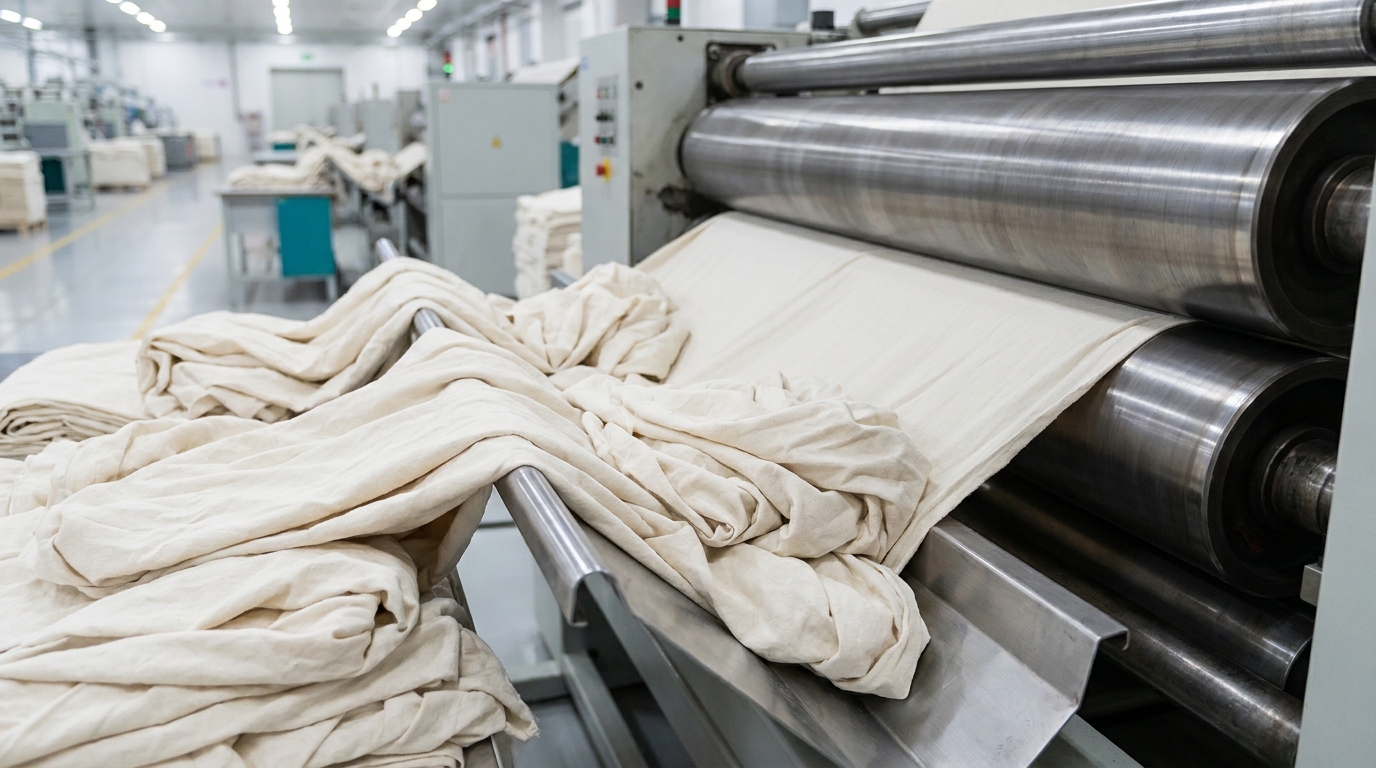
While recoating damaged elastomer rollers stops repeating indentations, it cannot fix poor web handling. If your material folds before entering the nip, you face a completely different problem. You will quickly spot unwanted longitudinal or diagonal folds pressed permanently into the fabric.
The machine applies massive pressure and high heat. When folded material passes through the cylinders, the machine irons these mistakes directly into the textile. These permanent crease marks in calendering process ruin entire production batches instantly.
What Causes Fabric Creasing?
Several web handling failures cause the material to bunch up before processing.
- Improper Tension Control: Your fabric must remain taut. If tension drops during feeding, the web sags and folds over itself.
- Misaligned Guide Rollers: You rely on expander and bow rollers to keep the fabric flat. If these spreader rollers fall out of alignment or seize up, they create tension spikes instead of smoothing the web.
- Pre-Existing Wrinkles: Sometimes the fault originates upstream. If you feed fabric that already carries wrinkles from older dyeing or dewatering machines, the calender simply locks those flaws in place.
Quick Fixes for Web Handling Issues
You must control the fabric perfectly before it reaches the heavy rollers. At SutexMach, we have built intelligent textile machinery since 1985. We know exactly how to prevent these feeding errors. Try these actionable steps to restore a flat web.
First, adjust your tension control system. You need to maintain a taut, even web from the entry point to the exit. Check your load cells and adjust the braking force on your feed rollers.
Next, realign your spreader rollers. Inspect your aluminum spreader and ebonite scroll rollers daily. Ensure they rotate freely. A seized expander roller causes severe friction burns. You must position these tools perfectly at the entry point to guarantee the fabric feeds flat into the nip.
Finally, upgrade your feeding equipment. We integrate intelligent centering and spreading devices into our modern machines. These automatic systems correct web alignment instantly. They eliminate human error and handle delicate fabrics safely.
| Defect Source | Diagnosis Method | Immediate Fix |
|---|---|---|
| Improper Tension | Observe fabric sagging at the entry point | Adjust tension control system for a taut web |
| Misaligned Rollers | Check expander and bow rollers for smooth rotation | Realign spreader rollers and lubricate bearings |
| Pre-Existing Wrinkles | Inspect fabric coming from dewatering machines | Install intelligent centering and spreading devices |
Fault 5: Fabric Shrinkage and Width Distortion
You just learned how improper tension folds the web into permanent creases. However, tension issues do not always create visible wrinkles. Sometimes, they cause the entire fabric to shrink or distort.
You can identify this defect easily during final measurement. You pull the fabric from the exit roll. You notice it looks much narrower than expected. Sometimes, the material suffers severe dimensional shrinkage after it cools down. This distortion ruins your final production yield. Garment manufacturers simply reject undersized textiles.
What Causes Dimensional Distortion?
Two major operational errors force the material to contract during processing.
- Excessive Heat: Different fibers possess strict thermal limits. Synthetic materials easily contract under extreme temperatures. If you run the heat transfer rollers too hot, the fibers physically shrink.
- High Warp Tension: As we covered earlier, you must pull the fabric to keep it flat. But pulling too hard longitudinally stretches the warp threads. This extreme pulling forces the weft threads to compress together. The fabric naturally narrows as it stretches forward.
Quick Fixes for Fabric Shrinkage
You must balance heat and pulling force to maintain the correct dimensions. If you face unintended narrowing, take these immediate actions.
First, check your temperature settings. You must match the heat to the specific thermal tolerance of your fabric type. Natural fibers handle higher heat better than delicate synthetics. Lower the temperature on your heat transfer rollers if you process sensitive plastics or synthetic blends.
Next, optimize your feed tension. You should utilize overfeed mechanisms if your equipment features them. At SutexMach, we build our intelligent textile machinery with precise overfeed controls. These systems feed slightly more fabric into the nip than the rollers pull out. This prevents longitudinal stretching and preserves the original width.
You must monitor the material dimensions constantly. Use digital width sensors to track the fabric as it exits the machine. This allows you to adjust tension and heat before you ruin an entire roll.
| Defect Source | Diagnosis Method | Immediate Fix |
|---|---|---|
| Excessive Heat | Measure fabric width after the cooling phase | Lower heat settings to match specific fiber tolerance |
| High Warp Tension | Observe tight longitudinal stretching at entry | Optimize feed tension and engage overfeed mechanisms |
| Material Sensitivity | Review fabric composition before processing | Adjust roller pressure and speed accordingly |
Fault 6: Severe Static Electricity Buildup
You just learned how excessive heat and tension distort fabric width. But synthetic fibers face another hidden danger during high-speed processing. Even if you maintain perfect dimensions, you might encounter severe static electricity buildup.
You can spot this defect easily on the production floor. The fabric suddenly clings tightly to the guide rollers. You might hear loud popping noises or see visible sparks near the exit roll. The charged material also acts like a massive magnet. It pulls excessive dust, lint, and debris right onto your perfectly smoothed surface.
What Causes Static Buildup?
Three main environmental and mechanical factors generate this electrical charge.
- High-Speed Friction: Synthetic fabrics rub heavily against dry rollers. This fast, constant contact strips electrons and builds a massive surface charge.
- Low Ambient Humidity: Dry factory air makes the problem much worse. When humidity drops too low, the surrounding air cannot dissipate the static naturally.
- Failed Safety Equipment: Missing or broken static elimination devices allow the electrical charge to accumulate to dangerous levels.
Quick Fixes for Static Electricity
You must eliminate this charge to protect your operators and your material. At SutexMach, we equip our intelligent textile machinery with integrated grounding systems. This handles delicate synthetics safely. If your current setup sparks, try these immediate solutions.
First, inspect and repair your anti-static bars. Place these active ionizers close to the web at the machine exit. You must also verify your equipment grounding. Ensure the entire machine frame connects to a solid earth ground. This gives the stray electricity a safe path away from the rollers.
Next, take control of your factory environment. Install industrial humidifiers directly near your calendering line. You should maintain optimal indoor humidity levels between 55% and 65%. The moist air naturally bleeds off static energy before it ruins your finishing process.
| Defect Source | Diagnosis Method | Immediate Fix |
|---|---|---|
| High-Speed Friction | Fabric clings tightly to exit rollers | Install active anti-static bars near the web |
| Low Humidity | Check factory hygrometer readings | Run industrial humidifiers to reach 60% humidity |
| Poor Grounding | Visible sparks or operator shocks | Verify and secure main earth ground connections |
Fault 7: Fabric Tearing or Pinholes
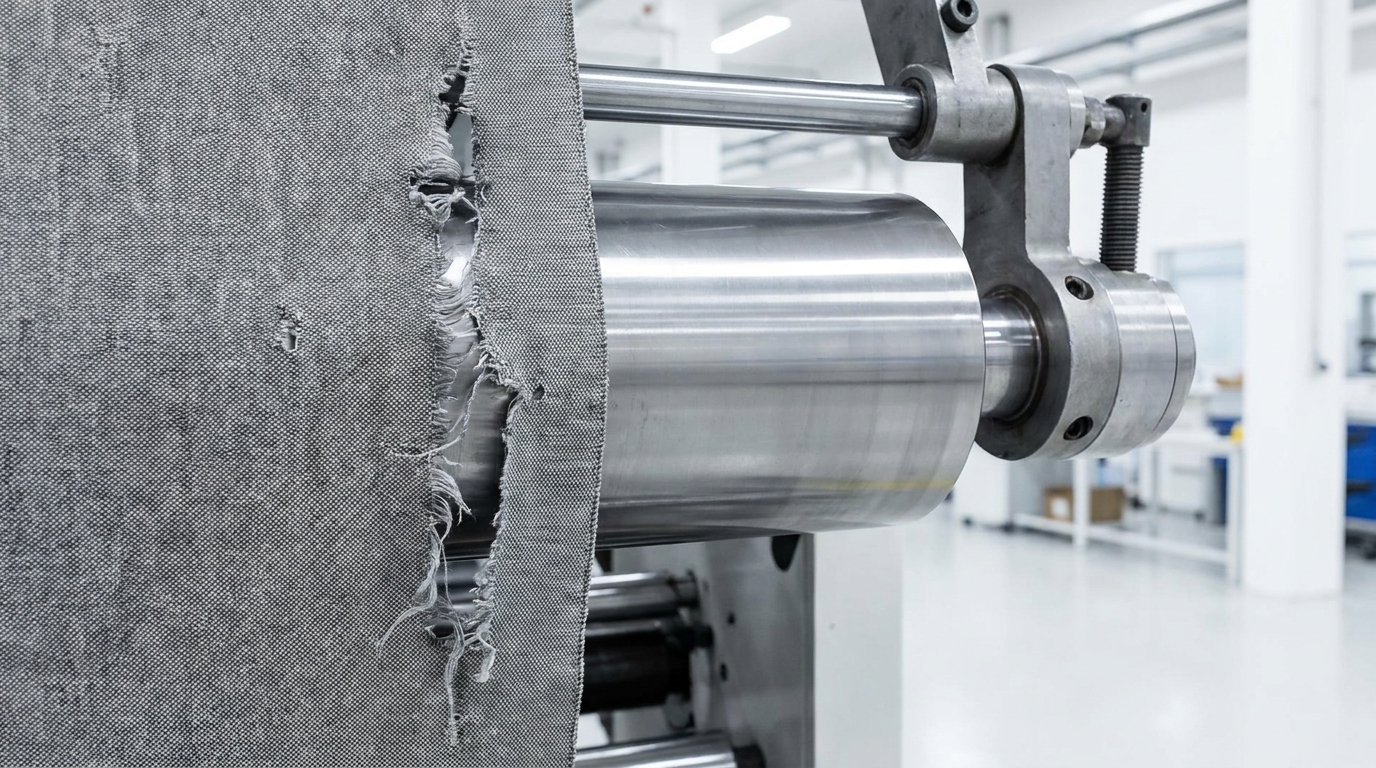
You just learned how severe static electricity pulls unwanted debris onto your fabric. You must stop this contamination. Otherwise, those hard particles lead directly to our final and most destructive calendering machine fault. You will face catastrophic physical damage.
This defect is impossible to miss during quality checks. You will spot fabric tearing, deep snags, or tiny pinholes scattered across delicate textiles. The heavy cylinders punch right through the material. This instantly ruins the entire production batch. Garment manufacturers simply reject textiles showing physical cuts.
What Causes Fabric Tearing?
Three severe operational errors destroy delicate fibers during the finishing process.
- Extreme Nip Pressure: You need heavy force to smooth the web. However, applying unnecessary pressure simply crushes the fibers. The extreme weight snaps delicate yarns completely.
- Sharp Guide Edges: Sharp burrs, rust, or damaged edges on your guide rollers act like knives. The taut fabric slides over them rapidly. These rough spots easily slice into the material.
- Foreign Objects: Hard debris sometimes enters the nip. Stray pins, metal clips, or hardened resin particles fall onto the web. The massive cylinders press these sharp items directly through the fabric.
Quick Fixes for Physical Damage
You must protect the structural integrity of your textiles. At SutexMach, we engineer our intelligent textile machinery to handle delicate fabrics safely. If your current equipment cuts or tears the web, take these immediate actions.
First, reduce your calendering pressure. You should only use the minimum force required to achieve your desired finish. Lowering the hydraulic or pneumatic pressure stops fiber crushing instantly. It preserves the natural strength of the textile.
Next, inspect the entire web path carefully. Turn off the machine and run your hands along the guide rollers. If you feel sharp burrs or rust, sand them perfectly smooth. Replace any heavily corroded spreader tools.
Finally, upgrade your safety and cleanliness protocols. Install industrial metal detectors before the fabric enters the machine. Keep stray pins and clips completely off the production floor. This prevents hard objects from ever reaching the heavy cylinders.
| Defect Source | Diagnosis Method | Immediate Fix |
|---|---|---|
| Extreme Nip Pressure | Fibers look visibly crushed or flattened | Reduce pressure to the minimum required |
| Sharp Roller Edges | Continuous snags along the fabric edges | Sand guide rollers perfectly smooth |
| Foreign Objects | Random pinholes or deep, isolated cuts | Install metal detectors and enforce cleanliness |
Proactive Maintenance Tips for Calendering Machines

You just learned how foreign objects cause catastrophic fabric tearing. Installing metal detectors stops immediate physical damage. However, reacting to calendering machine faults constantly wastes resources. You need a proactive approach to prevent these finishing errors. Regular upkeep stops mechanical wear before it ruins delicate textiles.
You must establish a strict preventative maintenance schedule. A solid routine catches early warning signs fast. It reveals unusual vibrations or sudden pressure drops. We recommend breaking your tasks into specific timeframes. This keeps your equipment running smoothly and extends its lifespan.
| Maintenance Interval | Focus Area | Actionable Tasks |
|---|---|---|
| Daily | Roller Surfaces & Tension | Wipe down cylinders, remove lint, and check load cells. |
| Weekly | Fluid Lines & Safety Gear | Inspect hydraulic hoses for leaks and test anti-static bars. |
| Monthly | Mechanical & Thermal Systems | Run vibration analysis, check bearings, and flush thermal fluid. |
The Importance of Proper Lubrication
As we covered earlier, worn bearings and misaligned gears trigger severe mechanical vibration. This shaking leads directly to chatter marks on your fabric. You can easily prevent this premature wear through proper lubrication.
Moving parts endure massive stress during high-speed finishing. Friction destroys unlubricated metal components quickly. You must grease your drive gears, roller bearings, and expander rollers regularly.
- Apply high-temperature grease to heat transfer roller bearings.
- Lubricate drive gear trains to ensure smooth motor transmission.
- Oil expander roller joints so they rotate freely and prevent friction burns.
Fresh oil reduces heat buildup significantly. It ensures smooth rotation across the entire web path. This simple step eliminates the heavy vibrations responsible for many common defects.
Upgrading to Intelligent Textile Machinery
Manual maintenance routines work well for older equipment. But human error still allows some faults to slip through. Upgrading to modern equipment offers the ultimate protection against finishing errors.
Since 1985, SutexMach has manufactured intelligent textile machinery for global fabric mills. We integrate automated fault detection directly into our calendering machines. These smart systems monitor your production continuously.
Our sensors track nip pressure, roller temperature, and web tension in real time. If a parameter shifts, the machine triggers an immediate alarm. It adjusts settings automatically before a defect ever reaches the fabric. This technology eliminates guesswork and handles delicate materials safely.
Why Choose SutexMach for Your Textile Finishing Needs?
You just saw how smart sensors prevent finishing errors automatically. Upgrading your equipment eliminates the constant stress of manual monitoring. This is exactly where we step in.
Founded in 1985, SutexMach brings over 30 years of deep industry expertise. We are proudly affiliated with Jiangsu SoHo Honry Import & Export Co., Ltd. We understand the exact challenges global fabric mills face daily. You need highly reliable equipment to stop material waste and costly downtime.
Comprehensive Intelligent Machinery
We specialize in manufacturing state-of-the-art intelligent textile machinery. Our production line covers everything you need for flawless fabric finishing. We build heavy-duty equipment designed for modern production demands. Our core manufacturing expertise includes:
- Advanced calendering machines for smooth, uniform finishes.
- Precision sueding and stenter machines.
- High-efficiency drying and dewatering machines.
- Reliable dyeing, warp knitting, and air-softening machines.
This comprehensive equipment range ensures your entire production runs smoothly. You can rely on our technology from the initial processing steps straight through to final finishing.
Engineering Out Common Faults
As we covered earlier, most calendering machine faults stem from poor tension, uneven heat, or mechanical wear. Our advanced engineering tackles these root causes directly. We build our equipment specifically to eliminate these operational imbalances.
Our intelligent systems guarantee precise web tension from entry to exit. We design our heat transfer rollers to maintain highly stable temperature control. You also get perfectly uniform nip pressure across the entire fabric width. These integrated features drastically reduce common defects for global fabric mills. They protect your delicate materials and maximize your final production yield.
Conclusão
Fixing these seven common calendering faults ensures flawless fabric finishing. Proactive maintenance and operator training prevent costly downtime. High-quality equipment makes a massive difference. Upgrade your textile finishing line today. Contact SutexMach for intelligent calendering machines built for global fabric mills.
- Schedule a weekly roller inspection to spot wear early.
- Train your operators on proper fabric tension control.
- Request a machine upgrade quote from SutexMach today.
Frequently Asked Questions About Calendering Machine Faults
How can I stop fabrics from wrinkling during calendering?
Wrinkling happens when the material bunches up before pressing. You should use a spreader or bow roller. These tools keep the web flat and wide. Ebonite scroll rollers also work well at the entry point. This ensures smooth feeding into the machine. SutexMach offers advanced calendering machines designed to handle delicate fabrics perfectly. Proper tension control prevents these annoying creases easily.
Why is the pressure uneven across the material width?
Uneven pressure usually causes different finishes on the center and edges. This problem often points to roller deflection. You need to adjust or replace your anti-deflection rollers. These special rollers bend slightly under high pressure. This bending action keeps contact uniform across the whole fabric. Checking wear patterns regularly helps maintain consistent quality. Our 30 years of experience show that routine checks save time.
Which roller coating should I choose for my textile mill?
The right coating depends on your specific finishing needs. Teflon-coated rollers work best for high temperatures and non-stick requirements. Polyurethane and rubber coatings provide excellent grip and flexibility. Chrome and stainless steel rollers offer extreme durability for heavy pressing. SutexMach builds intelligent textile machinery tailored to your exact production goals. We can help you select the perfect roller material.
When should I refurbish my heat transfer rollers?
You should refurbish heat rollers when surface irregularities appear. Simple cleaning will not fix deep scratches or worn coatings. Damaged surfaces can snag or tear your delicate textiles. Internal scaling also reduces heating and cooling efficiency. Regular maintenance ensures precise temperature control during the finishing process. Fixing these parts early prevents major production delays later.
Calendering machine faults often stem from worn rollers, improper tension, or poor temperature control. Using the right anti-deflection and spreader rollers prevents wrinkles and uneven finishes. Regular maintenance of heat transfer and expander rollers protects delicate fabrics from damage. SutexMach provides intelligent textile machinery to ensure smooth operations. Identifying these issues early helps global fabric mills maintain high-quality production standards.
- Inspect your current rollers for visible wear patterns today.
- Schedule a routine cleaning for your heat transfer systems.
- Upgrade to anti-deflection rollers to fix uneven pressure issues.
- Contact SutexMach to discuss intelligent machinery solutions for your mill.