


 Polish
 English
 Hungarian
 Indonesian
 Bulgarian
 Turkish
 Russian
 Spanish
 Portuguese
 Korean
 French


Essential Bangladesh Knit Fabric Mill Equipment for a Complete Line
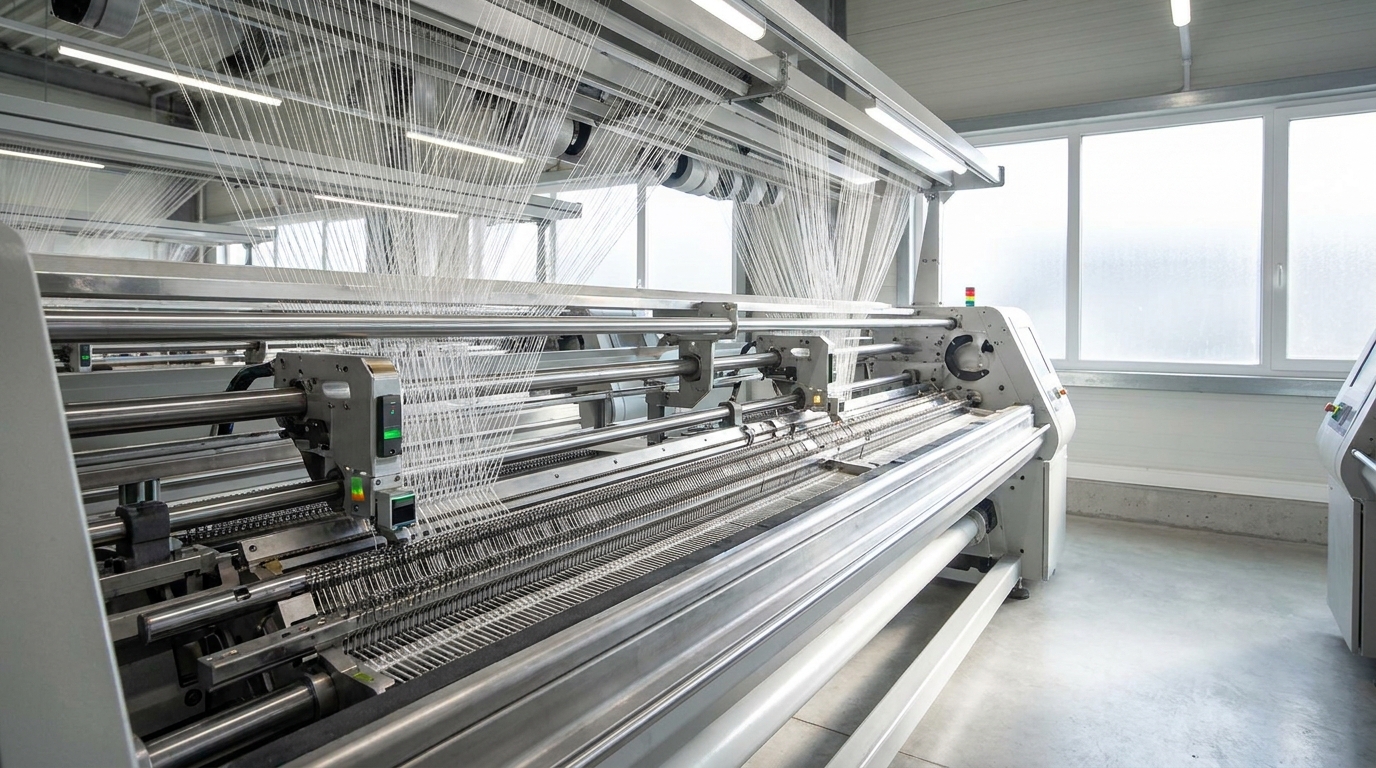
Setting up a complete production line requires seamless integration from yarn preparation to final fabric output. Choosing the right Bangladesh knit fabric mill equipment ensures consistent quality and smooth operations.
Advanced Warp Knitting Machines
The core of your project is the knitting process. Modern warp knitting machines deliver high-speed, defect-free production using intelligent sensors that monitor yarn tension and needle alignment in real time. This prevents dropped stitches and uneven patterns.
When planning a warp knitting machine Bangladesh project, prioritize automated controls. These systems reduce operator error, increase daily output, and handle diverse yarn types with minimal mechanical adjustments.
Primary Finishing Equipment Integration
Raw knitted fabric must be stabilized and colored immediately. Integrating reliable primary finishing equipment is critical for colorfastness and dimensional stability.
| Typ sprzętu | Primary Function in the Production Line |
|---|---|
| Maszyny barwiące | Ensure uniform color penetration and handle specific fabric batch sizes. |
| Drying Machines | Remove excess moisture rapidly without damaging the knit structure. |
| Maszyny stenterowe | Heat-set the fabric, control its final width, and eliminate edge curling. |
Secondary Finishing for Global Standards
To compete globally, fabrics must meet strict texture and hand-feel requirements. Secondary finishing machinery adds these premium qualities. Since 1985, SutexMach has specialized in manufacturing these advanced finishing systems.
- Dewatering Machines: Safely extract water before the final drying phase to save energy.
- Air-Softening Machines: Use high-velocity air to relax fibers, improving drape and softness.
- Sueding Machines: Gently abrade the fabric surface to create a soft, brushed texture.
- Calendering Machines: Apply heat and pressure to produce a smooth, glossy surface finish.
Selecting durable equipment from an experienced warp knitting line supplier in Bangladesh guarantees long-term reliability and efficient production of export-ready fabrics.
Practical Steps for a Hosiery Mill Setup in Bangladesh
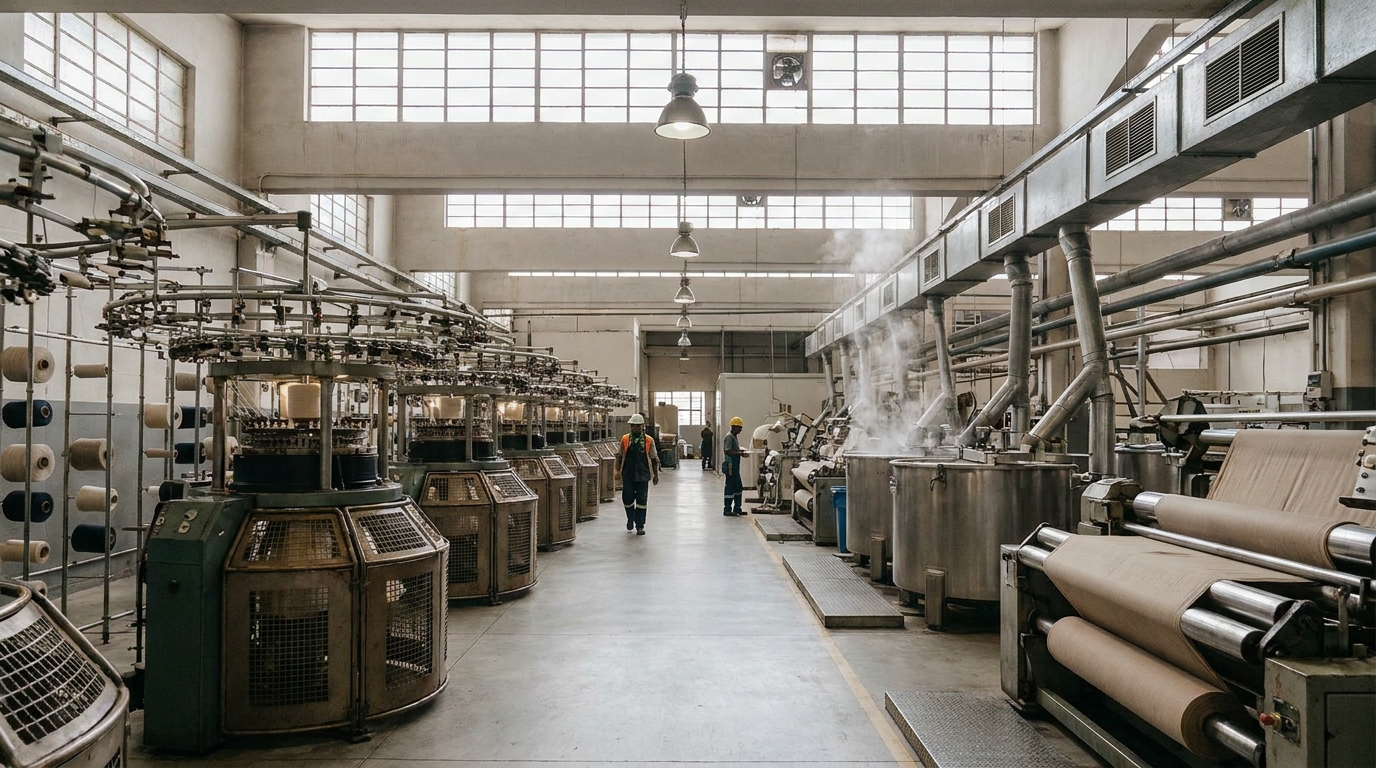
Proper facility planning begins with a strict feasibility study. A successful hosiery mill setup in Bangladesh requires assessing your target production capacity against available factory space, local labor availability, and logistical access for raw materials.
Optimizing the Factory Layout
Design an optimized factory layout to ensure smooth material flow. Keep the warp knitting department separate from wet processing areas to prevent moisture from affecting dry yarn. A linear layout minimizes unnecessary fabric handling between machines.
Preparing Essential Mill Infrastructure
Reliable infrastructure prevents costly production stops. Modern finishing systems require consistent utilities to function correctly:
- Stable Power Supply: Install industrial backup generators. Voltage fluctuations can damage sensitive electronic sensors.
- Water Treatment: Dyeing processes require large volumes of clean water. Build robust effluent treatment facilities to meet environmental standards.
- Climate Control: Maintain strict temperature and humidity levels in the knitting room to prevent yarn breakage and static electricity buildup.
Executing a Phased Installation
Create a phased installation schedule rather than installing all production lines simultaneously. Begin with the core knitting units, then integrate primary finishing equipment like stenters and dyeing machines. This step-by-step approach allows technicians to calibrate each system properly.
Managing your Bangladesh textile machinery import requires careful logistics timing to minimize downtime and ensure safe equipment testing.
Navigating Bangladesh Textile Machinery Import Logistics
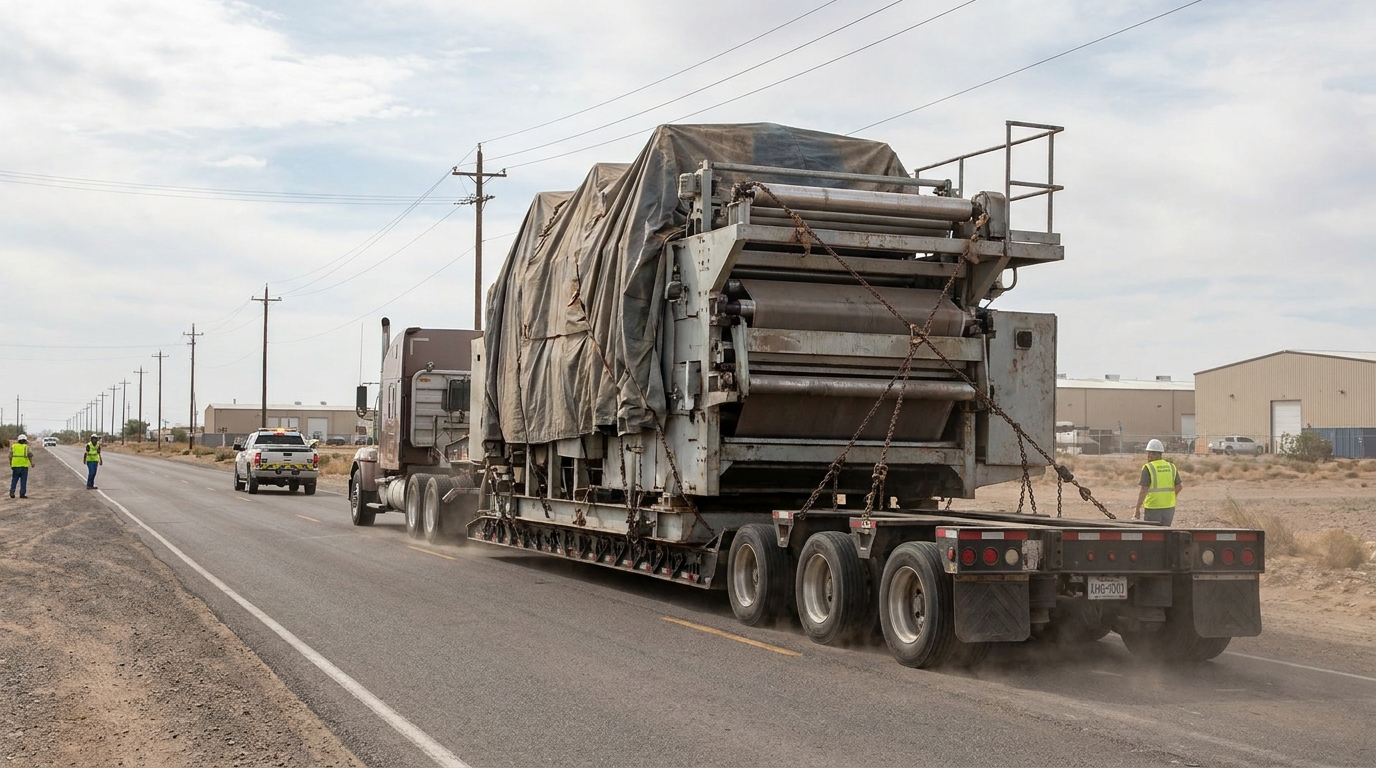
Importing heavy textile equipment into Bangladesh requires strict compliance with local customs regulations. Missing paperwork can leave machinery stranded at the port.
Prepare commercial invoices, packing lists, and certificates of origin early. Verify current tariff classifications and HS codes to prevent unexpected duties and border delays.
Managing Trade Protocols and Banking Compliance
Most international manufacturers require a Letter of Credit (LC) for large machinery orders. Work closely with your local bank to ensure full compliance with Bangladesh Bank guidelines.
LC terms must match shipping documents exactly, as minor spelling errors can cause bank rejections. Establish clear communication with your warp knitting line supplier to align shipping schedules with payment milestones.
Mitigating Risks with Experienced Affiliates
Navigating financial and customs hurdles is easier with the right partners. SutexMach is affiliated with Jiangsu SoHo Honry Import & Export Co., Ltd., providing deep expertise in international trade logistics. Partnering with experienced import affiliates and reliable freight forwarders significantly reduces the risk of costly port delays.
Coordinating Heavy-Haul Inland Transport
Moving heavy stenters, dyeing machines, and knitting units from the port to your facility requires specialized logistics:
- Select Appropriate Vehicles: Use low-bed trailers for oversized drying and calendering machines to maintain stability.
- Survey the Route: Verify road conditions, overhead clearances, and bridge weight limits along your entire transport route.
- Time the Delivery: Schedule heavy deliveries during off-peak traffic hours to ensure safe and uninterrupted transit.
Proper logistical planning guarantees equipment arrives safely, keeping your hosiery mill setup on schedule and ready for calibration.
Decision Factors: Selecting a Warp Knitting Line Supplier in Bangladesh
Successfully installing and calibrating machinery depends on the partner you choose. Evaluating a warp knitting line supplier requires looking beyond basic machinery catalogs to assess their manufacturing history and technological expertise. A strong global export footprint indicates reliability and proven performance.
Comparing End-to-End Production Solutions
Sourcing machines from multiple manufacturers often causes integration problems. Instead, compare suppliers based on their ability to provide complete production solutions. A capable partner supplies the core knitting units alongside essential finishing equipment, including sueding, calendering, drying, stenters, and dyeing machines. Centralizing equipment sourcing ensures seamless mechanical and software compatibility.
Partnering with an Established Manufacturer
SutexMach, founded in 1985, brings decades of specialized manufacturing experience, producing advanced textile machinery for global fabric mills. Furthermore, our affiliation with Jiangsu SoHo Honry Import & Export Co., Ltd. ensures smooth international trade compliance and reliable logistics management. Working with a deeply experienced manufacturer significantly reduces project risks.
Evaluating After-Sales Support and Training
Assess the availability of comprehensive after-sales support before signing any contracts:
- Operator Training: Modern automated systems require skilled operators. Ensure the supplier offers thorough on-site training for your local technicians.
- Spare Parts Delivery: Delays in receiving replacement parts halt production. Verify that the supplier maintains a robust inventory and fast global shipping channels.
- Technical Troubleshooting: Choose a partner that provides rapid diagnostic support to minimize expensive factory downtime.
Risks and Common Mistakes in Warp Knitting Projects
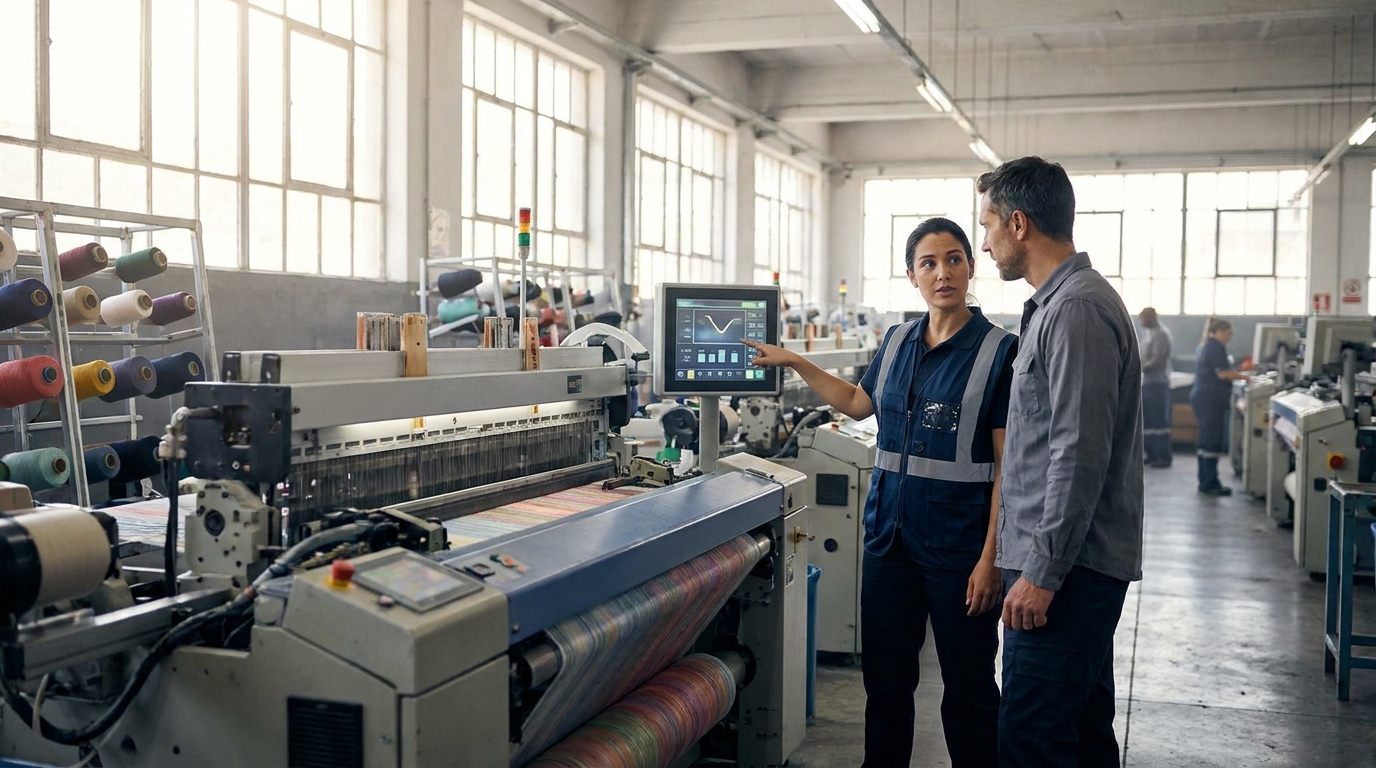
Even with a reliable supplier, executing a large textiles project carries risks. Avoiding common pitfalls ensures your facility produces high-quality knitted outerwear efficiently and protects your machinery investment.
| Project Risk Area | Negative Production Impact |
|---|---|
| Siloed Purchasing | Software incompatibility and delayed technical troubleshooting. |
| Weak Infrastructure | Electrical motor damage and unsafe operating conditions. |
| Untrained Operators | High fabric waste and frequent machine jams. |
| Underfunded Finishing | Poor fabric texture and degraded final quality. |
Avoiding Siloed Machinery Purchasing
Sourcing equipment from multiple manufacturers creates integration bottlenecks. A dyeing machine from one brand may not sync digitally with another brand’s stenter, complicating software communication and making technical troubleshooting difficult. Purchasing a complete line of textile machinery prevents these costly compatibility issues.
Preparing Mill Infrastructure
Heavy textile equipment demands robust industrial infrastructure. Mill owners often underestimate the structural support needed for high-speed knitting units. Additionally, machines like calendering and drying units require specific electrical capacities. Always verify floor load-bearing capacities and precise voltage requirements before machines arrive to prevent frequent breaker trips.
Prioritizing Operator Training
Modern warp knitting lines rely heavily on advanced digital controls. Upgrading technology without upgrading your workforce is a costly mistake. Untrained operators struggle with automated tension settings and complex digital patterning systems, leading to increased fabric waste and machine jams. Ensure staff receives hands-on training for all new equipment.
Balancing Your Equipment Budget
A frequent error during a hosiery mill setup is spending the entire budget on knitting units while cutting costs on crucial downstream processes. Poor finishing quickly ruins perfectly knitted fabric. Compromising on essential dewatering, air-softening, or stenter machines directly degrades final product quality. A successful line requires balanced investment across all production stages.
Frequently Asked Questions About Warp Knitting Line Projects
Why should I buy all my knitting and finishing machines from one supplier?
Buying equipment from a single manufacturer prevents integration problems. Centralizing your purchase ensures all machines work together seamlessly, making technical troubleshooting easier and preventing costly factory downtime.
What factory conditions are required for modern warp knitting lines?
Factories need stable infrastructure to run advanced textile machinery safely. Industrial backup generators prevent voltage drops that can damage sensitive electronic sensors. The knitting room requires strict climate control to manage temperature and humidity, preventing yarn breakage and static electricity. Finally, ensure the factory floor can support the heavy weight of the machines.
Why is secondary finishing equipment important for knitted fabrics?
While primary finishing stabilizes and colors the fabric, secondary finishing machines add the premium qualities needed for global export. Equipment like air-softening, sueding, and calendering machines improve the fabric’s texture, drape, and hand-feel.
What are the common challenges when importing textile machinery into Bangladesh?
Importing heavy equipment involves strict customs and financial rules. A major challenge is matching Letter of Credit (LC) terms exactly with shipping documents to avoid bank rejections. Correct HS codes are also necessary to prevent border delays. Once cleared, moving heavy machines requires specialized inland transport and careful route planning.
What kind of after-sales support does a new knitting mill need?
A new mill needs comprehensive support to keep production running smoothly. Suppliers must provide hands-on operator training for local staff, rapid technical troubleshooting, and fast global delivery of spare parts to minimize expensive production stops.
Wnioski
Upgrading your Bangladesh knit mill requires careful planning, the right equipment, and smooth logistics. Investing in a fully integrated, intelligent production line delivers strong long-term returns. To ensure seamless execution and sustained fabric quality, partner with an experienced manufacturer like SutexMach.
- Assess your current production capacity and facility layout.
- Identify required warp knitting and finishing machinery.
- Contact SutexMach to discuss your specific project needs.