


 French
  English
  Hungarian
  Indonesian
  Bulgarian
  Turkish
  Polish
  Russian
  Spanish
  Portuguese
  Korean


Article Summary:
A softening machine for air is a specialized device designed to alleviate the negative effects of humidity, mineralization, and impurities in the air of the process or compressed gases.
While the term “air softening” is sometimes misconstrued as either air drying or filter conditioning, the industry literature defines air softening as the process of conditioning air to reduce the hardness of problems, corrosion, scale, and downstream equipment wear.
According to Compressed Air Systems: A Guidebook on Energy and Cost Savings, released by the U.S. Department of Energy (DOE) and referencing technical information from ISO 8573, the air treatment process itself is of paramount importance in maintaining air quality, improving efficiency, and extending the life of the equipment.
This article discusses the specifics of an machine d'adoucissement de l'air, how it functions, where it’s located, and how it differs from other air devices and filters. By combining principles of engineering, practical uses of the system, and system-wide insights, this guide provides a more extensive and practical benefit than previous top-ranked content.
Introduction: Why Air Softening Matters in Modern Air Systems?
In industrial settings, air is typically not considered “air” alone, but rather a mixture of water vapor, oil, particles, and dissolved minerals that can adversely affect pneumatic tools, automation, and process stability. As air conditioning systems that are compact have become more advanced, the demand for precise control of the air has increased significantly.
This is when the machine that softens the air comes into play. Unlike other general-purpose air conditioning devices, air softening machines are intended to condition the air quality in order to prevent the formation of hardness, maintain the system’s performance, and protect downstream equipment.
Understanding the functionality of an air softening machine and how it works is crucial to both engineers and plant managers. OEMs and maintenance professionals.
What Is an Air Softening Machine?
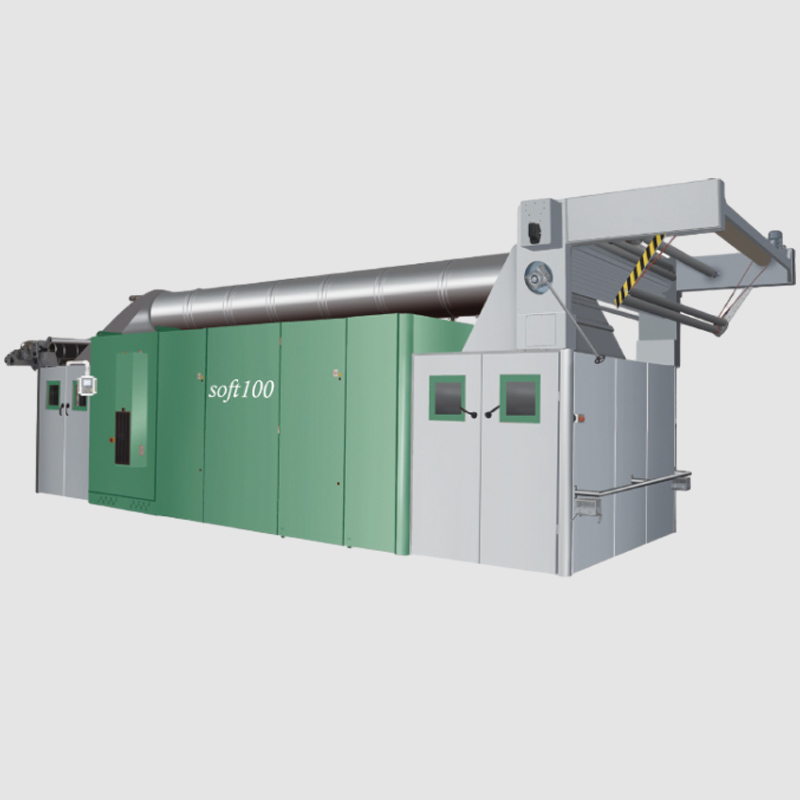
An air softening machine is an air treatment device that diminishes or nullifies the adverse effects of moisture, minerals, and reactive substances in air that is compressed or processed. Its primary function is to “soften” the atmosphere, which decreases the environmental aggression towards mechanical components, seals, valves, and surfaces.
Unlike water softeners that directly remove calcium and magnesium from water in a liquid state, air softeners utilize control over the behavior of moisture, condensation, and interaction with other systems to remove these ions.
Why Is “Air Softening” Necessary?
Despite air’s lack of hardness in the same manner as water does, air systems that are compressed often have issues that resemble hard-water damage, such as:
- The buildup of minerals in the scale is caused by the condensation of water
- Moisture-induced corrosion and reactive gases.
- Sticky operation of the valve due to residue buildup
- Lowered efficiency of pneumatic movers
- Air softening machines address these issues at the overall system level.
Core Functions of an Air Softening Machine
A machine that softens the air typically has multiple integrated capabilities:
- Moisture conditioning and impregnation
- Reduction of the effects of minerals
- Enhanced condensation behavior
- Protection of downstream devices
Instead of simply removing water from the air, the system alters the way moisture is transported in the air stream.
How Does an Air Softening Machine Work?
The mechanism for working is based on the design of the airsoftening machine, but the majority of them follow a multi-step process of conditioning.
Step 1: Air Infiltration and Pre-Filtration
Air is compressed and arrives at the machine after a basic clean. Large particles and oil are typically removed in the upstream direction in order to prevent the softening components from being contaminated.
Step 2: Regulation of the Moisture Interaction
Instead of attempting to remove all moisture (as air dryers do), air softening machines regulate the behavior of moisture and nucleation. This decreases the development of solid minerals on internal surfaces.
Step 3: Chemical or Physical Development
Depending on the system type, the air may be exposed to:
specialized media outlets
Conditions in the conditioning chambers
Cartridges that modify the surface.
These components affect the way moisture and other contaminants interact with metal objects.
Step 4: Constant Airflow
The air that is treated leaves the machine in a conditioned, non-intense state, which diminishes the long-term damage and increases the distribution of air across the network.
Key Components of an Air Softening Machine
Below is a concise, technical, and B2B-ready description, which is appropriate for websites devoted to industry, product catalogs, or engineering.
The essential components of an air softening machine.
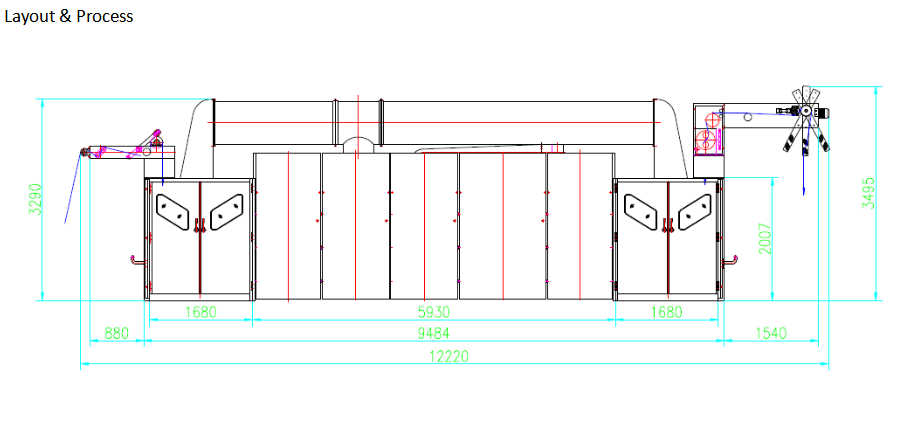
A softening machine for air is intended to enhance the quality of compressed air by reducing moisture, oil, and small particles. This machine will protect downstream devices and enhance the efficiency of the system. The core components of this platform are:
- The intake of air and the pre-filtration of dust are both important aspects of building a dusty building
Remove large particles like dust, rust, and oil from the air before it reaches the treatment stage, which diminishes the load on the downstream components.
- Cooling and Condensing Unit
Lowers the temperature of the air that’s being compressed to condense the moisture, which will allow the water vapor to be separated from the stream of air.
- Humidification Chamber
The process uses the force of centripetal displacement or gravity to differentiate the condensed water from the air.
- Adsorption orfiltration media
Depending on the design, this may include:
- Desiccating materials
- Carbon activated
- Multiple-layered filter components
These components further reduce the amount of moisture, oil vapor, and scents remaining.
- Automatic Drain System
Constantly releases condensate that is collected without having to air it out, which prevents the system from having water inside it.
- Pressure Regulation and Control of Flows
Maintains a consistent pressure and flow rate for downstream devices.
- Control and Monitoring System
Includes pressure gauges, differential pressure indicators, and, in more advanced models, digital sensors that provide real-time performance monitoring.
Air Softening Machine vs Air Dryer: Key Differences
Although often confused, air softening machines and air dryers serve different roles in compressed air systems.
| Aspect | Machine d'adoucissement de l'air | Air Dryer |
| Primary Function | Improve air quality by reducing moisture, oil, and impurities | Remove moisture to achieve a specific dew point |
| Moisture Removal Level | Modéré | High/precise |
| Typical Technology | Filtration, condensation, and adsorption | Refrigerated or desiccant drying |
| Dew Point Control | Limited | Precise and measurable |
| Application Focus | Equipment protection & general air quality | Process-critical moisture control |
| Consommation d'énergie | Relatively low | Medium to high |
| Typical Use | General manufacturing, pneumatic tools | Electronics, pharmaceuticals, food processing |
Practical Selection Guidance
Choose an air softening machine when:
- Basic moisture and contaminant reduction is sufficient
- System simplicity and low operating cost are priorities
- Air quality improvement is needed rather than strict dew point control
Choose an air dryer when:
- Specific dew point standards must be met
- Moisture-sensitive processes are involved
- Long-term corrosion prevention is critical
Applications of Air Softening Machines
Air softening machines are widely used in compressed air systems to reduce moisture, oil mist, and particulate contaminants, improving air quality and protecting downstream equipment. They are particularly suited for applications that require stable, pure compressed air without a great deal of control over the dew point.
- All-inclusive manufacturing and industrial production
In manufacturing facilities, air softening machines facilitate a consistent air quality throughout daily operations.
Common habits:
- Pneumatic instruments and devices
- Automated manufacturing lines
- Air-powered bottles and controls
Key benefits:
- Less equipment use
- Increased operational dependability
- Lower frequency of maintenance
- Automotive and Metalworking Industries
Moisture and oily contamination can adversely affect precision instruments and the surface quality.
Les applications utiles sont les suivantes :
- CNC centers that use a computer to control the operations
- Metallic stamp and press equipment
- Robotic weapons and air-pulled hoses
The importance of air softening:
- Avoids the corrosion of air lines.
- Increases the efficiency of the tool and its lifespan
- Increases process consistency
- Packaging and Printing Industry
The quality of compressed air directly affects the clarity of prints and the accuracy of packaging.
Common uses include:
- Printer’s presses
- Packaging machines and conveyors
- Sealing and labeling devices
Performance benefits:
- Lessened ink pollution
- Constant air pressure and flow rates
- Increased consistency of products
- Food and beverage processing (non-critical air consumption)
For supplementary air systems that aren’t in direct communication with food products.
Typical uses include:
- Other equipment associated with the packaging process
- Systems that handle bottles
- Automaton conveyor
Key considerations include:
- Facilitates the control of moisture-related corrosion.
- Facilitates the hygienic operation of plants.
- Often combined with other fine mechanisms for enforcement.
- textile and garment manufacturing
Air softening machines facilitate a consistent production of fiber-based products in environments that are sensitive to air.
Employed:
- Looms that use the air of the jet as a means to propel the fabric
- Yarn transport systems
- Pneumatic processes for cleaning are described
Benefits:
- Lower humidity impact on fibers
- Enhanced fabric stability
- Lower productivity due to blocked air ducts
- Electronics and Lighting
For applications that don’t require a critical quality of air, but still require a basic degree of air quality.
Common habits:
- Picker and place equipment
- Pneumatic drivers with screws
- Components handling systems
Avantages :
- Constant air movement
- Lessened particle pollution
- Effective cost-benefit analysis of air quality improvement.
- Workshops and Maintenance Facilities
Air softening machines are common in environments that have a lot of air circulation.
Les applications utiles sont les suivantes :
- Maintenance shops for vehicles
- Repair centers for equipment
- All workshops
The reasons why they’re favored include:
- Easy installation
- Low consumption of energy
- Low maintenance requirements
Benefits of Using an Air Softening Machine
- Extended Life of the Equipment
By decreasing the corrosion and scale buildup, airsoftening machines greatly increase the life of the pneumatic components.
- Lowered Maintenance Charges
Conditioned air is responsible for fewer instances of valve failure, seal replacement, and random stops.
- Enhanced System Robustness
Constant air quality stability ensures consistent motion and control of the actuator.
- Energy Efficiency Discounts
Cleaner, conditioned air decreases the pressure loss caused by fouling and internal resistance.
Air Softening Machines in Compressed Air Systems
In modern compressed air systems, air softening machines are typically installed:
- Downstream of compressors
- After primary filtration
- Before sensitive equipment
This placement maximizes protection without interfering with core air generation.
Material Compatibility and Corrosion Control
One of the most overlooked advantages of air softening machines is material compatibility improvement. By reducing aggressive moisture behavior, they protect:
- Aluminum housings
- Brass valves
- Steel piping
- Elastomer seals
This is particularly important in mixed-material systems.
Design Variations of Air Softening Machines
Air softening machines vary based on system requirements.
Common Design Types:
- Cartridge-based systems
- Media-filled conditioning units
- Modular inline softeners
Each design balances capacity, maintenance, and installation flexibility.
Maintenance Requirements
Air softening machines are generally low-maintenance.
Typical maintenance includes:
- Periodic media replacement
- Drain inspection
- Pressure drop monitoring
Compared to air dryers, maintenance demands are minimal.
Performance Metrics to Consider
When evaluating an air softening machine, key metrics include:
- Flow capacity
- Pressure drop
- Media lifespan
- Operating temperature range
Proper sizing is critical for effective performance.
Economic Impact and ROI
From an economic perspective, air softening machines deliver value through:
- Reduced downtime
- Lower spare parts consumption
- Improved production consistency
In many facilities, payback periods are measured in months rather than years.
Common Misconceptions About Air Softening Machines
“They replace air dryers” – Incorrect
“They remove all moisture” – Not their function
“They are only for large factories” – Widely scalable
Understanding their role prevents misapplication.
Future Trends in Air Softening Technology
Industry trends include:
- Integration with smart air systems
- Advanced conditioning materials
- Compact modular designs
- Data-enabled performance monitoring
These innovations align with Industry 4.0 requirements.
FAQ: Air Softening Machine
- What is the purpose of an air softening machine?
A machine that softens the air is used to condense the air into a liquid state that reduces the corrosion, scale, and equipment wear associated with moisture.
- Is the same type of machine used to air-dry also used to soften air?
No. A dryer that doesn’t have water is an air dryer that removes moisture, while a machine that changes the way moisture affects the system is an air softening machine.
- Where should an air softening device be positioned?
It’s typically installed after the filtration system and before the sensitive pneumatic equipment.
- Does a machine that softens the air increase the efficiency of energy?
Yes, by decreasing fouling and pressure loss, it indirectly increases the efficiency of the system.
- How frequently does a machine that softens the air need to be maintained?
Maintenance intervals are based on the frequency of use, but they are typically less frequent than those of dryers and filters.
Conclusion: Understanding the Role of an Air Softening Machine
What is the process of air softening, and how does it work? It’s a specialized air treatment solution that is intended to condition compressed air, reduce the damage associated with moisture, and preserve the systems of industry from long-term deterioration.
Instead of replacing dryers or air conditioning, air softening machines augment the overall air treatment strategy, providing consistency, efficiency, and savings. As the evolution of compressed air systems that are compressed continues, more advanced machines are now being employed in modern industry.