


 French
 English
 Hungarian
 Indonesian
 Bulgarian
 Turkish
 Polish
 Russian
 Spanish
 Portuguese
 Korean


Un revêtement peut-il réduire de 50 % la rupture des fils de chaîne ? La préparation de la chaîne est effectivement d'une importance capitale. Les fils bruts se cassent sous une contrainte mécanique intense. Le sizing de la chaîne résout ce problème en appliquant un bouclier protecteur. Dans cet article, vous explorerez le processus de sizing. Découvrez les types de machines et les avantages en termes d'efficacité du tissage.
What is a Yarn Sizing Machine?

Before exploring efficiency benefits, we must understand the core equipment. A machine de calibrage des fils, often called a slasher, prepares warp yarns for weaving. It applies a protective chemical paste to the threads.
This equipment sits at the heart of any modern textile mill. Intelligent machinery builders like SutexMach design these systems for high-speed operation. Drawing on over 30 years of experience, they ensure consistent tension and energy-saving performance during the run.
The Concept of Sizing
Sizing means encapsulating the yarn in a liquid chemical mixture. This paste typically includes starch, PVA, or acrylic binders. The process does two things. It coats the outside and penetrates the inside.
Industry experts aim for a specific balance here. You want about 70% surface coating and 30% internal penetration. This ratio anchors the protective film securely. It keeps the yarn flexible enough for the loom.
Why Raw Yarn Fails in the Loom
Raw, unsized yarn cannot survive high-speed weaving. It is too hairy and lacks sufficient strength. Loom components create intense mechanical stress. Heald wires and reeds rub aggressively against the threads.
Without a protective shield, protruding fibers tangle together. They cling in the loom shed and snap under tension. This shedding creates dust, clogs machine parts, and halts production. Sizing eliminates these risks. It lays down loose fibers and boosts tensile strength by 20% to 40%.
Impact on Fabric Quality
Le procédé d'apprêtage des textiles directly controls your final fabric quality. Fewer warp breaks mean fewer loom stops. Uninterrupted weaving prevents visible defects in the finished material.
Here is a quick comparison showing how sizing transforms the yarn:
| Caractéristique | Raw Warp Yarn | Sized Warp Yarn |
|---|---|---|
| Tensile Strength | Base level | Increased by 20% to 40% |
| Hairiness | High (protruding fibers) | Low (fibers laid flat) |
| Abrasion Resistance | Poor | Excellent |
| Weaving Performance | Frequent breaks, shedding | Smooth, continuous running |
Step-by-Step: Understanding the Textile Sizing Process
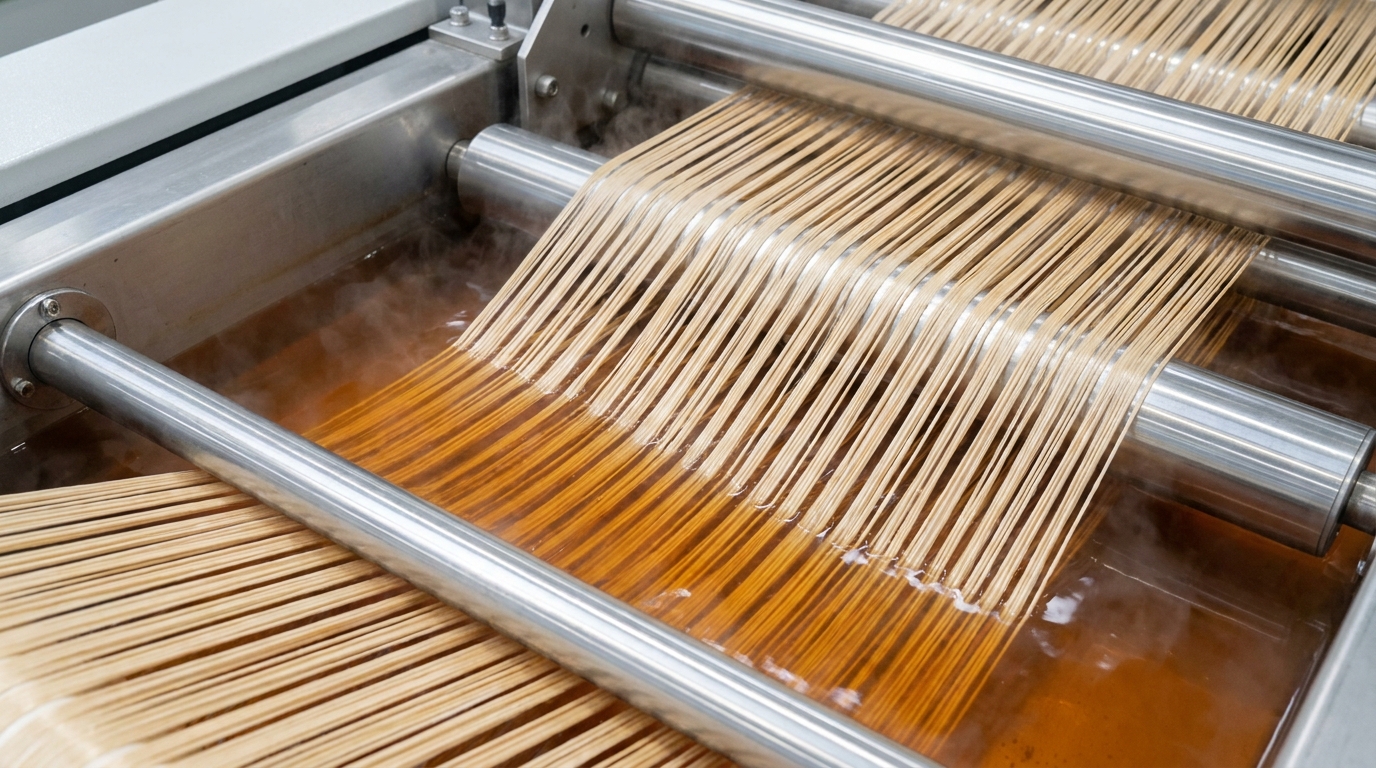
We just saw how sizing transforms weak, hairy threads into smooth, high-strength warp. But how does this transformation actually happen? The journey from raw yarn to a finished weaver’s beam requires a highly controlled sequence. Let us break down this complete operation step by step.
1. Warping Preparation at the Creel
The process begins in the creel zone. Hundreds of individual yarn ends unwind simultaneously from large spools. They must feed smoothly toward the chemical bath. Tension control is absolutely critical during this stage.
You must keep warp stretch under 1% to 1.5% for cotton yarns. Too much stretch destroys natural elasticity. Intelligent textile machinery from builders like SutexMach ensures precise tension control here. Their systems prevent tangles and keep the feed rate perfectly uniform.
2. Size Application in the Sow Box
Next, the yarn enters the size box, often called the sow box. Immersion rollers push the threads down into the hot sizing liquor. The bath temperature stays between 85°C and 95°C to maintain optimal viscosity.
As we covered earlier, you want 70% surface coating and 30% internal penetration. To achieve this, squeeze rollers apply 10 to 40 kN of pressure. This squeezes out excess paste and forces the chemicals into the fiber core. A modern machine de découpe à lame monitors this pressure constantly to ensure an even coating across every thread.
- Pro Tip: Try pre-wetting the yarn in hot water before it enters the size box. This simple step improves coating uniformity and reduces chemical consumption by up to 20%.
3. The Drying Section
Wet yarn cannot go onto a beam. It moves immediately into the drying zone. Most modern setups use multi-cylinder drying systems heated by steam. The initial cylinders run hot, typically between 110°C and 120°C, to flash off surface water.
The final cylinders drop to 80°C to 90°C. You must avoid over-drying at all costs. Cotton requires a target moisture regain of 6% to 8%. If moisture drops below 5%, the protective film becomes brittle and flakes off in the loom.
Drying consumes massive amounts of steam. SutexMach integrates advanced energy-saving performance into their drying sections. This reduces the high utility costs normally associated with continuous production runs.
4. Beaming and Winding
The final stage happens at the headstock. The dried yarn passes through a series of lease rods. You must thread these in a zigzag pattern. This separates the ends and prevents them from sticking together.
An expansion comb then aligns the threads to the exact width needed. Finally, the beam winder rolls the finished yarn tightly onto the weaver’s beam. Choosing a reliable machine de dimensionnement pour métier à tisser preparation guarantees that this final package unwinds flawlessly during high-speed weaving.
Here is a quick summary of the critical parameters at each stage:
| Étape du processus | Key Machine Component | Critical Parameter | Primary Goal |
|---|---|---|---|
| Preparation | Creel Zone | Stretch < 1.5% (Cotton) | Maintain yarn elasticity |
| Application | Sow Box & Squeeze Rollers | 10 – 40 kN Pressure | Achieve 70/30 coating ratio |
| Séchage | Multi-Cylinder System | 6% – 8% Final Moisture | Prevent brittle size film |
| Winding | Headstock & Beam Winder | Precise thread separation | Create a flawless weaver’s beam |
Common Types of Warp Sizing Machines
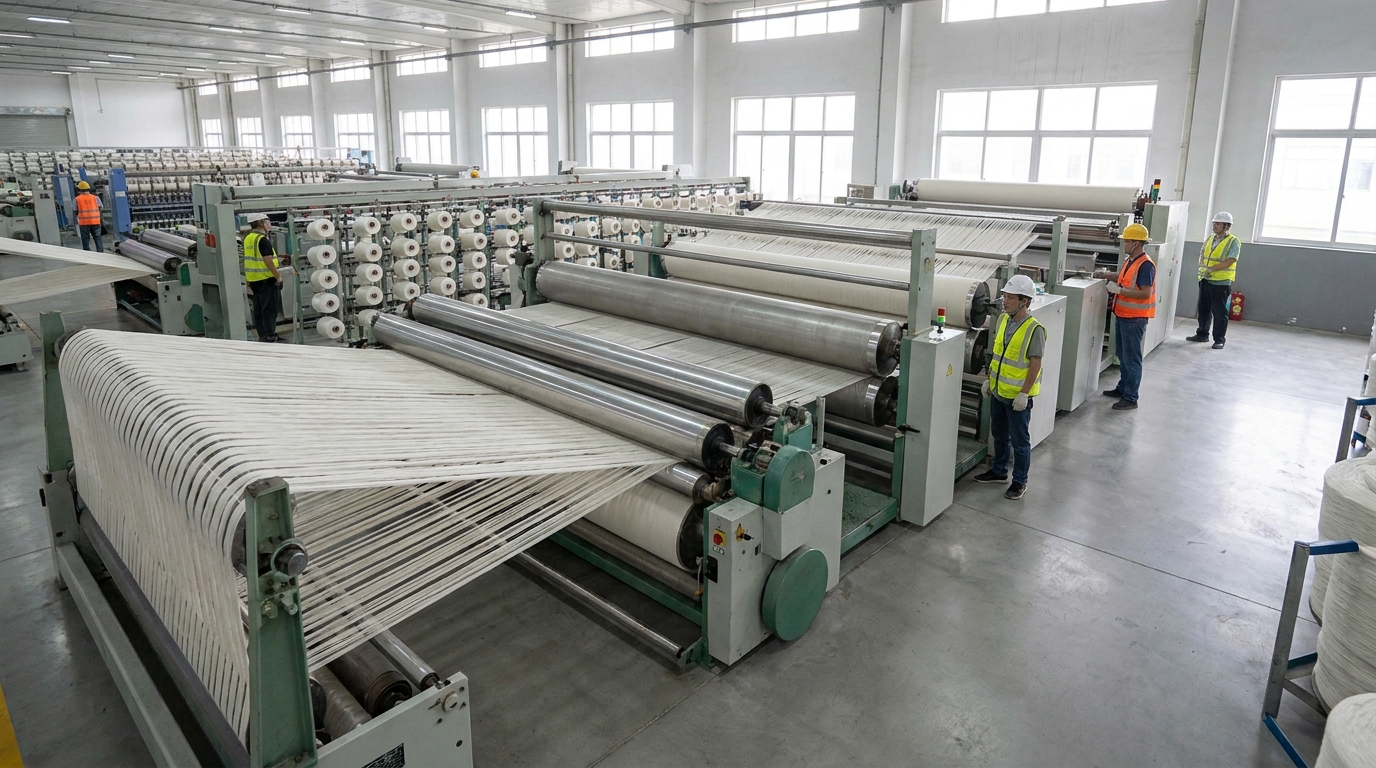
We just mapped out the journey from the creel to the finished weaver’s beam. However, not every mill runs the exact same setup. The specific equipment you need depends heavily on your yarn material and production scale.
Mills processing high-volume cotton need different configurations than those handling delicate technical yarns. Builders like SutexMach provide integrated solutions customized for these varying demands. Drawing on over 30 years of experience, they engineer highly adaptable systems. You can easily switch between standard starch and high-performance PVA.
The Traditional Slasher
The traditional slasher remains the primary workhorse for large-scale textile manufacturing. A modern machine d'apprêtage de chaîne of this type operates at impressive speeds. They easily run between 100 and 125 meters per minute.
These robust systems handle thousands of yarn ends simultaneously. They feature large sow boxes and extensive multi-cylinder drying zones. Trusted globally in markets like Turkey, Indonesia, and Pakistan, SutexMach delivers extremely reliable slashers. These machines prioritize quality guarantees and energy-saving performance. They are the ideal choice for continuous production of cotton and synthetic blends.
Single-End Sizing Machines
Standard slashers apply too much tension for certain delicate materials. Single-end equipment solves this problem by treating each yarn individually. They are perfect for specialized, fragile, or technical yarns.
Instead of pulling a massive sheet of threads, this setup coats single ends. It completely prevents tangling during the application process. This gentle approach reduces mechanical stress on fragile fibers. It ensures a perfectly uniform coating for highly specialized weaving applications.
Sample Sizing Units
You do not always want to run a massive batch to test a new paste. Sample sizing machines are compact units built specifically for R&D. They handle small-batch production with great efficiency.
They allow textile mills to test new size recipes without wasting expensive raw materials. Continuous innovation requires precise testing equipment. SutexMach supports this through their dedicated R&D team. They hold numerous patents for intelligent textile machinery design, ensuring mills can optimize their chemical mixtures safely.
Here is a quick comparison of these machine configurations:
| Type de machine | Application idéale | Échelle de production | Key Advantage |
|---|---|---|---|
| Traditional Slasher | Cotton, synthetic blends | High-volume, continuous | High speed (100-125 m/min) |
| Single-End | Delicate, technical yarns | Low to medium volume | Zero tangling, low tension |
| Sample Unit | Recipe testing, R&D | Small batch | Material conservation |
How a Sizing Machine for Loom Improves Weaving Efficiency
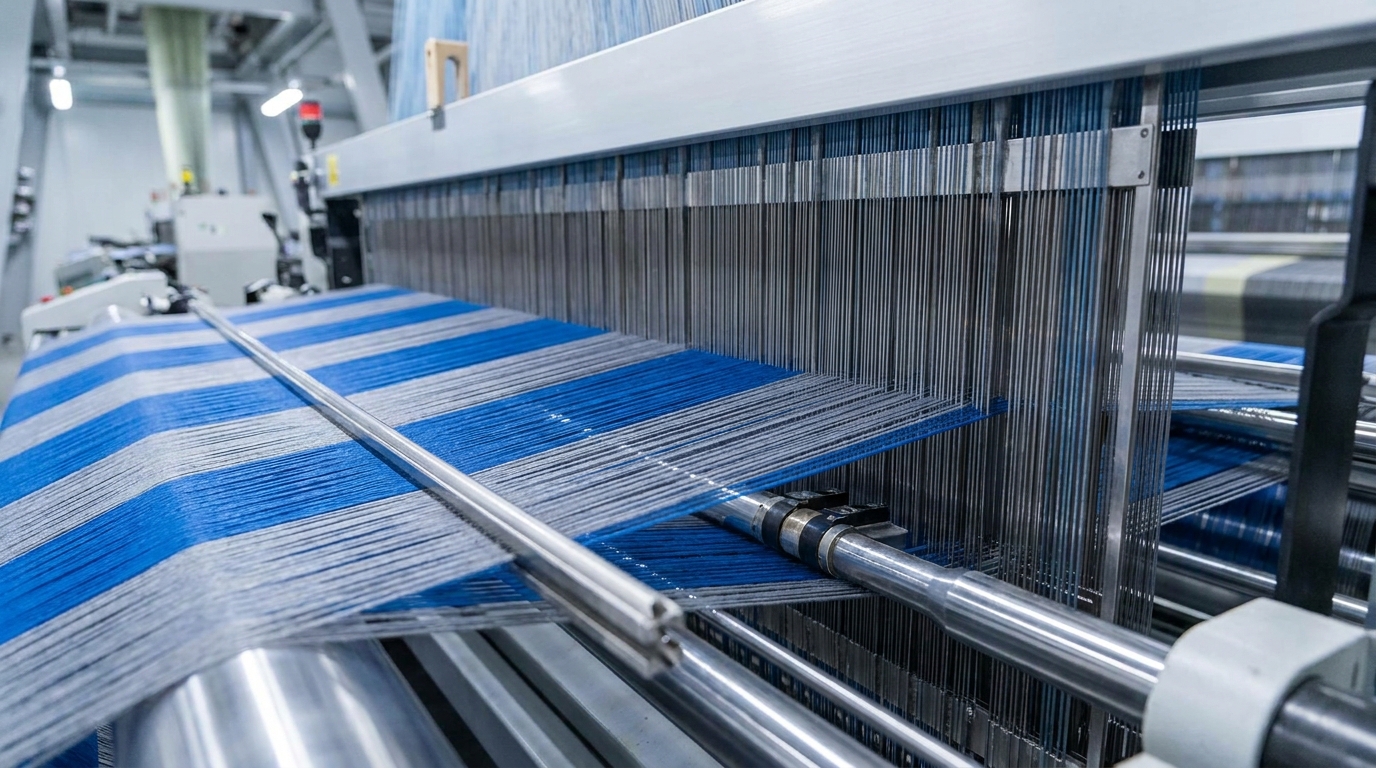
We just explored various machine configurations, from traditional slashers to compact sample units. Regardless of your specific setup, the ultimate goal remains the same. You want to maximize loom output. Let us examine exactly how proper warp preparation transforms your daily weaving efficiency.
Friction Reduction and Mechanical Shielding
Loom components punish raw yarn. Heald wires and reeds rub aggressively against the threads during every single pick. This intense mechanical wear quickly degrades unprotected fibers.
A proper size coating creates a tough external shield. As we covered earlier, achieving a 70% surface coating encapsulates the thread. This smooth outer layer takes the brunt of the abrasion. It protects the core fibers underneath. The yarn glides through the loom shed smoothly. This simple friction reduction prevents premature fraying and snapping.
Increased Yarn Strength and Elasticity
Weaving applies massive tension. Weak threads snap constantly. Sizing directly addresses this by increasing the tensile strength of warp yarn by 20% to 40%. It essentially binds the individual fibers together into a single, cohesive unit.
However, strength alone is not enough. The yarn must stretch slightly. Sizing reduces elongation by approximately 20% to 25%. You must keep warp stretch under 1.5% for cotton during preparation to maintain this essential elasticity. This delicate balance of strength and stretch reduces warp yarn breakage in the loom by 20% to 50%. Fewer breaks translate directly to continuous, uninterrupted production.
Smoothing Hairiness for Better Fabric Quality
Protruding fibers cause severe problems in the weaving shed. Hairy yarns cling together. They tangle and cause “stitched” fabric defects. The friction also scrapes off loose fibers.
This shedding creates heavy dust. It clogs machine parts and forces frequent cleaning stops. The sizing paste lays these loose fibers completely flat. It glues them to the main yarn body. This smooth profile eliminates clinging and dramatically improves your final fabric quality.
Enabling Higher Loom Speeds
Modern air-jet looms operate at blistering speeds. They subject the yarn to high-frequency vibrations and intense air pressure. You simply cannot run these machines efficiently without optimal warp preparation.
Using superior sizing agents like PVA gives the yarn exceptional film strength. The encapsulated threads withstand rapid mechanical movements without peeling or dusting. A high-quality sizing machine for loom allows your weaving department to run equipment at absolute peak capacity.
Cost-Effectiveness and Waste Reduction
Every loom stop costs you money. When a warp thread breaks, an operator must manually tie it back together. This wastes valuable production time and increases labor costs.
Investing in reliable equipment minimizes these expensive interruptions. Builders like SutexMach provide intelligent textile machinery designed for this exact purpose. Drawing on over 30 years of experience, their integrated solutions ensure highly consistent size application. You avoid the pitfalls of over-sizing or under-sizing, which wastes expensive chemical pastes.
Furthermore, their systems feature advanced energy-saving performance. Heating size boxes and running drying cylinders consumes massive amounts of steam. Efficient machine design lowers these daily utility bills, boosting your overall profit margins without compromising the quality guarantee.
Here is a breakdown of how sizing directly impacts your production metrics:
| Production Metric | Without Sizing | With Optimal Sizing | Efficiency Impact |
|---|---|---|---|
| Loom Stops | Frequent (high breakage) | Reduced by 20% to 50% | Increases continuous run time |
| Vitesse de la machine | Must run slower | Peak capacity (Air-jet ready) | Maximizes daily output |
| Labor Costs | High (manual knotting) | Low (fewer interventions) | Improves operator efficiency |
| Material Waste | High (defective fabric) | Minimal | Boosts first-quality yield |
Key Components of a Modern Warp Sizing Machine
We just discussed how minimizing loom stops and maximizing output boosts your profit margins. To achieve these impressive efficiency gains, the equipment itself must perform flawlessly. A modern machine relies on several precision-engineered zones working together. Let us explore the critical components driving this continuous production.
The Beam Creel and Tension Control
The process starts at the back of the machine. The beam creel holds multiple large spools of raw yarn. Uninterrupted feeding is essential for high-speed weaving preparation. Pneumatic tension control systems maintain uniform pull across all threads.
As we covered earlier, you must keep cotton stretch below 1.5%. Intelligent textile machinery from builders like SutexMach uses advanced pneumatics. These systems prevent tangles and ensure smooth yarn delivery.
Precision in the Size Box
Next, the yarn enters the size box. This vital component applies the protective chemical paste. Advanced temperature control keeps the liquor between 85°C and 95°C. Precise liquor circulation prevents the paste from settling or degrading.
Uniform squeezing rollers are absolutely critical during this stage. They apply 10 to 40 kN of consistent pressure. This forces liquid into the yarn core and removes excess. Consistent application guarantees the 70/30 coating ratio we discussed previously.
Energy-Efficient Drying Cylinders
Wet yarn requires immediate and careful drying. Multi-cylinder drying systems handle this crucial task efficiently. Initial cylinders run hot to flash off water quickly. Final cylinders operate at much lower temperatures.
This prevents over-drying and stops the size film from becoming brittle. Modern cylinders feature special Teflon coatings. The non-stick surface prevents yarn damage and keeps equipment clean. SutexMach integrates exceptional energy-saving performance into these drying mechanisms. This smart design drastically reduces your daily steam consumption.
Headstock and Beaming Mechanism
The journey ends at the front of the machine. The headstock organizes the dried threads carefully. It aligns them perfectly before the final winding process. The beaming mechanism controls the exact winding tension.
Consistent tension creates a flawless weaver’s beam. If tension fluctuates, the beam unwinds poorly in the loom. Reliable equipment guarantees perfect beam formation every single time.
Intelligent Control Panels and Automation
You cannot manage modern textile production blindly. PLC-based automation runs the entire sizing operation today. Intelligent control panels provide real-time monitoring of speed and pressure. Operators track data instantly to optimize daily production management.
SutexMach equips their machines with highly intuitive digital interfaces. Their R&D team holds numerous patents for these smart systems. Drawing on over 30 years of experience, they deliver highly customized solutions. If you need specific automation upgrades, you can easily contact their team for expert guidance.
Here is a quick overview of these essential machine components:
| Machine Component | Primary Function | Key Technology |
|---|---|---|
| Beam Creel | Feeds raw yarn smoothly | Pneumatic tension control |
| Size Box | Applies chemical paste | Uniform squeezing rollers |
| Drying Cylinders | Removes excess moisture | Teflon coating, steam efficiency |
| Headstock | Winds the finished beam | Precision tension regulation |
| Control Panel | Manages entire process | PLC-based automation |
SutexMach: Your Trusted Partner for Intelligent Sizing Solutions
You just saw how intelligent control panels and precision components drive continuous production. To achieve these results, you need a reliable equipment builder. SutexMach delivers this exact level of sophisticated automation.
Founded in 1985, we operate as a one-stop provider. We are affiliated with Jiangsu Soho Honry Import & Export Co., Ltd. Our team specializes in intelligent textile machinery. You benefit directly from our 30 years of deep industry experience.
Strong R&D and Full-Process Expertise
Continuous innovation drives our equipment design. Our dedicated R&D team holds numerous invention and utility model patents. We do not just build sizing systems. We design and manufacture full-process equipment.
This includes sueding, calendering, dyeing, and warp knitting machines. This broad expertise gives us a unique perspective. It ensures every machine integrates seamlessly into your entire production line.
Energy-Saving Performance and Integrated Solutions
As we covered earlier, drying cylinders consume massive amounts of steam. We prioritize energy-saving performance to lower your daily utility bills. Our engineers provide integrated solutions tailored to your specific warp sizing requirements.
We customize the machinery for your exact yarn type. You get a perfect balance of quality guarantee and operational efficiency. This custom approach ensures maximum size penetration and precise coating control.
Global Trust and Proven Reliability
Textile mills around the world rely on our intelligent machinery. We deliver customized, high-quality equipment to major global markets. Facilities in Turkey, Indonesia, and Pakistan trust our robust designs.
They achieve exceptional weaving efficiency using our reliable systems. Here is a quick overview of the core advantages you gain by partnering with us:
| SutexMach Advantage | Feature Details | Direct Benefit to Your Mill |
|---|---|---|
| Industry Experience | Founded in 1985 (Over 30 years) | Proven reliability and deep technical knowledge |
| Innovation Focus | Numerous invention and utility patents | Access to cutting-edge intelligent automation |
| Efficacité | Advanced energy-saving performance | Lower daily steam and utility consumption |
| Global Reach | Trusted in Turkey, Indonesia, Pakistan | Guaranteed international quality standards |
Conclusion
Warp sizing maximizes loom efficiency and reduces downtime. It ensures premium fabric quality for your business. Investing in energy-efficient equipment keeps you competitive. SutexMach offers patented, intelligent machinery solutions globally. Upgrade your textile production line today.
- Assess your current loom downtime and yarn breakage rates.
- Compare energy-saving features of modern slasher sizing machines.
- Contact SutexMach for a customized machinery consultation.
Frequently Asked Questions About Textile Sizing Machines
Why do warp yarns break at the edges of the beam?
Yarn breaks at the edges often happen because of uneven pressure. Squeeze rollers apply pressure to control size penetration. If this pressure is not perfectly balanced, edge yarns get too much or too little size. This causes weak spots during weaving. Regular maintenance of the squeeze rollers prevents this issue. Keeping pressure equal across the entire beam ensures smooth weaving.
Can you weave fabric without using a sizing machine?
You can skip sizing only for specific filament yarns. Very low-density fabrics might not need sizing either. However, high-speed weaving machines require warp sizing. The sizing process increases yarn strength by 20% to 40%. It also smooths down protruding fibers. Without this protective coating, yarns will break under high tension. For efficient production, a sizing machine is absolutely necessary.
What is the ideal moisture level for sized cotton yarn?
The target moisture content for cotton yarn is 6% to 8%. Drying cylinders must operate at correct temperatures to achieve this. If the yarn dries below 5% moisture, it becomes very brittle. Brittle yarn easily snaps during the weaving process. Proper moisture sensors help maintain the perfect balance. This ensures the yarn stays strong and flexible on the loom.
How does a textile sizing machine save energy?
Heating size boxes and drying cylinders requires a lot of steam. This makes energy consumption a major concern for textile mills. Modern equipment uses advanced drying technologies to reduce steam usage. SutexMach offers energy-saving performance across its intelligent textile machinery. Pre-wetting yarns with hot water can also lower chemical use. These smart designs help factories save money and energy.
What is the difference between coating and penetration in sizing?
Coating forms a protective surface film on the yarn. Penetration means the size liquid sinks into the yarn fibers. The ideal sizing process provides 70% coating and 30% penetration. Too much penetration makes the yarn stiff and hard to weave. Too little penetration causes the surface film to peel off. Finding the right balance keeps the yarn strong and smooth.
Actionable Next Steps
- Check your squeeze roller pressure weekly to prevent uneven yarn coating.
- Install moisture sensors to keep cotton yarn moisture between 6% and 8%.
- Explore energy-saving machinery from SutexMach to lower your daily production costs.
- Test yarn viscosity regularly to maintain the perfect balance of penetration and coating.
Warp sizing is essential for boosting weaving efficiency and reducing yarn breakage. A high-quality textile sizing machine applies a protective film to strengthen yarns. Proper temperature control and moisture management prevent brittle fibers. Balancing size coating and penetration ensures smooth weaving on high-speed looms. Upgrading to intelligent, energy-saving equipment from providers like SutexMach lowers production costs. Mastering these sizing techniques ultimately leads to better fabric quality and higher factory output.