

 French
 English
 Hungarian
 Indonesian
 Bulgarian
 Turkish
 Polish
 Russian
 Spanish
 Portuguese
 Korean


Les erreurs d’opérateur entraînent-elles de longues périodes d’arrêt dans votre usine de fabrication de tissus ? Des opérateurs de machines qualifiés sont essentiels pour la productivité, la sécurité et la qualité. Dans cet article, vous découvrirez des étapes pratiques de formation. Nous abordons tout, depuis l’introduction de base jusqu’à la gestion des machines intelligentes.
The Core Components of Textile Machine Operator Training
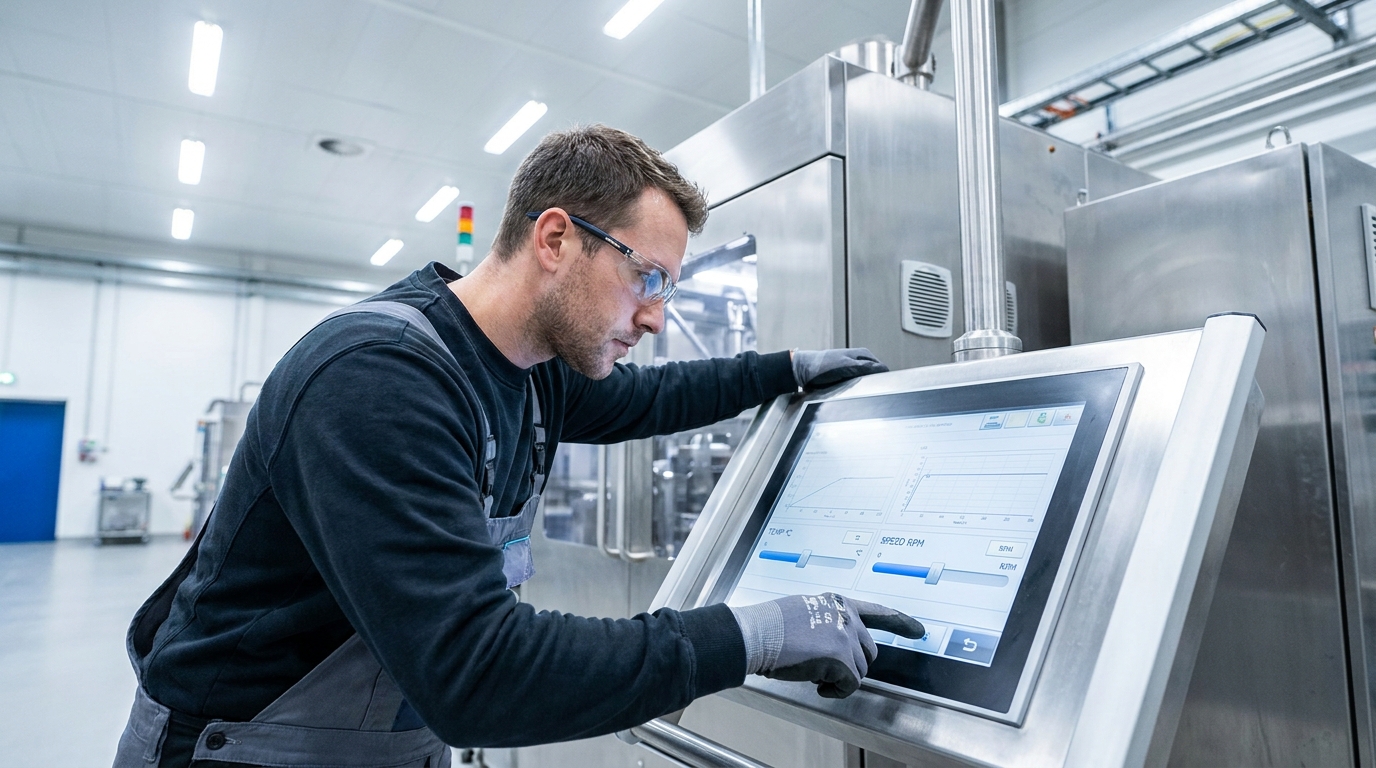
Building on basic onboarding, a robust formation de conducteur de machine textile program must cover the daily realities of the factory floor. You need a clearly structured approach. This ensures your team handles modern equipment safely and efficiently.
Mastering Intelligent Machinery and Digital Controls
Modern mills no longer rely solely on manual mechanical adjustments. Today’s equipment integrates mechanical parts with advanced electronic controls. Industry experts call this textile mechatronics. Operators must understand how to interact with these complex systems daily.
Since 1985, SutexMach has manufactured intelligent textile machinery. Our sueding, calendering, and stenter machines require operators to confidently read digital control panels. They must respond quickly to automated sensors. Your training program should focus heavily on setting operational parameters. Operators need hands-on practice calibrating temperature, running speed, and fabric tension through Programmable Logic Controller (PLC) interfaces.
Material Handling Best Practices
Proper material handling directly impacts your production yield. Training must cover the exact steps for loading, threading, and unloading fabrics. If operators mishandle these steps, you will face massive material waste and defects.
Feeding fabric into a warp knitting or drying machine requires precise tension control. Teach operators the correct threading paths. Show them how to avoid stretching or creasing the fabric during the unloading phase. Providing a clear nouvelle liste de contrôle pour la formation des opérateurs de machines helps standardize these tasks. It ensures every worker follows the exact same safe process every single time.
Quality Control Basics on the Floor
Operators are your first line of defense against poor quality. They need to spot fabric flaws during the active production run. Waiting until the roll is finished costs you money.
Teach them to identify common defects immediately. They should easily spot issues like barre, holes, or oil spots. We recommend hanging a “Symptoms-Cause-Remedy” chart directly at each workstation. This visual aid speeds up operator response times. It tells them exactly which machine setting to adjust when a specific flaw appears.
| Operational Parameter | Common Fabric Defect | Operator Action Required |
|---|---|---|
| Fabric Tension | Stretching or Barre | Recalibrate tension sensors via the digital PLC interface. |
| Running Speed | Inconsistent Finish | Adjust roller speed to match fabric thickness specifications. |
| Température | Heat Spots or Discoloration | Verify heating elements and cooling fans on the control panel. |
Prioritizing Textile Machine Operator Safety Training
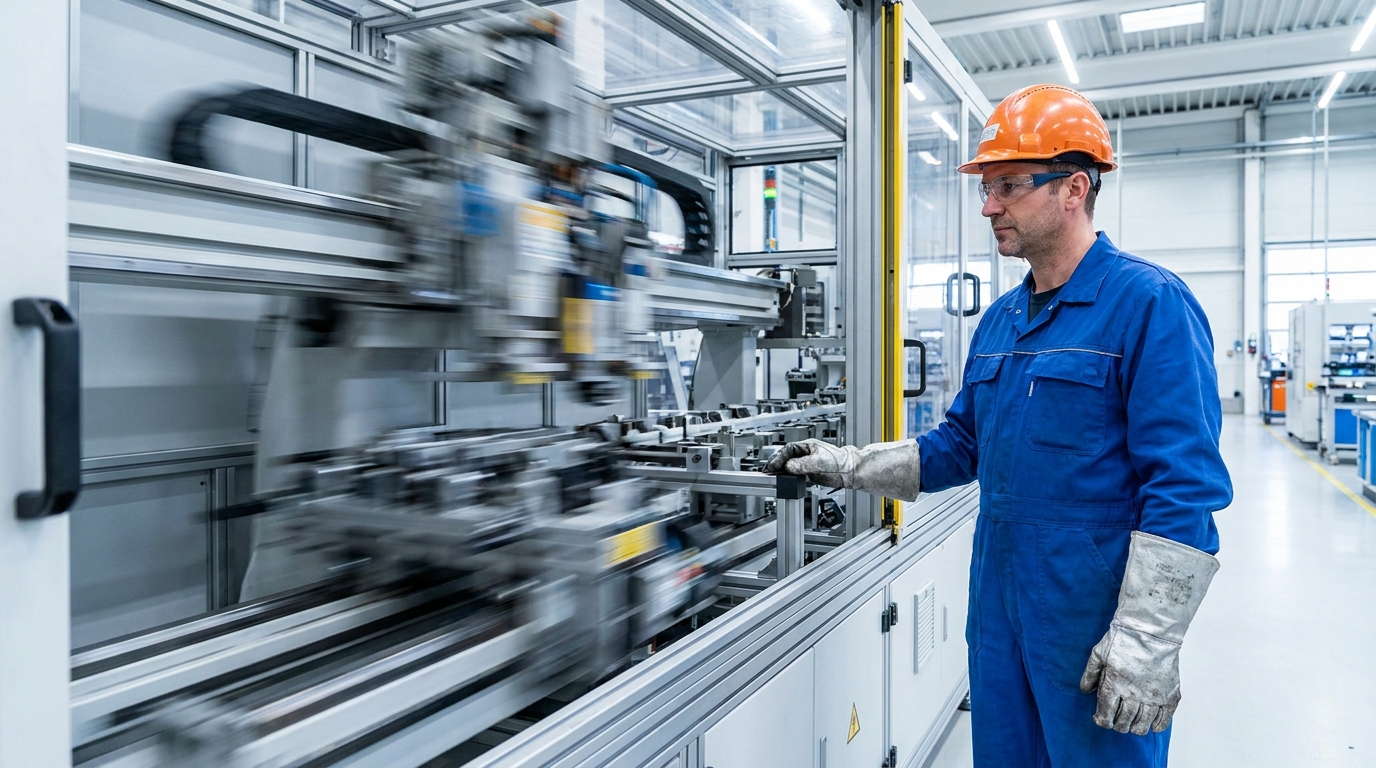
You just learned how operators spot fabric flaws like barre and heat spots. Quality control protects your finished product. Strict safety protocols protect your people. High-speed textile equipment presents serious daily risks. You must prioritize textile machine operator safety training. This ensures your workforce stays safe while handling complex machinery.
Identifying Common Manufacturing Hazards
Textile mills are loud, fast, and hot environments. Operators face unique hazards depending on the equipment they run. Sueding and warp knitting machines feature rapidly moving mechanical parts. A loose sleeve can easily get caught in a high-speed spindle.
Temperature is another major risk factor. Since 1985, SutexMach has built intelligent drying, calendering, and stenter machines. These units operate at extremely high temperatures to finish fabrics properly. Operators must know exactly where the hot zones are. Additionally, dyeing machines expose workers to various chemical hazards. Your training must clearly identify these specific dangers before anyone touches a control panel.
Essential Personal Protective Equipment (PPE)
Knowing the hazards is only the first step. You must enforce strict Personal Protective Equipment (PPE) rules. Different machines require completely different protective gear.
Operators running noisy spinning frames need industrial ear protection. Those handling hot fabric from a stenter machine require heat-resistant gloves. Safety glasses are mandatory across the board. They protect against flying lint, dust, or sudden chemical splashes. Make sure your training clearly lists the exact PPE required for every single machine type.
Emergency Stops and LOTO Protocols
Even with proper PPE, emergencies still happen. Operators must know how to stop a machine instantly. Train them on the exact locations of all emergency stop buttons. They should physically practice hitting these buttons during their initial shadowing phase.
Maintenance tasks require even stricter safety rules. You must include standard Lockout/Tagout (LOTO) procedures in your programme de formation à la maintenance des machines. Before clearing a jam or cleaning a roller, operators must physically lock the machine’s power source. This step prevents dangerous accidental startups. Never allow shortcuts here. LOTO compliance is absolutely non-negotiable for workplace safety.
Building a Safety-First Culture
Safety cannot be a one-time classroom session. It must become part of your daily factory routine. Start every shift with a quick safety briefing. Encourage operators to report near-misses without fear of punishment. When you integrate these habits daily, you build a highly specialized, safety-conscious workforce.
| Machine Type / Process | Primary Hazard | Required PPE & Operator Action |
|---|---|---|
| Sueding & Warp Knitting | High-speed moving parts and spindles | Wear fitted clothing and safety glasses. Verify emergency stops. |
| Stenters & Drying Machines | Extreme heat and thermal burns | Wear heat-resistant gloves. Avoid marked hot zones during operation. |
| Dyeing & Wet Processing | Chemical exposure and wet floors | Use chemical splash goggles and approved non-slip footwear. |
| Routine Maintenance | Accidental machine startup | Apply standard LOTO padlocks before opening any access panels. |
Implementing a Machine Maintenance Training Program
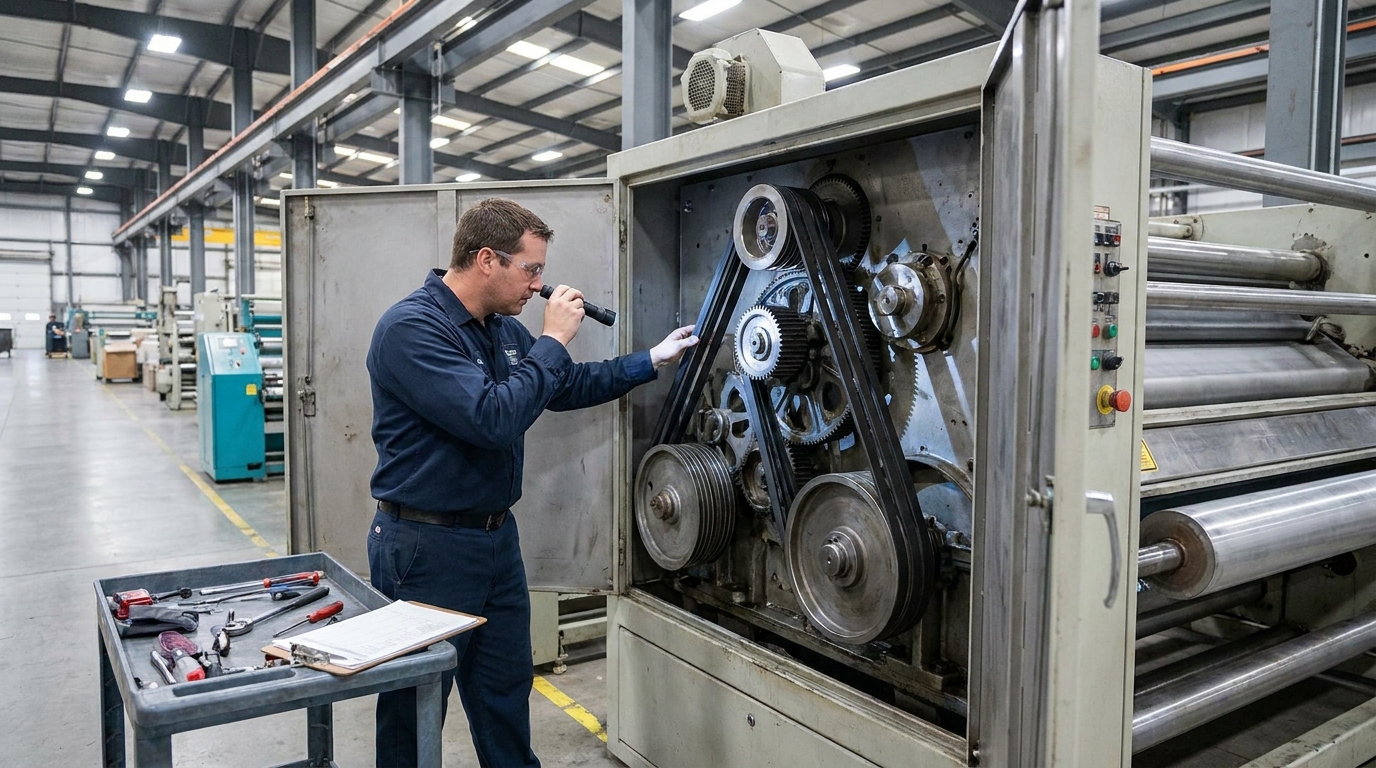
As we covered earlier, strict LOTO protocols keep your team safe during routine upkeep. Now, you must define what that daily routine actually looks like. A proactive machine maintenance training program is essential for every modern textile mill. It prevents unexpected breakdowns and keeps your production lines moving.
Defining Operator vs. Technician Responsibilities
A successful training program draws a clear line between basic upkeep and complex repairs. Operators handle the front line of machine health. They perform daily cleaning and simple visual checks. Technicians handle advanced mechatronics and major mechanical overhauls. They fix PLC faults and replace internal drive components.
This clear boundary prevents operators from attempting dangerous repairs. It keeps your factory floor safe and highly organized. Preventive maintenance typically accounts for the majority of a technician’s focus. However, they rely heavily on operators to report early warning signs.
Setting Clear Maintenance Schedules
You cannot rely on memory for industrial maintenance. Your training must establish strict daily, weekly, and monthly schedules. Operators need a clear checklist for their specific machines.
Implement a “First-In, First-Out” (FIFO) system for consumable parts. This ensures operators always use fresh filters, needles, and lubricants. Consistent scheduling keeps high-speed equipment running smoothly.
| Frequency | Operator-Level Tasks | Technician-Level Tasks |
|---|---|---|
| Daily | Clear lint, wipe optical sensors, and check surface oil levels. | Review digital error logs and monitor overall power consumption. |
| Weekly | Lubricate accessible moving parts and inspect fabric guides. | Inspect drive belts, motor housings, and internal tensioners. |
| Monthly | Perform deep exterior cleaning and organize workstation tools. | Calibrate PLC interfaces and test emergency stop circuits. |
Basic Troubleshooting on the Floor
Operators face minor machine faults daily. They need practical troubleshooting skills to maintain high production speeds. Teach them to read digital control panels quickly. They should follow a standardized response plan for common errors.
- Fabric tension issues: Operators should verify the physical threading path first. They can then adjust digital PLC tension settings to fix stretching.
- Uneven dyeing: Train operators to check chemical flow rates immediately. They must verify temperature parameters on dyeing machines to ensure color consistency.
- Heating inconsistencies: Operators must monitor digital sensor alerts closely. Since 1985, SutexMach has manufactured intelligent drying, calendering, and stenter machines. These units automatically flag temperature drops. Your operators simply need to know how to read and report these specific alerts.
Maximizing Uptime and Equipment Lifespan
Proactive training directly impacts your operational efficiency. It significantly reduces costly unplanned downtime. When operators catch minor issues early, they prevent major mechanical failures.
This proactive approach extends the overall lifespan of your intelligent textile machinery. It also keeps your Overall Equipment Effectiveness (OEE) metrics high. Well-trained operators ultimately protect your massive equipment investments.
The Essential New Machine Operator Training Checklist
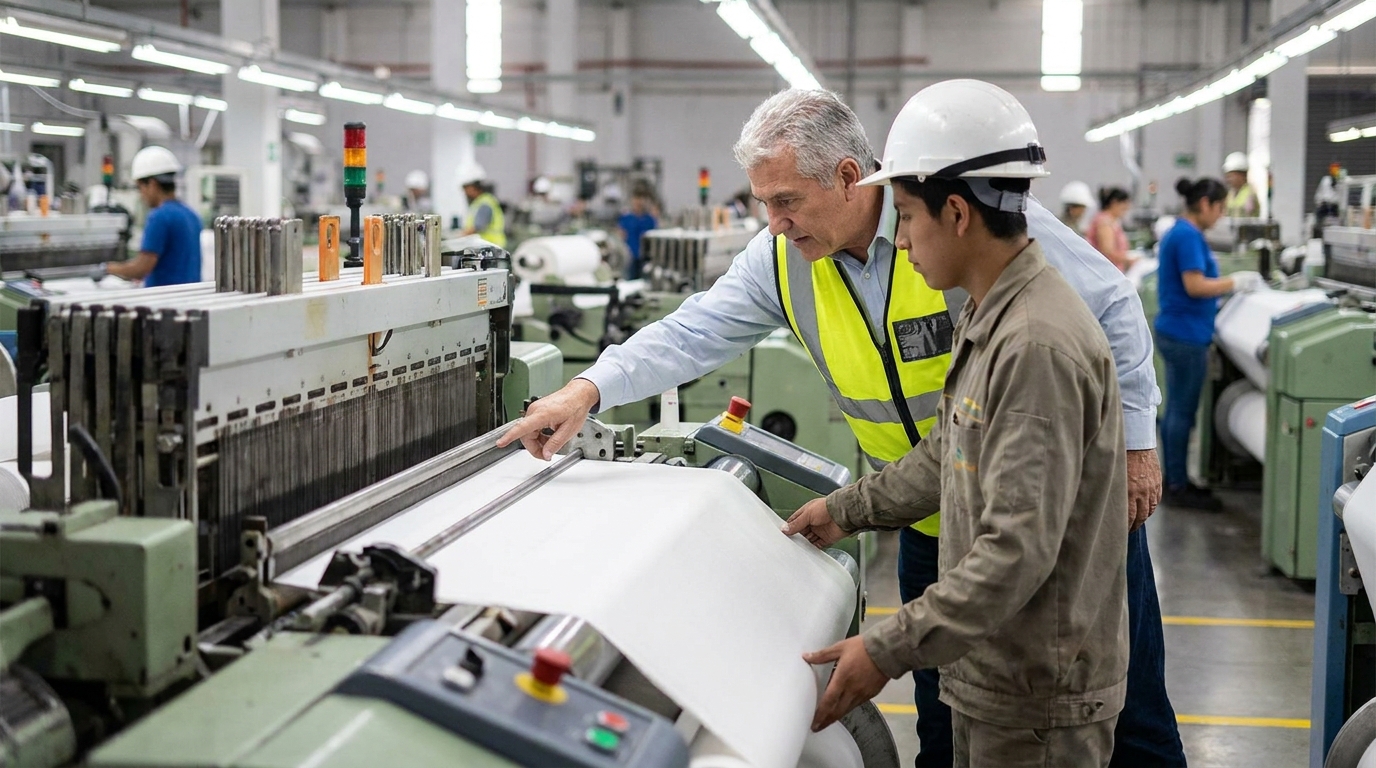
You just saw how proactive maintenance keeps equipment running and OEE metrics high. Protecting those massive investments starts on an operator’s very first day. You need a structured onboarding process. A comprehensive new machine operator training checklist ensures trainees learn everything from basic safety to advanced mechatronics without missing a single step.
Phase 1: Classroom and Theoretical Learning
Trainees need a solid foundation before touching any control panels. This initial phase happens away from the noisy factory floor. Trainees read technical manuals and study machine specifications. They review the ITI Textile Mechatronics syllabus to understand modern electronic controls.
They also learn basic fabric behavior during this phase. A plain fleece fabric reacts differently to tension than a standard weave. Operators must grasp these fundamental concepts before running actual production lines. Classroom sessions also cover basic industrial orientation and workplace expectations.
Phase 2: Shadowing on the Production Floor
Theory only goes so far in manufacturing. Trainees soon move to the active production floor. Here, they shadow senior operators and maintenance technicians. They watch how experts handle material loading and respond to digital sensor alerts.
This phase reinforces the textile machine operator safety training we discussed earlier. Trainees observe proper LOTO procedures and emergency stops in real-time. They see exactly how a seasoned pro manages a high-speed warp knitting or dyeing machine safely.
Phase 3: Hands-On Practice Under Supervision
Now trainees apply their knowledge practically. They operate the machinery themselves in a highly controlled environment. A senior operator watches their every move. Trainees practice threading fabric paths and calibrating PLC interfaces.
Your mill might use SutexMach sueding, calendering, or stenter machines. If so, trainees practice setting specific temperature and speed parameters on these intelligent units. The supervisor corrects mistakes immediately. This controlled practice builds confidence without risking massive material waste or equipment damage.
Phase 4: Final Assessment and Independent Operation
You cannot simply guess when an operator is ready. They must pass a formal performance assessment. Supervisors evaluate their ability to start up the machine, run production, and perform basic troubleshooting. They also test their response to simulated emergencies.
Once the trainee passes this final test, they transition to independent operation. They now possess the technical capability to manage their workstation alone. They understand both mechanical operations and digital control systems completely.
Standardizing the Onboarding Process
Utilizing a standardized new machine operator training checklist guarantees consistency. It ensures supervisors never skip critical steps during onboarding. Both the supervisor and the trainee sign off on each specific task. This creates a clear, permanent record of their training progress.
| Training Phase | Key Activities & Focus Areas | Supervisor Sign-Off Criteria |
|---|---|---|
| Phase 1: Theory | Read manuals, study mechatronics, and learn fabric behavior. | Passes written or verbal quiz on basic machine functions. |
| Phase 2: Shadowing | Observe senior staff, review safety protocols, and locate emergency stops. | Identifies all machine hazards and required PPE correctly. |
| Phase 3: Hands-On | Load fabric, set digital parameters, and adjust tension controls. | Completes a full production cycle without critical errors. |
| Phase 4: Assessment | Run machine independently and troubleshoot minor simulated faults. | Demonstrates full competency and safe operational habits. |
Specialized Training for Intelligent Textile Machinery
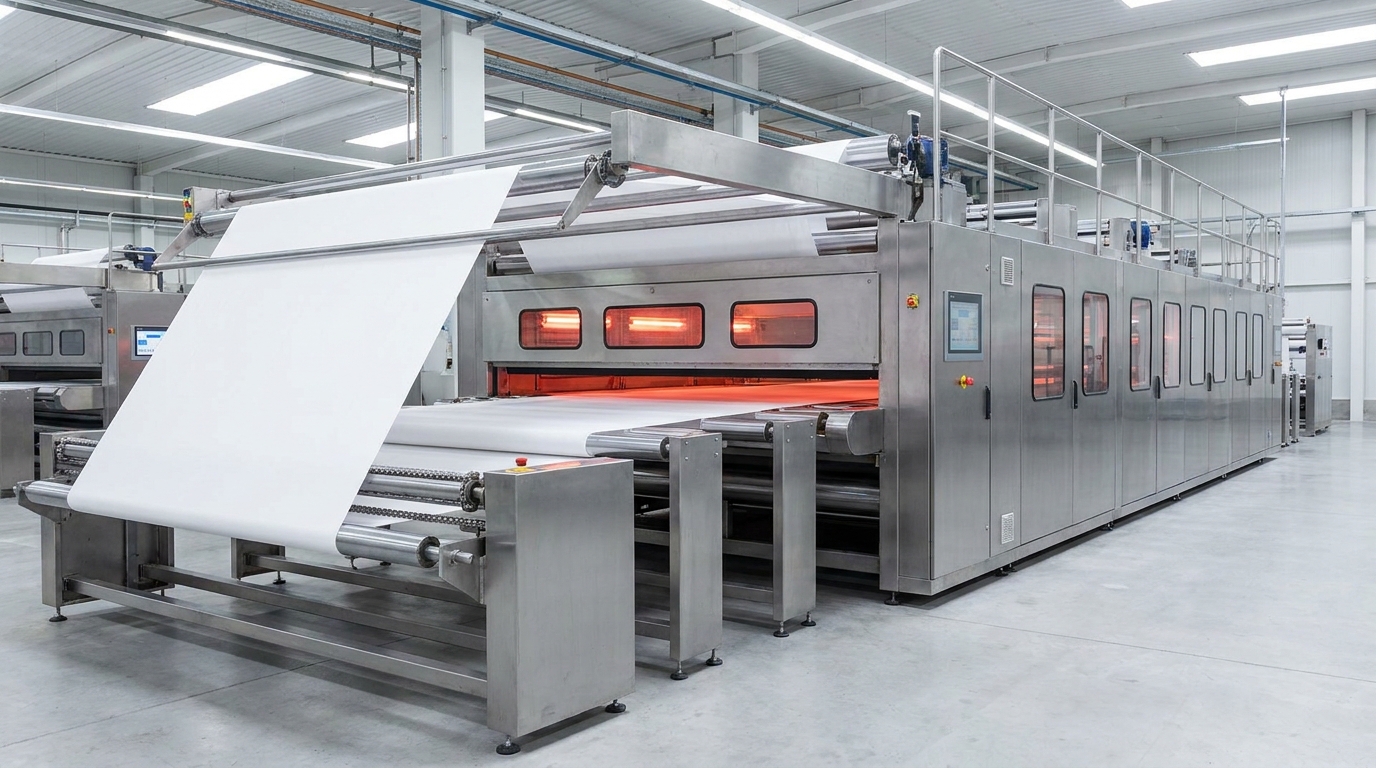
You just saw how a structured onboarding checklist moves trainees from classroom theory to independent operation. Once they master those basics, operators often transition to highly specialized workstations. Standard safety and mechatronics rules apply everywhere. However, intelligent textile machinery requires highly specific operational guidelines.
Leveraging Decades of Automation Expertise
SutexMach was founded in 1985. We are affiliated to Jiangsu SoHo Honry Import & Export Co., Ltd. Our team brings over 30 years of experience to this field. We manufacture intelligent textile machinery for global fabric mills. We know exactly what operators need to succeed on the floor.
Modern automated systems operate differently than older mechanical looms. Training programs must adapt to the unique digital controls of each machine type. Operators need specialized knowledge to handle these complex mechatronic systems daily. They must translate fabric requirements into precise digital parameters.
Operational Guidelines for Finishing and Drying
Sueding and calendering machines demand precise surface tension adjustments. Operators must learn to calibrate roller speeds via the PLC interface. If they set the speed incorrectly, they will damage the fabric face instantly.
For drying machines, training shifts heavily toward thermal management. Operators monitor digital moisture sensors constantly. They adjust exhaust fan speeds to maintain optimal drying rates. This targeted training prevents heat damage and reduces energy waste.
Managing Stenter and Dyeing Operations
Stenter machines dictate the final width and feel of the fabric. Operators must master overfeed settings and pin chain alignments. They need to set the pinning tension correctly. Otherwise, the fabric edges will tear during the high-speed stretching process.
Dyeing machines introduce complex wet processing variables. As we covered earlier, dyeing requires strict chemical safety protocols. Operators must also precisely control dye liquor ratios. They monitor automated dosing systems closely. This ensures exact color matching across massive production batches.
Handling Knitting, Dewatering, and Air-Softening
Warp knitting requires extreme attention to detail. Operators manage thousands of individual yarns simultaneously. They must quickly identify broken threads before they cause major defects. Dewatering machines require operators to balance centrifugal forces safely. They must load wet fabrics evenly to prevent violent machine vibrations.
Finally, air-softening machines rely on high-velocity airflow. Operators train to adjust air pressure settings based on specific fabric weights. They manipulate these digital controls to ensure a perfectly soft hand-feel for the finished product.
| Specialized Equipment | Primary Operational Focus | Required Operator Action |
|---|---|---|
| Sueding, Calendering & Drying | Surface finish and thermal management | Calibrate roller speeds and monitor digital moisture sensors. |
| Stenter & Dyeing Machines | Fabric width and chemical dosing | Adjust pin chain tension and verify dye liquor ratios via PLC. |
| Warp Knitting, Dewatering & Air-Softening | Yarn tension and airflow dynamics | Balance wet fabric loads and adjust air pressure settings. |
Supporting Global Fabric Mills with Complete Solutions
Hardware alone cannot guarantee high production metrics. Operators need the right knowledge to maximize these intelligent investments. SutexMach supports global fabric mills by delivering reliable equipment alongside practical operational insights.
We help you bridge the gap between advanced hardware and daily workforce capability. When you provide machine-specific training, your operators become true mechatronics experts. They keep your production lines running smoothly, safely, and highly efficiently.
Conclusion
A structured training program is essential for machine operators. Properly investing in human capital maximizes equipment efficiency and longevity. Continually update your protocols to achieve ongoing operational success. Partner with SutexMach for reliable intelligent textile machinery solutions.
- Audit your current training manuals today.
- Schedule a practical safety refresher for your production floor.
- Contact SutexMach to upgrade your fabric mill machinery.
Frequently Asked Questions About Textile Machine Operator Training
What skills do textile machine operators need?
Operators must learn basic mechanical tasks and digital controls. They handle machine startup, shutdown, and emergency stops. Modern training covers textile mechatronics for automated systems. Workers also learn to load yarn and adjust tension. Safety training is always a top priority on the floor. Proper use of safety gear prevents serious workplace injuries.
How can training reduce machine downtime costs?
Good training focuses heavily on preventive maintenance tasks. Technicians learn to clean, lubricate, and replace parts on time. This proactive approach stops sudden breakdowns before they happen. Operators also use symptom charts to fix fabric defects quickly. Faster troubleshooting means machines get back to work sooner. Companies save money when operators make fewer errors.
Are there specific programs for intelligent textile machinery?
Yes, modern factories require specialized training for advanced equipment. SutexMach offers intelligent textile machinery for global fabric mills. Operators must learn to run sueding, drying, and dyeing machines. These complex systems blend mechanical parts with electronic computer controls. Training bridges the gap between old methods and new technology. Workers practice digital interface calibration instead of manual adjustments.
What safety rules must textile workers follow?
Safety is critical in high-speed mechanical work environments. Workers must strictly follow lock-out and tag-out procedures. These rules keep machines off during maintenance and jam clearing. Operators wear personal protective equipment to avoid moving parts. Trainees shadow senior technicians to learn safe daily habits. Following these steps protects everyone on the factory floor.
How long does it take to train an operator?
The timeline varies based on the specific machine type. Basic operations take a few weeks of classroom theory. Mastering complex warp knitting or stenter machines takes much longer. SutexMach builds machines that require specific technical knowledge. Full certification through an industrial training institute takes several months. Consistent hands-on practice speeds up the entire learning process.
Proper education transforms general labor into highly skilled technical teams. A strong program boosts factory output and protects your workers. Use these steps to improve your current training strategy today.
- Assess your factory for current mechanical and digital skill gaps.
- Update safety manuals with strict lock-out and tag-out rules.
- Partner with SutexMach to master intelligent textile equipment operations.
- Create visual troubleshooting charts to fix fabric defects quickly.