

 French
 English
 Hungarian
 Indonesian
 Bulgarian
 Turkish
 Polish
 Russian
 Spanish
 Portuguese
 Korean


Egypt’s textile industry is booming, but outdated machinery keeps many mills from competing globally. Upgrading your facility is critical for success. This guide explains how to plan a dyeing and finishing line project for an Egyptian mill, covering essential equipment, import procedures, and risk management for a smooth setup.
The Scope of a Dyeing Finishing Line Setup in Egypt
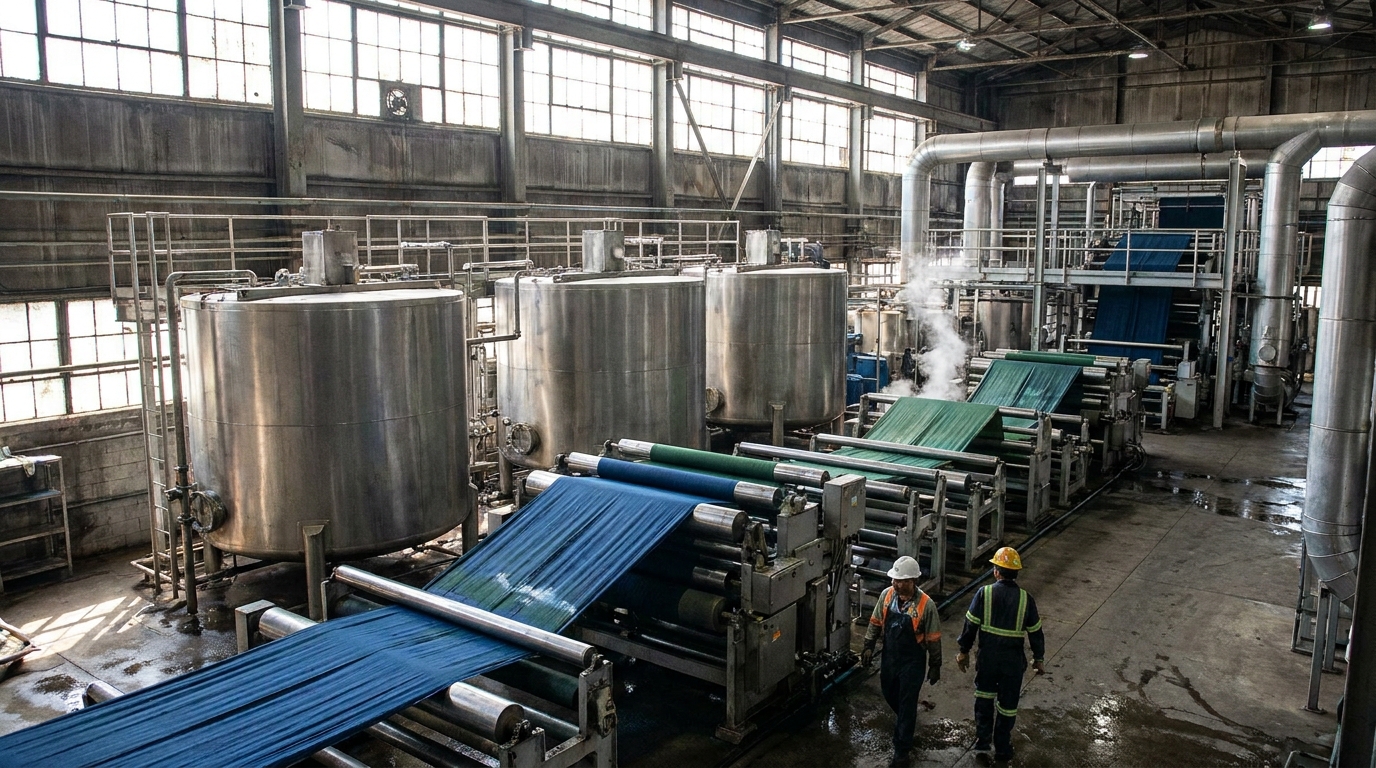
A complete dyeing and finishing line setup in Egypt transforms raw fabric into export-ready textiles. This workflow requires precise coordination between wet processing and dry finishing. Upgrading this system helps mills handle diverse fabrics, from heavy cottons to delicate knits. A modernized line ensures better fabric handle, exact color matching, and fewer production defects.
Upgrading Wet Processing Capabilities
Modern dyeing equipment forms the core of this transformation. Older machines often waste water and struggle with color consistency. Planning a dyeing machine project in Egypt solves these operational issues. Advanced dyeing systems provide exact temperature control and automated chemical dosing. This technology drastically reduces water consumption and limits harsh chemical waste.
Consistent color reproduction is vital for meeting strict buyer demands. SutexMach has over 30 years of experience manufacturing intelligent textile machinery. Our dyeing machines help global fabric mills achieve exact color consistency while lowering daily utility costs.
Optimizing Moisture Removal and Energy Use
After dyeing, fabrics hold significant excess moisture. Removing this water efficiently is crucial before final finishing. Integrating modern drying equipment optimizes your overall energy use. Dewatering and drying machines reduce the thermal load on subsequent equipment. Modern dryers utilize advanced airflow systems to dry fabrics evenly without causing unwanted tension or structural distortion.
Meeting Export Standards with Post-Dyeing Treatments
Following moisture removal, fabrics enter the critical finishing stage. Post-dyeing processes determine the final texture and dimensional stability of the textile. Stenter machines heat-set the fabric to lock in its width and prevent shrinkage. Surface treatments are equally important for premium fabrics.
SutexMach provides specialized equipment for these final stages. Our sueding, calendering, and air-softening machines give fabrics a premium, soft hand feel. Meeting international export standards requires these precise, repeatable surface treatments.
Core Stages of the Finishing Workflow
| Production Stage | Équipement typique | Primary Purpose |
|---|---|---|
| Wet Processing | Intelligent Dyeing Machines | Applies exact color, manages chemical dosing, and ensures consistency. |
| Moisture Removal | Dewatering & Drying Machines | Extracts excess water efficiently to lower the thermal load. |
| Dimensional Control | Machines à étirer | Heat-sets fabric width, stabilizes structure, and prevents shrinkage. |
| Surface Finishing | Sueding & Calendering Machines | Enhances fabric texture, softness, and overall visual appeal. |
Essential Equipment for a Modern Egyptian Textile Mill
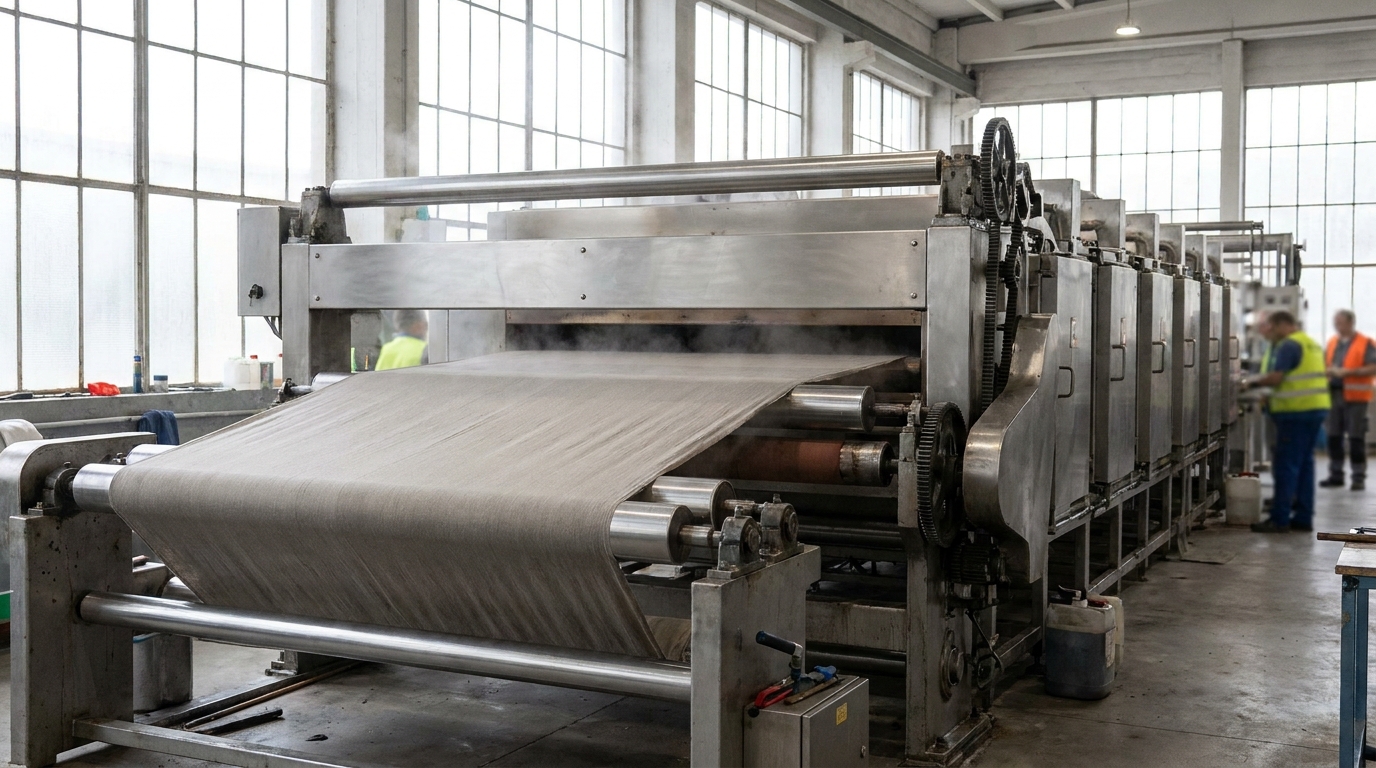
To execute the workflow discussed earlier, Egyptian textile mill equipment must be carefully selected. Every machine plays a highly specific role in fabric quality. Selecting the right technology ensures your mill can process various fabrics efficiently.
Selecting the Right Dyeing Machinery
Fabric composition dictates your dyeing machine choice. Egyptian mills processing heavy cottons require different setups than those handling polyester. Normal-temperature machines work best for natural fibers like cotton. High-temperature, high-pressure machines are necessary for synthetic fabrics. Choosing the wrong machine causes uneven dyeing and wastes expensive chemicals.
Drying and Dewatering Systems
Moving wet fabric directly into finishing wastes massive amounts of energy. Efficient dewatering systems physically squeeze or extract excess water first. Next, specialized dryers use controlled airflow to evaporate the remaining moisture. Planning a drying machine project ensures fabrics reach the exact moisture level needed for the next stage. This careful moisture management prevents fabric distortion before it enters the stenter.
Stenter Machines for Dimensional Control
Stenter machines are non-negotiable for modern finishing lines. They stretch the wet fabric and control its final width. Precise heat setting locks the fabric structure firmly in place. This crucial step prevents finished garments from shrinking after they are washed. Modern stenters use intelligent temperature controls to apply heat evenly across the entire fabric web.
Surface Finishing Equipment
The final texture heavily influences the fabric’s market value. Different surface finishing machines achieve specific tactile results required by international buyers.
| Type de machine | Mechanical Action | Resulting Fabric Texture |
|---|---|---|
| Machine à ensemencer | Abrasive rollers lightly sand the fabric surface. | Creates a soft, peach-skin texture. |
| Machine à calandrer | Heavy heated rollers press the fabric flat. | Produces a smooth, dense, and glossy finish. |
| Air-Softening Machine | High-speed airflow rapidly tumbles the material. | Improves drape and creates a bulky hand-feel. |
Manufacturer Integration and Intelligent Systems
Sourcing equipment from a single, experienced manufacturer simplifies line integration. SutexMach, founded in 1985, manufactures a complete range of intelligent textile machinery. Our systems cover sueding, calendering, drying, stenter, dyeing, and dewatering processes. Operating an integrated line reduces software and mechanical compatibility issues between machines. When you plan an Egypt textile machinery import, choosing a supplier with over 30 years of experience ensures reliable long-term performance.
Step-by-Step Guide to Egypt Textile Machinery Import
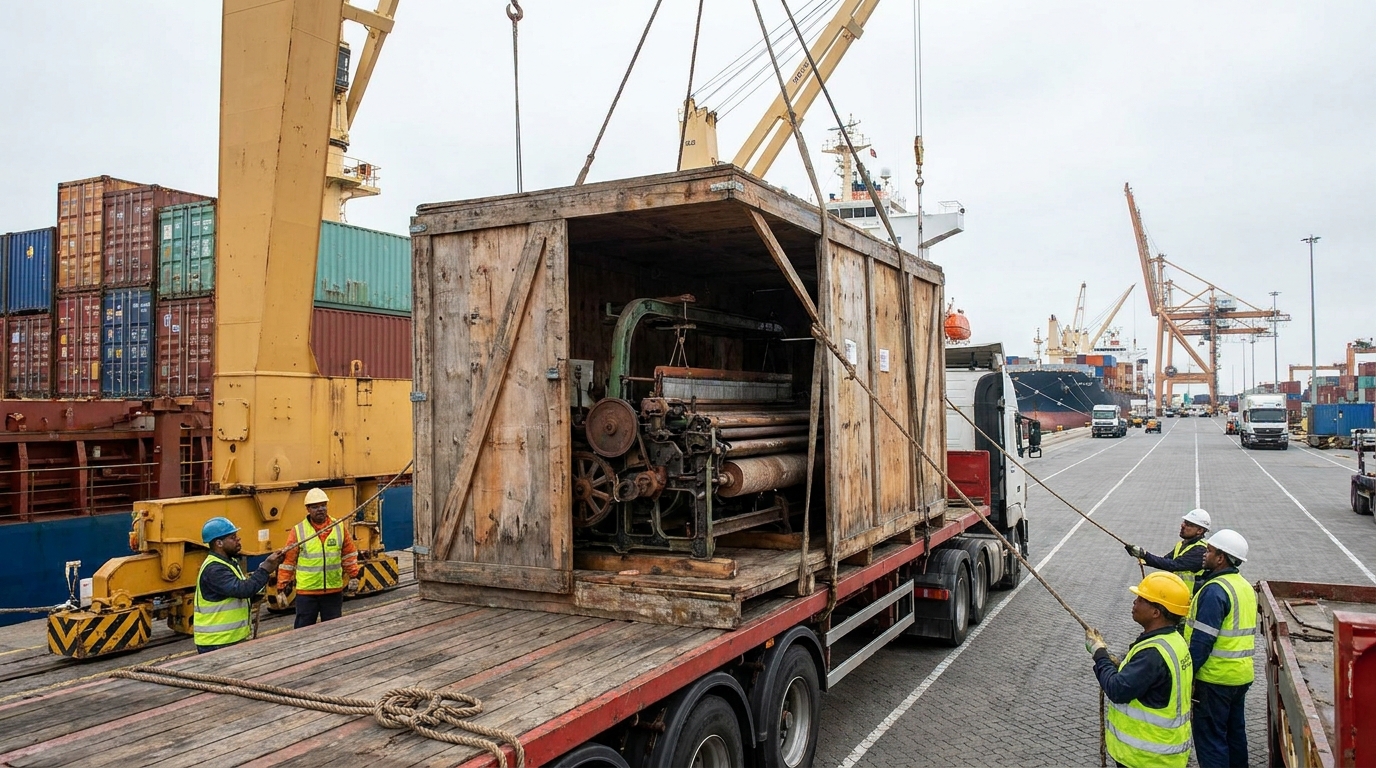
Bringing your newly selected equipment into the country requires careful planning. Egyptian customs regulations strictly govern heavy industrial machinery imports. You must understand current import tariffs and local compliance standards before shipping begins. Working with an experienced textile machinery supplier in Egypt helps prevent costly border delays.
Managing Financial Transactions
Secure your financing before ordering any equipment. Most international machinery purchases rely on letters of credit (LCs). This financial tool protects both the buyer and the manufacturer during transit. You must also monitor currency exchange rates closely during procurement. Fluctuating exchange rates can suddenly increase your final project costs.
Preparing Mandatory Customs Documentation
Missing paperwork causes severe delays at Egyptian customs. You must prepare a comprehensive set of mandatory documents before your shipment arrives. Accurate documentation proves compliance and determines your import tariffs.
- Commercial Invoices: Must detail exact equipment values and transaction terms.
- Certificates of Origin: Verifies the exact manufacturing location for tariff assessment.
- Technical Specifications: Proves the machinery meets local Egyptian safety and industrial standards.
- Bill of Lading: Provided by your shipping company to track freight ownership.
Coordinating Logistics and Port Handling
Coordinating international logistics requires a reliable freight forwarder. Heavy equipment usually arrives at major entry ports like Alexandria or Port Said. Specialized handling is necessary to unload large units like stenter machines safely. Improper handling at the port can severely damage sensitive electronic controls.
Leveraging Export Expertise
Managing these import steps is much easier with the right partner. SutexMach is affiliated with Jiangsu SoHo Honry Import & Export Co., Ltd. This background gives us deep expertise in international shipping and export documentation. We guide Egyptian mills through the complex logistics of acquiring intelligent textile machinery. Proper planning ensures your equipment clears customs smoothly and arrives on schedule.
Key Decision Factors When Choosing a Textile Machinery Supplier for Egypt
Selecting the right manufacturing partner is your next major priority. A successful mega textiles project relies on robust equipment and reliable vendor relationships. You need a capable textile machinery supplier in Egypt to ensure smooth installation and long-term operational success.
Evaluating Industry Experience
A proven track record is vital for complex mill upgrades. Experienced manufacturers understand the physical demands of high-volume fabric production. Look for a supplier with over 30 years of experience building intelligent textile machinery. This longevity indicates reliable engineering and consistent machine quality. Newer companies might struggle with the specific technical requirements of a large-scale Egyptian mill.
Assessing Export and Shipping Capabilities
Moving heavy equipment across borders requires specialized logistical knowledge. Your chosen partner must handle complex export compliance flawlessly. Manufacturers affiliated with strong international trade entities offer distinct advantages here. For example, SutexMach operates under Jiangsu SoHo Honry Import & Export Co., Ltd. This structural support ensures accurate documentation and reliable shipping coordination. Proper export management prevents your equipment from getting stuck at the port of departure.
Sourcing a Comprehensive Product Range
Fragmented production lines often suffer from software and mechanical communication errors. Sourcing your entire setup from one manufacturer eliminates these integration headaches. Your supplier should offer a complete suite of textile equipment. Essential machines include warp knitting, dewatering, and dedicated finishing systems. SutexMach provides this full range, ensuring every unit communicates seamlessly. A unified line reduces operator training time and simplifies daily maintenance.
Comparing After-Sales Support and Installation
The relationship with your manufacturer continues long after the machines arrive. Robust after-sales support keeps your production running without costly interruptions. You must evaluate the supplier’s warranty terms and spare parts availability. Fast access to replacement parts is crucial for an Egyptian facility. Furthermore, require a technical team for on-site installation and calibration. Proper initial calibration guarantees the machines achieve the correct fabric tension and temperature profiles.
| Evaluation Criteria | Ideal Supplier Qualifications | Red Flags to Avoid |
|---|---|---|
| Manufacturing History | Decades of experience with intelligent systems. | New companies lacking long-term stress testing data. |
| Export Management | Backed by established import and export corporations. | Relies entirely on third-party brokers for paperwork. |
| Equipment Range | Produces complete lines from knitting to finishing. | Offers only isolated, standalone machines. |
| Support technique | Provides on-site calibration and installation in Egypt. | Offers remote-only troubleshooting without local visits. |
Common Risks and Mistakes in a Dyeing Machine Project in Egypt
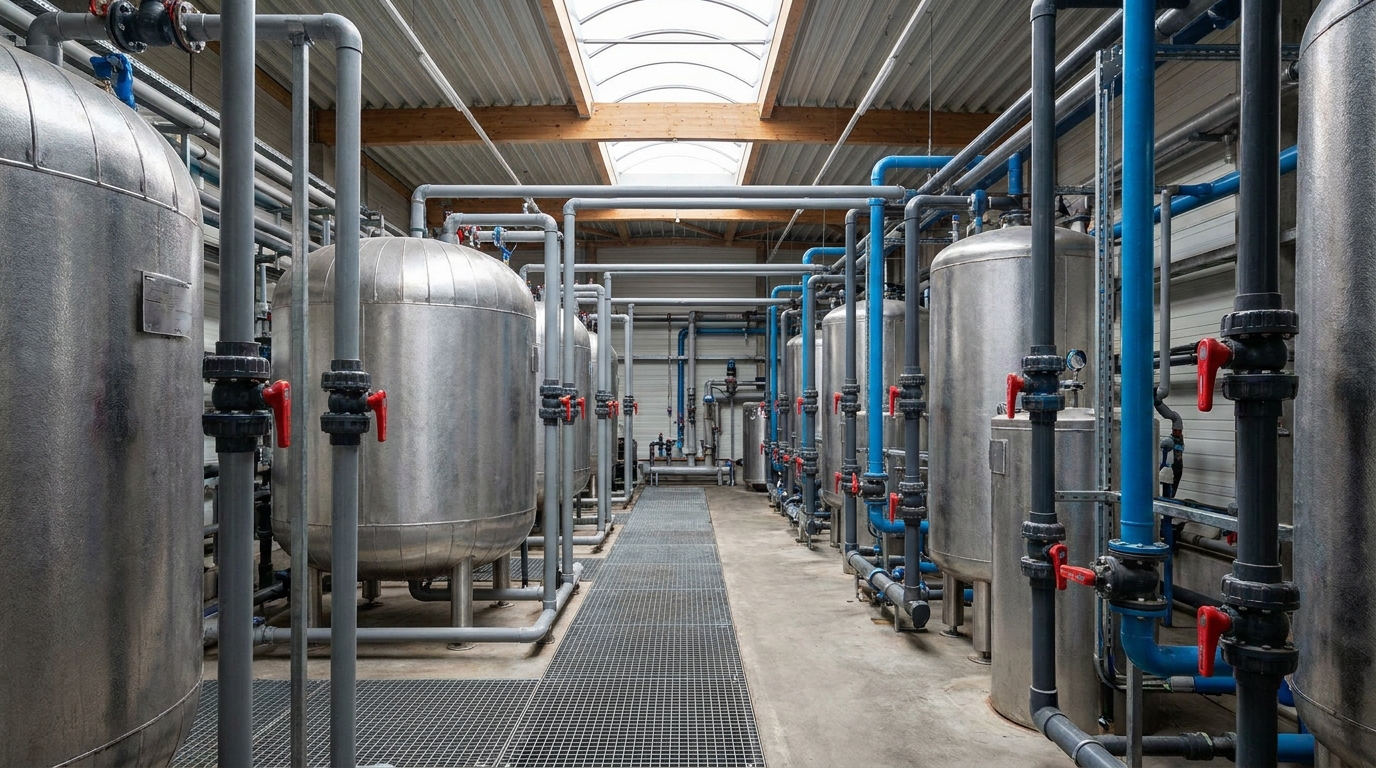
A successful dyeing and finishing line setup requires more than just buying great equipment. Mill owners often face unexpected challenges during installation. Avoiding common planning mistakes ensures your new facility operates efficiently from day one.
Underestimating Utility Constraints
Many mills fail because they underestimate local utility constraints. Dyeing and finishing machines need massive amounts of stable electricity, clean water, and continuous steam. Egyptian facilities often face power fluctuations or inconsistent water pressure. If your utilities cannot support the new line, you risk severe production halts. Before finalizing your Egyptian textile mill equipment layout, conduct a thorough audit of your factory’s infrastructure. Upgrade your boilers and install voltage stabilizers to protect sensitive machine controls.
Mismatched Machinery Capabilities
Another major mistake is buying generic equipment for specialized fabrics. You must match the machinery capabilities directly to your planned production volumes and primary fabric types. A machine designed for heavy woven cotton will struggle to process delicate knits. Overloading a machine beyond its rated capacity causes mechanical wear and uneven dyeing results. SutexMach specializes in tailoring intelligent textile machinery, including sueding, calendering, and dyeing machines, to your exact material requirements. We help you specify the right capacity to handle your daily output targets safely.
Overlooking Operator Training
Transitioning from older manual systems to modern machinery requires a skilled workforce. Mill owners frequently overlook the necessity of comprehensive operator training. Modern systems feature advanced digital interfaces and automated dosing controls. If your staff does not understand these interfaces, they cannot maximize production efficiency. Operating errors lead to wasted dye, ruined fabric batches, and unnecessary downtime. Mandate rigorous, hands-on training sessions during the initial installation phase. Your team must confidently navigate the software before full-scale production begins.
Neglecting Environmental Compliance
Environmental compliance is a critical step that many new projects delay. Large-scale dyeing operations generate significant volumes of chemical wastewater. Neglecting early planning for wastewater treatment facilities can lead to heavy regulatory fines. Egyptian environmental authorities closely monitor industrial discharge from textile mills. You must integrate a robust effluent treatment plant into your initial facility design. Treating the water correctly ensures legal compliance and allows you to safely recycle water back into the production cycle.
Frequently Asked Questions About Dyeing and Finishing Line Projects in Egypt
What equipment is needed for a complete textile finishing line?
A modern finishing line requires machines for wet processing, moisture removal, dimensional control, and surface treatments. Essential equipment includes intelligent dyeing machines, dewatering systems, and dryers to remove moisture. Stenter machines are crucial for heat-setting the fabric to prevent shrinkage. Finally, surface finishing machines like sueding, calendering, and air-softening units are used to achieve the desired texture and hand feel.
What utility upgrades are necessary for new dyeing machinery?
Dyeing and finishing machines require massive amounts of stable electricity, clean water, and continuous steam. Because facilities may face power fluctuations or inconsistent water pressure, mill owners should conduct a thorough infrastructure audit. You may need to upgrade boilers and install voltage stabilizers to protect sensitive electronic machine controls and prevent costly production halts.
What documents are required to import textile machinery into Egypt?
Importing heavy industrial machinery into Egypt requires strict adherence to customs regulations to avoid border delays. You must prepare a comprehensive set of mandatory documents, including commercial invoices detailing equipment values, certificates of origin for tariff assessment, technical specifications proving compliance with local safety standards, and a bill of lading to track freight ownership.
Why is single-supplier integration important for textile mills?
Sourcing your entire setup from one experienced manufacturer eliminates software and mechanical communication errors between different machines. A unified production line reduces operator training time, simplifies daily maintenance, and prevents integration headaches. This ensures that your dyeing, drying, stenter, and finishing units communicate seamlessly for reliable long-term performance.
How do modern dyeing lines handle environmental compliance?
Modern dyeing systems feature automated chemical dosing and exact temperature controls that drastically reduce water consumption and limit harsh chemical waste. To meet strict Egyptian environmental regulations and avoid heavy fines, mills must also integrate a robust effluent treatment plant into their facility design to safely treat and recycle wastewater.
Conclusion
Upgrading your Egyptian mill with a modern dyeing and finishing line boosts your competitive edge in the global textile market. Partnering with a highly experienced machinery supplier ensures a smooth setup and long-term success.
- Assess your facility’s water and power capacities.
- Define your target fabric types and production volumes.
- Contact SutexMach to discuss your specific machinery needs.