


 Spanish
  English
  Hungarian
  Indonesian
  Bulgarian
  Turkish
  Polish
  Russian
  Portuguese
  Korean
  French


In the high-end textile industry, the “hand” or “handle” of a fabric determines its market positioning. While weaving and dyeing provide the structure and color, it is the sueding finishing process that provides the soul. Often referred to as emerizing, this mechanical finishing technique is the secret behind the luxurious, soft-touch fabrics found in premium sportswear, upholstery, and fashion.
As a leading provider of intelligent textile machinery, SutexMach understands that mastering the sueding process requires a delicate balance between mechanical force and material science. This article provides a deep dive into the step-by-step process of sueding finishing and the variables that ensure a world-class result.
Defining the Sueding Finishing Process
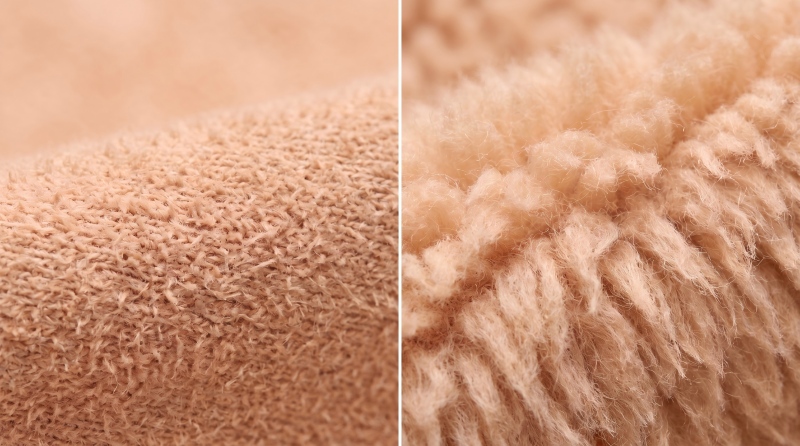
En sueding finishing process is a dry mechanical treatment where a fabric is passed over one or more rapidly rotating rollers covered with an abrasive material. The primary objective is to abrade the surface fibers of the yarns, creating a very short, dense, and uniform pile.
Unlike napping (raising), which pulls long fibers out of the yarn to create a thick fleece, sueding shears the fiber ends to create a subtle, velvet-like texture often called “peach skin” or “moss skin.”
The Step-by-Step Workflow of Industrial Sueding
A successful sueding operation is a multi-stage workflow. Each stage must be synchronized to prevent fabric damage or uneven shading.
1. Fabric Preparation and Pre-Treatment
Before the fabric touches an abrasive roller, it must be perfectly prepared.
Desizing and Scouring: The fabric must be free of waxes, sizes, and oils that could “clog” the abrasive surface.
Drying: Moisture is the enemy of consistent sueding. The fabric must be bone-dry. Even a 2% variation in moisture across the width can lead to “sueding streaks.”
Singeing (Optional): In some workflows, a light singeing process is performed first to remove long, unruly hairs, allowing the sueding machine to focus on creating a uniform micro-pile.
2. Entry and Tension Regulation
The fabric enters the machine through a series of tension bars and expanders. SutexMach’s intelligent sueding machines utilize load cells to ensure the fabric is perfectly flat. Any wrinkle entering the abrasive zone will result in a permanent “white line” or un-sueded streak.
3. The Abrasion Zone (The Core Process)
This is where the transformation happens. The fabric is pressed against rotating rollers.
Contact Angle: The “wrap angle” (how much of the roller the fabric touches) determines the intensity.
Peripheral Speed: The rollers typically spin at high speeds (up to 1500 RPM) in the opposite direction of the fabric travel to maximize friction.
Abrasive Selection: Depending on the target finish, rollers may use diamond emery, ceramic filaments, or carbon brushes.
4. Heat Dissipation and Cooling
The friction between the abrasive and the fabric generates significant heat. If not managed, this can melt synthetic fibers like polyester or nylon. Modern industrial sueding equipment incorporates cooling rollers or air-cooling systems to keep the fabric temperature stable.
5. Dust Extraction and Cleaning
The process produces “micro-dust”—millions of tiny fiber fragments. High-powered suction hoods are positioned at each roller. Following the abrasion, the fabric passes through a beater or brush roller to remove any clinging dust before it is wound up.
Critical Parameters Influencing Sueding Quality
| Parámetro | Impact on Fabric | Control Method |
| Fabric Tension | High tension = deeper abrasion; Low tension = surface softening. | AC Inverter Drives / Load Cells |
| Roller Speed | Higher speeds increase the density of the pile. | PLC Frequency Control |
| Grit Size | Lower grit (e.g., 180) is aggressive; Higher grit (e.g., 400) is for fine silk-touch. | Mechanical selection of abrasive |
| Fabric Throughput | Speed of production; must be balanced with roller speed. | Synchronized Drive System |

Sueding vs. Napping: Understanding the Difference
It is common for buyers to confuse sueding with napping (raising). However, the mechanical interaction and the final result are distinct:
Sueding (Emerizing): Uses abrasives to grind the fibers. It produces a very short, directional pile. It is used for “Peach Skin” effects.
Napping (Raising): Uses wire-covered rollers (card clothing) to pull fibers out of the yarn. It produces a thick, fluffy pile used for flannels and fleeces.
“The precision of sueding lies in the micro-measurement of the abrasion depth. Even a micron of difference can change a fabric from ‘Commercial Grade’ to ‘Luxury Grade’.” — SutexMach Finishing Specialist.
Innovations in the Sueding Process: The SutexMach Advantage
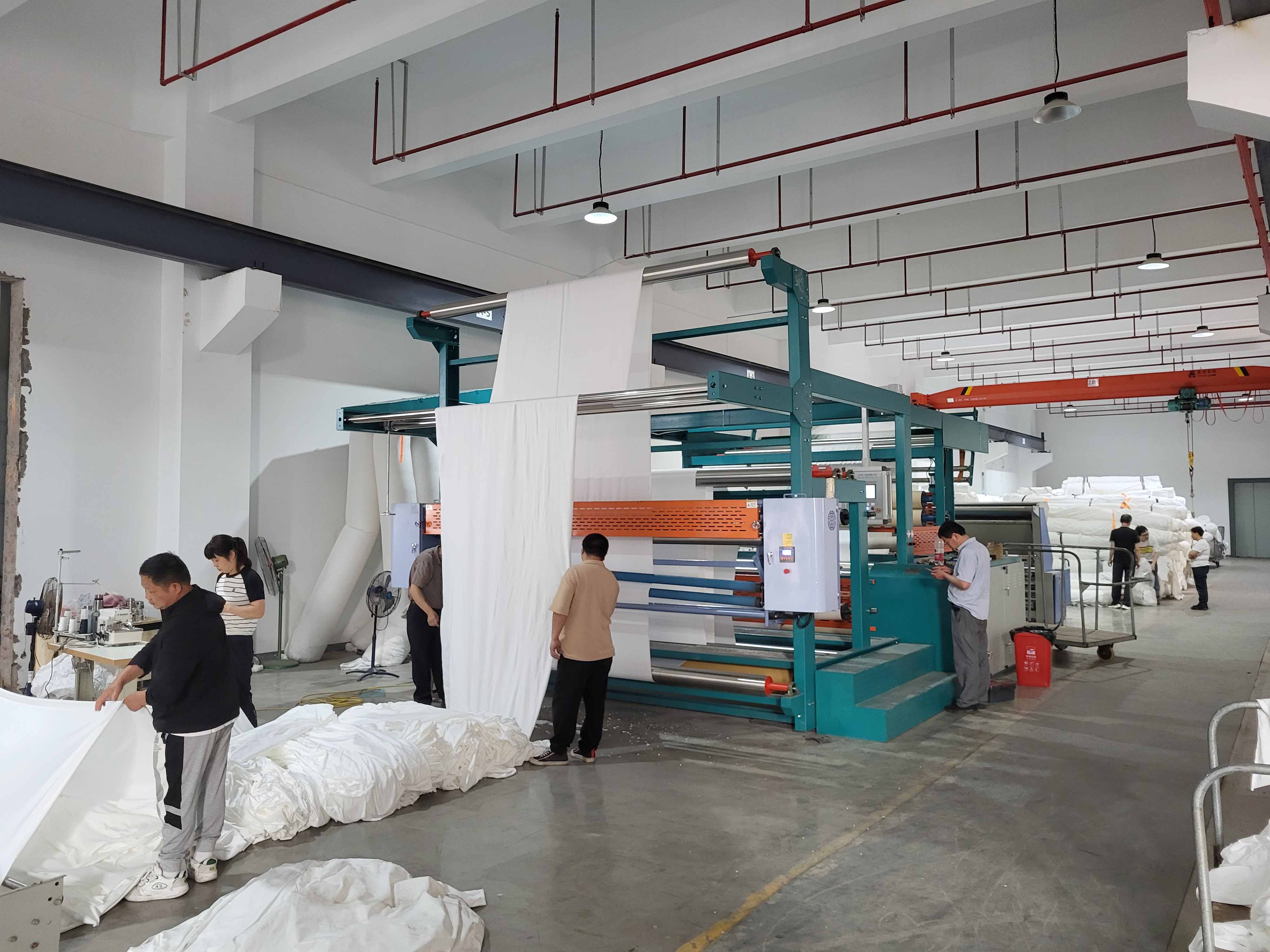
As a one-stop solution provider for textile finishing, SutexMach has introduced several “Smart” features to the traditional sueding process:
1. Carbon Fiber Brush Technology
Traditional sandpaper can be too harsh for modern elastic (Spandex) blends. Our carbon brush sueding process uses thousands of flexible filaments that “flick” the fibers rather than grinding them, preserving 20% more tensile strength compared to traditional methods.
2. Multi-Directional Abrasion
Our machines allow for “Face and Back” sueding in a single pass. By reversing the rotation of specific rollers, we can create a complex, non-directional pile that feels soft regardless of which way the fabric is stroked.
3. Automatic Grit Compensation
As abrasives wear down, the result changes. Our intelligent systems track the “working hours” of each roller and automatically suggest tension adjustments to compensate for abrasive wear, ensuring the first meter of fabric matches the 10,000th meter.
Environmental and Safety Standards
The modern textile surface finishing industry must adhere to strict environmental protocols. The sueding process, being a dry mechanical one, is inherently more eco-friendly than chemical softening.
Reduced Chemical Load: Sueding provides softness without the need for silicone or fatty acid softeners, making it ideal for GRS (Global Recycled Standard) certified products.
Air Quality: SutexMach’s integrated filtration systems ensure that the micro-dust is captured and palletized, preventing atmospheric pollution.
Conclusion: Why the Process Matters
Understanding what the process of sueding finishing is allows manufacturers to troubleshoot production issues and innovate new products. It is a process of controlled destruction—abrading the surface just enough to create beauty without compromising the strength of the cloth.
For textile mills looking to upgrade their finishing department, choosing the right sueding machine manufacturer is paramount. At SutexMach, we combine 30 years of traditional expertise with modern AI-driven controls to ensure your sueding process is efficient, consistent, and profitable.
Ready to refine your finishing process?
Explore our Technical Solutions or Contact a Specialist for a consultation on your specific fabric type.