


 Spanish
 English
 Hungarian
 Indonesian
 Bulgarian
 Turkish
 Polish
 Russian
 Portuguese
 Korean
 French


A practical guide to textile warping, warp-beam quality, and equipment selection.
Quick answer: what does a warping machine do?
Una máquina de urdido prepara el sistema de hilos longitudinales para el tejido disponiendo un número especificado de extremos de hilo en paralelo, con una tensión y longitud controladas, sobre una viga o tambor. Este paso se denomina urdido textil. Así se crea la urdimbre organizada que posteriormente será encolada, ensartada y cargada en un telar, o utilizada en una ruta adecuada de preparación para el tejido en urdimbre.
The machine is not simply a large winder. It must maintain even yarn tension, end spacing, package unwinding, beam build, length accuracy, and stop-motion control. A good beam supports smooth weaving. A poor beam can create end breaks, stripes, uneven density, cross ends, and fabric defects that become expensive only after the loom is running.
Why the warping process matters
Warp yarns face repeated tension, abrasion, and shedding during weaving. Before sizing or loom preparation, they must be parallel, evenly tensioned, and wound with a stable build. The warping process creates that foundation. Differences that look small at the creel can become uneven warp tension across thousands of ends, leading to loom stops, missing ends, barré, or uneven fabric appearance.
Warp preparation also determines production flow. A mill needs beams at the right width, yarn count, length, and order sequence. The choice between a beam warping machine and a sectional warping machine changes how quickly the mill can respond to large basic orders, multi-color designs, small batches, and frequent style changes. Equipment should therefore be chosen from the fabric program, not only from speed.
How a warping machine works
Packages are placed on a creel. Each yarn passes through guides, tension devices, stop motions, and a reed or leasing arrangement. The machine draws the ends forward at a controlled speed and winds them onto a beam, drum, or another preparation form. The winding system and control software maintain length and beam build. When a yarn breaks or runs out, a stop motion should prevent a hidden missing end from continuing through the process.
The winding surface must be even. If tension, guide position, or yarn path varies, the beam can become hard in some zones and soft in others. This affects later sizing and loom delivery. Modern controls can record length, speed, tension alarms, and production data, but they cannot compensate for poor package quality, dirty guides, or an incorrectly prepared creel. Stable process basics remain essential.
Beam warping machine: best for high-volume standard warps
A beam warping machine, sometimes called a batch warper, winds a set number of parallel ends directly from the creel onto a warping beam. Multiple warper’s beams may later be combined in sizing to make a loom beam with the final end count. This approach is productive for large orders, standard constructions, and single-color or simple warp arrangements where repeatability and output are priorities.
Its advantage is efficient parallel winding. Its limitation is flexibility for intricate color orders or short fashion runs. Once a beam is prepared, a change in color order, end sequence, or yarn effect may require a new setup. When comparing beam warping equipment, confirm maximum beam flange, working width, creel capacity, tension control, length measurement, stop motion, braking, and the interface to the planned sizing line.
Sectional warping machine: best for colors and smaller batches
A sectional warping machine divides the total warp into narrow bands, often called sections, that are wound one after another on a large warping drum. After all sections are built, the complete warp is transferred from the drum to the weaving beam. This method makes it easier to organize color repeats, stripe arrangements, different yarn groups, and smaller orders where a direct beam setup would be inefficient.
The trade-off is a more involved process. The operator must build each section at the correct width, tension, and length, then manage the transfer to the beam. Section-to-section tension differences can affect loom performance. However, for yarn-dyed fabrics, silk, wool, fashion goods, and mixed-color patterns, the ability to control the arrangement can outweigh the extra handling.
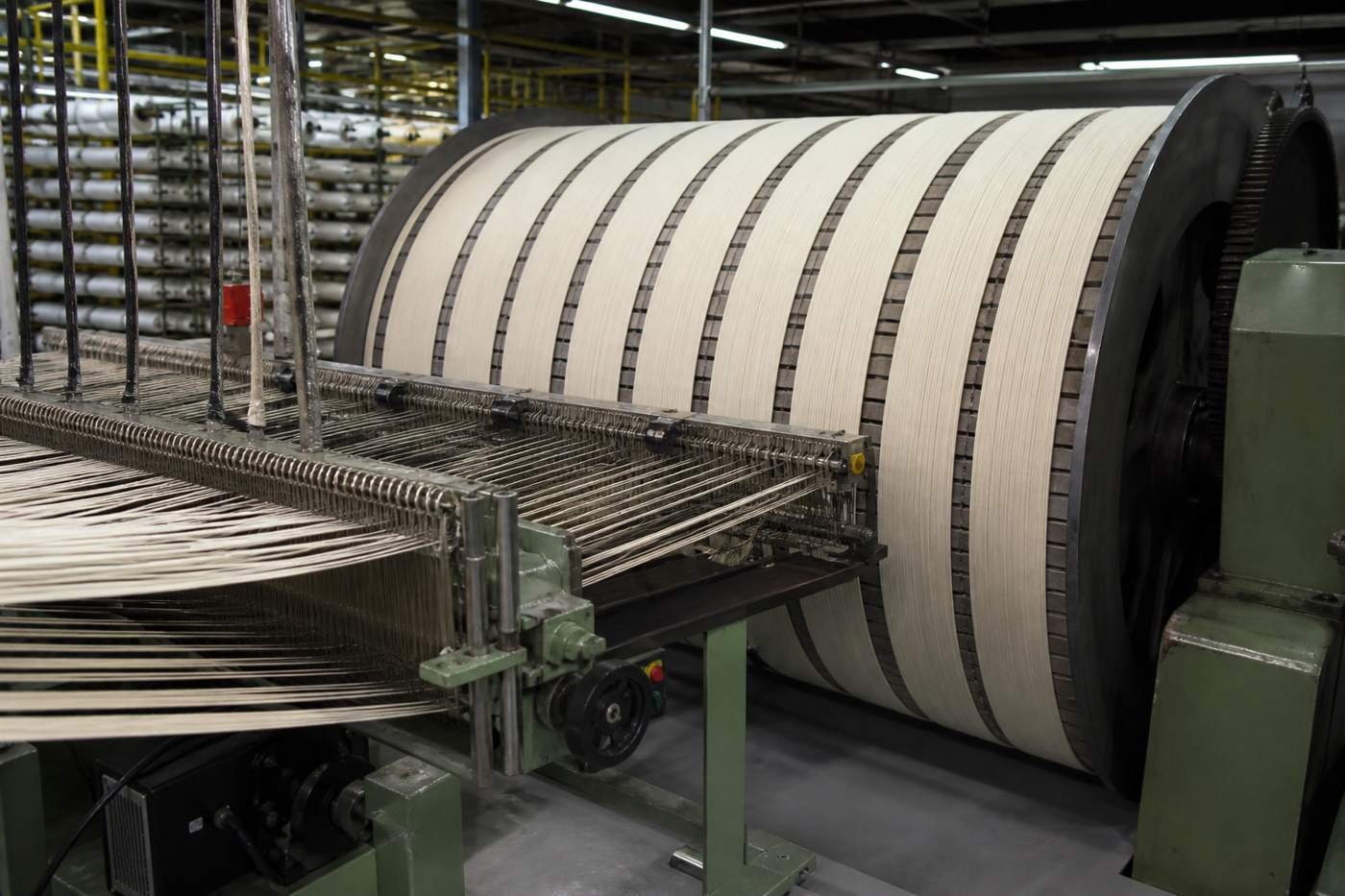
Figure 2. Sectional warping creates strip-by-strip control for color and small-batch warps.
Direct, ball, and specialty warping options
Direct warping broadly describes winding yarns from a creel onto a beam in parallel. It is the core method behind many beam-warping operations. Some filament, tape, technical-yarn, or warp-knitting programs use direct or specialized beaming equipment designed around their package type, tension sensitivity, and beam requirements. The correct term may vary by mill, but the selection logic remains the same: match yarn behavior and intended machine to the beam you need.
Ball warping organizes yarn in a rope or ball-like form before later dyeing and beaming. It can be used where yarn-dyeing routes need the yarn arrangement to permit even color development. It is not a replacement for ordinary beam warping on every woven style. Evaluate it only when the dyeing process, color program, and downstream beam preparation justify the additional route.
Beam vs sectional warping comparison
Choose the type from order profile, color arrangement, yarn range, and the rest of the preparation line.
| Tipo de máquina | Best fit | Strength | Main trade-off |
| Beam warping machine | High-volume, simple or solid-color warp | Fast parallel winding and repeatability | Less convenient for complex color order |
| Sectional warping machine | Multi-color, yarn-dyed, short-batch warp | Flexible arrangement and stripe control | More handling and section balance required |
| Ball warping route | Selected yarn-dyeing programs | Supports specialized dyeing preparation | Not a general replacement for beam warping |
The creel, tension system, and stop motions
The creel holds the yarn packages and strongly influences warping quality. Its layout, package capacity, accessibility, and changeover method affect both productivity and tension uniformity. A continuous or magazine-style creel can reduce stops during package changes, but it requires space, good tail joining, and careful yarn management. A simpler creel may be easier to operate but produce more downtime.
Each end should travel through a controlled path. Tension devices balance package unwinding force; guides and reeds separate ends; stop motions detect breaks; and leasing devices preserve order. If one position is damaged or set differently, it can cause an end to run tighter or looser than its neighbors. Inspect the full creel during trials, not just the winding head.
Warp-beam quality controls
Inspect beam build before it reaches sizing or the loom. Look for even winding, clean edges, correct width, stable density, no crossed ends, correct lease, and accurate length. Check whether the beam has hard or soft zones, ridges, yarn accumulation, or an uneven start. These conditions may create tension variation later even if the beam looks acceptable from a distance.
Use records to connect a beam with its yarn lot, creel plan, machine settings, length, operator, and inspection result. This traceability is useful when a loom develops a recurring stop or fabric defect. It helps the mill establish whether the cause began in warping, sizing, drawing-in, or weaving.
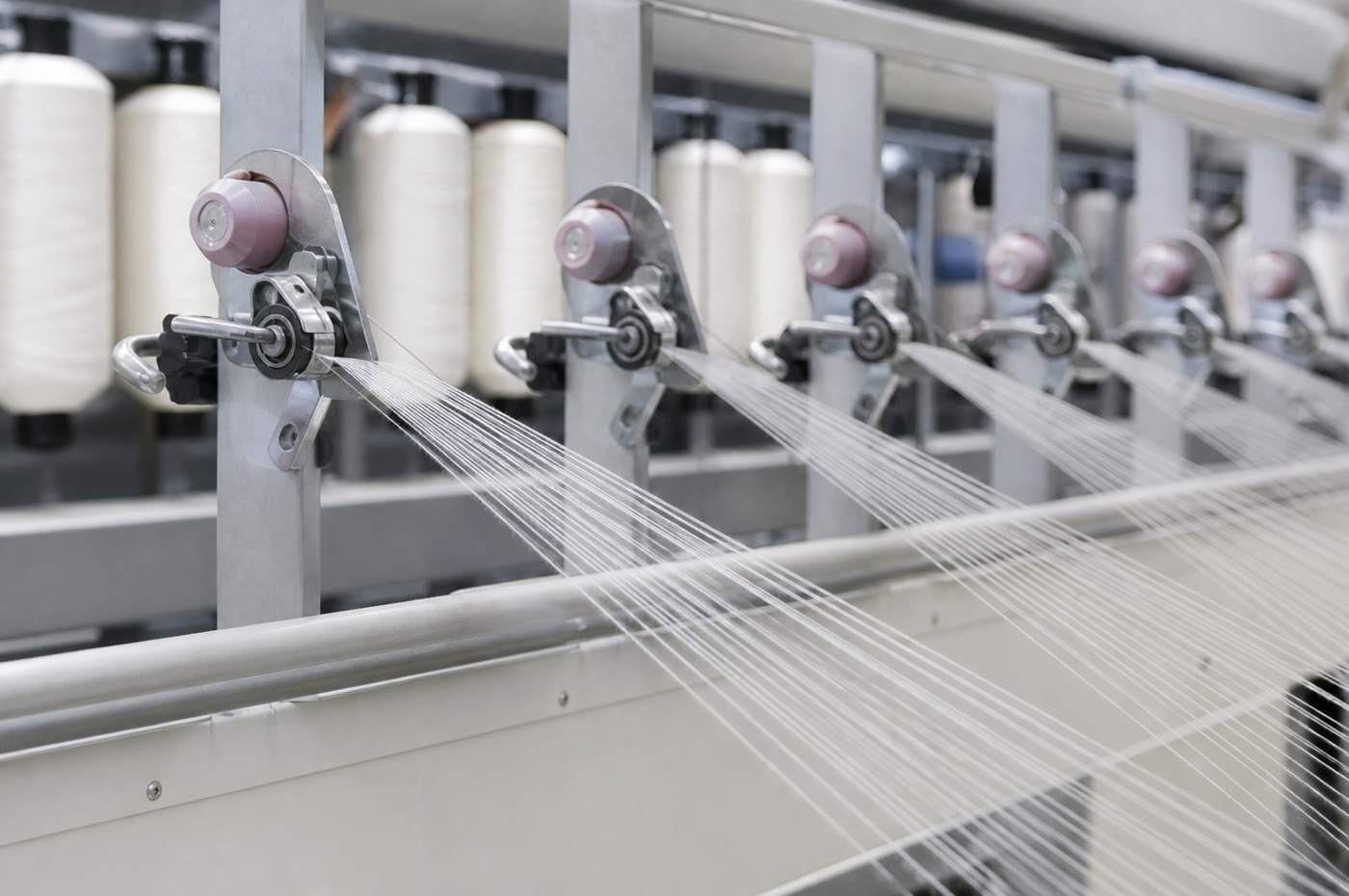
Figure 3. Tension control at the creel is essential to a stable warp beam.
Common warping defects and practical prevention
Uneven tension can cause warp stripes, length differences, end breaks, or poor beam density. It may come from package variation, faulty tension devices, dirty guides, uneven balloon behavior, or incorrect creel threading. Crossed ends and missing ends often come from rushed piecing, failed stop motions, or poor leasing discipline. Beam ridges can come from bad traversing, uneven pressure, or winding a damaged yarn package.
Preventive work is simple but important: use approved packages, clean yarn paths, calibrate tension devices, test stop motions, inspect each beam start, and follow a written creel plan. Do not correct a tension issue by merely increasing overall tension. First find the positions that differ from the rest. Uniformly higher tension can increase yarn damage without solving the real imbalance.
Buying guide for a warp preparation machine
Define the fabric program before requesting a quotation. List yarn materials, counts, package types, maximum ends, beam sizes, target length, color repeats, batch sizes, sizing route, loom type, and annual capacity. Then define whether the requirement is for a beam warping machine, sectional warping machine, direct warper, special filament beamer, or a combination.
Ask about creel capacity, tension-control design, end-stop system, length accuracy, beam drive, braking, traverse, leasing, changeover time, automation, data collection, safety systems, utilities, training, parts, and commissioning. The highest maximum speed is not always useful if the yarn or operator process cannot run at that speed with stable tension. Compare saleable beams per shift, not only a catalog speed.
Maintenance, safety, and implementation
A warping machine contains many moving packages, yarn paths, rotating beams, and high-tension ends. Preventive maintenance should cover guides, tension units, stop motions, creel brakes, sensors, drive belts or motors, beam chucks, braking system, guarding, and emergency stops. Keep yarn dust and finish buildup away from sensors and guides. A small defect in a guide can damage yarn across an entire beam.
Train operators in safe creel loading, package change, yarn piecing, threading, beam handling, lockout, cleaning, and emergency response. Do not reach into moving yarn paths or rotate beams without approved controls. A commissioning plan should include actual production yarn, beam inspection, sizing or loom trials, and written approval criteria.
From trial beam to repeatable production
Run the acceptance trial using your actual yarn, beam flange, target end count, and expected length. Check tension and beam build at multiple positions, not only at the center. If the beam will go through sizing, test it through the real sizing route. If it is for warp knitting or a specialty program, confirm that machine’s beam requirements before the purchase is accepted.
For a project discussion, share the beam drawing, yarn package data, color plan, target capacity, and loom or knitting-machine requirement with Sutexmach
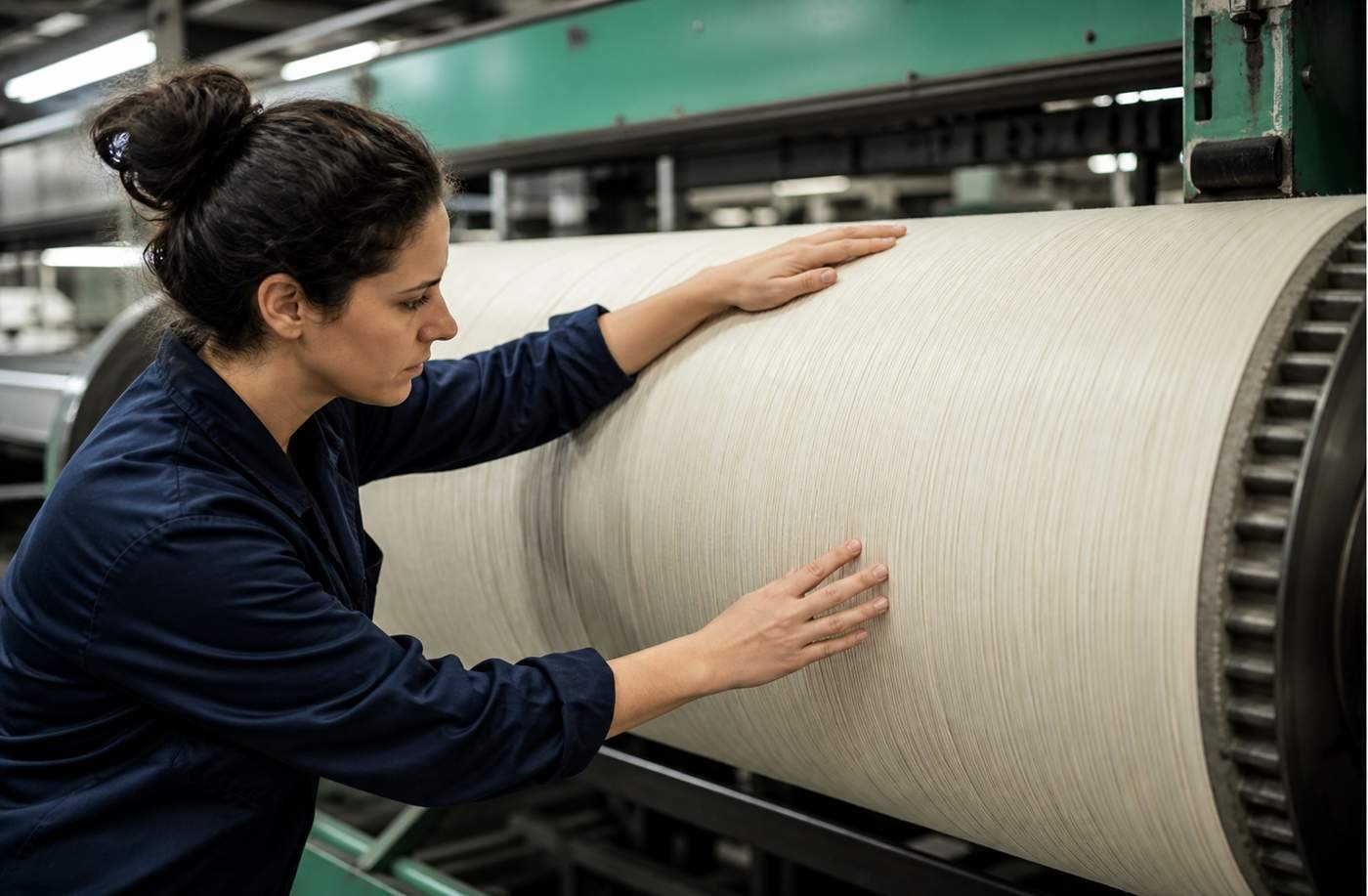
Figure 4. Inspect beam build and end arrangement before sizing or loom loading.
En Sutexmach textile machinery team can review the preparation brief and help identify a practical warping-machine configuration.
Tension engineering across the warp
Every warp end should reach the beam with a similar tension history. This is harder than it sounds because packages unwind at changing diameters, yarns differ between cones, guide friction changes with wear, and a large creel can have many positions. A well-designed tension system compensates for normal package behavior, but it still needs correct threading, maintenance, and operator observation.
Start with yarn-specific settings. Fine filament can be sensitive to friction and sudden tension peaks. Spun yarn may tolerate a different tension range but produce hairiness when guides are damaged. Elastic or textured yarn can need special control to avoid stretch variation. Confirm the process with tension measurements or planned beam trials where the application is demanding. A beam that is uniform in appearance may still have tension differences that emerge during weaving.
Beam build, density, and winding pressure
The finished beam should be firm and even enough to deliver yarn smoothly, yet not compressed so aggressively that yarn is damaged or buried in hard layers. Beam density is affected by tension, winding speed, traverse, beam surface, yarn bulk, and environmental condition. Uneven density can create local tension changes when the beam is unwound in sizing or weaving.
Inspect the start of the beam, middle zones, and final layers. Look for soft shoulders, ridges, ridged edges, yarn bunching, gaps, and cross ends. A consistent edge is important because it helps keep the beam stable through handling. When changing beam flange size or yarn type, do not assume an existing setting will give the same build. Reconfirm tension, traverse, and winding pressure during a trial.
Length measurement and lease formation
Accurate length prevents a beam from running short before the planned weaving length is complete. The control system should be checked against a known standard or planned verification method. Length errors can come from slipping, incorrect wheel calibration, drive variation, or stopping and restarting under a different tension. The resulting cost may be large if a loom must stop before an order is complete.
Leasing preserves the required yarn order. It helps later drawing-in, tie-in, or repair by creating a controlled separation between groups of ends. A poor lease can lead to crossed ends, difficult loom preparation, and long troubleshooting. Include lease pattern, leasing arrangement, and end identification in the warping specification, especially when the style contains color stripes, different yarn groups, or a complex draw plan.
Production planning: creel changes and package logistics
Warping output depends on more than winding speed. Package change time, creel loading, tail joining, yarn availability, stops, beam changes, and inspection determine how many approved beams leave the department. A continuous creel can reduce machine stops, but it needs space, a stable package-supply system, and reliable joining. A simple creel may be the better choice for a small mill with frequent yarn changes and limited floor space.
Plan the beam schedule around sizing and loom demand. A fast warper that creates beams faster than the sizing line can consume them may add inventory without increasing fabric output. Conversely, a slow or changeover-heavy warping department can starve the loom. Track approved beam availability, not only warper running hours. This connects the preparation department to the true weaving bottleneck.
Data, automation, and operator judgment
Electronic length control, stop motions, tension monitoring, barcode yarn tracking, and production reports can improve traceability and reduce repeat errors. They work best when a mill has clear recipes and response rules. An alarm is useful only when the operator knows whether to stop, inspect, adjust, or escalate. Use automation to make stable processes more visible, not to hide poor yarn preparation or neglected maintenance.
Operator judgment still matters. A skilled operator recognizes unusual package ballooning, a guide that starts to cut yarn, a beam edge that is building incorrectly, or a color order that is wrong before hundreds of meters are wound. Training should combine machine controls with visual standards, safe working methods, yarn-handling discipline, and a clear method for recording deviations.
Troubleshooting a warp beam before it reaches the loom
| Observed issue | Likely source | First checks |
| Repeated end breaks | Tension peak, yarn defect, damaged guide | Check creel position, tension device, guides, and yarn lot |
| Hard or soft beam zones | Uneven winding pressure or traverse | Inspect build, drive, beam surface, and width setting |
| Crossed ends | Threading or lease error | Stop early and verify creel plan, reeds, and leasing |
| Length variation | Measurement or slip | Check measuring device, drive calibration, and restart procedure |
| Warp stripes later in fabric | Tension or density variation | Trace beam zones, yarn lot, sizing, and loom settings |
Do not wait for a loom defect to investigate a beam problem. Hold a suspect beam, compare it with an approved reference, and inspect the relevant creel and yarn paths. When a fault can be linked to a position, component, or yarn lot, the correction is usually faster and less wasteful than changing global machine settings.
Commissioning and acceptance checklist
- Confirm creel configuration, package type, beam dimensions, working width, maximum end count, and yarn tension range.
- Test stop motions, emergency stops, braking, beam chucks, guard interlocks, guide condition, and length measurement.
- Run actual production yarn and inspect tension, end order, lease, beam build, edge quality, length, and yarn damage.
- Carry an approved beam through the intended sizing, drawing-in, weaving, or warp-knitting route before final acceptance.
- Train operators in creel loading, threading, safe beam handling, machine cleaning, end repair, recipes, and fault reporting.
- Set up preventive maintenance, critical-spare storage, inspection records, and supplier service contacts before production starts.
A successful warping-machine installation is not measured only by the first beam that turns. It is measured by repeatability: the ability to make approved beams across shifts, yarn lots, and product changes. The handover should include clear quality limits, recipes, sample beams, trained people, and a way to respond when a tension or beam-build trend begins to drift.
Maintain batch-to-batch consistency
Yarn lots, package density, humidity, winding oil, and creel loading can change between orders. Treat these changes as production inputs, not background noise. Confirm the yarn label, package condition, and creel plan before the beam starts. If a new lot or package supplier is introduced, compare a short trial beam with the approved reference before committing to a full production length.
Use a simple beam passport for each order. Record yarn lot, end count, color order, beam dimensions, actual length, tension recipe, operator, machine, date, and inspection result. When a later loom issue appears, this information helps the mill isolate the source quickly. It also protects good settings from being changed because of a problem that began upstream or downstream.
The value of this discipline is predictable weaving. Consistent beam quality reduces emergency repairs, makes sizing more stable, and gives the fabric team a stronger basis for meeting delivery and appearance requirements.
Frequently asked questions
What is a warping machine used for?
It prepares parallel warp yarns at controlled tension and length on a beam or drum before sizing, loom preparation, weaving, or a related warp-yarn process.
What is the difference between beam and sectional warping?
Beam warping winds many ends in parallel for productive standard orders. Sectional warping builds the warp in bands on a drum and is better for color patterns and smaller batches.
Why is tension control important in textile warping?
Uneven tension creates beam density differences, end breaks, length variation, and later fabric defects. The creel, guides, tensioners, and beam drive must work as one system.
Can a warping machine prepare yarn for warp knitting?
Some direct warping and specialized beaming systems are designed for warp knitting. Confirm beam dimensions, yarn type, end count, and machine compatibility before selection.
Final takeaway
A warping machine is the first quality gate for a woven warp. Use beam warping for high-volume standard constructions, sectional warping for color and flexible small-batch work, and specialized routes when yarn dyeing or technical yarns require them. Build the equipment decision around tension consistency, beam quality, and the downstream loom or knitting process.