


 Bulgarian
 English
 Hungarian
 Indonesian
 Turkish
 Polish
 Russian
 Spanish
 Portuguese
 Korean
 French


Рискувате ли хиляди за непроверено оборудване? Търсенето на достъпни текстилни установки расте стремително. Навигирането на пазара на употребявана техника е сложен процес. Скритите дефекти могат бързо да провалят инвестициите във вашата фабрика. В този пост ще се запознаете с пълен списък за проверка. Това ви помага да избегнете скъпи грешки.
Why Invest in Second Hand Textile Machinery?
Before diving into the actual inspection checklist, you might wonder why you should take the pre-owned route at all. Buying текстилни машини втора употреба offers massive advantages for growing factories. It is a highly strategic move when executed correctly.
Financial Benefits
Brand-new industrial equipment demands huge capital. Used machines cut these upfront costs significantly. This lower initial price tag leads to a much faster return on investment. You keep more cash inside your business for daily operations and raw materials.
Immediate Availability
New machines often take months to build. Then you wait extra weeks for international shipping. Used equipment is ready right now. You bypass long manufacturing lead times entirely. If you win a large contract suddenly, you can install a използвана машина за кърпено плетене and start production almost immediately. This rapid setup speed gives you a sharp competitive edge.
An Eco-Friendly Choice
Building heavy industrial equipment consumes vast natural resources. Buying used directly extends the machine’s lifecycle. It actively reduces heavy manufacturing waste. Upgrading your factory this way supports global sustainability goals while simultaneously boosting your production capacity.
Potential Risks to Mitigate
Despite the clear benefits, buying pre-owned equipment carries real risks. You must know exactly what to look for. Textile machines often run 24/7 in high-production environments. This constant heavy use causes hidden mechanical wear in gears, bearings, and drive belts.
Software obsolescence presents another major headache. Older PLC systems or proprietary HMI software might lose manufacturer support. Finding spare parts for discontinued models can quickly stall your production line. Furthermore, used sales rarely include original warranties. You carry the repair risks.
To navigate these risks, buyers must choose their purchasing model carefully. Here is a quick breakdown of common buying conditions:
| Purchasing Condition | Upfront Cost | Risk Level | Best For |
|---|---|---|---|
| Reconditioned / Refurbished | По-високо ниво | Low | Buyers needing reliable, ready-to-run machines. |
| “As-Is” Condition | Долен | Висока | Experienced teams capable of in-house repairs. |
Since 1985, SutexMach has provided intelligent textile machinery solutions worldwide. We hold over 30 years of experience in this industry. We help clients in Turkey, Indonesia, and Pakistan navigate these exact equipment challenges daily. We know the massive difference between a risky “as-is” purchase and a reliable, quality-assured production unit.
General Inspection Checklist Before Buying Textile Machinery for Sale
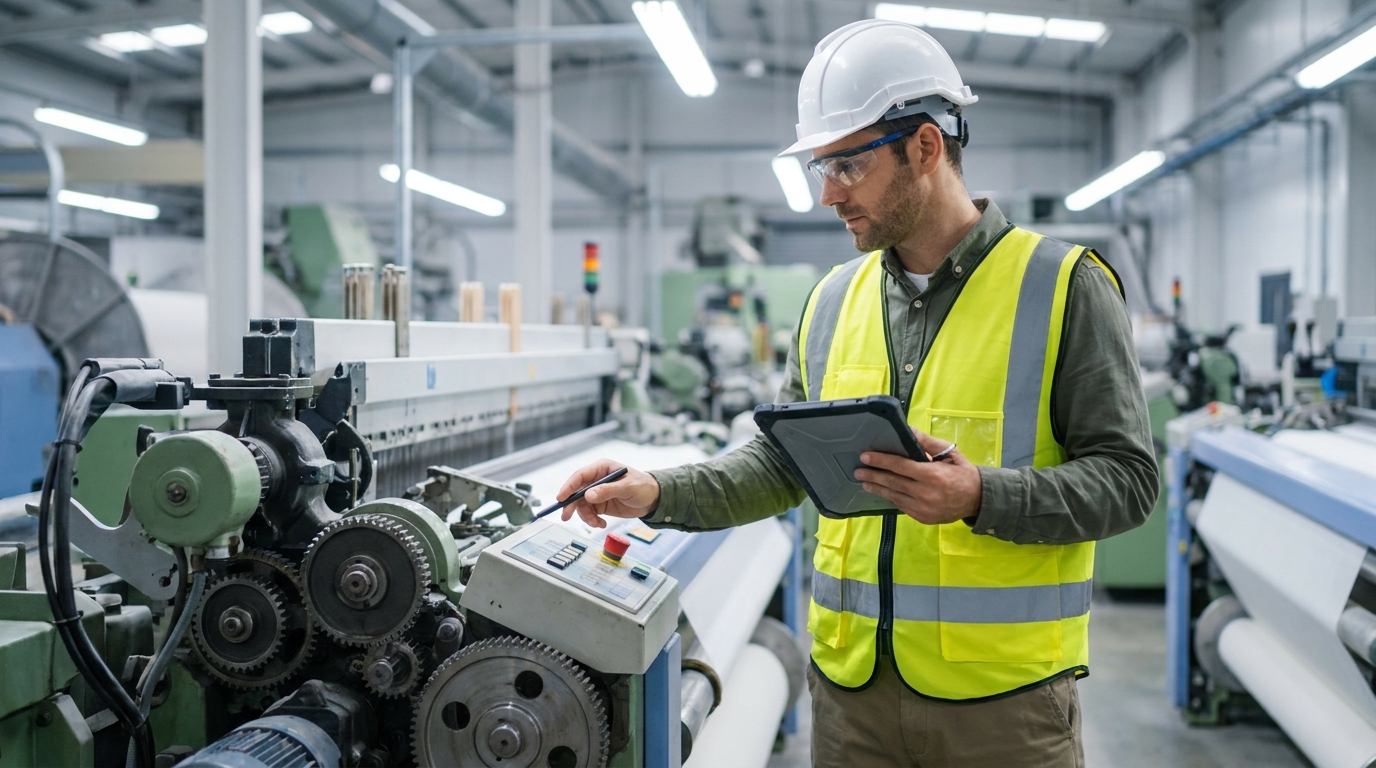
As we covered earlier, buying “as-is” equipment carries high risks. You need a systematic approach to separate reliable units from money pits. Whether you browse local listings or evaluate international текстилни машини за продажба, a strict evaluation process is your best defense. Let’s break down the essential pre-purchase inspection steps.
Visual and Structural Integrity
Start your inspection looking at the exterior. Inspect the heavy main frame closely. Look for deep rust, not just surface oxidation. Check critical stress points for micro-cracks. These cracks indicate severe structural fatigue from years of heavy vibration. A compromised frame often ruins sensitive alignments during daily operation.
Mechanical Components
Next, dive into the moving parts. Mechanical wear happens fast when factory machines run 24/7. Check gears and drive belts for obvious fraying or missing teeth. Listen to the main motors while they run. Grinding noises point directly to failing bearings. For high-value equipment, perform a quick oil analysis on the gearboxes. Metal shavings in the oil warn you about imminent failure. You should also compare the current running RPM against the original OEM specifications to gauge motor health.
Electrical Systems and Control Panels
A machine might look mechanically perfect but hide a useless control system. Open the electrical panels. Look for burnt wires or improvised repairs. Check the PLC (Programmable Logic Controller) and HMI versions carefully. Software obsolescence remains a massive trap. Ensure the manufacturer still supports the software. Also, verify the power specifications. Confirm the voltage (220V, 380V, or 440V) and frequency (50Hz vs. 60Hz) match your factory grid perfectly.
Operational History and Maintenance Records
Never buy blindly. Always ask the seller for the maintenance history. A good rule of thumb requires at least three to five years of detailed logs. Check the hour meter. High total hours mean you will likely replace parts sooner. Did the previous owner follow a strict preventative maintenance schedule? Consistent upkeep matters much more than the actual manufacturing year.
Spare Parts and Manuals
Missing paperwork costs you time and money. Ensure the seller includes the original user manuals. You absolutely need the original electrical diagrams for future troubleshooting. Replacing these documents later is surprisingly expensive. Finally, check the market for spare parts. Can you easily source OEM or reliable aftermarket components? If you are inspecting a използвана машина за боядисване, for example, ensure replacement valves and sensors are still actively produced.
| Component Group | What to Inspect | Red Flag Indicator |
|---|---|---|
| Main Frame | Stress points and structural joints | Micro-cracks and deep rust |
| Gearboxes | Oil condition and running noise | Metal shavings in oil analysis |
| Control Panel | PLC and HMI software versions | Obsolete, unsupported software |
| Documentation | Manuals and electrical diagrams | Missing original paperwork |
Specific Inspection Focus: Used Dyeing Machine
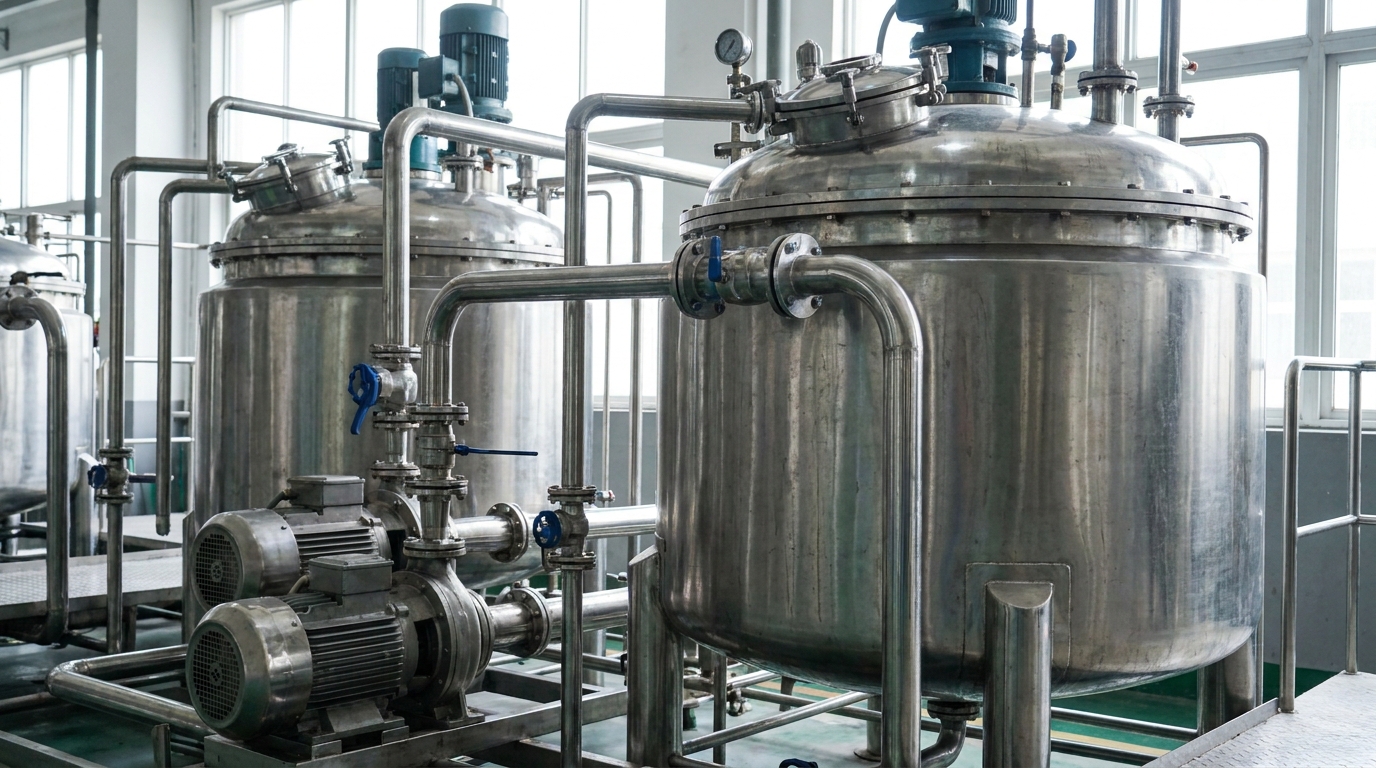
We just outlined general mechanical and electrical checks. Applying your inspection checklist before buying used textile machinery requires specific focus here. Dyeing machines operate in harsh chemical and thermal environments. You must look far beyond standard wear and tear.
Since 1985, SutexMach has designed and manufactured full-process textile equipment. Our R&D team holds numerous patents for advanced dyeing machinery. We know exactly where these units fail first. Here are the specific areas you must evaluate.
Vat and Cylinder Condition
The main body faces constant exposure to aggressive dyes and salts. Inspect the stainless steel vat thoroughly. Look closely for chemical corrosion or deep pitting. Even minor pitting can snag and ruin delicate fabrics during processing. Examine all internal seams for weld degradation. Weak welds pose a massive safety risk under high pressure.
Pumps and Valves
Circulation pumps and dosing valves control the entire dyeing process. Check the main circulation pumps for seal leaks. Test them for pressure consistency during a live trial. Inspect the heat exchangers for scale buildup. Poor heat exchange drastically reduces operational efficiency. A failing pump easily ruins color consistency across your fabric batches.
Temperature and Automation Controls
As we covered earlier, outdated control systems are dangerous. Dyeing requires highly accurate heating and cooling gradients. Verify temperature sensors respond instantly without lagging. Assess the machine’s overall energy-saving performance. At SutexMach, we prioritize energy efficiency in our integrated solutions. Older units often consume excess steam and electricity. Upgrading these controls can save you substantial utility costs.
Fabric Transport System
Internal rollers and winches pull your textiles through the dye bath. They must operate incredibly smoothly. Any internal friction causes fabric abrasions or severe tangles. Inspect the winch bearings carefully. Bearings submerged in chemical baths degrade much faster than standard mechanical components.
Fabric handling does not stop at the dye house. You will likely process these textiles further. If you plan to pair this unit with a използвана машина за стентер for finishing, ensure their production capacities align perfectly.
| Dyeing Component | Inspection Focus | Common Failure Signs |
|---|---|---|
| Stainless Steel Vat | Surface integrity and welds | Chemical pitting, weld cracks |
| Circulation Pumps | Pressure and seals | Fluid leaks, inconsistent flow |
| Temperature Controls | Sensor accuracy and gradients | Heating lag, high energy use |
| Internal Rollers | Smooth rotation and bearings | Fabric tangles, grinding noises |
Specific Inspection Focus: Used Stenter Machine
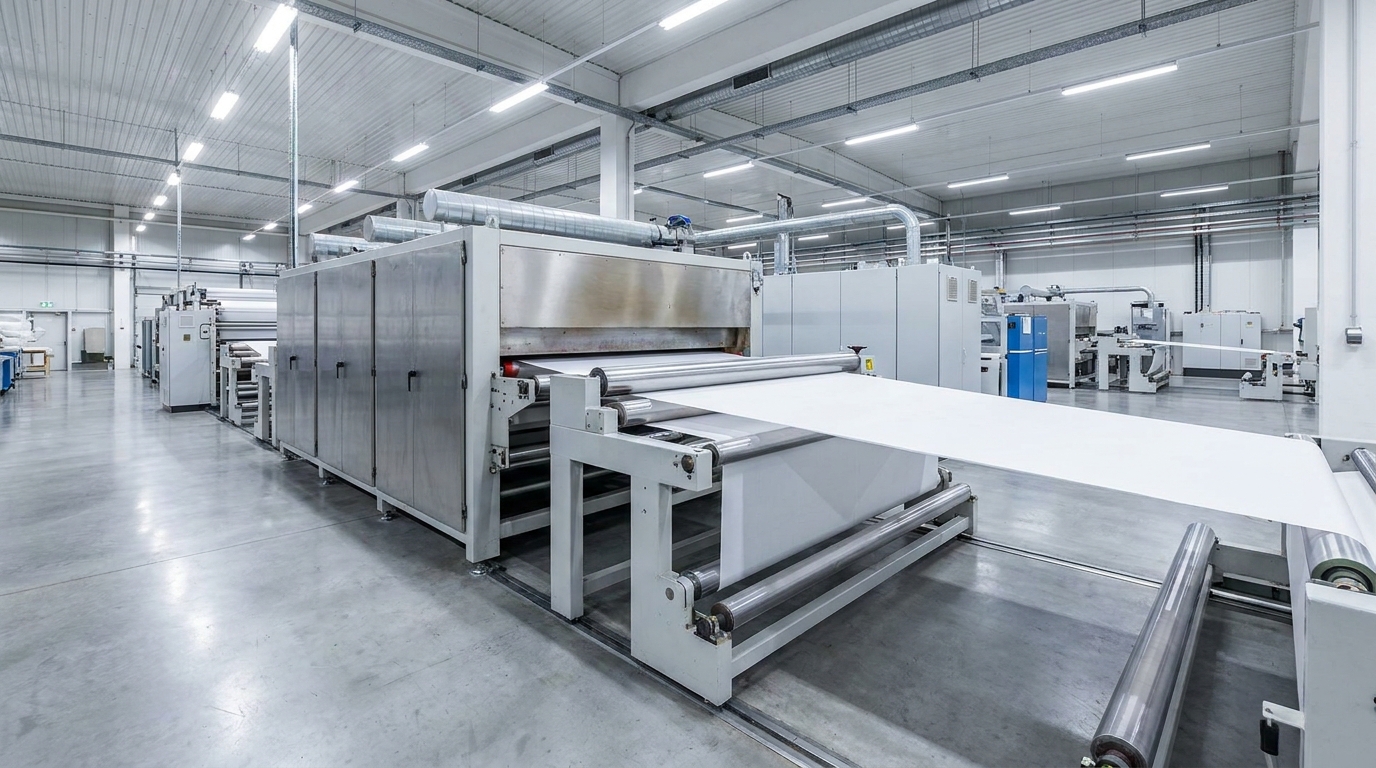
Once your production capacities align, you must evaluate the finishing equipment itself. You just processed your textiles through the dye bath. Now, they need proper drying and heat setting. Evaluating a used stenter machine requires a completely different approach than inspecting wet processing units. Adding these specific steps to your inspection checklist before buying used textile machinery for sale protects your final product quality.
Heating Chambers
Stenters consume massive amounts of thermal energy. Inspect the heating chambers very carefully. Look closely at the internal insulation panels. Degraded insulation causes severe energy leaks. Check the gas burners or thermal oil radiators. They must distribute heat evenly across the entire width. Uneven heat ruins fabric finishes instantly. Examine the exhaust systems for lint blockages. Heavy lint buildup creates a serious fire hazard. As an energy-saving machinery provider, SutexMach always advises buyers to verify thermal efficiency. Older units often waste expensive energy.
Transport Mechanisms
Fabrics move through the chambers on specialized chains. Inspect these transport mechanisms closely. Check the pin chains and clips for missing parts. Damaged pins will tear your textiles. Look at the main chain rails. They require constant lubrication to survive high temperatures. Excessive wear here causes chain tension issues. Poor tension leads to uneven fabric stretching. Ask the seller for maintenance logs specifically covering rail lubrication.
Width Adjustment System
You will process different fabric widths daily. The width adjustment system must work flawlessly. Test the motorized spindles during a live trial. They must move freely and accurately across every single chamber. Listen for struggling motors. A jammed spindle forces you to stop production completely. If the width varies between chambers, your fabric will warp. As we covered earlier, checking the PLC controls is vital here. Ensure the software accurately commands these width adjustments.
Fabric Delivery and Take-up
The entry and exit zones demand equal attention. Inspect the padder rollers at the fabric delivery section. They squeeze out excess moisture before drying. Uneven roller pressure causes patchy chemical applications. Test the overfeed systems. They control fabric shrinkage and weight. Check the cooling zones at the exit. They must drop the fabric temperature quickly to set the finish. All these systems must operate in perfect synchronization. A lagging take-up roller will stretch and ruin your finished product.
| Stenter Component | Inspection Focus | Common Failure Signs |
|---|---|---|
| Heating Chambers | Insulation and exhaust airflow | Lint blockages, energy leaks |
| Transport Chains | Pins, clips, and rail lubrication | Torn fabrics, tension loss |
| Width Spindles | Motorized movement across chambers | Struggling motors, warped fabric |
| Padder Rollers | Even pressure and synchronization | Patchy chemicals, stretched textiles |
Specific Inspection Focus: Used Warp Knitting Machine
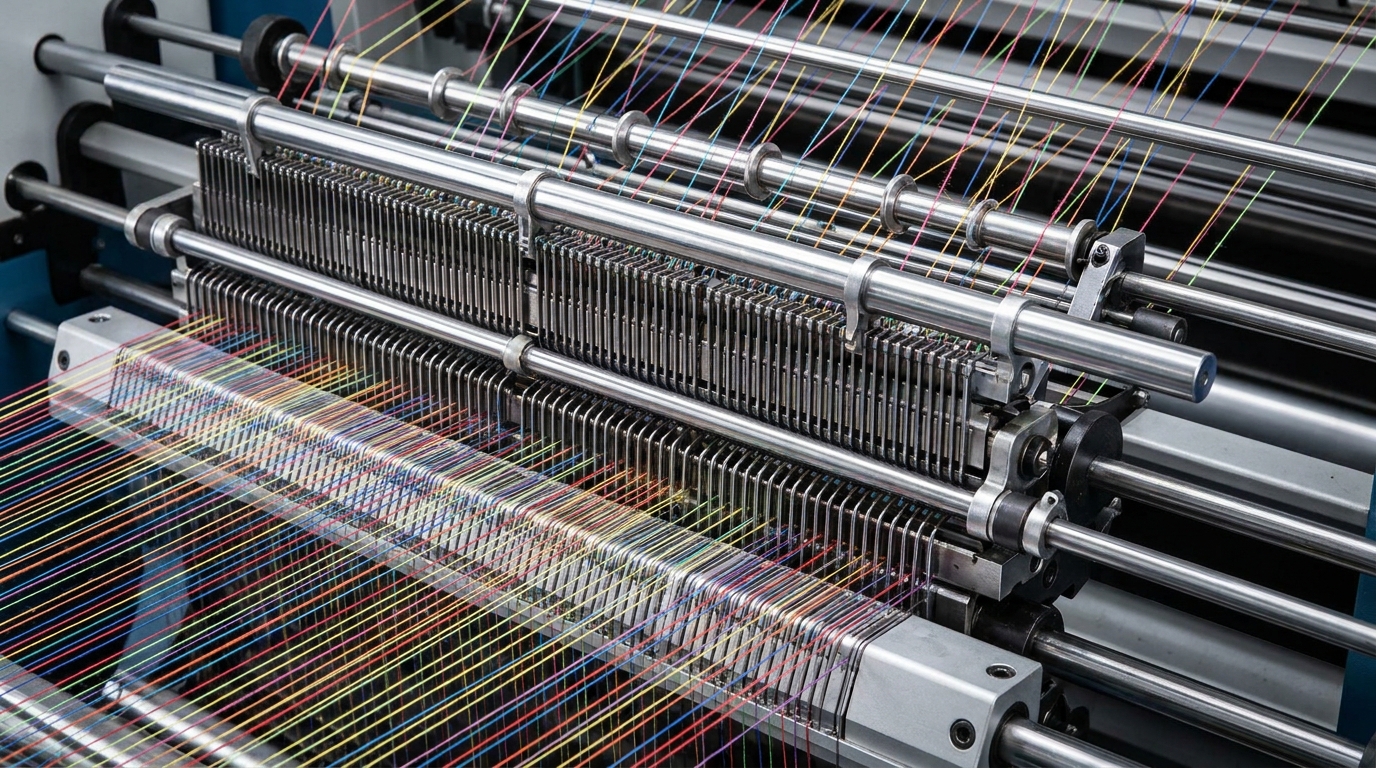
You just evaluated your wet processing and finishing lines. Now, let’s step back to fabric formation. Adding a used warp knitting machine to your floor boosts production capacity tremendously. However, these machines operate at incredible speeds. They require extreme mechanical precision. Even microscopic faults cause massive fabric defects.
At SutexMach, we design and manufacture intelligent textile machinery. Our integrated solutions include advanced warp knitting units. Our 30 years of global experience show us exactly where older knitting equipment fails. Here is how you inspect these delicate systems before buying.
Елементи за плетене
Start your inspection at the heart of the machine. Assess the needle beds and guide bars closely. Look for microscopic damage or bent needles. Damaged needles create permanent vertical lines in your fabric. Check the sinkers and trick plates for strict alignment. They guide the yarn during rapid loop formation. Misalignment here causes constant yarn breakage. You will lose hours of daily production time fixing these breaks.
Yarn Let-off and Fabric Take-up
Consistent yarn tension dictates your final product quality. Test the yarn let-off motions carefully. Older machines rely on mechanical let-off systems. Newer models feature highly precise electronic controls. Verify these electronic sensors respond instantly. Poor tension control creates uneven fabric weights. Next, inspect the fabric take-up rollers. They must pull the knitted textiles smoothly. Stuttering rollers will distort the final loop structure.
Motor Synchronization and Vibration
You must see this equipment running under load. Always request a live trial. Ask the seller for a video showing a current date or specific identifier. This prevents them from using old footage. During the trial, evaluate the operating speeds. Compare the current RPM against the original OEM specifications. Listen closely to the main drives. Unusual vibrations or grinding noises indicate immediate bearing failure.
Patterning Mechanisms
Finally, evaluate the pattern control systems. Inspect the mechanical pattern wheels and chain links for physical wear. If the unit uses an electronic jacquard system, test its responsiveness. As we covered earlier, outdated control systems remain a massive trap. Ensure the HMI accurately sends pattern data to the knitting elements. A lagging jacquard system ruins complex fabric designs. If you need help evaluating these complex electronic systems, you can always свържете се с нас for expert guidance.
| Knitting Component | Inspection Focus | Common Failure Signs |
|---|---|---|
| Needle Beds & Guide Bars | Microscopic damage and alignment | Bent needles, vertical fabric lines |
| Let-off Motions | Sensor responsiveness and tension | Uneven yarn tension, frequent breaks |
| Main Motors | Operating speeds and vibration | Grinding noises, low RPM |
| Patterning Systems | Jacquard accuracy and chain links | Lagging patterns, deep physical wear |
Beyond the Checklist: The Value of Reliable Equipment and Manufacturer Expertise
Comparing Used vs. Intelligent New Machinery
You just evaluated delicate jacquards and high-speed motors. A strict inspection checklist before buying used textile machinery prevents immediate disasters. However, you must look at the bigger picture. Buyers often weigh the short-term savings of second hand textile machinery against long-term reliability. Older models frequently lack modern energy-saving performance. They require much more daily maintenance. Upgrading to intelligent new machinery eliminates these hidden burdens entirely.
| Функции | Used Textile Machinery | Intelligent New Machinery |
|---|---|---|
| Енергийна ефективност | Often poor, consumes excess power and steam. | High energy-saving performance built directly into the design. |
| Reliability | High risk of sudden mechanical or software failure. | Backed by a strict quality guarantee and modern software. |
| Integration | Requires custom modifications to fit existing production lines. | Designed for seamless, full-process synchronization. |
The SutexMach Standard
This is where true manufacturer expertise becomes invaluable. Founded in 1985, SutexMach operates as a one-stop provider of intelligent textile machinery. We are affiliated with Jiangsu Soho Honry Import & Export Co., Ltd. Our team brings over 30 years of R&D and manufacturing experience directly to your factory floor. We understand the exact stress points older machines face. We design our new equipment to bypass these exact mechanical failures.
Интегрирани решения
Piecing together a production line from different used sellers creates massive compatibility issues. We solve this problem through integrated solutions. Our R&D team designs and manufactures full-process equipment under one roof. We supply advanced sueding, calendering, dyeing, and warp knitting machines. Our engineers hold numerous invention and utility model patents. This continuous innovation guarantees seamless operation across your entire production line. You get a strict quality guarantee instead of inheriting worn-out parts.
Global Trust and Customization
Textile manufacturing demands high precision worldwide. Factory owners in major hubs like Turkey, Indonesia, and Pakistan trust our customized machinery daily. They rely on our quality-guaranteed equipment to maintain a sharp competitive edge. Every facility has unique layout and power requirements. We tailor our reliable machinery to fit your exact production goals. You secure maximum output without the constant fear of sudden mechanical breakdowns.
Заключение
Using a strict inspection checklist is vital before buying used textile machinery. You must balance tight budgets with long-term reliability, safety, and energy efficiency. To make the smartest choice, consult industry experts like SutexMach. They provide intelligent, customized textile solutions to perfectly fit your needs.
- Review your factory’s exact production requirements today.
- Ask sellers for detailed machine maintenance logs.
- Contact SutexMach to get a customized quote.
Frequently Asked Questions About Used Textile Machinery
How can I find hidden defects in used textile machinery?
You cannot always see internal wear on gears or bearings. Performing an oil analysis on gearboxes is a great trick. Metal shavings in the oil often indicate an imminent mechanical failure. You should also check the hour meter carefully. Machines running constantly may need faster part replacements.
What should I check regarding the machine software?
A machine might look perfectly fine on the outside. However, it could have an obsolete control system inside. Always prioritize checking the PLC and HMI versions. You must ensure the original manufacturer still supports this software. Ask the seller for the original electrical diagrams and operation manuals. Replacing missing manuals can be very expensive later.
How do I verify a used machine works before buying?
Always request a live video trial of the equipment. The machine should run at its full production load. Ask the seller to show a current date in the video. This prevents them from using old footage of the machine. You should also measure the current RPM against original OEM specifications. This step helps assess the motor and drive efficiency.
Why is a dealer’s history important when buying used machines?
Buying from an experienced dealer greatly reduces your purchasing risks. For example, SutexMach has provided intelligent textile machinery since 1985. Over 30 years of experience guarantees better quality and reliable solutions. A long market presence proves they can handle global logistics safely. They also have an expert R&D team with numerous patents. Trusted dealers will always deliver customized and reliable machinery.
Will I be able to find spare parts easily?
Finding parts for discontinued models can be a huge challenge. You should request at least three years of maintenance logs. These logs show if the previous owner replaced parts regularly. Buying reconditioned units offers lower risk than buying “as-is” machines. A reputable provider like SutexMach offers integrated solutions and support. They ensure your equipment runs smoothly after the purchase.
- Contact our sales team to schedule a virtual machine inspection.
- Request a detailed maintenance log for your desired textile equipment.
- Compare your local power specifications with our available machinery options.
- Ask for a custom shipping quote from our logistics experts.
Inspecting used textile machinery requires careful attention to mechanical details. You must verify software compatibility and request live video trials. Choosing a trusted partner like SutexMach ensures you receive reliable equipment. Our decades of experience provide peace of mind during international transit. Following a strict checklist will ultimately protect your factory’s production efficiency.