


 Turkish
 English
 Hungarian
 Indonesian
 Bulgarian
 Polish
 Russian
 Spanish
 Portuguese
 Korean
 French


Quick Answer: What Does a Textile Softening Machine Do?
Bir tekstil yumuşatma makinesi kumaşın elde hissedilen dokusunu iyileştirir. Boyama, kurutma, kaplama veya diğer son işlem adımlarından sonra yumuşaklığı, esnekliği, sarkma özelliğini ve yüzey konforunu artırabilir.
An air softening machine relies on controlled airflow, fabric movement, temperature, moisture, and dwell time. The goal is to relax the fabric and change its mechanical feel without automatically depending on a heavy chemical-softener finish.
It is not a magic setting. The best fabric hand feel improvement comes from matching the machine route to the fiber, construction, prior finish, and end use. A soft towel, a crisp shirting fabric, and a laminated outdoor textile need very different targets.
What “Fabric Hand Feel” Really Means
Hand feel is the total physical impression a person gets while touching and moving a fabric. It includes smoothness, fullness, flexibility, softness, resilience, surface drag, warmth, and drape.
Two fabrics can have the same fiber content and weight but feel completely different. Yarn twist, weave or knit structure, dyeing history, moisture, finishing chemistry, and mechanical action all affect the result.
For this reason, a fabric softening process should start with a clear product brief. Define whether the customer wants a peach-like surface, fuller bulk, lower stiffness, easier drape, or simply less harshness after heat treatment.
| Hand-feel attribute | What the operator observes | Common process influence |
| Surface smoothness | Less rough drag across the skin | Fiber orientation, finish film, abrasion control |
| Drape | Fabric bends and falls more easily | Relaxation, moisture, construction, finishing route |
| Fullness | Material feels rounder or less flat | Bulk development, yarn structure, controlled tumbling |
| Esneklik | Lower resistance during bending | Mechanical relaxation, resin level, heat history |
| Resilience | Recovery after squeezing or folding | Fiber type, set conditions, chemical and mechanical finish |
How an Air Softening Machine Works
An air softening machine is a textile finishing machine designed to move fabric through a controlled air environment. Depending on the design, fabric may travel in a chamber, on a conveyor, or through a relaxed rope-like path.
Airflow gently separates, lifts, and repeatedly redistributes the fabric. Combined with suitable temperature and moisture, this action can release some of the compacted feel created by earlier wet processing, drying, heat setting, or packing.
The process is controlled rather than random. Operators set a recipe around fabric loading, air volume, temperature, humidity, residence time, transport speed, and the fabric’s incoming moisture. A stable recipe makes repeatable quality more likely.
The Typical Air-Softening Sequence
First, inspect the incoming fabric. Check width, weight, shade, moisture, seams, contamination, and any coating or print that could be sensitive to heat or rubbing.
Next, load the fabric in the route recommended for its construction. Open-width material and rope-form material do not behave the same way, so transport choice matters.
During treatment, the machine circulates air and moves the material while the operator watches temperature, dwell time, fabric tension, and chamber loading. Excessive loading can reduce uniform exposure.
Finally, cool, inspect, and compare the treated lot against the agreed hand standard. If the fabric will be chemically softened afterward, test the combined route rather than judging each operation alone.

Figure 2. Controlled airflow and relaxed fabric movement are central to an air softening process.
Air Softening vs. Chemical Softening vs. Other Mechanical Finishes
Air softening is one route inside a broader finishing strategy. Chemical softeners can reduce friction between fibers and yarns, while other mechanical processes may alter the surface, bulk, or flexibility in different ways.
A good comparison is not about declaring one method superior. It is about deciding which combination achieves the desired hand while protecting appearance, performance, and downstream sewing or printing needs.
| Approach | How it changes the fabric | Güçlü Yönler | Watch-outs |
| Air softening | Air movement and controlled relaxation | Can develop a natural, relaxed hand; supports repeatable recipes | Needs trials; wrong heat or action can create unevenness |
| Chemical softening | Lubricating finish on fibers and yarns | Useful for targeted slickness, softness, or antistatic effects | May affect shade, absorbency, fastness, or compatibility |
| Compacting / mechanical relaxation | Controlled compression and movement | Can improve dimensional behavior and softness in suitable knits | Not a replacement for every softness target |
| Brushing or sueding | Raises or modifies surface fibers | Creates warmth and a suede-like touch | Can change appearance, pilling behavior, and weight |
Why Air Softening Can Improve Fabric Hand Feel
The main benefit is relaxation. Fabric often becomes more pliable when it is exposed to controlled movement without harsh tension. Air action can help the material open, redistribute, and settle into a less board-like state.
It can also support better perceived bulk. When yarns and fibers are less compressed, the fabric may feel fuller even if its specification has not changed dramatically. This is especially relevant when a product needs comfort rather than a stiff, flat presentation.
Another advantage is process flexibility. A fabric softening machine can be used as a stand-alone mechanical step or as part of a route that also includes washing, drying, heat setting, or limited chemical finishing. Trials decide the practical combination.
- Potentially softer, more relaxed touch for suitable constructions.
- A route that can reduce reliance on a heavy softener recipe for some products.
- Useful process control through repeatable temperature, air, and dwell settings.
- Applicable across many apparel, home-textile, and technical-fabric workflows after testing.
Which Fabrics Respond Well to Air Softening
Cotton jersey, fleece, towels, denim, woven shirting, and many blends can benefit from an air softening trial. Their response depends on yarn count, construction density, pretreatment, and the hand target.
Knitted fabrics often need low tension and careful loading because they can distort more easily. Wovens may need a balance between softness and the body required for garment construction.
Synthetic fabrics may respond differently from cellulosics. Polyester, nylon, and blended technical textiles can be heat sensitive, coated, or engineered for performance, so use conservative recipes and test every specification.
| Fabric family | Likely target | Practical control point |
| Knits and jersey | Drape, softness, reduced boardiness | Low tension, controlled temperature, width stability |
| Denim and workwear | Relaxed, lived-in hand | Shade control, abrasion risk, seam strength |
| Towels and terry | Loft and skin comfort | Pile protection, drying balance, absorbency |
| Woven apparel | Comfort while keeping body | Avoid over-relaxing collars, plackets, or crisp styles |
| Coated / technical textiles | Controlled feel without harming performance | Check coating adhesion, water resistance, and heat limits |
Where Air Softening Fits in the Textile Finishing Route
There is no universal sequence. Some mills use air softening after drying or heat setting; others use it after a wash or before final inspection. The right position depends on whether earlier steps create stiffness and whether later finishes could cover the mechanical effect.
Map the whole line before making a change. If the fabric receives resin, coating, pigment, or a strong chemical softener afterward, evaluate the final sample rather than a half-finished roll.
For a new development, make a small matrix of trials. Change one major variable at a time and record the result. This provides a more reliable starting recipe than relying on touch alone.
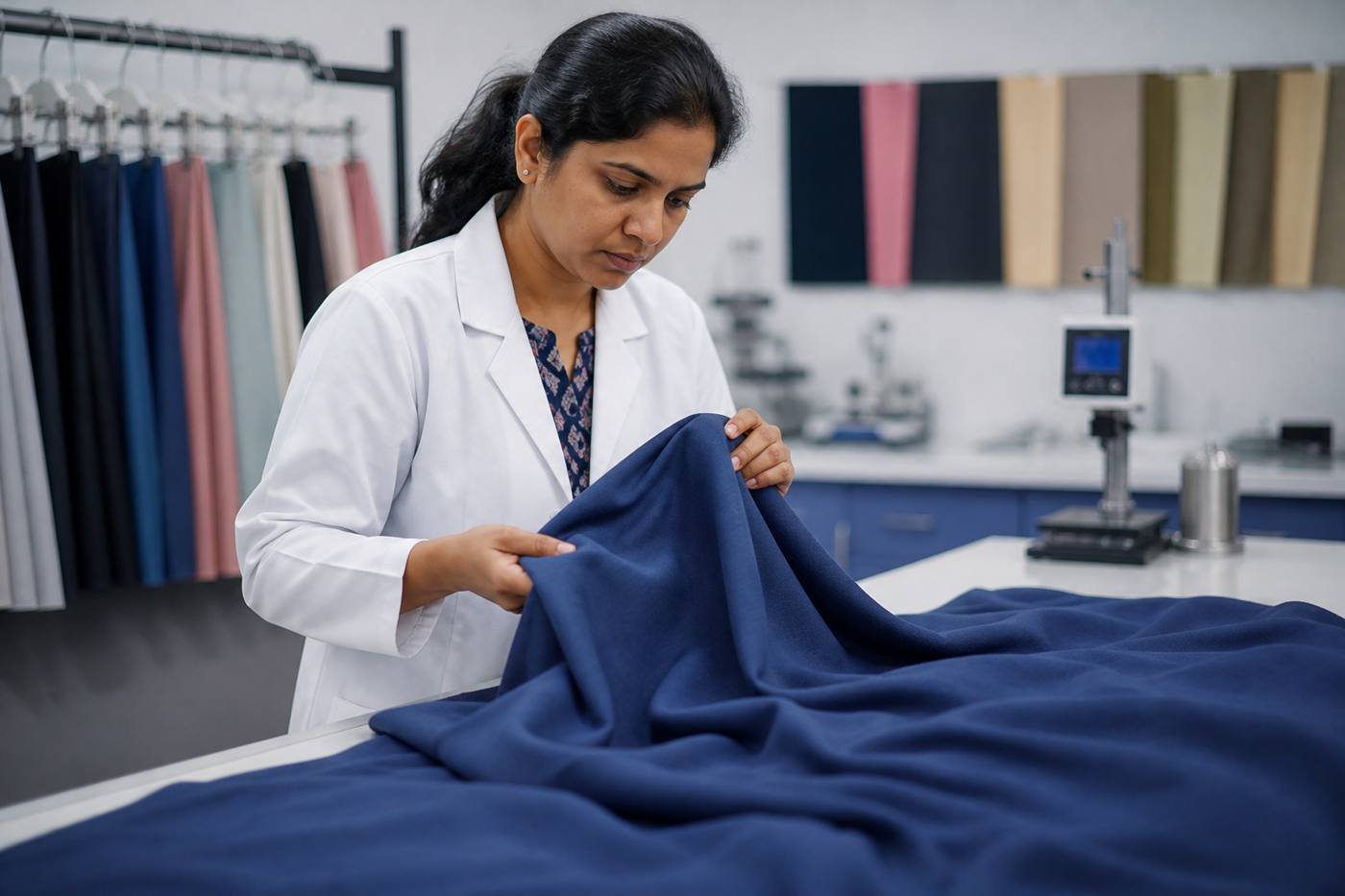
Figure 3. Hand-feel assessment should combine trained touch evaluation with measurable fabric checks.
Key Process Controls for a Textile Softening Machine
Temperature affects relaxation, drying, and the behavior of heat-sensitive fibers or finishes. Start from the fiber and finish supplier limits, then increase only when trials show a clear benefit.
Airflow should move and open the fabric without causing excessive flutter, marking, edge damage, or abrasion. More air is not always better. A stable, even action is usually more valuable than an aggressive one.
Dwell time controls how long the fabric receives the treatment. Too little time may give an inconsistent result. Too much can waste capacity or increase risk, especially on delicate, coated, or raised-surface materials.
Incoming moisture matters. Very dry fabric can behave differently from material holding residual moisture. Record the condition at loading so a successful recipe can be repeated across shifts.
| Variable | If set too low | If set too high | What to monitor |
| Sıcaklık | Limited relaxation or drying | Shade shift, heat damage, finish changes | Surface, width, shade, performance |
| Hava Akışı | Weak movement and uneven response | Abrasion, distortion, uncontrolled flutter | Fabric path, lint, edges, consistency |
| Dwell time | Incomplete hand development | Lower throughput, over-treatment | Hand panel score, production rate |
| Chamber loading | Poor capacity use | Crowding and uneven treatment | Lot uniformity, crease marks, residence time |
| Moisture condition | Inconsistent response | Drying burden or variable behavior | Incoming weight, touch, moisture checks |
How to Measure Fabric Hand Feel Improvement
Human touch remains important because the final user experiences fabric by touch. A small trained panel can score smoothness, softness, fullness, drape, and perceived quality against an approved standard sample.
However, use physical tests as well. Bending resistance, thickness, air permeability, surface friction, dimensional change, tensile behavior, and color change can reveal trade-offs that a quick touch check may miss.
Test after the final intended treatment and after a relevant wash cycle when the product will be laundered. The aim is not merely an attractive hand on day one; it is a stable customer experience.
- Keep an approved reference swatch in a protected, labeled location.
- Use the same conditioning environment before comparing hand samples.
- Record operator, machine, lot, recipe, fabric moisture, and inspection result.
- Review wash, abrasion, pilling, shade, and dimensional checks alongside hand scores.
Quality Risks and How to Reduce Them
Over-processing can create the opposite of the intended result. Excessive heat, long dwell, or aggressive movement may reduce surface quality, alter dimensions, create creases, or make a raised surface look worn.
Color and appearance need close attention. Whites and pale shades can react differently to heat history. Dark colors may reveal lint, surface disturbance, or rub marks more easily. Inspect under agreed lighting conditions.
Chemical compatibility is also important. Textile finishing references note that some softening formulations may influence crocking, whiteness, shade, or fabric structure. Confirm compatibility through the full production route, not an isolated lab dip.
Protect consistency by using defined loading limits, preventative cleaning, controlled recipe access, and first-roll approval. A machine is only as repeatable as its incoming material and operating discipline.
Selecting the Right Air Softening Machine
Choose a textile softening machine around your fabric mix, required capacity, available utilities, and quality target. A machine designed for heavy denim may not be the best fit for delicate knitwear or coated technical fabrics.
Ask suppliers to demonstrate a process on your own fabric. A useful trial includes untreated and treated controls, a documented recipe, lab data, hand-panel feedback, and a review after washing or downstream finishing.
For practical support on process layout and air-softening equipment, review the options available from Sutexmach. The discussion should cover fabric route, safety systems, cleaning access, controls, and integration with existing finishing equipment.
| Selection question | Why it matters |
| What fabrics and widths will run? | Determines transport method, chamber layout, and tension control. |
| What hand target is required? | Prevents buying a machine based only on capacity or a generic softness claim. |
| How will recipes be controlled? | Supports repeatability across lots, operators, and shifts. |
| What utilities are available? | Air, heat, electricity, extraction, and space affect the installed solution. |
| How will quality be verified? | Defines the sampling plan, standards, and acceptance criteria before production. |
Operating, Maintenance, and Safety Considerations
Cleanliness directly supports quality. Lint, loose fibers, oil, and dust can transfer to fabric or change airflow. Build cleaning checks into every shift, especially when processing light shades or high-pile materials.
Inspect fabric guides, seals, filters, fans, sensors, and tension-control points on a planned schedule. Small transport problems can become large quality losses when they are repeated across a long production run.
Safety procedures should cover guarding, hot surfaces, lockout procedures, dust management, and access during cleaning. Follow the machine supplier’s manual and site safety requirements rather than relying on informal habits.
Keep a simple maintenance record linked to quality data. If a hand-feel score suddenly changes, the record can help distinguish an incoming-fabric issue from a mechanical or recipe problem.
Practical Trial Plan for Fabric Softening Process Development
Begin with a baseline. Measure the untreated or current-production fabric and agree on the desired change. Without a baseline, comments such as “softer” or “better” are too vague for reliable scale-up.
Run a short matrix using a limited set of temperature, airflow, dwell, and loading conditions. Keep the fabric lot constant. Evaluate all samples after conditioning, then rank them against the target hand.
Select the best candidate and repeat it on a larger lot. Confirm width, GSM, shrinkage, shade, strength, surface appearance, and wash behavior. Only then lock the working recipe.
- Define the hand target and final use before the first machine trial.
- Change one key variable at a time whenever possible.
- Approve both touch and measurable properties.
- Repeat the winning recipe before full production release.
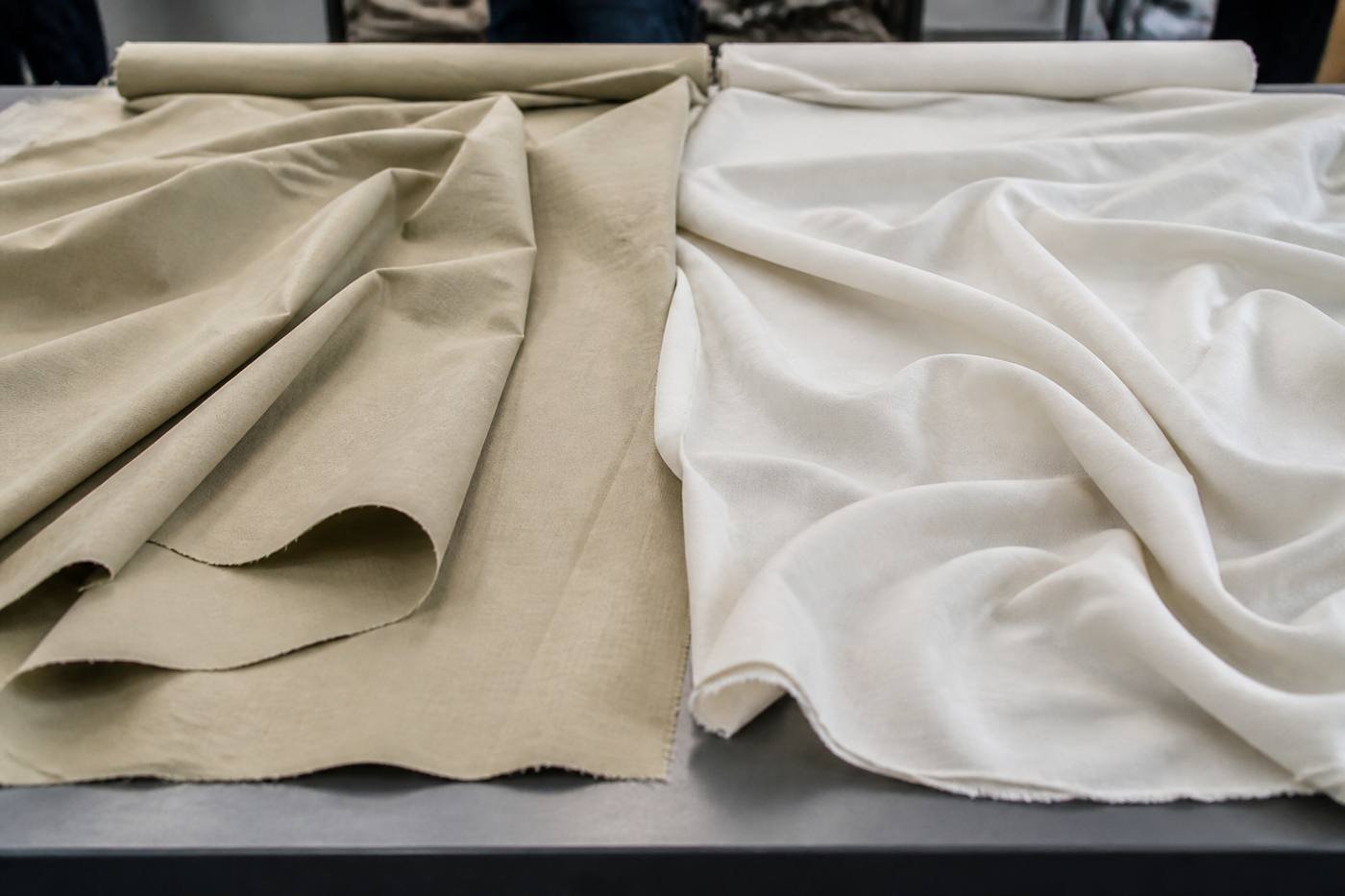
Figure 4. Compare fabric samples against the target hand, appearance, and performance requirements.
Using Air Softening for Different End Uses
Garment fabrics are judged at close range and against the skin. For T-shirts, loungewear, children’s products, and casual woven apparel, the target may be low stiffness and easy drape. Do not sacrifice dimensional stability merely to win a first-touch comparison.
Home textiles need a different balance. Bedding may need smoothness and fluid drape, while towels need a soft pile plus usable absorbency. Upholstery and decorative fabrics may need a fuller hand while retaining body and abrasion resistance.
Technical and performance textiles need the most caution. Their coatings, membranes, water repellency, flame-retardant treatments, or stretch recovery may be more important than a softer feel. Test the specific performance claim after any fabric softening process.
How to Set a Useful Hand Standard
Avoid vague approvals such as “make it softer.” A useful standard names the product, sample condition, intended use, and ranking criteria. It also identifies unacceptable effects, including shade change, width loss, surface fuzz, or reduced absorbency.
Keep a physical approved swatch, but support it with simple measured values. Record thickness, weight, width, shrinkage, and any relevant strength or appearance scores. This turns a subjective conversation into a controlled production target.
Condition both the approved standard and trial sample in the same environment before comparison. Temperature and humidity affect touch, especially for cotton-rich material. A rushed comparison can create false differences between two otherwise similar samples.
Troubleshooting Common Air-Softening Results
If hand variation appears across a roll, first check loading consistency, fabric path, incoming moisture, and airflow distribution. Then review whether the fabric was produced from mixed lots or had uneven drying before it entered the machine.
If the fabric feels soft but looks dull or abraded, reduce the severity of mechanical action before adding chemistry. Inspect guides, chamber cleanliness, and contact points. A poor contact surface can damage appearance even when the overall recipe looks reasonable.
If the hand becomes better but the width or shrinkage misses specification, revisit tension and the location of this step in the finishing route. In some cases, compacting, heat setting, or controlled drying must be coordinated with air softening.
If a chemical finish later removes the air-softened effect, test a lighter chemical recipe or adjust sequence. The final customer hand is the only result that matters, not the appearance after an intermediate operation.
| Observed result | Likely area to check | First response |
| Uneven softness | Loading, fabric path, incoming moisture | Verify spread, chamber exposure, and lot consistency |
| Creases or marking | Transport guides, crowding, seam condition | Inspect contact points and reduce loading |
| Surface fuzz or abrasion | Air action, dwell, fabric sensitivity | Reduce intensity and inspect raised surfaces |
| Width or shrinkage drift | Tension, heat, sequence | Review dimensional controls and route position |
| Hand disappears after finishing | Downstream chemistry or drying | Test the complete route and revise sequence |
Production Records That Make Softness Repeatable
A hand-feel result is easier to reproduce when the record captures more than temperature and time. Include fabric construction, lot number, incoming width, moisture condition, machine loading, operator, recipe version, and final inspection notes.
Photographs are useful for obvious surface defects, but they do not replace a retained swatch. Store a labeled before-and-after pair for major developments. It gives operators and sales teams a common reference when discussing a customer’s expectation.
Review records at regular intervals. When the same product begins drifting, compare current settings and maintenance status with the last accepted run. This practical discipline often identifies variation sooner than a final inspection alone.
Frequently Asked Questions
Is an air softening machine the same as chemical softening? No. Air softening mainly uses controlled mechanical relaxation and air handling. Chemical softening uses applied formulations, and many factories use both approaches when the product needs it.
Can air softening replace every fabric softener? No. It can reduce stiffness and improve perceived comfort on suitable fabrics, but some performance or sensory targets require a specific chemistry or another finish.
Will air softening damage fabric? It should not when the machine, recipe, loading, and fabric are matched. Inappropriate heat, dwell, friction, or tension can create quality problems, so trials are essential.
What is the best fabric softening machine for a mill? The best choice matches the fabric range, output target, utility constraints, maintenance capability, and accepted hand standard. A supplier trial on your own fabric is the most useful comparison.
Final Takeaway
A textile softening machine can improve comfort, drape, and perceived quality by giving fabric a controlled relaxation step. Air softening works best when it is treated as a measurable part of the full finishing route, not a one-button substitute for process development.
Start with the required hand, test representative fabric, protect critical performance properties, and document the winning recipe. For machine and process discussions, visit Sutexmach and evaluate air-softening options against your own material and finishing goals.