


 Turkish
 English
 Hungarian
 Indonesian
 Bulgarian
 Polish
 Russian
 Spanish
 Portuguese
 Korean
 French


Pamuklu kumaş, tekstil kalitenizi bozuyor mu? Gazlı singeleme makineleri, dolaşan lifleri yakarak bu sorunu giderir. Yine de verimlilik ile kumaş kalitesi arasındaki dengeyi sağlamak günlük bir zorluktur. Bu teknik parametreleri iyi anlamak son derece önemlidir. Bu yazıda, yakıcılar, hızlar ve gaz kullanımı açısından önemli singeleme makinesi özellikleri hakkında bilgi edineceksiniz.
Core Singeing Machine Specifications You Need to Know

To achieve the perfect balance between efficiency and quality we just mentioned, you must understand the hardware. Evaluating yakma makinesi teknik özellikleri helps you choose the exact equipment your textile application needs.
These technical parameters define what a machine can actually do. They dictate how it handles lightweight knits versus heavy denim. They also determine your daily operational efficiency.
How Machine Design Impacts Dyeing Precision
Machine design directly influences fabric handling and overall dyeing precision. Uneven singeing leaves varying hairiness across the fabric surface. This causes the fabric to absorb dye unevenly. It creates visible stripes or patchy colors during downstream processing.
Consistent fabric tension and a stable singeing distance are critical. The optimal distance between the burner mouth and the fabric is usually 2mm to 8mm. If this distance fluctuates, you risk thermal yellowing or poor singeing grades.
As an intelligent textile machinery manufacturer founded in 1985, SutexMach knows precise mechanical control is non-negotiable. Smooth fabric handling prepares the textile perfectly for dyeing and finishing.
Evaluating Primary Technical Parameters
When reviewing a machine, specific numbers matter. The gazla kömürleme makinesinin çalışma genişliği typically ranges from 1,800mm to 3,400mm. You must match this width to your standard fabric rolls to maximize productivity.
You also need to evaluate singeing machine gas consumption. Natural gas setups generally use 15 to 25 m³/h per burner. LPG systems consume about 5 to 10 kg/h. Understanding these rates helps you manage daily energy use effectively.
The singeing machine speed m/min is another major factor. Standard machines operate between 60 and 120 m/min. High-speed units can push production up to 150 or even 180 m/min for maximum output.
Four Key Components to Watch
A reliable singeing process relies on four main systems working together seamlessly.
- Burner Systems: They generate flame temperatures between 1,200°C and 1,300°C. Different singeing machine burner types, like double-jet or ceramic burners, offer varying flame intensities. Advanced burners allow width adjustments in 50mm steps to minimize gas waste.
- Drive Mechanisms: Frequency-controlled motors pull the fabric smoothly. They keep the singeing machine speed m/min steady. They also sync the singer effortlessly with other units like desizing machines.
- Exhaust Systems: Hairiness suction devices and dust collectors remove burned fibers instantly. This keeps the machine clean and significantly reduces fire risks.
- Cooling Units: Water-cooled rollers act as heat sinks. They require a flow rate of 2 to 4 m³/h. These rollers prevent thermal shock and melting, especially when processing heat-sensitive synthetic blends.
| Specification Category | Standard Range / Details |
|---|---|
| Operating Speed | 60–120 m/min (Up to 180 m/min for high-speed) |
| Flame Temperature | 1,200°C – 1,300°C |
| Çalışma Genişliği | 1,800mm – 3,400mm |
| Cooling Water Flow | 2–4 m³/h per burner |
| Singeing Distance | 2mm – 8mm |
Exploring Singeing Machine Burner Types and Technologies

As we covered earlier, the burner system generates extreme temperatures up to 1,300°C. It stands as the absolute heart of the gas singeing process. The burner dictates flame stability. It controls how evenly heat spreads across your fabric.
If your burner falters, the entire process suffers. A flickering flame leaves stripes. Poor heat distribution causes inconsistent dyeing later. Understanding your hardware ensures you achieve a smooth, high-quality finish every single time.
Breaking Down Common Burner Designs
Not all burners perform the same job. Manufacturers engineer specific yakma makinesi ağzı tipleri to handle different textile demands. Here are the most common designs you will encounter.
- Double-Jet Burners: These deliver a highly concentrated, aggressive flame. They work exceptionally well for heavy woven fabrics like denim. The dual-nozzle design ensures complete combustion.
- Radiant (Ceramic) Burners: These use ceramic bricks to radiate infrared heat alongside the flame. They provide a softer, highly uniform heat. This makes them ideal for delicate fabrics.
- Water-Cooled Aluminum Burners: Often featuring a slot-type design, these burners include an internal cooling jacket. The cooling water prevents thermal deformation of the burner mouth. This keeps the flame perfectly straight across wide working widths.
Matching Flame Dynamics to Fabric Materials
Flame shape, intensity, and uniformity directly affect your fabric. Different materials react differently to intense heat. You must match your burner settings to the specific fiber composition.
100% cotton fabrics handle high heat well. They require an aggressive, penetrating flame to burn off thick cellulose fuzz. You can safely use a free-fabric singeing position here.
Polyester and synthetic blends are highly heat-sensitive. They melt easily. For these materials, you must singe onto a water-cooled roller. The roller acts as a massive heat sink. It instantly pulls heat away from the fabric body. This prevents thermal yellowing and strength loss while still burning off surface hairiness.
Blends like poly-cotton require a careful balance. You need enough flame intensity to remove cotton fibers. You also need a fast enough machine speed to protect the polyester.
Adjusting Angles and Flame Widths
Precision control prevents fabric damage and saves money. You can adjust the burner angle to change the singeing position. Tangential singeing grazes the fabric surface. It removes superficial fibers without deep penetration. This works great for heavy materials.
Flame width control is another crucial feature. Modern burners let you adjust the flame width in 50mm or 100mm increments. If you run a narrow fabric roll on a wide machine, you simply shut off the outer burner segments. This simple adjustment can cut your gas consumption by up to 30%.
At SutexMach, our 30 years of experience show that intelligent mechanical adjustments make all the difference. Proper alignment protects the fabric structure and maximizes energy efficiency.
| Fabric Material | Recommended Burner Position | Flame Intensity Needed | Primary Risk |
|---|---|---|---|
| 100% Cotton | Free fabric or Tangential | High / Aggressive | Incomplete fuzz removal |
| 100% Polyester | On water-cooled roller | Low to Medium | Melting / Thermal yellowing |
| Poly-Cotton Blends | On water-cooled roller | Orta | Loss of fabric strength |
| Heavy Denim | Tangential | High / Penetrating | Deep fiber damage if too slow |
Optimal Singeing Machine Speed m/min for Different Fabrics
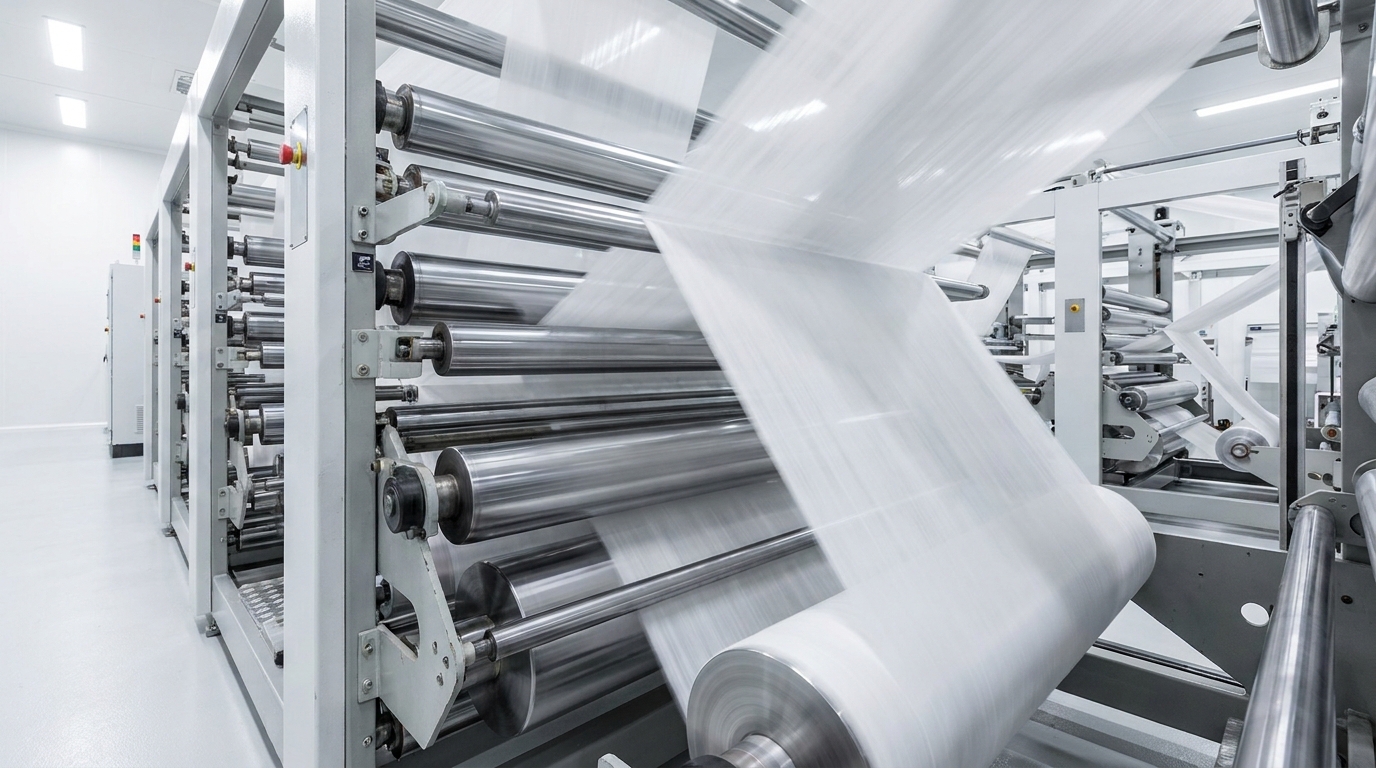
You just learned how burner positions and flame widths protect your textiles. Now, you must control fabric movement through intense heat. The singeing machine speed m/min directly impacts your daily output and final fabric quality. Finding the exact right pace is crucial.
Operating speed determines your total production volume. It also dictates the final singeing grade. Run the machine too fast, and stray fibers survive. This leaves an undesirable fuzzy surface. Run it too slowly, and you risk thermal damage. The material might yellow or lose tensile strength.
Typical Speed Ranges for Textile Production
Standard machines typically operate between 60 and 120 m/min. High-speed units can push production limits up to 180 m/min. Threading the machine initially requires much slower speeds. Operators usually start the threading process at 5 to 10 m/min. You must adjust these baseline numbers based on your specific fabric.
Fabric weight heavily influences your ideal running speed. Heavyweight materials like denim require more flame exposure. You might run these closer to 60 or 80 m/min. Lightweight fabrics need much faster transit times. Heat-sensitive synthetics demand speeds above 100 m/min. This rapid movement prevents the plastic fibers from melting.
Balancing High-Speed Production and Quality
Balancing high-speed production and defect-free results requires intelligent control. Modern machines utilize precise frequency-controlled motors. They keep the fabric tension perfectly stable throughout the process. This prevents the fabric from sagging into the burner mouth.
SutexMach builds intelligent textile machinery for global fabric mills. Our 30 years of experience covers stenters, drying, and dyeing units. We know synchronized drive mechanisms prevent dangerous speed fluctuations. Consistent speed guarantees uniform heat exposure across every single roll.
You must sync your machine speed alongside flame intensity. A visual singeing grade check helps you calibrate this balance. Grade 1 indicates poor fuzz removal. Grade 5 indicates a perfectly smooth surface. You adjust the speed until you consistently hit Grade 4 or 5.
| Fabric Type & Weight | Recommended Speed Range | Primary Consideration |
|---|---|---|
| Heavy Denim (300+ GSM) | 60 – 80 m/min | Needs longer exposure for deep fuzz removal. |
| Standard Cotton (150-250 GSM) | 80 – 100 m/min | Balances thorough singeing and production efficiency. |
| Lightweight Synthetics (<100 GSM) | 100 – 150 m/min | Requires fast transit to prevent melting. |
| Tubular Knits | 50 – 80 m/min | Needs lower speeds to maintain delicate tension. |
Managing and Optimizing Singeing Machine Gas Consumption
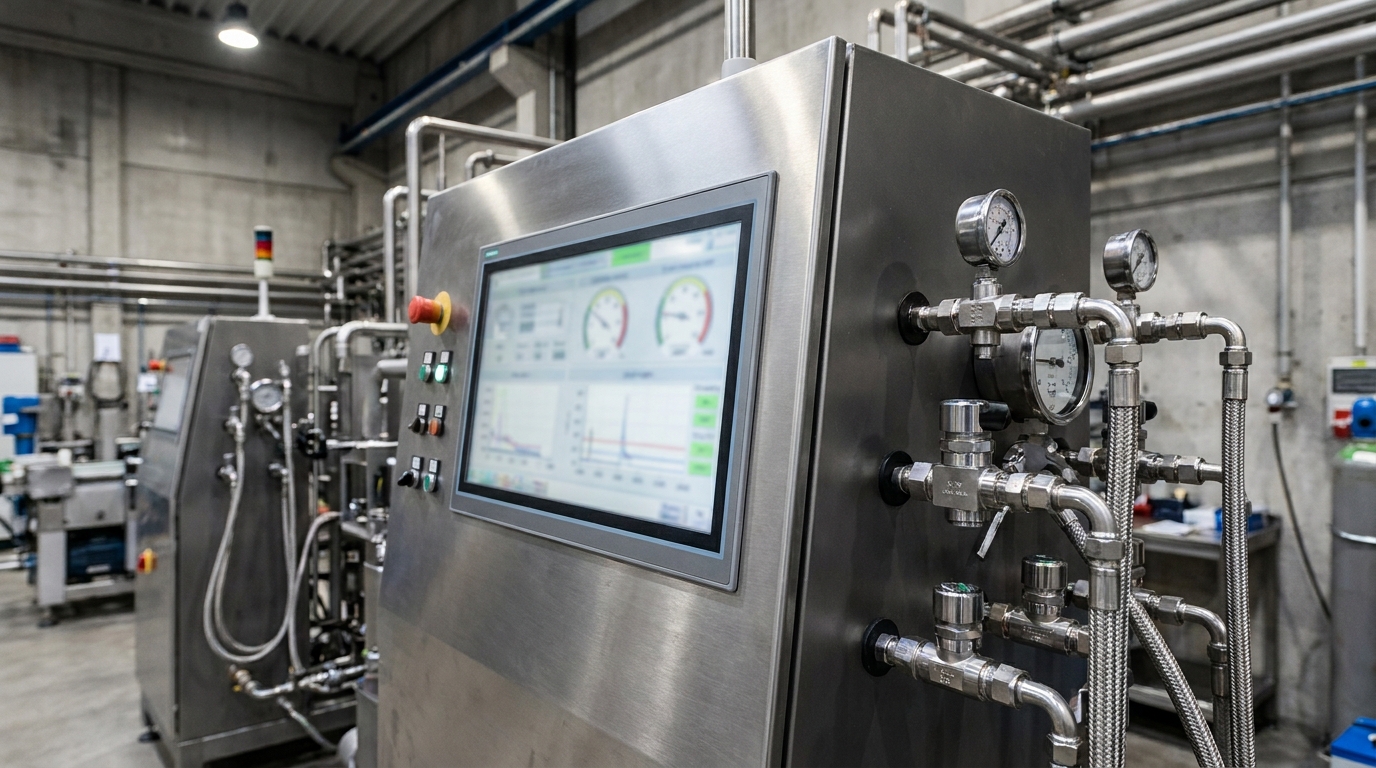
We just explored how finding the exact running speed protects your fabric and maximizes output. But maintaining high-speed production requires intense, consistent heat. Generating this heat burns a massive amount of fuel daily. Managing your singeing machine gas consumption directly impacts your operational overhead.
Energy costs dominate textile finishing expenses. Wasting fuel eats away at your profit margins quickly. You must understand exactly how your equipment uses gas. This knowledge helps you cut waste without sacrificing fabric quality.
Key Factors Driving Your Gas Usage
Several variables dictate how much fuel your machine burns during a shift. You need to monitor these closely to maintain efficiency.
- Burner Efficiency: Clean burners maximize heat output. Carbon buildup in the burner slots disrupts the flame. This forces you to burn more gas to achieve the same temperature.
- Air-to-Gas Ratio: Complete combustion requires exact stoichiometry. The typical gas-to-air ratio ranges from 1:5 to 1:10. Proportional mixing valves and Venturi mixers ensure this mix stays perfect.
- Production Speed: Faster transit times demand higher flame intensity. Pushing your equipment to 150 m/min means burning significantly more fuel per hour.
Comparing Natural Gas and LPG
The type of fuel you use changes your consumption rates entirely. It also affects the flame characteristics. You cannot easily swap fuel types without adjusting the burner hardware and gas pressure settings.
Natural gas provides a softer, more uniform flame. It works exceptionally well for general textile processing. LPG delivers a much higher caloric value. It creates an aggressive flame perfect for heavy, dense materials.
| Fuel Type | Average Consumption (Per Burner) | Typical Pressure Requirement | Flame Characteristic |
|---|---|---|---|
| Natural Gas | 15 – 25 m³/h | 50 – 100 mbar | Soft and uniform |
| LPG | 5 – 10 kg/h | 50 – 100 mbar | Aggressive and high-heat |
Actionable Tips to Reduce Energy Waste
You can implement several strategies today to lower your daily energy use. First, always match your flame width to your fabric roll. As we noted earlier, shutting off outer burner segments saves significant fuel. Never run a 3,400mm flame for a 2,200mm fabric.
Next, upgrade to intelligent control systems. Modern touchscreen interfaces allow you to save specific fabric recipes. You can store the exact speed, flame intensity, and singeing distance for each material. This eliminates trial-and-error gas waste during machine setup.
At SutexMach, we build intelligent textile machinery designed for maximum efficiency. Over our 30 years of experience, we have seen how automated controls transform finishing lines. Precise automation prevents operators from running flames hotter than necessary. It keeps your energy usage exactly where it belongs.
Finally, inspect your exhaust and cooling systems regularly. A clogged hairiness suction device forces the burner to work harder. Keeping the entire system clean ensures every drop of fuel translates directly into a smooth, high-quality fabric finish.
Understanding Gas Singeing Machine Working Width
We just discussed how shutting off outer burner segments saves significant fuel. This brings us directly to the physical size of your equipment. Understanding your gas singeing machine working width ensures you process fabrics efficiently without wasting resources.
Working width defines the maximum usable span of the rollers and burner slots. This dimension is a highly critical specification for your mill. It dictates the absolute widest fabric roll your line can currently handle. Choosing the wrong size creates severe production bottlenecks.
Common Width Options for Different Fabrics
Manufacturers build singeing machines in various sizes to accommodate diverse textile markets. Standard options typically range from 1,800mm to 3,400mm. You must select a size based on your primary product output.
Narrower machines, around 1,800mm to 2,200mm, handle standard apparel fabrics perfectly. They also work exceptionally well for tubular knits. Tubular knit lines often require specialized circular expanders within this narrower footprint.
Wider machines, spanning 2,800mm to 3,400mm, process open-width home textiles. Bedding, curtains, and wide industrial fabrics require these massive spans. Running narrow fabrics on these wide machines requires adjustable burners to prevent gas waste.
Matching Width to Your Production Line
You cannot select a working width in isolation. You must align it with your upstream weaving or knitting production line. The singeing unit must easily accept the standard rolls coming directly from your looms.
A good rule is to choose a working width slightly larger than your maximum fabric width. If your looms produce 2,200mm fabric, a 2,400mm singer provides a safe buffer. This buffer accommodates slight fabric wandering during high-speed transit.
At SutexMach, we have guided global fabric mills since 1985. Our 30 years of experience building intelligent textile machinery shows that consistency matters. Matching your singeing width to your stenter and drying machines prevents downstream delays.
Controlling Tension and Edge Curling
Processing wide fabrics introduces specific mechanical challenges. Maintaining uniform tension across a 3,400mm span is difficult. If the fabric sags in the center, the singeing distance changes. As we covered earlier, fluctuating distances cause uneven singeing grades.
Knitted fabrics present another major handling issue. They naturally curl at the edges. If an edge curls before hitting the flame, the burner will singe it unevenly. It might even burn straight through the folded material.
You must equip your machine with edge-curling prevention devices. Mechanical un-curlers flatten the fabric right before it passes the burner mouth. This ensures every millimeter of the working width receives the exact same heat exposure.
| Fabric Category | Typical Fabric Width | Recommended Machine Working Width |
|---|---|---|
| Tubular Knits | 900mm – 1,200mm (flat) | 1,800mm |
| Standard Apparel | 1,500mm – 1,800mm | 2,000mm – 2,200mm |
| Wide Apparel / Denim | 2,000mm – 2,200mm | 2,400mm |
| Home Textiles (Bedding) | 2,800mm – 3,200mm | 3,200mm – 3,400mm |
SutexMach: Over 30 Years of Excellence in Intelligent Textile Machinery
We just discussed how controlling tension across wide machine widths prevents edge curling. Managing these physical challenges requires highly engineered equipment. You need a manufacturing partner who understands every step of the textile finishing process.
A Legacy Built Since 1985
Finding the right equipment specifications involves more than just reading numbers. It requires trusting the manufacturer behind the machine. Founded in 1985, SutexMach operates as a professional manufacturer of intelligent textile machinery. We are proudly affiliated to Jiangsu SoHo Honry Import & Export Co., Ltd.
Over the past 30 years, we have partnered with global fabric mills. We help them solve complex production challenges daily. Our long history means we understand exactly how singeing machine specifications impact your daily output. We carefully engineer the burner, speed, and gas use parameters. We design our equipment to run efficiently shift after shift.
Deep Expertise Across Fabric Finishing
A singeing machine never operates in isolation. It feeds directly into your downstream processes. We know this because our expertise extends far beyond singeing. We specialize in a wide range of textile finishing equipment.
Our intelligent textile machinery portfolio includes sueding, calendering, drying, and stenter machines. We also build advanced dyeing, warp knitting, dewatering, and air-softening machines. This comprehensive knowledge translates directly into superior engineering. When we design a burner system, we consider the downstream effects. We know exactly how the fabric behaves in the dyeing unit later.
Commitment to High-Performance Engineering
The global textile industry evolves rapidly. You face constant pressure to improve quality while reducing energy consumption. We commit to providing energy-efficient, high-performance machinery tailored to these changing needs.
As we covered earlier, optimizing your gas consumption cuts significant waste. We build intelligent controls into every unit to make this easy. Our touchscreens and automated valves give you absolute control over flame intensity and transit speeds. This precision protects your fabric and boosts your production efficiency.
| SutexMach Equipment Category | Primary Production Benefit |
|---|---|
| Singeing & Sueding Machines | Removes surface hairiness for perfectly smooth fabrics. |
| Stenter & Drying Machines | Locks in fabric width and stabilizes the textile structure. |
| Boyama Makineleri | Ensures uniform color penetration without patchy spots. |
| Calendering & Air-Softening | Delivers a premium hand-feel and final finish. |
Sonuç
Understanding singeing machine specifications guarantees high-quality textile finishes. Balancing burner efficiency, speed, and gas use maximizes your ROI. Upgrade your finishing lines with SutexMach today. We offer intelligent textile machinery solutions globally.
- Review your current gas consumption rates closely.
- Evaluate your specific fabric production speed requirements.
- Contact SutexMach for expert textile machinery upgrades.
Frequently Asked Questions About Singeing Machine Specifications
What is the best singeing position for synthetic fabrics?
Singeing onto a water-cooled roller is the best method for synthetic blends. This position acts as a powerful heat sink. It prevents heat-sensitive materials from melting or losing strength. Tangential singeing is better suited for heavy fabrics like denim. Using the right position stops thermal yellowing completely.
How fast do standard gas singeing machines operate?
Standard operating speeds usually range from 60 to 120 meters per minute. High-speed units can easily reach 150 to 180 meters per minute. Minimum threading speeds typically start at 5 to 10 meters per minute. Operators must match the machine speed with the correct flame intensity. This balance ensures an excellent singeing grade every time.
How can mills reduce gas consumption without losing quality?
You can reduce energy costs by using a width adjustment feature. This smart tool shuts off outer burner segments for narrow fabrics. Mills can save up to 30 percent in total gas costs. Also, maintaining a proper gas-to-air ratio ensures complete combustion. Regular cleaning of carbon deposits prevents flame flickering and gas waste. SutexMach supports efficient textile solutions for global fabric mills.
Can natural gas and LPG be used interchangeably?
Natural gas and LPG have different pressure and mixing requirements. Natural gas needs a flow of 15 to 25 cubic meters hourly. LPG consumes about 5 to 10 kilograms per hour instead. Natural gas provides a softer flame for delicate materials. Meanwhile, LPG offers higher caloric value for a more aggressive singe. You must adjust the Venturi mixer when switching gas types.
Why is water cooling important in a singeing machine?
Water-cooled rollers and burner jackets protect the machine from extreme heat. Burners generate intense temperatures between 1,200 and 1,300 degrees Celsius. Cooling systems require a steady water flow per burner. This flow prevents the burner housing from suffering thermal deformation. It also stops the moving fabric from scorching during the process. Proper cooling ensures your textile machinery lasts for many years.
- Inspect your burner slots weekly to remove harmful carbon deposits.
- Calibrate the gas-to-air ratio to improve your daily fuel efficiency.
- Check the water flow rate to protect rollers from overheating.
- Contact SutexMach today to upgrade your intelligent textile machinery.
Understanding singeing machine specifications helps you optimize fabric quality. Proper burner settings and speed control prevent costly material damage. Managing your gas usage effectively lowers daily operational expenses. SutexMach provides over 30 years of reliable textile machinery experience. Upgrade your equipment to achieve excellent singeing grades today.