


 Turkish
 English
 Hungarian
 Indonesian
 Bulgarian
 Polish
 Russian
 Spanish
 Portuguese
 Korean
 French


Equipment investments dictate your fabric mill’s efficiency and quality. Knowing how to read a textile machine technical parameters sheet is vital. Since 1985, SutexMach (Jiangsu SoHo Honry Import & Export Co., Ltd.) provides intelligent machinery. In this post, you will learn to decode specifications and calculate costs.
What Are Textile Machine Technical Parameters?

As we covered earlier, decoding specifications is the first step to a smart investment. So, what exactly are tekstil makinesi teknik parametreleri? Think of them as the DNA of your equipment. They provide a comprehensive breakdown of physical dimensions, production capabilities, and utility requirements. You use them to know exactly what a machine can and cannot do on your factory floor.
Manufacturers format these documents systematically across the industry. You will often see them divided into mechanical configuration, capacity ranges, and power needs. Getting a makinanın teknik özellikler cetveli açıklaması shows why this standardization matters. It allows you to compare different brands easily. Standard metrics like RPM, working width (mm), and installed power (kW) keep your evaluation objective.
Ensuring Factory Compatibility
These parameters ensure new equipment matches your existing production lines. At SutexMach, we design our intelligent stenters, drying machines, and calendering machines to fit seamlessly into global fabric mills. However, you must verify the specs before purchasing. Your factory infrastructure must support the machine.
- Electrical Load: Check if your grid handles the required voltage, typically 220V, 380V, or 440V at 50/60Hz.
- Pneumatic Needs: Verify your compressors can deliver the required air pressure, usually around 0.6–0.8 Mpa.
- Space Allocation: Measure both the machine footprint and the extra service area needed for maintenance.
Preventing Installation Errors
Ignoring these details leads to costly installation errors. You might order equipment exceeding your floor load capacity. Accurate parameters prevent these physical bottlenecks. They also stop production bottlenecks by ensuring the machine handles your specific yarn counts or fabric widths. A machine optimized for fine yarns will struggle heavily with coarse materials.
Common Parameter Categories
You will typically find parameters grouped into three main areas on a standard sheet.
| Category | What It Measures | Common Units |
|---|---|---|
| Production Capacity | Speed, yarn range, and output limits | RPM, m/min, Ne, Nm |
| Physical Dimensions | Footprint and floor load impact | mm (L×W×H), kg (Net/Gross weight) |
| Utility Requirements | Power and compressed air consumption | kW, Voltage, m³/min, Bar |
Key Sections of a Textile Machine Technical Parameters Sheet

The three categories we just discussed form the backbone of any specification document. When you look at a full document, manufacturers break these data points down further. Knowing exactly how to read a textile machine technical parameters sheet means understanding these specific subdivisions. Let’s explore the exact sections you will encounter.
General Information
This top section identifies the equipment. It lists the machine model, intended application, and core functions. For example, a sheet for a SutexMach air-softening machine will specify its primary use for fabric finishing. You use this section as a quick filter. It confirms if the equipment aligns with your basic tekstil makinesi seçim kriterleri before you dive into heavy technical details.
Dimensional Data
Here, you find the physical footprint. It lists overall length, width, and height in millimeters (mm). It also details net and gross weights in kilograms (kg) for floor load calculations. Buyers often make a critical mistake in this section. They look only at the machine dimensions. You must also account for the required working space. Operators need room for maintenance, creels, and material handling. Always calculate your total factory floor allocation using both machine size and service area.
Mechanical Specifications
This area covers the physical moving parts. It details roller widths, working widths, and structural materials. You will often see a distinction between nominal width and useful drawing-in width. A calendering machine might have a 2000mm roller, but the actual fabric working width is 1800mm. We design our SutexMach stenters and drying machines using robust frame structures to handle continuous heavy-duty processing. This section tells you exactly what materials the machine can physically accommodate.
Electrical and Utility Data
Your factory utilities must match these numbers perfectly. This section specifies voltage and frequency requirements. You will see total installed power and specific motor power listed in kilowatts (kW). Do not confuse installed power with average operating power. Installed power represents the peak load. You will also find pneumatic requirements here.
- Voltage and Frequency: Usually 220V, 380V, or 440V at 50/60Hz.
- Installed Power: The maximum electrical load the machine draws.
- Compressed Air: Consumption measured in L/min or m³/min.
- Air Pressure: Required line pressure, typically 0.6–0.8 Mpa.
Production Capabilities
This final section dictates your daily output. It lists operating speeds, temperature ranges, and overall capacity. Speeds appear as RPM or meters per minute (m/min). You must understand the difference between theoretical and actual speeds. The listed maximum speed is rarely your optimal production speed.
| Speed Parameter | Tanım | Practical Application |
|---|---|---|
| Maksimum Hız | Theoretical top limit of the machine. | Used for peak capability testing. Rarely sustained. |
| Optimal Speed | Recommended continuous operating rate. | Prevents yarn breakage and minimizes wear-and-tear. |
Running at absolute maximum often increases fabric defects. Always check the capacity range against your specific materials. A machine optimized for fine yarns performs poorly on coarse counts. You use these production capabilities to calculate your actual daily yield.
Decoding Performance and Production Specifications
We discussed theoretical versus optimal speeds earlier. Now we must dig deeper into performance metrics. When learning how to read a textile machine technical parameters sheet, these numbers matter most. They help you calculate your true production capacity. Let’s break down widths, real-world speeds, heating needs, and tension controls.
Understanding “Working Width” vs. “Roller Width”
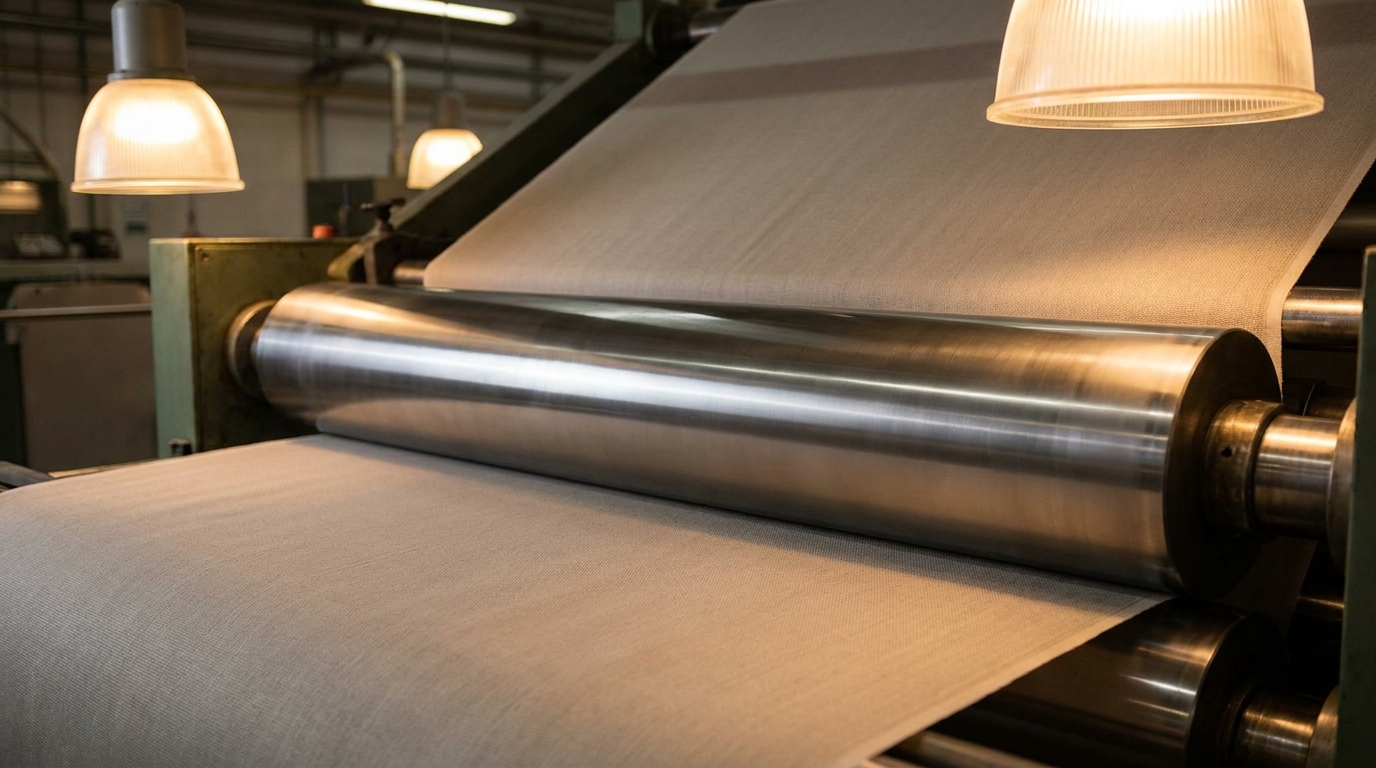
You will often see two distinct width measurements on a spec sheet. Roller width tells you the physical size of the machine’s cylinder. Working width dictates the maximum fabric width you can actually process. This distinction is critical for finishing equipment. If a calendering machine lists a 2000mm roller width, the safe working width might only be 1800mm.
We design SutexMach sueding, calendering, and stenter machines to maximize this usable space. You must always check the working width. It ensures the equipment handles your widest fabric rolls safely. Ignoring this leads to crushed fabric edges and wasted material.
Calculating Real-World Operating Speed (m/min)
Manufacturers list operating speed in meters per minute (m/min). You need this number to calculate real-world production capacity. Do not base your daily output on the maximum stated speed. You will face frequent yarn breakages and fabric defects. Instead, use the optimal mechanical speed.
Multiply this optimal m/min by your working hours. Then, factor in your operating efficiency. Most mills run at 80% to 85% efficiency due to roll changes and maintenance. This formula gives you a realistic daily yield. Add this calculation to your textile machinery buying checklist. It helps you compare different brands accurately.
Evaluating Temperature and Heating Parameters
Finishing equipment relies heavily on precise thermal control. You must evaluate heating parameters carefully. Look for the total number of heating zones. More zones provide better temperature consistency across the fabric. The technical sheet will also specify the required heating medium.
Your factory infrastructure must supply this medium efficiently. We build SutexMach drying and dyeing machines to offer flexible heating options. Matching these requirements to your boiler capacity prevents sudden temperature drops.
| Heating Medium | Common Application | Infrastructure Requirement |
|---|---|---|
| Thermal Oil | Stenters, Calendering Machines | High-capacity thermal oil boiler system |
| Steam | Drying and Dyeing Machines | Industrial steam boiler network |
| Natural Gas | Direct gas-fired Stenters | Stable factory gas supply line |
Tension Control and Fabric Handling
Fabric distortion ruins your final product. Technical sheets detail the tension control mechanisms onboard. Look for load cells, inverter drives, and PLC integration. These intelligent features maintain uniform tension from let-off to take-up. They prevent stretching in knits and shrinking in wovens.
Modern intelligent textile machinery uses electronic sensors to adjust speed automatically. If you process delicate materials, strict tension control specs are non-negotiable. They keep your fabric weight and dimensions perfectly stable during high-speed processing.
Understanding Mechanical and Electrical Data
Just as intelligent tension controls ensure fabric stability, the underlying mechanical and electrical systems dictate your operational efficiency. You cannot fully grasp how to read a textile machine technical parameters sheet without analyzing these core power metrics. Let’s look at the electrical loads, drive systems, and physical foundation requirements keeping your mill running.
Total Installed Power vs. Actual Consumption
You will see “Total Installed Power” listed in kilowatts (kW) on the spec sheet. Many buyers confuse this number with their daily energy consumption. Installed power represents the absolute maximum electrical load. The machine only draws this peak power during startup or when running at extreme theoretical limits.
Actual operational consumption is usually much lower. It often hovers around 60% to 70% of the installed power rating. You must use the actual consumption rate to estimate your monthly utility bills accurately. Add this specific kW distinction to your textile machinery buying checklist. It prevents you from overestimating your daily running costs and helps you allocate factory power correctly.
Drive Systems and Automation
Modern equipment relies heavily on sophisticated drive systems. Technical sheets highlight whether a machine uses basic motors or Variable Frequency Drives (VFDs). Inverter-controlled motors allow you to adjust speeds precisely. This reduces energy waste and minimizes mechanical wear over time.
You should also check for Programmable Logic Controller (PLC) integration. SutexMach builds intelligent textile machinery using advanced PLC and Human Machine Interface (HMI) systems. These automated controls monitor everything from motor speeds to fabric tension. They ensure seamless operation across our sueding, calendering, and stenter machines. Better automation means fewer manual errors and higher product consistency.
Pneumatic and Hydraulic Specs
Electrical power is only one part of the utility equation. Many finishing processes require compressed air and continuous water flow. The parameters sheet lists pneumatic pressure requirements in Bar or Mpa. A standard factory requirement is usually 0.6 to 0.8 Mpa.
The document also details air consumption rates in cubic meters per minute (m³/min) or liters per minute (L/min). Hydraulic specifications outline water flow and pressure needs. These metrics are vital when evaluating dewatering and air-softening machines. If your factory compressors cannot meet these exact consumption rates, the equipment will fail to perform properly.
Weight and Foundation Requirements
Finally, you must evaluate the physical weight of the equipment. Spec sheets provide both net weight and gross weight in kilograms (kg). Net weight is the machine itself. Gross weight includes all shipping packaging and crates.
However, you must look beyond static weight. Heavy equipment creates significant dynamic loads during daily operation. Fast-moving parts generate intense vibrations. High-speed warp knitting machines require reinforced concrete foundations to absorb these dynamic forces safely.
| Parameter Category | What to Look For | Why It Matters |
|---|---|---|
| Electrical Load | Installed kW vs. Operating kW | Prevents electrical grid overload and clarifies true energy usage. |
| Otomasyon | PLC, HMI, and Inverter Motors | Ensures precise speed control and reduces mechanical wear. |
| Pneumatics | Air pressure (Mpa) and volume (m³/min) | Guarantees proper function of air-softening and pneumatic controls. |
| Physical Load | Static weight vs. Dynamic vibration | Determines if your factory floor needs structural reinforcement. |
Textile Machine Selection Criteria: Matching Specs to Your Mill’s Needs
You just learned how dynamic vibrations and structural loads impact your factory floor. But before you even check those physical foundation requirements, you need a clear baseline. Reading a textile machine technical parameters sheet becomes much easier when you know exactly what your mill needs. Establishing your baseline textile machine selection criteria prevents you from buying the wrong equipment. Let’s look at how to match these technical specifications to your actual production goals.
Establishing Your Baseline Before Reading Specs
Never open a specification document without a solid plan. You must define your production goals first. What fabric types will you process? What is your target daily yield? Answering these questions creates your baseline. When you review the parameters later, you simply check if the machine meets these predefined rules. This approach saves valuable time. It stops you from getting distracted by flashy features that do not serve your core business. Add this step to the very top of your textile machinery buying checklist.
Capacity Alignment and Avoiding Bottlenecks
A machine never operates in isolation. Its output must match your upstream and downstream processes perfectly. If you buy a high-speed warp knitting machine, your warping equipment must supply enough yarn. We see this mismatch often in fabric mills. Buying a fast machine without upgrading the rest of the line creates massive bottlenecks.
| Production Stage | Parameter to Verify | Alignment Goal |
|---|---|---|
| Upstream (Preparation) | Yarn supply rate and creel capacity | Ensure continuous feeding without machine downtime. |
| Core Processing | Optimal operating speed (m/min) | Maintain steady daily output based on 80% efficiency. |
| Downstream (Finishing) | Fabric width and thermal capacity | Prevent fabric pile-ups before dyeing or calendering. |
Compare the optimal operating speeds we calculated earlier with your existing equipment. Perfect capacity alignment keeps your entire factory floor moving smoothly.
Material Compatibility and Fabric Types
You must verify that the machine handles your specific materials. Technical sheets list supported GSM (grams per square meter) ranges and fiber types. A machine built for heavy woven denim will destroy delicate lightweight knits.
At SutexMach, we build our intelligent sueding, calendering, and air-softening machines to handle specific fabric profiles. With over 30 years of experience, we know that material compatibility dictates final quality. Always check the parameters for supported yarn counts and fabric structures. Natural fibers like cotton behave differently under tension than synthetic polyesters. The specification sheet will tell you exactly what materials the equipment processes safely.
Space Optimization and Safe Clearances
We discussed machine footprints and working widths earlier. Now, you must use those dimensional parameters to optimize your factory layout. You cannot just drop a machine into an empty square on your floor plan. Operators need safe clearances to move around.
You must account for material handling carts, fabric rolls, and maintenance access. If a machine breaks down, technicians need room to pull out heavy rollers. Use the gross dimensions from the spec sheet to map out these critical service areas. Proper space optimization prevents workplace accidents and makes your daily operations much more efficient.
The Financial Impact: Textile Machinery Total Cost of Ownership
You just mapped out your factory floor to ensure safe clearances and smooth material handling. Now, you must look at how those physical choices affect your wallet. Reading a textile machine technical parameters sheet reveals your long-term financial commitments. Moving beyond the initial purchase price is crucial. The cheapest machine on the market rarely ends up being the most cost-effective option. You need to calculate the true financial impact using the data right in front of you.
Calculating Long-Term Expenses
How do you project long-term expenses? You use the exact numbers listed in the specification document. A machine carrying a low upfront price often hides terrible energy efficiency. You must factor in daily utilities, spare parts, and expected lifespan. Adding these calculations to your textile machinery buying checklist prevents nasty financial surprises. Calculating your textile machinery total cost of ownership becomes straightforward when you understand the data. You simply multiply the consumption rates by your local utility costs.
Projecting Monthly Utility Costs
Energy efficiency directly dictates your mill’s profitability. You must use the power, steam, and water consumption specs to project monthly utility bills. Look closely at the pneumatic and electrical parameters we covered earlier. If a specification sheet lists high compressed air consumption, your compressors will run constantly. This spikes your electricity bill instantly. The same logic applies to thermal oil or steam requirements in finishing equipment.
| Parameter Category | Data to Analyze | Financial Impact |
|---|---|---|
| Electrical | Operating power (kW) | Determines your baseline daily electricity costs. |
| Pneumatic | Air volume (m³/min) | Drives compressor energy usage and maintenance. |
| Thermal | Steam/Gas consumption | Dictates boiler fuel expenses for drying and dyeing. |
Identifying Maintenance and Spare Parts Needs
Mechanical specifications reveal hidden wear-and-tear components. Look closely at the drive systems and transmission types listed. A machine using basic gears requires frequent lubrication and regular part replacements. Conversely, equipment utilizing advanced inverter-controlled motors experiences much less mechanical stress.
Review the parameters for automatic lubrication systems or specialized bearings. These built-in features reduce your long-term maintenance requirements significantly. Frequent breakdowns cost you expensive spare parts. They also cost you valuable production time. You can avoid these pitfalls by choosing machines built for durability.
Lifespan and Return on Investment (ROI)
High-quality specifications lead directly to a longer operational lifespan. This improves your return on investment dramatically. At SutexMach, we build our intelligent stenter, drying, and dyeing machines to deliver decades of reliable service. Our equipment uses robust frame structures and premium automation components.
When you evaluate a technical sheet, look for these premium indicators. A heavier net weight often means a more stable frame. This stability reduces destructive vibrations during high-speed runs. Better tension controls prevent premature wear on internal rollers. Investing in intelligent textile machinery featuring superior specifications guarantees a faster ROI and much lower lifetime operating expenses.
Creating Your Textile Machinery Buying Checklist
You already calculated the textile machinery total cost of ownership earlier. Now, you must focus purely on final mechanical verification. You just saw how premium indicators like frame stability secure your investment. To capture these benefits consistently, you must standardize your evaluation process. A robust textile machinery buying checklist removes the guesswork. It ensures you verify every critical spec before signing.
Standardizing Your Purchasing Process
Manufacturers format their specification documents differently. One brand highlights theoretical maximum speeds. Another brand emphasizes optimal production yields. This makes direct machine comparisons difficult. Standardizing your purchasing process levels the playing field. You simply plug their numbers into your predefined textile machine selection criteria. This objective approach prevents flashy marketing from distracting you. It forces you to focus on your mill’s actual needs.
Essential Items for Your Evaluation
Your checklist must cover more than just basic dimensions. It needs to address safety, environmental rules, and facility limits. Include these essential items in your final evaluation document.
| Checklist Category | Key Specifications to Verify |
|---|---|
| Power & Utilities | Voltage compatibility, peak kW, and required air pressure (Mpa). |
| Space Requirements | Static footprint plus mandatory service clearances for safe operation. |
| Safety Controls | Emergency stop mechanisms, safety guards, and automatic tension sensors. |
| Environmental Rules | Operating noise levels (dB) and thermal emission compliance. |
Verifying Numbers With Real Test Data
Theoretical numbers only tell half the story. A parameter sheet shows what equipment should do. You need proof of what it actually does. Always request test run data from the vendor. Ask for case studies showing your exact fabric types. If a brand claims high speeds, ask for production logs. Verifying these claims protects your factory floor. Reading a textile machine technical parameters document is a good start. Getting a machine specification sheet explained by engineers using real data is much better.
Partnering With Experienced Manufacturers
Navigating these technical details gets easier with a reliable partner. Since 1985, SutexMach provides intelligent textile machinery to global mills. We operate under Jiangsu SoHo Honry Import & Export Co., Ltd. Our team builds sueding, calendering, drying, and stenter machines using complete transparency. We supply accurate, customized technical data for your goals. Need specifications for warp knitting, dyeing, dewatering, or air-softening machines? We back up our numbers with real-world testing. Partnering with us ensures your new equipment performs exactly as promised.
Case Studies: Reading Specs for Specific SutexMach Equipment
You just learned how standardizing your evaluation process secures your investment. We discussed verifying theoretical numbers using real test data from experienced manufacturers. Now, let’s put this theory into practice. Knowing how to read a textile machine technical parameters sheet requires context. Different equipment demands entirely different metrics. At SutexMach, we build intelligent machinery for global fabric mills. Let’s look at real-world examples from our own production lines. We will break down exactly which specifications matter most for specific finishing processes.
Stenter Makineleri
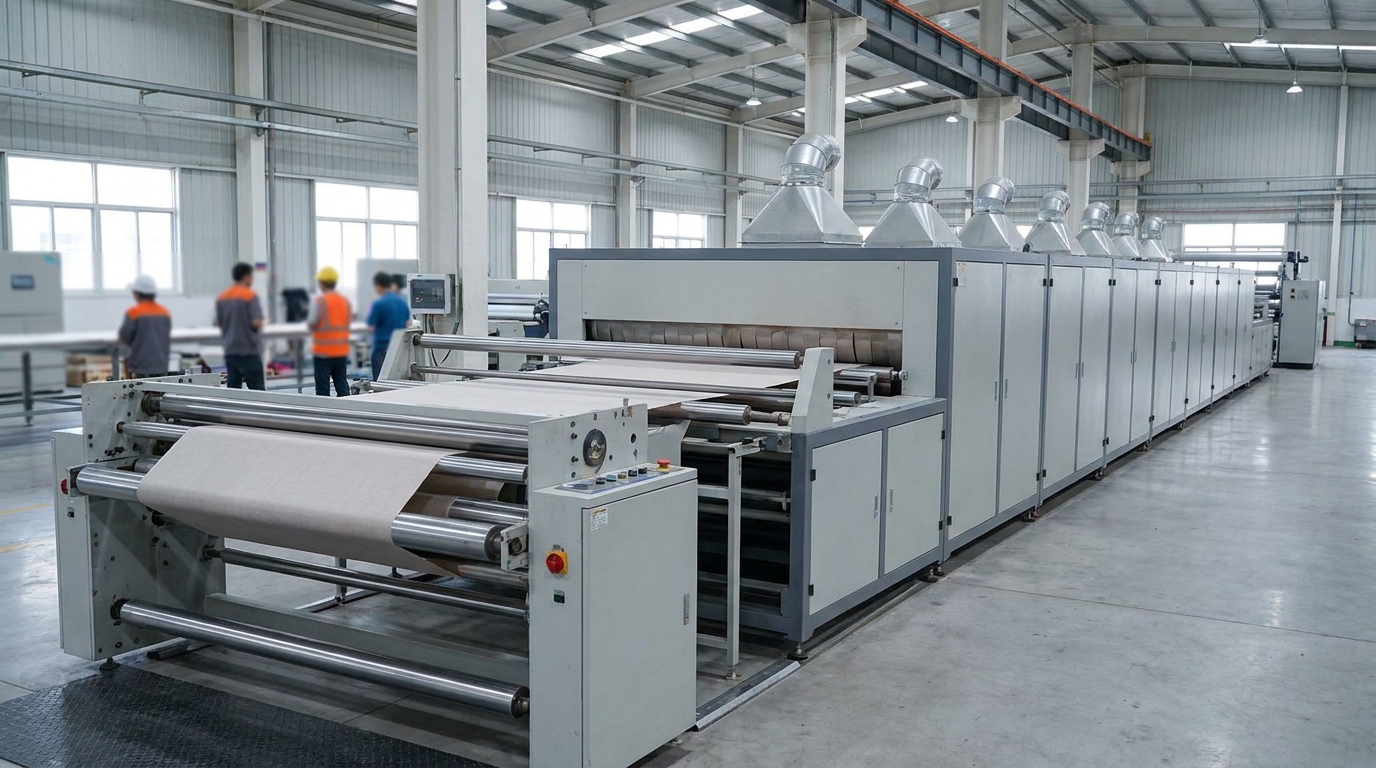
Thermal capacity and fabric control dictate final quality in a stenter. The technical sheet lists the total number of heating chambers. More chambers mean faster production speeds and better temperature uniformity. You must also check the fabric holding mechanism. Specs typically list pin, clip, or a combined pin-clip chain system. Use a pin chain for delicate knits. Choose clips for heavy woven fabrics.
Another critical metric is the overfeed percentage range. This parameter controls shrinkage directly. It tells you how much extra fabric the machine feeds onto the pins before heat setting. Our SutexMach stenters feature precise electronic overfeed controls. They ensure perfect dimensional stability for your finished textiles.
Sueding and Calendering Machines
Surface finishing requires immense physical force and precise heat. For calendering machines, you must evaluate the maximum roller pressure. Manufacturers list this in tons or N/mm (Newtons per millimeter). This pressure determines how smooth and glossy your fabric becomes.
Sueding machines rely heavily on friction ratios. The parameter sheet details the speed differences between the sueding rollers and the fabric web. A higher friction ratio creates a denser, softer nap. You also need to verify the temperature control specifications. Look for the maximum surface temperature of the heated rollers. Consistent heat prevents uneven finishing marks. Our intelligent sueding and calendering machines utilize advanced PLC systems. They monitor these exact pressure and heat parameters continuously.
Drying and Dewatering Machines
Removing moisture efficiently keeps your production line moving. When you review dewatering equipment specs, look for the moisture extraction rate. This percentage shows how much water the machine removes mechanically before thermal drying. Better extraction saves massive amounts of boiler energy later.
For drying machines, evaporation capacity is your primary focus. Sheets list this in kilograms of water evaporated per hour (kg/h). You match this number to your daily wet fabric output. Airflow dynamics also play a massive role here. Check the circulation fan capacity measured in cubic meters per hour (m³/h). We engineer SutexMach drying machines using optimized airflow systems. They distribute heat evenly across the fabric width, preventing damp edges.
Dyeing and Air-Softening Machines
Wet processing and softening require a completely different set of metrics. For dyeing equipment, the liquor ratio is the most important specification. It appears as a ratio like 1:4 or 1:6. This tells you how many liters of water you need per kilogram of fabric. A lower ratio drastically reduces your daily water and chemical consumption.
Air-softening machines depend heavily on aerodynamic flow rates. You will find blower capacities listed in the pneumatic sections we covered earlier. High-velocity air physically beats the fabric against a grid. This mechanical action creates a luxuriously soft hand feel. Finally, check the capacity per tube. Manufacturers list this in kilograms, such as 250 kg/tube. It defines your absolute maximum batch size.
| Ekipman Türü | Critical Specification | Why It Matters |
|---|---|---|
| Ram Makinesi | Overfeed Percentage | Controls fabric shrinkage and dimensional stability. |
| Kalenderleme Makinesi | Roller Pressure (N/mm) | Determines surface smoothness and gloss level. |
| Kurutma Makinesi | Evaporation Capacity (kg/h) | Dictates how much wet fabric you can process daily. |
| Boyama Makinesi | Likör Oranı | Defines water and chemical consumption per batch. |
Sonuç
Mastering technical parameters ensures smart financial planning. Always match these specs with your mill’s goals. Reach out to SutexMach for expert machinery guidance today. Our team at Jiangsu SoHo Honry Import & Export Co., Ltd. builds intelligent textile machines.
- Audit your factory’s power supply against the new machine.
- Estimate monthly utility bills using the stated consumption rates.
- Schedule a consultation with SutexMach to verify your selection.
Frequently Asked Questions About How to Read a Textile Machine Technical Parameters Sheet
Why is the actual machine speed lower than the max speed?
Technical sheets list the maximum theoretical speed of the equipment. Running at this peak speed often causes frequent yarn breakage. It can also increase machine wear and tear. A smart rule of thumb applies here. Every ten percent speed increase raises power costs significantly. You should run machines at an optimal production speed instead. This ensures steady output without damaging delicate fibers.
What is the difference between installed power and average power?
Installed power shows the absolute peak electrical load possible. This happens when all motors run at full capacity. Average power consumption reflects the actual energy used during normal operations. You need the installed power number to size your wiring safely. However, you should use the average power figure to calculate daily running costs. Knowing both helps you manage your factory utilities effectively.
Do machine dimensions on the sheet include the working space?
No, the stated dimensions only cover the physical machine footprint. You must always add extra room for a service area. Operators need space for routine maintenance and loading yarn. Standard accessories like creels might also require additional floor space. Always plan your factory layout with these extra working clearances in mind. This prevents cramped and unsafe working conditions on the floor.
How do I know if the machine fits my fabric?
You must check the capacity and range section very carefully. Look closely at the yarn count range and fabric width. A machine built for fine yarns will struggle with coarse materials. If you need specialized equipment, experienced manufacturers can help. SutexMach offers expert guidance for warp knitting and stenter machines. We ensure the technical parameters match your exact fabric production goals perfectly.
Are all listed accessories included in the standard machine price?
This is not always the case. Technical parameter sheets usually divide parts into two distinct categories. You will see standard accessories and optional extras listed. Essential items like basic creels might actually cost extra. You must verify this specific list carefully before buying. Clarifying these details prevents unexpected total investment costs. It also ensures your equipment is ready for production upon arrival.
Reading a textile machine technical parameters sheet requires understanding key specs. You must evaluate speed, power, dimensions, and overall capacity carefully. Knowing these exact details helps you choose the right equipment. Always compare your specific production needs against the listed data. Working with trusted experts like SutexMach ensures smart machinery investments.
- Compare your daily production targets with the optimal running speed.
- Measure your factory floor to ensure adequate space for maintenance.
- Ask the manufacturer to clarify standard versus optional machine accessories.
- Consult with SutexMach engineers to match specifications to your fabric.