

 Russian
  English
  Hungarian
  Indonesian
  Bulgarian
  Turkish
  Polish
  Spanish
  Portuguese
  Korean
  French


Abstract:
Home dryers have evolved greatly over the past few decades, from simple vented systems to advanced heat pump and condenser technology.
According to the Principles of Home Appliance Engineering (CRC Press) and the energy efficiency analyses published by the U.S. Department of Energy (DOE) and the International Energy Agency (IEA), the choice of a domestic сушильная машина has a significant impact on energy consumption, fabric longevity, interior air quality, and long-term costs.
This article provides a comprehensive, industry-oriented description of what type of dryer is most effective for domestic use, compares the major types of dryers in use, evaluates the real-world scenarios that occur, and provides a practical framework for modern households.
Introduction: Why Choosing the Right Home Drying Machine Matters
Drying clothes is one of the most expensive domestic endeavors. While washing machines are typically more celebrated, the drying machine has a more significant impact on the environment and on the fabric of clothing and the interior of the house.
For homeowners, tenants, and property developers, choosing the proper dryer type is no longer solely based on the speed of drying. It necessitates balancing the efficiency of energy consumption, the constraints of installation, the climate, the fabric, the noise, and the long-term cost of operation.
Understanding the different types of dryers that are appropriate for use at home requires more than just a comparison of brands; it necessitates an understanding of the different types of dryers work and how they align with the real needs of homeowners.
What Is a Home Drying Machine?
A home drying machine is a device that employs controlled temperature, airflow, and mechanical motion to remove moisture from fabricated goods. Unlike other dryers that are industrialized, household dryers tend to focus on the following aspects:
- Energy conservation
- fabric security
- Small installation
- User friendliness
Modern dryers fall into several primary categories, each having its own unique operating principles and being appropriate for home use.
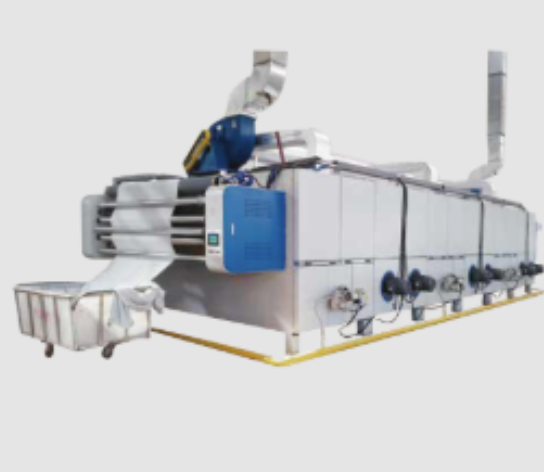
Main Types of Drying Machines for Home Use
Vented Dryers
Vented dryers are the most common type of home machine for drying. They utilize heated air to evaporate the moisture from their clothing, then release the excess air outside through a vent.
How they accomplish it:
Air is heated by an electric component or gas burner; this air is then passed through the drum and vented outdoors along with moisture.
Преимущества:
- Lower initial cost
- Brief drying sessions
- Easy technology
Limitations:
- Require external air venting
- Increased energy expenditure
- The loss of heat from the home
Vented dryers are most effective for homes that have already had ventilation systems in place and those that value speed over efficiency.
Condenser Dryers
Condenser dryers circumvent the external venting required by condensation to produce water, which is then stored in a reservoir or drains away.
How they accomplish it:
Moisture-laden air flows through a condenser that will transform it into water; the process is called condensation.
Преимущества:
- Advantageous installation
- No external source of ventilation is necessary
- Adept at apartment
Limitations:
- More powerful than models that use heat.
- More time dedicated to drying compared to open dryers
- Condenser dryers are popular in residential areas that lack practical venting.
Heat Pump Dryers
Heat pump dryers are the most energy-effective form of dryer technology that is currently available to homeowners.
How they accomplish it:
Instead of producing heat directly, they utilize a heat pump to recycle warm air, which decreases the amount of energy consumed significantly.
Преимущества:
- Extremely effective at reducing energy consumption
- Lower costs of operation
- Friendly on textiles
- Lowered the temperature in the room
Limitations:
- Increased cost of admission
- Increasing the drying time
The IEA states that heat-pumped dryers can reduce the energy consumption of conventional dryers by up to 50%.
Washer-Dryer Combinos
Washer-dryer units that are combined have both washing and drying capabilities in one appliance.
Преимущества:
- Solution for space savings
- Practical for families with small budgets
Limitations:
- Less capacity for drying smaller items
- Increased total cycle length
- Typically, less effective drying
These machines are appropriate for small homes, but they rarely have the capacity to dry goods in a dedicated manner.
Comparison of Home Drying Machine Types
| Лучше всего подходит для | Энергоэффективность | Installation | Drying Speed | Fabric Care | Premium For |
| Vented Dryer | Low | Requires vent | Fast | Умеренный | Houses with ventilation |
| Condenser Dryer | Средний | Flexible | Средний | Умеренный | Apartments |
| Heat Pump Dryer | Высокий | Flexible | Slow–Medium | Превосходно | Energy-conscious homes |
| Washer-Dryer Combo | Medium–Low | Flexible | Slow | Умеренный | Small spaces |
Key Factors in Choosing the Premium Dryer for Home Use
- Energy Efficiency and Costs over the long haul
While dryers with vented systems are initially more cost-effective, heat pump machines that use electricity frequently will have a lower lifetime cost due to the reduced consumption of electricity. For families that have multiple daily tasks per week, this discrepancy becomes notable.
- Climate and environmental factors in the interior of the house
In humid climates or spaces with low ventilation, dryers that are vented may bring in moisture or need additional ducting. Condenser and heat pump dryers have a more effective internal air regulation.
- Fabric Maintenance and the Garment’s Lifespan
Lower temperatures used for drying, common in heat pump dryers, diminish the shrinkage of fabric and the damage to fibers. This is of special significance for delicate fabric and superior clothing.
- Spatial and Structural Constraints
Apartment residents often favor condenser or heat pump machines that have a ventless design because of their preferences. Homeowners who have utility rooms have additional flexibility.
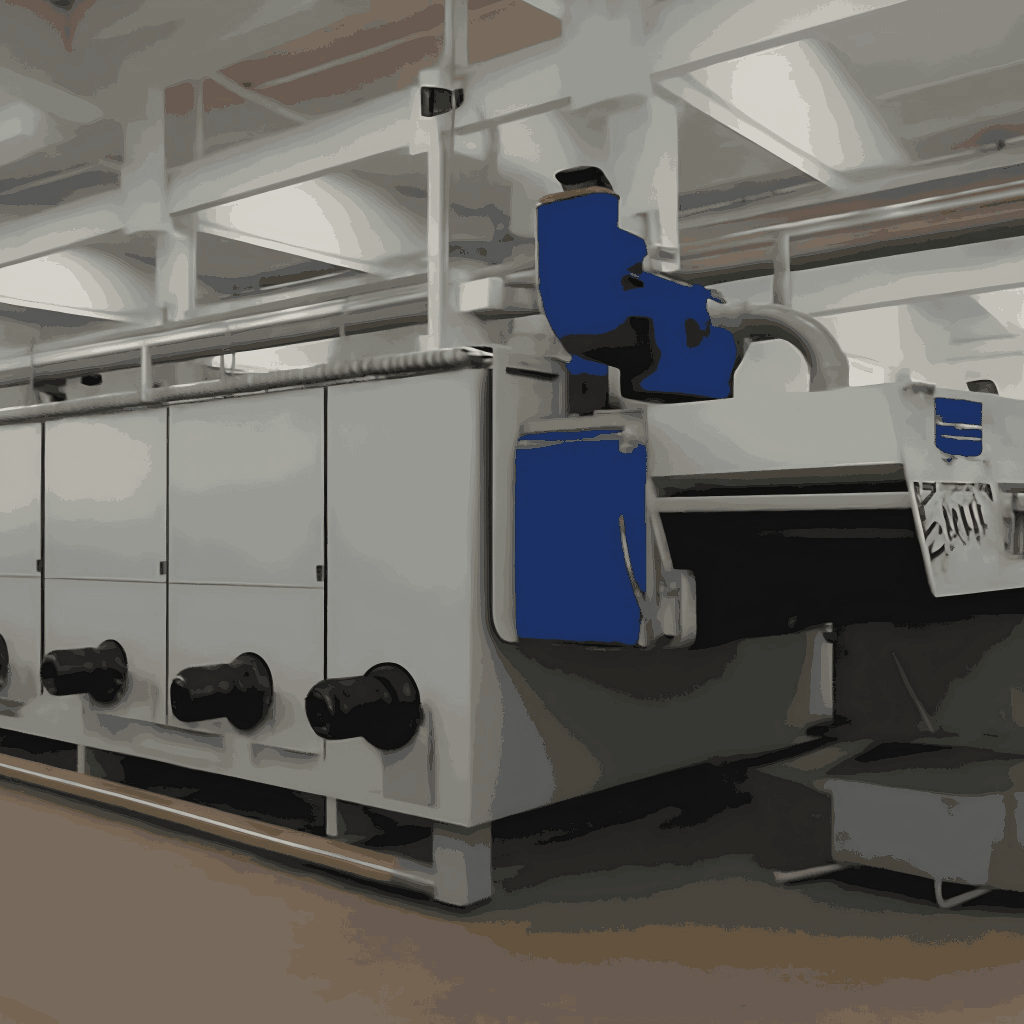
How Drying Machine Technology Affects Fabric Quality?
The technology surrounding drying machines has a direct and quantifiable effect on the fabric’s durability, appearance, and performance. Different methods of drying textile products expose them to different levels of heat, airflow, and mechanical action.
- Temperature Control and Heat Precision
Modern dryers that are advanced utilize temperature-sensing technology to avoid overheating.
Lower, more controlled temperatures decrease the amount of thermal damage and shrinkage of fibers.
Specifically significant to synthetic fibers, mixed fabrics, and performance textiles.
Effect on fabric quality:
Enhanced color retention, decreased pilling, and increased the lifespan of garments.
- The design of the airflow and the movement of the Drum
Adequate airflow is crucial to removing moisture in an even manner.
Constant rotation of the drum decreases the amount of fabric that is pulled and the stress that is placed on the fabric.
Gentle tumbling facilitates the protection of delicate materials and seams.
Result:
More even drying with less wrinkling and less fiber damage.
- Moisture-sensing technology
Moisture sensors prevent the cycle from continuing when the fabric has achieved its optimal dryness.
Avoids over-drying, which results in brittleness and staticumulation.
This is beneficial to special fibers like cotton, wool, and technical fabric.
- Customary Drying Programs
Additions of special features to cycles that are dedicated to delicate items, sportswear, denim, and bedwear.
Tailored temperature and motion patterns preserve the fabric’s structure.
Noise Levels and Daily Comfort
The importance of noise performance is increasing, particularly in urban dwellings and multiple-family buildings.
Factors That Influence the Noise of Dryers:
- Motor type (inverter motors are quieter)
- The equilibrium of the drum and the suspension system
- Airflow path and insulation for vibrations.
The importance of:
- Lower noise increases the daily enjoyment of life.
- Allowing overnight or low-frequency operation.
- Reduces the noise of open-plan homes.
Modern dryers often have a noise level of 60dB or less, which is comparable to normal talk.
Smart Features and Modern Innovations
Drying machines are becoming more intelligent; they are being equipped with digital technology in order to enhance efficiency and convenience.
Key Smart Props:
- AI-powered optimization of drying processes.
- Recognizing fabric and selecting the appropriate cycle automatically.
- App-based remote supervision and notification.
- Predictive maintenance alerts
Benefits:
- Reduced the expenditure of energy
- Fewer user failures
- Constant drying effects across different masses
Smart integration also promotes the tracking of energy consumption and the attainment of sustainability goals.
Environmental Impact of Home Drying Machines
Dryers are traditionally associated with the energy sector, but modern technology has significantly lessened their environmental impact.
- Energy-Efficient Drying Systems
Heat pump dryers have a consumption of up to 50-60% less energy than conventional dryers that have venting.
Lower temperatures that operate at a lower level help textile materials and reduce emissions.
- Reduced Micro-fiber Exposure
Gentler drying reduces the amount of fiber that is shed from synthetic fibers.
Some varieties of machines include lint and micro-fiber removal systems.
- Increased Garment Lifespan
Less fabric damage equates to fewer apparel changes.
Indirectly lowers the volume of textile waste and resources needed.
- Eco-friendly materials and manufacturing processes
The utilization of reusable components
Implementation of international energy conservation and environmental protection standards
FAQ: Home Drying Machines
What kind of dryer is most effective for general use at home?
For the majority of households, a heat pump that uses fabric as a drying medium is the most effective in terms of energy efficiency, fabric care, and long-term savings.
Is a vented dryer still appropriate?
Yes, if speedy drying and low initial cost are both priorities, and sufficient ventilation is present.
Do dryers that use heat take longer to dry clothing?
Drying cycles are typically longer, but the quality of fabric and the savings of energy compensate for the extra time.
Are dryers that condense the water suitable for apartments?
Yes, machines that condenser dry are common in apartments because of their lack of ventilation.
Is the type of dryer associated with higher electricity costs?
Absolutely. The technology of dryers is one of the most significant factors in the household’s consumption of energy on a daily basis.
Industry Perspective: Trends in Home Drying Machines
Manufacturers are increasingly shifting toward energy-efficient drying machines due to stricter energy regulations and rising consumer awareness. Heat pump technology, once limited to premium markets, is becoming mainstream as production scales and costs decline.
From an industry standpoint, the future of home drying machines lies in efficiency, automation, and fabric-centric design.
Conclusion: Choosing the Premium Drying Machine for Your Home
What kind of dryer is most appropriate for domestic use? The answer is based on your priorities, but for the majority of modern households, energy-efficient heat pump dryers are the most effective solution.
They may need a higher initial commitment, but the benefits of energy savings, fabric care, and environmental impact make them the most popular choice in today’s appliance landscape.
By understanding the technologies associated with drying machines and correlating them with the real needs of consumers, consumers can make informed decisions that lead to long-term benefits, comfort, and sustainability.