

 Russian
 English
 Hungarian
 Indonesian
 Bulgarian
 Turkish
 Polish
 Spanish
 Portuguese
 Korean
 French


Механическое отжимание позволяет сэкономить огромное количество энергии. Удаление влаги является критически важным этапом современной обработки текстиля. Машины для осушения текстиля быстро извлекают избыток воды из тканей. Они незаменимы для современных текстильных фабрик. В этом посте вы узнаете, как они работают. Также вы научитесь выбирать подходящее оборудование.
What is a Textile Dewatering Machine?

A текстильного устройства для отжима воды is an essential piece of industrial equipment in modern mills. You might also hear it called a hydro extractor machine or a centrifugal extractor. It sits right between the wet processing and finishing departments. Its main job is simple but critical. It removes excess bulk water from textiles.
The Primary Purpose of Moisture Extraction
Fabrics are completely soaked after dyeing, washing, or bleaching. Sending dripping wet materials directly into a thermal dryer wastes massive amounts of energy. Thermal evaporation is slow and expensive.
Instead, mills use mechanical extraction. A high-quality dewatering machine for knit fabric or woven textiles spins or squeezes out the water first. This mechanical process is roughly 20 to 30 times more energy-efficient than thermal drying. It typically removes 60% to 80% of the water content in just a few minutes.
| Стадия процесса | Water Content | Energy Method | Эффективность |
|---|---|---|---|
| Directly After Dyeing/Washing | 100%+ (Saturated) | N/A | N/A |
| Mechanical Dewatering | 20% – 40% (Residual) | Centrifugal Force / Squeezing | High (Low Power Usage) |
| Thermal Drying | 0% – 5% (Dry) | Heat / Evaporation | Low (High Power Usage) |
Bridging Wet Processing and Final Finishing
Effective moisture removal bridges the gap between the wet dye house and the dry finishing floor. Once the bulk water is gone, the fabric is ready for the next steps.
These subsequent stages often include processing through a stenter, calendering equipment, or a thermal drying unit. If you skip mechanical extraction, these finishing machines must work overtime. This slows down your entire production line. It also increases the risk of fabric damage from prolonged heat exposure.
At SutexMach, we have over 30 years of experience building intelligent textile machinery. We understand this critical transition phase. Our equipment delivers stable performance and high automation. This ensures your textiles move seamlessly from wet processing to final finishing without bottlenecking your operations.
How Does a Textile Dewatering Machine Work?

As we covered earlier, moving fabrics efficiently from wet processing to final finishing is crucial. You need to remove bulk water quickly without damaging the material. But how exactly does this equipment achieve such rapid moisture removal? The answer lies in simple physics paired with intelligent engineering.
The Physics Behind Moisture Extraction
Most industrial extractors rely on centrifugal force. The machine houses a perforated inner drum made of durable stainless steel. An outer tub surrounds this drum to catch expelled liquid.
When you turn on a hydro extractor machine, the inner basket spins rapidly. Industrial units typically operate between 700 and 1,500 RPM. This intense rotation generates a massive extraction factor. It often exceeds 300G. The high G-force physically pulls water droplets away from the yarn. The water flies through the drum perforations and drains away.
Some facilities use a вакуумный экстрактор для текстиля system for flat fabrics. However, centrifugal extraction remains incredibly effective and versatile for most batch processing.
Step-by-Step Dewatering Process
Understanding the daily operation helps you maintain stable performance. Here is a breakdown of a typical extraction cycle:
- Loading and Balancing: Operators place wet textiles inside the drum. You must distribute the weight evenly. Proper load balancing prevents dangerous vibrations and protects the bearings.
- The Soft Start: Modern units use Variable Frequency Drives (VFD). The inverter slowly ramps up the rotational speed. This gradual acceleration protects the motor and prevents sudden fabric shifting.
- High-Speed Extraction: The machine finally hits peak RPM. A standard cycle lasts just 3 to 10 minutes. The exact time depends on fabric density and your target residual moisture.
- Braking and Unloading: Once complete, the machine applies pneumatic or manual brakes. The heavy drum carries high inertia. Active braking stops it safely before operators open the interlocking lid.
The Role of Intelligent Textile Machinery
Older machines were entirely manual and prone to operator error. Today, intelligent textile machinery completely changes the game. High automation ensures consistent results across every batch.
At SutexMach, we build our equipment with advanced control systems. These systems monitor speed, cycle times, and safety locks automatically. They provide precise tension control during operations. This prevents centrifuge marks or permanent creases on delicate materials.
Intelligent controls also protect your investment. They monitor motor loads and prevent emergency shutdowns. If you need a specialized машина для обезвоживания трикотажного полотна, our customized solutions guarantee stable performance. We help you achieve the perfect moisture level before the fabric ever touches a thermal dryer.
Common Types of Textile Dewatering Equipment
As we covered earlier, intelligent controls and centrifugal force make modern moisture extraction highly efficient. However, centrifugal spinning is not the only way to remove bulk water. Different textiles require different handling methods. Choosing the right equipment depends on your specific production line. Let us explore the most common types of textile dewatering machines available today.
Гидроэкстрактор
A hydro extractor machine relies on high-speed spinning. We discussed the physics of centrifugal extraction in the previous section. The inner drum rotates rapidly, generating high G-force. This action physically forces water out of the material.
These machines excel in batch processing. They handle loose fibers, yarn packages, and heavy garments perfectly. You load a specific batch, run the cycle, and unload it. If your mill processes varying small to medium batches, this equipment offers unmatched flexibility. It quickly removes 60% to 80% of moisture. This prepares your textiles perfectly for thermal drying.
At SutexMach, our extractors feature robust SUS304 or SUS316 stainless steel drums. They easily resist chemical corrosion from harsh dyes and detergents. This ensures stable performance over decades of heavy industrial use.
Fabric Squeezing Machine
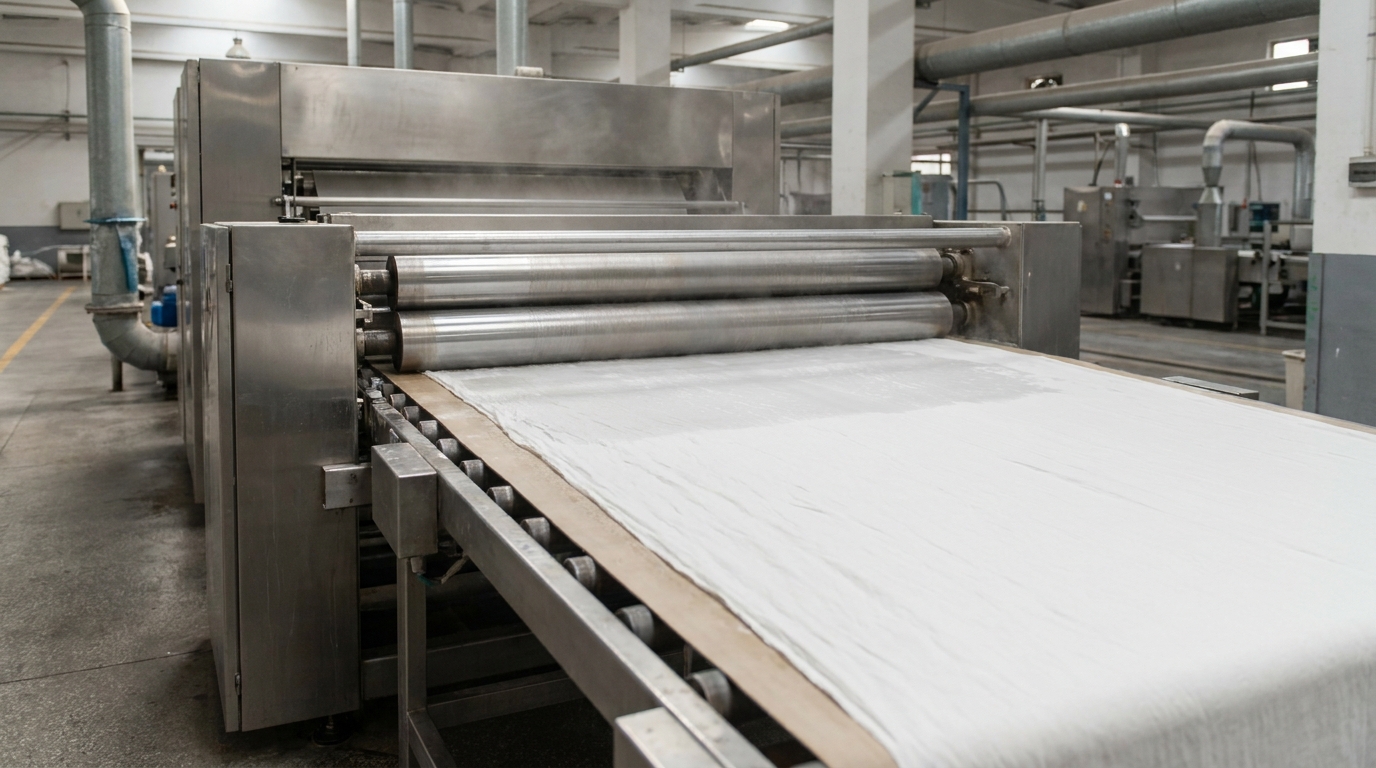
Some delicate or wide materials cannot go inside a spinning drum. A fabric squeezing machine solves this problem. It uses heavy, specialized rollers to press water out of the fabric. You might hear operators call these padders or mangles.
The fabric feeds continuously between two or more rollers. The machine applies intense mechanical pressure. This squeezes the bulk water out instantly. It is the ideal choice for continuous processing lines. Open-width fabrics benefit greatly from this method. It prevents the permanent creases often caused by high-speed spinning.
Our intelligent textile machinery integrates these squeezing units seamlessly into larger continuous lines. They maintain precise tension control. This protects your materials while keeping production moving quickly.
Vacuum Extractor Textile Machine
Certain textiles require an even gentler approach. A vacuum extractor textile machine uses powerful suction technology instead of spinning or pressing. The wet fabric passes over a specialized suction slot. High-velocity air pulls the moisture directly out of the fibers.
This method works beautifully for delicate, dense, or heavily saturated fabrics. It removes water without applying any mechanical pressure. You completely avoid crushing the pile on fabrics like velvet or terry cloth. Using this vacuum technology significantly reduces thermal energy consumption later. It keeps your utility bills low while protecting sensitive materials.
| Тип машины | Primary Mechanism | Best Fabric Types | Key Advantage |
|---|---|---|---|
| Hydro Extractor | Centrifugal Force (Spinning) | Yarn, loose fibers, garments | High efficiency for batch processing |
| Fabric Squeezing | Mechanical Pressure (Rollers) | Open-width fabrics, continuous rolls | Prevents creases, continuous operation |
| Vacuum Extractor | Suction (High-velocity air) | Delicate, dense, pile fabrics | No mechanical crushing or pressure |
Specialized Applications: Dewatering Machine for Knit Fabric vs. Woven Fabric
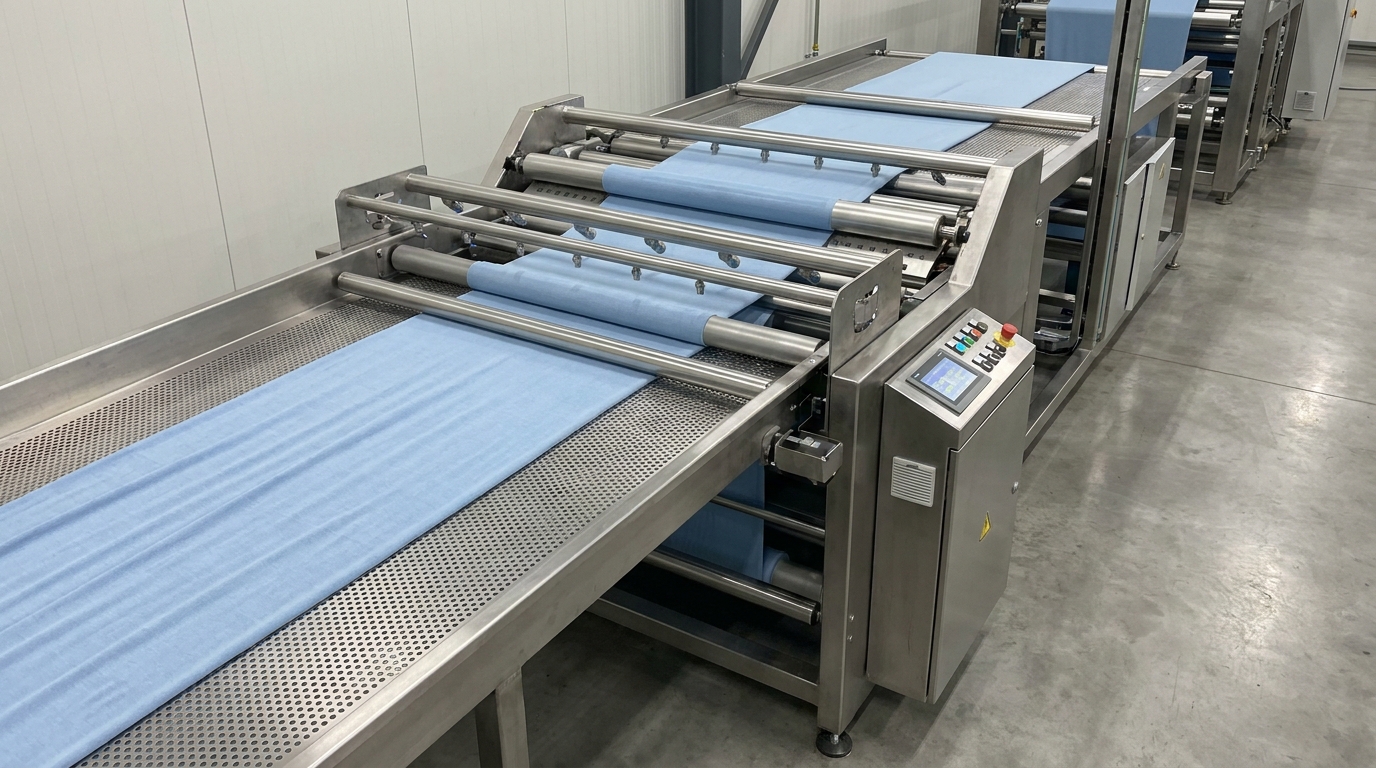
As we covered earlier, different extraction methods suit different materials. A vacuum system gently handles pile fabrics. Squeezing rollers work beautifully for continuous open-width rolls. However, the fabric structure itself dictates your final equipment choice. You must handle knit fabrics very differently from woven textiles.
Distinct Tension and Handling Requirements
Woven textiles feature a rigid, interlaced grid. They handle high mechanical tension well. You can pull them through heavy squeezing rollers. They will not permanently alter their shape. Knit fabrics behave entirely differently.
Knits consist of interlocking loops. This unique structure makes them highly elastic. It makes garments comfortable to wear. It also makes the fabric incredibly fragile during wet processing. Wet knits stretch out of shape instantly under tension. They require zero-tension or ultra-low-tension handling environments.
Preventing Structural Distortion in Knits
Processing knits through standard woven equipment causes severe problems. The material often suffers from edge curling. The loops stretch permanently. This ruins the dimensional stability of the fabric. Selecting a specialized dewatering machine for knit fabric is crucial to avoid these issues.
Dedicated knit machines support the fabric from below. They utilize overfeeding mechanisms. This minimizes pulling and dragging. At SutexMach, we have built intelligent textile machinery since 1985. We deeply understand these structural differences. Our equipment line includes specialized solutions for warp knitting and delicate knits. We ensure stable performance without compromising fabric integrity. Our designs prevent edge curling and structural distortion entirely.
Intelligent Parameter Adjustments
Modern equipment removes the guesswork from moisture extraction. Intelligent controllers automatically adjust critical parameters based on the specific fabric structure. High automation guarantees consistent results across every batch.
Switching from rigid woven cotton to delicate knits triggers instant machine adaptations. The system automatically lowers the squeezing roller pressure. It adjusts the vacuum level to match the fabric density. It also fine-tunes the feeding speed. This maintains the required zero-tension state.
| Тип ткани | Structural Characteristics | Tension Tolerance | Ideal Dewatering Adjustments |
|---|---|---|---|
| Woven Fabric | Rigid, interlaced yarns | Высокий | Higher roller pressure, standard feeding speed. |
| Knit Fabric | Elastic, interlocking loops | Очень низкий | Lower pressure, precise vacuum control, overfeeding support. |
Key Benefits of Upgrading Your Textile Dewatering Machine
As we covered earlier, intelligent parameter adjustments protect delicate knits and rigid wovens alike. But the advantages of modern equipment extend far beyond preventing structural distortion. Upgrading an aging hydro extractor machine transforms your entire production floor. Let us explore the primary benefits you gain from modernizing this critical step.
Энергоэффективность
Thermal drying consumes massive amounts of electricity and gas. Mechanical extraction is roughly 20 to 30 times more energy-efficient. A modern high-speed extractor removes 60% to 80% of water. It does this before the fabric ever reaches the dryer. This drastically reduces residual moisture. You lower the workload on subsequent drying machines. This cuts your daily energy consumption significantly. It also shortens overall drying cycle times. You save money while processing materials much faster.
Enhanced Fabric Quality
Older machines often damage textiles during extraction. High G-forces can leave permanent centrifuge marks. Upgraded equipment prevents these issues entirely. Features like Variable Frequency Drives ensure a soft start. This prevents sudden fabric shifting and creasing. Rapid moisture removal also stops color bleeding in dyed fabrics. Modern designs protect your materials effortlessly. They use premium materials like SUS316L stainless steel. This resists chemical corrosion from harsh dyes. It keeps the inner drum perfectly smooth to protect delicate fibers.
High Automation
Manual loading and braking slow down production. Today, high automation streamlines your entire workflow. Intelligent control systems manage cycle times and rotational speeds. They also handle safety locks automatically. This reduces the need for constant manual supervision. It guarantees consistent output across every batch. At SutexMach, we specialize in intelligent textile machinery. Our equipment integrates seamlessly into your facility. We provide one-stop solutions from selection to installation. Your operators can focus on quality. They stop wrestling with manual machine controls.
Environmental Friendliness
Modern mills face strict environmental regulations. Upgrading your equipment helps you meet these standards. Efficient mechanical dewatering enables better water recovery. You can capture and recycle expelled water. You reuse it for other wet processing stages. Relying less on thermal dryers lowers your carbon footprint. Less gas and electricity burned means fewer emissions. Our machines prioritize environmental friendliness. They deliver stable performance while reducing waste. They help you build a greener, sustainable production line.
| Benefit Category | Older Equipment Limitations | Upgraded Modern Machines | Impact on Production |
|---|---|---|---|
| Energy Use | Heavy reliance on thermal dryers | Removes 60-80% moisture mechanically | Slashes daily utility bills |
| Fabric Quality | Prone to centrifuge marks and tears | VFD soft starts and smooth SUS316L drums | Eliminates creases and distortion |
| Workflow | Manual braking and constant monitoring | High automation and intelligent controls | Ensures consistent batch output |
| Устойчивое развитие | High energy waste and water loss | Better water recovery and lower emissions | Reduces overall carbon footprint |
Textile Dewatering Machine: How to Choose the Right One for Your Mill
As we covered earlier, intelligent parameter adjustments protect delicate knits while upgrading boosts your overall energy efficiency. You already know the benefits of modernizing this critical production step. But how do you select the perfect equipment? Choosing the right textile dewatering machine requires careful evaluation. You must match machine specifications directly to your daily operations. We will explore how to assess capacity, material compatibility, and manufacturer reliability below.
Assessing Production Capacity and Floor Space
You first need to know your daily throughput. Standard industrial units handle anywhere from 15kg to 500kg per batch. You must match the drum volume directly to your production output. Choosing an undersized unit creates immediate bottlenecks. Buying an oversized unit wastes valuable electricity.
Always select motor power based on fabric weight. Heavy wet garments require much higher torque than lightweight yarns. You also need to evaluate your factory floor space carefully. Many high-speed extractors use a three-leg suspension system to dampen vibration. This specific design requires a reinforced concrete foundation. The foundation often needs to be 1.5 to 2 times the weight of the machine itself. Ensure your facility can support this heavy footprint.
Matching Machine Type to Primary Materials
Different fabrics require distinct handling methods. You must align your equipment with your primary materials to prevent damage.
If you process loose fibers, yarn packages, or heavy garments in batches, a hydro extractor machine is your best option. It uses intense centrifugal force to strip moisture quickly. It handles bulky, saturated loads perfectly.
If you run continuous rolls of open-width fabrics, choose a fabric squeezing machine. Heavy rollers press the water out continuously. This setup prevents permanent creases. It keeps your production line moving forward without any batch interruptions.
Evaluating Technological Features
Modern equipment must include high automation. Look for user-friendly interfaces. Operators should easily set cycle times and rotational speeds. Simple controls reduce human error and guarantee consistent results.
Eco-friendly designs are also essential today. Select equipment built for easy water recovery. Capturing expelled water helps your mill meet strict environmental regulations. It also reduces your daily utility bills.
Ensure the machine includes robust safety features. Interlocking lids and automatic braking systems protect your workers. Variable Frequency Drives provide a soft start. This gradual acceleration protects the motor and prevents your delicate fabrics from shifting violently.
| Selection Factor | What to Evaluate | Ideal Solution |
|---|---|---|
| Вместимость | Daily throughput and fabric weight | Match drum volume (15kg – 500kg) to output |
| Напольное пространство | Vibration dampening needs | Reinforced concrete base for 3-leg machines |
| Material Type | Batch vs. continuous processing | Hydro extractors for batches; squeezing for rolls |
| Technology | Control systems and safety | VFD soft starts, interlocking lids, high automation |
Partnering with a Reliable Manufacturer
Buying industrial equipment is a major long-term investment. You need more than just a machine. You need a reliable partner. Look for suppliers offering complete one-stop solutions. This includes machine selection, customization, installation, and dedicated after-sales service.
At SutexMach, we deliver exactly this level of support. Founded in 1985, we are proudly affiliated with Jiangsu SoHo Honry Import & Export Co., Ltd. We have over 30 years of experience building intelligent textile machinery. We help textile mills worldwide build complete, highly efficient production lines.
Our specialized equipment guarantees stable performance and environmental friendliness. From initial machine selection to final installation, our team ensures your operations run smoothly. We customize every unit to match your exact production needs perfectly.
Partnering with SutexMach for Your Textile Finishing Solutions
As we covered earlier, selecting the perfect equipment involves matching capacity and technology to your operations. You also need a dedicated manufacturer to support your long-term investment.
We take pride in our deep industry roots. Founded in 1985, SutexMach is a professional manufacturer of intelligent textile machinery. We are affiliated to Jiangsu SoHo Honry Import & Export Co., Ltd. With over 30 years of experience, we understand the complexities of modern textile finishing.
Seamless Integration with Complete Production Lines
Your textile dewatering machine does not operate in isolation. It must feed perfectly into your subsequent finishing stages. We specialize in building complete production lines. Our advanced dewatering units integrate seamlessly with our broader equipment portfolio. We supply and customize everything you need for a highly efficient mill.
Our comprehensive machinery lineup includes:
- Dyeing and warp knitting machines for initial processing.
- High-speed centrifugal extractors for rapid moisture removal.
- Drying and stenter machines for precise thermal finishing.
- Sueding, calendering, and air-softening machines for final fabric treatments.
Commitment to Global Clients
We offer true one-stop solutions. Our team guides you through machine selection, customization, and factory installation. We also provide comprehensive after-sales service. This ensures your production floor never faces unexpected downtime.
Textile mills worldwide trust our equipment. We focus heavily on stable performance and high automation. Our designs prioritize energy efficiency and environmental friendliness. We help you lower utility costs while meeting strict sustainability standards.
| SutexMach Advantage | What We Deliver | Benefit to Your Mill |
|---|---|---|
| Decades of Expertise | Over 30 years building intelligent textile machinery since 1985. | Proven, reliable designs that prevent fabric damage. |
| Complete Integration | One-stop solutions from wet processing to final air-softening. | Seamless workflow without production bottlenecks. |
| Global Reliability | Stable performance with high automation and energy efficiency. | Lower utility bills and consistent batch quality. |
| End-to-End Support | Customization, installation, and dedicated after-sales service. | Long-term operational security and rapid troubleshooting. |
Заключение
A textile dewatering machine efficiently extracts excess moisture from your fabrics.
This crucial step drastically improves your overall fabric quality.
Choosing the right equipment depends on your specific production goals and material needs.
Contact SutexMach today for expert advice and tailored solutions.
- Measure your available factory floor space before upgrading.
- Identify the exact fabric types your mill processes daily.
- Request a custom machine quote from our experienced team.
Frequently Asked Questions About Textile Dewatering Machines
What is the difference between mechanical and thermal drying?
Mechanical extraction uses centrifugal force to remove bulk water. This process is a highly energy-efficient method. Thermal drying uses heat to remove the remaining moisture. Mechanical dewatering is about 20 to 30 times cheaper. Skipping this step will greatly increase your total energy costs. SutexMach designs energy-efficient machines to lower these utility bills.
How can I prevent vibration and noise during extraction?
Proper load balancing is the best way to stop vibration. You must distribute wet textiles evenly inside the drum. Uneven loads cause the machine to shake and make noise. A strong three-leg suspension system also absorbs excess movement. These systems need a reinforced concrete foundation for safety. VFD controls can offer a soft start to protect the motor.
Will a high-speed centrifuge damage delicate fabrics?
High speeds can sometimes cause crease marks on delicate fabrics. However, you can prevent this with the right settings. Using a Variable Frequency Drive allows for a gradual speed increase. This soft start prevents sudden fabric shifting and stretching. You should also match the motor power to your fabric weight. SutexMach offers customizable solutions for processing different materials safely.
Why choose an industrial hydro-extractor over a standard laundry extractor?
Standard laundry machines cannot handle heavy industrial textile finishing. Industrial extractors use stronger materials like SUS304 or SUS316 stainless steel. These metals resist harsh chemical corrosion from dyes and detergents. Industrial units also manage larger capacities up to 500kg per batch. They are built for continuous, heavy-duty cycles in busy textile mills. SutexMach provides robust equipment for reliable daily performance.
How often should I maintain my textile dewatering machine?
Regular maintenance keeps your machine running efficiently and safely. You should check the tension of the V-belts very often. Loose belts cause belt slippage and leave extra moisture in fabrics. You must also lubricate the bearings according to the manual. Brake pads require routine checks to ensure emergency stops work properly. SutexMach provides excellent after-sales service to guide your maintenance schedule.
Choosing the right dewatering machine boosts efficiency and lowers costs. Proper equipment selection ensures safe and fast textile production. SutexMach has delivered intelligent textile machinery solutions since 1985. We can help you build the perfect production line today.
- Assess your daily production volume to determine the required capacity.
- Identify your fabric types to choose the correct drum material.
- Contact SutexMach for a custom machine selection and installation quote.