


 Russian
 English
 Hungarian
 Indonesian
 Bulgarian
 Turkish
 Polish
 Spanish
 Portuguese
 Korean
 French


Знали ли вы, что один запутавшийся тканевый шнур может испортить всю партию продукции? Безупречное окрашивание имеет критическое значение, однако неполадки в машинах для струйного окрашивания часто приводят к дорогостоящим дефектам текстиля. В этом посте вы узнаете о причинах таких проблем, способах их устранения и о том, как провести умную модернизацию оборудования.
Understanding Jet Dyeing Machines: A Brief Overview
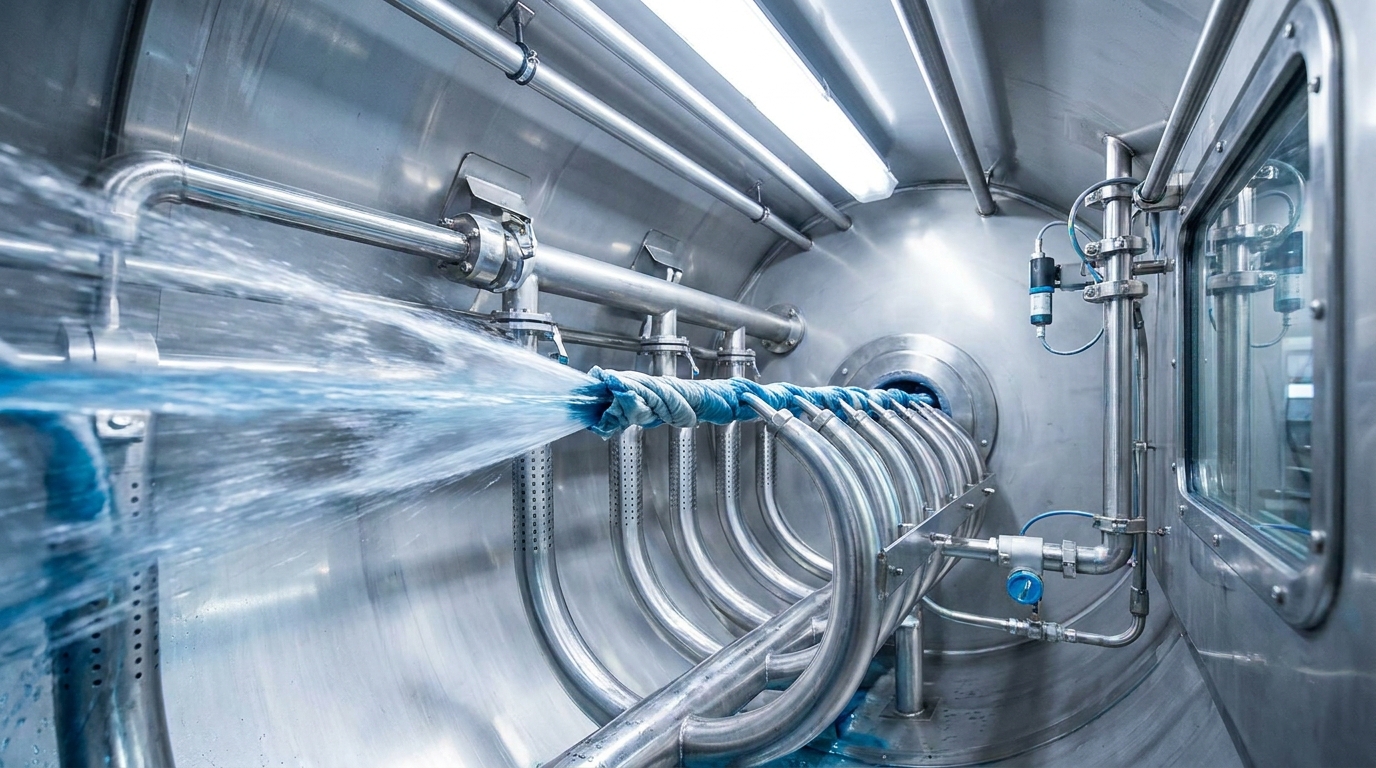
Before we dive into fixing those costly defects mentioned earlier, we need to look at how these systems actually work. You cannot solve jet dyeing machine problems without understanding the core mechanics.
The Mechanics of Fabric and Dye Liquor Movement
A jet dyeing machine moves both the fabric and the dye liquid at the same time. A displacement pump pushes the dye liquor through a specialized nozzle header. This action creates a high-velocity liquid stream.
This stream hits the fabric inside a Venturi tube. The liquid’s sheer force propels the fabric rope through the chamber. Speeds typically range from 200 to 500 meters per minute. Grasping this liquid-driven movement helps you identify неравномерное окрашивание в струйной красильной машине вызывает later on.
Why It Excels for Knits and Synthetics
Older machines pull textiles mechanically. This pulling causes stretching and damage. Jet systems rely on liquid transport instead. This drastically reduces physical tension on the material.
Because of this gentle handling, operators prefer them for delicate knits and synthetic blends. Modern units also operate at low liquor ratios, ranging from 1:4 to 1:10. This saves massive amounts of water and energy.
At SutexMach, we have spent over 30 years manufacturing intelligent textile machinery. Our dyeing solutions focus on optimizing this gentle transport. We know protecting delicate fibers during high-speed processing prevents surface pilling and structural damage.
The Delicate Balance of Parameters
Successful processing requires strict control over heat, pressure, and chemicals. High-Temperature High-Pressure (HTHP) units often reach 135°C to 140°C. Standard working pressure hovers around 3.5 to 4.0 kg/cm².
Heating and cooling rates are just as critical. Standard cooling must stay between 1°C and 2°C per minute. Dropping the temperature too rapidly shocks the fibers. This sudden thermal shock is the primary reason you see permanent складки на изделии в машине для окрашивания струёй batches.
Chemical dosing requires equal precision. Reactive dyeing demands an alkaline pH of 10.5 to 11.0. Disperse dyeing for polyester needs an acidic environment around 4.5 to 5.5. Balancing these factors ensures consistent color and prevents defects.
| Параметр | Standard Operating Range | Primary Function |
|---|---|---|
| Liquor Ratio (M:L) | 1:4 to 1:10 | Reduces water usage while ensuring even dye distribution. |
| Temperature (HTHP) | Up to 135°C – 140°C | Opens synthetic fibers for proper dye penetration. |
| Working Pressure | 3.5 to 4.0 kg/cm² | Keeps the dye liquor stable at high temperatures. |
| Cooling Rate | 1°C – 2°C per minute | Prevents thermal shock and mechanical creases. |
Uneven Dyeing Jet Dyeing Machine Causes and Solutions
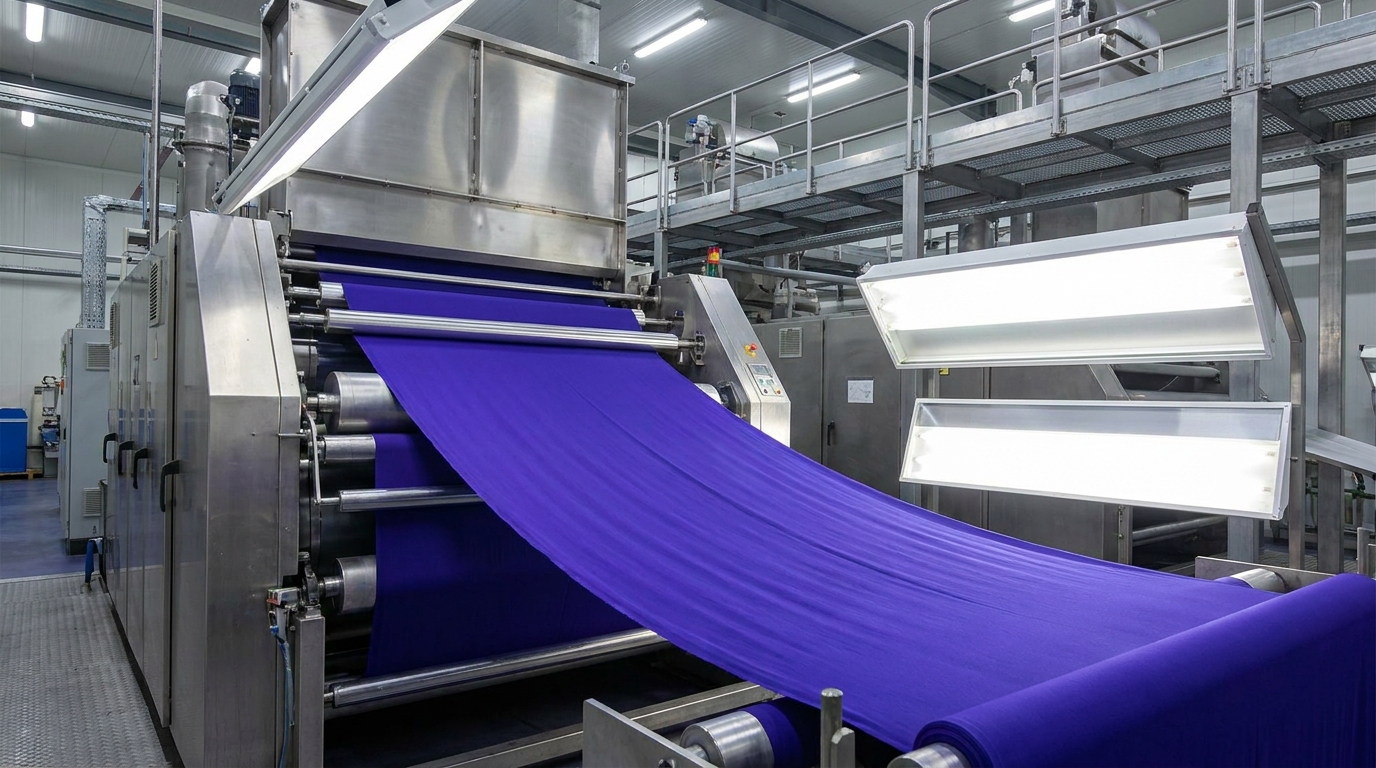
We just saw how strict control over heat and pressure prevents thermal shock. However, even perfect cooling rates cannot save a batch if the dye distributes poorly. Patchy colors and shade variations remain frustrating jet dyeing machine problems. Let us explore why this happens and how you can fix it.
Identifying the Core Causes
Uneven shade usually stems from a few specific operational failures. You must identify the root cause before adjusting your machine parameters.
- Improper Dye Dispersion: Undissolved dye particles or residual lubricant buildup create concentrated color spots on the fabric surface.
- Incorrect Temperature Gradients: Heating the dye bath too quickly forces rapid, uneven dye exhaustion into the fibers.
- Fluctuating Pump Pressure: Air entrapment or chemical foaming causes the displacement pump to lose prime. This disrupts the steady liquor flow.
- Poor Fabric Circulation: The fabric rope must move continuously. If it stops mid-cycle, the exposed section absorbs excess dye. Implementing a proper устранение запутывания ткани в машине для непрерывного окрашивания prevents these costly stoppages.
Sometimes, uneven dyeing accompanies other physical defects. Poor nozzle pressure synchronization often causes color listing. It can also create permanent струйная окраска с появлением следов от верёвки на полиэфире blends.
How to Fix Patchy Dyeing
Resolving these issues requires fine-tuning both your mechanical settings and chemical processes. Here are the most effective solutions.
Regulate Heating and Cooling Rates
Never rush the heating phase. Keep your heating rate strictly between 1.5°C and 2.0°C per minute. Gradual temperature changes ensure the synthetic fibers open uniformly. This allows the dye to penetrate evenly across the entire fabric rope.
Utilize Appropriate Leveling Agents
Chemical dosing requires precision. Add high-quality leveling agents and anti-creasing lubricants before the chamber reaches high temperatures. These agents reduce fiber-to-fiber friction. They also slow down the initial dye strike, promoting uniform color absorption.
Maintain Correct Liquor Ratios and Nozzle Pressure
Always operate within the standard 1:4 to 1:10 liquor ratio. Too little water prevents the dye from dissolving completely. Next, monitor your nozzle pressure. Keep it steady between 0.5 and 3.5 bar, depending on fabric sensitivity. If you process heavy fabrics, use a V-shaped nozzle to increase traction and prevent slipping.
At SutexMach, we engineer our intelligent dyeing machines to eliminate these exact variables. Our advanced displacement pumps maintain consistent liquor flow without cavitation. Paired with automated dosing tanks, they ensure precise chemical delivery for flawless, level dyeing.
| Symptom | Probable Cause | Immediate Solution |
|---|---|---|
| Dark color spots | Undissolved dyes or trimer buildup | Perform a caustic boil-out; improve dye dispersion. |
| Center-to-edge listing | Fluctuating pump pressure or foaming | Check liquor ratio; add anti-foaming agents. |
| Patchy shade variation | Heating rate exceeds 2.0°C/min | Reduce heating speed; increase leveling agents. |
Preventing Crease Marks in Jet Dyeing Machine Operations
We just resolved patchy shade variations caused by improper heating and chemical dosing. Now, we must tackle another severe physical defect. Permanent creases ruin fabric aesthetics and cause entire batches to fail quality control.
You can usually trace these marks back to specific operational errors. Let us look at what causes them and how you can eliminate them.
Identifying the Core Causes of Creasing
Operators often struggle to distinguish between mechanical creases and thermal shock creases. Both look like “crow’s feet” on the finished fabric. They stem from different jet dyeing machine problems.
- Thermal Shock: Rapid cooling solidifies synthetic fibers while they are folded. This permanently sets the crease into the material structure.
- Machine Overloading: Stuffing too much fabric into the chamber prevents smooth liquor circulation. The rope gets crushed under its own weight.
- Improper Nozzle Selection: Using a nozzle too narrow for the textile creates severe friction. This mechanical scraping folds and damages the material.
How to Fix and Prevent Creases
Eliminating these marks requires mechanical adjustments and strict process control. You must handle the fabric gently throughout the entire cycle.
Implement Step-by-Step Cooling Procedures
As we covered earlier, dropping the temperature too rapidly shocks the fibers. You must control your cooling rate strictly at 1°C to 2°C per minute. This rule is especially critical for polyester blends.
Never drop the bath temperature rapidly below 80°C. This specific temperature is the glass transition point for many synthetics. Cooling slowly through this zone prevents the structural setting of folds. Adding anti-creasing agents before reaching high temperatures also reduces fiber-to-fiber friction.
Optimize Your Fabric Load Capacity
Do not overload the main chamber. The fabric rope needs space to float and untangle itself. A strict loading rule prevents mechanical crushing.
Keep your total fabric load between 60% and 70% of the maximum chamber volume. This specific ratio ensures free movement. It also allows the displacement pump to maintain a steady liquor flow without working overtime.
Adjust Nozzle Size and Pump Pressure
Your nozzle configuration must match the fabric weight. The nozzle diameter should always be 10% to 20% wider than the actual fabric rope. This gap prevents clogging and surface abrasion.
You should also switch nozzle shapes based on the material. Use a round nozzle for lightweight fabrics. It reduces friction and handles delicate knits gently. Switch to a V-shaped nozzle for heavy textiles. This shape increases traction and pulls heavy ropes efficiently.
At SutexMach, we design our intelligent textile machinery to eliminate these exact guesswork variables. Our systems feature precise automated cooling controls to prevent thermal shock entirely. We also provide easily interchangeable nozzle headers. This allows you to adapt instantly to different fabric weights and protect your production quality.
| Тип ткани | Recommended Nozzle Shape | Cooling Precaution |
|---|---|---|
| Lightweight Knits (70-150 gsm) | Round | Maintain 1°C/min cooling rate. |
| Heavy Blends (300-600 gsm) | V-shaped | Do not exceed 70% chamber capacity. |
| Polyester & Synthetics | Depends on weight | Cool slowly until bath drops below 80°C. |
Jet Dyeing Rope Marks on Polyester: Identification and Prevention
We just discussed how thermal shock and machine overloading create permanent creases. However, synthetic fibers face a unique set of challenges. When processing these materials, you might notice long lines. These lines run straight down the fabric length. We call these defects rope marks. They ruin the visual appeal of the textile. They also force costly reprocessing. Rope marks remain one of the most frustrating jet dyeing machine problems. In this section, you will learn causes and how to fix them effectively.
Identifying the Core Causes
Polyester is highly susceptible to these specific marks. This vulnerability comes down to its glass transition temperature, or Tg. As we covered earlier, polyester has a Tg around 80°C. Above this heat level, the synthetic fibers become very soft. They also become highly pliable and prone to bending. If the fabric rope twists tightly while hot, it creates sharp folds. Cooling the fabric in this folded state sets the marks permanently.
Improper folding during circulation also plays a massive role. High winch speeds can stretch the hot material. This stretching pulls the textile into a tight, rigid rope. It cannot balloon out or rearrange itself inside the chamber. The fabric simply folds over itself repeatedly in the exact same spots.
How to Fix and Prevent Rope Marks
You must adjust both mechanical settings and chemical baths to solve this. Here are the most effective steps to protect your synthetics.
Regulate the Critical Cooling Zone
We previously discussed cooling at 1°C to 2°C per minute. For polyester, you must monitor the zone between 130°C and 80°C closely. Keep your cooling rate strict through this specific window. Once the dye bath drops below 80°C, the fibers harden. Any tight folds present during this transition become permanent jet dyeing rope marks on polyester fabrics. Cooling slowly gives the material time to untwist before hardening.
Apply Specialized Lubricating Agents
Do not rely on water alone for fiber lubrication. Add specialized anti-creasing agents directly into the dye bath. You must add these chemicals before the temperature rises. These lubricants coat the soft synthetic fibers thoroughly. They allow the folded layers to slip past each other. This slipping prevents tight knots from locking into place.
Optimize Winch Speed and Fabric Tension
Your lifter roller must work in perfect harmony with the nozzle. If the winch pulls too fast, it stretches the hot polyester. This excessive tension forces the material into a tight rope. You must adjust your reel speed to match the liquor flow. The liquid should carry the fabric up with minimal mechanical pulling.
At SutexMach, we have spent over 30 years perfecting intelligent textile machinery. Our advanced dyeing systems feature synchronized winch and pump controls. These smart controls ensure minimal tension on the fabric rope. They adjust speeds dynamically during the entire cycle. This allows the polyester to relax and rearrange itself naturally.
| Operational Factor | Risk to Polyester | Immediate Solution |
|---|---|---|
| Cooling Rate | Sets folds permanently below 80°C. | Cool at 1°C/min until bath drops below Tg. |
| Chemical Bath | High fiber-to-fiber friction causes tangles. | Dose anti-creasing lubricants before heating. |
| Winch Speed | Stretches fabric into a rigid rope. | Synchronize reel speed to match nozzle flow. |
Jet Dyeing Machine Fabric Tangling Fix and Troubleshooting
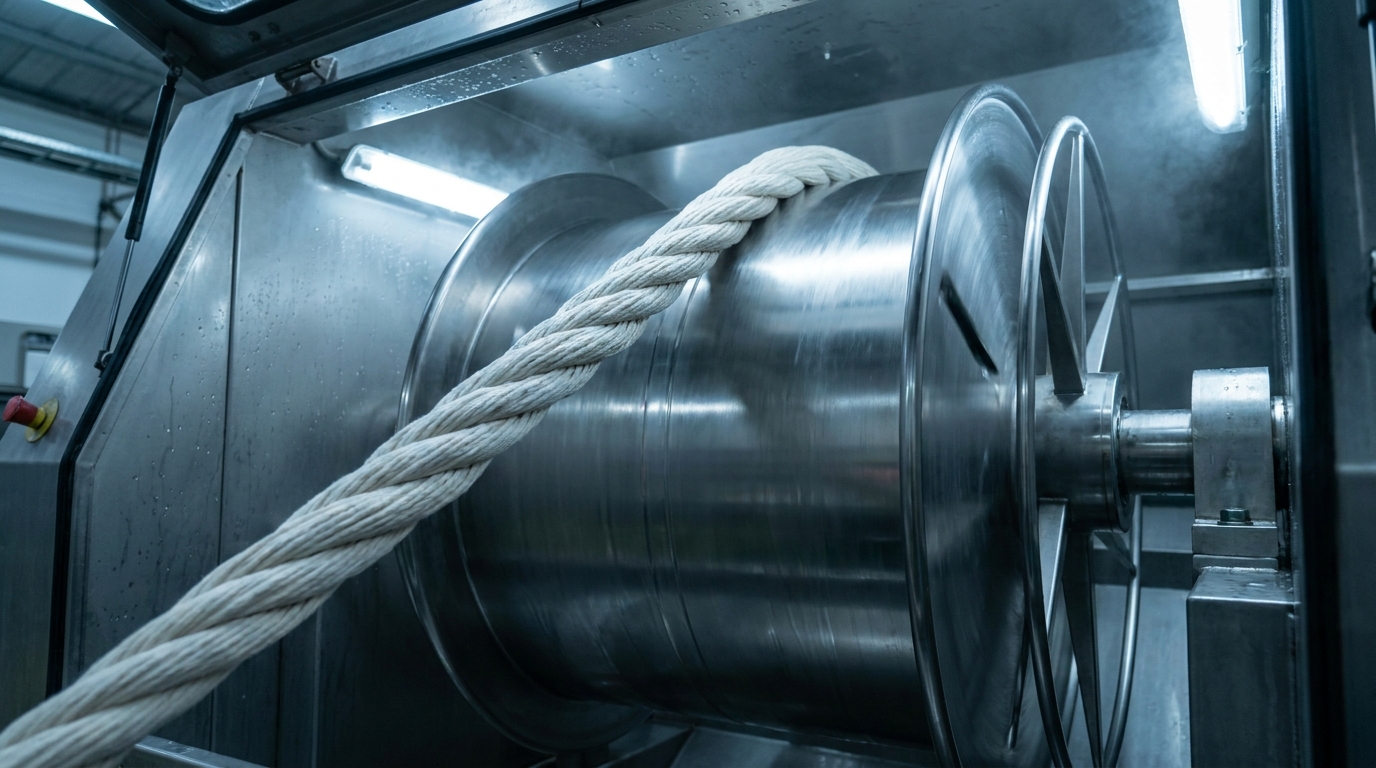
We just explored how improper winch speeds stretch hot synthetics and cause permanent marks. However, speed mismatches create another severe issue. The fabric rope can stop moving entirely and knot up inside the chamber. Fabric entanglement remains one of the most disruptive jet dyeing machine problems. It halts production and damages the material. Let us look at why this happens and how you can resolve it quickly.
Identifying the Causes of Fabric Tangling
You need to know why the rope knots before you can apply a fix. Several operational failures cause the fabric to stop circulating.
- Incorrect Water Levels: Low liquor ratios destroy fabric buoyancy. The material drags on the chamber floor and piles up.
- Excessive Fabric Length: Every tube has a strict rope length limit. Loading too much yardage leaves no room for unfolding.
- Mismatched Speeds: The lifter reel and nozzle must sync perfectly. If the winch feeds fabric too fast, it bunches up near the nozzle.
- Pump Failures: A sudden pressure drop stops liquor flow. The heavy wet fabric collapses into a tangled mass immediately.
Step-by-Step Troubleshooting and Solutions
When a knot forms mid-cycle, you must act fast. Applying a proper jet dyeing machine fabric tangling fix saves the batch from ruin. Here is how you handle it safely.
Stop the Machine and Cool Down
Halt the machine immediately. Do not force the winch to pull a stuck rope. This extra tension will tear the material. Slowly drain the high-temperature liquor. Let the chamber cool down to a safe handling temperature.
Manually Untangle the Rope
Open the access port safely. You must locate the knot manually. Carefully untangle the heavy wet rope by hand. Once cleared, reset the fabric evenly across the lifter reel.
Adjust Reel and Nozzle Synchronization
You must balance the mechanical lifting and liquid pushing. Adjust your lifter reel speed to match the nozzle pressure exactly. The winch should only lift the material. The liquid stream from the nozzle must do the actual pulling.
Control Your Rope Length
Never exceed the recommended capacity per tube. Keep your load within that 60% to 70% volume limit we discussed earlier. Shorter rope lengths circulate much faster and tangle less.
At SutexMach, we build intelligent textile machinery to prevent these exact issues. We rely on over 30 years of manufacturing experience. Our dyeing machines feature automated speed synchronization. Smart controls constantly match winch speeds with displacement pump pressure. This keeps the fabric moving smoothly without manual guesswork.
| Tangling Cause | Operational Symptom | Immediate Action |
|---|---|---|
| Mismatched Speeds | Fabric bunches up at the nozzle entry. | Slow down the lifter reel to match pump flow. |
| Excessive Length | Rope moves sluggishly before stopping. | Reduce yardage per tube on the next batch. |
| Low Water Level | Fabric drags heavily on the chamber floor. | Increase liquor ratio to restore buoyancy. |
Other Common Jet Dyeing Machine Problems to Watch Out For
We just solved severe mechanical issues like fabric tangling and winch speed mismatches. However, smooth fabric movement does not guarantee a perfect batch. You still need to manage chemical reactions and surface-level defects. Let us explore a few more jet dyeing machine problems, their causes, and how to fix them completely.
Excessive Foaming
High turbulence inside the main chamber mixes air into the dye liquor. This rapid movement interacts with unreacted surfactants and chemicals. Together, they create excessive foam. Foam is incredibly disruptive to the entire process.
It causes the displacement pump to lose prime. When the pump loses pressure, liquor circulation stops instantly. Foam also traps air inside the fabric. This makes the material float unnecessarily, leading directly to the entanglement issues we covered earlier.
You must manage this foam actively to maintain stable pressure. Add high-quality defoaming agents directly to your dosing tank. Silicone defoamers work exceptionally well for standard production batches. However, you should use non-silicone defoamers for sensitive materials. Non-silicone options prevent unwanted chemical spots if you plan to apply specialized finishing treatments later.
Pilling and Surface Abrasion
Delicate knits often look fuzzy or worn after a heavy cycle. Operators call this surface damage pilling. It happens when the fabric rubs against the nozzle or the internal chamber walls. Running your equipment at maximum speeds, closer to 500 meters per minute, drastically increases this friction.
To fix surface abrasion, you must slow down your fabric speed. Match the circulation rate carefully to the specific material weight. You should also add protective internal lubricants to the dye bath early in the cycle. These chemicals coat the individual fibers. They reduce mechanical friction during high-speed transport.
At SutexMach, we engineer our intelligent textile machinery to handle materials gently. Our dyeing systems utilize optimized Venturi tubes and smooth internal chambers. These designs minimize mechanical shear force. They protect delicate knits from unwanted pilling while maintaining excellent dye penetration.
Dye Spots and Specks
Finding dark, concentrated color spots on finished goods ruins their commercial value. These specks usually stem from undissolved dye particles floating in the bath. Residual lubricant buildup from previous production runs also causes them. Furthermore, high water hardness exacerbates this issue. Hard water prevents powder dyes from dissolving completely.
You can prevent these spots through strict preparation and maintenance. Always test your water hardness before mixing any chemicals. Dissolve your dyes completely in a separate dosing tank first. Never inject dry powder directly into the main chamber.
You must also maintain strict mechanical cleaning protocols. Clean the lint trap and internal filters after every single cycle. Perform a heavy caustic boil-out every 5 to 10 batches. This specific cleaning routine removes sticky trimer buildup and leftover dyes from the chamber walls.
| Problem | Primary Cause | Effective Fix |
|---|---|---|
| Excessive Foaming | High turbulence mixing with unreacted surfactants. | Dose silicone or non-silicone defoaming agents. |
| Surface Pilling | High fabric speeds causing severe mechanical friction. | Reduce speed and apply protective fiber lubricants. |
| Dark Dye Spots | Undissolved dyes, hard water, or trimer buildup. | Dissolve dyes fully and perform regular caustic boil-outs. |
Best Practices for Preventive Maintenance
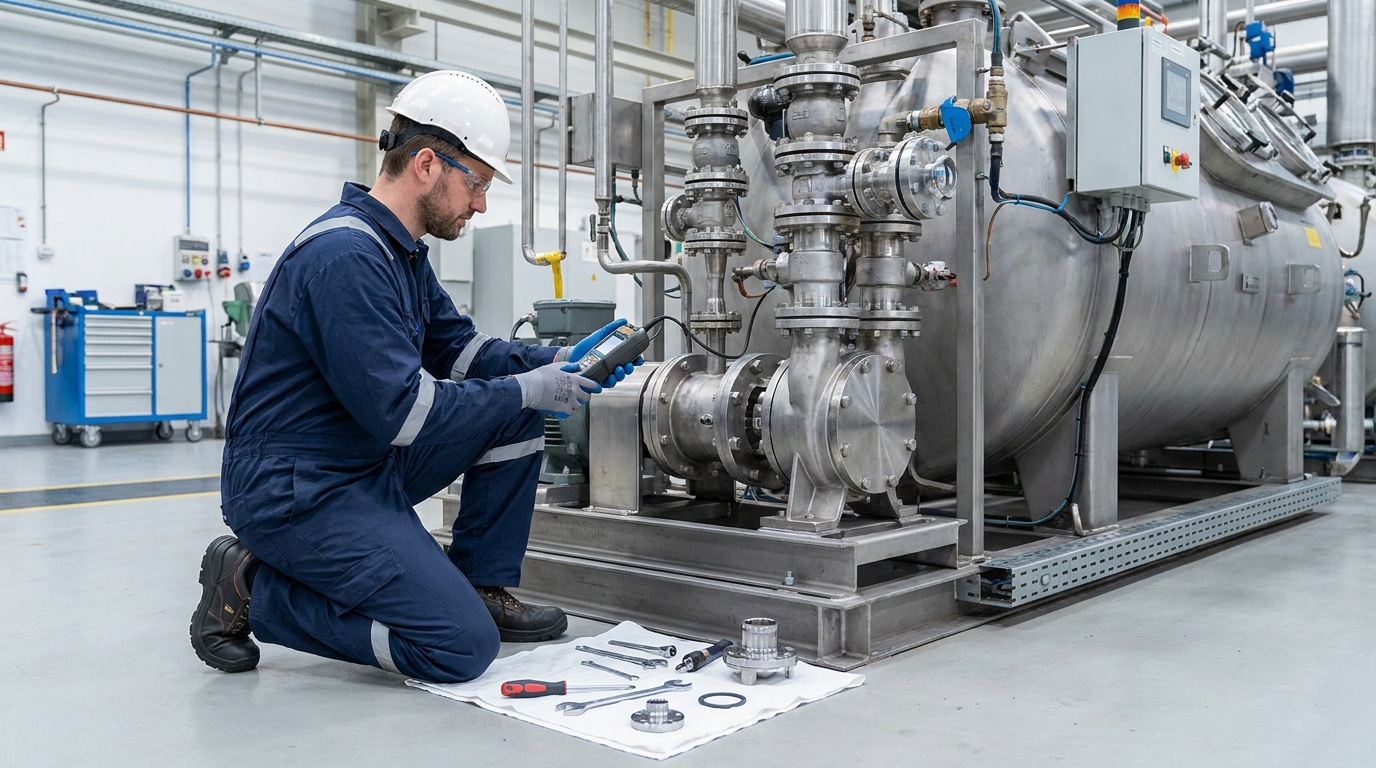
We just covered how lingering dye and trimer buildup cause dark spots on your finished fabrics. While a quick boil-out fixes immediate contamination, reacting to defects is always more expensive than preventing them. You can avoid most jet dyeing machine problems entirely by implementing a strict preventive maintenance schedule. Let us look at the routine checks and cleaning protocols that keep your equipment running flawlessly.
Routine Inspection of Core Mechanical Parts
Your displacement pump, nozzle header, and heat exchanger do the heaviest work. These core components require constant attention. Inspect the displacement pump seals weekly. A failing seal allows air to enter the system. This causes the exact foaming and cavitation issues we discussed earlier.
Next, check your nozzles for physical wear. High-speed fabric transport slowly degrades the nozzle interior. A worn nozzle increases friction and causes unwanted pilling on delicate knits. Finally, descale your heat exchanger regularly. Mineral deposits from hard water block heat transfer. This forces your machine to work harder. It struggles to maintain that critical 1.5°C to 2.0°C per minute heating rate.
Executing Regular Cleaning Boil-Outs
You must prevent cross-contamination when switching between different dye colors. Residual dyes hide inside the plumbing and chamber walls. As mentioned previously, perform a caustic boil-out every 5 to 10 batches. This specific routine is non-negotiable for high-quality production.
- Mix a strong solution of sodium hydroxide (NaOH) and hydrosulfite.
- Circulate this chemical mix at high temperatures through the empty machine.
- Drain the system completely and rinse with clean water.
This process strips away sticky trimer deposits and lingering colorants. It ensures your next batch starts with a perfectly clean environment.
Calibrating Sensors for Process Accuracy
Precise control over heat and pressure defines successful dyeing. Even a slight sensor error ruins an entire batch. You must calibrate your temperature controllers and pressure sensors monthly.
If a temperature sensor reads too low, the machine overheats the bath past 140°C. This excessive heat damages synthetic fibers permanently. Similarly, a faulty pressure sensor might misreport nozzle pressure. This leads directly to the fabric entanglement and rope marks we fixed in earlier sections.
At SutexMach, we build intelligent textile machinery with maintenance in mind. Drawing on over 30 years of manufacturing experience, we equip our dyeing machines with self-diagnostic sensors. These smart systems alert you to pressure drops or temperature anomalies instantly. They remove the guesswork from calibration. They protect your production quality continuously.
| Component | Maintenance Action | Recommended Frequency | Primary Benefit |
|---|---|---|---|
| Displacement Pump | Inspect mechanical seals for leaks. | Weekly | Prevents air entrapment and severe foaming. |
| Main Chamber | Perform a caustic chemical boil-out. | Every 5 to 10 batches | Removes trimer buildup and prevents dye spots. |
| Sensors & Controllers | Calibrate temperature and pressure gauges. | Monthly | Ensures accurate heating rates and nozzle flow. |
| Heat Exchanger | Descale internal tubes to remove minerals. | Quarterly | Maintains efficient heat transfer and saves energy. |
Upgrading Your Equipment: Intelligent Dyeing Solutions with SutexMach
We just covered how strict maintenance and sensor calibration keep your production running smoothly. However, even perfect maintenance cannot fix fundamentally outdated technology. Aging equipment often lacks the precise controls necessary for modern synthetic blends.
Older displacement pumps struggle to maintain steady pressure. This directly causes the foaming and cavitation issues we discussed earlier. Furthermore, outdated manual valves make it nearly impossible to hit exact cooling rates. When your machine cannot control temperature drops accurately, you will constantly battle thermal shock and permanent creases. Eventually, upgrading your hardware becomes the only way to eliminate recurring jet dyeing machine problems.
Over 30 Years of Textile Machinery Excellence
This is where our team steps in to help. We founded SutexMach in 1985. We are affiliated to Jiangsu SoHo Honry Import & Export Co., Ltd. We operate as a professional manufacturer of intelligent textile machinery.
We bring over 30 years of experience to the global textile industry. We understand the daily frustrations operators face on the factory floor. Our core goal is to replace unpredictable manual processes with smart, reliable technology. We design our equipment specifically for global fabric mills demanding high-quality output.
Minimizing Defects Through Smart Automation
We engineer our advanced dyeing machines to tackle the root causes of textile defects. Our intelligent systems feature superior fluid dynamics. This ensures a smooth, highly controlled liquor flow throughout the entire cycle.
We pair this mechanical design with precise automation. Smart controllers automatically synchronize the lifter reel speed and pump pressure. This dynamic adjustment prevents fabric tangling and rope stoppages completely. It keeps the material moving safely.
Our automated dosing tanks deliver chemicals at the exact right moment. This guarantees level shade distribution and prevents uneven dyeing. Additionally, our intelligent cooling systems monitor critical temperature zones automatically. They maintain that strict 1°C to 2°C per minute drop. This eliminates thermal shock and physical crease marks entirely.
Comprehensive Production Line Solutions
Fixing your dyeing process is just one part of the equation. We provide comprehensive production line solutions to support your entire operation. Beyond intelligent dyeing machines, we manufacture a wide range of specialized equipment.
Our portfolio includes advanced sueding and calendering machines for perfect surface finishes. We also build high-efficiency drying, stenter, and dewatering machines. They handle moisture removal gently and efficiently. For fabric creation and final touches, we offer precision warp knitting and air-softening machines. We build every unit to maximize your factory efficiency.
| Equipment Category | SutexMach Solutions | Primary Production Benefit |
|---|---|---|
| Wet Processing | Intelligent Dyeing Machines | Eliminates tangling and uneven shade via automation. |
| Moisture Removal | Dewatering, Drying & Stenter Machines | Extracts moisture gently without stretching fabrics. |
| Surface Finishing | Sueding, Calendering & Air-Softening | Enhances fabric texture and final visual appeal. |
| Fabric Formation | Машины для вязания на основе основы | Ensures high-speed, precision textile manufacturing. |
Заключение
Mastering jet dyeing machine problems requires understanding root causes and applying effective troubleshooting. Skilled operation, regular maintenance, and quality equipment ensure success. Contact SutexMach today for intelligent, reliable textile machinery.
Take these immediate actions to improve your dyeing process:
- Inspect your dyeing machine nozzles on a weekly basis.
- Calibrate all temperature sensors before starting new batches.
- Review your fabric load limits to prevent tangling issues.
- Schedule a consultation with SutexMach to upgrade equipment.
Frequently Asked Questions About Jet Dyeing Machine Problems
Why does fabric knot or stop moving inside a jet dyeing machine?
Fabric entanglement often happens when reel speed and nozzle pressure do not match. If the chamber is overloaded, the rope cannot move freely. You must keep the fabric volume below 70 percent of the chamber capacity. Using the correct nozzle size also helps maintain smooth movement. A well-adjusted machine prevents mid-cycle stops and ruined batches.
How can I prevent permanent creases on polyester blends?
Permanent creases usually result from rapid cooling or high friction. You should never drop the temperature quickly below 80°C. Cooling must stay controlled at 1°C to 2°C per minute. This slow rate prevents thermal shock on sensitive synthetic fabrics. Adding anti-creasing agents before reaching high temperatures also reduces fiber friction.
Why do delicate knits look fuzzy after a dyeing cycle?
Surface pilling occurs when fabric rubs against machine parts too harshly. High fabric speeds increase the risk of this structural abrasion. Using a round nozzle for lightweight fabrics helps reduce unwanted friction. You should also monitor the nozzle pressure closely during the cycle. Proper pressure settings protect delicate knits from looking worn or fuzzy.
What causes dark dye spots or stains on finished fabrics?
Dark color spots usually come from undissolved dye or leftover machine lubricants. Trimer buildup inside the machine can also transfer onto your clean fabrics. Regular cleaning is the best way to prevent these ugly stains. You should perform a caustic boil-out every five to ten batches. This maintenance step removes residual dyes and keeps your fabric spotless.
How can I choose the best dyeing machine for my fabric mill?
Selecting the right equipment depends on your specific fabric weights and types. You need reliable technology to handle modern low liquor ratios efficiently. SutexMach offers intelligent textile machinery backed by over 30 years of experience. We provide advanced dyeing machines designed to minimize common processing defects. Upgrading your equipment ensures better quality control and smoother daily operations.
Take charge of your fabric quality today.
- Inspect your nozzle sizing before starting a new batch.
- Schedule a caustic boil-out for your equipment this week.
- Adjust your cooling rates to avoid thermal shock.
- Contact SutexMach to upgrade your textile processing equipment.