


 Russian
 English
 Hungarian
 Indonesian
 Bulgarian
 Turkish
 Polish
 Spanish
 Portuguese
 Korean
 French


A practical guide to fabric compaction, residual shrinkage, GSM, width, and process selection.
Quick answer: what does a compacting machine do?
Компактирующая машина — это система отделки текстиля, которая применяет контролируемое механическое растяжение ткани перед её обработкой в готовую одежду. Это особенно важно для хлопковых и хлопковых трикотажных тканей, где петли и нити могут ослабевать после стирки. Компактирующая машина контролируемым образом укорачивает ткань, что помогает снизить остаточную усадку в последующем. Она также может влиять на поверхностную плотность (GSM), ширину, толщину, ощущение на ощупь и внешний вид поверхности.
A fabric compactor is not the same as a stenter. A stenter primarily controls open-width drying and heat setting. Compacting focuses on mechanical relaxation and pre-shrinkage. On many knit routes, both processes are needed: heat setting or drying establishes thermal and width conditions, while compaction reduces the mechanical shrinkage that otherwise appears during laundering.
Why knit fabric wants to shrink
Knitted fabric is built from interlocking loops. During knitting, dyeing, drying, and handling, those loops can be held in a stretched state. When water, heat, and movement allow the yarns to relax, the loops return toward a more natural shape. The fabric commonly becomes shorter in length and may change in width. Consumers experience this as a garment becoming smaller after washing.
The degree of relaxation depends on fiber type, yarn twist, loop length, knit structure, finishing route, and garment construction. Cotton knits can show strong dimensional change because they absorb water and release process tension. Polyester may be thermally more stable, but knit geometry can still relax. Compacting provides a controlled opportunity for this relaxation before cutting and sewing.
Compacting machine working principle
The compacting machine working principle combines overfeed, moisture or steam, pressure, and a compressible transport surface. Fabric enters the compaction zone at a higher speed than it leaves. This overfeed creates extra length. A rubber blanket, felt, pressure roller, and heated cylinder guide the fabric through a short compression zone. As the blanket bends and recovers, it shortens the fabric held against it.
The process is mechanical but it is assisted by heat and moisture. The fabric needs enough plasticity to settle into a more relaxed loop geometry, yet not so much heat or tension that the hand or performance is damaged. After compression, drying and cooling stabilize the result. Final width, GSM, and residual shrinkage should be measured after the fabric has relaxed, not only at the machine exit.
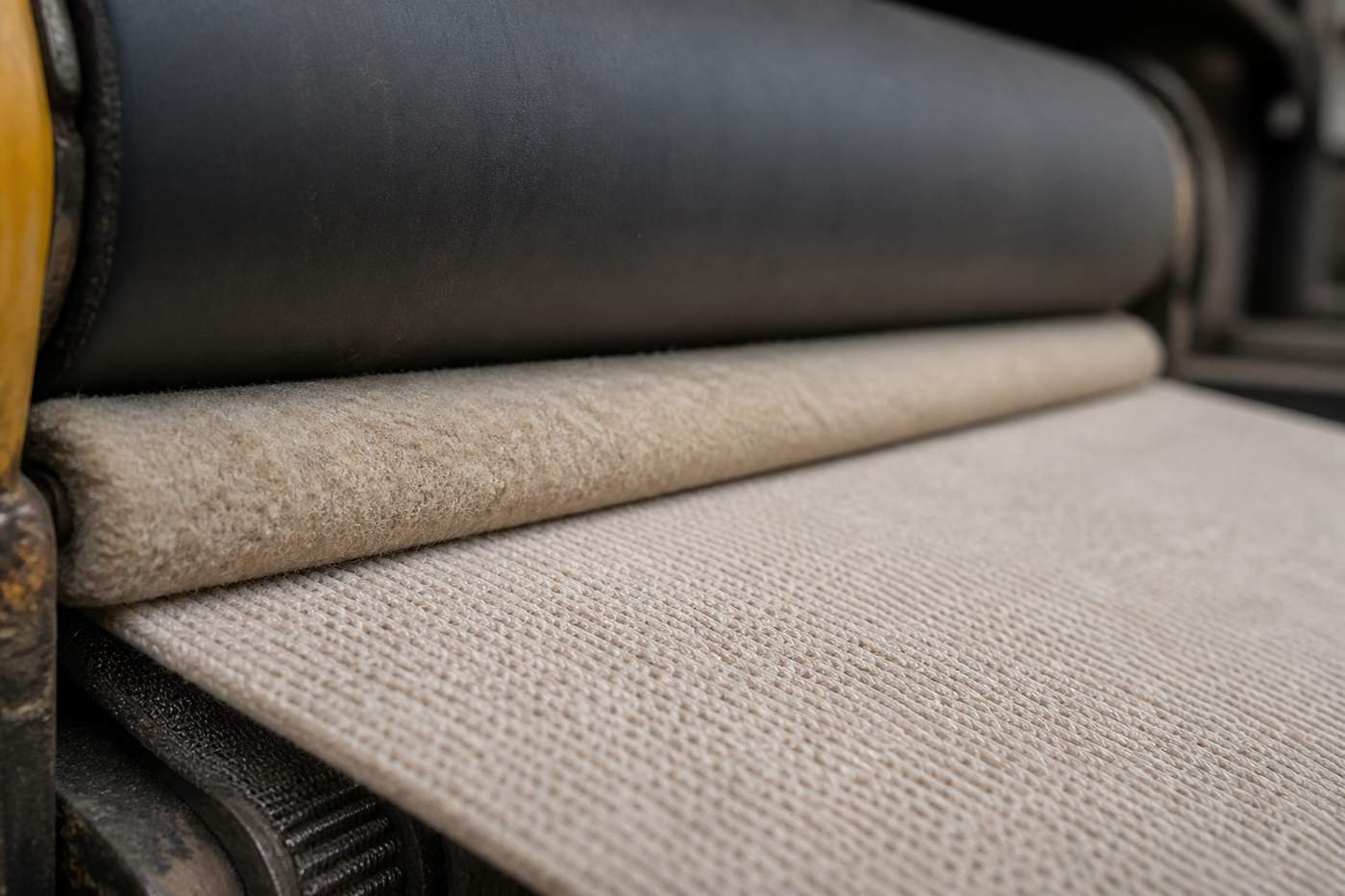
Figure 2. The rubber blanket and felt create the controlled compression zone.
How overfeed controls shrinkage, GSM, and width
Overfeed is the difference between the feed rate and the delivery rate. When fabric enters faster than it is taken away, extra length is forced into the compacting zone. That lengthwise relaxation can reduce residual shrinkage. It also increases the amount of fabric per unit area, so GSM often rises when other conditions remain similar.
Width and length are connected. If width is adjusted wider, the same fabric mass is distributed across a larger area and GSM may fall. If width is reduced, GSM may rise. The target is not the highest overfeed. It is the combination of residual shrinkage, GSM, width, hand, and appearance required by the buyer. Change the recipe through measured trials, because fabric construction makes the response non-linear.
Rubber blanket, compactor felt, and pressure zone
The rubber blanket is central to mechanical pre-shrinking. It moves from an outer curved path into a compressed inner zone and then recovers. Fabric held between the blanket and a pressure element follows this movement and is compacted in the machine direction. This is why a compacting machine is often described as a shrinkage control machine rather than simply a dryer.
Compactor felt supports fabric transport, drying, pressure distribution, and surface stability. Felt material, thickness, density, heat resistance, and tension affect how evenly the system performs. A felt that becomes glazed, damaged, hard, or uneven can create center-to-edge variation, marks, or unstable shrinkage. Treat felt selection and maintenance as process decisions, not low-priority consumables.
Tubular vs open-width compacting
A tubular compactor processes circular knitted fabric in tube form. It is common for single jersey, rib, interlock, and other circular knits where keeping the tube intact avoids a slit line and matches garment production. Expanders and width controls set the lay-flat dimension before compaction. The route must manage spirality, width, and loop relaxation without creating edge damage.
An open-width compactor processes fabric after it has been slit. It can suit fabrics that need flat inspection, printing, coating, lamination, or a different finishing flow. The decision depends on fabric construction, downstream requirement, product appearance, and mill layout. Neither system is always better; they create different paths for controlling width and shrinkage.
| Architecture | Best for | Main advantage | Watch closely |
| Tubular compactor | Circular knits such as jersey, rib, interlock | Keeps fabric in tube form | Lay-flat width, spirality, and spreading |
| Open-width compactor | Slit fabric, printing, coating, flat routes | Flat access and wider route options | Edges, width control, and fabric path |
How to choose a compacting machine
Start with the fabric range. Define whether the line will run tubular or open-width materials, the working width, fabric weight, fiber blends, target residual shrinkage, required speed, and finish route. Also identify whether steaming, drying cylinders, rubber blankets, felt belts, spreaders, compacting heads, and quality controls are needed. A line built for lightweight jersey may need different components from one running heavy fleece or rib.
Ask suppliers how the machine controls overfeed, tension, width, felt condition, temperature, and fabric path. Review cleaning access, blanket replacement, felt compatibility, utilities, training, spare parts, safety guarding, and service response. A quoted capacity should identify the fabric type and target quality; an ideal line speed does not prove saleable output on a difficult fabric.
Quality testing for residual shrinkage
Residual shrinkage must be verified with an agreed test method and laundering condition. Mark fabric samples, wash and dry them according to the approved standard, then calculate length and width change. The buyer, garment maker, and finishing mill should use the same sampling plan and measurement method. A good result on a small trial does not replace a production-roll check.
Measure GSM, width, appearance, spirality where relevant, hand, and color together with shrinkage. A recipe can meet a shrinkage target but miss GSM or width. Record greige and finished values, machine settings, and the result after relaxation. This data helps the team identify whether variation comes from knitting, dyeing, drying, compacting, or the test itself.
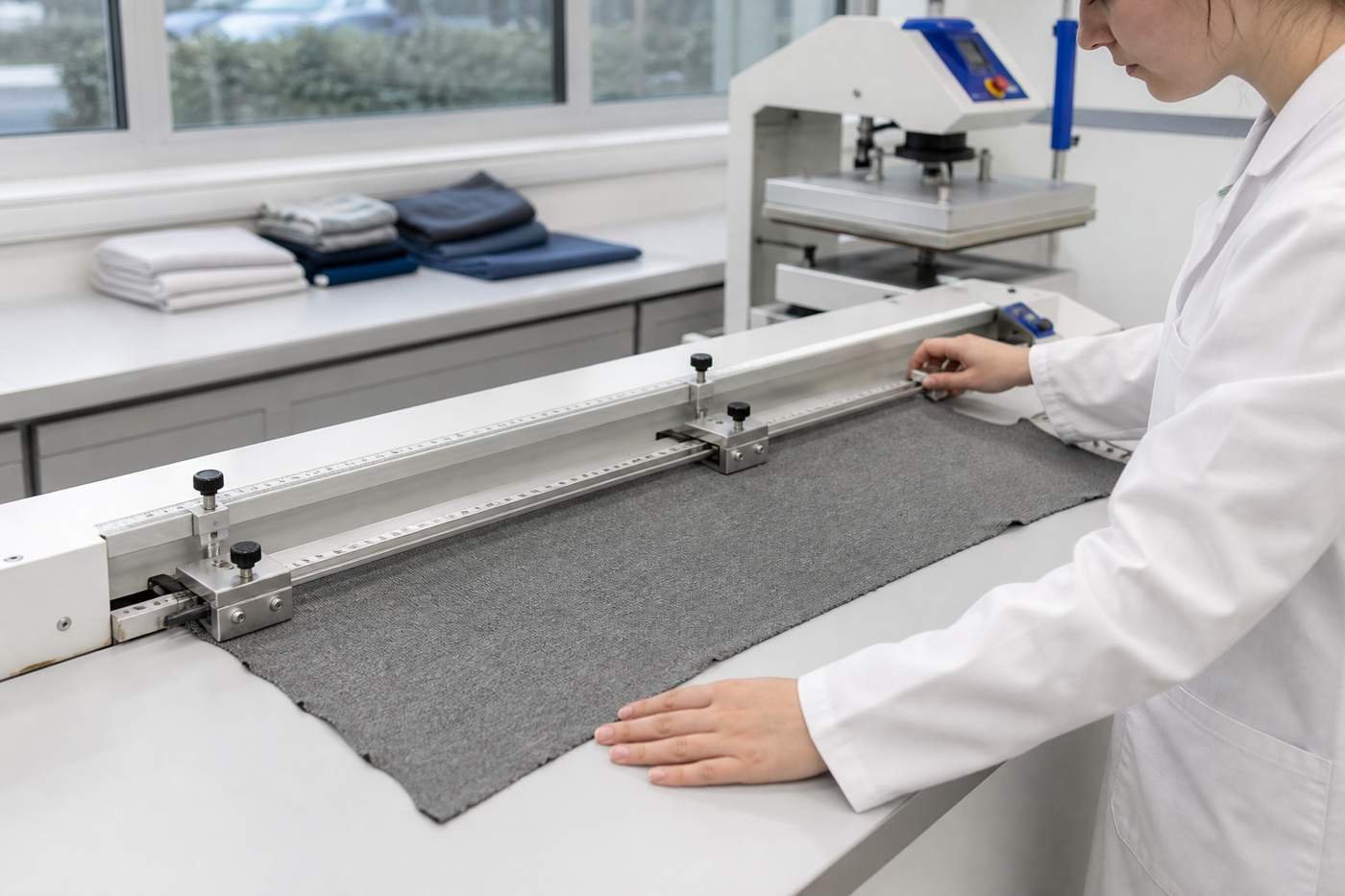
Figure 3. Wash testing verifies that the compaction result meets the agreed specification.
Common compacting defects and prevention
Uneven residual shrinkage may come from inconsistent overfeed, felt wear, uneven pressure, fabric moisture variation, poor entry tension, or width variation. Excessive GSM can result from too much lengthwise compaction or a width setting that is too narrow. Low GSM can result from insufficient compaction, excessive width, or a different incoming fabric condition. Never adjust one number without checking the other related properties.
Other faults include creases, felt marks, uneven surface, width fluctuation, spirality, edge-to-center difference, and inconsistent hand. Inspect the entry fabric, spreaders, blanket, felt, pressure zones, drying, cooling, and batching. Most issues are easier to prevent through stable entry conditions and planned maintenance than to correct after the fabric is on a roll.
Maintenance, capacity, and cost control
A fabric shrinkage machine contains moving belts, heated cylinders, rollers, pressure systems, and tension controls. Daily checks should include felt surface condition, felt tracking, blanket condition, roller cleanliness, steam or heating response, spreaders, sensors, and safety guards. Keep a fault log by fabric style and machine position. This helps distinguish an incoming fabric problem from a recurring mechanical condition.
Track saleable meters, not only line speed. Capacity includes threading, fabric changes, warm-up, cleaning, felt and blanket care, inspections, and rework. Operating cost includes energy, labor, consumable belts, downtime, quality waste, and the value of stable garment sizing. A reliable moderate-speed recipe may produce more profit than a fast setting that creates rewash failures or rejected fabric.
From trial to stable production
Develop an approved recipe with actual fabric, target width, and planned wash test. Record feed and delivery speed, overfeed, moisture or steam condition, width, felt and blanket configuration, temperature, pressure, and results. Validate the fabric after it has cooled and after the buyer-relevant laundering route. When yarn, knit structure, dyeing route, or finish changes, run a focused confirmation trial.
For a compacting project, share your fabric samples, shrinkage target, GSM, width, process route, and capacity goal with Sutexmach
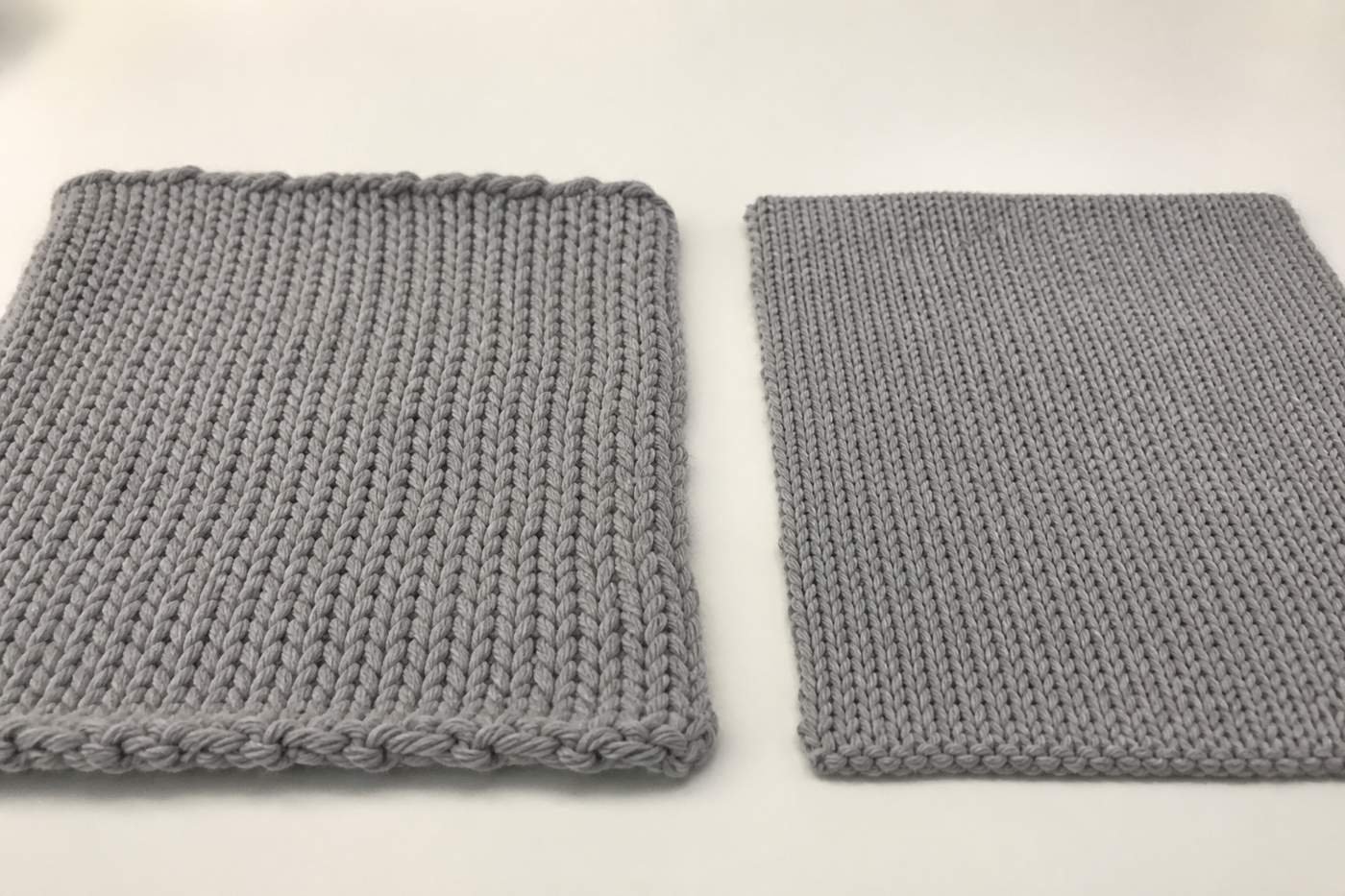
Figure 4. Compaction pre-relaxes the fabric so later dimensional change is reduced.
Сайт Sutexmach textile machinery team can help translate this brief into a practical fabric compactor configuration.
Set overfeed from a complete fabric target
Overfeed is often the first setting discussed in textile compacting, yet it should never be treated as a standalone target. It interacts with incoming GSM, finished width, residual shrinkage, fabric moisture, knit construction, pressure, blanket behavior, and the finishing route before and after compacting. A single jersey fabric and a heavy interlock may need completely different conditions even if they share a nominal fiber composition.
Start development from a measurable target sheet. Include finished width or lay-flat diameter, GSM tolerance, permitted residual shrinkage, expected hand, appearance, spirality tolerance, and downstream garment use. Make a controlled run and measure after cooling and relaxation. If the fabric is too light, too wide, or does not meet shrinkage, adjust one main variable at a time and repeat the wash test. This creates a useful process window instead of a recipe based only on an operator memory.
GSM, width, and shrinkage are one system
Compacting changes lengthwise loop geometry. When fabric is compressed in the machine direction, more loops occupy a given area and GSM can increase. At the same time, width setting changes the area over which the same material is distributed. Wider fabric may lower GSM; narrower fabric may raise it. This is why a fabric can meet its residual shrinkage target but still miss the buyer requirement for weight or width.
Measure values in a consistent order. First confirm incoming fabric condition. Then measure delivery width and weight after compacting. Finally verify residual shrinkage after the agreed laundering and drying route. When results drift, compare incoming greige or dyed fabric, not only the compactor controls. A change in loop length, yarn count, moisture, dyeing relaxation, or heat setting can shift the entire compacting response.
| Observed result | Likely relationship to check | Practical next step |
| Residual shrinkage too high | Insufficient controlled relaxation or unstable entry | Review overfeed, moisture, blanket zone, and wash method |
| GSM too high | Too much lengthwise compaction or narrow width | Verify width target before reducing overfeed |
| GSM too low | Insufficient compaction or excessive width | Check incoming weight, delivery width, and fabric relaxation |
| Width unstable | Spreading, fabric tension, moisture, or knit variation | Inspect expander, fabric path, and lot consistency |
Tubular compacting in knit fabric finishing
Tubular compacting is designed around the fact that circular knit fabrics are made and often used as tubes. Keeping them tubular can preserve a continuous surface and avoid a slit edge. The tube is spread to the desired lay-flat dimension, stabilized through the compacting zone, then delivered in a form suitable for cutting or later finishing. This route is common for T-shirts, underwear, rib trims, and many cotton jersey products.
The key concern is balance. The tube must enter evenly, without excessive twist, fold, or tension. The two layers should behave consistently through steam, blanket, felt, and delivery. If the fabric has spirality, width variation, or side-to-side GSM difference, those defects can become more visible after compaction. Check lay-flat measurement, course and wale direction, and garment-panel behavior as part of the approval plan.
Open-width compacting for flat finishing routes
Open-width compacting is suitable after a fabric has been slit, or where printing, coating, laminating, inspection, and flat-width control make that route more practical. It provides direct access to the fabric face and edges. It may fit certain woven-like knitted articles, technical fabrics, or programs that must integrate with a stenter or coating line.
Open-width operation brings its own controls. Edges must remain flat, web tension must not stretch the fabric after it has been compacted, and the delivery system must avoid reintroducing lengthwise stress. Compare both center and selvedge properties during trials. A compacting result that looks good in the center but differs at the edges can create garment size variation when the fabric is cut across the width.
The role of steam, drying, and cooling
Moisture and controlled heat make fibers and knit loops more able to settle into a relaxed state. Steam can soften the fabric response before compression, while drying removes excess moisture after the compacting zone. Cooling helps stabilize the finished dimensions before measurement and winding. Too little conditioning can leave the fabric resistant to compaction; too much moisture or heat can make handling difficult or affect the target hand.
The correct condition depends on fiber. Cotton and viscose respond strongly to moisture because they absorb water. Synthetic materials may require careful heat control, and blended fabrics must be developed for the combined behavior of their components. Use the finished garment requirement to set the route. The goal is stable fabric behavior after laundering, not merely a particular appearance at the delivery roller.
Compactor felt: a process component, not just a belt
Compactor felt supports fabric movement, pressure distribution, drying behavior, and surface quality. Its thickness, density, heat resistance, surface condition, and tension affect whether the compacting zone works evenly across the width. A felt that is too hard, worn, glazed, contaminated, or poorly tracked can cause marks, uneven compression, widthwise variation, or unstable shrinkage results.
Select felt from the machine conditions and fabric program. Review maximum temperature, felt material, thickness, machine dimensions, fabric face sensitivity, and expected service environment. Inspect it regularly for tracking, contamination, seam condition, surface glazing, edge wear, and tension. A felt should be replaced because its performance is declining, not only after a fixed time period. Keep historical results so the mill can see when felt condition begins affecting quality.
Troubleshooting fabric compacting defects
When residual shrinkage increases, first verify the wash test and sample conditioning. Then review incoming fabric condition, steam or moisture, overfeed, pressure zone, blanket, felt, and delivery tension. A sudden issue on one lot may start in knitting or dyeing rather than in the compactor. A repeating issue at the same machine position suggests a mechanical cause. This distinction saves time and prevents broad recipe changes.
Creases or felt marks need immediate attention because they can become permanent visual defects. Check fabric entry, spreading, tension, felt cleanliness, roller buildup, and the path around the blanket. For width fluctuation, inspect the expander, tubular spreader or open-width devices, and the relation between feed and delivery. For uneven GSM, compare edge and center weight, then look for uneven compression, fabric moisture, or width variation.
Build a quality-control plan for a shrinkage control machine
The quality plan should begin with a representative sample from the incoming batch and end with a sample taken after finished fabric has cooled and relaxed. Record fabric code, lot, incoming GSM, width, moisture condition, machine recipe, and final measurements. Include residual shrinkage after the agreed washing method. Where garment fit is important, cut and wash a panel or finished garment during product development.
Use a clear escalation rule. If residual shrinkage moves outside tolerance, hold the fabric or identify the affected roll range before it reaches cutting. If width or GSM changes, check whether the buyer specification allows a process adjustment. Fast communication between knitting, dyeing, finishing, laboratory, and garment teams is more valuable than a late inspection report. Compacting succeeds when the whole route produces predictable garment dimensions.
Capacity, energy, and total cost of ownership
A compacting machine should be sized for saleable output, not ideal line speed. Heavy fabrics, high shrinkage targets, frequent style changes, felt maintenance, and detailed testing all affect usable capacity. Include threading, warm-up, cooldown, cleaning, fabric changes, quality holds, and blanket or felt service in production planning. A stable line at a realistic speed usually produces more good fabric than a line pushed beyond its control window.
Total cost includes steam or heating energy, electricity, water where used, labor, consumable felt and blanket systems, cleaning, spare parts, maintenance, rework, and rejected fabric. The commercial value is not only lower residual shrinkage. Better dimensional stability can reduce garment-size claims, cutting loss, and rewash failures. Compare a machine investment with these avoided costs as well as its purchase price.
Commissioning checklist and operator training
- Confirm utilities, steam or heat source, ventilation, drainage, guarding, emergency stops, and service access before production trials.
- Inspect blanket, felt, rollers, pressure system, spreaders, sensors, width devices, fabric path, and delivery winding.
- Run trials using actual fabric constructions, production widths, wash standards, and target garments rather than only demonstration samples.
- Approve recipes using residual shrinkage, GSM, width, surface condition, hand, spirality, and downstream performance together.
- Train operators to recognize felt wear, blanket issues, fabric tension faults, crease risks, and the correct response to a quality drift.
- Maintain reference samples, recipe sheets, daily checks, preventive-maintenance records, and a procedure for lot-to-lot changes.
Commissioning is complete when the mill team can make an approved fabric repeatedly without relying on a visiting technician. The key deliverables are not simply a running machine and a speed figure. They are stable recipes, trained operators, defined tests, approved samples, and a maintenance plan that protects dimensional stability over time.
Frequently asked questions
What is a compacting machine used for?
It mechanically pre-relaxes fabric, particularly knit fabric, to reduce residual shrinkage and help control GSM, width, and final hand.
Does compacting increase GSM?
It often can, because lengthwise compaction places more fabric within a given area. Width and incoming fabric condition also affect the final GSM.
What is the difference between a compactor and a stenter?
A stenter mainly controls drying, width, and heat setting. A compactor mechanically relaxes fabric to control residual wash shrinkage. They often work together in a finishing route.
Why is compactor felt important?
Felt supports consistent transport, pressure distribution, and surface quality. Its condition affects shrinkage uniformity, marks, and stable operation.
Final takeaway
A compacting machine controls fabric shrinkage by allowing the textile to relax in a controlled overfeed and compression zone. It is especially valuable for cotton knit fabric compacting, where residual shrinkage, GSM, and width are closely linked. Choose the line from fabric type and process route, then prove the recipe through measured wash tests.