


 Portuguese
 English
 Hungarian
 Indonesian
 Bulgarian
 Turkish
 Polish
 Russian
 Spanish
 Korean
 French


Fábricas de tecidos em ritmo acelerado exigem uma produção contínua para serem lucrativas. No entanto, paradas não planejadas rapidamente destroem suas margens de lucro. Por que máquinas têxteis complexas quebram? Identificar essas falhas precocemente evita atrasos dispendiosos. Neste post, exploramos sete causas e soluções. Você aprenderá estratégias para proteger o OEE e a qualidade.
The True Impact of Unplanned Downtime Causes Textile Mill Operations Face

As we noted earlier, sudden machine stops destroy your profit margins. In modern fabric production, unplanned downtime means any unexpected halt. High-speed equipment stops running when it should be producing. This failure directly hurts your Overall Equipment Effectiveness (OEE).
When a machine stops, the financial damage hits immediately. You quickly lose valuable production hours. Raw materials often suffer damage during sudden stops. Yarn quality drops, leading to high scrap rates. Energy waste also spikes as motors strain before failing. Finally, these delays push back your customer shipment dates.
Textile manufacturing relies on a continuous chain of events. A single breakdown creates a massive ripple effect. Downstream processes starve when upstream machines fail. For example, a sudden halt in a dyeing unit delays everything else. It stops your drying machines and stenter frames from working. At SutexMach, we have built intelligent textile machinery since 1985. We know how deeply one failed component impacts the entire mill.
Here is how unexpected stops damage your operations:
| Impact Area | Direct Result of Machine Failure |
|---|---|
| Velocidade de produção | Lost hours and severe bottlenecks across all shifts. |
| Material Quality | Fiber breakage, inconsistent tension, and wasted fabric. |
| Energy Usage | Power consumption spikes from mechanical friction and motor strain. |
| Downstream Flow | Dyeing delays stall subsequent drying and finishing steps. |
You must uncover why textile machines break down. This knowledge forms your first line of defense. Identifying the root issues protects your operational efficiency. It also helps you implement effective [Métodos de prevenção de falhas em máquinas têxteis]. By fixing these core problems, you secure your profit margins. Evaluating a parada não planejada causa a fábrica de tecidos managers encounter daily reveals clear patterns. We will explore these specific causes next.
Por que as máquinas têxteis quebram: 7 causas e soluções
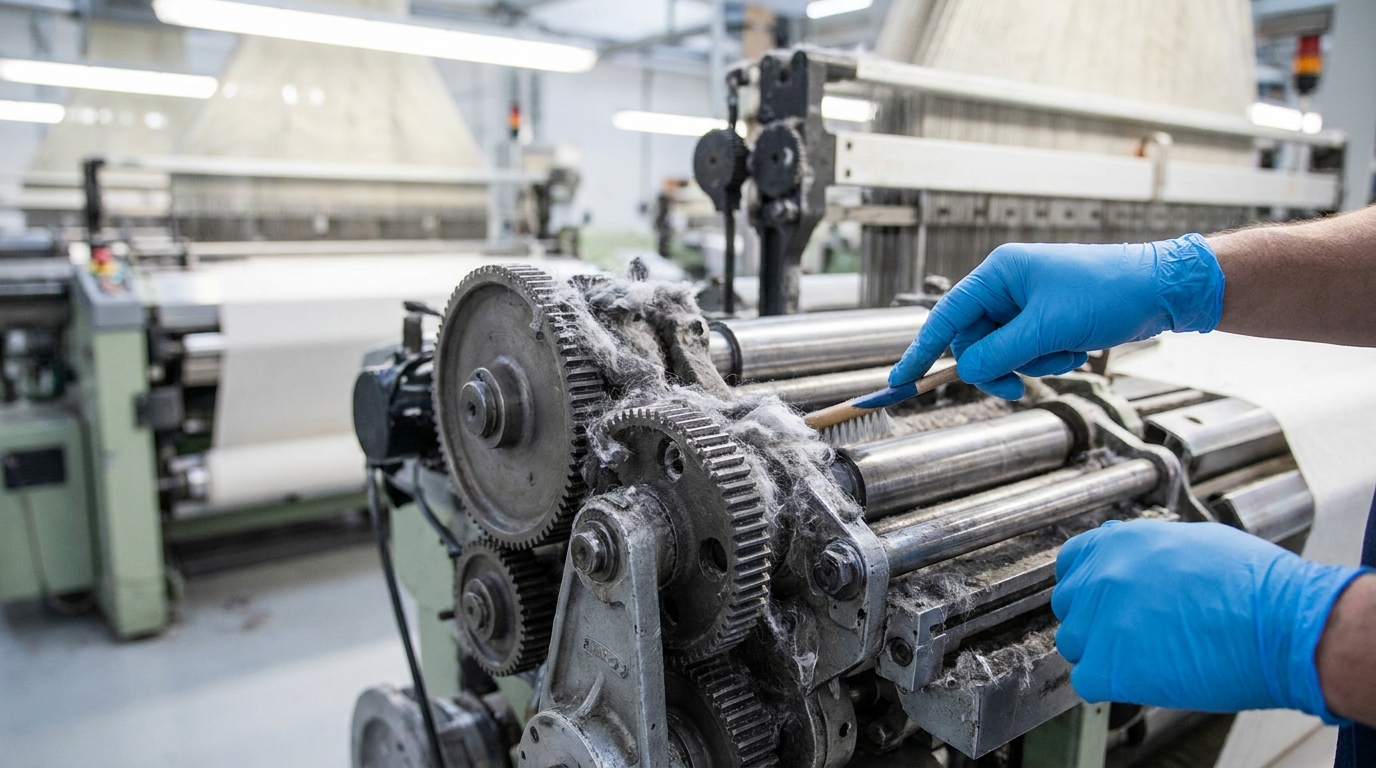
As we covered earlier, unexpected halts severely damage your production flow. Now, let us examine exactly why textile machines break down. We will outline seven common culprits and their practical solutions. Understanding these issues helps you discover como reduzir o tempo de parada das máquinas na indústria têxtil operations.
Cause 1: Excessive Lint, Dust, and Fiber Accumulation
The Problem: Textile processing generates massive amounts of flying fibers. Dust easily builds up inside moving parts and ventilation systems. This lint blinds AI vision cameras and blocks PLC sensors. It also acts as insulation. Motors quickly overheat. This accumulation creates a severe fire hazard across the mill.
The Fix: Implement strict daily cleaning protocols. Industrial vacuums remove debris safely. Avoid using compressed air near sensitive electronics. Install proper ambient extraction systems. Use scheduled shutdown management modules to perform deep cleaning on high-speed equipment.
Cause 2: Inadequate Lubrication of Moving Components
The Problem: Heavy-duty machinery experiences extreme friction. Calendering and sueding machines require precise lubrication. Without proper oil, metal grinds against metal. Bearings fail prematurely. Friction spikes energy consumption before the motor finally breaks.
The Fix: Transition to automated lubrication systems. If you rely on manual greasing, enforce strict schedules. Always use high-grade, temperature-resistant oils. At SutexMach, we build robust sueding and calendering machines for global fabric mills. We always advise operators to follow exact lubrication guidelines. This simple step protects your mechanical investment.
Cause 3: Natural Wear and Tear from Continuous Operation
The Problem: Fabric mills often run continuously. Belts, bearings, chains, and gears degrade naturally over time. High-speed spindles endure exponential wear compared to slower industrial equipment. Micro-tears develop on conveyor belts. These tiny defects eventually cause catastrophic failures.
The Fix: Conduct routine visual and automated inspections. Use AI vision cameras to detect conveyor belt tears early. Replace consumable parts proactively. Never wait for a component to reach its breaking point.
Cause 4: Electrical and Sensor Failures
The Problem: Modern intelligent textile machinery relies heavily on electronics. Power surges easily damage wiring. Faulty PLCs halt production instantly. A single blind sensor disrupts yarn quality prediction systems. This leads to high scrap rates.
The Fix: Perform routine electrical audits. Install high-quality voltage stabilizers. Keep backup sensors in your spare parts inventory. Integrate your PLC sensors directly into a CMMS. This setup automatically triggers work orders when vibration or temperature thresholds exceed normal limits.
Cause 5: Operator Error and Improper Machine Setup
The Problem: Human error remains a massive factor. Incorrect tension settings cause severe mechanical jams. Running machines at the wrong speeds leads to fiber breakage. Improper loading and unloading physically damage delicate components.
The Fix: Invest heavily in ongoing training programs. Strictly enforce Standard Operating Procedures (SOPs) for all operators. Ensure workers understand how different fiber types increase mechanical load. Clear shift logbooks help track setup changes between teams.
Cause 6: Using Substandard or Counterfeit Spare Parts
The Problem: Cost-cutting often tempts managers to buy cheap replacement parts. These substandard components fail rapidly. Worse, they cause severe secondary damage to surrounding mechanisms. A cheap bearing can easily destroy an entire high-speed spindle.
The Fix: Always source original, high-quality spare parts. Buy directly from trusted machinery manufacturers. Tracking your inventory ensures critical components remain available for immediate repair. This prevents desperate purchases of counterfeit parts during sudden stockouts.
Cause 7: Lack of a Proactive Maintenance Culture
The Problem: Many mills operate on a run-to-failure mindset. This reactive approach guarantees unexpected breakdowns. Fixing equipment after it fails is the most expensive maintenance category. It maximizes your unplanned downtime.
The Fix: Shift your organizational focus toward predictive care. Monitor machine conditions in real time. Establish a strict textile mill preventive maintenance schedule. Use data integration to capture real-time vibration and speed data. Moving from reactive firefighting to proactive care protects your OEE.
Here is a quick summary of the maintenance strategies you should adopt:
| Maintenance Type | Definição | Cost Impact |
|---|---|---|
| Reactive | Fixing equipment only after it completely fails. | Highest cost due to lost production and severe damage. |
| Preventive | Servicing machines at scheduled intervals or cycles. | Moderate cost. Highly effective for routine care. |
| Predictive | Using AI and sensors to forecast exact failure times. | Lowest long-term cost. Maximizes machine uptime. |
How to Reduce Machine Downtime in Textile Industry Facilities

We just explored why textile machines break down and their fixes. Waiting for equipment to fail is a dangerous game. You must shift your focus to proactive care. Let us explore practical steps to keep your mill running continuously.
Adopt a Data-Driven Maintenance Strategy
You must abandon the run-to-failure mindset. Shift your focus toward a proactive, data-driven strategy. Establish a strict textile mill preventive maintenance schedule. This routine care prevents unexpected halts. Use modern data integration to monitor your equipment. Track real-time vibration and speed data continuously. Connect your PLC sensors directly to your management systems. They will automatically trigger work orders when thresholds exceed normal limits. This approach stops small issues from escalating.
Upgrade to Intelligent Textile Machinery
Older equipment often lacks self-monitoring capabilities. Upgrading your facility makes a massive difference. Utilize intelligent textile machinery equipped with built-in diagnostic tools. These systems send automated fault alerts instantly. They warn you before a motor overheats or a belt snaps. At SutexMach, we build smart technology into our stenter, warp knitting, dewatering, and air-softening machines. Our equipment helps you catch minor misalignments early. This technology protects your production flow and ensures consistent fabric quality.
Maintain a Strategic Spare Parts Inventory
Missing parts cause severe production delays. You cannot afford to wait days for a replacement bearing. You must maintain a well-organized inventory of critical spare parts. You must track your stock levels accurately. Keep specialized belts, sensors, and high-speed spindles on hand. This preparation minimizes waiting times during unexpected breakdowns. It also removes the temptation to install cheap, counterfeit parts. Original components ensure your machines run safely after repairs.
Foster Operator Ownership and Daily Checks
Your operators interact closely with the equipment every day. They serve as your first line of defense against breakdowns. Foster a strong culture of ownership among your floor staff. Encourage them to perform basic daily health checks. They can easily spot excessive lint buildup or unusual loom vibrations. Train them to report these early warning signs immediately. Using clear shift logbooks ensures smooth communication between different teams.
Here is a breakdown of daily responsibilities to keep your machines healthy:
| Role | Daily Health Check Responsibilities |
|---|---|
| Machine Operators | Listen for unusual noises. Check for excessive lint accumulation. Record tension settings in the shift logbook. |
| Maintenance Technicians | Review automated fault alerts. Inspect PLC sensor data. Lubricate high-friction components based on schedules. |
| Inventory Managers | Audit critical spare parts. Reorder consumable belts and bearings before stockouts occur. |
Textile Machine Breakdown Prevention Methods for Modern Mills
While daily operator checks form a strong defense, modern facilities need advanced strategies. Relying solely on manual inspections leaves dangerous gaps. You need comprehensive textile machine breakdown prevention methods to protect your entire line. Understanding why textile machines break down and applying these fixes ensures long-term success. Let us look at how upgrading systems and environments keeps your mill running.
Implement Condition Monitoring
You must move beyond simple visual inspections. Implement condition monitoring across your entire production floor. Smart sensors attach directly to your high-speed equipment. They track vibration, temperature, and motor noise in real time. These tools catch minor anomalies very early. For example, a slight temperature rise often indicates bearing friction. Sensors detect this long before the motor overheats. Integrate these tools into your management software. These systems trigger maintenance alerts automatically. This keeps your team one step ahead of catastrophic failures.
Upgrade Aging Equipment
Older, legacy machines break down frequently. They lack the diagnostic tools needed for modern production. You should replace obsolete equipment with intelligent alternatives. Modern units feature significantly lower failure rates. At SutexMach, we have manufactured intelligent textile machinery since 1985. We engineer our advanced air-softening and dewatering machines for maximum reliability. Upgrading to these modern systems removes the constant threat of unexpected halts. Smart machines monitor their own health continuously. They alert you to mechanical issues before they disrupt your daily schedule.
Improve Environmental Controls
The environment inside your mill heavily impacts machine health. Poor ambient conditions accelerate natural wear and tear. You must improve your environmental controls immediately. Maintain optimal humidity and temperature levels across the floor. High heat damages sensitive electronic components rapidly. Low humidity causes severe static electricity buildup. Static attracts dust and lint directly into moving parts. It also disrupts PLC sensors and AI vision cameras. Install climate control systems to stabilize the room. A controlled environment protects your machinery and improves yarn quality.
Here is a breakdown of how these prevention methods protect your facility:
| Prevention Method | Target Area | Direct Benefit to the Mill |
|---|---|---|
| Condition Monitoring | Motors, bearings, and high-speed spindles. | Detects friction and vibration before parts break. |
| Equipment Upgrades | Obsolete units lacking self-diagnostics. | Lowers failure rates and automates fault alerts. |
| Environmental Controls | Ambient temperature and room humidity. | Prevents static buildup and protects electronics. |
Implementing a Reliable Textile Mill Preventive Maintenance Schedule
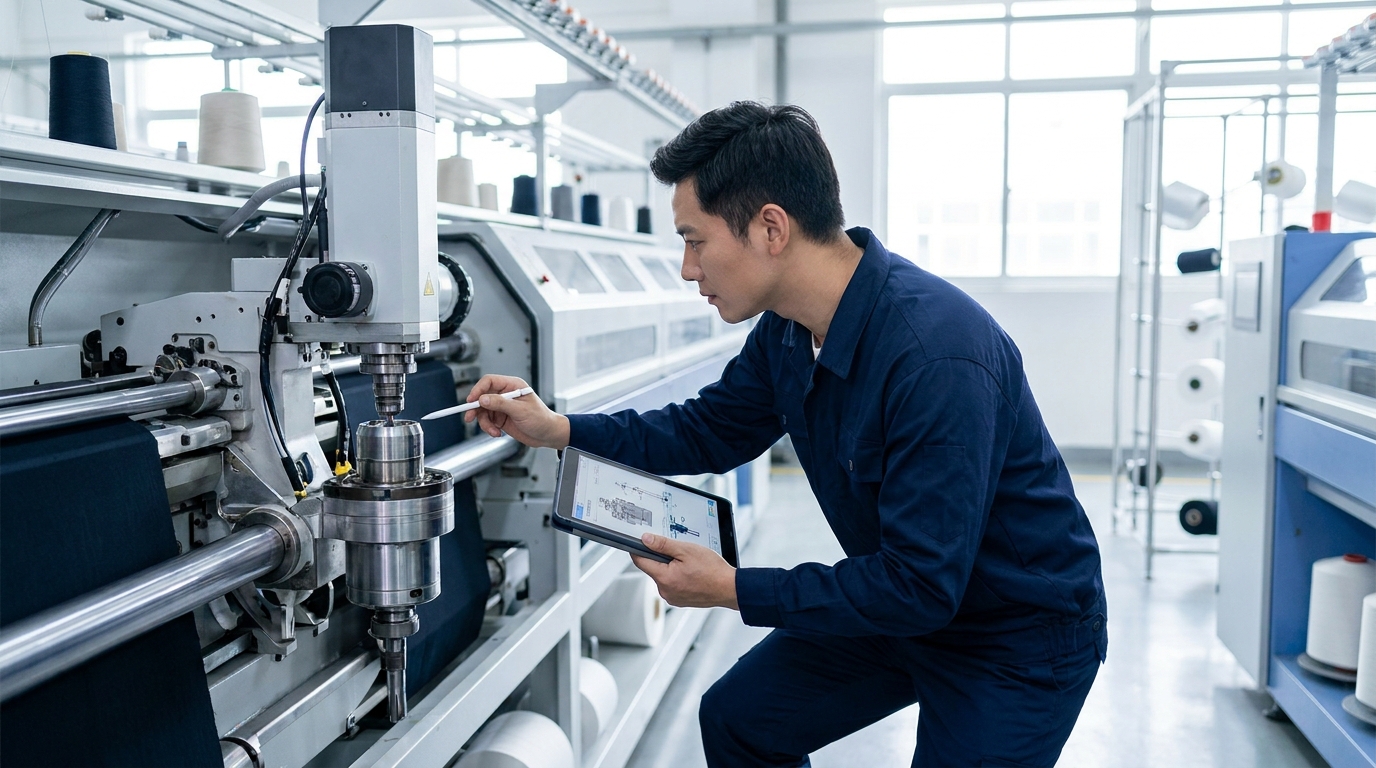
We just discussed upgrading your systems and improving environmental controls. While these advanced methods protect your facility, they require a solid foundation. You need a structured timeline to keep machinery running at peak performance. A clear schedule prevents unexpected halts without disrupting daily production. A well-planned cronograma de manutenção preventiva da fábrica têxtil organizes your care routines. It ensures your team addresses minor wear before it causes major breakdowns. This proactive approach directly protects your OEE.
Daily Tasks for Immediate Machine Health
Your operators handle these quick checks every shift. They perform visual inspections across all active lines. Workers must remove excessive lint and dust buildup safely. They also check safety guards to ensure a secure working environment. Finally, technicians verify basic lubrication levels on high-friction components. These simple habits stop small issues from escalating.
Weekly and Monthly Deep Inspections
Maintenance teams step in for these detailed routines. Every week, they check conveyor belt tensions to prevent slipping. They also calibrate AI vision cameras and PLC sensors. Monthly tasks involve inspecting electrical panels for loose wiring or heat damage. Teams execute scheduled shutdown management to perform deep cleaning. This removes stubborn fiber accumulation from internal ventilation systems.
Annual Overhauls and Software Updates
Once a year, you must perform major structural inspections. Teams update software for all intelligent systems to improve yarn quality prediction. Heavy equipment requires comprehensive overhauls during these planned shutdowns. At SutexMach, we engineer robust machinery for global fabric mills. We highly recommend thorough annual servicing for large units like our stenters and dyeing machines. This deep maintenance restores them to factory-level efficiency.
Automating with a CMMS
Tracking these tasks manually leads to missed deadlines. We recommend using a Computerized Maintenance Management System (CMMS). This software automates your entire schedule. It tracks spare parts inventory and optimizes technician workflows. A CMMS integrates directly into your equipment sensors. It generates automated work orders exactly when a machine needs attention.
Here is a breakdown of a structured maintenance timeline:
| Maintenance Frequency | Key Tasks Performed | Primary Goal |
|---|---|---|
| Daily | Visual checks, lint removal, safety guard verification, basic lubrication. | Prevent immediate hazards and motor overheating. |
| Weekly / Monthly | Belt tension checks, sensor calibration, electrical inspections, deep cleaning. | Maintain precision and prevent electrical failures. |
| Annually | Structural audits, software updates, heavy equipment overhauls. | Extend equipment lifespan and restore peak efficiency. |
SutexMach: Your Partner in Reliable and Intelligent Textile Machinery
Implementing a strict maintenance schedule protects your facility. However, even the best routines cannot save inherently weak equipment. You need a strong mechanical foundation. Partnering with a trusted manufacturer solves the core issue of why textile machines break down.
Founded in 1985, SutexMach brings over 30 years of professional manufacturing experience. We are proudly affiliated with Jiangsu SoHo Honry Import & Export Co., Ltd. Our team specializes in engineering intelligent textile machinery for global fabric mills. We understand the extreme high-speed demands of modern production. We design our equipment specifically to eliminate common failure points.
Our comprehensive range covers every step of your production line. We build durable sueding and calendering machines that withstand extreme friction. We also manufacture advanced drying, stenter, and dyeing units. For specialized needs, we provide high-quality warp knitting, dewatering, and air-softening machines. Every unit features robust engineering to prevent unexpected halts.
Here is how our intelligent machinery protects your production flow:
| Equipment Category | Production Role | Intelligent Design Benefit |
|---|---|---|
| Sueding & Calendering | Fabric finishing and texture modification. | Heavy-duty bearings resist extreme friction and premature wear. |
| Drying & Stenter | Moisture removal and fabric stretching. | Advanced environmental controls prevent lint-induced motor overheating. |
| Dyeing & Dewatering | Color application and excess water extraction. | Corrosion-resistant materials prevent natural degradation over continuous cycles. |
| Warp Knitting & Air-Softening | Yarn processing and final fabric softening. | Integrated sensors monitor tension to prevent severe fiber breakage. |
As we covered earlier, counterfeit components easily destroy your machinery. Partnering with SutexMach guarantees continuous access to authentic spare parts. We keep your inventory stocked with original, high-quality components. Our expert technical support team helps you optimize machine setups quickly. We guide you through resolving the 7 causes and fixes of equipment failure. We provide the exact tools and knowledge to keep your production lines running smoothly.
Conclusão
Textile breakdowns stem from dust, wear, errors, and faulty parts. Applying practical fixes and strict maintenance schedules is essential. Proactive prevention will easily protect your mill’s profits. Investing in intelligent SutexMach equipment ensures long-term reliability and minimal downtime. Take action today with these quick steps.
- Schedule an audit of your factory equipment.
- Train workers to spot mechanical warning signs.
- Contact SutexMach for smart machinery upgrades today.
Frequently Asked Questions About Textile Machine Breakdowns
How can I stop high-speed textile machines from breaking down?
You need to switch from reactive to predictive maintenance. Modern systems use AI and PLC sensors. They monitor vibration and temperature in real time. This helps you fix problems before they happen. Upgrading to intelligent textile machinery is another great option. SutexMach offers smart equipment with over 30 years of experience. Their machines, like stenters and dryers, help prevent unexpected failures.
Why does machine wear cause bad yarn and fabric quality?
High-speed equipment demands perfect alignment to work correctly. Even tiny misalignments cause intense mechanical friction. This friction damages the fibers and creates inconsistent yarn. Worn parts also lead to very high scrap rates. You cannot always see this damage with your own eyes. AI vision cameras can detect these tiny defects instantly. This keeps your fabric quality high and reduces waste.
Can older textile machines use modern smart sensors?
Yes, you can upgrade older machines with new technology. This process is called a brownfield industrial project. You can attach modern PLC sensors to your existing equipment. These sensors track machine speed and motor strain easily. They send valuable data straight to your maintenance system. This setup helps you track Overall Equipment Effectiveness. It brings older mills into the modern digital age.
What is the biggest cost of textile machine failure?
Unplanned downtime is the largest cost in textile manufacturing. When machines stop suddenly, your entire production line halts. You lose valuable time and miss important customer deadlines. Reactive maintenance is always the most expensive way to operate. You must pay for emergency repairs and wasted energy. Using a Computerized Maintenance Management System solves this problem. It keeps your mill running smoothly and profitably.
How do I prevent spare parts from running out?
Missing specialized bearings or belts will stop your production completely. You need a good inventory and parts management system. Software can track your spare parts in real time. It alerts you before critical components run out. This prevents long delays during sudden mechanical breakdowns. You can also sync this data with your ERP system. This ensures you always have the right parts ready.
Next Steps
- Install smart PLC sensors on your oldest spinning frames today.
- Schedule a deep cleaning session to remove dangerous fiber lint.
- Upgrade your mill with SutexMach intelligent drying and dyeing machines.
- Set up AI vision cameras near conveyor belt transfer points.
Textile machine breakdowns cause expensive delays and lower your fabric quality. You can prevent these issues by using smart technology. Predictive maintenance and AI sensors catch small problems early. Upgrading to intelligent equipment from SutexMach also improves reliability. Proper inventory tracking ensures you always have spare parts. Managing your machines proactively will boost your overall productivity.