


 Polish
 English
 Hungarian
 Indonesian
 Bulgarian
 Turkish
 Russian
 Spanish
 Portuguese
 Korean
 French


A practical guide to choosing a warp knitting machine by fabric structure, end use, and production priorities.
https://www.sutexmach.com/
Quick answer: which warp knitting machine should you choose?
Wybierz maszynę odpowiednią do wybranej tkaniny, a nie tylko po nazwie samej maszyny. Maszyna dziewiarska typu trykot zwykle jest najlepszym rozwiązaniem dla gładkich, stabilnych i lekkich tkanin. Maszyna raschel jest lepsza w przypadku struktur otwartych, faktury, cięższych konstrukcji czy wielu opcji wzorów. Dziewiarstwo warstwowe z podwójną igłową to specjalistyczny wybór dla tkanin przestrzennych oraz innych konstrukcji wymagających dwóch połączonych powierzchni tkaniny.
All three systems use warp knitting technology: many yarns run in parallel from warp beams and form loops across the width together. Their needle systems, guide-bar arrangements, gauges, and take-down setups shape the fabric differently. Those differences affect handle, stretch, opacity, airflow, thickness, finishing needs, and the markets your line can serve.
| If your priority is… | Start by evaluating… | Typical output |
| Smooth speed and close-to-skin comfort | Tricot knitting machine | Lingerie, linings, sportswear, swimwear, lightweight technical fabric |
| Openwork, texture, complex patterns, or mesh | Raschel machine | Lace, nets, mesh, curtains, automotive and technical textiles |
| Thickness, cushioning, airflow, or two fabric faces | Double needle bar warp knitting machine | 3D spacer fabric, footwear, seating, mattresses, protective structures |
How warp knitting technology works
A warp knitting machine feeds a large number of yarns in the machine direction. The yarns are arranged on warp beams, guided through guide bars, and knitted simultaneously into rows of interlinked loops. In contrast to weft knitting, where one yarn often travels across the course, warp knitting relies on parallel yarn supply. It is valued for efficient production and fabrics that can be dimensionally stable.
The yarn path is only part of the story. Needles form loops while guide bars control how yarns overlap and underlap from needle to needle. Changing the lapping movement can create a compact ground, a visible mesh, a pillar stitch, or a layered construction. Take-down tension then pulls the fabric away from the knitting zone. A small adjustment in yarn tension or lapping can noticeably change a warp knitting fabric.
What buyers should define before comparing machine types
- The required fabric structure: smooth, mesh, lace-like, plush, reinforced, or spacer.
- The end use: apparel, home textiles, footwear, automotive, medical, industrial, or outdoor products.
- Yarn family and count: polyester, nylon, elastane, recycled yarns, monofilament, or specialty yarns.
- Target weight, width, gauge, stretch, breathability, surface appearance, and finishing route.
- Expected lot size, changeover frequency, labor support, utilities, spare parts, and quality tolerance.
Tricot knitting machine: the smooth, fast fabric specialist
A tricot knitting machine is commonly selected for fine-gauge, smooth-faced warp knitting fabric. It typically uses compound needles and a comparatively compact knitting arrangement. The resulting fabric often feels even and refined on its technical face, making it a familiar choice for lining fabrics, lingerie, swimwear, sportswear, and other products worn close to the body.
Its strength is not simply speed. The system gives producers reliable control over lightweight, dense constructions when yarn quality, warp preparation, and tension are managed well. Many tricot fabrics also provide good coverage for their weight. This helps designers build soft, drapable products without automatically moving to a heavier fabric.
When a tricot knitting machine is the practical choice
Start with tricot if the product brief asks for a smooth surface, moderate-to-good dimensional stability, and efficient repeat production. It can suit simple constructions, but it also supports functional variants through yarn selection, guide-bar lapping, elastane insertion, brushing, coating, or lamination. A tricot line can therefore serve both fashion-oriented and technical programs.
The trade-off is design freedom. Compared with many raschel setups, tricot is generally less natural for highly open meshes, deep textures, large jacquard effects, or very bulky constructions. That is not a defect. It is a reason to align the machine with the desired fabric character early.
Key specification questions for tricot
- Which gauge supports the target yarn size and coverage without creating avoidable needle damage?
- How many guide bars are needed for the ground, pattern, elastane, or technical yarn insertion?
- Will the planned fabric need dyeing, brushing, coating, bonding, heat setting, or lamination?
- Can the creel, beam preparation, and electronic controls maintain repeatable tension across the full width?
Raschel machine: the flexible route to mesh, texture, and complex structures
A raschel machine is often the more flexible choice for visible structure. Raschel warp knitting commonly uses latch needles and can work with a broader range of guide-bar movements. It is well suited to open mesh, lace-like effects, netting, textured grounds, technical reinforcement layers, and heavier or more dimensional fabrics. The exact result depends on the model, gauge, guide bars, yarns, and pattern capability.
For a product developer, the main advantage is design latitude. A raschel machine can place yarns in more expressive paths, allowing holes, relief, net structures, or layered effects to become part of the fabric design. This makes it useful for fashion lace, bags, shoe components, mosquito netting, vehicle textiles, filtration media, and many industrial textile applications.
When a raschel machine makes more commercial sense
Choose a raschel machine when fabric appearance or openness is central to product value. It is also worth considering when the program needs more frequent pattern changes or a varied product mix. A machine with the right electronic pattern system and guide-bar arrangement can help a producer shift between related constructions without treating every new design as a completely new factory project.
However, flexibility increases the need for planning. Open structures can reveal yarn breaks, uneven tension, and setup errors quickly. They may need clear inspection standards, especially when the fabric is used for safety, filtration, upholstery, or apparel where the visual surface matters. The target market should determine the inspection method, not the other way around.
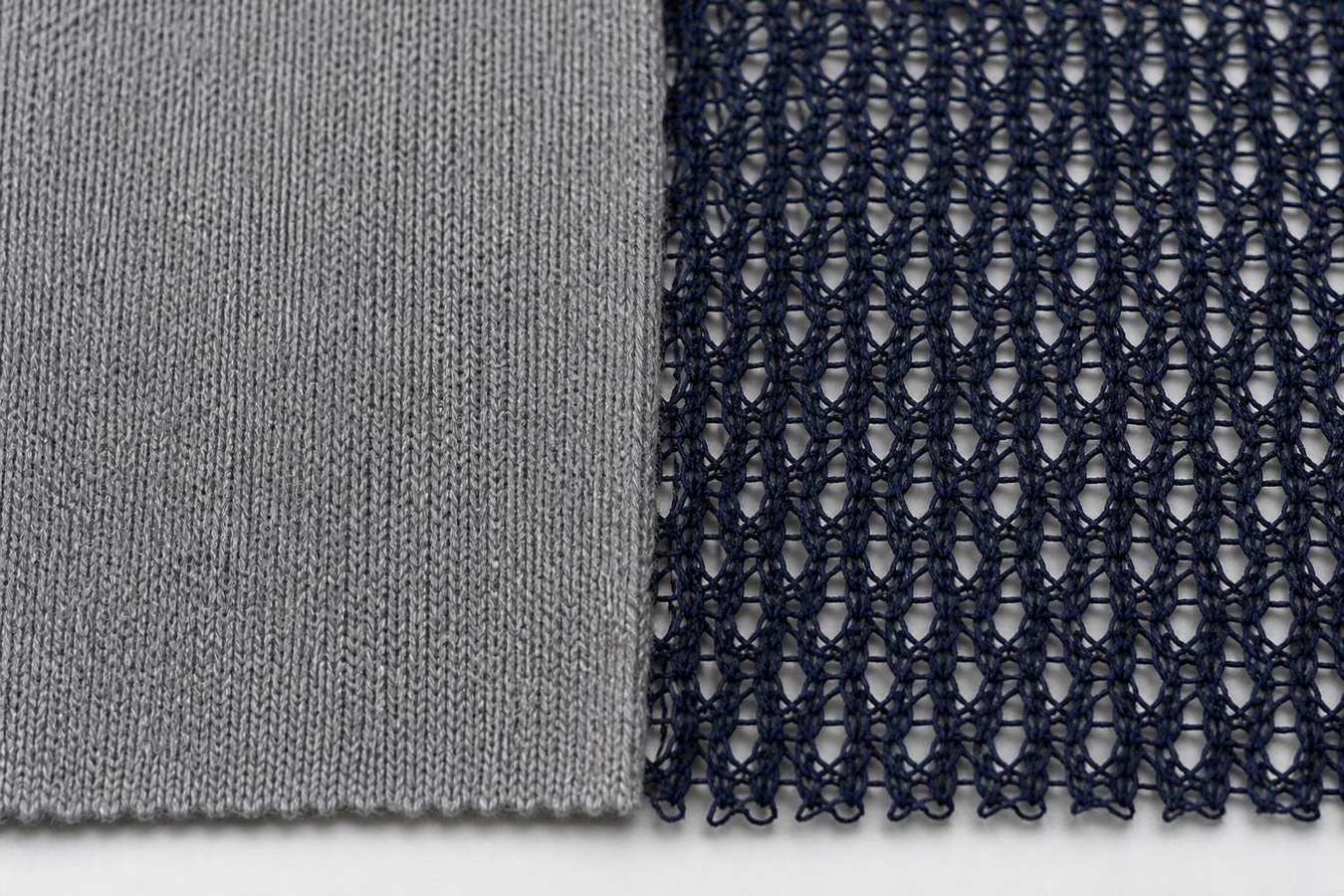
Figure 2. Tricot usually delivers a smoother, denser surface; raschel constructions make structure and openness easier to express.
Double needle bar warp knitting: for spacer and two-face constructions
Double needle bar warp knitting uses two needle beds to create two fabric surfaces at the same time. Connecting yarns join those faces, forming a three-dimensional textile structure. This is the core idea behind many spacer fabrics. The finished material can provide thickness, resilience, ventilation, or controlled compression without relying on a separate foam layer.
This construction opens different markets from a standard single-needle-bar fabric. It can be used for footwear uppers, mattresses, seating, backpack panels, automotive interiors, protective padding, and performance products where air movement or cushioning matters. The value comes from engineered structure, not just a thicker fabric weight.
What to control in double needle bar warp knitting
The selection discussion must include spacer distance, connecting-yarn behavior, face fabric design, target compression, recovery, and downstream cutting or lamination. Monofilament or specialty yarns may influence stiffness and airflow. A fabric that looks excellent on a roll can still fail its end-use test if thickness recovery, abrasion resistance, or edge stability is not specified upfront.
Double needle bar warp knitting is also less forgiving of vague product briefs. A buyer should provide a sample, end-use test plan, or measurable performance target. Ask how the machine handles fabric separation, tension balancing across both sides, and consistent take-down. These details matter when thickness must remain even across a wide fabric.
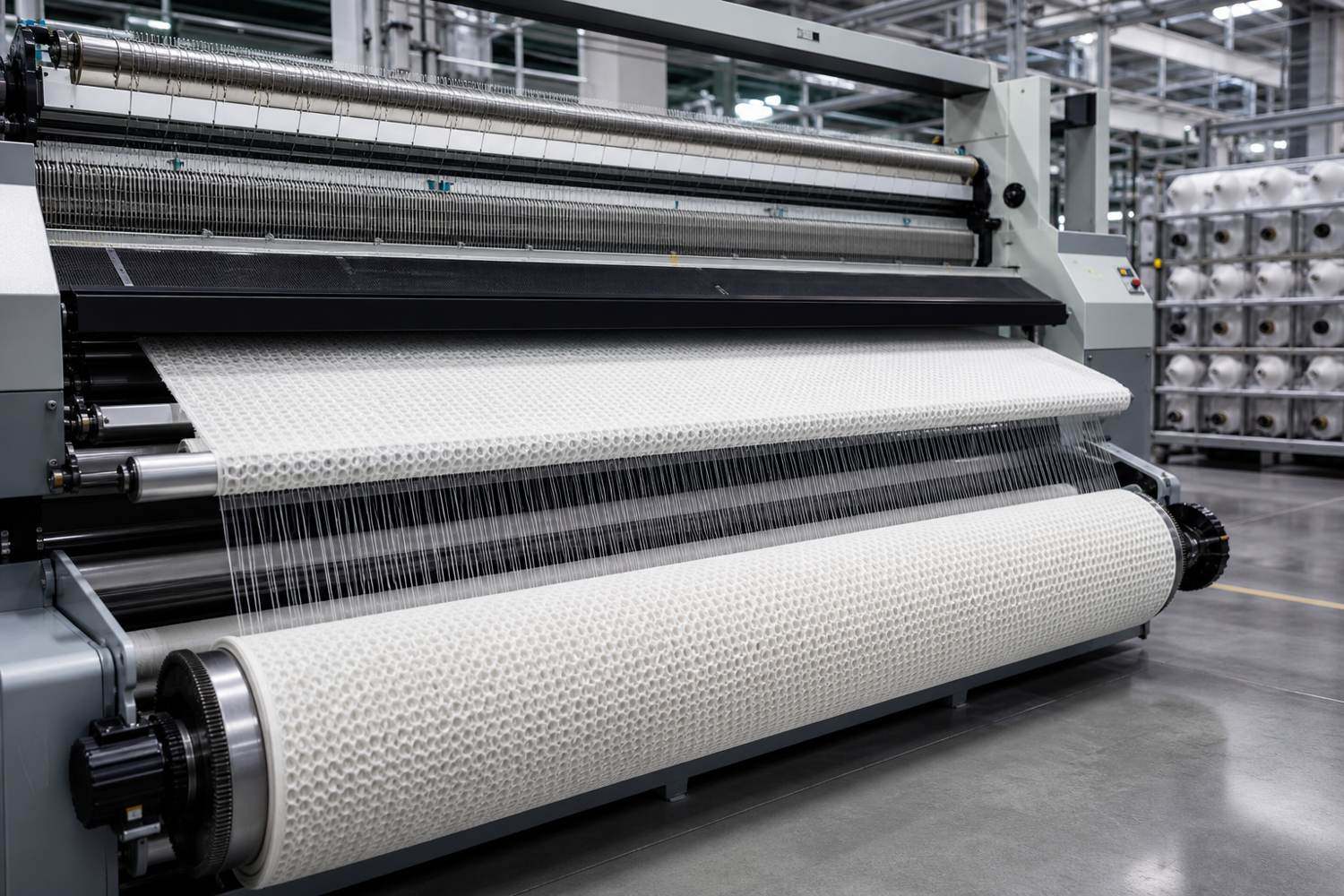
Figure 3. Double needle bar systems join two fabric faces through connecting yarns to form a spacer construction.
Tricot vs. raschel vs. double needle bar: choose by fabric outcome
| Machine family | Best matched fabric goal | Strength | Watch closely |
| Tricot knitting machine | Smooth, fine, stable, lightweight fabric | Efficient production and a clean surface | May not be the first choice for very open or bulky designs |
| Raschel machine | Mesh, lace, netting, textured or patterned fabric | Wide design latitude and open structures | Yarn tension and visible defects need close control |
| Double needle bar warp knitting | Spacer, cushioning, ventilation, connected double-face fabric | 3D structure and engineered thickness | Thickness recovery and end-use testing are essential |
Do not treat this chart as a universal ranking. A high-quality warp knitting machine must still be matched to the yarn, intended construction, operator skills, and process support around it. The right machine is the one that makes your required fabric consistently at an acceptable conversion cost.
How to select a warp knitting machine for your production plan
1. Begin with a measurable fabric brief
Use a reference swatch whenever possible. Record weight, width, thickness, stretch direction, cover, mesh size, loop appearance, color process, and performance expectations. If there is no physical sample, define the commercial use in detail. “Sports mesh” is too broad. “A breathable shoe-upper mesh needing stable edges after heat setting” gives a supplier something useful to engineer around.
2. Match yarn preparation to the knitting platform
Warp knitting performance begins before yarn reaches the needles. Beam quality, yarn tension, package condition, and creel configuration influence stripe marks, dropped stitches, and fabric uniformity. Discuss yarn types and counts before locking machine gauge. If recycled, textured, elastic, monofilament, or high-tenacity yarns are planned, include actual yarn samples in trials whenever possible.
3. Evaluate capability beyond the knitting head
A productive installation includes beam preparation, creeling, yarn monitoring, fabric inspection, batching, and finishing. Ask whether the line needs automatic stop motions, electronic pattern controls, tension monitoring, fabric winding, or production data collection. These support systems may affect daily usable output as much as headline machine speed.
4. Plan trials around the difficult fabric, not the easiest one
During an acceptance trial, test the construction that places the most pressure on the process. Use the target yarn, target width, and relevant finishing route. Review fabric after relaxation or heat setting when applicable. A short trial on an easy construction cannot prove performance on the product you intend to sell.
Warp knitting fabric applications and machine fit
Warp knitting fabric covers a wide range of products because loop structure, yarn type, and finishing can be combined in many ways. The table below links common end-use goals to the machine family that is often evaluated first. It is a starting point for discussion, not a substitute for fabric development.
| End-use need | Likely starting point | Why it fits |
| Soft lining, intimate apparel, swimwear, activewear | Tricot knitting machine | Smooth, lightweight fabrics can be built with controlled coverage and stretch |
| Lace, netting, fashion mesh, mosquito net, decorative textiles | Raschel machine | Open and patterned structures are central to the product |
| Shoe upper, bag panel, mattress layer, seating, padding | Double needle bar warp knitting | Spacer construction can combine two faces, airflow, and resilient thickness |
| Technical mesh, reinforcement, filtration, automotive textile | Raschel machine or specialty warp system | Structure, yarn placement, and functional requirements drive the choice |
Guide bars, gauge, yarns, and controls: the details behind the fabric
Guide bars are crucial because they direct yarn overlap and underlap movements. More guide bars can enable more layers, yarn effects, or patterns, but they also add setup and control considerations. Gauge influences needle density. A finer gauge can help produce a smoother, lighter fabric, while a coarser arrangement may support larger yarns or more open structures. Neither is inherently better.
Yarn selection changes the result just as strongly. Polyester is common for durability and processing flexibility. Nylon may be chosen for a different handle or strength profile. Elastane can add controlled stretch, while monofilament can support openness or spacer stability. Evaluate yarn supply, price consistency, dyeing behavior, and recycling goals before finalizing the fabric recipe.
Modern controls can improve repeatability through electronic pattern management, yarn monitoring, and data visibility. Yet automation should solve a defined production problem. Before adding features, ask whether the team needs faster changeovers, reduced waste, clearer troubleshooting, or more stable quality across shifts. The answer helps prioritize investment.
Quality control: what to inspect before fabric becomes a claim
A warp knitting fabric should be checked at the stage where a defect can still be corrected economically. Start by inspecting warp-beam preparation and yarn tension. During knitting, watch for broken ends, dropped stitches, barre, holes, uneven mesh, pattern drift, oil marks, and irregular take-down. After finishing, confirm width, weight, thickness, shrinkage, color, recovery, and required end-use properties.
The inspection plan should reflect the application. A fashion mesh may prioritize visual uniformity and hand feel. A spacer material may need compression and recovery testing. An automotive or industrial textile may require abrasion, dimensional, flame, or other project-specific testing. It is better to agree on the test method and sample condition before production begins.
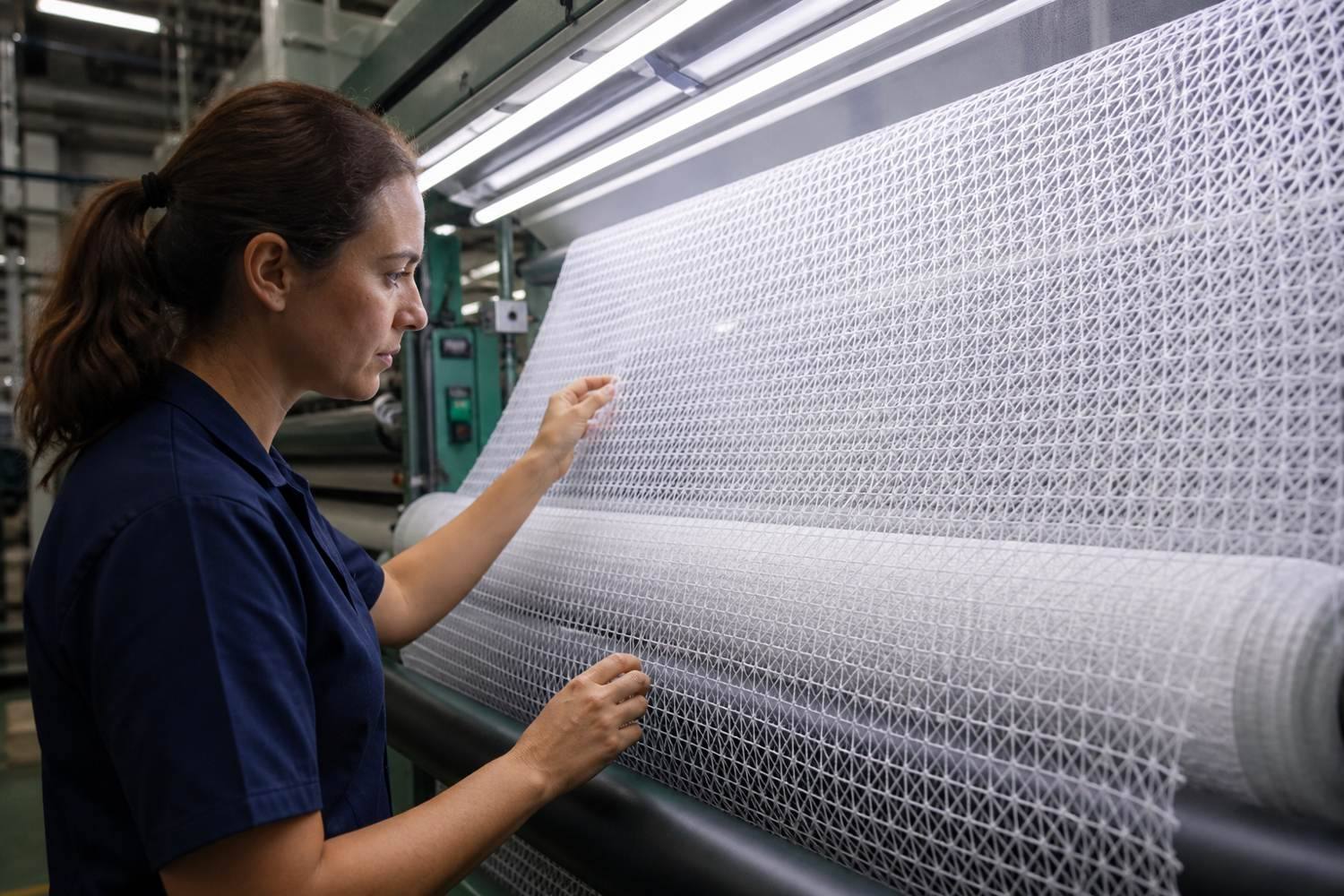
Figure 4. Inspection standards should match the visible and functional requirements of the final warp knitted textile.
Useful production records
- Yarn supplier, lot, count, and warp-beam preparation settings.
- Machine model, gauge, guide-bar pattern, speed range, and tension settings.
- Defect map, roll length, inspection grade, and corrective action for rejected fabric.
- Finishing settings and before-and-after measurements for weight, width, and thickness.
Maintenance habits that protect output
A warp knitting machine operates through many repeated, precisely timed motions. Routine cleaning, lubrication, needle inspection, guide alignment checks, and tension-system checks help protect fabric quality. Maintenance should be planned around the actual yarn and fabric program. Linting yarns, abrasive yarns, high-speed production, and open mesh constructions may reveal different problems at different intervals.
Keep a simple record of needle changes, recurring faults, and corrective actions. It helps operators distinguish a yarn-related problem from a setting, wear, or timing issue. Spare-parts planning also matters. A low-cost machine stop can become expensive when a basic part or skilled service response is unavailable.
Plan capacity and conversion cost before ordering
Machine speed is only one input to capacity. Practical output also depends on the fabric construction, working width, beam-change time, pattern changes, yarn breaks, operator routines, inspection standards, and planned efficiency. Two factories can own similar warp knitting machines yet deliver very different usable output because one has stable yarn preparation, clear preventive maintenance, and a finishing flow that keeps pace with knitting.
Build a simple capacity model around saleable fabric, not theoretical machine hours. Start with the target roll width and weight. Add the expected knitting rate for the actual construction, then apply a realistic allowance for setup, doffing, beam changes, quality stops, and planned maintenance. The resulting figure gives sales, production, and procurement teams a shared planning number. It also makes it easier to see whether a second machine, wider working width, or a different product mix is justified.
Questions to include in a commercial evaluation
- What fabric quality level is included in the output forecast: greige output or inspected, saleable output?
- Which auxiliaries are required to achieve the stated capacity, and which are optional?
- How long do beam changes and pattern changes take for the planned construction?
- What operator training is included for routine settings, quality troubleshooting, and needle or guide replacement?
- Which consumables and critical spare parts should be held locally before commissioning?
Conversion cost should also be reviewed by construction. A lightweight tricot fabric may use less material per square meter than a thick spacer fabric, yet the value chain and selling price are different. A raschel mesh may look simple, but open structures can increase the importance of defect grading. For each program, estimate yarn use, waste, energy, labor, finishing, inspection, packing, and expected seconds. The goal is not a perfect spreadsheet. It is to prevent a machine decision from being made without a clear view of the commercial fabric.
From trial fabric to stable production
A successful trial is the beginning of process development. Keep approved fabric swatches and record the yarn, beams, guide-bar movements, machine settings, take-down setting, and finishing conditions used to create them. This record becomes the first version of the production standard. It helps a new shift reproduce the construction, and it makes later improvements traceable instead of accidental.
Set approval points across the route. Confirm greige appearance after knitting. Recheck dimensions and surface after finishing. Then test the finished product under the conditions that matter to its buyer. A shoe upper, a lining fabric, an automotive layer, and a mattress spacer should not share the same acceptance plan. Their use cases create different risks. Building those checkpoints early makes warp knitting technology easier to scale responsibly.
Common buying mistakes to avoid
Choosing by machine label alone
“Raschel” and “tricot” are useful categories, but each platform has variants. Confirm the actual guide bars, gauge range, pattern system, fabric width, yarn compatibility, and support package before deciding.
Ignoring the finishing route
A fabric may knit well but change after dyeing, brushing, coating, heat setting, or lamination. Include the finishing partner in early development discussions so the construction is selected for the final fabric, not the greige roll.
Underestimating warp preparation
A sophisticated knitting head cannot fully compensate for inconsistent beam quality. Budget time and equipment for warping, beaming, tension control, and yarn handling.
Testing only a visually attractive sample
A sample should also pass the end-use test. Ask how it performs after wash, abrasion, compression, UV exposure, or other relevant conditions. Appearance alone does not prove a production-ready fabric.
Where to get practical warp knitting machine support
For a new project, share your fabric sample, construction goals, yarn details, target capacity, and finished application with the equipment team. It allows the discussion to move from general machine terms to a workable specification. You can explore textile machinery options and request a technical conversation through Sutexmach
For an initial machine discussion, the Sutexmach textile machinery team can review the production brief alongside your sample and process requirements.
When comparing suppliers, ask for a trial plan, list of included auxiliaries, commissioning scope, training, spare-parts recommendations, electrical requirements, and service response process. A machine purchase is a production-system decision. The supplier relationship matters when the fabric program evolves.
Frequently asked questions
What is the difference between tricot and raschel warp knitting?
Tricot usually focuses on smoother, finer, denser fabrics. Raschel is commonly chosen for more open, textured, patterned, or heavier constructions. The best option still depends on the exact guide-bar setup, yarn, gauge, and fabric target.
What is double needle bar warp knitting used for?
It is used to create two connected fabric faces, often forming spacer textiles. Common applications include footwear, seating, mattresses, bags, padding, and products that need airflow or resilient thickness.
Can one warp knitting machine make every type of fabric?
No. Some constructions overlap, but machine architecture sets practical limits. A focused fabric brief and trial are more reliable than assuming one platform will cover every future program.
Why is yarn tension so important in warp knitting technology?
Many parallel yarns must feed evenly across the width. Uneven tension can create defects, irregular loops, visual stripes, or unstable fabric dimensions. Beam preparation and tension control are therefore core process steps.
Final takeaway
A tricot knitting machine is the natural starting point for smooth, lightweight, close-to-skin warp knitting fabric. A raschel machine is the better conversation for mesh, texture, and design freedom. Double needle bar warp knitting is built for spacer and connected double-face structures. Define the fabric outcome first, test it under real finishing and end-use conditions, then choose the machine platform and support system that can repeat it reliably.