

 Polish
 English
 Hungarian
 Indonesian
 Bulgarian
 Turkish
 Russian
 Spanish
 Portuguese
 Korean
 French


Czy wiedziałeś, że maszyny do wykończenia decydują o końcowej jakości tkaniny? Rozpoczęcie działalności w branży włókienniczej wymaga ścisłego planowania finansowego. Bez solidnego budżetu kapitał początkowy szybko się wyczerpie. W tym przewodniku przyjrzymy się kosztom maszyn do wykończenia tkanin. Omówimy potrzeby kapitałowe, ceny urządzeń oraz strategiczne wskazówki dotyczące zakupów.
How Much Does It Cost to Start a Textile Business?

You already know a strict budget is vital.
Where exactly does your startup capital go?
You need clear numbers to build your budget.
Startup capital varies widely based on your production scale.
A small manual workshop might need $50,000.
A large industrial facility demands $5,000,000 or more.
Your core expenses include facility leasing and legal permits.
You must also buy machinery and raw materials.
Working capital keeps you afloat during early months.
Space requirements start at 5,000 square feet for basic lines.
Integrated units require over 20,000 square feet.
You must also budget for an Effluent Treatment Plant.
Environmental compliance is mandatory for textile processing.
ETP setup takes about 15% of your machinery investment.
Let us break down your textile processing unit setup cost.
| Scale of Operations | Space Needed (sq. ft.) | Estimated Setup Cost |
|---|---|---|
| Small-scale workshop | 5,000 minimum | $50,000 – $150,000 |
| Medium-scale plant | 10,000 – 20,000 | $500,000 – $2,000,000 |
| Large-scale facility | 20,000+ | $5,000,000+ |
Machinery takes the biggest slice of your budget.
You must evaluate the [cena maszyny do wykańczania tkanin] carefully.
SutexMach has built intelligent textile machinery since 1985.
We provide one-stop solutions for your new plant.
Our team helps you select, customize, and install equipment.
We specialize in stenters, drying, and calendering machines.
Our machines offer high automation and energy efficiency.
This performance helps lower your daily operational expenses.
Tight budgets might lead you to seek alternatives.
You might search for a używany maszynę do wykańczania tekstyliów na sprzedaż.
Used European equipment often retains good mechanical precision.
However, new intelligent machines save much more energy.
How do you pay for all this equipment?
Few founders use only their own cash.
You can explore several different funding options.
Bank loans are common for buying heavy machinery.
You can also seek private investor funding.
Some governments offer grants for manufacturing startups.
Look into visa-related business plans like E-2 or EB-5.
Always secure your environmental permits before applying for loans.
Banks want to see full legal compliance.
Textile Finishing Machine Price Breakdown by Equipment Type
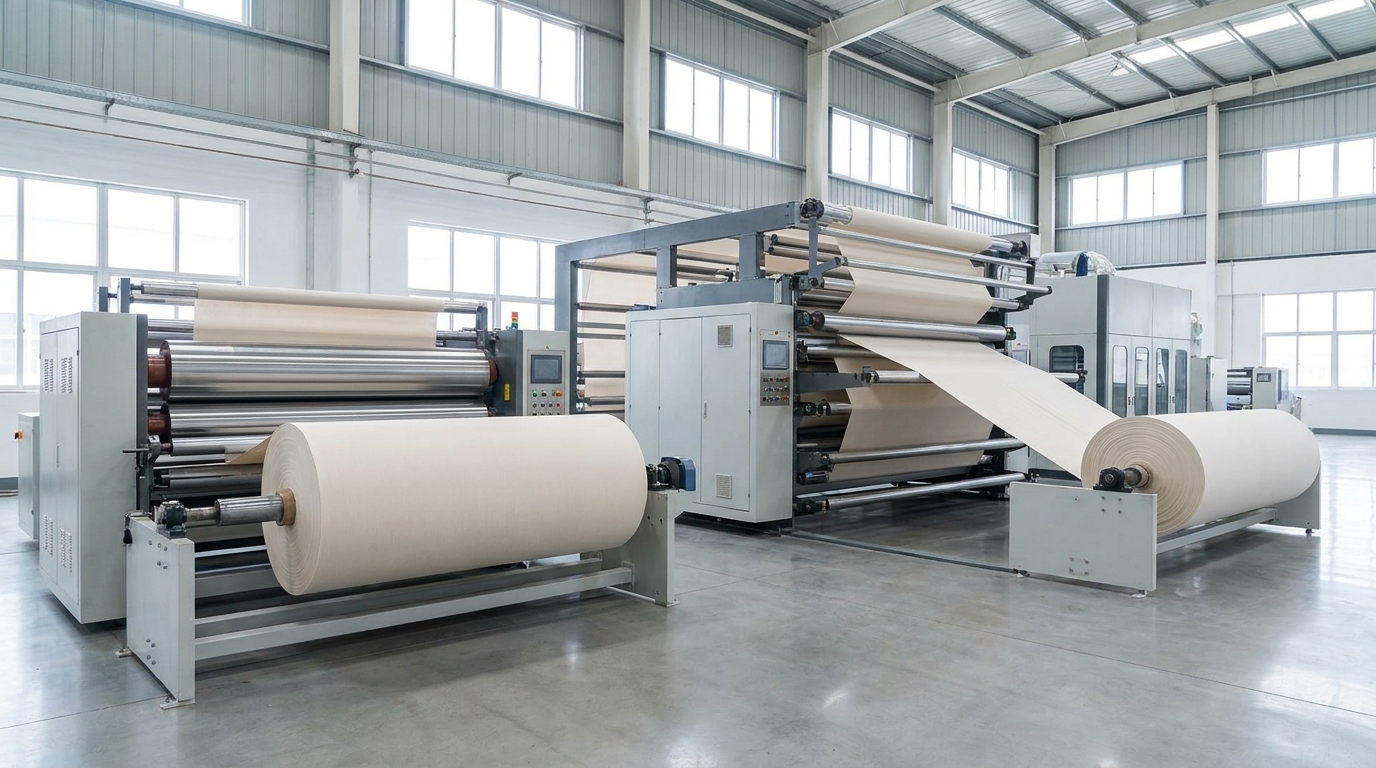
Once you secure your bank loans and environmental permits, you must buy equipment.
You need to allocate those funds wisely across your factory floor.
Machine prices vary significantly based on capacity, technology, and brand.
Let us break down the costs by specific equipment types.
Sueding and Calendering Machines
These machines handle essential surface finishing tasks.
They smooth the fabric or create a soft, brushed texture.
Calendering machines compress fabric between heavy heated rollers.
You can expect to pay between $20,000 and $100,000 for a calendering unit.
Sueding machines add unique value and a premium feel to the final product.
SutexMach specializes in these intelligent surface finishing systems.
Our machines ensure stable performance across long production runs.
Drying and Stenter Machines
Stenters act as the heart of most textile finishing plants.
They stretch the fabric, control the width, and heat-set the fibers.
Prices typically range from $100,000 to $600,000.
The final cost depends heavily on the number of heating chambers.
Most standard setups require six to ten chambers.
Drying machines remove moisture quickly before final rolling.
We build highly automated stenters designed for maximum energy efficiency.
This design helps lower your daily utility consumption.
Dyeing and Dewatering Machines
Adding color requires precision and heavy water usage.
Dyeing jiggers or jet dyeing machines cost between $15,000 and $60,000 per unit.
You will likely need multiple units to handle different colors simultaneously.
After dyeing, dewatering machines extract excess water from the fabric.
Efficient dewatering reduces the energy burden on your drying equipment.
SutexMach provides reliable dyeing and dewatering solutions.
They integrate seamlessly into your complete production line.
Air-Softening Machines
High-end fabrics often require advanced softening techniques.
Air-softening machines tumble fabric using high-velocity air streams.
This process enhances the hand-feel without relying on harsh chemicals.
It offers an environmentally friendly alternative to chemical baths.
Budgeting for this equipment adds premium capabilities to your plant.
We manufacture these eco-friendly softening units for global textile mills.
Key Factors Influencing Machine Prices
Why do prices fluctuate so much within the same category?
Several critical elements dictate the final price tag.
| Equipment Category | Estimated Price Range | Primary Function |
|---|---|---|
| Maszyna kalandrująca | $20,000 – $100,000 | Surface smoothing and compression |
| Stenter Machine | $100,000 – $600,000 | Heat-setting, drying, and width control |
| Dyeing Jigger / Jet | $15,000 – $60,000 | Color application and chemical treatment |
- Automation Level: Fully automated PLC-controlled machines increase initial capital costs by 30%. However, they can reduce labor costs by up to 40%.
- Efektywność energetyczna: Machines featuring advanced heat recovery cost more upfront. They save substantial utility expenses over time.
- Production Speed: Faster machines process more fabric per hour. They command higher prices but generate revenue quicker.
You must also plan for ongoing operational needs.
Budget 3% to 5% of your total machinery value annually for maintenance.
You can learn more about stocking części zamienne do maszyn włókienniczych to avoid costly downtime.
New vs. Used Textile Finishing Machine for Sale: Which is Better?
You just learned about stocking spare parts for maintenance.
This ongoing expense brings up a critical question.
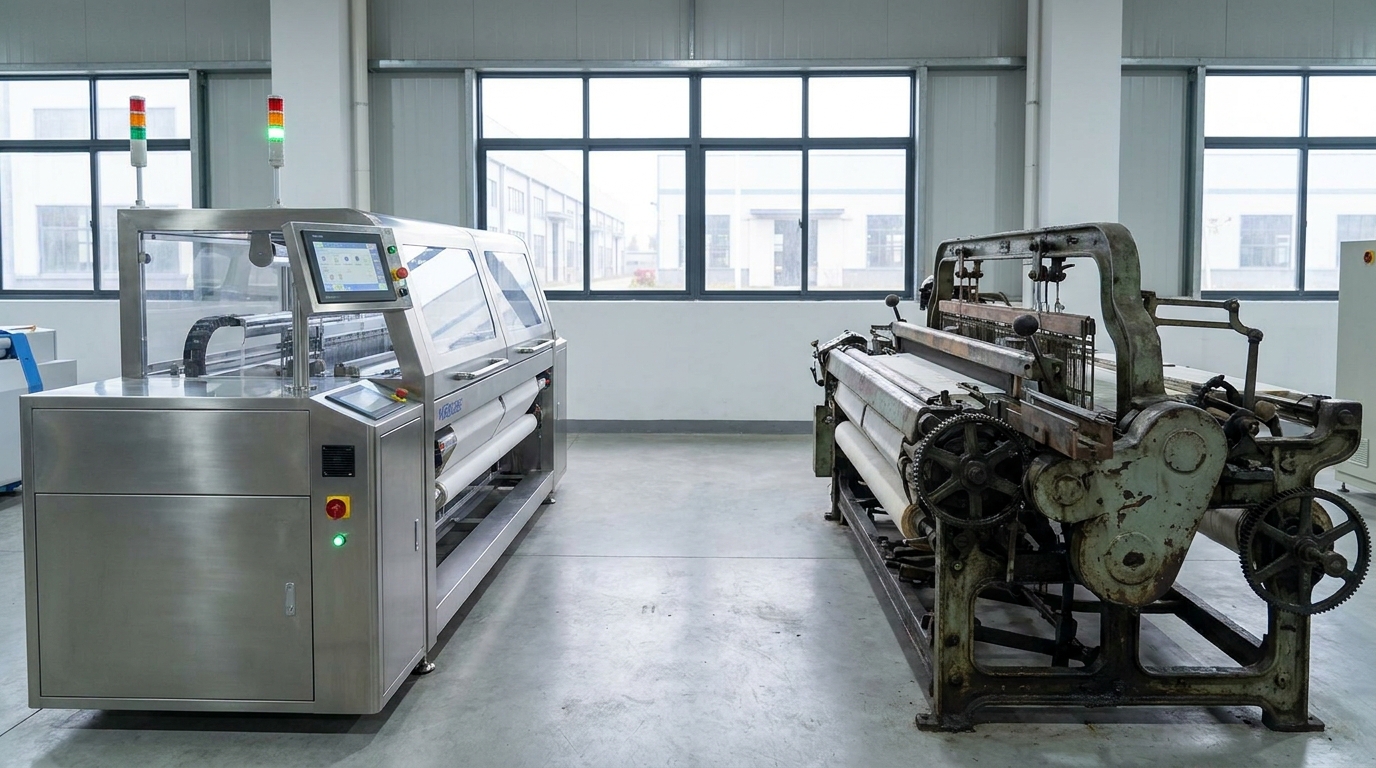
Should you buy a used textile finishing machine for sale?
Startups often face very tight capital limits.
Lowering initial expenses sounds extremely appealing to new owners.
You might think second-hand equipment solves your budget problems.
Many founders look at used European machinery.
Brands from Germany or Italy often retain good mechanical precision.
They cost significantly less upfront than brand-new models.
However, you must weigh these savings against serious risks.
Pros and Cons of Second-Hand Equipment
Buying used gear involves a major trade-off.
You save money today but risk future production stability.
| Cecha | Used Machinery | New Machinery |
|---|---|---|
| Upfront Cost | Low | Wysoki |
| Gwarancja | None or very limited | Full manufacturer coverage |
| Breakdown Risk | Wysoki | Low |
| Technology | Outdated controls | Intelligent PLC automation |
Used machines rarely come protected by a warranty.
You accept full responsibility the moment they arrive.
Breakdowns happen much more often on aging equipment.
Finding replacement parts for older models becomes a nightmare.
The Hidden Costs of Used Machinery
The initial price tag hides many ongoing expenses.
Older machines lack modern energy-saving sensors and heat recovery systems.
Utilities already eat up 25% to 35% of your operational expenses.
Used machines consume much more steam and electricity daily.
These higher utility bills quickly erase your initial savings.
Frequent maintenance also stops your entire production line.
Every hour of downtime costs you active revenue.
Safety hazards increase around aging electrical components and worn valves.
You might fail local environmental or safety inspections.
Why Brand-New Equipment Yields Better ROI
Investing in new equipment often delivers a better return on investment.
Modern machines provide stable performance across long runs.
You experience far less downtime and fewer fabric rejections.
SutexMach has manufactured intelligent textile machinery since 1985.
We build highly automated systems designed for modern mills.
Fully automated PLC-controlled machines reduce your labor costs significantly.
Our equipment ensures high energy efficiency and environmental friendliness.
This eco-friendly design keeps your plant compliant effortlessly.
We offer one-stop solutions for your entire facility.
Our team handles machine selection, customization, and installation.
You also receive dedicated after-sales service directly from us.
This comprehensive support guarantees smooth operations from day one.
You avoid the stressful unpredictability of second-hand purchases.
Hidden Costs in Setting Up a Textile Processing Unit
You avoid the stressful unpredictability of second-hand purchases by buying new equipment.
However, the initial machinery invoice only tells part of the story.
Your startup business guide must account for expenses beyond the factory floor sticker price.
Let us explore the hidden costs surprising many new textile plant owners.
Installation and Commissioning
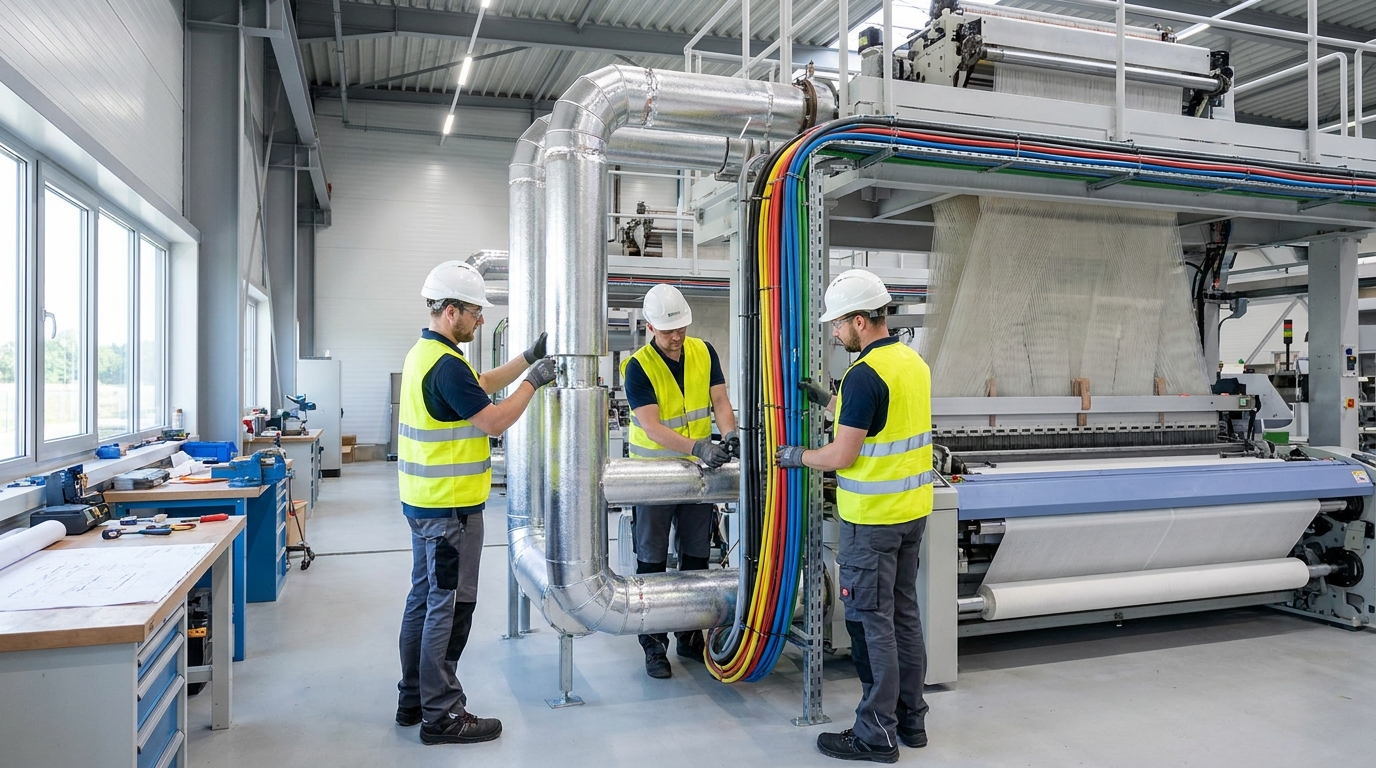
Heavy textile machinery requires professional setup.
You cannot simply plug in a stenter or dyeing machine.
Proper calibration ensures the equipment runs smoothly from day one.
Factory integration involves aligning piping, electrical grids, and exhaust systems.
This complex process demands skilled engineers and specialized tools.
Budgeting for installation prevents costly delays before production even starts.
We provide one-stop solutions at SutexMach.
Our team handles everything from machine selection to final installation.
This comprehensive service helps you control setup expenses effectively.
Utility Expenses
Fabric finishing consumes massive amounts of energy.
Electricity, steam, and gas typically account for 25% to 35% of your daily operational expenses.
High-pressure boilers and heavy-duty electrical grids drive utility bills up rapidly.
You must calculate these ongoing costs carefully.
Choosing eco-friendly machines makes a huge financial difference.
Investing in heat recovery systems for your stenters lowers fuel bills significantly.
Our intelligent textile machinery features high energy efficiency.
We design our equipment to keep your daily utility consumption as low as possible.
Labor and Training
Modern textile processing relies heavily on advanced technology.
Fully automated PLC-controlled machines reduce your overall headcount.
However, they require highly skilled technicians to operate them properly.
A standard rule requires one skilled technician for every three to five unskilled operators per shift.
Hiring experienced staff costs more upfront.
You must also budget for ongoing training programs.
Proper training ensures your team maximizes the benefits of high automation.
It prevents user errors causing wasted fabric or machine damage.
Maintenance and Spare Parts
Every machine needs regular servicing to maintain stable performance.
You should budget 3% to 5% of the total machinery value annually for maintenance.
Routine servicing prevents sudden production halts.
Stocking essential spare parts locally is crucial.
Waiting weeks for a replacement valve or sensor stops your entire production line.
Every idle hour drains your startup capital.
We support our global clients through dedicated after-sales service.
Our team ensures you have the right parts to keep your plant running smoothly.
Let us review a quick breakdown of these hidden operational expenses.
| Expense Category | Estimated Budget Impact | Mitigation Strategy |
|---|---|---|
| Utility Consumption | 25% – 35% of daily OPEX | Invest in highly energy-efficient and eco-friendly machinery. |
| Routine Maintenance | 3% – 5% of machinery value annually | Stock essential spare parts to avoid costly production halts. |
| Labor and Training | Higher wages for skilled technicians | Utilize fully automated PLC-controlled machines to reduce total headcount. |
| Installation Setup | Varies by facility scale | Partner with manufacturers offering comprehensive one-stop installation solutions. |
Choosing the Right Equipment Partner for Your Startup
You just saw how installation and utility expenses drain budgets quickly.
Controlling these hidden costs requires more than just careful math.
It requires finding the right machinery supplier.
Selecting a reliable manufacturer is just as important as the budget itself.
A poor supplier choice ruins even the best financial plan.
Cheap machines often lead to expensive, unexpected breakdowns.
You face continuous production halts and missed client deadlines.
A strong partner prevents these operational disasters entirely.
They help control your textile finishing machine costs effectively.
Every reliable startup business guide emphasizes this critical vendor relationship.
Leveraging Decades of Industry Expertise
You need a team bringing proven expertise to your factory floor.
SutexMach offers exactly this level of dedicated support.
We were founded in 1985 and understand modern mill challenges.
We are affiliated to Jiangsu SoHo Honry Import & Export Co., Ltd.
Our team brings over 30 years of direct manufacturing experience.
We specialize in building intelligent textile machinery for global markets.
This deep industry knowledge helps you avoid common startup mistakes.
We know exactly how to optimize your specific floor plan.
The Power of One-Stop Solutions
Piecing together equipment from different vendors creates immediate chaos.
You struggle integrating incompatible machines across your finishing line.
We eliminate this integration headache completely for new owners.
We provide comprehensive one-stop solutions for your new facility.
Our experts guide your initial machine selection process.
We customize the equipment to fit your specific production goals.
Our engineers then handle the complete installation process.
Finally, our dedicated after-sales service keeps your line running smoothly.
This seamless approach helps startups build complete, efficient production lines.
| Supplier Strategy | Integration Effort | Support Quality |
|---|---|---|
| Multiple Vendors | High risk of incompatible systems | Fragmented troubleshooting |
| One-Stop Partner | Seamless factory integration | Unified after-sales service |
Prioritizing Trusted Global Equipment
You must prioritize equipment trusted heavily by global textile mills.
Our machines deliver incredibly stable performance across long production shifts.
We build high automation into every single unit we manufacture.
This intelligent design reduces your reliance on expensive manual labor.
Environmental friendliness remains a core focus of our engineering process.
Our eco-friendly machines simplify your local regulatory compliance efforts.
You protect the environment while maximizing your daily production output.
Wnioski
Balancing upfront machine costs with long-term efficiency is vital for startup success. High-quality, energy-efficient equipment ensures sustainable business growth. Smart investments yield better fabric quality and lower operational expenses.
Plan Your Next Steps Right Now
- Assess your exact daily production capacity needs.
- Calculate all expected factory utility and maintenance expenses.
- Contact SutexMach today for a customized price quote.
Frequently Asked Questions About Textile Finishing Machine Costs
How much does a textile finishing machine cost for a startup?
Startup costs depend on your chosen production scale. A small workshop requires between $50,000 and $150,000. Medium plants need $500,000 to $2,000,000. Large industrial facilities cost over $5,000,000. Specific machinery types will have varying price tags. A calendering machine costs $20,000 to $100,000. Stenter machines range from $100,000 to $600,000. Working with an experienced partner like SutexMach helps optimize your budget. They provide customized one-stop solutions for your complete production line.
Should I buy new or used textile finishing equipment?
Used European machinery often offers good precision and longevity. However, older units lack modern energy-saving sensors. Fully automated new machines reduce labor costs significantly. They also lower long-term operating expenses. SutexMach offers intelligent, energy-efficient new textile machinery. Their equipment ensures stable performance and high automation. Investing in new machines often yields better long-term returns. You get reliable after-sales service and modern eco-friendly features.
What are the main operating costs for a textile finishing plant?
Energy consumption is your largest operational expense. Utilities like electricity, steam, and gas take up 25% to 35% of costs. Maintenance requires about 3% to 5% of your machinery value annually. You must also budget for an Effluent Treatment Plant. Environmental compliance costs roughly 10% to 15% of your initial investment. SutexMach designs energy-efficient machines to help lower these daily utility bills.
How much space is needed for a textile finishing business?
Space requirements vary based on your equipment choices. A basic finishing line needs at least 5,000 square feet. Fully integrated units require over 20,000 square feet. You must plan for future scalability when designing your floor plan. Leave room to add extra stenter chambers or dyeing vats later. Always secure your environmental permits before finalizing your factory location.
How can I reduce high energy costs in textile finishing?
Heat-intensive processes consume massive amounts of steam and electricity. You can lower these bills by investing in heat recovery systems. These systems capture up to 20% of exhausted heat. Upgrading to modern, highly automated equipment also helps. SutexMach specializes in manufacturing energy-efficient drying and stenter machines. Their intelligent designs minimize power waste while maximizing fabric throughput.
- Calculate your total capital expenditure budget including local environmental compliance fees.
- Secure your factory space near established textile weaving clusters to reduce transport fees.
- Contact SutexMach for a customized machinery consultation and factory layout plan.
- Apply for necessary environmental permits and wastewater discharge approvals from local authorities.
Starting a textile finishing business requires careful financial planning. Equipment costs vary widely based on your chosen production scale. Energy consumption and environmental compliance will heavily impact your daily operations. Choosing a reliable manufacturing partner like SutexMach ensures you get intelligent, energy-efficient machinery. With proper budgeting and the right automated equipment, your new textile plant can achieve long-term profitability.