

 Polish
 English
 Hungarian
 Indonesian
 Bulgarian
 Turkish
 Russian
 Spanish
 Portuguese
 Korean
 French


OEKO-TEX Standard 100 Explained for Textile Mills
The OEKO-TEX Standard 100 is a strict global testing system for textiles. It verifies that fabrics are free from harmful substances. For fabric mills, achieving this standard requires complete control over the entire production chain. Every thread, button, and dye lot must pass rigorous laboratory testing.
Impact on Dyehouse Operations
Meeting OEKO-TEX certification requirements directly changes how a dyehouse operates. Mill managers cannot simply buy the cheapest dyes available. The standard restricts the use of harmful azo colorants, heavy metals, and formaldehyde. Your processing methods must also adapt. Dyeing machines must execute precise temperature curves to ensure dyes bond correctly to the fibers, preventing chemical bleeding or surface buildup.
Chemical Inputs and ECO PASSPORT
To simplify compliance, OEKO-TEX offers the ECO PASSPORT certification. This system tests the actual chemicals used in textile processing. Dyehouses should source certified active chemical products (ACPs) and accepted polymers. When your dyes and auxiliaries carry an ECO PASSPORT, they automatically align with Standard 100 criteria.
- Always use the official OEKO-TEX Label Check tool to verify a supplier’s chemical certification before purchase.
- Maintain updated safety data sheets for all active chemical products entering the facility.
- Audit your chemical inventory regularly to remove uncertified or expired dye lots.
The Processing Trap: Why Safe Chemicals Are Not Enough
A common mistake is assuming that using certified dyes guarantees a passing grade. Safe chemicals only work when paired with highly efficient processing equipment. If a dyeing machine has poor washing capabilities, it will leave chemical residues on the finished fabric.
Inadequate rinsing or uneven liquor flow can cause a fabric batch to fail final testing. Residues can exceed acceptable limits even if the original chemical inputs were safe. SutexMach has over 30 years of experience manufacturing intelligent textile machinery. Our dyeing machines feature advanced rinsing systems and precise liquor ratio controls. This technology ensures chemicals are properly applied and thoroughly washed out, protecting your mill’s certification status.
Understanding OEKO-TEX Product Class Limits
OEKO-TEX divides textiles into four distinct categories based on their intended use. The closer a fabric gets to the skin, the stricter the safety requirements. Fabric mills must know exactly which class their buyers target before starting production.
| Product Class | Opis | Common Examples |
|---|---|---|
| Class I | Articles for babies and toddlers (up to 36 months) | Rompers, baby underwear, bed linen, soft toys |
| Class II | Articles with direct skin contact | T-shirts, socks, blouses, trousers, standard underwear |
| Class III | Articles without direct skin contact | Winter jackets, coats, outdoor wear, interlinings |
| Class IV | Decoration and furnishing materials | Curtains, tablecloths, upholstery fabrics |
Stringent Residue Thresholds
These classifications dictate the OEKO-TEX product class limits for chemical residues. As you move from Class IV down to Class I, acceptable thresholds become progressively tighter. For example, formaldehyde limits for baby textiles are practically zero. Laboratory testing also closely monitors heavy metals, pesticides, and unfixed dyes. You must ensure your production line can consistently meet these exact tolerances.
Machinery’s Role in Meeting Limits
Meeting these stringent limits requires more than just careful chemical selection. Your dyeing equipment must perform flawlessly. Machines need superior rinsing efficiency to strip away unfixed dyes. They also require precise chemical exhaustion capabilities. This ensures dyes bond securely to the fabric rather than floating in the liquor bath. SutexMach designs intelligent dyeing machines with advanced liquor ratio controls to maximize this exhaustion and rinsing efficiency.
The Risk of Processing Failures
Failing to meet these thresholds carries a high risk for fabric mills. If a dyeing machine struggles with inadequate washing or uneven dye distribution, residue levels will inevitably spike.
- Even small amounts of leftover auxiliaries can cause a fabric to fail product class testing.
- Failed tests lead to rejected batches, wasted resources, and lost buyer contracts.
- Upgrading to OEKO-TEX compliant finishing equipment helps prevent these costly compliance failures.
How Dyeing Machinery Impacts OEKO-TEX Compliance
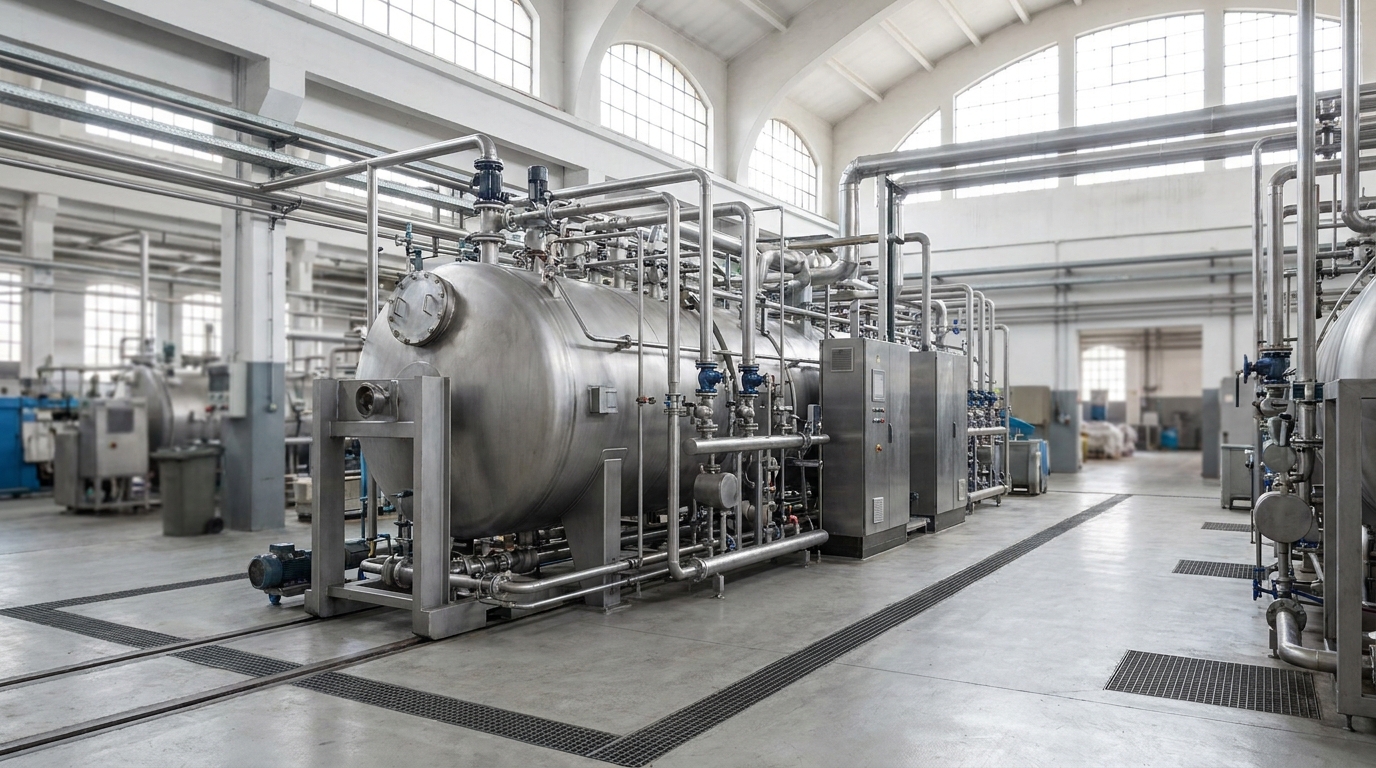
Your choice of equipment directly affects your ability to meet strict environmental standards. The physical performance of your machinery dictates how chemicals interact with the fabric.
Water and Chemical Efficiency
Traditional dyeing equipment often operates with high liquor ratios, requiring massive amounts of water to process a single batch of fabric. High water volume demands more dyes and auxiliaries to achieve the necessary chemical concentration. This excess chemical usage makes compliance difficult.
Modern low-liquor-ratio jet dyeing machines solve this problem. They use significantly less water, which drastically reduces the total volume of chemicals needed. Less chemical input means fewer residual substances left in the wastewater or trapped in the fabric. SutexMach engineers intelligent dyeing machines that optimize these liquor ratios, helping mills minimize their environmental footprint.
Precision Dosing Systems
Manual chemical handling introduces human error into dyehouse operations. Operators might accidentally add too much of a restricted substance. Even a slight miscalculation can push a fabric batch past acceptable safety limits.
Automated dosing systems prevent these costly mistakes. Intelligent textile machinery precisely measures and injects active chemical products at the exact right moment. This strict control prevents the overuse of restricted auxiliaries. While you must always perform an OEKO-TEX Label Check before buying dyes, precise dosing ensures those safe inputs are applied correctly.
Advanced Rinsing Technology
Leftover residues are a primary cause of failed laboratory tests. Efficient rinsing is absolutely non-negotiable for compliance. Modern dyeing machines utilize advanced dewatering and rinsing cycles to strip away unfixed dyes.
- High-speed extraction physically forces contaminated water out of the fabric.
- Clean water flushes through the material to dilute remaining chemical traces.
- Automated sensors monitor the bath to ensure the rinsing cycle is complete.
This mechanical action ensures that any remaining chemicals are thoroughly washed out. SutexMach dewatering and dyeing machines are built to maximize this extraction efficiency, protecting your final product from unexpected residue spikes.
Facility-Wide Certification (STeP)
While the OEKO-TEX Standard 100 clarifies requirements for final products, the STeP certification evaluates your entire production facility. STeP stands for Sustainable Textile and Leather Production. It requires mills to prove they operate with low emissions and high energy efficiency.
Upgrading to modern dyeing machinery is crucial for this facility-wide certification. New equipment reduces steam consumption, lowers electricity usage, and minimizes wastewater discharge. SutexMach has over 30 years of experience building machinery that supports these sustainability goals. By integrating low-emission systems, fabric mills can align their daily operations with strict STeP environmental criteria.
Selecting OEKO-TEX Compliant Finishing Equipment
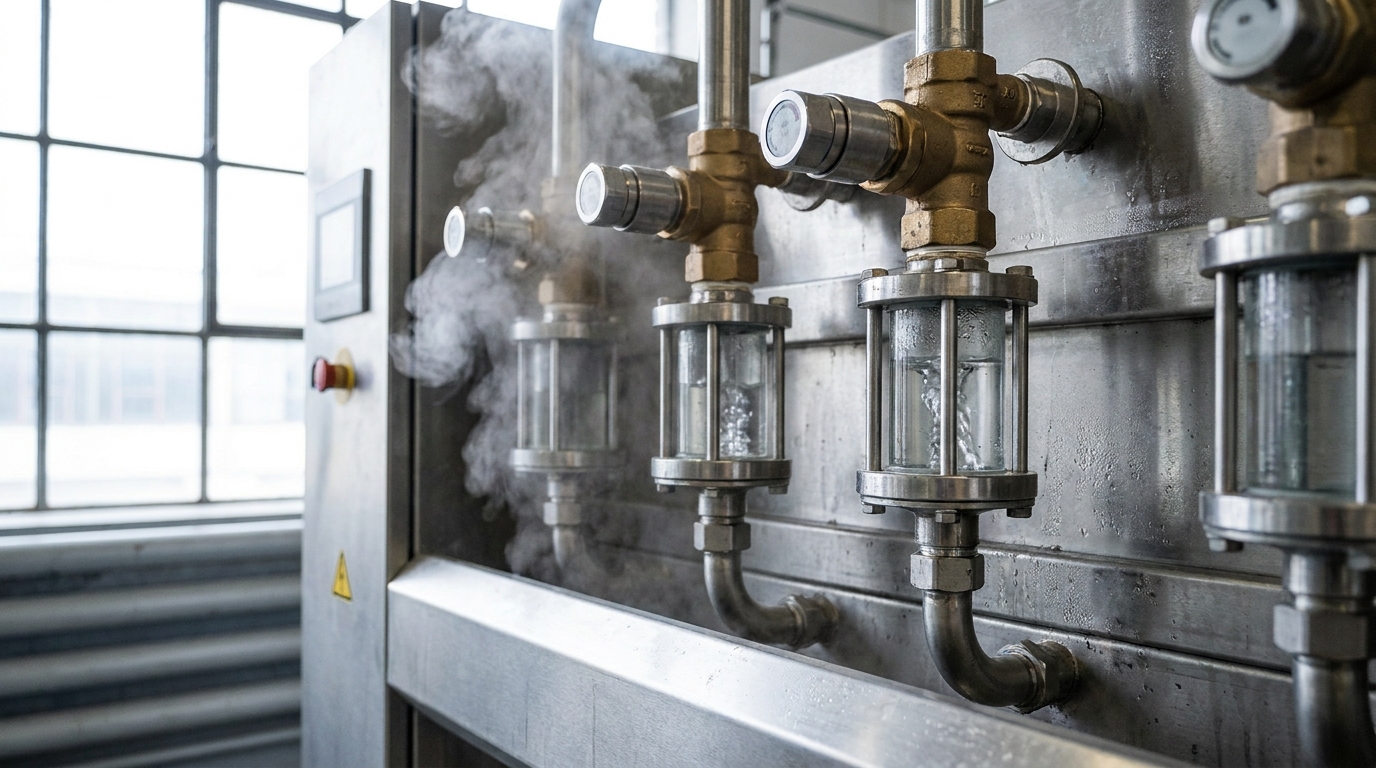
Dyeing machines do not receive OEKO-TEX Standard 100 labels. That certification applies strictly to the final textile product. However, buyers often refer to compliant finishing equipment when discussing machinery capable of meeting these strict processing standards. Your equipment choices dictate whether your fabrics can pass rigorous laboratory testing.
Key Features to Evaluate
Beyond automated dosing and rinsing, you must evaluate specific technical capabilities. These features ensure your active chemical products bond correctly without leaving harmful residues.
| Machinery Feature | Primary Function | OEKO-TEX Compliance Impact |
|---|---|---|
| Automated Temperature Control | Maintains exact heating and cooling profiles | Prevents uneven dye fixation and reduces unfixed dye residues. |
| Intelligent Water Management | Monitors and adjusts liquor ratios dynamically | Ensures thorough rinsing while minimizing wastewater discharge. |
| Eco-Dye Compatibility | Handles delicate, low-impact chemical inputs | Allows mills to use safe, accepted polymers without processing errors. |
Matching Equipment to Fabric
You must also match the machine type directly to your specific fabric structure. Woven fabrics and delicate knits absorb chemicals differently. Applying excessive tension to knits can trap chemical residues inside distorted fibers.
Mill managers must understand how to choose a jet dyeing machine for Bangladesh knit mills and similar high-volume facilities. For knits, gentle flow systems prevent fiber damage while maximizing chemical uptake. Woven fabrics often require higher pressure circulation to push dyes deep into tight yarns. Proper matching ensures that dyes exhaust fully, keeping your final product within safe OEKO-TEX limits.
SutexMach Solutions
SutexMach provides the technology needed to support sustainable fabric finishing. Founded in 1985, we manufacture intelligent textile machinery designed for strict environmental compliance. We are proudly affiliated with Jiangsu SoHo Honry Import & Export Co., Ltd.
Our product line includes advanced dyeing, drying, stenter, and air-softening machines. Each machine is engineered to optimize resource usage and significantly reduce chemical waste. With over 30 years of experience, SutexMach helps global fabric mills upgrade their production lines. Our equipment combines precise chemical control with superior dewatering capabilities, ensuring your textiles consistently meet strict OEKO-TEX requirements.
Verifying Supply Chains: The OEKO-TEX Label Check
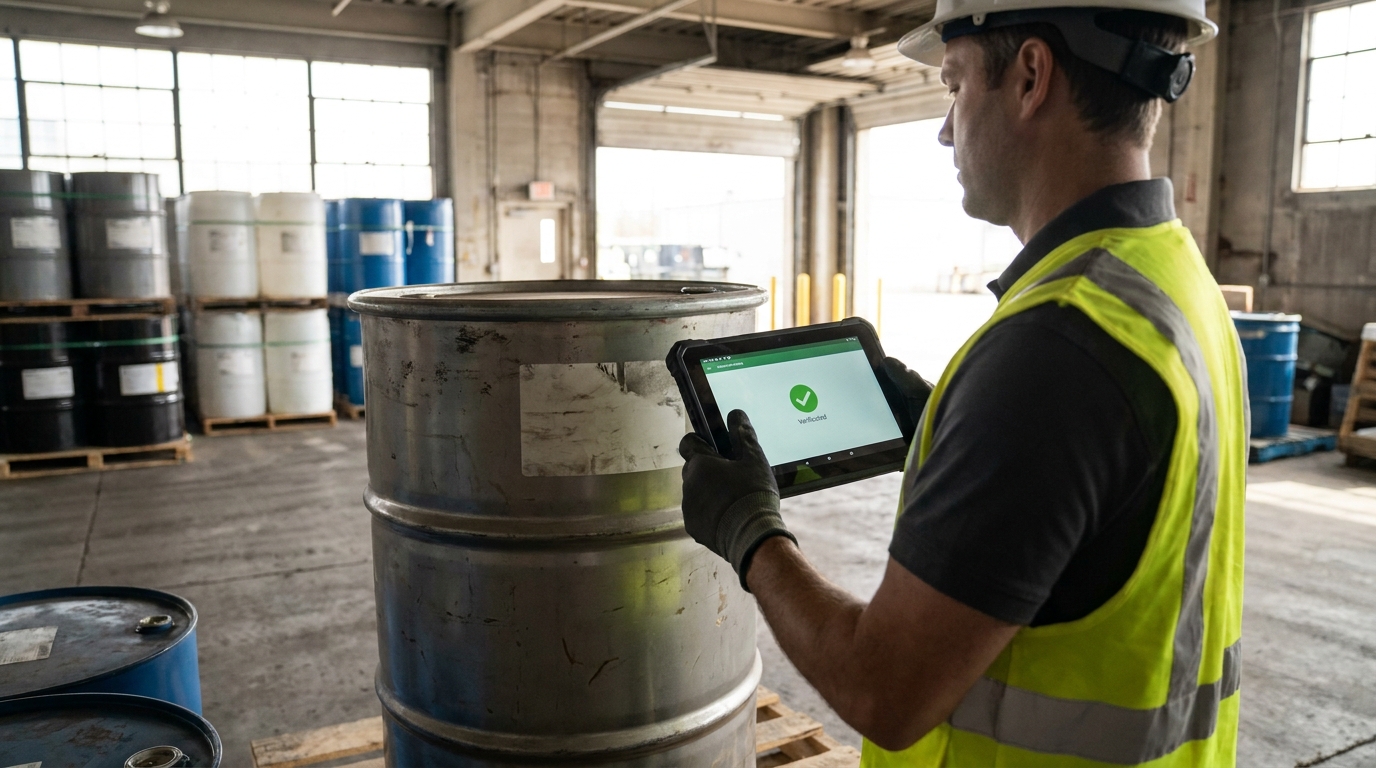
Even the best intelligent textile machinery cannot fix contaminated dyes. Before loading chemicals into your equipment, mill managers must rigorously validate their inputs.
Validating Chemical Inputs
You must verify the OEKO-TEX ECO PASSPORT status of all dyes and auxiliaries. This specific certification evaluates the safety of chemical formulations used in textile manufacturing. It proves that your active chemical products and accepted polymers comply with your target OEKO-TEX product class limits. Using certified chemical inputs prevents harmful, restricted residues from bonding to your fabrics during the high-temperature dyeing process.
Using the Official Tool
Supplier claims are not always accurate. Buyers must independently verify certificates to avoid costly compliance failures. OEKO-TEX provides a dedicated online tool for this exact purpose.
- Locate the specific certification number on the chemical drum or supplier invoice.
- Enter this exact number into the official OEKO-TEX Label Check portal.
- Confirm that the certificate status currently shows as active and valid.
- Verify that the approved list matches the exact dye or auxiliary purchased.
Performing this simple verification protects your final product from unexpected laboratory test failures.
The OEKO-TEX Buying Guide
Finding trustworthy chemical suppliers is often difficult for fabric mills. To simplify sourcing, the organization maintains an official OEKO-TEX Buying Guide. This public directory helps you locate certified materials and verified chemical products globally. You can use this database to find reliable partners who already comply with strict environmental standards. Sourcing directly from this guide ensures your chemical inputs align perfectly with the precision dosing capabilities of your finishing equipment.
Traceability in Production
Transparency is a strict requirement for the OEKO-TEX MADE IN GREEN label. This certification demands full supply chain traceability. It proves that textiles were manufactured safely in environmentally friendly facilities. Modern dyeing machines play a vital role in achieving this transparency.
Intelligent textile machinery from SutexMach automatically logs critical processing data. Our equipment records exact water usage, temperature profiles, and chemical dosing volumes for every fabric batch. This digital record provides the concrete proof needed to trace production steps accurately. Reliable data logging simplifies your facility audits and strongly supports your broader sustainability claims.
Frequently Asked Questions About OEKO-TEX Certification and Dyeing Machinery
Do dyeing machines get OEKO-TEX Standard 100 certified?
No, the OEKO-TEX Standard 100 certification only applies to final textile products and materials, not the machinery used to make them. However, high-quality dyeing machines are essential for meeting the standard. They provide the precise rinsing and chemical dosing needed to ensure fabrics pass strict laboratory tests for harmful residues.
How can I check if a dye or chemical is OEKO-TEX approved?
You can verify chemical safety using the official OEKO-TEX Label Check tool online. Simply find the certification number on your chemical supplier’s invoice or packaging and enter it into the portal. This confirms if the ECO PASSPORT certificate is currently valid and matches the exact chemical product you purchased.
Why is a low liquor ratio important for OEKO-TEX compliance?
A low liquor ratio means the dyeing machine uses less water per batch of fabric. Using less water significantly reduces the total volume of chemicals and dyes required. This lowers the chance of harmful residues getting trapped in the fabric and reduces your wastewater, helping mills meet strict STeP facility standards.
What is a common reason fabrics fail OEKO-TEX testing?
A major cause of failure is leftover chemical residue caused by poor rinsing. Even if a mill uses safe, ECO PASSPORT-certified dyes, inadequate washing can leave unfixed colorants or auxiliaries on the fabric. Using modern intelligent textile machinery with advanced extraction and rinsing cycles helps prevent these costly test failures.
Where can fabric mills find certified chemical suppliers?
Mill managers can use the official OEKO-TEX Buying Guide. This public online directory helps buyers locate trustworthy global suppliers of certified materials, active chemical products, and accepted polymers. Sourcing from this guide makes it much easier to align your chemical inputs with strict environmental and safety standards.
Wnioski
Meeting OEKO-TEX standards requires pairing certified chemicals with highly efficient dyeing machinery. Outdated equipment can lead to failed audits, wasted resources, and lost brand partnerships. To future-proof your fabric mill, invest in intelligent, resource-saving finishing equipment from an experienced manufacturer like SutexMach.
- Review your current dyeing machines for rinsing efficiency.
- Verify all chemical inputs using the official OEKO-TEX Label Check tool.
- Contact SutexMach to upgrade to modern textile machinery.