

 Polish
 English
 Hungarian
 Indonesian
 Bulgarian
 Turkish
 Russian
 Spanish
 Portuguese
 Korean
 French


Czy wiedziałeś, że suszenie termiczne zużywa 70% energii w procesie wykończenia? To ogromne zużycie obniża twoje zyski. Obniżenie tych kosztów jest niezbędne dla nowoczesnych przetwórni tkanin. Zrównoważone wykończenie pozostawia twoje przedsiębiorstwo wysoko konkurencyjnym. W tym wpisie poznasz sprawdzone strategie. Omówimy pre-suszenie, rekuperację ciepła oraz inteligentne maszyny.
## Why Focus on Textile Finishing Energy Saving?

Before exploring specific pre-drying methods and smart machinery, we must understand the core reasons driving this shift. Why is finisz tekstylny oszczędność energii so critical right now?
Thermal energy used in drying and heat-setting takes a massive bite out of your utility bills. Drying and finishing processes consume roughly 25 to 30% of a textile mill’s total energy. Inside the finishing stage, thermal drying accounts for up to 70% of energy use. Rising natural gas and electricity prices directly squeeze your profit margins. You need actionable ways to offset these high operational costs.
High energy consumption also creates a massive carbon footprint. Burning excess fossil fuels for thermal evaporation harms our environment. Reducing this waste forms the foundation of zrównoważone wykańczanie tkanin. Global environmental regulations grow stricter every single year. Textile mills must adapt quickly to survive.
Focusing on energy reduction brings three clear benefits. First, it lowers your daily production costs significantly. Second, it ensures you comply with tough global environmental rules. Third, it boosts your brand reputation among eco-conscious consumers. Major brands now actively seek manufacturing partners prioritizing green practices. SutexMach has spent over 30 years helping mills build environmentally friendly production lines.
| Impact Area | Current Challenge | Benefit of Energy Reduction |
|---|---|---|
| Financial | Rising natural gas and electricity prices squeeze margins. | Directly lowers utility bills and operational costs. |
| Environmental | Thermal drying creates a massive carbon footprint. | Ensures regulatory compliance and eco-friendly manufacturing. |
| Brand Image | Consumers demand green and sustainable products. | Boosts reputation among eco-conscious buyers and partners. |
Now that we understand the financial and environmental benefits, let’s explore how to reduce energy costs in textile drying. You can implement several practical steps right away to lower your utility bills.
Proven Strategies to Reduce Energy Consumption Textile Drying
Optimize Mechanical Dewatering Before Thermal Drying
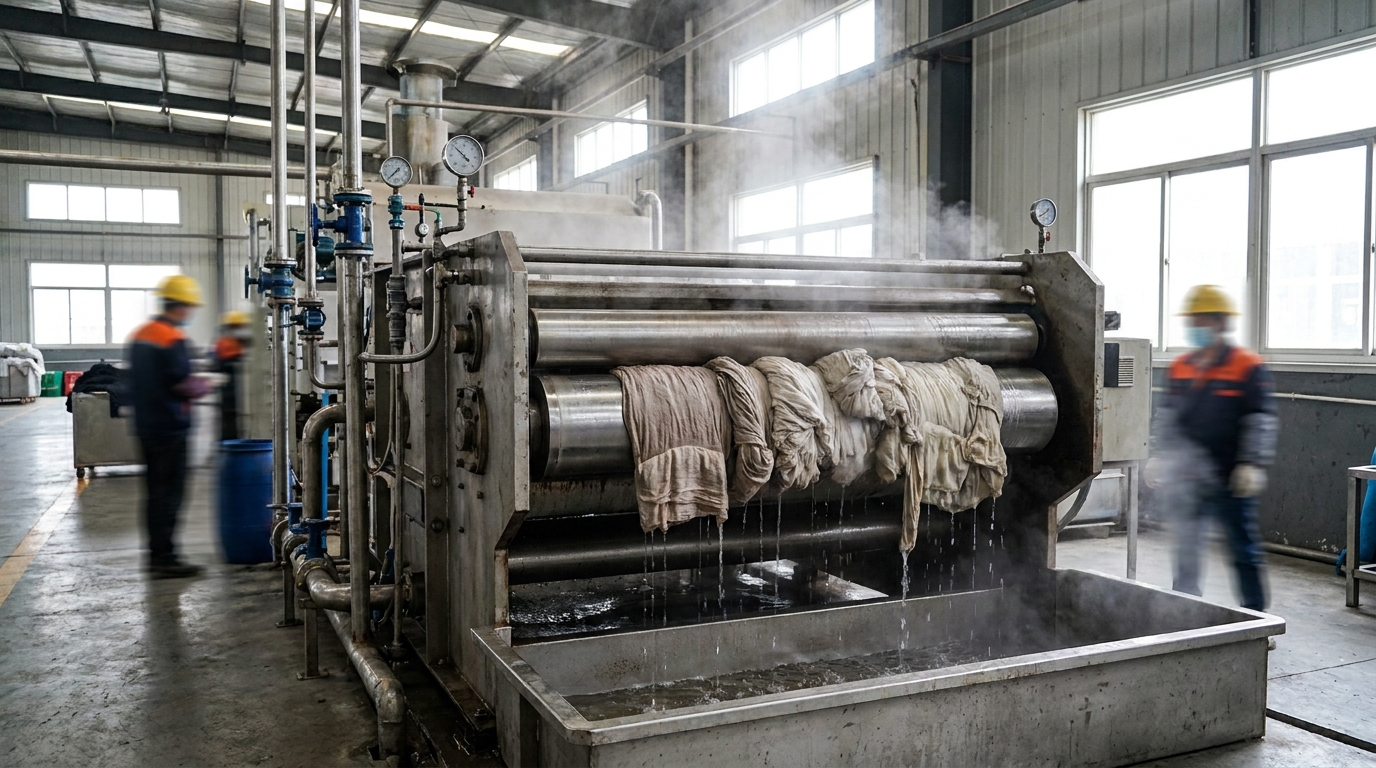
Removing water mechanically is roughly 100 times more energy-efficient than evaporating it thermally. You should always maximize water extraction before the fabric enters the heating zone. Upgrading your mechanical dewatering systems drastically reduces the moisture load on your thermal dryers.
Different fabrics require different extraction methods. Centrifuging works well for many robust textiles. Nip padding squeezes out water effectively for standard woven fabrics. Vacuum extraction often performs better for heavy-weight or highly structured fabrics. It reaches a lower residual moisture content before heating begins.
| Extraction Method | Najlepiej nadaje się do | Energy Efficiency Benefit |
|---|---|---|
| Centrifuging | Yarns and robust fabrics | Removes bulk water rapidly before thermal stages. |
| Nip Padding | Standard woven fabrics | Provides uniform moisture squeezing across the width. |
| Vacuum Extraction | Heavy-weight or structured fabrics | Reaches lower residual moisture than standard squeezing. |
Reducing the incoming fabric’s moisture by just 10% cuts thermal energy consumption by 15%. Investing in modern dewatering machines pays off quickly. SutexMach offers advanced dewatering equipment designed for high automation and stable performance. These systems ensure your fabric enters the thermal stage as dry as mechanically possible.
Regular Maintenance and Insulation
Even an advanced energy efficient drying machine wastes power if you neglect basic maintenance. Routine cleaning keeps your airflow optimal. You must regularly clean lint filters, air circulation nozzles, and exhaust ducts. Blocked filters force circulation fans to work harder and consume more electricity.
Poor nozzle positioning causes air short-circuiting. This happens when hot air bypasses the fabric and goes straight out the exhaust. You lose valuable thermal heat instantly.
Proper thermal insulation prevents heat loss through the drying chamber walls. Upgrading your stenter housing insulation can reduce radiation heat loss by 5 to 10%. You also need to inspect door seals regularly. Broken seals let cold air in and hot air out.
Check your steam traps and burner efficiencies frequently. A faulty steam trap leaks expensive thermal energy. Tuning your burners ensures you get maximum heat output from every unit of fuel.
Precise Moisture and Temperature Control
Smart sensors take the guesswork out of textile finishing. You can monitor fabric moisture in real-time using advanced moisture meters. This helps you avoid the common trap of over-drying.
Drying fabric beyond its natural moisture regain wastes massive amounts of power. For example, drying cotton to 0% moisture instead of its natural 8% wastes 20% more energy. Over-drying also damages product quality and slows down your machine throughput speed.
You must also control your exhaust air volume. Automated exhaust humidity controls optimize how much air leaves the machine. The ideal humidity level for stenter exhaust air is 100 to 150 grams of water per kilogram. Levels below this indicate you are pulling in too much fresh air. This mistake wastes valuable heating energy.
A mill processing 10 tons of cotton daily can save up to $25,000 annually. They achieve this simply by installing an automated humidity controller. Integrating a heat recovery system textile stenter setup further reclaims energy from this exhaust air. These smart controls ensure your equipment runs at peak thermal efficiency.
Implementing a Heat Recovery System Textile Stenter
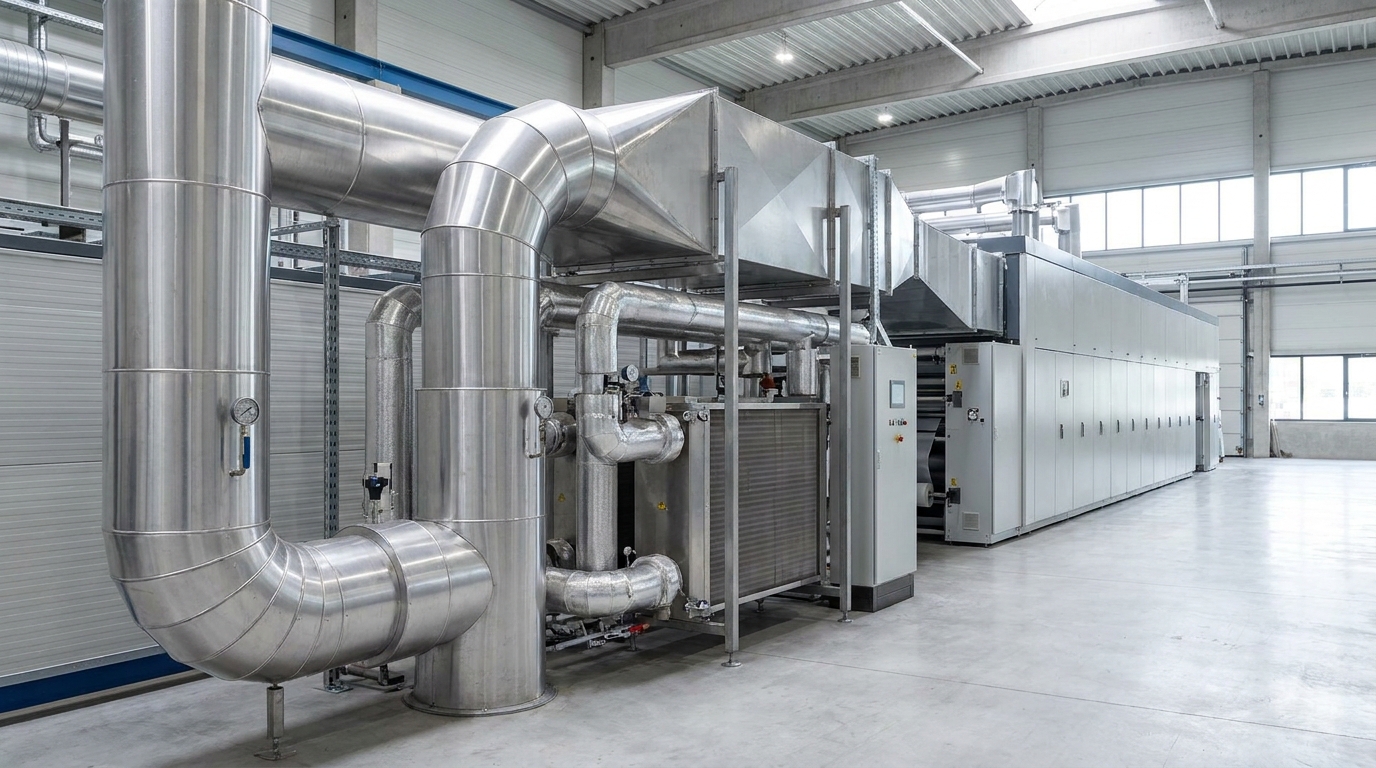
As we covered earlier, optimizing exhaust air volume prevents wasting valuable heat. You can push these savings even further. Instead of letting hot exhaust escape, you capture it. This requires a system odzysku ciepła do stentera tekstylnego setup. It acts as a powerful tool to shrink utility bills. Let us explore how this system works. You will also see why it delivers rapid financial returns.
What It Is and How It Works
A heat recovery unit integrates directly into your production line. Thermal drying requires massive amounts of heat. Much of this heat normally leaves as hot, humid exhaust. The recovery system captures this waste heat before it escapes. It relies on air-to-air or air-to-water heat exchangers. The system pulls hot exhaust through a specialized chamber. This transfers thermal energy to incoming cold fresh air. The pre-heated fresh air then enters your stenter burners. Your burners now use significantly less natural gas. They reach the target drying temperature much faster.
Maximizing Your Energy Savings
Capturing waste heat drastically lowers your daily operational costs. A well-designed system reclaims 15% to 30% of thermal energy. This energy normally vanishes through the exhaust stack. Consider a simple industry rule of thumb. Every 10°C reduction in exhaust air temperature increases efficiency. It translates to a 1% boost in total machine efficiency. These incremental gains add up very quickly. They help you zmniejszenie zużycia energii przy suszeniu tekstyliów across your entire facility.
| Heat Transfer Type | Primary Application | Typical Energy Reclaimed |
|---|---|---|
| Air-to-Air Exchanger | Pre-heating fresh air for stenter burners | 15% to 30% |
| Air-to-Water Exchanger | Heating process water for dyeing or washing | 15% to 25% |
Long-Term ROI and Machinery Upgrades
You might wonder about the financial commitment required. The return on investment for these systems looks highly attractive. Typical payback periods range from 12 to 24 months. This timeline depends heavily on your local energy costs. You generally have two main options. You can retrofit a recovery unit onto current equipment. Alternatively, you can invest in a modern energy efficient drying machine.
SutexMach builds intelligent textile machinery for global mills. We have over 30 years of industry experience. Our advanced stenters feature built-in heat recovery technologies. They provide stable performance and high automation. We offer one-stop solutions from machine selection to installation. Whether you upgrade or buy new, heat recovery protects profits. It shields your business against rising global fuel prices.
Upgrading to an Energy Efficient Drying Machine
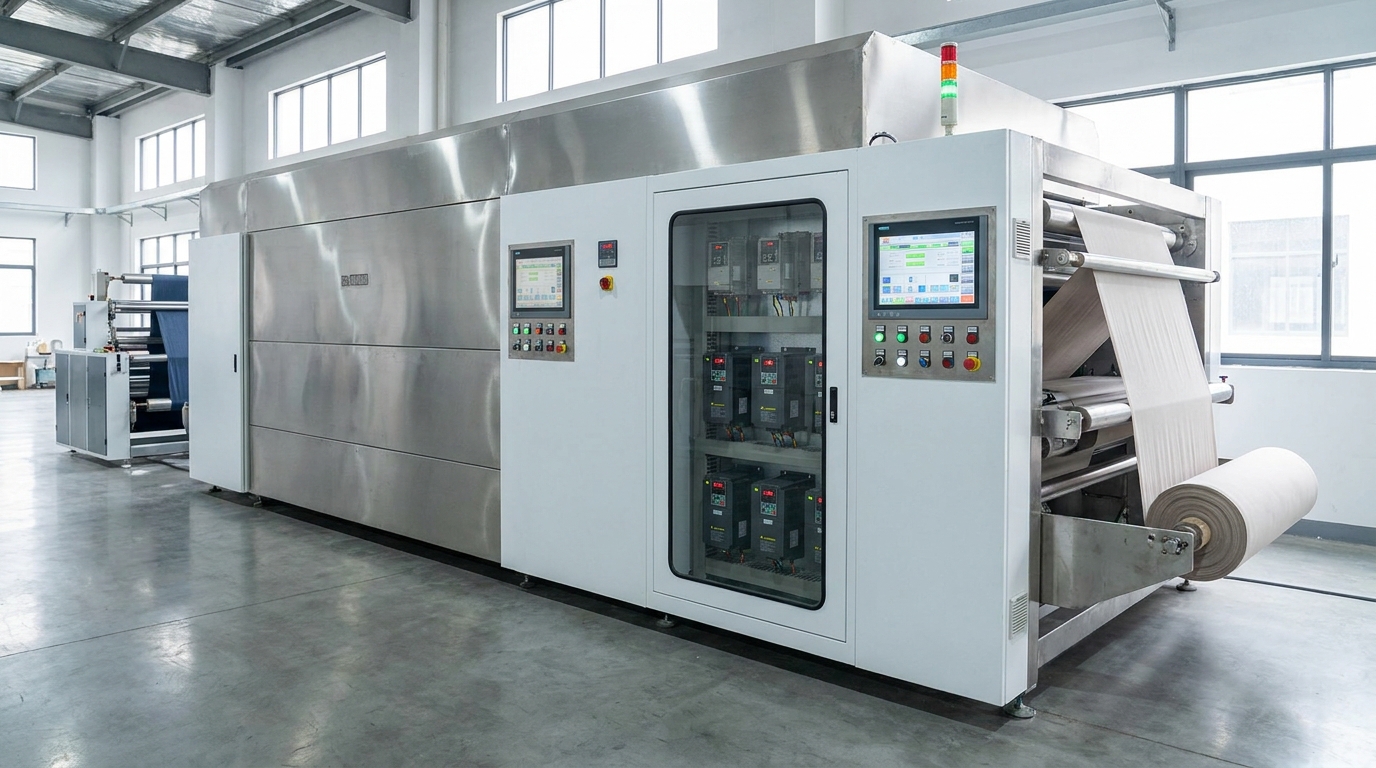
As we covered earlier, you can retrofit a heat recovery unit onto older equipment. However, sometimes retrofitting simply does not make financial sense. Aging machines often suffer from poor insulation and outdated mechanical designs. They drain expensive electrical power constantly. You must decide when to replace them entirely. Upgrading to an energooszczędna maszyna do suszenia becomes the smartest move for long-term profitability. Modern equipment shrinks utility bills and speeds up production dramatically.
When to Replace and Key Features to Demand
How do you know it is time for a replacement? Look closely at your daily maintenance logs. Frequent breakdowns and rising gas bills signal a dying machine. Modern machinery offers incredible technological leaps. You should look for three specific features when shopping for new equipment.
First, demand Variable Frequency Drives (VFDs) on all circulation fans. Reducing fan speed by just 20% drops power consumption by nearly 50%. This happens because of the cube law of fan power. Second, look for intelligent PLC control systems. They automate exhaust air humidity and fabric moisture tracking. Third, prioritize optimized aerodynamic airflow designs. Better nozzle positioning prevents hot air from short-circuiting straight to the exhaust.
| Modern Feature | How It Works | Energy Saving Benefit |
|---|---|---|
| Variable Frequency Drives (VFDs) | Adjusts circulation fan speeds dynamically. | Cuts fan power usage by up to 50%. |
| Intelligent PLC Controls | Automates moisture and humidity tracking. | Prevents over-drying and wasted heat. |
| Aerodynamic Airflow Design | Directs hot air precisely onto the fabric. | Stops thermal short-circuiting and heat loss. |
Leveraging Expert Solutions from SutexMach
Finding the right equipment requires a highly trusted partner. You need a manufacturer who understands complex textile finishing challenges. SutexMach stands out as a clear leader in this space. Founded in 1985, we operate as a professional manufacturer of intelligent textile machinery. We proudly operate as an affiliate of Jiangsu SoHo Honry Import & Export Co., Ltd.
We bring over 30 years of deep industry experience to your factory floor. Our equipment lineup includes advanced drying, stenter, and air-softening machines. Global textile mills trust our reliable machines for a reason. They deliver incredibly stable performance and feature high automation. More importantly, they provide exceptional energy efficiency and environmental friendliness. We design every unit to meet strict modern sustainability standards.
The Value of Comprehensive One-Stop Solutions
Building a highly efficient production line takes more than buying a machine. You need comprehensive support from the start to the finish. We offer complete one-stop solutions designed for your specific facility. Our team guides you through the initial machine selection process. We then handle precise customization to fit your exact fabric requirements.
After manufacturing, we manage the full installation process on your site. Our dedication does not stop once the machine powers on. We provide robust after-sales service to keep your equipment running perfectly. Choosing an experienced manufacturer removes the stress of upgrading. It ensures your new machinery delivers maximum energy savings immediately.
How to Reduce Energy Costs in Textile Drying Through Smart Operations
Upgrading to modern equipment with one-stop solutions gives you a massive advantage. Yet, advanced hardware only gets you halfway there. You must also focus on daily operating habits. Smart operations unlock the full potential of your machinery. They help you reduce energy costs in textile drying continuously. Let us explore how operator training, data tracking, and smart scheduling maximize your savings.
Train Operators on Energy-Saving Best Practices
Intelligent textile machinery requires knowledgeable operators. You should train your staff on energy-saving best practices regularly. They must know how to operate automated features correctly. Sometimes, workers manually override smart PLC controls out of habit. This mistake completely bypasses your energy efficient drying machine capabilities. Teach them to trust the automated exhaust humidity sensors. Proper training ensures your team leverages high automation for maximum efficiency.
Utilize Data Analytics and Machine Dashboards
You cannot lower utility bills if you do not track them. Modern stenters feature advanced machine dashboards. You must use these analytics to track energy usage per batch. Monitoring different fabric types reveals hidden waste. For example, you might discover specific heavy yarns drain too much power. This data lets you adjust the evaporation rate instantly. It keeps your sustainable textile finishing goals on track.
Implement Continuous Processing
Machine start-ups and shutdowns consume extreme amounts of natural gas. Heating a cold drying chamber back to target temperatures wastes time. You should implement continuous processing whenever your schedule allows. Group similar fabric weights together to avoid frequent machine stops. Smart batch planning minimizes thermal energy lost during transitions. It also increases your overall throughput speed significantly.
| Operating Strategy | Impact on Machinery | Energy Saving Benefit |
|---|---|---|
| Continuous Processing | Eliminates frequent heating cycles and downtime. | Saves massive amounts of startup fuel. |
| Data Tracking | Identifies high-consumption fabric batches quickly. | Prevents hidden energy leaks during production. |
| Szkolenie operatorów | Reduces manual overrides of PLC sensors. | Maximizes automated efficiency and stable performance. |
Optimize Fabric Tension and Speed Settings
Every fabric requires specific tension and speed settings. You must optimize these parameters based on the exact material. Heavy woven fabrics need different throughput speeds than delicate knits. Running the machine too slowly wastes valuable heat. It also risks fabric yellowing from over-drying. Running it too fast leaves the material damp. Proper tension ensures hot air hits the fabric evenly. This stops inconsistent drying between the center and the selvages. Finding the perfect balance ensures maximum drying efficiency without wasting heat.
Wnioski
Reducing drying costs requires mechanical dewatering, heat recovery, and smart technology. Embracing these methods will significantly boost your long-term financial profits. It also fulfills your important environmental obligations. Reach out to SutexMach for intelligent, one-stop textile machinery solutions.
- Calculate your exact daily thermal energy usage.
- Inspect your drying chambers for hidden heat leaks.
- Schedule a custom equipment assessment with our experts.
Frequently Asked Questions About Textile Drying Energy Costs
Why is my textile drying process using so much energy?
Thermal drying takes up about 60 to 70 percent of finishing energy. Over-drying fabrics past their natural moisture level wastes power. Drying cotton to zero instead of eight percent adds costs. Fixing exhaust air humidity levels will also reduce energy waste. SutexMach provides intelligent drying machines to prevent this exact issue.
Can I speed up production while saving energy?
Yes, you can definitely improve both at the same time. By removing more water mechanically first, your dryer works less. Techniques like vacuum extraction lower the residual moisture content quickly. This allows faster machine throughput speeds for the whole factory. It also cuts your thermal energy costs very effectively.
What is the payback period for a heat recovery system?
Most heat recovery units pay for themselves quite quickly. The typical payback period is usually 12 to 24 months. These systems capture lost heat directly from the exhaust air. This reclaimed energy pre-heats fresh air for the stenter machine. It saves your textile mill significant money on natural gas.
How does mechanical water removal save energy?
Mechanical extraction is incredibly efficient for any textile mill. Using vacuum suction is 100 times better than thermal heating. SutexMach offers advanced dewatering machines to maximize this crucial step. Removing water early drastically lowers your overall thermal drying costs. It prepares the fabric perfectly for the stenter frame.
How often should we maintain our drying equipment?
Regular maintenance is vital for peak drying machine efficiency. You should frequently clean lint filters and check seal integrity. Poor nozzle positioning causes hot air to bypass the fabric. Fixing these minor issues prevents major energy leaks every day. SutexMach equipment features high automation to make maintenance much easier.
Take these simple steps to reduce your energy expenses today.
- Upgrade to mechanical dewatering machines before starting thermal drying.
- Install automated sensors to control exhaust air humidity levels.
- Add heat recovery units to capture wasted exhaust energy.
- Contact SutexMach for customized and energy-efficient textile machinery solutions.