


 Korean
  English
  Hungarian
  Indonesian
  Bulgarian
  Turkish
  Polish
  Russian
  Spanish
  Portuguese
  French


Article Abstract:
A 캘린더 작성기 is a crucial component of manufacturing equipment that is commonly used in the rubber, plastic, textile, paper, and specialty film industries. The calendering procedure forms, smooths, and regulates the thickness of materials by passing them through a series of heated, precisely positioned rollers under controlled pressure.
This article describes the entire process of how a calendering machine functions, from the preparation of raw materials to the final formation of sheets and the quality control of these sheets. The discussion is based on previous work in the classical field of polymer processing and mechanical engineering, including the Plastics Engineering Handbook (Rosato & Rosato), the Rubber Technology Handbook (White & De), and the ISO standards associated with the process ofrolling and the control of thickness.
By combining practical industrial strategies, equipment configuration knowledge, and process optimization methods, this guide is intended for engineers, manufacturers, equipment purchasers, and technical decision makers who want to understand the calendering process in greater detail than simply through the surface level.
Introduction: Why the Calendering Machine Process Still Matters Today
Despite the increasing popularity of extrusion and casting methods, the calendering machine still has a significant role in applications that require superior surface quality, precise thickness control, and uniformity of material. Industries like tire manufacturing, the production of PVC sheets, the coating of fabrics, and technical films continue to utilize calendering to produce results that other processes are unable to replicate.
Understanding the calendering process is crucial to both operators and engineers, as well as purchasing teams that want to assess the long-term efficiency of equipment.
What Is a Calendering Machine?
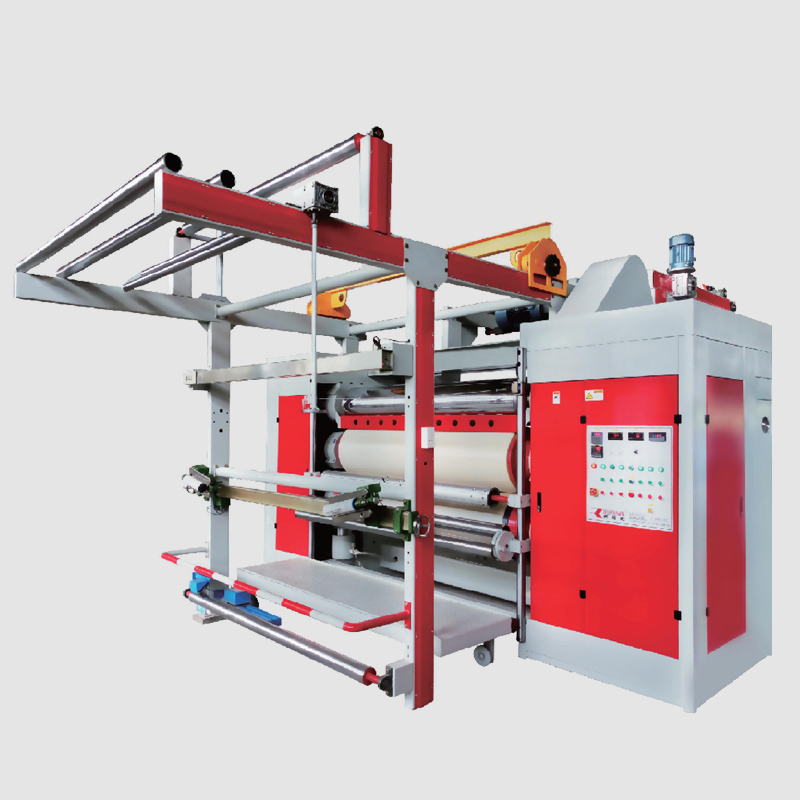
A calendering machine is a system of multiple rotating wheels that are arranged with specific logic. These rollers utilize controlled temperature, pressure, and shear to transform softened material into sheets or films with a specific thickness and surface composition.
The word “calender” is derived from the Greek term kylindros, which means roller, a concept that is central to the process.
Core Functions of a Calendering Machine
A calendaring machine carries out multiple essential functions at once:
Control over thickness
Flattening of the surface and the creation of a gloss.
compaction of materials
Elimination of air pockets and space
Directed orientation of polymeric chains
These functions are attained through mechanical precision rather than chemical alteration; this differentiates calendering from other reactive processes.
Industries That Rely on Calendering Machines
Calendering machines are frequently employed in:
Polyethylene plastic sheets and films
Rubber sheets and conveyor belts
Cufflinks and decorated fabric
Film that Separates the Battery’s Components
Technical sheets
Unique papers and nonwovens.
Every application has different requirements regarding the design of rolls, the temperature of the profile, and the distribution of pressure.
Main Components of a Calendering Machine
Understanding the procedure begins with understanding the machine itself.
- Rollers ( calendars)
Calendars are typically composed of chilled cast iron or steel that is ground to a very fine degree of tolerance. The quality of their surface directly affects the quality of the product.
- Heating and Cooling System
The temperatures of the rolls are regulated using oil, steam, or electric power, the purpose of which is to ensure the material reaches the proper elastic state.
- 드라이브 시스템
Independent or dedicated drives control the roll speed, which enables precise control of the shear and draw ratio.
- Framing and Support System
A solid framework reduces the deflection of the frame when loaded, preserving a consistent pressure differential across the nip.
Common Calendar Machine Configurations
Different arrangements of rolls have different effects on the flow of material and the ultimate properties of the product.
I-Configuration – Vertical alignment, small footprint
L-Configuration – Proportional pressure distribution
Z-Configuration – Increased thickness management
Inverted L-Configuration – Enhanced surface quality
Each configuration is made based on the behavior of the material and the goals of production.
Step-by-Step Process of the Calendering Machine
Step 1: The raw materials’ preparation
Before being allowed to enter the calendering machine, raw materials must be appropriately preconditioned.
For polymers and compounds of rubber, this includes:
Combining and combining
Plasticization
Degassing
Constant feed composition is crucial to avoid variation in thickness upstream.
Step 2: Inputting theaterial into the Calendar
The material is transferred through a channel that is formed by the first two rolls. The bank functions as a reservoir that ensures consistent pressure and flow.
Poor bank oversight is one of the most common causes of surface imperfections and gauge inconstancy.
Step 3: Heating and Softening
As the material progresses through the roll channel, the temperature is reduced without destroying the molecular structure.
This equilibrium is of paramount importance:
Incorrect temperature
Over-exposure to heat causes thermal degradation and discoloration.
Step 4: Rolling and Establishing Bonds
The central part of the calendering process is here.
The substance is:
Compressed
Elongated
Smoothed
Shear forces promote the alignment of polymer chains, which leads to stronger mechanical strength and a more stable dimensional configuration.
Step 5: Control over thickness and width.
The thickness of the film is primarily determined by:
Roll gap variation
Nip pressure
Roll-over compensation
Modern calendering machines employ automatic systems that control the gauge during the course of the calendar (AGC).
Step 6: Finalizing the surface
The surface’s texture and gloss are attributed to:
Roll surface finish
Temperature difference between the rolls.
Line speed
Mirror-finished sheets produce high-gloss films, while textured sheets create flat or patterned surfaces.
Step 7: Cooling and Maintenance
After departing from the final position, the sheet is cooled down to ensure that it maintains its dimensions and doesn’t shrink.
Controlled cooling is employed to prevent internal stress accumulation, which can lead to warping or cracking.
Step 8: slicing, winding, or laminating
The completed sheet may be:
Transform into sheets
Wound into a series of smaller rolls
Bound together with fabric or additional layers
This final step combines the calendared material with downstream processes.
Key Process Parameters in a Calendering Machine
| 매개변수 | Impact on Product Quality | Typical Control Method |
| Roll Temperature | Surface finish, flow | Oil/steam heating |
| 닙 압력 | Thickness, density | Hydraulic adjustment |
| Line Speed | Orientation, uniformity | Variable frequency drives |
| Roll Gap | Gauge accuracy | Precision actuators |
| Material Viscosity | Stability | Compound formulation |
Why Calendering Produces Superior Surface Quality?
Contrastingly, calendering is based on direct interaction with rolled surfaces while extrusion is based on indirect interaction with polished rolls. This mechanical processing effect is why products that are calendered often have:
Lower surface porosity
Increased optical transparency
More stringent thickness standards
These benefits are particularly pertinent in decorative and technical endeavors.

Common Defects in Calendering and Their Causes
Calendering issues are typically caused by temperature control, roll placement, material composition, or process consistency.
- Variations in thickness
Causes:
uneven gap between the rolls
Disparate feed quantity
The deflection of the roll when loaded
Impact: Poor accuracy in dimensional measurement and downstream issues.
- Over the top and under the weather
Causes:
Scrape the surface damage or pollution.
Other particles that are foreign to the compound
Incorrect temperature balance between the rolls
- Edge Curling or Reduction
Causes:
Infrequent cooling
Incorrectly applied tension control.
The composition of the material is out of balance.
- Air retention and Bubbles
Causes:
Moisture in the material
Inappropriate degassing
Abnormal processing speed
- Poorly Adhered Coated fabric
Causes:
Low pressure in the nipples
Incorrect combination of oil and water viscosities
Substrate contamination by surface contact.
Calendering Machine vs Extrusion: Process Comparison
Calendering and extrusion are often compared, but they serve different purposes.
Calendering excels in precision and surface quality
Extrusion excels in throughput and shape complexity
Many modern production lines combine both processes strategically.
| Aspect | Calendering | Extrusion |
| Product Form | Flat sheets, films, coated fabrics | Profiles, tubes, sheets |
| 두께 제어 | Very high precision | Moderate to high |
| 표면 마감 | Excellent, smooth | Depends on die |
| Material Suitability | Rubber, PVC, coated textiles | Thermoplastics, elastomers |
| 생산 속도 | 보통 | 높음 |
| Tooling Complexity | Roll-based | Die-based |
Energy Consumption Considerations
Calendering is energy-intensive due to heated rolls, high pressure, and long thermal cycles.
Key Energy Drivers:
Roll heating systems
Motor power for roll rotation
Cooling and downstream handling
Energy Optimization Strategies:
High-efficiency electric heating or thermal oil systems
Variable frequency drives (VFDs)
Optimized warm-up and shutdown procedures
Heat recovery from roll cooling systems
Automation and Modern Calendering Technology
Modern calendering machines increasingly integrate automation, digital control, and smart monitoring.
Key Advances:
Closed-loop thickness control systems
Servo-driven roll gap adjustment
Online surface inspection
Recipe-based process control
Predictive maintenance via sensors and data analytics
Automation improves product consistency, energy efficiency, and operator safety.
How to Optimize Calendering Machine Performance?
- Precise Roll Alignment and Maintenance
Constant rotation and alignment of the rolls decrease the thickness variation and reduce surface imperfections.
- Material Preparation
Effective blending, filtering, and moisture regulation will ensure consistent calendar behavior.
- Temperature and Pressure Regulation
Maintain a balanced temperature of rollers and an optimized pressure in the nip for consistent flow.
- Monitoring the process
Use sensors that measure in real time to observe thickness, tension, and surface quality.
Selecting the Right Calendering Machine for Your Application
Key Selection Criteria:
Number of rolls (2-roll, 3-roll, 4-roll, Z-calender)
Roll diameter and face width
Maximum operating temperature and pressure
Material compatibility (PVC, rubber, PU, composites)
Automation level and control systems
Footprint and integration with upstream/downstream equipment
Application Examples:
PVC films and sheets
Rubber sheets and conveyor belts
Coated textiles
Battery separator films
Artificial leather
Environmental and Safety Considerations
Environmental Factors:
Energy efficiency and emissions
Noise and vibration control
Waste reduction through improved process stability
Compliance with RoHS and local environmental regulations
Safety Considerations:
Emergency stop systems
Roll nip guards and safety interlocks
Heat shielding and insulation
Operator training and standard operating procedures
Modern calendering machines are designed to meet international safety standards while improving workplace ergonomics.
FAQ: Calendering Machine Process
- What kinds of materials can be utilized by a calendering machine?
Rubber, polyethylene, thermoplastics, cloth, paper, and other specialty materials.
- How is the thickness of the calendered product regulated?
Through the roll gap’s adjustment, the pressure from the nip, and automated system control of the gauge.
- Why is calendaring beneficial for calendared sheets of polycarbonate?
It offers a superior surface quality and a precise thickness tolerance.
- Can machines that use calendering continue to function?
Yes, the majority of industrial calendaring machines are built to operate continuously.
- What is the primary downside of calendaring?
Increased energy expenditure compared to the extrusion process.
- Is it appropriate to utilize calendering in high-volume production?
Yes, especially for products that have a flat design that requires consistent quality.
Conclusion: Why Understanding the Calendering Process Is a Competitive Advantage
The calendering machine procedure is a complex system of mechanical exactness, temperature control, and material science. Companies that understand the process thoroughly will achieve:
More consistent product quality
Lower rates of waste production
More effective surface treatment
More aggressive marketing strategy
In a field with increasingly diminishing margins, mastering the calendering technology is not considered an option; instead, it’s considered a strategic endeavor.