

 Hungarian
 English
 Indonesian
 Bulgarian
 Turkish
 Polish
 Russian
 Spanish
 Portuguese
 Korean
 French


A mechanikus felületi utómunka kritikusan javítja a szövet textúráját és piaci vonzerejét. Sueding vs. Napping gép: Mi a különbség? Mindkét módszer lágyítja a szöveteket, de teljesen eltérő felületi eredményt hoz létre. Ebben a bejegyzésben megismerheti azok pontos mechanikai különbségeit. A 1985 óta működő intelligens textilgépgyártó, a SutexMach mindent elmagyaráz.
Understanding the Basics of Fabric Finishing
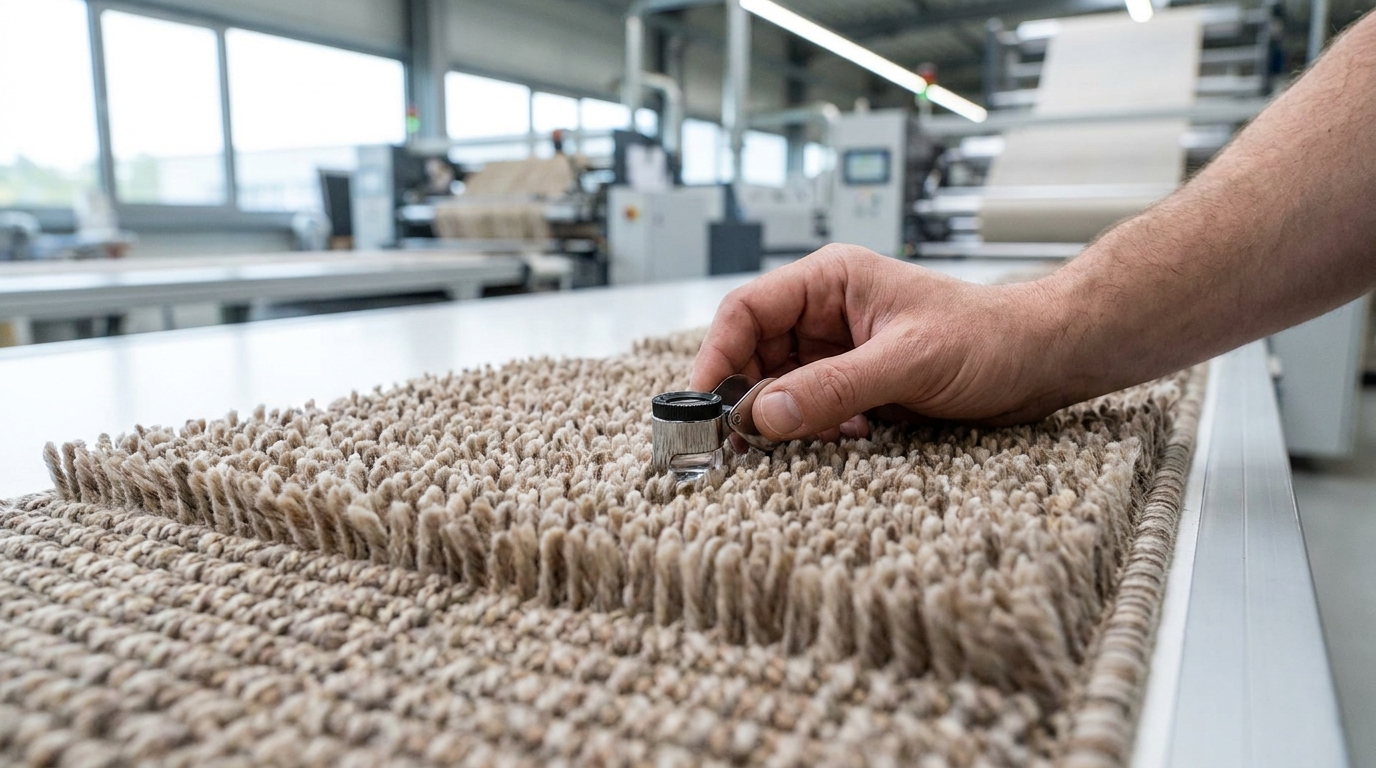
As we mentioned earlier, mechanical surface finishing critically enhances fabric texture. But what exactly does this process involve?
Mechanical textile finishing refers to physical treatments applied to fabrics after dyeing and drying. Instead of relying on chemical baths, these methods use friction, abrasion, or physical pulling to alter the outer layer. The primary goal is to upgrade basic woven or knitted materials into premium, tactile products.
When machines manipulate the surface yarns, they break or pull individual fibers upward. This physical action fundamentally changes three fabric characteristics:
- Warmth: Upright fibers trap small pockets of air. This acts as a natural insulator to increase thermal retention.
- Softness: A raised surface feels significantly softer against the skin compared to flat, tightly spun yarns.
- Appearance: The new fuzzy layer diffuses light. It eliminates harsh shine and creates a matte, luxurious finish.
This physical transformation is the foundation of the pereskedés vs. szunyókálás comparison. Each method targets surface fibers using completely different mechanical principles.
Today, textile mills face strict production demands. They require consistent quality, lower power consumption, and minimal environmental impact. Consequently, the industry has shifted toward highly automated, energy-efficient, and eco-friendly finishing equipment.
At SutexMach, we have manufactured intelligent textile machinery since 1985 to meet these exact requirements. Our equipment delivers stable performance and high automation to reduce manual errors. Whether a mill needs a szövetemelő gép or an entire finishing line, we provide one-stop solutions. We guide you through machine selection, custom configurations, installation, and comprehensive after-sales service.
Mi az a szívógép?

Building on the need for automated finishing equipment, let us examine the first technology in our comparison. A sueding machine uses friction to alter a fabric surface. The industry also calls this process emerizing or sanding. Instead of pulling fibers out, it shaves and abrades the top layer of yarns.
The Working Principle: Friction and Abrasion
Think of sueding like using fine sandpaper on a piece of wood. The machine feeds the fabric over a series of rapidly spinning abrasive rollers. These rollers operate at high speeds, typically between 500 and 1500 RPM. Meanwhile, the fabric moves at a controlled 10 to 30 meters per minute.
To achieve different textures, operators use various types of abrasive materials:
- Emery Paper: This is the traditional choice for standard sanding. Grits range from 150 for coarse finishes to 600 for extra fine results.
- Diamond Emery or Ceramic: These provide highly durable options for heavy-duty abrasion and long production runs.
- Carbon Brushes: Unlike a standard szövetkeféző gép setup that simply aligns fibers, abrasive carbon brushes actively sand the surface. They create a softer, “mossy” feel and are much less aggressive on delicate yarns.
For this process to work correctly, the fabric must be bone-dry. It needs a moisture content under 5%. The process also requires high, consistent tension across the rollers. This ensures uniform abrasion and prevents side-to-center shading issues.
The “Peach Skin” Effect
When the abrasive rollers shave the yarns, they create a very short, dense, and ultra-soft pile. The textile industry calls this the “peach skin” effect. It closely mimics the luxurious, matte texture of natural suede.
This finish is ideal for specific materials. You will commonly see it applied to:
- High-density woven cottons, like high-end chinos.
- Microfiber towels and luxury bedding.
- Synthetic blends, such as polyester blouses.
However, operators must be careful. Because sueding physically shaves the yarns, it typically causes a 5% to 15% reduction in tensile strength. It is also less suitable for delicate knits. The abrasive action can easily cut knit loops and cause runs.
SutexMach’s Intelligent Sueding Technology
Maintaining exact tension and roller speed is critical to avoid fabric damage. At SutexMach, we design our intelligent sueding machines to deliver stable performance and precise tension control. With over 30 years of manufacturing experience, we ensure our equipment provides the exact contact angles needed. This allows mills to produce a flawless, repeatable suede touch without compromising fabric integrity.
| Paraméter | Typical Range / Detail |
|---|---|
| Roller Speed | 500 – 1500 RPM |
| Fabric Speed | 10 – 30 meters per minute |
| Abrasive Grit | 150 to 600 (220–400 for peach skin) |
| Moisture Requirement | Bone-dry (Under 5%) |
| Tensile Strength Loss | 5% – 15% |
What is a Napping Machine?

Sueding relies on friction to shave the fabric surface. However, the other side of the sueding vs napping machine comparison takes a completely different approach. If you want deep warmth and massive volume rather than a simple peach skin touch, you need a different technology.
A alvógép does not shave fibers. Instead, it plucks and pulls them outward from the tightly woven or knitted base. The industry often calls this equipment a textile raising machine. Think back to the sandpaper analogy we used for sueding. Napping is much more like brushing a dog’s fur. It uses fine wire hooks to dig into the yarns and draw fibers up to the surface.
The Working Principle: Hooks and Pulls
The mechanical action here depends on rotating cylinders covered with fine wire hooks. Industrial models typically feature a large central drum surrounded by 24, 30, or 36 smaller raising rollers.
These smaller rollers are wrapped in “card clothing.” This refers to strips of wire hooks or wire fillets. The wire density is measured in points per square inch (PSI). Operators change this density based on the material. They use coarser wires for tough wool and much finer wires for delicate synthetics.
During operation, these rollers use a “pile and counter-pile” action. Some rollers rotate in the same direction as the fabric. Others rotate against it. They work together to tease fibers out of the base yarns. These rollers must remain perfectly synchronized. If the speed ratio is off, the machine will felt the material or tear it completely.
The Fabric Napping Process Step-by-Step
Understanding the szövetnyúzás folyamata helps clarify why it produces such distinct results. The operation generally follows these specific steps:
- Feeding and Tension Control: Unlike the high tension required for abrasive finishing, napping requires lower, controlled tension. This allows the wire hooks to pull fibers upward without snapping the base yarns.
- Plucking and Raising: The fabric moves rapidly over the spinning wire rollers. Speeds usually range from 15 to 45 meters per minute. The hooks grab individual fibers and lift them.
- Building Loft: Depending on the desired thickness, the fabric might pass through the machine multiple times. Each pass pulls more fibers up to build a thicker surface layer.
Moisture control is also slightly different here. While abrasive finishing requires bone-dry material, raising can sometimes handle slightly higher residual moisture. However, dry fabric still yields the best, most consistent results.
The Resulting Effect: Warmth and Volume
This method produces a longer, thicker, and beautifully fluffy pile. The raised fibers trap large amounts of air. This creates serious thermal insulation. It is the exact physical transformation used to manufacture polar fleece, heavy flannel shirts, warm wool blankets, and cozy sweatshirt interiors.
It is also highly preferred for knitted fabrics. As we noted earlier, abrasive friction can easily cut knit loops and cause runs. Wire hooks simply pull fibers from those loops. This preserves the structural integrity of the knit much better.
However, aggressive raising still impacts fabric strength. Over-processing can lead to a 20% to 50% loss in tensile strength. It also increases the likelihood of pilling in synthetic blends, which usually requires a subsequent shearing step to fix.
At SutexMach, we build our intelligent finishing equipment to prevent these exact issues. Our advanced control systems ensure the pile and counter-pile rollers maintain flawless synchronization. This high level of automation prevents catastrophic strength loss. It guarantees a consistent, luxurious loft across every production batch.
| Paraméter | Typical Range / Detail |
|---|---|
| Roller Count | 24, 30, or 36 working rollers |
| Fabric Speed | 15 – 45 meters per minute |
| Tension Requirement | Low to moderate (controlled) |
| Loft Increase | 50% – 300% added thickness |
| Tensile Strength Loss | 20% – 50% (if over-processed) |
Sueding vs Napping: Core Differences Explained

Now that you understand how each machine operates individually, it is time to put them side-by-side. Choosing the right equipment comes down to understanding exactly how these two processes diverge. The debate of a sueding vs napping machine ultimately centers on four distinct areas.
Mechanical Action: Abrasive Friction vs. Fiber Pulling
As we covered earlier, the primary mechanical difference lies in how they interact with yarns. A sueding machine applies abrasive friction. It shaves the top layer of the fabric. It acts like fine sandpaper to cut away loose ends.
In contrast, napping relies on hooks and pulls. The wire fillets dig into the base yarns. They pluck individual fibers and draw them upward. One process cuts away material, while the other physically extracts it.
Texture and Appearance: Peach Skin vs. Plush Fleece
Because their mechanisms differ so drastically, they produce completely distinct textures. Sueding creates a subtle, smooth surface. We call this the “peach skin” touch. It feels short, dense, and highly directional.
Napping produces a deep, plush, and warm fleece texture. The pile is much longer and thicker. It traps air to create substantial thermal insulation. If you want a sleek, matte finish, choose sueding. If you need massive volume and warmth, napping is the clear winner.
Impact on Fabric Structure and Strength
Both methods alter the physical properties of your textiles. Sueding removes a very small amount of material. It causes a minor drop in tensile strength. It barely changes the overall fabric weight or GSM.
Napping is much more aggressive on the structure. It pulls structural fibers directly out of the base yarns. This significantly increases fabric thickness and loft. However, it can also cause a much higher loss in tensile strength if you over-process it. It heavily impacts air permeability and thermal insulation.
Application Differences in the Textile Industry
These structural changes dictate where mills use each process. Sueding is perfect for lightweight apparel. You will see it on high-end chinos, delicate polyester blouses, and light home textiles like luxury sheets.
Napping dominates heavy winter wear. It is the go-to method for polar fleece, flannel shirts, thick wool blankets, and cozy sweatshirt interiors. It works exceptionally well for knits.
At SutexMach, we help textile mills select the exact machine for their target applications. Since 1985, we have manufactured intelligent textile machinery that guarantees stable performance. We offer one-stop solutions, from custom machine selection to full installation. We ensure your finishing line perfectly matches your production goals.
| Jellemző | Vetőgép | Napping Machine |
|---|---|---|
| Mechanism | Abrasive friction (shaving and sanding) | Hooks and pulls (plucking fibers upward) |
| Texture Result | Short, dense “peach skin” touch | Deep, plush, and warm fleece |
| Structural Impact | Minimal material removal; slight strength loss | High volume increase; potential major strength loss |
| Ideal Applications | Apparel, chinos, blouses, light home textiles | Heavy winter wear, blankets, polar fleece |
Other Related Textile Finishing Processes
The sueding vs napping machine debate covers the primary ways to alter a fabric surface. However, these are rarely the only steps in a production line. Mills often integrate several other related textile finishing processes to achieve the perfect final texture.
Introduction to the Brushing Machine Textile Process
We mentioned carbon brushes briefly earlier. A dedicated brushing machine textile process serves a completely different purpose. Instead of heavily abrading or deeply plucking yarns, it simply aligns the surface fibers.
Cylinders with softer bristles sweep over the fabric. This action removes loose lint and dust generated during earlier steps. It also points all raised fibers in the exact same direction. This cleans the surface and prepares it for the next machine. It does this without aggressively pulling or cutting the base structure.
Shearing Machines for a Uniform Pile
As we covered earlier, the fabric napping process pulls fibers up to create a deep, fluffy fleece. However, these fibers rarely emerge at the exact same length. This unevenness can easily cause pilling or a messy appearance.
Shearing machines solve this specific problem. They usually sit directly after the textile raising machine on the finishing line. They use rapidly rotating spiral blades to trim the newly raised pile. This cuts the fibers to a precise, uniform height. This step guarantees a clean, premium look for items like polar fleece.
Calendering Machines for a Smooth Finish
Sometimes, you need to flatten and compress the fabric rather than raise it. Calendering machines use heavy, heated rollers to press the material. They apply high pressure to smooth out wrinkles and increase surface luster. This action acts much like a massive industrial iron.
At SutexMach, we manufacture specialized calendering equipment to complement our surface finishing machines. We design these units to deliver stable performance and high automation. Because we provide complete production lines, our calendering machines seamlessly integrate with our other units. This ensures your entire finishing sequence operates with maximum energy efficiency and environmental friendliness.
| Finishing Process | Primary Function | Typical Position in Line |
|---|---|---|
| Brushing | Cleans lint and aligns surface fibers in one direction. | Before or after raising/sueding. |
| Shearing | Cuts raised pile to a precise, uniform height. | Directly after napping. |
| Calendering | Compresses and smooths fabric using heat and pressure. | Final step for flat, lustrous finishes. |
How to Choose the Right Machine for Your Textile Mill
As we covered earlier, secondary steps like shearing and calendering complete your finishing line. However, the foundation of your production still relies on making the right choice in the sueding vs napping machine debate. Selecting the correct primary equipment dictates your entire workflow.
First, evaluate your target end-product. What exactly are you trying to produce? If your goal is a subtle, matte texture for high-end chinos or lightweight blouses, abrasive friction is necessary. You need a sueder. Conversely, if you want massive volume and a plush fleece texture for winter wear, you must choose a napper.
Fabric composition also heavily influences this decision. As noted previously, abrasive rollers can easily cut delicate knit loops. Therefore, wire-hook raising is generally much safer for knitted materials.
Evaluating Critical Machine Parameters
Once you match the mechanical action to your fabric, look closely at the machine parameters. Modern textile mills cannot rely on outdated, manual equipment. You need high automation to ensure consistent tension and flawless roller synchronization. This technology prevents the catastrophic strength loss we discussed earlier.
You must also prioritize energy efficiency and environmental friendliness. Heavy finishing equipment consumes significant power. Intelligent control systems optimize roller speeds and fabric feeding. They reduce material waste and lower overall power consumption.
The Importance of an Experienced Manufacturer
The technical complexity of these machines makes your choice of manufacturer critical. You need a partner who understands the complete production sequence. SutexMach, affiliated to Jiangsu SoHo Honry Import & Export Co., Ltd., has manufactured intelligent textile machinery since 1985. With over 30 years of experience, we know exactly how to configure these systems.
We specialize in a wide range of equipment. Our catalog includes sueding, calendering, drying, stenter, dyeing, warp knitting, dewatering, and air-softening machines. Our equipment is trusted globally for its stable performance and high automation.
We do not just sell a single unit. We provide complete one-stop solutions. Our team guides you through the entire process:
- Machine Selection: We analyze your fabric type to recommend the exact mechanical process required.
- Testreszabás: We configure roller counts, abrasive grits, and wire densities to match your specific goals.
- Installation: We ensure your new equipment integrates seamlessly into your existing finishing line.
- After-Sales Service: We provide ongoing support to maintain stable performance and product consistency.
We help textile mills build complete, intelligent production lines. By partnering with us, you guarantee your finishing process delivers premium results every single time.
| Hatása a gép tervezésére | Sueding Machine Recommendation | Napping Machine Recommendation |
|---|---|---|
| Desired Hand-Feel | Short, smooth “peach skin” touch | Deep, fluffy, and warm fleece |
| Fabric Composition | High-density wovens, microfibers, synthetics | Knits, flannels, wool, heavy cottons |
| Tension Tolerance | Can handle high, consistent tension | Requires lower, carefully controlled tension |
| Moisture Level | Must be bone-dry (under 5%) | Prefers dry, but tolerates slight moisture |
Következtetés
Understanding “sueding vs napping machine: what is the difference” is vital. The correct mechanical finishing process dictates final quality and functionality. SutexMach provides expert consultations and customized machinery for textile mills. Reach out today for reliable after-sales support and intelligent solutions.
- Evaluate your specific fabric textures and desired hand-feel.
- Review machine automation levels for your modern textile mill.
- Message SutexMach to build your complete intelligent production line.
Frequently Asked Questions About Sueding vs Napping Machines
Why does my fabric lose strength after finishing?
Both processes alter the fabric surface physically. It gently shaves the top layer of fibers. This usually causes a small strength loss of five to fifteen percent. Napping acts like a stiff hairbrush. It pulls fibers directly out of the yarn. This aggressive action can reduce strength by twenty to fifty percent. You must control machine tension carefully during production. Over-processing will easily damage your delicate materials.
Can I use a sueding machine on knit fabrics?
You should generally avoid sueding basic knit fabrics. The abrasive rollers can easily cut the delicate knit loops. This often leads to fabric runs or total strength loss. Napping is a much better choice for knits. It pulls fibers upward without cutting the essential loops. If you must suede knits, choose specialized carbon brushes. Carbon finishes offer a softer touch for delicate yarns. SutexMach provides intelligent sueding machines with highly adjustable tension controls. This helps protect sensitive materials during production.
Does napping make synthetic fabrics pill more easily?
Yes, napping often increases the chance of pilling. It pulls long fibers out to create a fluffy surface. These loose fibers easily tangle together on synthetic blends. You can prevent this issue with proper finishing steps. Always run the fabric through a shearing machine after napping. Shearing cuts the raised pile to a uniform height. Heat-setting the fabric also helps lock the fibers in place. This ensures your fleece or blanket remains smooth over time.
How can I prevent uneven texture across the fabric width?
Uneven texture usually happens due to poor tension control. High tension is strictly required during the sueding process. This guarantees uniform abrasion across the entire fabric width. For napping, you must synchronize the pile and counter-pile rollers perfectly. If their ratio is wrong, the fabric will look uneven. Moisture content also plays a huge role in uniformity. The fabric must remain under five percent moisture for best results. SutexMach equipment offers high automation to maintain exact settings.
What is the main difference between sueding and napping?
Sueding uses abrasive grit to shave the fabric surface. This creates a short, dense pile known as peach skin. It works perfectly for high-density woven fabrics and microfibers. Napping uses wire rollers to pull fibers out. This produces a long, fluffy pile for fleece and flannels. Sueding acts like sandpaper smoothing out a wooden board. Napping works more like a wire brush grooming a dog. You must choose the machine based on your desired texture.
Choosing between sueding and napping machines depends entirely on your fabric goals. Sueding provides a smooth peach skin finish for woven materials. Napping creates thick, fluffy textures perfect for warm knits. Both processes require careful control of tension and moisture. SutexMach offers intelligent machinery to help you achieve perfect results. Evaluating your specific production needs will ensure a high-quality finish.
- Assess your current fabric types to determine the best finishing method.
- Check your material moisture levels before starting any production run.
- Contact SutexMach for a customized machine selection tailored to your factory.
- Schedule regular maintenance for your abrasive rollers or wire fillets.