


 Hungarian
  English
  Indonesian
  Bulgarian
  Turkish
  Polish
  Russian
  Spanish
  Portuguese
  Korean
  French


Abstract:
A tömörítőgép is a common piece of construction equipment that is used to increase the density of soil, aggregates, or asphalt by reducing the number of air spaces and reorganizing the particles in a more compacted configuration.
Effective compaction is crucial to ensuring structural integrity, capacity to carry weight, and long-term stability in projects that involve roads, foundations, embankments, and pavements.
This article provides a comprehensive description of compacting machines that is primarily oriented towards the engineering community, it covers the definition, principles of operation, types of machines, and practical applications in real-world.
What Is a Compacting Machine? (Meaning and Definition)
A compacting machine is a mechanical apparatus that is intended to compact soil, stone, plastic, or asphalt into a dense mass. The machine typically employs static pressure, vibrations, impacts, or combinations of these actions.
From a geotechnical perspective, compacting involves:
- Reduce the amount of air in the voids
- Increase the dry mass of the population
- Increase the strength of the shear
- Reduce the amount of settlement due to the load
- Increase the resistance of the soil to water flow and erosion
According to the Principles of Geotechnical Engineering by Braja M. Das, compacting is a process that is mechanically controlled and differs from consolidation, which is the result of external energy that is applied immediately instead of over a period of time via drainage.

Why Compaction Is Critical in Construction?
Inadequate compaction is one of the most common causes of structural failure in projects that are dedicated to civil engineering. The function of compacting machines is much more extensive than simply preparing the ground.
- The benefits of proper compaction are numerous
Effective materials that are compacted properly provide:
- Increased capacity to bear
- Increased stability of the slope
- Less frequented settlement
- Increased pavement lifespan
- More effective distribution of the load
Without mechanical compaction, even superior materials can fail before they are of full quality.
Working Principle of a Compacting Machine
A compacting machine is responsible for converting mechanical energy into the substance being compacted. This energy causes particles to cluster into a more compact configuration.
- Main Mechanisms of Compaction
Static Pressure – the weight of the machine presses the material into a solid state.
Vibration – the motion is characterized by oscillations and decreases internal friction.
Impact – multiple impacts lead to particle re-structuring
Kneading Action – the shearing and reformation of soil that is cohesive.
Different machines that compact the soil utilize different combinations of these mechanisms.
A tömörítő gépek típusai
Compacting machines are crucial to building roads, highways, and canals. They increase the density of soil, increase the capacity for load, and reduce the settlement. Different machines are built for different materials, sites, and projects.
- Compactor Plates
Best for: Solid soil, sand, gravel, pavement blocks
Plate compactors utilize a heavy flat plate that is combined with vibrations to compact the surface layers.
Főbb jellemzők:
- High frequency of vibrations
- Superb ability to maneuver
- Perfect for small spaces
Typical uses include:
- Walkways and driveways
- Backfilling the trenches
- Landscaping and the installation of patios.
- Rammer Compactors (Tamping Rams)
Best for: Soil that is cohesive (clay, silt), shallow channels
Rammers utilize a small foot to apply a high-powered force, this makes them effective in compacting space with a tight configuration.
Főbb jellemzők:
- High-powered impact
- Vertical motion of compaction
- Works well in soil that is damp and has a high water content.
Typical uses include:
- Pipe and cable channels
- Base maintenance
- Utilitarian installations
- Vibratory Roulette
Best for: Large-scale soil compaction and aggregation
Vibratory rollers utilize static pressure combined with vibrations to compact soil layers that are thick.
Common varieties:
- Single-drum punches
- Two-headed rollers
- Smooth motionless rollers
- Sheepsfoot rollers
Typical uses include:
- Base and Subgrade roads
- Terraces made of stone
- Business parks
- Static Bystanders
Best for: Asphalt coating and consistent surfaces
These are solely based on the weight of the machine without any type of vibration.
Főbb jellemzők:
- Smooth final surface quality
- Lower probability of over-compaction
- Low frequency of vibrations that affect nearby structures.
Typical uses include:
- Asphalt coating
- Complete rolling campaign
- Pneumatic tire rollers
Best for: Asphalt and soil that is composed of asphalt and peat.
These machines utilize multiple rubber tires that produce equal pressure and a consistent kneading motion.
Főbb jellemzők:
- Changing the tire pressure is adjustable.
- Constant pressure
- Superior surface insulation
Typical uses include:
- Asphalt coating
- Base and sub-base compaction
- Running ways at the airport
- Trench Rollers (autonomous)
Best use for: Confined spaces and deep trenches
Trench rollers have a high compaction force that keeps operators at a safe distance.
Főbb jellemzők:
- Control from a distance
- High soil compaction
- Superb safety record
Typical uses include:
- Non-utilitarian trenches
- pipeline projects
- Urban construction areas
- Asphalt Bucket
Best for: Hot Asphalt surfaces
These are intended to deal with asphalt that is temperature-sensitive.
Főbb jellemzők:
- Temperature-regulated operation
- Smooth or oscillatory drums
- High degree of uniformity on the surface
Typical uses include:
- Roads and highways
- Parking areas
- Businessmen’s paradise
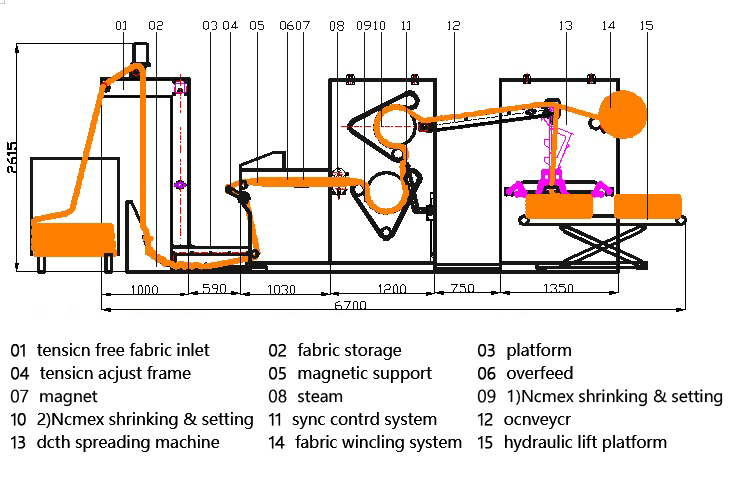
Rollers: The Most Common Compacting Machines
- Smooth Roller Balls
Smooth rollers that don’t have static weight or a vibrating mechanism are called smooth wheel rollers.
Common Uses:
- Asphalt consistency
- Base and sub-base layers
- Crude soils
They’re commonly employed in the construction of highway and airport runways.
- Vibratory Roulette
Vibratory rollers have an internal motion that produces vibrations.
Key Benefits:
- Increased efficiency of compaction
- More extensive coverage
- Lower number of passes
They are beneficial for soils that are not cohesive, such as sand and gravel.
- Pneumatic tire rollers
These rollers utilize multiple rubber tires to apply pressure to the kneading process.
Best For:
Asphalt coating
Variations in soil composition
The effect of kneading is to eliminate the presence of empty space more effectively than pure drums.
- Sheep’s foot rollers (Padfoot’s foot rollers)
Sheep’s foot rollers have extra features like lugs or pads.
Primary Purpose:
Cohesive soil type (clay, silt)
The pads travel through the soil’s layers, applying pressure and motion to a deep degree of compaction.
Plate Compactors
Plate compactors are small, portable machines that are used in confined spaces.
- Working Principle
They employ the vibrations of a flat steel sheet to compact the surface layers.
- Common Examples
Sidewalks
Driveways
Backfilling the trenches
Landscape design projects
Plate compactors are particularly prevalent in the urban environment.
Rollers: The Most Common Compacting Machines
- Smooth Roller Balls
Smooth rollers that don’t have static weight or a vibrating mechanism are called smooth wheel rollers.
Common Uses:
- Asphalt consistency
- Base and sub-base layers
- Crude soils
They’re commonly employed in the construction of highway and airport runways.
- Vibratory Roulette
Vibratory rollers have an internal motion that produces vibrations.
Key Benefits:
- Increased efficiency of compaction
- More extensive coverage
- Lower number of passes
They are beneficial for soils that are not cohesive, such as sand and gravel.
- Pneumatic tire rollers
These rollers utilize multiple rubber tires to apply pressure to the kneading process.
Best For:
- Asphalt coating
- Variations in soil composition
The effect of kneading is to eliminate the presence of empty space more effectively than pure drums.
- Sheep’s foot rollers (Padfoot’s foot rollers)
Sheep’s foot rollers have extra features like lugs or pads.
Primary Purpose:
Cohesive soil type (clay, silt)
The pads travel through the soil’s layers, applying pressure and motion to a deep degree of compaction.
Plate Compactors
Plate compactors are small, portable machines that are used in confined spaces.
- Working Principle
They employ the vibrations of a flat steel sheet to compact the surface layers.
- Common Examples
Sidewalks
Driveways
Backfilling the trenches
Landscape design projects
Plate compactors are particularly prevalent in the urban environment.
Rammer Compactors (Jumping Jack Compactors)
Rammer compactors utilize a compacting mechanism that employs a narrow foot.
Main Characters:
- Wonderful for cohesive soil
- Effective in deep, narrow channels
- High productivity in terms of area, volume, or weight per unit of soil
- They’re frequently employed in pipeline and utility projects
Asphalt Compacting Machines
In asphalt paving, compaction is critical for durability and smoothness.
Common Asphalt Compactors:
- Tandem rollers
- Pneumatic rollers
- Combination rollers
Improper asphalt compaction leads to cracking, rutting, and water damage.
Static vs Vibratory Compacting Machines
| Jellemző | Statikus tömörítő | Vibratory Compactor |
| Compaction Energy | Weight-based | Weight + vibration |
| Hatékonyság | Mérsékelt | Magas |
| Talajtípus | Cohesive, asphalt | Granular |
| Number of Passes | További | Fewer |
| Cost | Alsó | Magasabb |
Selection Criteria for Compacting Machines
Selecting the appropriate compacting machine is dependent on multiple factors that concern engineering.
- Talajtípus
Granular soil
Cohesive soils: Sheeps that roll on their flanks, grazers
- Layer Depth
Thin films → Compactors
Hard layers
- Conditions at the Site
Restricted spaces → Rammers, compactors of plates.
Open spaces → Roulers
A tömörítőgépek alkalmazásai
- The Road and Highway System
compacting machines accomplished:
- Solid base
- Uniform base layers
- Robust asphalt surfaces
- Creating foundations
Effective compaction prevents this:
- Differential payment
- Structural failure
- Flankments and Dams
High-density compaction increases the stability of slopes and the resistance of loads.
- Airport’s Runways and Industrial Yards
Heavy-duty compactors have a high capacity to hold loads.
Compaction Standards and Specifications
Compaction quality is governed by international standards, including:
- ASTM D698 – Standard Proctor Test
- ASTM D1557 – Modified Proctor Test
- AASHTO T99 and T180
FHWA Earthwork Construction Guidelines
Compacting machines must meet these performance requirements to ensure compliance.
Technological Advances in Compacting Machines
Modern compacting machines now feature:
- Intelligent compaction systems
- GPS-based monitoring
- Real-time density measurement
- Fuel-efficient engines
These innovations improve accuracy and reduce material waste.
Environmental and Sustainability Considerations
Efficient compaction:
- Reduces material consumption
- Minimizes rework
- Lowers carbon footprint
Electric and hybrid compacting machines are gaining market adoption.
Comparison Table: Compacting Machine Types and Uses
| Gép típusa | Compaction Method | Best Material | Typical Use |
| Smooth Roller | Static/Vibration | Asphalt, gravel | Roads |
| Vibrációs henger | Vibration | Sand, gravel | Subgrade |
| Sheep Foot Roller | Kneading | Clay | Embankments |
| Lemezes tömörítő | Vibration | Sand, soil | Sidewalks |
| Rammer Compactor | Impact | Cohesive soil | Trenches |
Economic Impact of Proper Compaction
Well-compacted infrastructure demonstrates:
- Longer service life
- Reduced rehabilitation costs
- Higher return on investment
Compacting machines directly influence project profitability.
Future Trends in Compaction Equipment
Automation and AI-based control
Lightweight composite drums
Remote operation
Data-driven quality assurance
These trends continue to reshape modern construction practices.
FAQ: Compacting Machine
- What is the purpose of a compacting machine?
A compacting machine is employed to increase the volume of soil, aggregates, or asphalt by reducing the number of air spaces and improving the capacity to load.
- Which machine is most effective for compacting clay?
Sheep’s foot rollers and compactors for sheep are most efficient in soil that is cohesive, such as clay.
- What is the distinction between static and vibratory compactors?
Static compactors utilize weight to achieve a higher density of compacting action with fewer trips.
- Can machines that compact asphalt be employed?
Yes. Smooth drumrollers and pneumatic tirerollers are specifically built for compacting asphalt.
- How does one choose the appropriate compacting machine?
The process of selection is dependent on the soil type, layer thickness, site conditions, and the required degree of compaction.
Következtetés
A compacting machine is not simply a tool for construction: it is a crucial component of the success of structural engineering and reliability. Understanding the purpose, types, and methods of compacting machines enables professionals in engineering, construction, and procurement to make informed decisions that have an effect on the performance, safety, and cost of the project.
When operated as intended, compacting machines will guarantee that infrastructure will survive over time.