


 Spanish
 English
 Hungarian
 Indonesian
 Bulgarian
 Turkish
 Polish
 Russian
 Portuguese
 Korean
 French


Understanding GRS Certification Requirements for Textile Mills
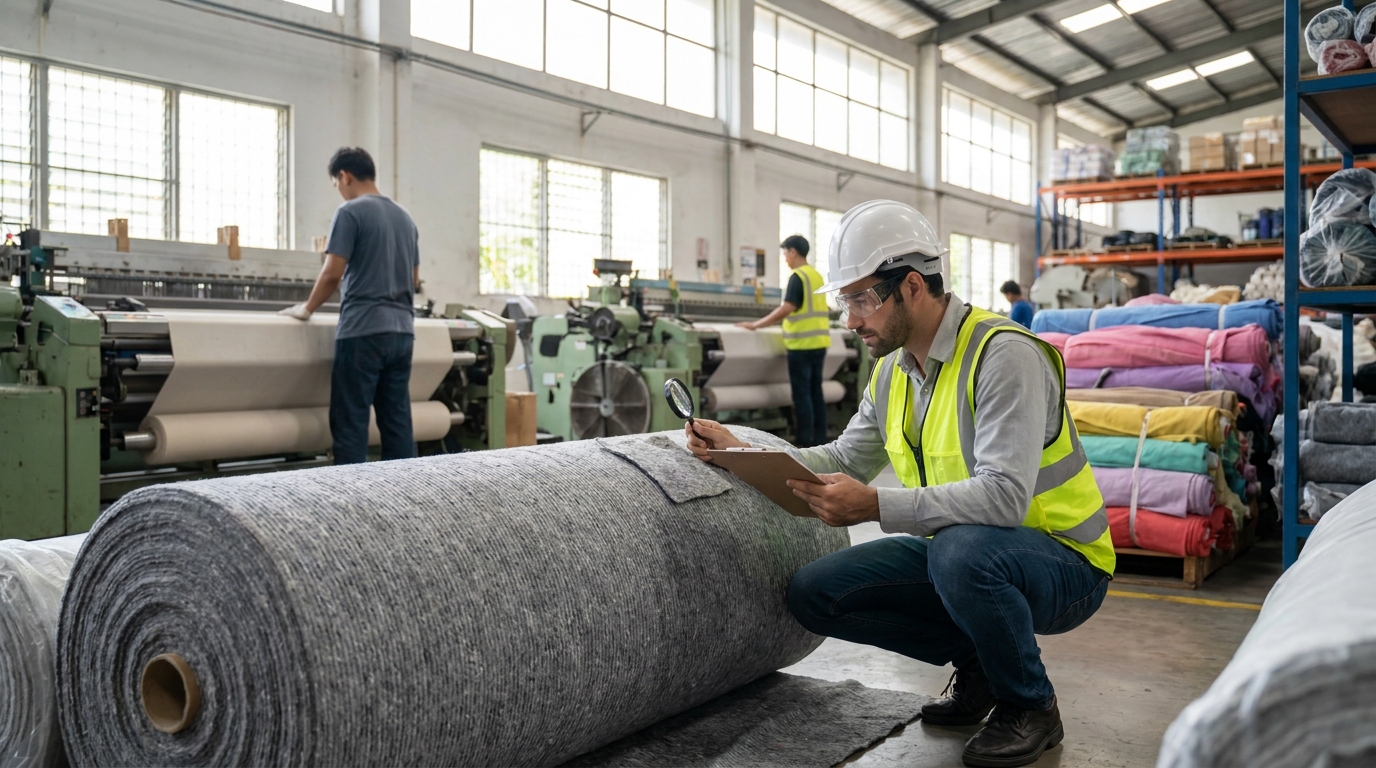
The core GRS certification requirements go beyond simply using recycled materials. The standard evaluates your entire production facility based on traceability, environmental practices, social responsibility, and chemical restrictions. To qualify, mills must meet a specific GRS recycled content threshold. A product must contain at least 20% recycled material to achieve standard certification. However, to display the official GRS logo on your textiles, the product must contain a minimum of 50% recycled content.
GRS vs. Recycled Claim Standard (RCS)
Many mill owners ask whether they should pursue GRS or the Recycled Claim Standard (RCS). While both standards verify recycled input, their scopes differ significantly. RCS focuses strictly on tracking recycled materials through the supply chain. In contrast, GRS includes strict environmental and social criteria. If your buyers require proof of sustainable chemical management and ethical labor practices, GRS is the necessary standard.
The 6-Stage Audit Process
Preparing for a GRS audit textile mill evaluation requires a clear strategy. The certification process typically follows six distinct stages:
- Application: Submit detailed facility information to an approved certification body.
- Document Review: Auditors review your policies, chemical inventories, and machinery records.
- Audit Preparation: Address compliance gaps through a pre-audit or professional diagnosis.
- On-Site Inspection: Auditors visit the mill to verify physical equipment, worker conditions, and material segregation.
- Corrective Actions: Resolve any non-conformities identified during the inspection.
- Certification Decision: The certifying body issues the scope certificate detailing approved products and processes.
Budgeting for this process is critical. While costs fluctuate based on mill size, location, and existing equipment, certification typically ranges between $7,000 and $35,000. Upgrading to intelligent textile machinery, such as modern drying or dyeing equipment from SutexMach, improves recycled polyester fabric machine traceability. This makes it easier to prove material segregation and environmental compliance during your final inspection.
The Scope Certificate Strategy: Defining Your Production Boundaries

Before applying for the audit, mills must define their production boundaries. A scope certificate strategy outlines which products and processes are included. Without clear boundaries, auditors cannot accurately assess your operations. This strategy ensures you only audit the production lines handling recycled materials.
Mills often confuse the terms GRS scope certificate and transaction certificate. The scope certificate validates your facility’s capability to produce GRS goods. In contrast, a transaction certificate verifies a specific batch of fabric. You cannot request transaction certificates for buyers until you hold a valid scope certificate.
Conducting a Professional Diagnosis
To ensure your equipment meets the standard, we recommend conducting a professional diagnosis. This pre-audit gap analysis evaluates your current machinery and workflows. It helps identify non-compliant production lines early, preventing costly official audit failures later.
Mapping Your Certified Equipment
Your strategy must detail every machine processing recycled materials. Auditors check if you can physically separate recycled and conventional inputs. You must map out specific equipment lines included in the certified scope. Key areas to document include:
- Dyeing and Wet Processing: Document all dyeing machines and chemical dosing systems to prove compliance with strict GRS chemical restrictions.
- Drying and Finishing: Include your máquina rameadora, calendering, and sueding equipment. SutexMach designs intelligent finishing machinery that precisely records processing data, making material traceability easier during inspections.
- Material Handling: Detail the bins, carts, and staging areas. These must be dedicated strictly to recycled textiles to prevent blending.
Creating this equipment map simplifies the on-site inspection. It proves to auditors that your mill maintains strict control over recycled inputs from start to finish.
The GRS Equipment Checklist: Upgrading Your Mill for Compliance
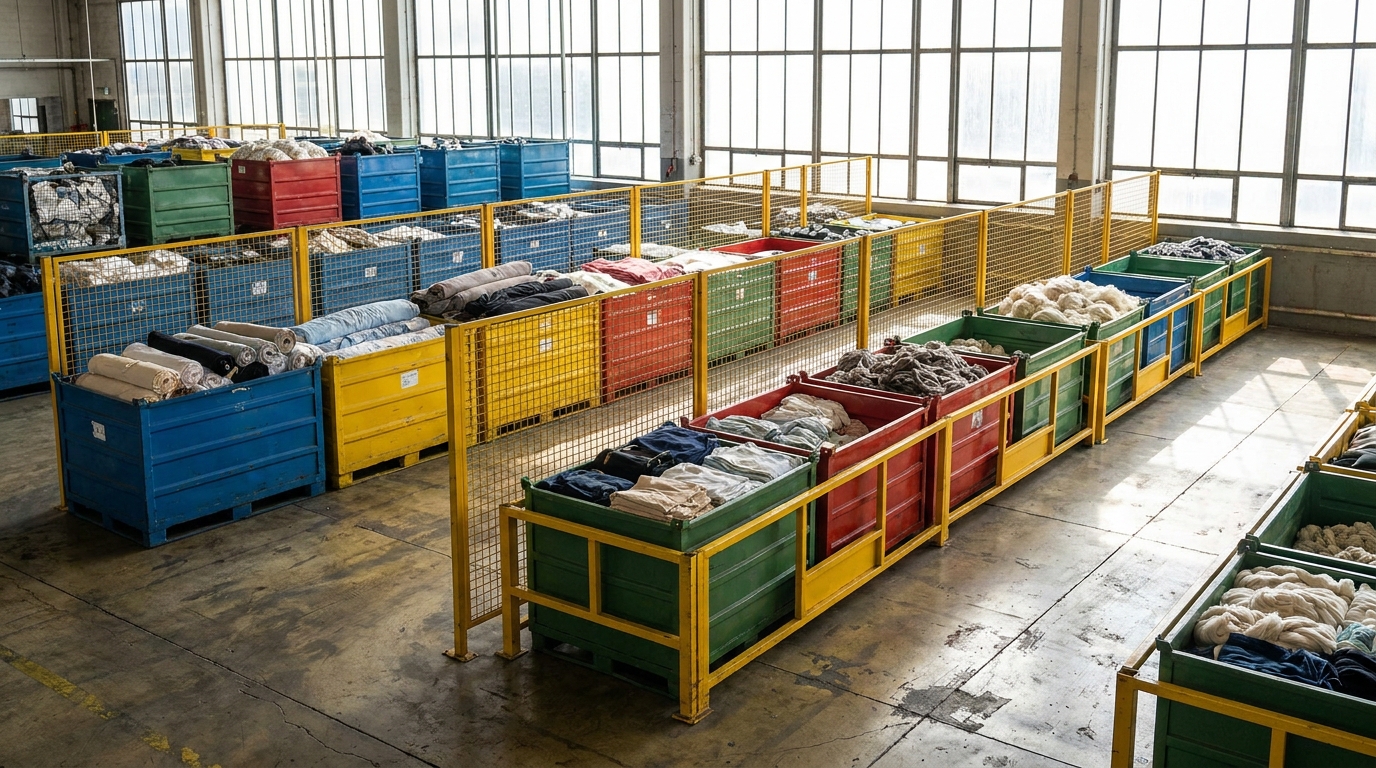
Once you define your production boundaries, evaluate your physical facility. Passing the on-site inspection requires more than just good paperwork. Auditors will closely examine your machinery to verify compliance. Upgrading specific areas of your production line ensures your mill meets all standard requirements.
Material Segregation Tools
Auditors look for strict separation between virgin and recycled inputs. You must prevent accidental blending on the factory floor. Your facility needs dedicated storage bins specifically for recycled textiles. Implement clear, color-coded labeling systems for all material carts. Installing physical barriers between conventional and recycled production areas further proves your commitment to material integrity.
Recycled Polyester Fabric Machine Traceability
Proving the origin of your inputs requires robust recycled polyester fabric machine traceability. Older equipment often lacks the digital capabilities needed for modern audits. Upgrading to intelligent machinery allows you to track specific production batches accurately. SutexMach manufactures advanced sueding and calendering machines equipped with digital logs. These systems automatically record processing parameters, providing verifiable traceability data directly to the auditor.
Environmental and Resource Monitoring
The environmental portion of the audit demands strict resource tracking. Your equipment checklist must include monitoring tools for all wet processing areas. Required upgrades include:
- Water flow meters: Install these on all dyeing and washing lines to track exact water consumption.
- Energy consumption monitors: Attach these to drying machines to record power usage and support carbon-footprint calculations.
- Automated chemical dosing: Use automated systems in dyeing machines to enforce strict chemical restrictions and reduce toxic waste.
If you are evaluating older equipment for these capabilities, consult a used textile machinery for sale inspection checklist before buying to ensure it can support modern environmental monitoring.
Worker Safety and Social Compliance
A major part of the certification process involves a social and CSR audit. Your machinery must protect operators at all times. Ensure all warp knitting and dewatering machines feature proper physical guarding. Verify that easily accessible emergency stops are functional across the entire production line. Failing these basic safety checks will immediately halt your certification progress.
Ventilation and Emission Controls
Meeting strict environmental standards requires excellent air quality management. Your facility needs industrial exhaust filtration systems to capture volatile organic compounds (VOCs). When utilizing air-softening machines, ensure they integrate properly with your emission controls. Capturing airborne fibers and filtering exhaust is mandatory for achieving environmental compliance.
| Audit Category | Required Equipment Upgrades |
|---|---|
| Traceability | Intelligent digital logs, batch tracking systems, segregated bins |
| Environmental | Water flow meters, energy monitors, automated chemical dosing |
| Social & Safety | Emergency stops, physical machine guarding |
| Emissions | Exhaust filtration, integrated air-softening ventilation |
Common Mistakes When Preparing for a GRS Audit
Even with the right equipment upgrades, a GRS audit textile mill inspection can fail due to procedural oversights. Mills often stumble on daily operational habits rather than major machinery flaws. Avoiding these common errors saves time and protects your certification investment.
Inadequate Material Segregation
As mentioned earlier, physical barriers are crucial. However, a frequent mistake is letting standard and recycled materials mix during busy shifts. Workers might temporarily place conventional yarn in a bin designated for recycled inputs. Auditors actively look for these cross-contamination risks. You must enforce strict floor protocols alongside your physical separation tools to maintain material integrity.
Poor Data Infrastructure for Certificates
Securing your scope certificate is only the first step. You must also generate precise data for every transaction certificate requested by buyers. Many mills lack the digital infrastructure to export batch reports easily. If your calendering or dyeing machines cannot provide verifiable processing data, proving the recycled origin becomes very difficult. Upgrading to intelligent machinery ensures this data is captured automatically.
Underestimating Chemical Restrictions
The Global Recycled Standard enforces strict chemical guidelines. Mills often underestimate these rules and accidentally use non-compliant dyes or finishing agents. Even if your automated dosing systems work perfectly, loading them with restricted chemicals will trigger an audit failure. You must cross-reference every processing chemical against the approved GRS list before it enters the factory floor.
Neglecting Calibration and Maintenance Records
Auditors review routine machine calibration and maintenance logs to verify consistent environmental performance. A water flow meter or energy monitor is useless if it is not calibrated correctly. Overlooking these maintenance records is a major red flag during the environmental portion of the audit. Keep detailed logs for all sueding, drying, and air-softening machines. If you must upgrade equipment to meet strict GRS certification requirements, ensure your new machinery includes automated maintenance alerts.
Integrating Intelligent Machinery to Streamline Certification
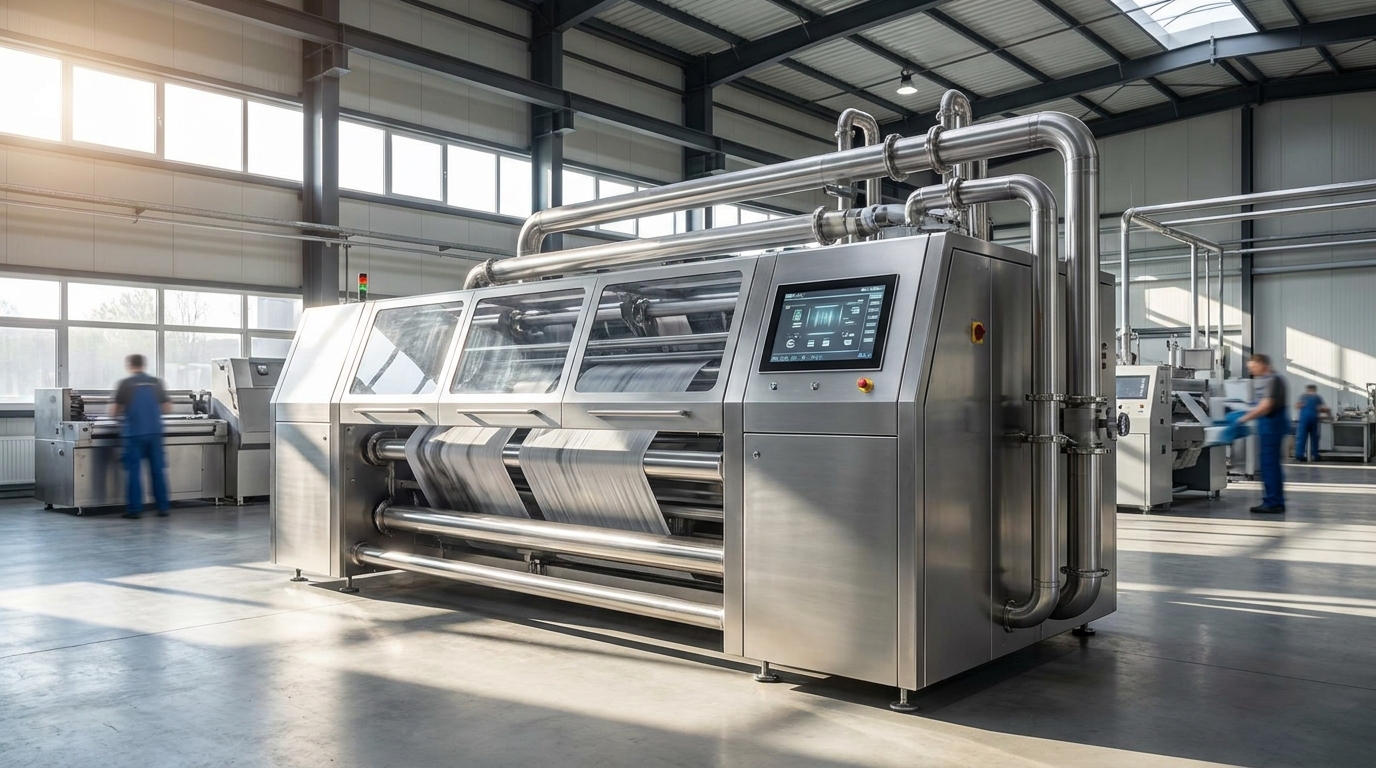
Passing the environmental module of a GRS audit requires precise operational data. Auditors often look for ISO14064 or ISO14067 compliance to verify your carbon-footprint tracking. Older equipment forces operators to log this data manually, which inevitably introduces human error and creates compliance gaps. Upgrading to intelligent textile machinery automates this entire data collection process. Digital sensors track exact energy, water, and chemical usage for every production batch. This proves your facility operates sustainably while meeting the strict GRS recycled content threshold.
Achieving this level of accuracy requires reliable equipment. Founded in 1985, SutexMach is affiliated with Jiangsu SoHo Honry Import & Export Co., Ltd. We bring over 30 years of manufacturing experience to the textile industry, producing intelligent stenter, dyeing, and finishing machines designed for global fabric mills. These advanced systems provide the precision control necessary for sustainable processing. Consistent temperature regulation and automated chemical dosing eliminate material waste. Generating accurate data for a GRS scope certificate and transaction certificate becomes an automated daily routine.
Reducing your overall carbon footprint is another major GRS requirement. You can achieve significant energy savings by optimizing your moisture removal processes. Automated dewatering machines extract maximum water mechanically before fabrics reach the heat-setting stage. This drastically lowers the thermal load required for subsequent steps. Energy-efficient drying machines then consume significantly less power to finish the fabric. Lowering your electrical and thermal energy usage directly supports GRS environmental compliance goals.
| Process Area | Traditional Machinery Limitations | Intelligent Machinery Benefits |
|---|---|---|
| Data Collection | Relies on manual operator logs and estimates. | Automated digital sensors record ISO14064 data. |
| Aplicación química | Manual mixing increases waste and toxic run-off. | Precision dosing ensures strict environmental compliance. |
| Moisture Removal | High reliance on thermal drying consumes excess power. | Advanced dewatering reduces thermal load and carbon footprint. |
Frequently Asked Questions About GRS Certification for Textile Mills
What is the difference between GRS and RCS certification?
While both standards verify recycled materials, the Recycled Claim Standard (RCS) only tracks the flow of recycled inputs through the supply chain. The Global Recycled Standard (GRS) goes further by including strict rules for environmental practices, chemical management, and ethical working conditions.
How much does GRS certification cost for a textile mill?
The cost to audit and certify a textile mill usually ranges between $7,000 and $35,000. The exact price depends on the size of your facility, its location, the certifying body, and whether your current equipment requires upgrades to pass the environmental inspection.
What is the minimum recycled content required for GRS?
A textile product must contain at least 20% recycled material to qualify for basic certification. However, to display the official GRS logo for consumer marketing, the product must contain a minimum of 50% recycled content.
What is the difference between a scope certificate and a transaction certificate?
A scope certificate proves that your textile mill is approved and capable of producing GRS-certified goods. A transaction certificate serves as proof for a specific batch of fabric sold to a buyer. You must hold a valid scope certificate before requesting transaction certificates.
How can upgrading machinery help my mill pass the audit?
Older machines often lack the tracking tools needed for modern audits. Upgrading to intelligent textile machinery automates important data collection. Digital sensors accurately record energy, water, and chemical usage, making it easier to prove material traceability and environmental compliance without relying on manual paperwork.
Conclusión
Achieving GRS certification requires the right equipment, strict traceability, and a clear scope strategy. Performing a professional diagnosis early helps catch compliance gaps and avoid audit failures. Upgrade your facility with intelligent machinery from SutexMach to support your sustainability goals.
- Evaluate your current production lines for compliance gaps.
- Implement strict physical separation for recycled materials.
- Contact SutexMach to explore intelligent textile machines.