

 Spanish
 English
 Hungarian
 Indonesian
 Bulgarian
 Turkish
 Polish
 Russian
 Portuguese
 Korean
 French


Understanding ZDHC MRSL Compliance in Textile Production
A Manufacturing Restricted Substances List (MRSL) controls the chemicals entering your factory. It differs significantly from a Product Restricted Substances List (PRSL). A PRSL only restricts hazardous chemicals found on the finished garment. An MRSL bans toxic substances from the entire production process. This protects factory workers, local waterways, and the surrounding environment.
Achieving ZDHC MRSL compliance involves a strict, phased approach. The ZDHC framework categorizes chemical formulations into three distinct conformance levels:
- Level 1: Requires a simple analytical test or a declaration from the chemical supplier. It proves the chemical formulation meets basic MRSL limits.
- Level 2: Adds an independent third-party review. This step verifies the chemical supplier’s internal product stewardship practices.
- Level 3: Represents the highest tier of compliance. It requires a physical factory audit of the chemical formulator to ensure continuous quality control.
Strict MRSL conformance changes daily factory operations. In the dyeing department, managers must verify every dyestuff before purchasing. During washing and fabric softening stages, facilities must replace traditional toxic surfactants with approved alternatives. Modern dyeing, washing, and air-softening machines perform best when processing compliant chemicals. Using approved inputs prevents hazardous residue buildup inside your finishing equipment.
Official ZDHC standards and specific buyer requirements always take precedence over general industry guidance. Always verify your chemical inventory against the latest official ZDHC documentation to meet your brand partners’ compliance targets.
Building an Effective Chemical Management System (Textile)
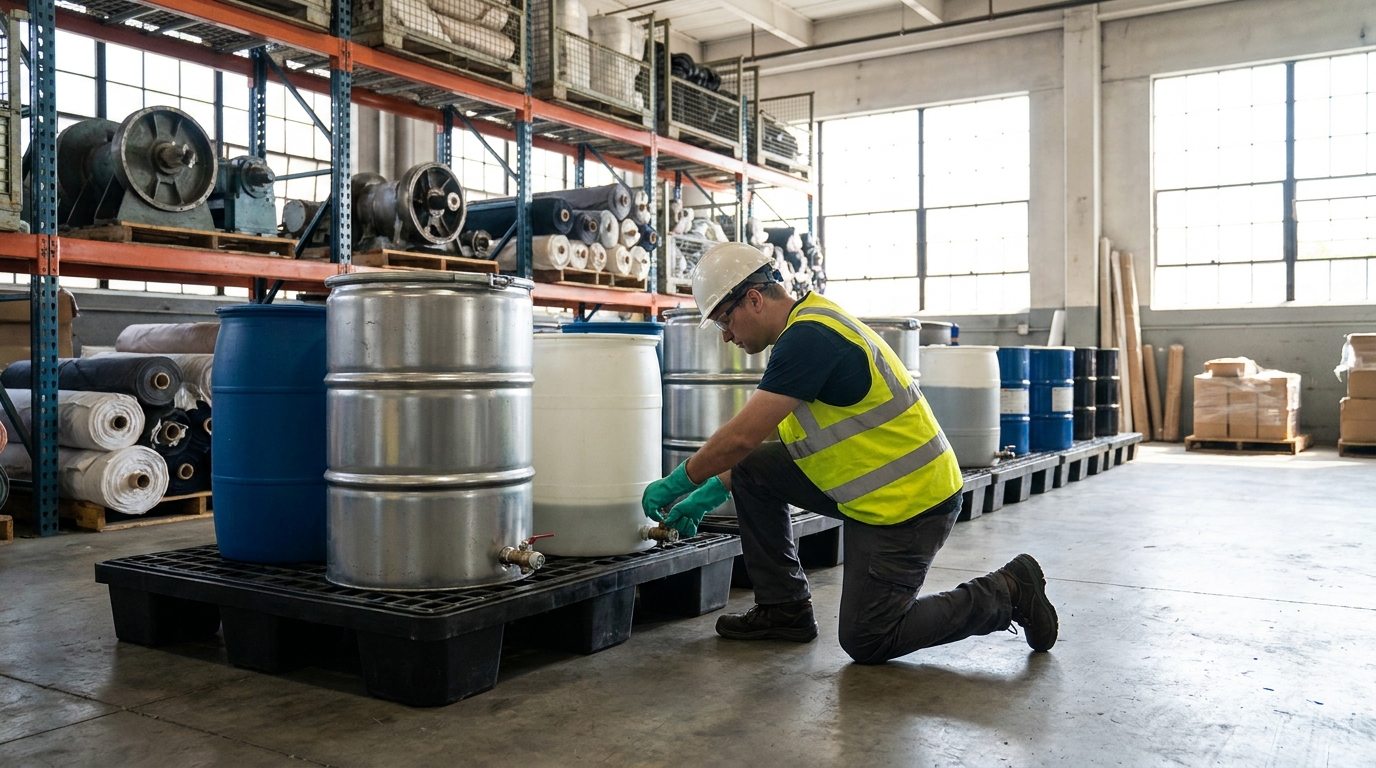
Moving beyond basic MRSL compliance requires a highly structured operational approach. A robust Chemical Management System (Textile) framework controls environmental risks across your entire finishing mill. This system demands dedicated personnel, clear purchasing policies, and safe storage protocols. It shifts daily factory operations from reactive troubleshooting to proactive chemical control.
The foundation of this system relies entirely on accurate chemical sourcing. Mill managers must utilize the ZDHC Gateway chemical inventory to find verified formulations. This global database lists chemicals that meet strict MRSL conformance levels. Before purchasing any new dye or auxiliary, procurement teams must verify its certification status on this platform. This crucial step prevents toxic substances from ever entering your facility.
Once safe chemicals arrive, strict tracking becomes essential for daily operations. Facilities must monitor chemical movement directly from the loading dock to the factory floor.
- Procurement: Mandate current Safety Data Sheets (SDS) for every single delivery. Cross-reference incoming batch numbers directly against the ZDHC Gateway.
- Storage: Store and segregate formulations strictly by chemical compatibility. Use secondary containment pallets to prevent accidental spills from reaching factory drains.
- Application: Measure precise chemical doses for all production batches. Modern SutexMach dyeing and stenter machines feature advanced controls to optimize chemical uptake and minimize waste.
Accurate documentation proves your ongoing compliance to visiting brand auditors. Maintain detailed inventory logs that track exact consumption rates against your fabric output. Conduct regular internal audits to spot discrepancies between purchased quantities and applied volumes. A problem-first troubleshooting approach helps identify hidden leaks or unauthorized chemical substitutions on the floor. Consistent record-keeping protects your mill during unannounced buyer inspections and ensures continuous ZDHC conformance.
Adhering to ZDHC Wastewater Guidelines
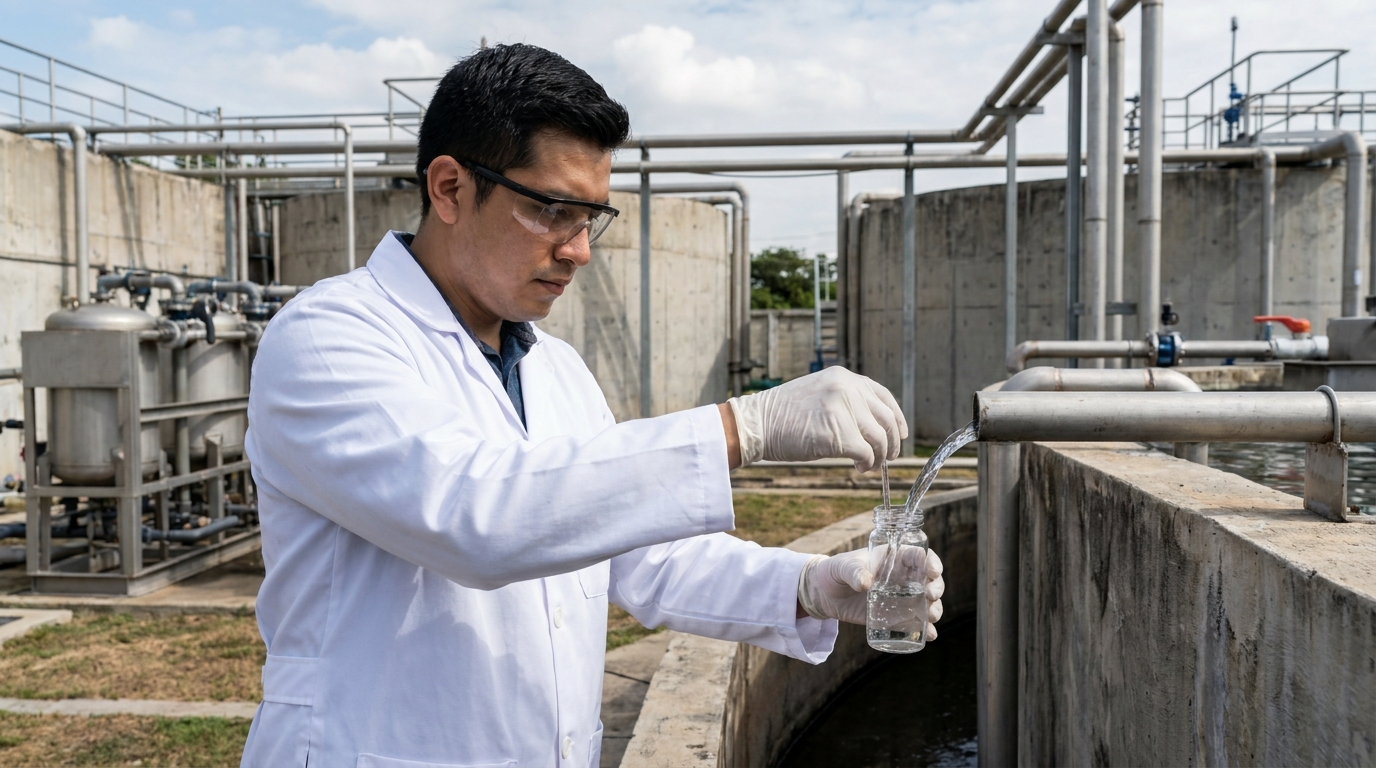
Textile finishing mills discharge massive volumes of water daily. Managing this effluent requires strict adherence to the ZDHC wastewater guidelines. These rules dictate exactly what can safely leave your factory pipe. They protect local ecosystems and ensure ongoing brand compliance.
Testing focuses on three primary categories. First, mills must monitor conventional parameters like pH, temperature, biological oxygen demand (BOD), and chemical oxygen demand (COD). Second, testing must screen for heavy metals, including lead, mercury, and chromium. Finally, facilities must test for all banned MRSL substances.
The framework does not expect immediate perfection from every supplier. It sets three distinct performance levels for wastewater discharge:
- Foundational: Meets basic industry and legal requirements. This represents the minimum acceptable compliance level for global brands.
- Progressive: Demonstrates advanced wastewater treatment capabilities. Factories achieve this by actively reducing chemical pollutants further.
- Aspirational: Represents the highest possible industry standard for effluent quality. Reaching this level requires exceptional water purification and recycling processes.
Maintaining these levels demands continuous monitoring. Mills must conduct regular wastewater sampling using accredited third-party laboratories. Test conventional parameters daily or weekly to maintain baseline stability. Test for heavy metals and MRSL substances at least twice a year. If a test fails, trace the specific effluent failure directly back to the responsible production phase.
Your wastewater quality directly reflects your chemical inventory. As established in your chemical management system, clean inputs create clean outputs. If you exclusively use verified MRSL-compliant formulations, your effluent will naturally avoid hazardous failures.
Equipment efficiency also impacts your wastewater treatment success. SutexMach dewatering and dyeing machines operate with high mechanical efficiency. Processing fabrics with advanced machinery optimizes water usage. This reduces your total effluent volume, making the remaining wastewater much easier to treat. Never rely on end-of-pipe treatment to fix toxic inputs. Clean wastewater always starts with safe chemical sourcing.
The Role of Modern Machinery in Meeting ZDHC Standards
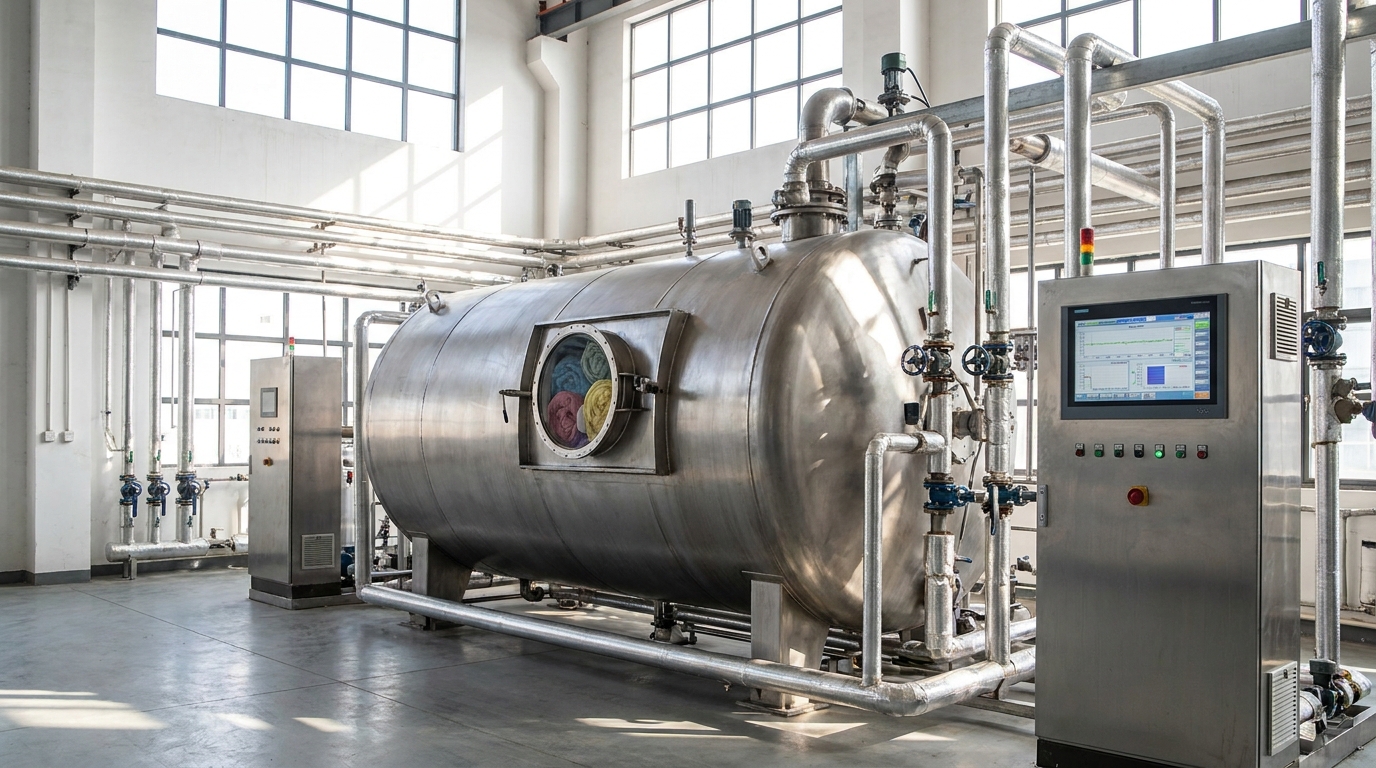
Achieving the wastewater standards discussed earlier requires more than just clean chemicals. Factory equipment directly dictates your environmental footprint. Inefficient machines consume excess water to achieve desired fabric shades. This high water usage dilutes chemical baths. Operators must then add more dye and auxiliaries. Consequently, the factory generates massive volumes of heavily polluted wastewater. High-efficiency machinery optimizes daily resource consumption. It ensures chemicals bond to the fabric rather than washing away.
Founded in 1985, SutexMach brings over 30 years of expertise. We are a professional manufacturer of intelligent textile machinery. SutexMach is affiliated to Jiangsu SoHo Honry Import & Export Co., Ltd. Our equipment helps global fabric mills optimize resource usage. Smart controls ensure precise chemical dosing and temperature management. This directly supports your facility’s environmental compliance goals.
Upgrading to precise, low-liquor-ratio dyeing machines is a crucial step. Older vats often require a high liquor ratio. This means using ten liters of water per kilogram of fabric. Modern intelligent machines drastically reduce this ratio. Lower water volumes require fewer chemicals for the correct bath concentration. This efficiency minimizes the risk of hazardous discharge. It keeps your MRSL limits well within boundaries.
Regional production demands also influence machinery selection. Consider how to choose a jet dyeing machine for Bangladesh knit mills. Capacity and compliance must balance perfectly in these regions. These high-volume facilities process massive daily tonnages. Minor inefficiencies compound quickly, leading to severe wastewater violations. High-capacity, low-impact processing protects local waterways during intense export deadlines.
Beyond wet processing, dry finishing plays a vital role. Advanced fabric finishing machines reduce reliance on chemical treatments. SutexMach specializes in a wide range of these systems. Mechanical finishing often replaces chemical softeners and resins entirely. Our lineup includes several key technologies:
- Air-Softening Machines: These units use high-velocity airflow to break down fabric stiffness naturally.
- Calendering Machines: This equipment applies precise heat and pressure to create a glossy surface.
- Sueding Machines: These systems mechanically raise the fabric surface for a softer hand feel.
- Stenter and Drying Machines: Advanced moisture control locks in dimensional stability without excess chemical resins.
These mechanical processes achieve premium quality without introducing chemical risks. Physical finishing keeps your ZDHC Gateway chemical inventory lean and manageable. This strategic shift simplifies compliance and ensures safer factory operations.
Navigating Overlapping Standards: ZDHC vs. OEKO-TEX and GOTS
Suppliers face immense pressure managing multiple certifications. Global buyers frequently require ZDHC compliance alongside OEKO-TEX and GOTS. This overlap often causes confusion on the factory floor. Understanding how these frameworks interact simplifies your overall compliance strategy.
These standards do not compete with one another. Instead, they address different stages of textile manufacturing. ZDHC focuses primarily on chemical inputs and factory processes. It stops toxic substances before they enter your facility. OEKO-TEX Standard 100 focuses strictly on the end product. It tests final fabrics to ensure consumer safety. Meanwhile, the Global Organic Textile Standard (GOTS) tracks organic fiber integrity throughout the entire supply chain.
| Standard | Primary Focus | Key Objective | Testing Stage |
|---|---|---|---|
| ZDHC | Inputs and Processes | Eliminate hazardous discharge | Pre-production and Effluent |
| OEKO-TEX 100 | Final Product Safety | Protect consumer health | Post-production |
| GOTS | Organic Fibers | Certify organic supply chains | Entire Supply Chain |
Managing these overlapping requirements creates a common supplier pain point. Factories must juggle multiple audits and differing testing parameters. Buyers expect excellent dimensional stability and high colorfastness. However, achieving these physical properties often tempts operators to use harsh chemical fixatives. Applying heavy resins to control fabric shrinkage can easily trigger an OEKO-TEX failure. It might also violate your MRSL limits.
A clean ZDHC Gateway chemical inventory directly supports other certifications. When you source verified, safe chemicals, passing OEKO-TEX final product tests becomes much easier. The frameworks complement each other perfectly. Safe inputs naturally result in safe consumer garments.
To navigate these rules successfully, always verify your chemical formulations against the most current compliance documents from each organization, as official standards and specific buyer requirements take precedence over general industry guidance.
Mechanical finishing offers a practical solution to overlapping demands. You can achieve strict physical testing parameters without adding chemical risks. SutexMach stenter and drying machines provide exceptional moisture and tension control. This equipment locks in dimensional stability naturally. By relying on precise heat and mechanical action, you drastically reduce chemical resin usage. This approach keeps your fabric soft, stable, and fully compliant across every major standard.
Common Challenges and Troubleshooting in ZDHC Compliance
Even with strict frameworks in place, textile suppliers frequently encounter compliance roadblocks. A major pitfall is relying on outdated Safety Data Sheets (SDS). Chemical formulations change rapidly. Using obsolete data quickly leads to severe environmental violations. Another frequent mistake is poor factory floor training. Management might understand the standard, but operators physically handle the dyes and auxiliaries. If staff lack proper training, they may overdose chemical baths to achieve desired fabric shades. Keeping your ZDHC Gateway chemical inventory updated is useless if workers ignore the established protocols.
When compliance failures occur, suppliers need a reliable response strategy. Factory managers should adopt a problem-first troubleshooting approach. Rather than guessing theoretical causes, start directly from the observed symptom. For example, if a wastewater effluent test fails, trace the specific restricted chemical back to the exact production batch. If fabric defects arise during finishing, examine the immediate machine parameters before blaming raw materials. This practical method isolates issues quickly and minimizes production downtime.
Conducting an accurate root cause analysis presents its own set of challenges. Production environments are complex. Many variables interact simultaneously on the factory floor. A failed colorfastness test might stem from contaminated water, incorrect temperature, or unapproved fixatives. Tracking these variables requires diligent daily record-keeping.
Once you identify the root cause, you must implement strict corrective actions. These actions must target the specific failure point to be effective. Common corrective steps include:
- Quarantining non-compliant chemical batches immediately.
- Retraining operators on precise dosing measurements.
- Recalibrating machine sensors to ensure accurate temperature control.
- Updating standard operating procedures for chemical storage.
Implementing these steps prevents the recurrence of hazardous chemical usage. It also protects your MRSL limits from future accidental breaches.
Modern equipment actively prevents many of these common operator errors. SutexMach designs intelligent textile machinery with precise automation. Our dyeing, dewatering, and stenter machines feature advanced smart controls. These systems lock in specific temperatures and processing times. This automation removes the guesswork from daily operations. It prevents operators from manually adding unapproved chemicals to fix processing mistakes. By standardizing the physical finishing process, our machinery helps maintain high Right First Time (RFT) rates and consistent environmental compliance.
Frequently Asked Questions About ZDHC Compliance in Textile Finishing
What is the difference between an MRSL and a PRSL?
A Manufacturing Restricted Substances List (MRSL) bans hazardous chemicals from being used anywhere during the textile production process. This protects factory workers and the environment. A Product Restricted Substances List (PRSL) only restricts toxic chemicals found on the final finished garment to protect the consumer. ZDHC focuses primarily on MRSL compliance to stop harmful substances before they even enter your factory.
How can textile suppliers verify if a chemical formulation is safe to use?
Mill managers should use the ZDHC Gateway chemical inventory. This global database lists chemical formulations that meet strict MRSL conformance levels. Before buying any dye or auxiliary, procurement teams must check its certification status on this platform. This ensures you only purchase verified chemicals, preventing toxic substances from entering your finishing equipment and wastewater. Always ask chemical suppliers for current Safety Data Sheets (SDS) with every delivery.
Does meeting ZDHC standards guarantee a fabric will pass OEKO-TEX testing?
No, they are separate standards that measure different things. ZDHC controls the chemical inputs and factory processes to eliminate hazardous wastewater discharge. OEKO-TEX Standard 100 tests the final manufactured fabric to ensure it is safe for consumers to wear. However, these standards complement each other. Using clean, ZDHC-verified chemicals during production makes it much easier to pass OEKO-TEX final product tests, as safe inputs naturally lead to safe garments.
How does upgrading textile machinery help with environmental compliance?
Inefficient older machines use excessive water, which dilutes chemical baths and requires operators to add more dye. This creates massive amounts of polluted wastewater. Modern intelligent machinery from SutexMach features low-liquor-ratio dyeing and precise smart controls. This drastically reduces water and chemical consumption. Additionally, using mechanical finishing equipment like air-softening or sueding machines can replace chemical treatments entirely, making it much easier to meet strict wastewater guidelines.
What is the best way to troubleshoot a failed ZDHC wastewater test?
Factories should use a problem-first troubleshooting approach. Instead of guessing the cause, start directly from the failed test result and trace the specific restricted chemical back to the exact production batch. Check your chemical inventory logs and recent machine parameters. Once the root cause is found, immediately quarantine the non-compliant chemical batches. Finally, retrain operators on proper dosing and update your storage procedures to prevent the mistake from happening again.
Conclusión
Achieving ZDHC compliance requires a strict chemical management system paired with modern, resource-efficient machinery. Upgrading your facility with advanced equipment from SutexMach helps optimize chemical usage and reduce wastewater. Always consult official ZDHC documentation for the latest standard updates to keep your finishing mill compliant.
- Review the latest official ZDHC MRSL guidelines.
- Verify your current chemical inventory using the ZDHC Gateway.
- Contact SutexMach to upgrade your textile finishing machinery.