


 Spanish
  English
  Hungarian
  Indonesian
  Bulgarian
  Turkish
  Polish
  Russian
  Portuguese
  Korean
  French


Whether you are a textile engineer, a factory owner upgrading your production line, or an investor looking to enter the textile market, understanding how does a warp knitting machine work is the crucial first step.
As a cornerstone of modern textile production, the telar de urdimbre is renowned for its incredible speed, versatility, and ability to produce high-quality, run-resistant fabrics. From the sportswear you wear to the technical textiles used in automotive interiors, warp knitting technology is everywhere.
En esta guía exhaustiva, desglosaremos la mecánica, los componentes principales y los principios de funcionamiento paso a paso de las máquinas de punto de urdimbre, y explicaremos por qué elegir el socio técnico adecuado es tan importante como la propia máquina.
What is Warp Knitting?
Before diving into the machinery, we must understand the concept. Warp knitting is a fabric-forming process where yarns are fed simultaneously in a parallel direction (longitudinally) along the length of the fabric.
Unlike other knitting methods that use a single yarn, warp knitting uses hundreds or even thousands of parallel yarns supplied from a warp beam. These yarns undergo a synchronized process of interlooping to form a strong, stable, and run-resistant fabric (meaning if a thread breaks, the fabric will not easily unravel or “ladder”).
Warp Knitting vs. Weft Knitting: What is the Difference?
To better understand the machinery, it is helpful to know the difference between warp vs weft knitting:
- Yarn Direction: In a weft knitting machine, a single yarn runs horizontally (crosswise) back and forth. In a warp knitting machine, multiple yarns run vertically (lengthwise).
- Production Speed: Because warp knitting machines process an entire row of yarns simultaneously, they offer significantly higher high-speed knitting capabilities compared to weft knitting.
- Fabric Characteristics: Warp-knitted fabrics are generally firmer, less elastic, and highly durable. Weft-knitted fabrics are softer and highly stretchable (like t-shirts and sweaters).
| Característica | Máquina de tricotar por urdimbre | Weft Knitting Machine |
|---|---|---|
| Dirección del hilo | Vertical (Lengthwise) | Horizontal (Crosswise) |
| Number of Yarns | Hundreds or thousands simultaneously | Usually a single yarn (or few) |
| Velocidad de producción | Exceptionally high (fabric is made quickly) | Moderado |
| Fabric Texture | Firmer, highly stable, run-resistant | Softer, highly elastic, stretchable |
| Common Products | Sportswear, technical textiles, lace | T-shirts, sweaters, socks |
Core Components of a Warp Knitting Machine
To answer “how does a warp knitting machine work,” we must look inside the machine. A standard machine consists of several critical moving parts that work in perfect harmony:
- The Warp Beam (Yarn Supply): A large cylinder pre-wound with thousands of parallel yarns. It acts as the feeding system, delivering yarn smoothly and at a consistent tension into the knitting zone.
- The Guide Bars: Equipped with small guides, their job is to take the yarn from the warp beam and wrap it around the knitting needles. By swinging back and forth, they control the pattern of the fabric through specific movements known as overlap and underlap.
- The Needle Bar: This bar holds the knitting needles (commonly agujas de cierre or compound needles) in a straight row. It moves up and down vertically to catch the yarn supplied by the guide bars, pulling it through the previous loops to execute the loop formation.
- The Sinker: A thin metal plate positioned between the needles. It holds the fabric down while the needles rise to catch new yarn, ensuring the loops slide off the needles correctly.
¿Cómo funciona una máquina tricotosa de urdimbre?
The actual knitting cycle of a warp knitting machine happens in fractions of a second. Here is the step-by-step breakdown of the loop formation process:
- Alimentación del hilo: The warp beam continuously feeds parallel yarns to the guide bars.
- Swinging and Overlapping: The guide bars swing through the spaces between the needles, wrapping the yarn around the hook of the needle (the overlap).
- Loop Formation (Knitting): As the needle bar moves downward, the new yarn is pulled through the old loop. The old loop is cast off, and a completely new loop is formed.
- Underlapping (Patterning): The guide bars shift sideways behind the needles before the next cycle begins (the underlap), connecting the vertical columns of loops together to create a solid fabric.
- Fabric Take-down: The sinkers hold the fabric in place, and a mechanical roller system pulls the finished fabric downward onto a roll.
Principales tipos de máquinas de tejer por urdimbre
Depending on the desired fabric, textile manufacturers typically utilize different types of machines:
- Tricot Knitting Machines: Ideal for fine-gauge, continuous, and high-speed production. Perfect for lightweight, tightly knit fabrics like swimwear and sportswear.
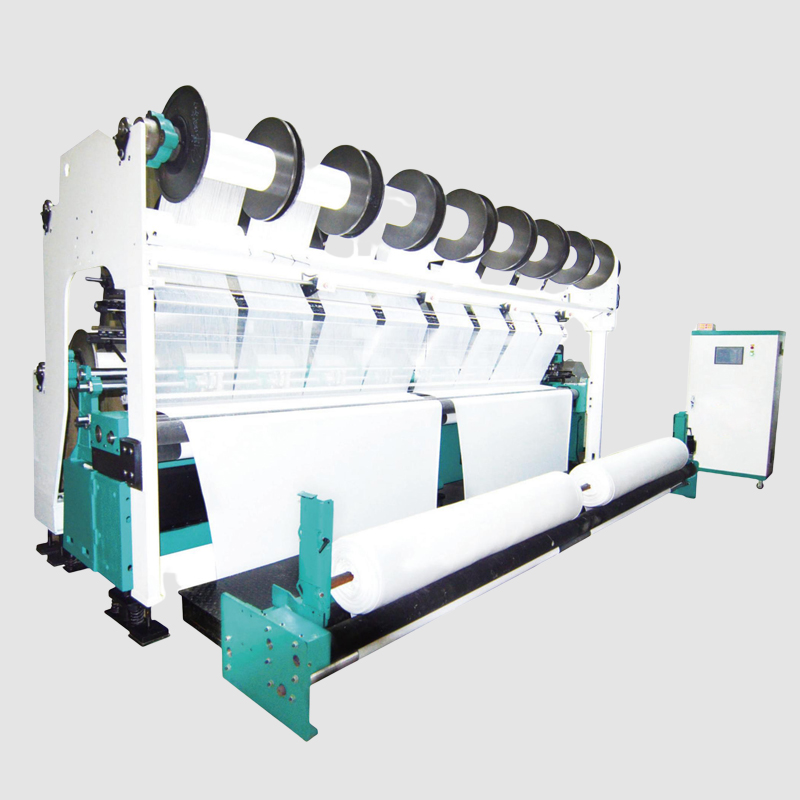
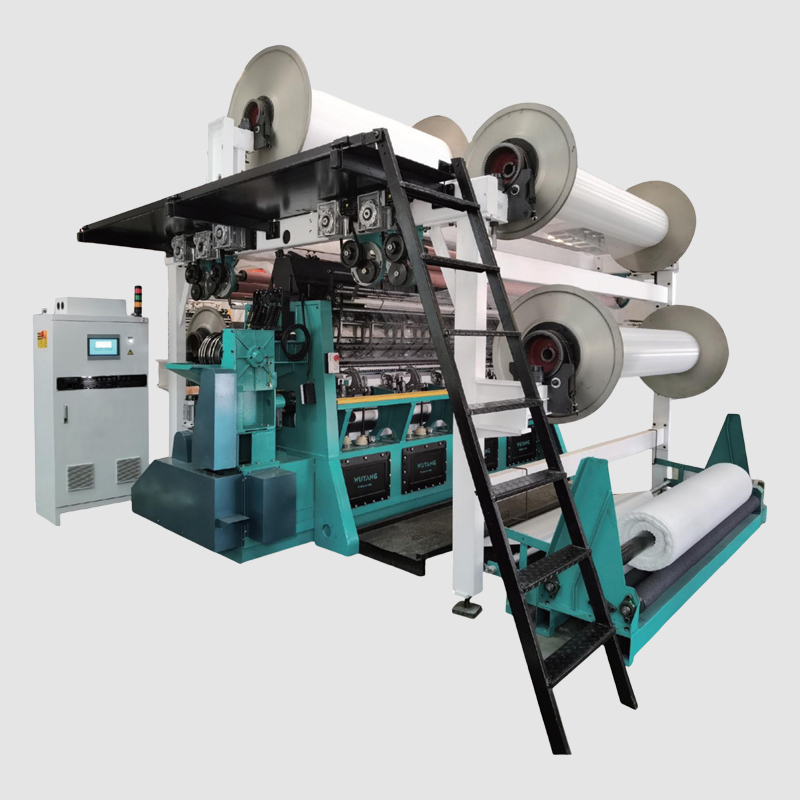
- Raschel Knitting Machines: Capable of handling coarser yarns and highly complex patterns, widely used for producing lace, nets, and heavy technical textiles.
- Double Needle Bar Machines: Equipped with two sets of needle bars, used for producing seamless items, spacer fabrics, and plush materials.
| Tipo de máquina | Best Used For | Key Characteristics |
|---|---|---|
| Tricot Machines | Swimwear, activewear, underwear | Very high speed, fine gauge, handles simple and lightweight fabrics perfectly. |
| Raschel Machines | Lace, nets, heavy technical textiles | Handles coarser yarns, capable of producing highly complex and open-work patterns. |
| Doble barra de agujas | Spacer fabrics, seamless items, plush toys | Uses two sets of needle bars to create 3D thickness and specialized double-faced fabrics. |
 |  |  |
Common Applications of Warp Knitted Fabrics
Because of their durability and versatility, warp knitted fabrics are highly demanded across diverse global markets. Common applications include:
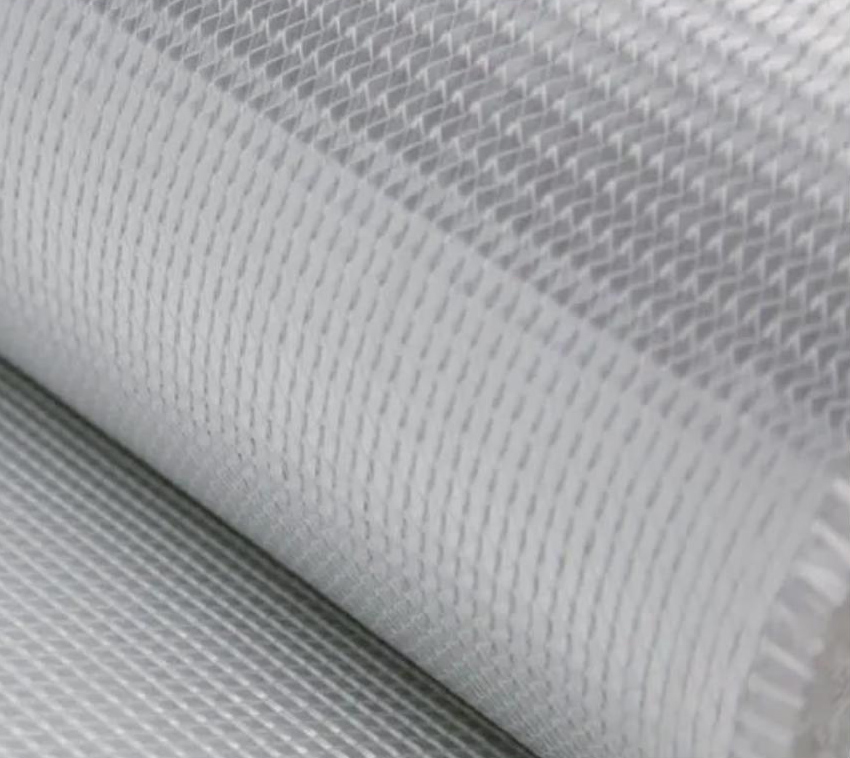
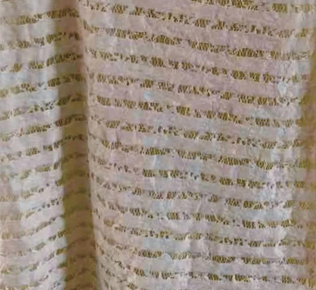
- Apparel & Footwear: Sportswear, seamless lingerie, swimwear, and highly durable shoe uppers (sports shoes).
- Home Textiles & Toys: Curtains, mattress ticking, upholstery, and soft fabrics for plush toys.
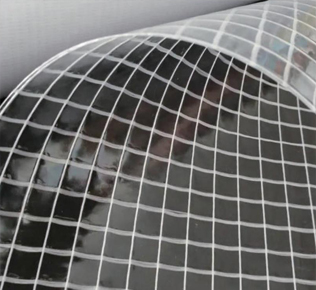
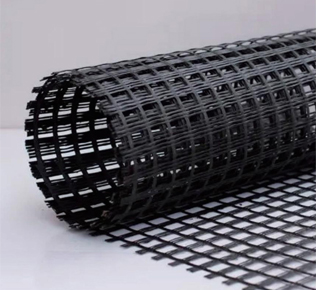
- Technical Textiles: Automotive interiors, medical textiles, industrial meshes, and geotextiles.
 |  |  |  |
From Machine Mechanics to Global Market Success (The Sutex Advantage)
Understanding the mechanics of loop formation is essential, but translating that mechanical process into a profitable textile business requires strategic insight and reliable support. This is where the partnership with a professional manufacturer becomes vital.
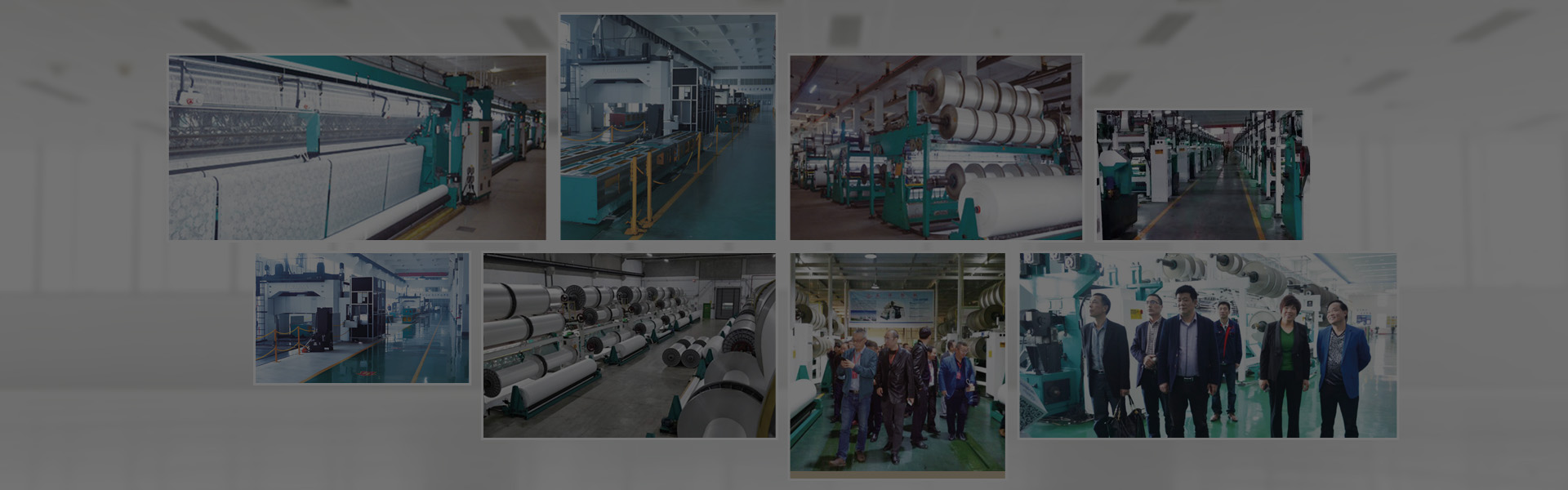
At Sutex Machinery, we believe that providing high-quality machines is only half the equation. Our dedicated Warp Knitting Division works closely with our expert sales professionals to ensure that our technological solutions align perfectly with global market demands.
As highlighted in our recent corporate update, El equipo de ventas de SutexMach y su división de tejido de punto por urdimbre exploran la expansión del mercado, our teams are actively collaborating to push the boundaries of market expansion. We don’t just sell equipment; our sales and technical divisions conduct deep market research to help global clients:
- Select the right machine configurations (Tricot, Raschel, or Double Needle Bar) based on local market trends.
- Optimize production lines for maximum efficiency and return on investment.
- Receive comprehensive “Turnkey” support, from factory planning and machine installation to on-site operator training.
By combining top-tier warp knitting technology with a forward-thinking sales and support team, SutexMach empowers textile manufacturers to confidently expand their product offerings and enter new markets.
Ready to start or upgrade your warp knitting production? Explore our comprehensive Warp Knitting Machine Catalog or Contact the SutexMach Team today to discuss a customized solution for your market expansion needs!
References & Further Reading
- [1] Spencer, D. J. (2001). Knitting Technology: A Comprehensive Handbook and Practical Guide (3rd ed.). Woodhead Publishing. (A foundational text detailing the mechanical principles of warp and weft knitting).
- [2] Textile Learner. (n.d.). Working Principle of Warp Knitting Machine. Retrieved from industry standard educational resources on textile engineering and loop formation cycles.