


 Turkish
  English
  Hungarian
  Indonesian
  Bulgarian
  Polish
  Russian
  Spanish
  Portuguese
  Korean
  French


Introduction to Textile Machinery and Manufacturing Lifecycle
The global textile manufacturing sector relies heavily on mechanical engineering. When global sourcing managers, production engineers, and factory owners ask, “Which is the machine used in the textile industry?” they are rarely looking for a single piece of equipment. Instead, they are exploring a vast, interconnected network of specialized Tekstil Makineleri designed to transform raw material into engineered fabrics.
Modern textile production is a multi-stage manufacturing lifecycle. Raw natural fibers (like cotton, flax, and hemp) or synthetic polymers (like polyester and nylon) undergo a sequence of mechanical and chemical transformations. The lifecycle spans four key phases: spinning, fabric formation (weaving or knitting), coloration (dyeing and printing), and finishing.
[Raw Fibers] ➔ [Spinning (Yarn)] ➔ [Weaving/Knitting (Greige)] ➔ [Dyeing/Printing] ➔ [Finishing (Final Product)]
At every juncture, advanced Tekstil Makineleri dictates the output quality, tensile strength, tactile hand-feel, and commercial viability of the final fabric roll. Without precise mechanical intervention, converting a raw cotton boll or a liquid polymer strand into high-performance activewear, durable industrial geotextiles, or luxury medical-grade substrates is impossible.
Understanding this complex manufacturing lifecycle is essential for any mill looking to optimize its production lines, reduce energy footprints, and maximize throughput in an increasingly competitive global market.
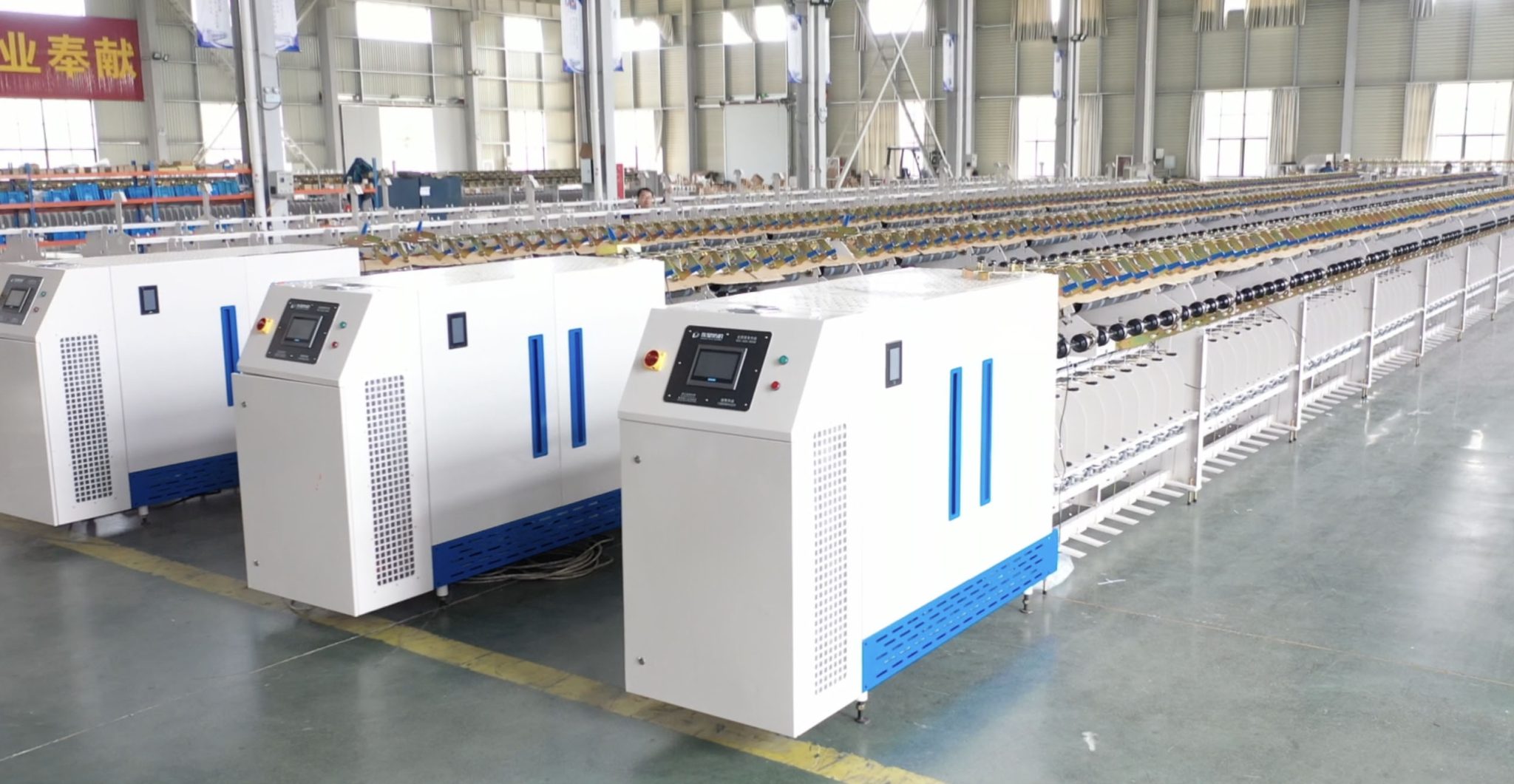
Classification of Machines Used in the Textile Industry
To build a high-yielding textile production facility, engineers classify Tekstil Makineleri by its specific operational stage. Each phase requires specialized sub-systems that handle different material tensions, processing speeds, and environmental variables.
1. Yarn Spinning Machinery
The production lifecycle begins in the spinning sector, where loose, raw fiber masses are cleaned, aligned, drawn out, and twisted into uniform yarns. This process involves a sequential series of highly automated machines:
Blowroom: This is the initial stage of yarn preparation. The Blowroom machinery opens compressed fiber bales, eliminates heavy impurities like seeds, dust, and husks, and thoroughly blends different fiber lots to ensure absolute material uniformity before subsequent processing.
Carding: Often called the “heart” of the spinning mill, Carding machines use wire-covered cylinders to separate the loose fiber clumps into individual filaments. This step removes remaining micro-impurities and converts the randomized fiber mass into a continuous, loose rope-like strand known as a carded sliver.
Drawing: Multiple carded slivers are fed simultaneously into Drawing frames. The primary function of this machine is to blend and elongate the slivers through a series of rollers operating at progressively higher speeds. This aligns the individual fibers perfectly parallel to the sliver axis, enhancing yarn uniformity and strength.
Roving: The drawn sliver is still too thick for direct yarn spinning. The Roving frame further drafts the sliver, reducing its thickness significantly while imparting a slight protective twist. This turns it into a “roving,” which is wound onto bobbins for the final spinning step.
Ring Spinning Machines: Representing the definitive stage of yarn formation, Ring Spinning Machines draft the roving to its final desired yarn count, insert a high-speed twist to lock the fibers together structurally, and wind the finished spun yarn onto a bobbin. These units run at tens of thousands of RPM, demanding exceptional spindle stability and tension control.
2. Fabric Weaving and Knitting Machinery
Once yarn production is complete, the material transitions to the fabric formation stage, where strands are structurally interlaced or interlooped into a stable cloth sheet.
Shuttleless Looms: In modern industrial weaving, traditional shuttle looms have been completely replaced by high-speed Shuttleless Looms, including rapier, air-jet, and water-jet variants. These advanced machines insert weft yarns across massive widths at incredible speeds, enabling the high-volume production of dense, heavy-duty woven textiles like denim, twill, canvas, and industrial industrial geogrids.
Çözgülü Örme Makinesi: For flexible, elastic, and high-precision technical textiles, a Çözgülü Örme Makinesi is indispensable. Unlike circular knitting, warp knitting feeds yarns parallel to the fabric length. This mechanical structure produces highly stable, run-resistant fabrics. Industrial applications range from high-performance athletic apparel to complex technical substrates, such as specialized oxygenation hollow fiber mats used in premium medical filtration equipment.

3. Dyeing and Printing Equipment
After the greige fabric is woven or knitted, it enters the coloration phase to receive vibrant hues, complex patterns, and uniform brand styling.
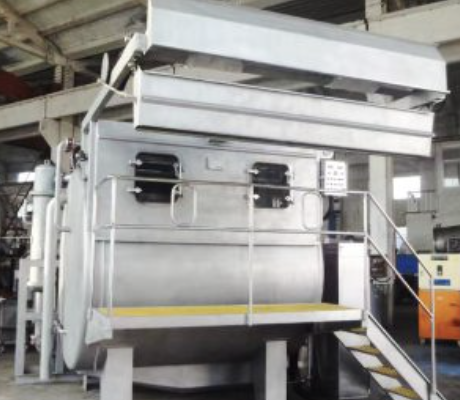
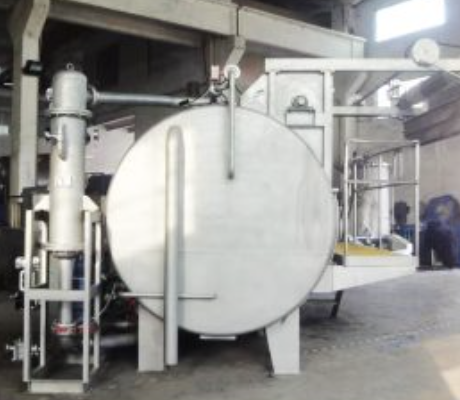
Jet Dyeing Machines: Operating as closed, pressurized systems, Jet Dyeing Machines use a high-velocity jet of dye liquor to propel rope-form fabrics through a circular processing chamber. This hydrodynamic transport mechanism ensures rapid, deep, and uniform dye penetration under precise temperature controls, making it ideal for delicate synthetic knits and blended fabrics.
Continuous Dyeing Ranges: For massive production runs of open-width woven fabrics, mills deploy Continuous Dyeing Ranges. These expansive, automated machinery lines guide the fabric continuously through pad-dyeing, chemical fixation, steamer, and washing zones in a single pass. This provides unmatched batch-to-batch color consistency for thousands of meters of fabric.
Digital Textile Printers: Representing the pinnacle of modern design agility, Digital Textile Printers apply specialized industrial inks directly onto open-width textiles via computerized inkjet arrays. This method eliminates the need for physical print screens, allowing mills to execute highly intricate, custom multi-color designs on 100% cotton, silk, and polyesters with zero setup waste and minimal water consumption.
4. Fabric Finishing and Treatment Machinery
The final, high-value stage of the manufacturing lifecycle is fabric finishing. This is where the raw, treated cloth is transformed into a commercial asset. Finishing equipment uses physical physics and thermal dynamics to modify the hand-feel, dimensionality, luster, and functional performance of the textiles.
Heat Setting Stenter Machines
Industrial Stenter Machines are the primary equipment used for dimensional stabilization and heat setting in textile finishing mills. When fabrics undergo intensive knitting, weaving, and dyeing, they accumulate massive internal structural stresses. Left untreated, the fabric will warp, shrink excessively, or skew diagonally when cut and washed.
A high-performance stenter uses an automated chain drive equipped with pins or clips to grip the fabric edges, stretching the cloth to a controlled width. As the tensioned fabric passes through a series of highly insulated heating chambers—often operating between 150°C and 220°C—the thermal energy relaxes the internal molecular structures of the fibers (particularly synthetics like polyester).
This sets the precise width, eliminates structural bowing, and bakes in permanent anti-wrinkle properties. Modern stenters integrate precise moisture-management controllers and automated airflow systems to achieve maximum heat transfer with minimal fuel or electricity usage.


Fabric Sueding and Emerizing Machines
To elevate the tactile premium of apparel fabrics without relying on heavy chemical coatings, manufacturers deploy industrial Sueding Machines (also referred to as emerizing lines). This process relies entirely on micro-abrasion physics. The fabric is tensioned and guided over a series of rapidly rotating rollers wrapped in specialized abrasive media, such as diamond emery grit or flexible carbon-fiber bristles.
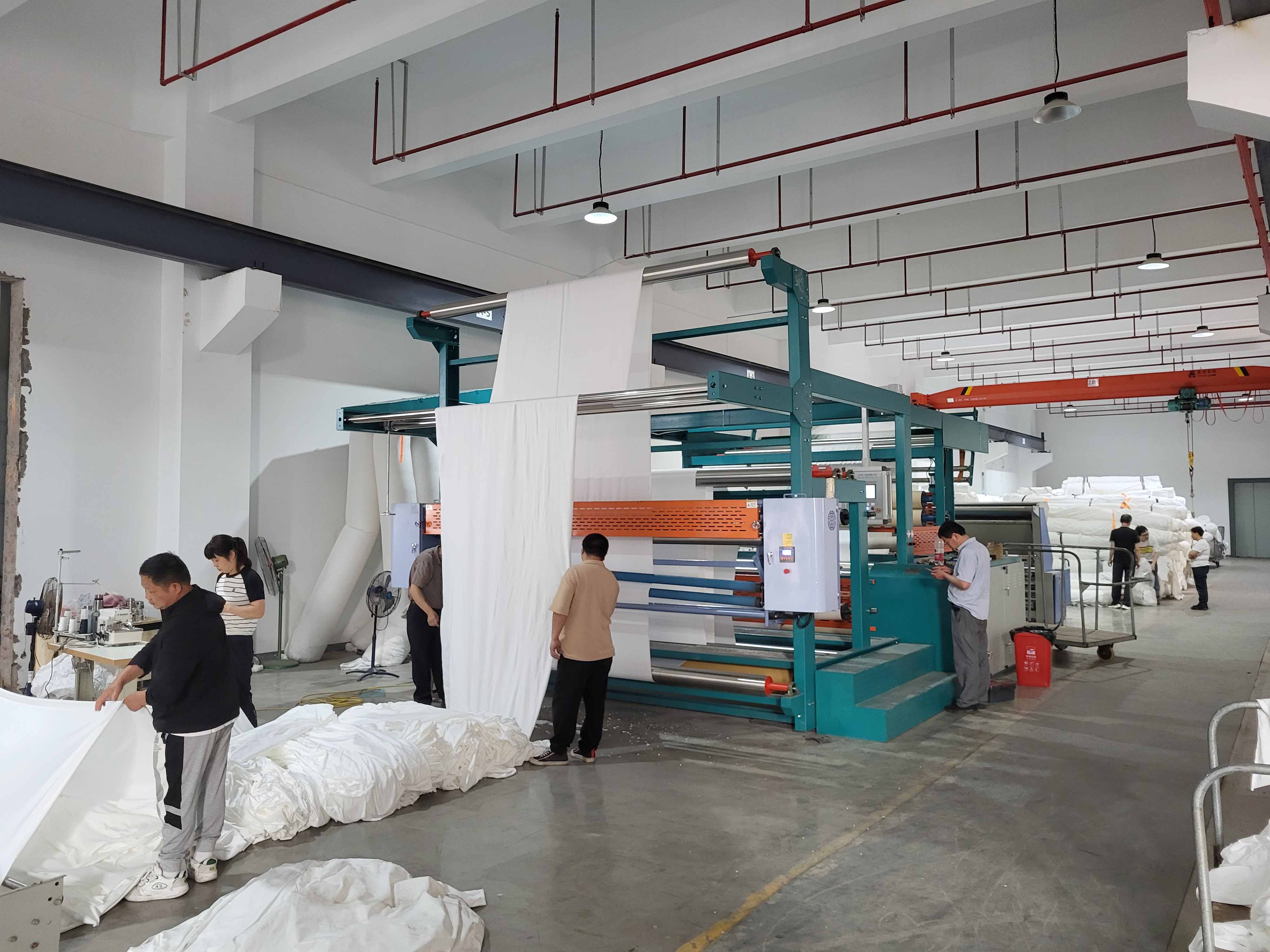
As the counter-rotating abrasive rollers graze the fabric surface, they gently slice and lift the outermost filaments of the spun yarn plies. This mechanical micro-shearing action creates millions of uniform, short vertical fiber ends per square meter. This forms a dense, matte cushion known as a “peach skin” or velvet touch finish.
Precision engineering is required here: if the tension matrix or roller contact pressure varies by even a few microns, the machine will compromise the fabric’s tensile strength, resulting in tears or structural degradation.
 High-Efficiency Calendering Machines
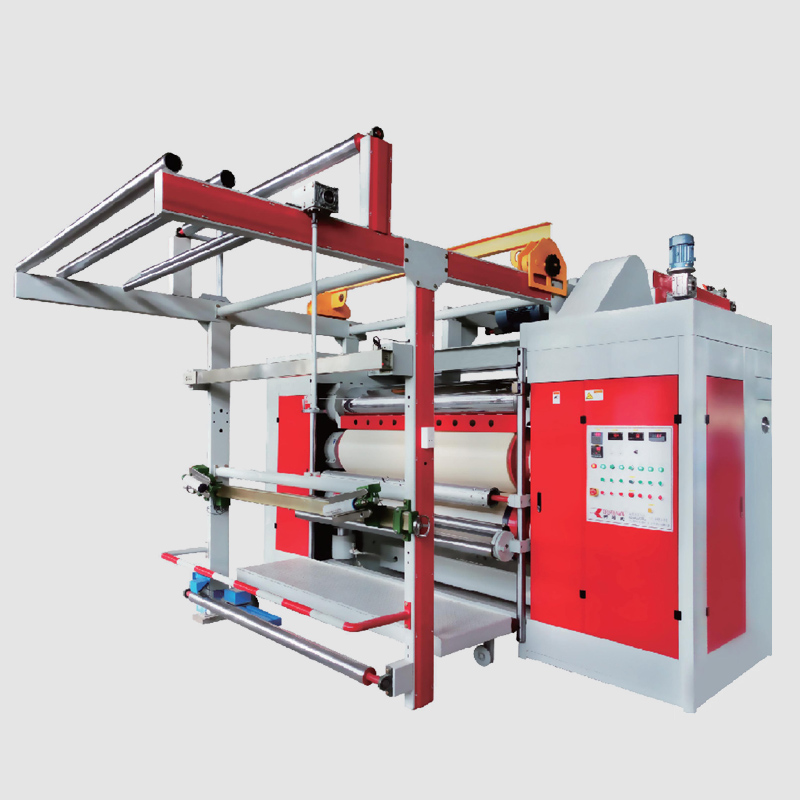 High-Efficiency Calendering Machines
For fabrics requiring a sleek gloss, smooth flatness, or structural density, Calendering Machines provide the definitive mechanical treatment. A calender consists of a vertical stack of heavy, highly polished cylinders that compress the open-width fabric under immense pneumatic or hydraulic pressure. Typically, a heated hard steel cylinder presses directly against a softer, resilient bowl made of compressed cotton or polyamide fibers.
When fabric passes through this high-pressure nip zone, the combination of intense heat (up to 200°C) and massive compressive force flattens the round yarn structures into oval configurations. This closes the microscopic windows in the weave, smoothing out surface roughness and altering how light reflects off the cloth.
The result is a striking, uniform surface luster, improved fabric density, and an exceptionally silk-like hand-feel. This treatment is highly valued for high-density down-proof jacket linings, premium bedding linens, and post-treatments for digitally printed cotton apparel.
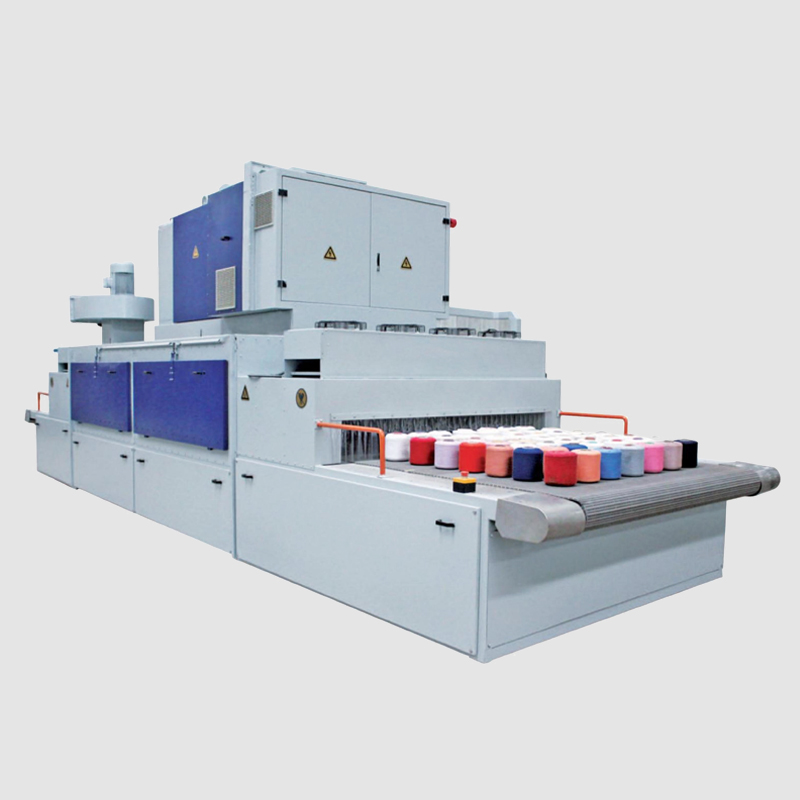
Radio Frequency (RF) and Air Tensionless Dryers
Industrial drying demands an exact science to prevent fiber degradation. Traditional hot-air convective drying can easily over-dry the surface of natural fibers while leaving the internal core damp, leading to brittleness and uneven shrinking. To solve this for loose fibers, yarn packages, and delicate open-width knits, advanced mills implement Radio Frequency (RF) dryers alongside specialized Air Tensionless Dryers.
An RF dryer operates by generating a high-frequency electromagnetic field between two electrode plates. When wet textile materials pass through this field, the water molecules—which are naturally polar—vibrate at millions of cycles per second. This rapid friction generates thermal energy directly inside the moisture zones, causing the water to evaporate uniformly from the interior outward.
Because the dry textile fibers do not absorb the radio frequency waves, the process stops automatically once the water is gone, eliminating any risk of over-drying.
For continuous fabric webs, Air Tensionless Dryers carry the cloth on a wavy, tension-free air cushion through a dynamic drying tunnel. This allows the loops of the fabric to relax and shrink naturally in both warp and weft directions, maximizing the fabric’s structural elasticity and loft.
Technical Comparison of Core Fabric Finishing Machinery
| Machinery Category | Primary Physical/Thermal Principle | Core Target Application | Essential Mechanical Variables | Primary Quality Defects Prevented |
| Stenter Machines | Convective hot-air heat setting with lateral pin/clip tensioning. | Woven & knitted fabric width control; synthetic fiber stabilization. | Chain speed, chamber airflow velocity, overfeed percentage. | Fabric shrinkage, edge curling, skewing, and dimensional bowing. |
| Sueding Machines | Mechanical micro-abrasion via counter-rotating abrasive rollers. | Creating “peach skin” and velvet tactile effects on apparel. | Roller RPM, fabric tension matrix, wrap angle, grit size. | Uneven surface pile, local bald spots, catastrophic tensile loss. |
| Calendering Machines | High-pressure hydraulic compression and thermal flattening. | Imparting high-gloss luster, smoothness, and down-proof density. | Cylinder temperature, nip pressure (N/mm), friction ratio. | Surface roughness, air permeability leaks, dull color reflection. |
| Air Tensionless Dryers | Aerodynamic wave-form transport via high-velocity air nozzles. | Tension-free moisture evaporation and structural shrinkage relaxation. | Nozzle air pressure, conveyor speed ratio, humidity exhaust rate. | Internal fiber stress, fabric stiffness, micro-cracking of prints. |
Consider When Selecting Textile Machinery
Investing in new industrial Tekstil Makineleri requires evaluating multiple engineering variables. Buying hardware that does not align with your specific mill conditions can lead to high operating costs, low product quality, or frequent downtime. Production managers must prioritize four foundational selection criteria:
1. Material Compatibility and Processing Scope
A machine optimized for heavy woven denim will fail if applied to delicate elastomeric knits. Owners must match the machinery’s tension range, roller surfaces, and transport drives to the fabric weight (GSM), raw fiber blend, and construction method. For example, processing high-density nylon microfibers requires advanced tension-leveling cells that prevent structural elongation, while raw flax or hemp fibers require heavy-duty, high-capacity drying volumes.
2. Thermal and Mechanical Precision
In modern textile processing, consistency equals profit. Finishing machinery must offer precise control over its working elements:
Temperature Consistency: High-end stenters and calenders must maintain a uniform temperature profile across the entire length of the roller or chamber width within +-1℃ Any local temperature deviation creates immediate color shading variances or structural weak spots across the fabric roll.
Tension Matrix Management: Look for systems featuring independent, multi-point AC frequency inverter drives coupled with sensitive load cells. This configuration ensures the fabric experiences completely uniform tension from the entry unwinder to the final exit batcher.
3. Energy Efficiency and Operating Costs
Textile finishing is highly energy-intensive. With global fuel and electricity prices fluctuating heavily, choosing machinery with sustainable engineering is critical. Stenter chambers must feature high-density insulation panels and heat recovery modules that capture thermal exhaust to preheat incoming fresh air. Similarly, drying lines should leverage selective energy absorption, ensuring power is spent only on moisture evaporation rather than heating the surrounding structure.
[Thermal Exhaust Air] ➔ [Heat Recovery Module] ➔ [Preheats Incoming Fresh Air] ➔ [Reduces Fuel Use by 15-20%]
4. Build Quality and Engineering Heritage
Industrial equipment should be viewed as a 15-to-20-year operational asset. Frames built from heavy, stress-relieved structural steel resist high-speed vibrations, preventing mechanical alignment drift over years of continuous operation. Component selection also matters: ensuring your machinery incorporates globally recognized electronics, PLC modules, and pneumatic valves simplifies future parts sourcing and maintenance.
Future Trends: Automation and Sustainability
The global Tekstil Makineleri market is undergoing a major shift driven by two urgent forces: the Rise of Industry 4.0 automation and strict international environmental, social, and governance (ESG) regulations.
Industry 4.0 and Automated Quality Compensation
Modern textile mills are moving away from relying on operator intuition. Advanced finishing platforms now integrate smart sensors that continuously monitor production metrics in real time. For instance, as abrasive wraps on a sueding unit naturally wear down over kilometers of fabric runs, automated control systems calculate the wear profile and automatically adjust the roller positions inward by fractions of a millimeter. This maintains consistent batch-to-batch finishing quality without manual intervention.
Furthermore, cloud-connected PLC frameworks allow engineers to perform remote diagnostics, optimize machine recipes, and upgrade firmware across borders instantly.
The Push for Green, Low-Carbon Manufacturing
Textile brands worldwide are demanding verifiable reductions in carbon footprints and chemical usage. This has placed traditional, resource-intensive finishing lines under scrutiny. The latest machinery innovations focus on zero-emission designs, waterless processing, and advanced energy recovery:
Advanced Gas and Thermal Systems: Modern stenters utilize optimized burner arrays that guarantee complete fuel combustion, drastically reducing nitrous oxide emissions while cutting fuel use by 15% to 20%.
Sustainable Material Processing: Finishing equipment is increasingly optimized to handle recycled polyester fibers and organic cotton without causing material degradation. This support helps mills achieve international certifications like the Global Recycled Standard (GRS) and Oeko-Tex compliance, unlocking premium tier export markets.
Choosing the Right One-Stop Solution Provider
Navigating the complexities of modern textile production requires more than just purchasing individual machines; it demands a partnership with a reliable, technically adept equipment provider. A true one-stop solution provider manages the entire integration lifecycle, from initial floor-plan layout design and custom mechanical R&D to synchronized cross-machine control systems, international logistics, and comprehensive commissioning support.
As a prominent engineering leader backed by over 30 years of manufacturing heritage, SutexMach (operating under the global network of Jiangsu SOHO Honry Import & Export Co., Ltd.) delivers highly integrated textile production solutions. By managing the entire process under an elite engineering matrix, SutexMach ensures that every pre-treatment, dyeing, and advanced finishing unit operates in perfect harmony.
Whether your mill is expanding capacity for high-speed denim production in Central Asia, establishing precision medical-grade technical knitting arrays in Europe, or launching a modern digital print post-processing line in West Africa, sourcing from a financially stable, state-backed corporate network guarantees long-term parts security, dependable warranties, and elite field engineering support.
SSS
Q1: What is the main difference between a sueding machine and a raising/napping machine?
While both are mechanical finishing methods used to create a surface pile, they use different mechanical actions. A sueding machine uses ultra-fine abrasive rollers (emery paper or carbon fiber filaments) to micro-shear the yarns, creating a very short, dense, matte “peach skin” finish. A raising or napping machine uses rollers covered in fine wire teeth to physically hook into the yarn plies and pull the fiber loops outward, generating a much longer, fluffier fleece-like pile.
Q2: Why is moisture control so critical during the textile calendering process?
Fabric entering a calender needs a precise, uniform moisture content (typically between 6% and 10% depending on the fiber profile). Moisture acts as a natural plasticizer for cotton and natural fibers. When the damp cloth hits the intensely heated rollers, the moisture instantly turns to micro-steam, softening the yarn structures so they shape easily under pressure. If the fabric is completely dry, the calendering process will fail to impart a rich luster; if it is too wet, the extreme heat can scorch the fibers or cause permanent water spotting.
Q3: Can a single heat setting stenter handle both woven and high-elasticity knitted fabrics?
Yes, provided the machine is engineered with an advanced dual-use transport chain and sensitive overfeed controllers. Knitted fabrics require significant overfeeding into the entry zone to allow the loops to relax longitudinally, alongside sensitive air-cushion nozzle support to prevent sagging. Woven fabrics demand higher lateral chain tensions and intense air velocity. A stenter equipped with modern multi-point AC inverter drives and programmable PLC recipes can switch seamlessly between these two fabric profiles.
Q4: How does radio frequency drying compare to traditional convective steam drying in terms of operational cost?
While the initial equipment investment for an RF dryer is typically higher than a basic steam convective dryer, its operational efficiency is far superior for specific material forms like loose fiber cakes or yarn bobbins. Traditional dryers waste significant energy heating the surrounding structural metal and air currents. An RF system applies energy selectively, vibrating only the water molecules within the product. This direct energy transfer cuts total utility consumption, shortens drying cycles, and completely eliminates the risk of yellowing or over-drying sensitive natural fibers.