


 Russian
 English
 Hungarian
 Indonesian
 Bulgarian
 Turkish
 Polish
 Spanish
 Portuguese
 Korean
 French


Знали ли вы, что отделка определяет конечное качество текстиля? К сожалению, дефекты отделки ткани — это ошибки на завершающем этапе, которые уничтожают её ценность. В этом посте мы обсудим распространённые дефекты отделки в процессе обработки текстиля. Вы узнаете их причины и способы устранения.
What Are Fabric Finishing Defects?

Before exploring specific Причины и способы устранения дефектов отделки ткани, we must understand the finishing stage itself. Textile finishing is the final production step. It transforms raw material into a usable, high-performance product. This stage generally splits into two categories: mechanical and chemical processes.
Mechanical finishing physically alters the textile. Examples include sueding, calendering, and drying. Chemical finishing applies substances to change performance. This includes flame retardant treatments, TPU coatings, and PTFE lamination. At SutexMach, we have supported global fabric mills since 1985. We design intelligent textile machinery to execute these exact processes flawlessly. Our equipment includes advanced sueding, calendering, and stenter machines.
Finishing Defects vs. Weaving and Dyeing Faults
Many people confuse finishing errors with earlier production mistakes. These represent entirely distinct production issues. Weaving defects happen during yarn interlacing. You might see dropped stitches or structural snags. Dyeing faults occur during color application. These often appear as color inconsistencies.
Finishing defects happen after weaving and dyeing. They occur when altering the physical or chemical properties. For instance, improper heat sealing ruins moisture-proof properties. Incorrect roller pressure creates unwanted gloss variations. A poorly calibrated machine might even cause an неровные тактильные ощущения после отделки ткани.
The Impact on Aesthetics, Durability, and Market Value
Finishing errors destroy the ultimate product value. They compromise aesthetics, reduce durability, and lead to massive batch rejections. For technical textiles, the stakes are even higher. A failed PTFE breathable membrane loses its filtration efficiency. A flawed TPU composite loses its water pressure resistance.
Global fabric mills cannot afford these final-stage errors. They directly impact your bottom line and brand reputation. We can observe the distinct impacts of different defect origins below.
| Defect Origin | Typical Causes | Impact on Final Product |
|---|---|---|
| Weaving/Knitting | Yarn breakage, machine tension errors | Structural weakness, visible holes, snags |
| Окрашивание | Poor dye dispersion, incorrect temperature | Color spotting, poor colorfastness |
| Отделка | Improper chemical application, uneven mechanical pressure | Loss of weather resistance, poor hand feel, fabric shrinkage |
Common Finishing Faults in Textile Processing

We just saw how final-stage errors destroy product value. To fix these issues, you first need to identify them. We generally divide these errors into two main categories. They are chemical finishing faults and mechanical finishing faults.
Chemical vs. Mechanical Finishing Faults
Chemical finishing faults happen during the application of specialized substances. These processes include flame retardant treatments, TPU coatings, and PTFE laminations. If operators use incorrect curing temperatures, they can ruin a fabric. A TPU composite might lose its required water pressure resistance. You might also notice завершение полос на окрашенной ткани. This happens when chemical resins distribute unevenly across the material surface.
Mechanical finishing faults occur during physical fabric alterations. Processes like sueding, calendering, and drying fall into this group. If a machine applies uneven roller pressure, it creates unwanted gloss spots. Poor tension control causes fabric shrinkage or structural damage. Reliable equipment is absolutely critical here.
What Causes These Defects?
Several factors trigger распространённые дефекты отделки в текстильной обработке. They usually stem from three main sources:
- Environmental Factors: Temperature and humidity fluctuations disrupt chemical applications. High ambient moisture can completely ruin moisture-proof heat sealing processes.
- Human Error: Operators often miscalculate machine settings. Incorrect feed rates or wrong temperature inputs quickly degrade anti-slip coatings.
- Outdated Machinery: Older equipment struggles to maintain consistent tension and pressure. They lack modern intelligent controls.
At SutexMach, we help fabric mills eliminate these equipment-related risks. As a subsidiary of Jiangsu SoHo Honry Import & Export Co., Ltd., we have manufactured intelligent textile machinery since 1985. Our modern calendering, drying, and stenter machines provide precise control. They remove the guesswork from mechanical finishing.
The Importance of Early Detection
You must catch these errors early in the production line. Early detection minimizes massive material waste. It stops a minor calibration mistake from ruining an entire batch of expensive PTFE breathable membranes.
Modern textile clusters face strict environmental governance and rising labor benchmarks. Wasting raw materials is no longer an option. Implementing automated monitoring directly on your production line saves money. It protects your brand reputation. It ensures every roll meets strict industry standards before it ships.
Fabric Finishing Defects Causes and Remedies

As we covered earlier, early detection prevents minor calibration errors from destroying entire production batches. You must know exactly what to look for on the factory floor. Understanding common finishing faults in textile processing helps you maintain strict quality standards. Let’s examine specific fabric finishing defects causes and remedies to protect your bottom line.
| Defect Type | Primary Cause | Quick Remedy |
|---|---|---|
| Uneven Hand Feel | Inconsistent softeners, uneven pressure | Standardize recipes, use air-softening machines |
| Finishing Streaks | Uneven pad roller squeezing | Calibrate rollers, optimize stenter settings |
| Bowing and Skewing | Uneven tension across fabric width | Install automated weft straighteners |
| Crease Marks | Sudden cooling, excessive calendering tension | Implement controlled cooling zones |
| Pilling and Fuzz | Over-processing during mechanical finishing | Adjust abrasive tension and speed |
| Yellowing | Excessive heat, silicone softener reactions | Regulate drying temperatures tightly |
Uneven Hand Feel After Finishing Fabric
An uneven hand feel after finishing fabric ruins the tactile quality of garments. This defect usually stems from inconsistent softener application. It can also happen when mechanical rollers apply uneven pressure. Temperature fluctuations inside the stenter frame often worsen the issue.
To fix this, standardize your chemical recipes first. Ensure your padder maintains uniform pressure across the entire fabric width. We highly recommend utilizing high-precision sueding or air-softening machines. At SutexMach, our intelligent air-softening equipment guarantees a consistent, premium texture every time.
Finishing Streaks on Dyed Fabric
You might occasionally spot finishing streaks on dyed fabric. These visible lines occur when pad rollers squeeze the material unevenly. Residual chemicals left over from previous steps also cause streaking. Improper tension and uneven heat distribution during drying are common culprits too.
You can eliminate these streaks through regular equipment calibration. Always wash the textiles thoroughly before they enter the final finishing stage. Finally, optimize your stenter frame settings. Precise heat and tension control prevents resins from pooling on the material surface.
Bowing and Skewing (Distorted Weft)
Bowing and skewing distort the structural grid of your textiles. This happens when machines apply uneven tension across the fabric width. It frequently occurs during the drying and stentering processes.
The most effective remedy is installing automated weft straighteners. You must also ensure synchronized speed control across all guide rollers. Our modern stenter machines feature advanced tension regulation. They keep the weft perfectly aligned from start to finish.
Crease Marks and Wrinkles
Crease marks permanently damage synthetic materials like TPU-coated fabrics. Sudden cooling often locks these wrinkles into place. Improper folding or excessive tension during calendering will also create sharp, unwanted creases.
Implement controlled cooling zones to gradually lower material temperatures. You should also upgrade to advanced calendering machines. SutexMach calendering equipment offers precise tension regulation. This prevents stress-induced wrinkles and protects moisture-proof heat sealing properties.
Pilling and Surface Fuzz
Surface fuzz degrades the appearance of high-performance technical textiles. This usually results from over-processing during mechanical finishing. Aggressive sueding or brushing breaks the fibers. Poor-quality base yarns make the problem even worse.
You must adjust your abrasive tension and speed parameters. Always match these settings to the specific fabric type. Our intelligent sueding machines allow operators to fine-tune these exact parameters. This prevents structural damage while achieving the desired finish.
Yellowing or Color Alteration
White and light-colored textiles are highly vulnerable to yellowing. Excessive heat exposure during the drying process burns the fibers slightly. Adverse chemical reactions with finishing agents, especially silicone softeners, also alter the final color.
Strictly regulate your drying temperatures to prevent heat damage. Always select non-yellowing finishing chemicals for sensitive batches. Reliable drying machines maintain exact temperature profiles. They ensure flame retardant fabrics and everyday knits retain their true colors.
How Advanced Machinery Prevents Fabric Finishing Defects
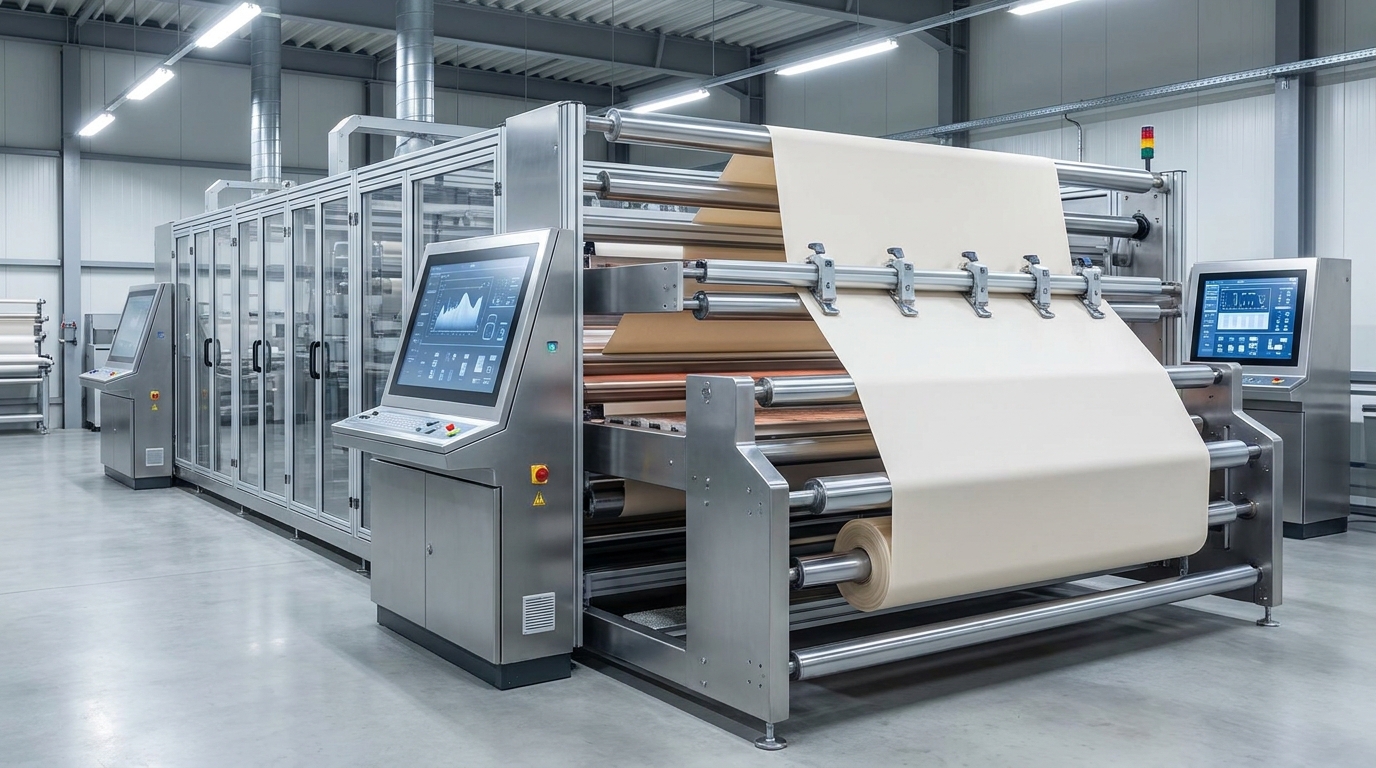
As we covered earlier, preventing yellowing requires reliable drying machines. Equipment quality dictates your success across all finishing stages. You cannot consistently fix fabric finishing defects without upgrading your production line. Advanced machinery completely removes the guesswork.
Eliminating Human Error Through Intelligent Control
Human error causes many final-stage textile faults. Operators might easily miscalculate feed rates. They often input incorrect temperature settings during busy shifts. Intelligent textile machinery eliminates these costly mistakes entirely.
Modern equipment utilizes automated sensors. They monitor tension and pressure continuously. They maintain consistent production parameters across massive fabric batches. This precise control stops defects before they ever form on the material. It reduces your reliance on manual calibration.
Matching Specialized Equipment to Specific Finishes
You must use specialized equipment for specific finishing tasks. A generic machine setup will damage sensitive materials. For example, processing knitted TPU composites requires exact heat sealing controls. Using outdated machines risks losing crucial water pressure standards.
Specialized machines handle complex technical properties safely. They protect the delicate fabric structure. They apply chemical or mechanical finishes evenly. This targeted approach ensures flame retardant fabrics and breathable membranes meet strict industry standards.
Achieving Zero-Defect Finishes
Achieving zero-defect finishes is entirely possible. We help global fabric mills reach this exact goal every single day. Founded in 1985, SutexMach is affiliated to Jiangsu SoHo Honry Import & Export Co., Ltd. We bring over 30 years of specialized experience directly to your factory floor.
We are a professional manufacturer of intelligent textile machinery. Our state-of-the-art equipment lineup covers your entire production needs. We build advanced sueding, calendering, drying, and stenter machines. We also provide high-quality dyeing, warp knitting, dewatering, and air-softening machines.
Each unit guarantees precise tension, temperature, and pressure control. This exact calibration prevents the various fabric finishing defects causes and remedies we discussed earlier. You can see how our specific machines tackle common faults below.
| SutexMach Equipment | Key Precision Function | Defects Prevented |
|---|---|---|
| Стентерные машины | Automated tension and weft alignment control | Bowing, skewing, and dimensional instability |
| Каландровые машины | Precise roller pressure regulation | Crease marks, wrinkles, and uneven gloss |
| Air-Softening Machines | Uniform chemical and mechanical distribution | Uneven hand feel and stiff textures |
| Drying Machines | Strict temperature profile management | Yellowing, heat damage, and color alteration |
| Шлифовальные станки | Adjustable abrasive tension and speed | Pilling, excessive fuzz, and structural tears |
Investing in the right technology protects your bottom line. It ensures every fabric roll leaves your facility in perfect condition. Intelligent machinery transforms a unpredictable finishing process into a highly controlled, profitable operation.
Quality Control Tips for Flawless Fabric Finishing
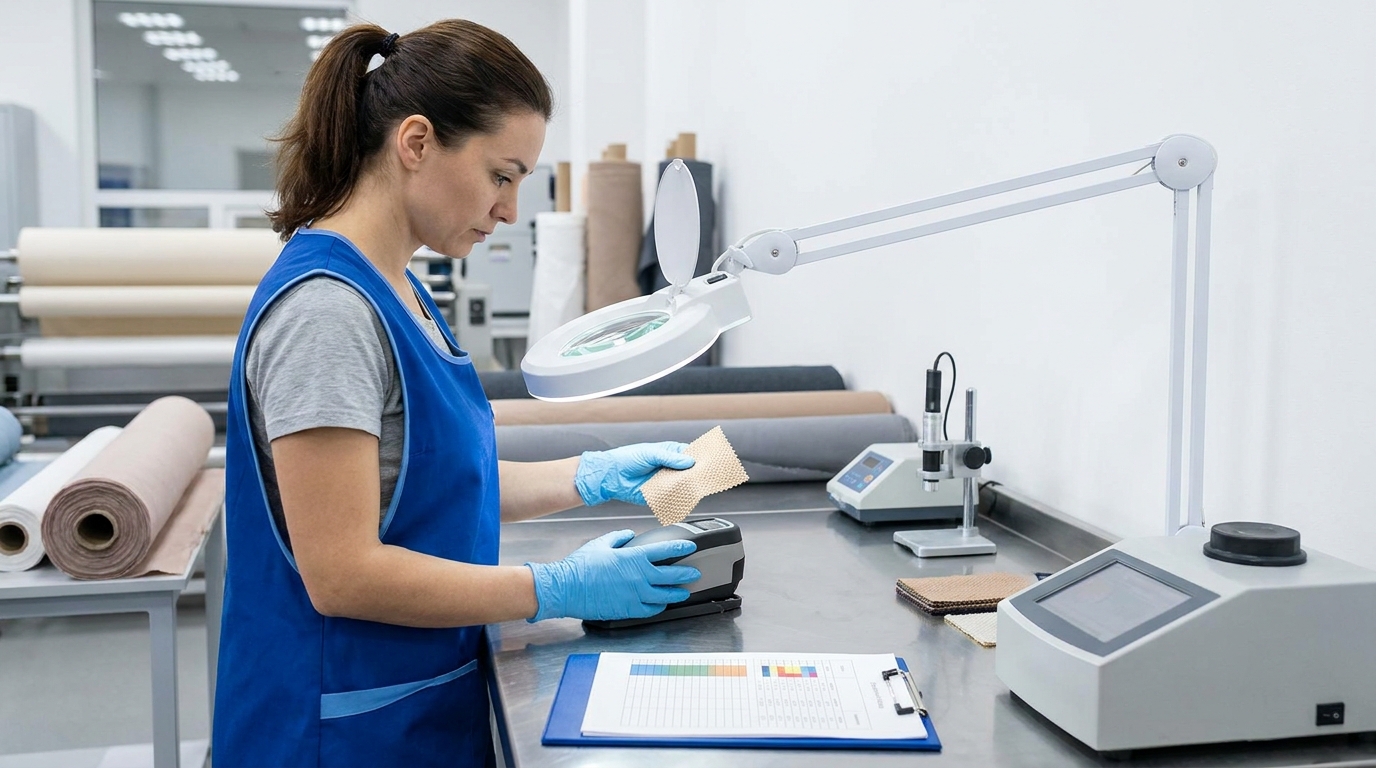
As we just discussed, upgrading to intelligent machinery transforms unpredictable finishing into a highly controlled operation. Equipment like our advanced stenter and calendering machines completely removes the guesswork. However, technology alone cannot do everything. You must pair reliable equipment with strict quality control protocols. Let’s explore practical quality control tips for flawless fabric finishing.
Establish a Routine Maintenance Schedule
Your finishing machinery requires consistent upkeep to perform well. Establish a routine maintenance and calibration schedule for all finishing machinery. Over time, rollers on calendering units wear down slightly. Drying machine sensors might drift from their true temperature readings. Regular calibration keeps these components perfectly aligned. It prevents common finishing faults in textile processing before they even start. We recommend creating a daily, weekly, and monthly maintenance log for your factory floor. This simple habit extends machine life significantly.
Conduct Pre-Production Swatch Tests
Never run a full production batch without testing the chemicals first. You should always conduct pre-production tests of finishing agents on sample swatches. Chemical reactions vary wildly depending on the base material. A flame retardant treatment might work perfectly on heavy cotton but fail on a knitted composite. Testing small swatches reveals potential yellowing or stiffness early. It allows you to adjust your recipes safely. This critical step protects expensive raw materials from massive batch rejections.
Implement Real-Time Monitoring Systems
You must catch deviations the exact moment they happen. Implement real-time monitoring systems during your stentering, drying, and calendering processes. Modern textile clusters use automated sensors to track temperature and tension continuously. If a drying zone gets too hot, the system triggers an instant alert. This rapid response prevents permanent heat damage. It ensures delicate materials like PTFE breathable membranes maintain their strict filtration standards. Catching these deviations instantly saves both time and money.
Train Operators for Rapid Defect Identification
Your factory floor staff are your first line of defense. Train operators to quickly identify fabric finishing defects causes and remedies directly on the production line. They must know the visual difference between a weaving snag and finishing streaks on dyed fabric. When they spot an uneven hand feel after finishing fabric, they should know exactly which machine settings to adjust. Empowering your operators minimizes costly downtime. It helps offset rising labor benchmarks by keeping production moving efficiently.
| Quality Control Action | Frequency | Target Process | Primary Benefit |
|---|---|---|---|
| Sensor Calibration | Weekly | Drying and Stentering | Prevents yellowing and heat damage |
| Swatch Testing | Before every new batch | Химическое применение | Avoids incorrect recipes and batch rejection |
| Roller Pressure Checks | Daily | Calendering and Sueding | Stops crease marks and uneven gloss |
| Operator Defect Training | Monthly | Entire Production Line | Speeds up troubleshooting and reduces waste |
Заключение
Resolving fabric finishing defects is vital to maintain high textile standards. Mastering these specific causes and remedies saves your mill time, money, and reputation. Upgrade your factory production line today. Trust SutexMach intelligent machinery to deliver consistent, high-quality fabric finishing results.
- Schedule a full audit of your finishing equipment.
- Contact SutexMach to request a custom machine demonstration.
- Update your daily quality control checklist immediately.
Frequently Asked Questions About Fabric Finishing Defects
How can I fix common dyeing faults in fabric finishing?
Dyeing faults often happen due to uneven chemical application. You must identify these color inconsistencies early. Adjust your dyeing machine settings to ensure a perfectly even distribution. Using reliable equipment will greatly reduce these costly application errors. Regular maintenance keeps your entire production line running smoothly.
What causes moisture ingress in knitted TPU composites?
Moisture ingress usually stems from poor heat sealing processes. Incorrect temperature settings quickly weaken the protective TPU coating. This significantly degrades the water pressure resistance of the material. You should always monitor weather resistance standards during daily production. Proper moisture-proof heat sealing prevents these specific composite failures.
How do PTFE membranes prevent industrial filtration defects?
PTFE filter paper offers superior durability over ordinary materials. It provides high-efficiency filtration while maintaining excellent corrosion resistance. This stops common defects like air leakage in industrial environments. Teflon breathable membranes balance waterproofness with necessary air permeability. These advanced membranes ensure that strict safety standards are met.
Why is proper machinery crucial for preventing finishing defects?
Outdated machinery often causes mechanical finishing defects and inconsistencies. SutexMach provides intelligent textile machinery to global fabric mills. With over 30 years of experience, we guarantee excellent quality. Our advanced stenter and calendering machines easily prevent fabric distortion. Reliable sueding and drying equipment eliminates uneven surface finishes entirely.
How can we improve durability in flame retardant fabrics?
Flame retardant fabrics require precise chemical finishing to last. Poor application leads to rapid degradation of essential protective properties. You must use high-quality cotton FR fabric for better safety. Proper drying machines help lock the chemicals deep into fibers. This ensures the fabric withstands rigorous environmental governance standards.
Actionable Next Steps
- Audit your current textile machinery for any signs of wear.
- Upgrade your equipment to intelligent stenter machines for better alignment.
- Test your TPU composites against strict water pressure resistance standards.
- Train your factory staff on the latest environmental safety protocols.
Fabric finishing defects often cause major production delays. You can easily prevent these issues by upgrading your equipment. SutexMach offers intelligent textile machinery to solve these specific problems. Proper mechanical and chemical finishing ensures high material performance. Always monitor your processes to meet strict industry safety standards. Fixing these common faults will ultimately save your factory money.